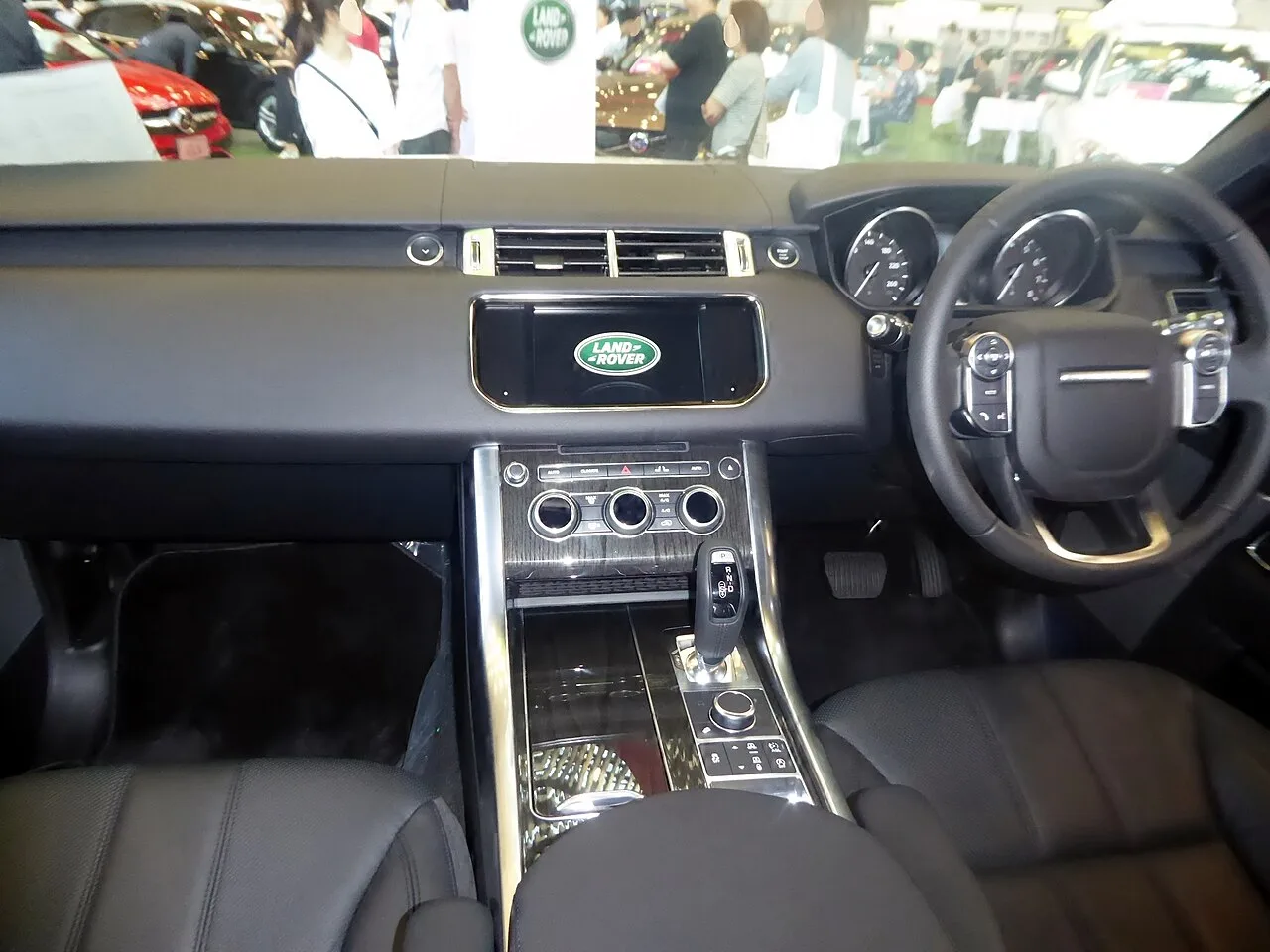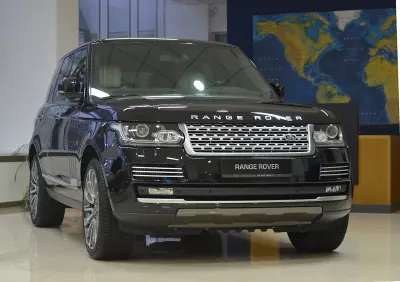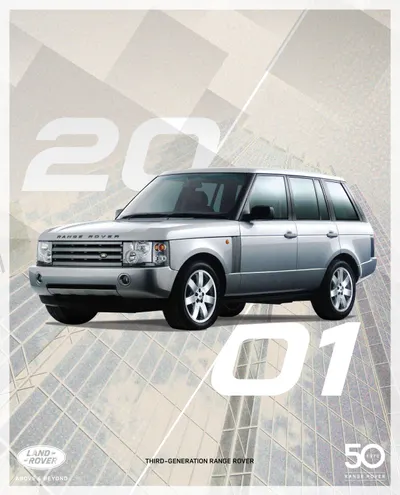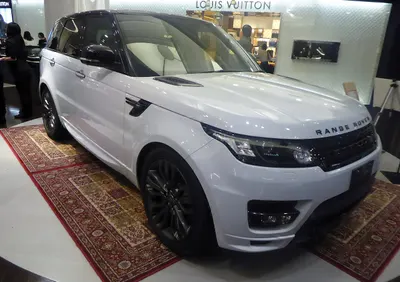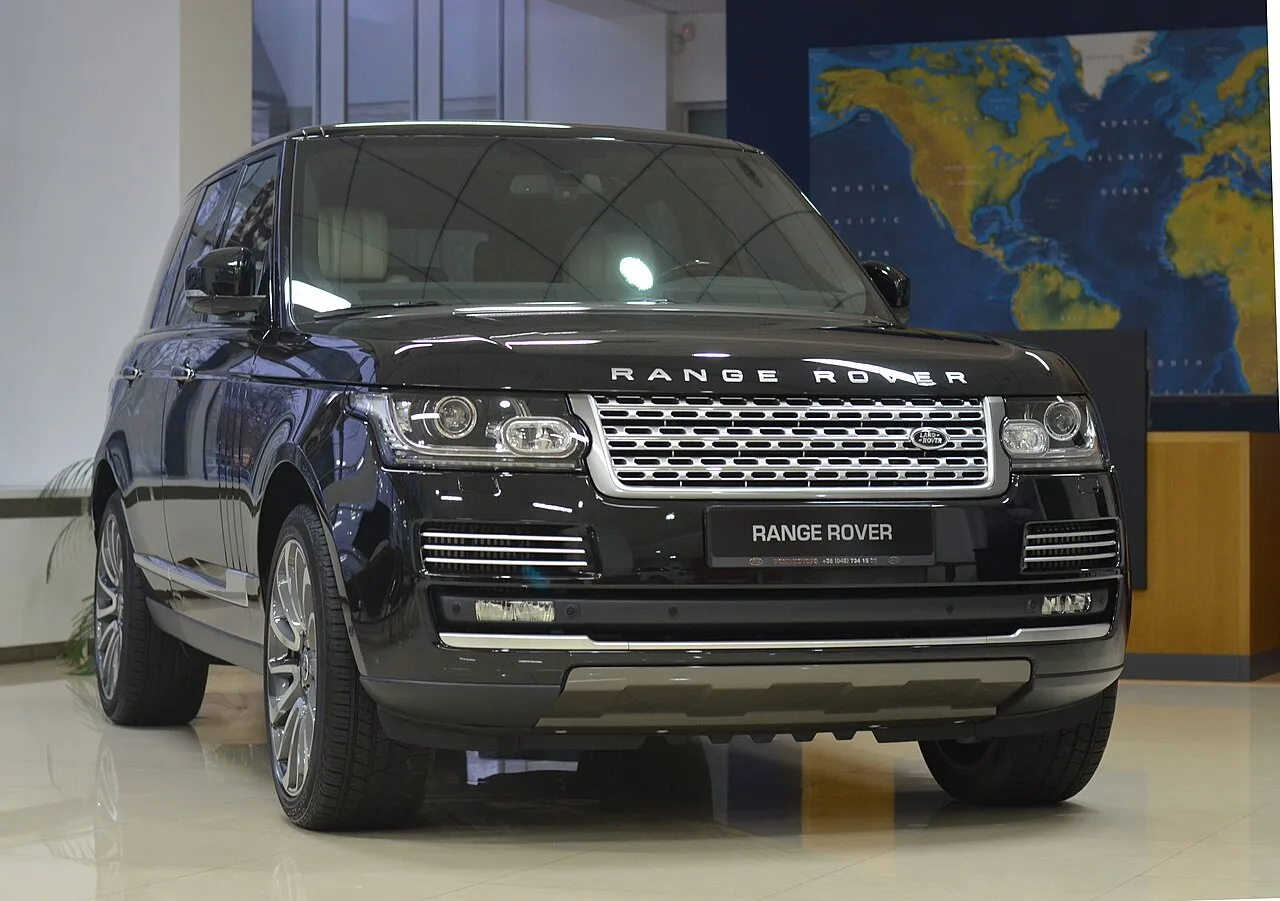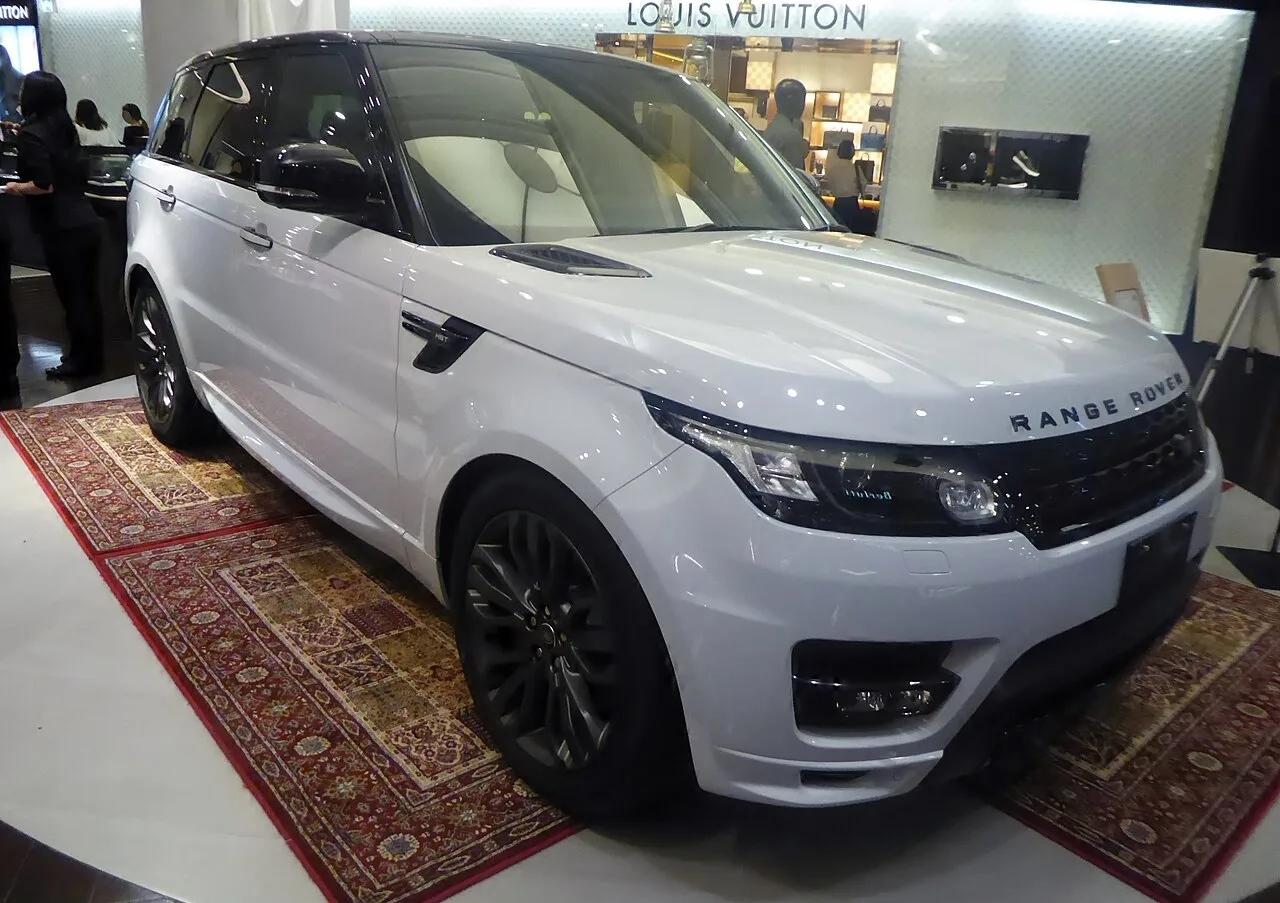
VerifiedFIRST · WORLDWIDEFIRST PRINTONLY ONE IN VANCOUVERThe L405 was the first Range Rover with a fully aluminum monocoque body, cutting up to 420 kg from the outgoing steel-bodied L322.

Land Rover engineered the Range Rover's V8 to keep running in situations most road cars would stall in — carburetors tuned to feed fuel at extreme tilt angles, plus a manual starting handle for cranking the engine by hand if needed.
Median 93 hp across 54 similar cars
Lead trim: Range Rover 3.5 Rover V8 carburettor (135 hp)
Nobody in Burbles has spotted a Land Rover Range Rover Classic 3.5 V8 yet. See one on the street, point the app at it, and the first card is yours — with your @handle permanently credited on this page.
FactLand Rover engineered the Range Rover's V8 to keep running in situations most road cars would stall in — carburetors tuned to feed fuel at extreme tilt angles, plus a manual starting handle for cranking the engine by hand if needed.
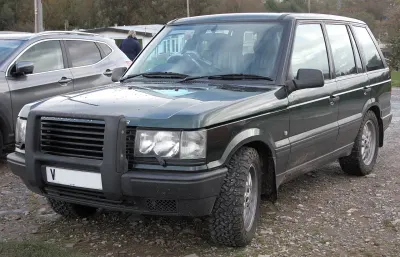
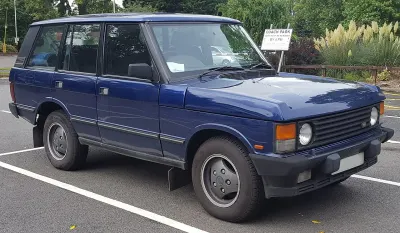
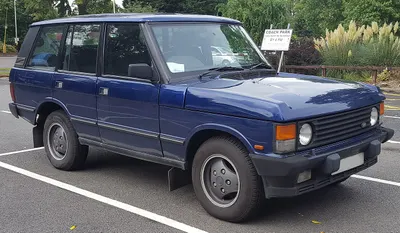
The Range Rover is a 4x4, mid-size off-road vehicle produced from 1970 to 1996 (326,070 built; the "Classic" name was applied retrospectively when the P38A arrived in 1994), initially by the Rover (later Land Rover) division of British Leyland and latterly by the Rover Group. Introduced in June 1970 as "A Car For All Reasons" with a top speed of around 100 mph, it was a two-door for its first 11 years until a four-door arrived in 1981, and moved successfully upmarket through the 1980s; availability of the two-door was restricted from 1984 but it stayed in some markets until 1994. Originally it used a detuned 135 hp version of the Buick-derived 3.5-litre (3,528 cc) Rover V8, carburettors until 1986 when Lucas electronic fuel injection replaced them, with permanent four-wheel drive with a lever for switching ratios on the transfer box, a four-speed manual (Fairey overdrive from 1977), a three-speed Chrysler TorqueFlite automatic option from October 1982 (a 4-speed ZF from 1985) and the switch from the LT95 to the LT77 five-speed and separate LT230 transfer box in 1983. Leyland Australia assembled it from CKD kits at Enfield from 1979 to 1983, Tracto Agro in Venezuela from 1973 to 1981, and a US launch planned for 1971 fell through, so Americans imported it on the grey market until factory US models began on 16 March 1987. The catalogue already holds an EPA-year "First-generation Range Rover" (1987–1995); this entry covers the earlier years.
Real Land Rover Range Rover cards spotted on the street by Burbles collectors. Tap any card to flip it over, inspect the collector’s binder, or follow them.
VerifiedFIRST · WORLDWIDEFIRST PRINTONLY ONE IN VANCOUVERThe L405 was the first Range Rover with a fully aluminum monocoque body, cutting up to 420 kg from the outgoing steel-bodied L322.
One published trim in the catalogue. A blank is a figure not recorded, not zero.
| Trim | Years | Engine | Power | Torque | 0–60 | Drive | Gearbox | MSRP |
|---|---|---|---|---|---|---|---|---|
| Range Rover 3.5 Rover V8 carburettor (135 hp) | 1970–1986 | 3.5 L V8 | 135 hp | 185 lb-ft | — | 4WD | — | — |
We don’t estimate running costs for a car like this. What it costs depends on its condition, its specialist and how it is driven, and an average would mislead.
Nobody has claimed one yet.


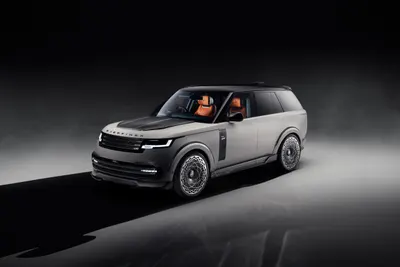
Overfinch has been rebodying Range Rovers since 1975, making it older as a tuner than some Range Rover generations themselves.

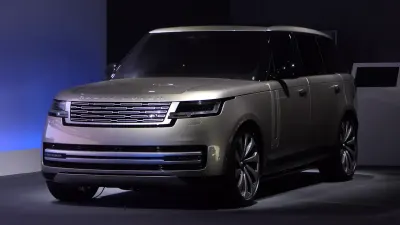
For the first time in its history, Range Rover production left the UK entirely: from 2024 the L460 is also built in Pune, India.

The L405 was the first Range Rover with a fully aluminum monocoque body, cutting up to 420 kg from the outgoing steel-bodied L322.

The L322 began life as a BMW project codenamed "L30," meant to share parts with the 7 Series — until BMW sold Land Rover to Ford two years before it reached production.

Land Rover secretly built two V12 prototypes for this Range Rover, planning to drop in a 5.4-litre BMW engine borrowed from the 750i for an ultra-luxury flagship — it never reached production.

When the Range Rover finally reached US showrooms in 1987, the design was already 17 years old — buyers were lining up for what was, underneath, a first-generation 1970 vehicle.

The press slated the Range Rover's first diesel for its inconsistent torque — so Land Rover answered by running a Turbo D for 24 straight hours at over 100 mph to set endurance records.

Land Rover engineered the Range Rover's V8 to keep running in situations most road cars would stall in — carburetors tuned to feed fuel at extreme tilt angles, plus a manual starting handle for cranking the engine by hand if needed.
Same body, same money, other badges — tap any card to flip.

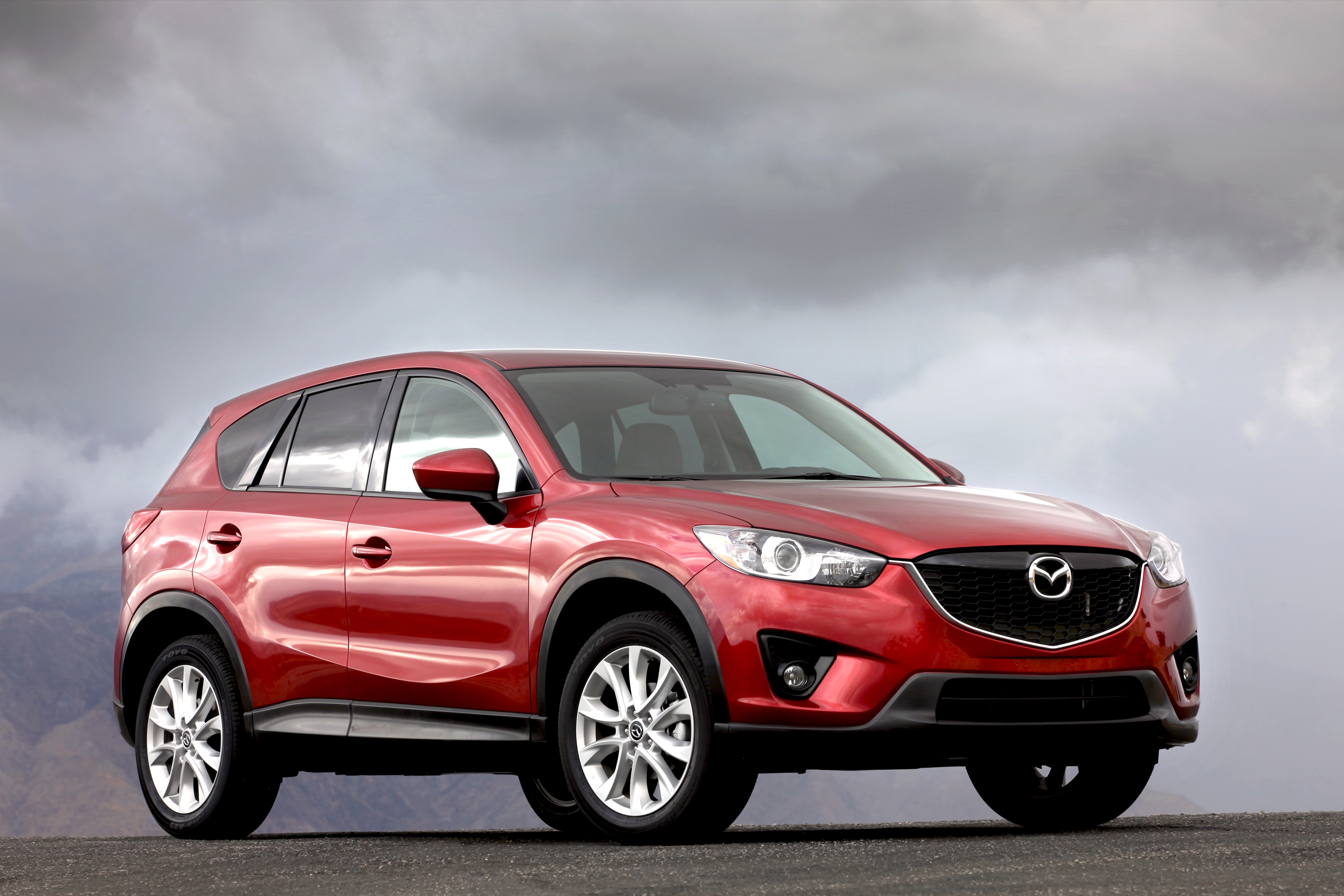
IIHS only crash-tests the driver's corner; tested on the passenger side instead, the CX-5 showed far worse intrusion.

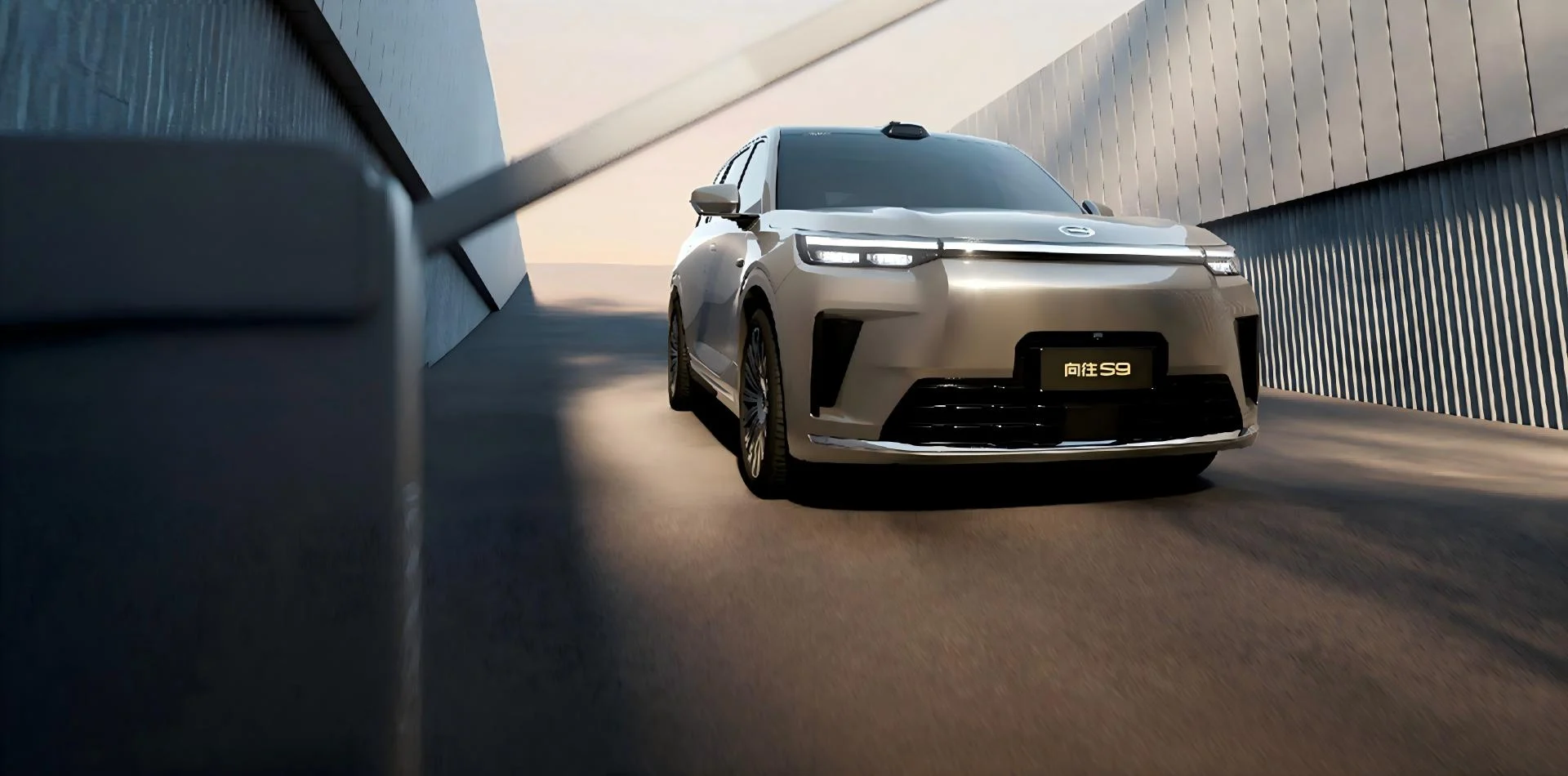
Despite launching from a standing start in late 2025, the i60 topped GAC Aion's own sales chart through January's seasonal slowdown.

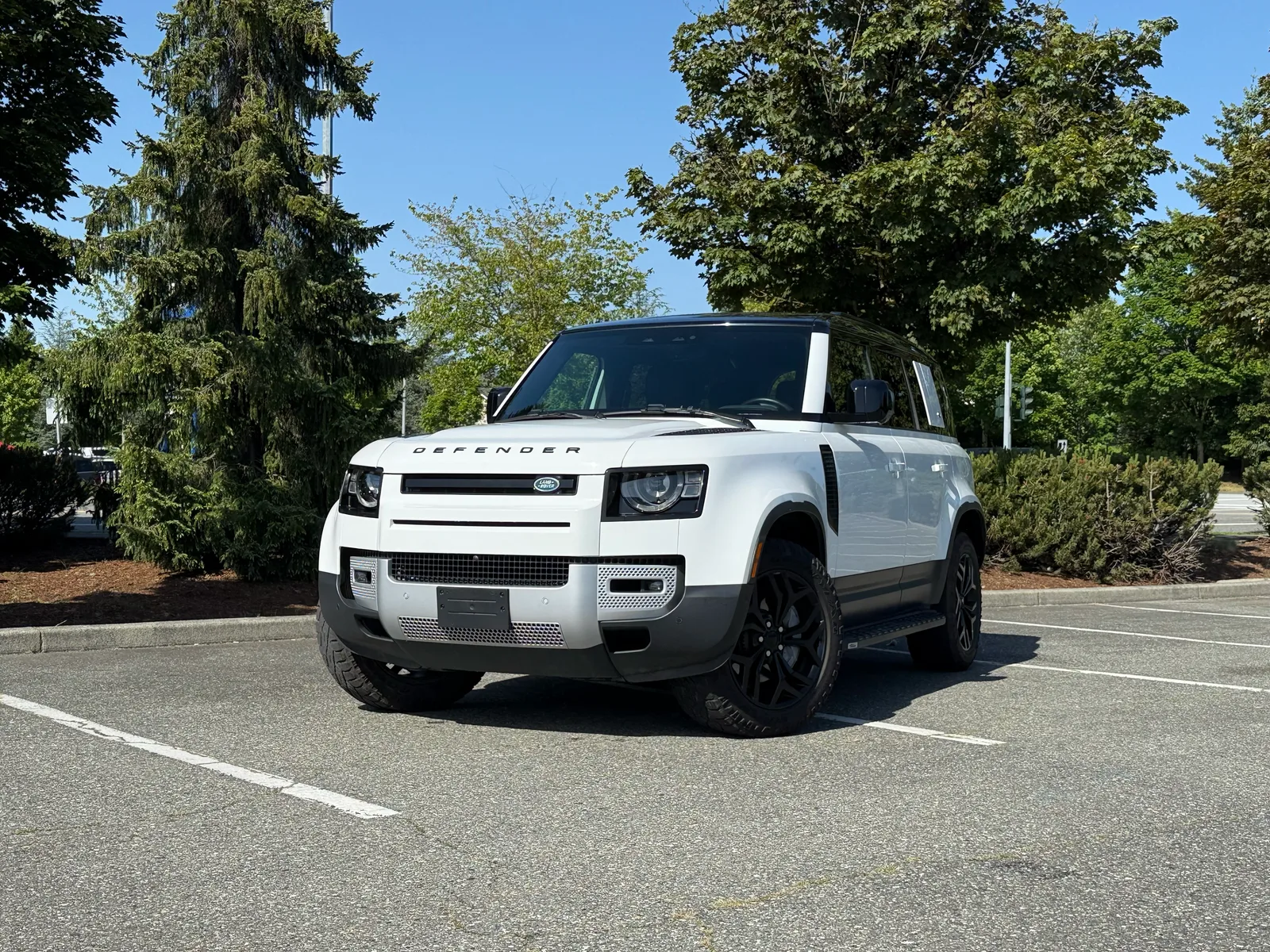
Every Defender before this one was body-on-frame — this generation broke decades of tradition with an aluminium unibody structure instead.

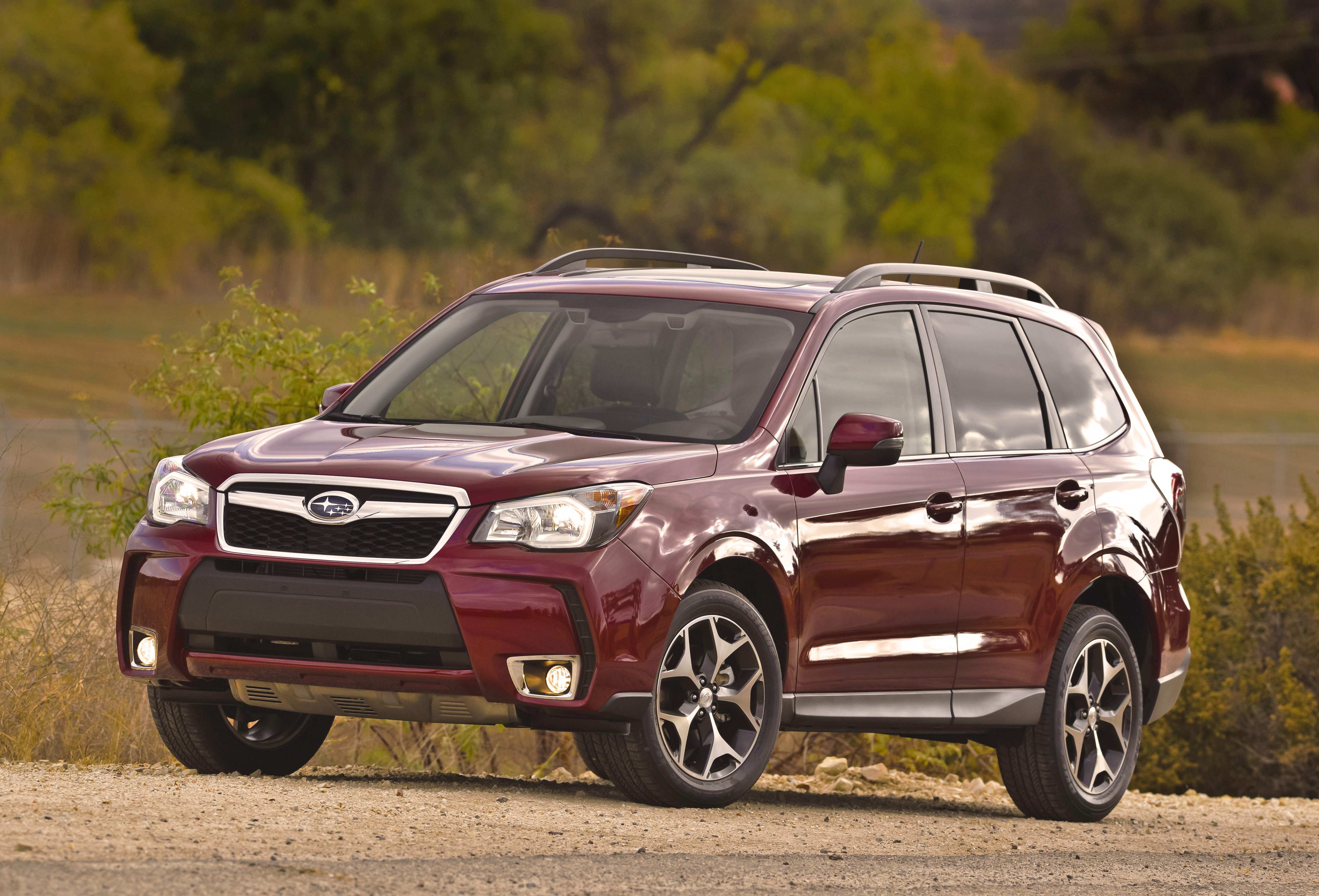
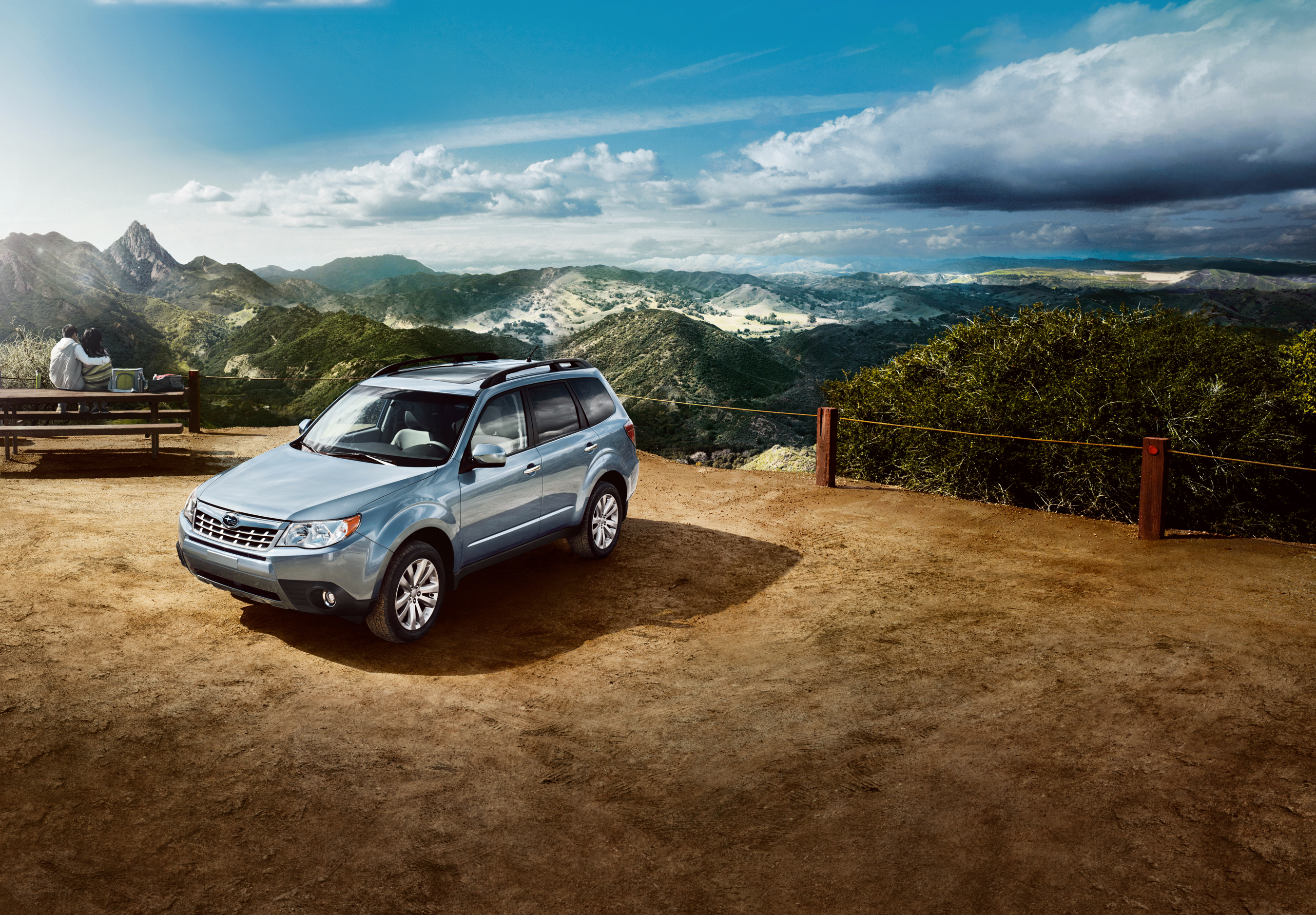
Crashed on the passenger side instead of the driver's, the 2014 Forester showed far more intrusion and would have rated Marginal with the IIHS.

Subaru built a 2.5XT for the National Ski Patrol with a diamond-plate floor, a 9,500-pound winch and a toboggan on the roof.

The L405 was the first Range Rover with a fully aluminum monocoque body, cutting up to 420 kg from the outgoing steel-bodied L322.

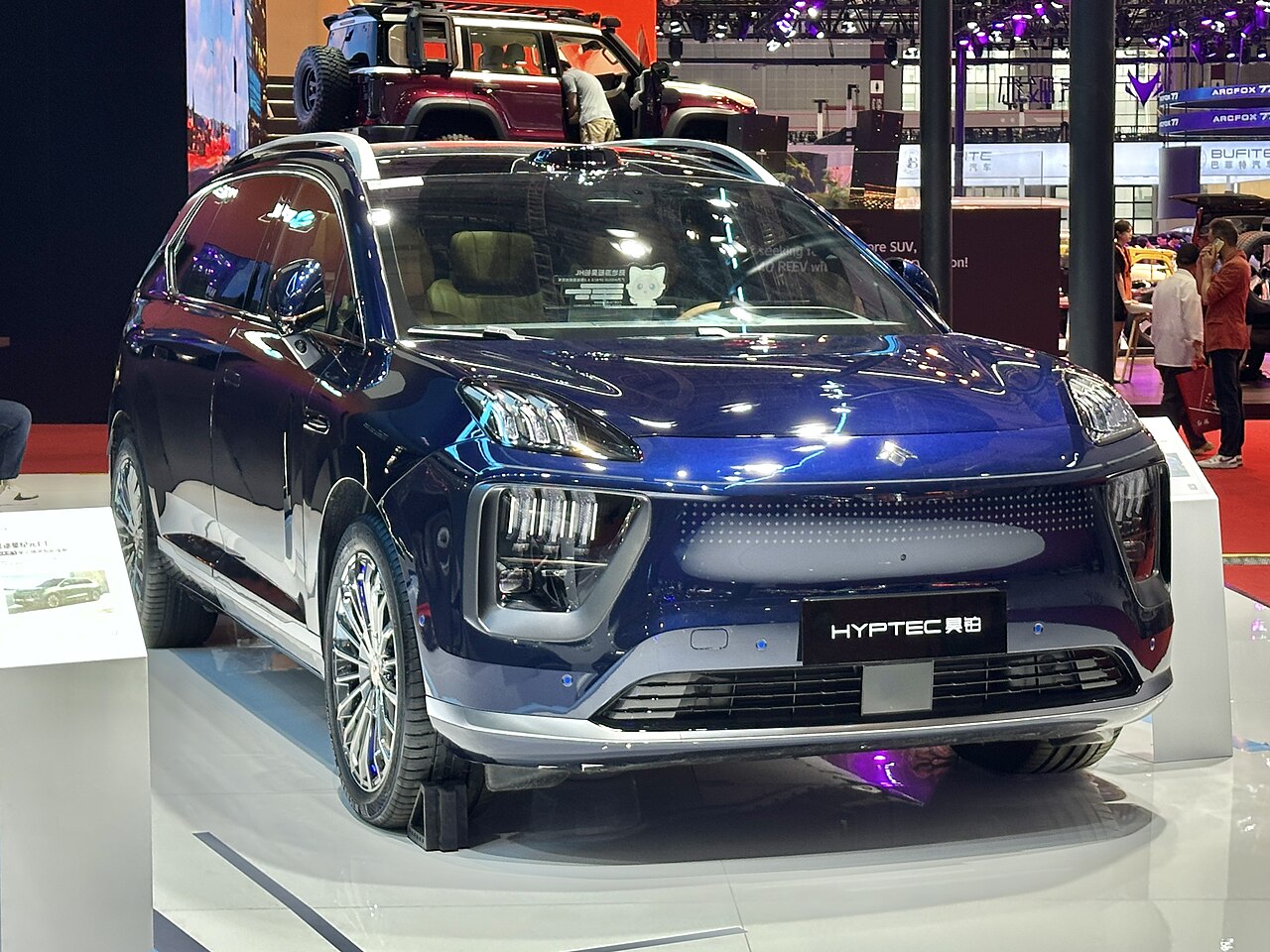
Rear passengers get a 17.3-inch screen that extends from the roof, and a lidar sensor sits in the front of the roof.

Its range-extender variant is rated for 1,200 km on a tank and charge, over three times the car's electric-only range.