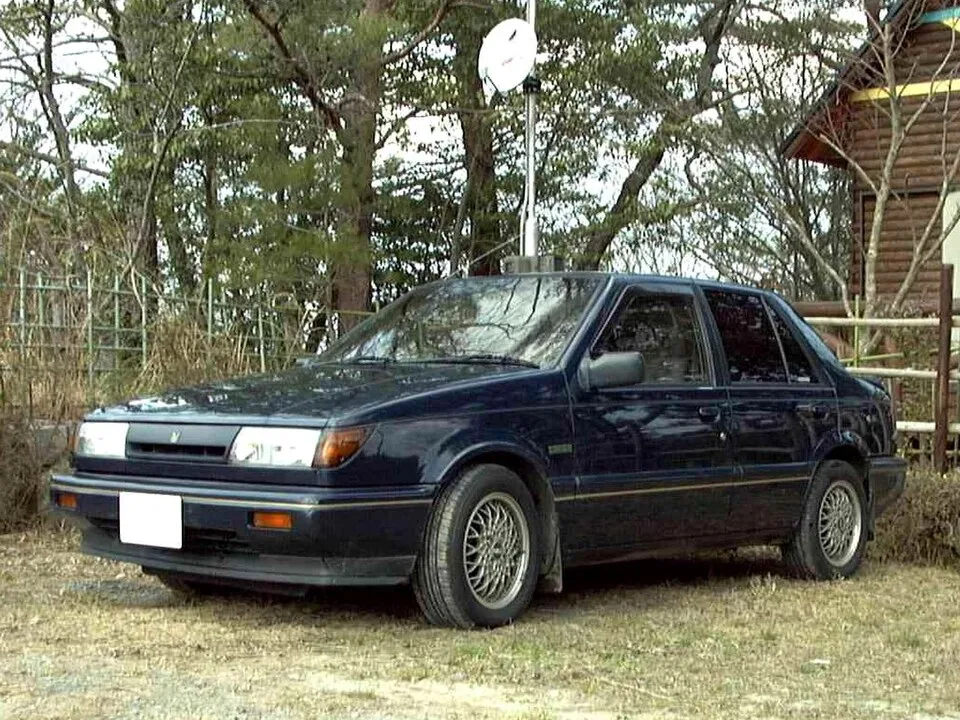
The sporty LS/G coupé packed a first for a Japanese home-market car: high-pressure headlight washers — long before they became a luxury-car staple.
Lead trim: 1.6 G161Z I·CAS (100 PS) · up to 128 hp
Isuzu Gemini PF50/PF60PF50 · 1974–1987
- 0spots by members
- Unclaimednobody has spotted one yet
- 0sets it belongs to
Nobody in Burbles has spotted a Isuzu Gemini PF50/PF60 yet. See one on the street, point the app at it, and the first card is yours — with your @handle permanently credited on this page.
FactThe sporty LS/G coupé packed a first for a Japanese home-market car: high-pressure headlight washers — long before they became a luxury-car staple.
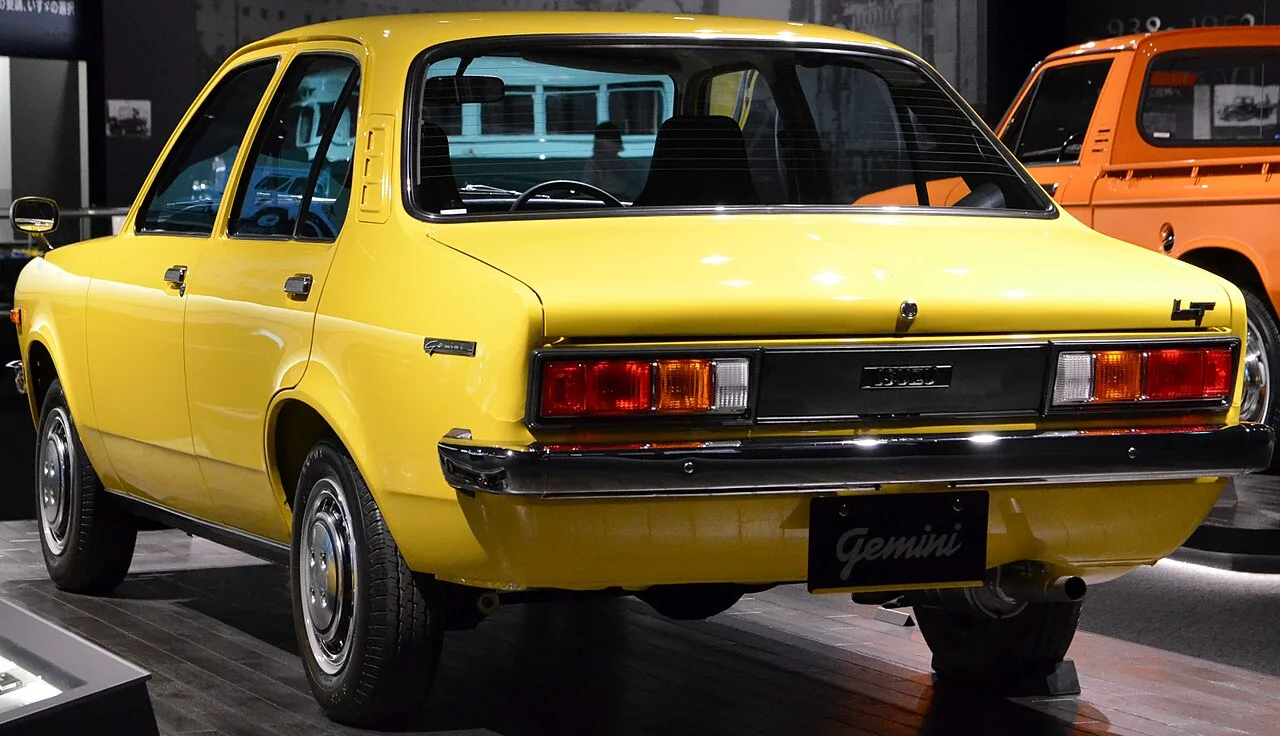
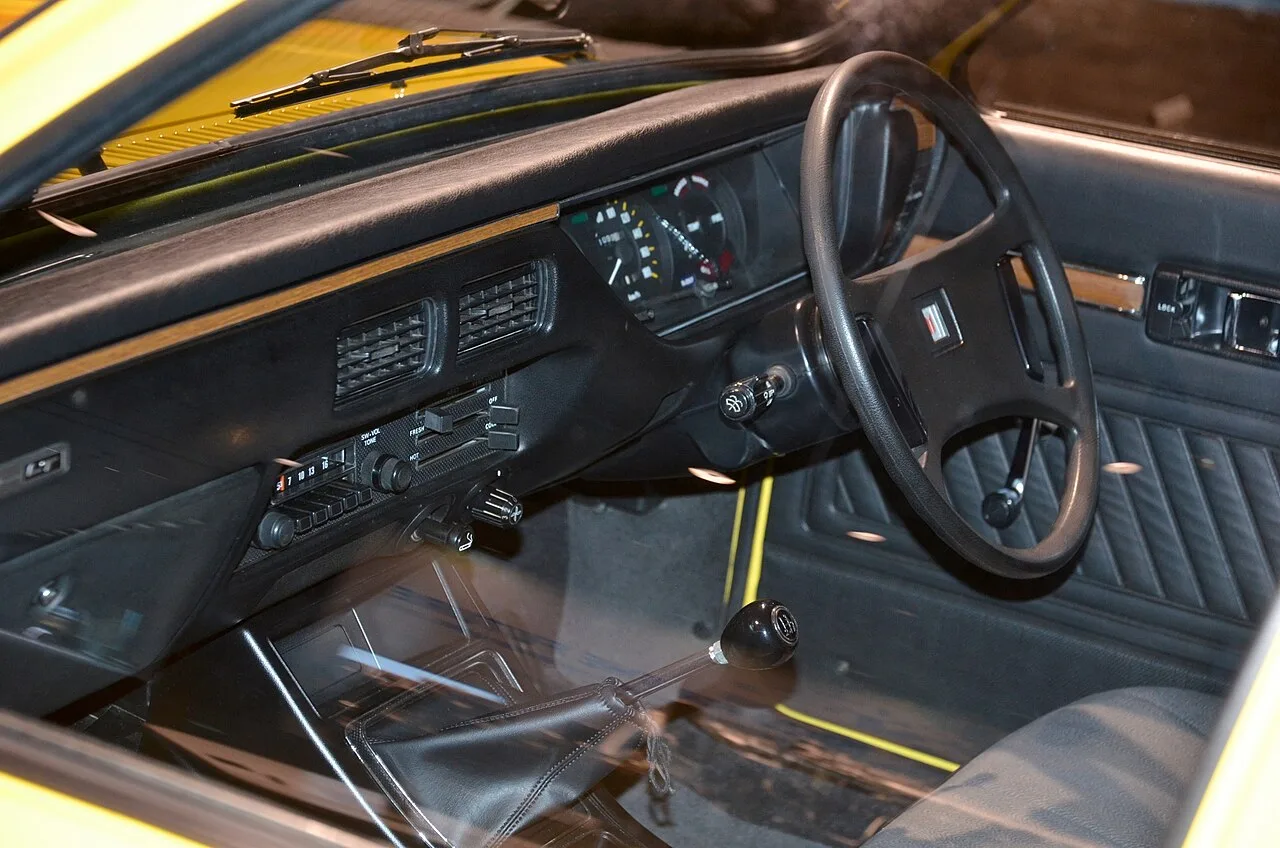
The first Gemini, launched in November 1974 as the Bellett Gemini (the "Bellett" dropped in April 1975), based on the third-generation Opel Kadett C on GM's T-car platform as a four-door sedan or two-door coupé, rear-wheel drive. The bigger 1817 cc G180 from the Florian and 117 Coupé arrived in June 1977 (110 PS; 105 PS with an automatic), and the ZZ sports models used the eight-valve DOHC G180W with 130 PS at 6,400 rpm, a shortened shift lever and an optional LSD. The LS/G coupé was a first for a Japanese home-market car with high-pressure headlight washers. Diesels followed (a Bosch VE-injected version in October 1982, and a 73 PS turbodiesel a month later), never with coupé bodywork. It was sold as the Buick Opel and Isuzu I-Mark in the US, Holden Gemini in Australia (Wheels Car of the Year for 1975) and Opel by Isuzu, and the rear-drive car ended in February 1987 after 768,537 had been built. It complemented the Giugiaro-designed Piazza from 1981.
Collectors Spotted in the Isuzu Gemini Lineage
No member has published a public street spot of the Isuzu Gemini yet — the First · Worldwide stamp is wide open.
Trims & Figures
6 published trims in the catalogue. A blank is a figure not recorded, not zero.
| Trim | Years | Engine | Power | Torque | 0–60 | Drive | Gearbox | MSRP |
|---|---|---|---|---|---|---|---|---|
| 1.6 G161Z I·CAS (100 PS) | 1977–1987 | 1.6 L Inline-4 | 99 hp | — | — | RWD | — | — |
| 1.8 4FB1 EFI diesel (66 PS) | 1982–1987 | 1.8 L Inline-4 | 65 hp | 81 lb-ft | — | RWD | — | — |
| 1.8 4FB1 diesel (61 PS) | 1979–1987 | 1.8 L Inline-4 | 60 hp | 81 lb-ft | — | RWD | — | — |
| 1.8 4FB1T turbodiesel (73 PS) | 1982–1987 | 1.8 L Inline-4 | 72 hp | 116 lb-ft | — | RWD | — | — |
| 1.8 G180W DOHC ZZ (130 PS) | 1979–1987 | 1.8 L Inline-4 | 128 hp | — | — | RWD | — | — |
| 1.8 G180Z (110 PS) | 1977–1987 | 1.8 L Inline-4 | 108 hp | — | — | RWD | — | — |
Owning one
We don’t estimate running costs for a car like this. What it costs depends on its condition, its specialist and how it is driven, and an average would mislead.
Owners’ builds
Nobody has claimed one yet.
Photographs
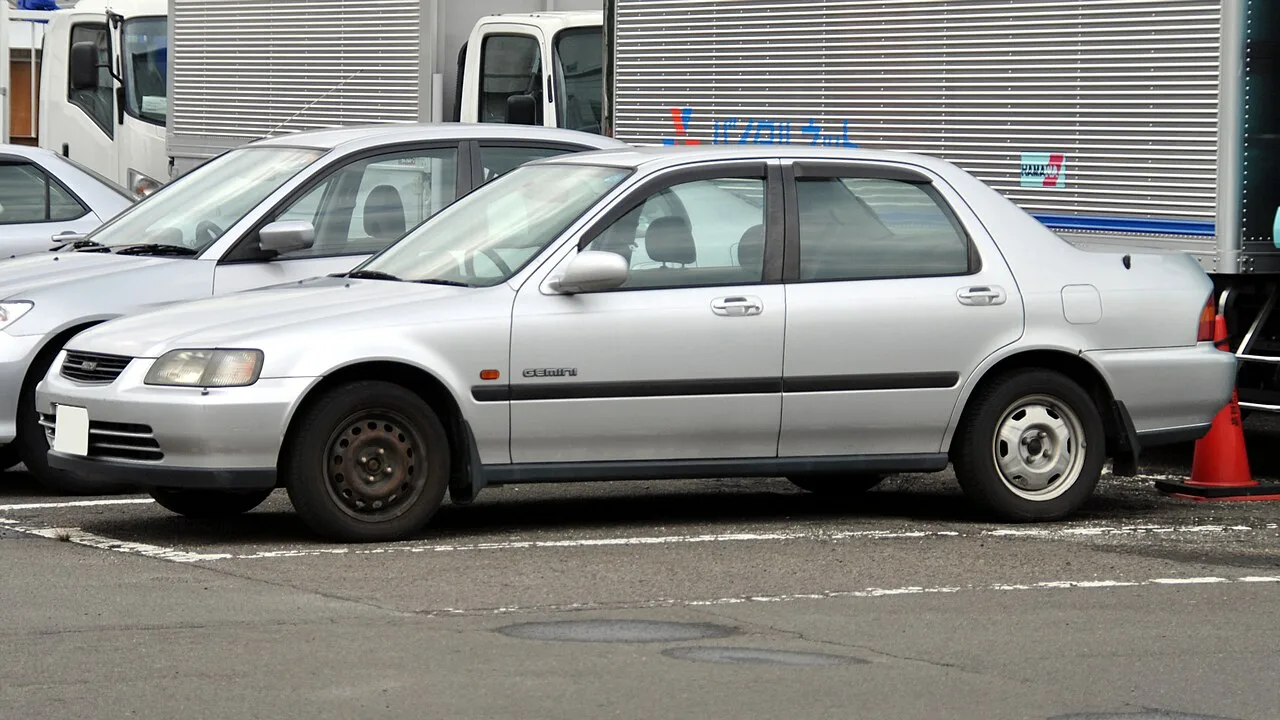
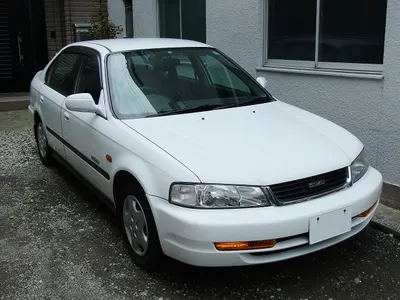
Isuzu's last Gemini was a Honda Domani wearing a different badge — the exact same car Honda itself was selling across Europe at the time, just called a Civic.
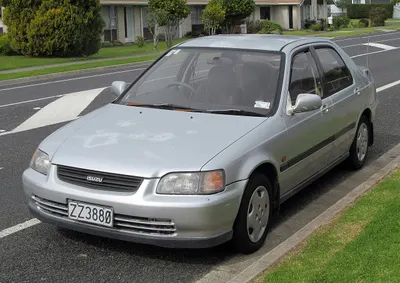
By 1993, Isuzu barely bothered marketing the rebadged-Honda-Domani Gemini — it existed mainly to keep existing Isuzu commercial customers in the fold, not to win new ones.
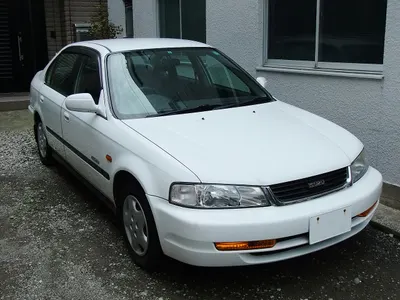
The range-topping Irmscher-R JT191S borrowed its suspension straight from the Isuzu Piazza sports coupe — four-wheel steering included, on what was otherwise a humble commuter sedan.
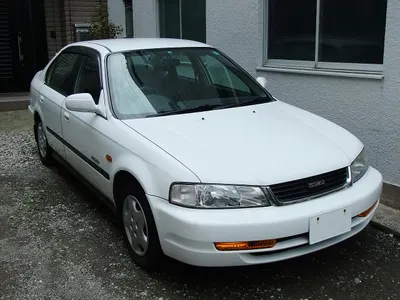
Giorgetto Giugiaro designed the FF Gemini, but GM altered his work without consulting him — so insulted, Giugiaro publicly denied it was his design for a full decade after the car was discontinued.
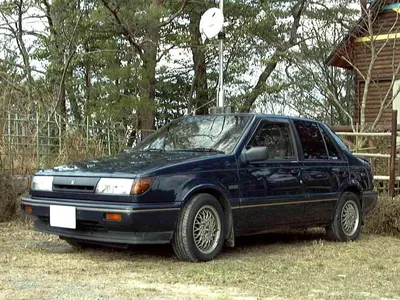
The sporty LS/G coupé packed a first for a Japanese home-market car: high-pressure headlight washers — long before they became a luxury-car staple.
Rivals
Same body, same money, other badges — tap any card to flip.

It briefly served as senior sibling to Marquette, a GM companion brand cancelled after just one year.

Nissan hired former BMW engineers to help develop the 510's suspension, which is why period reviewers frequently compared its handling to the BMW 1600/2002.

A Trabant 601 won its class at the 1970 Monte Carlo Rally, with a second 601 right behind it in second.

The 600 was a stopgap: the P50's body over the 601's mechanicals, and for a while its estate was built alongside the new 601 saloon.

The G80 Sport brought a 370 PS twin-turbo 3.3 V6, a mesh grille and copper-tinted chrome with copper stitching to match.

The Vigor was sold only with a five-cylinder engine, an unusual configuration Honda used to fit a longer engine transversely under a short hood.

The GS/E coupe earned the nickname "German Charger" for its long hood, short deck stance borrowed from Detroit muscle cars.

This DeVille/Fleetwood was the first production car anywhere to mount its V8 sideways, Cadillac's front-drive gamble on the new C-body.