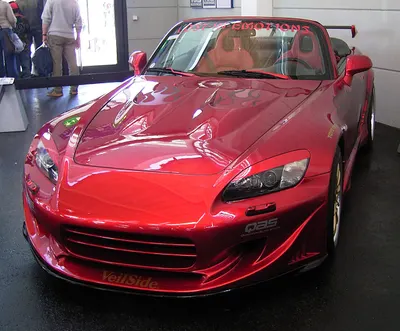
VerifiedFIRST · WORLDWIDEFIRST PRINTONLY ONE IN VANCOUVERHonda built 668 track-focused Club Racers for 2008, then cancelled the whole S2000 mid-model-year in 2009.

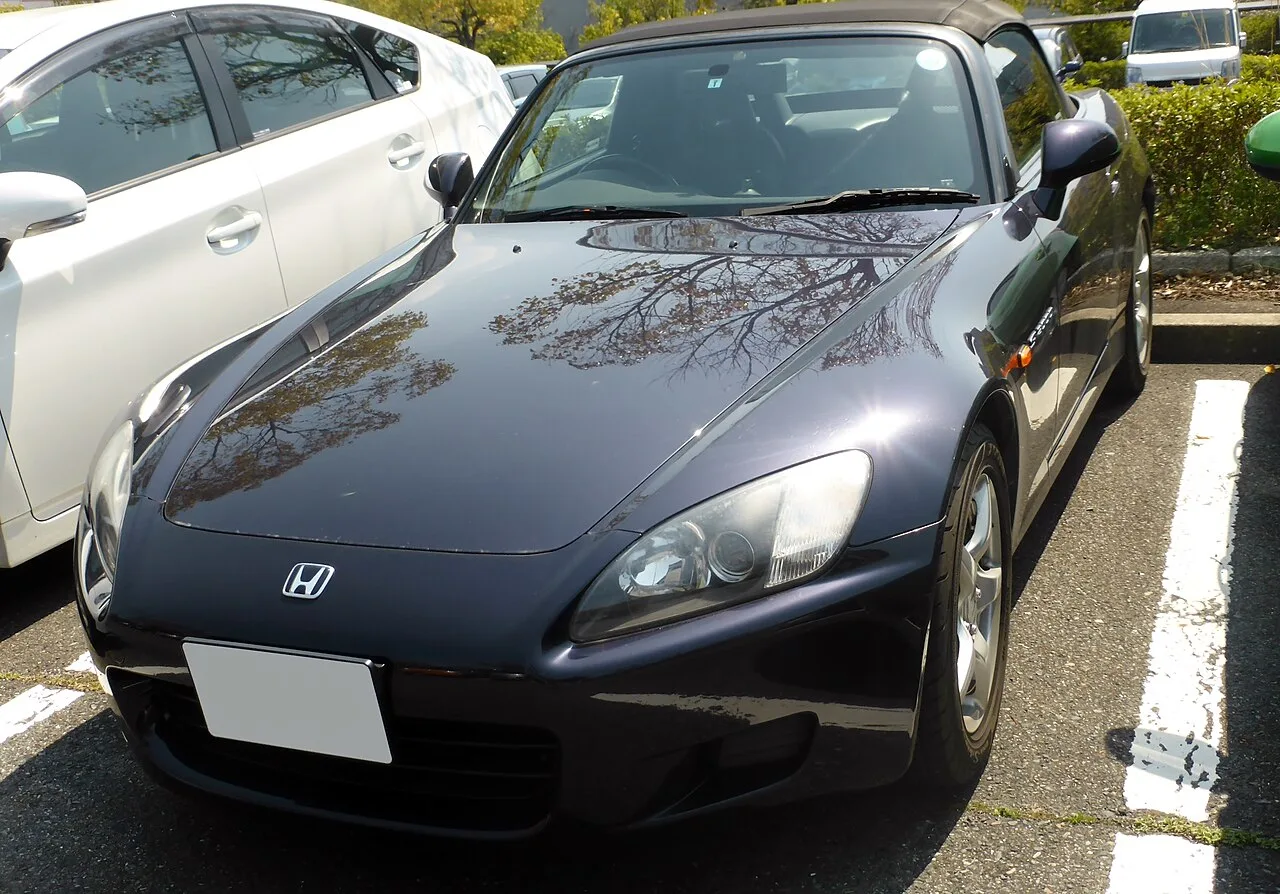
Honda named it for its own displacement, and claimed its 2.0-litre made the highest specific output of any naturally aspirated production engine on sale.
Median 228 hp across 37 similar cars
and 2 more sets
Lead trim: F20C 2.0 (JDM, 247 hp)
Nobody in Burbles has spotted a Honda S2000 AP1 yet. See one on the street, point the app at it, and the first card is yours — with your @handle permanently credited on this page.
FactHonda named it for its own displacement, and claimed its 2.0-litre made the highest specific output of any naturally aspirated production engine on sale.
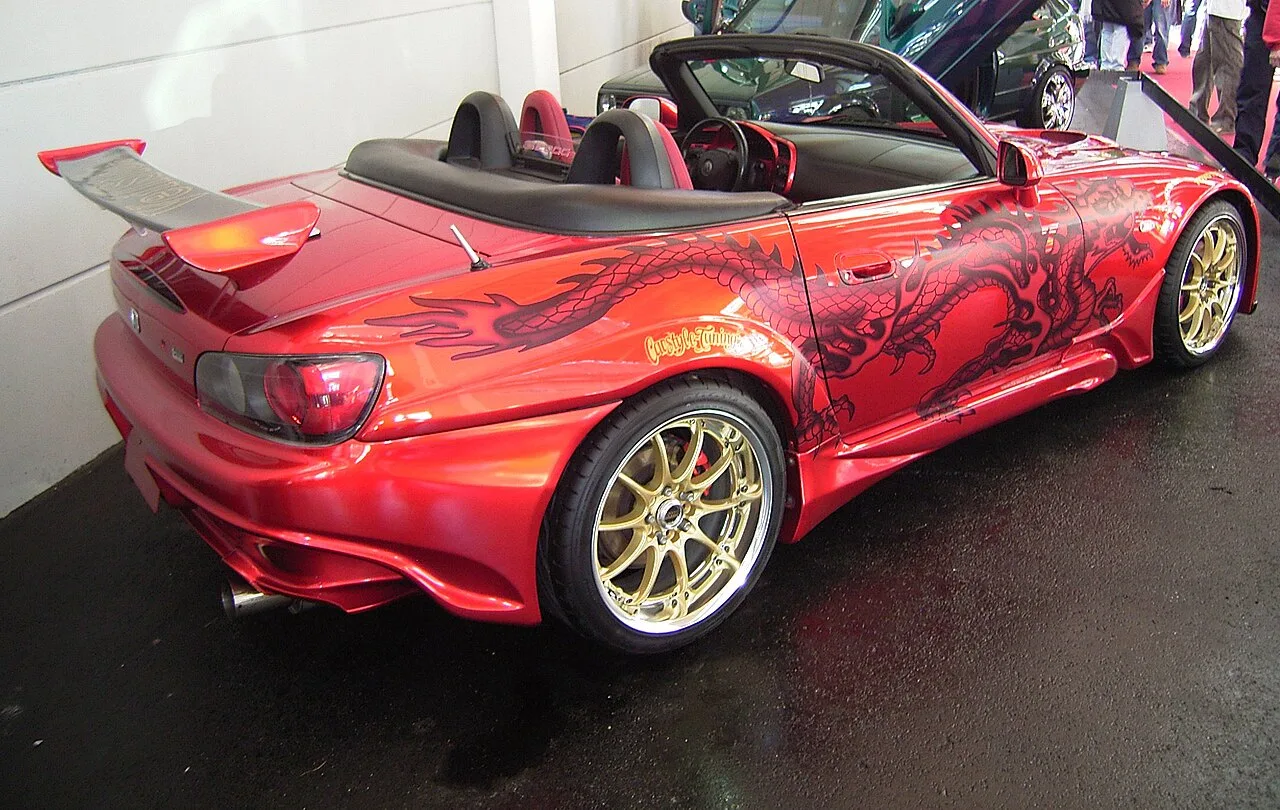
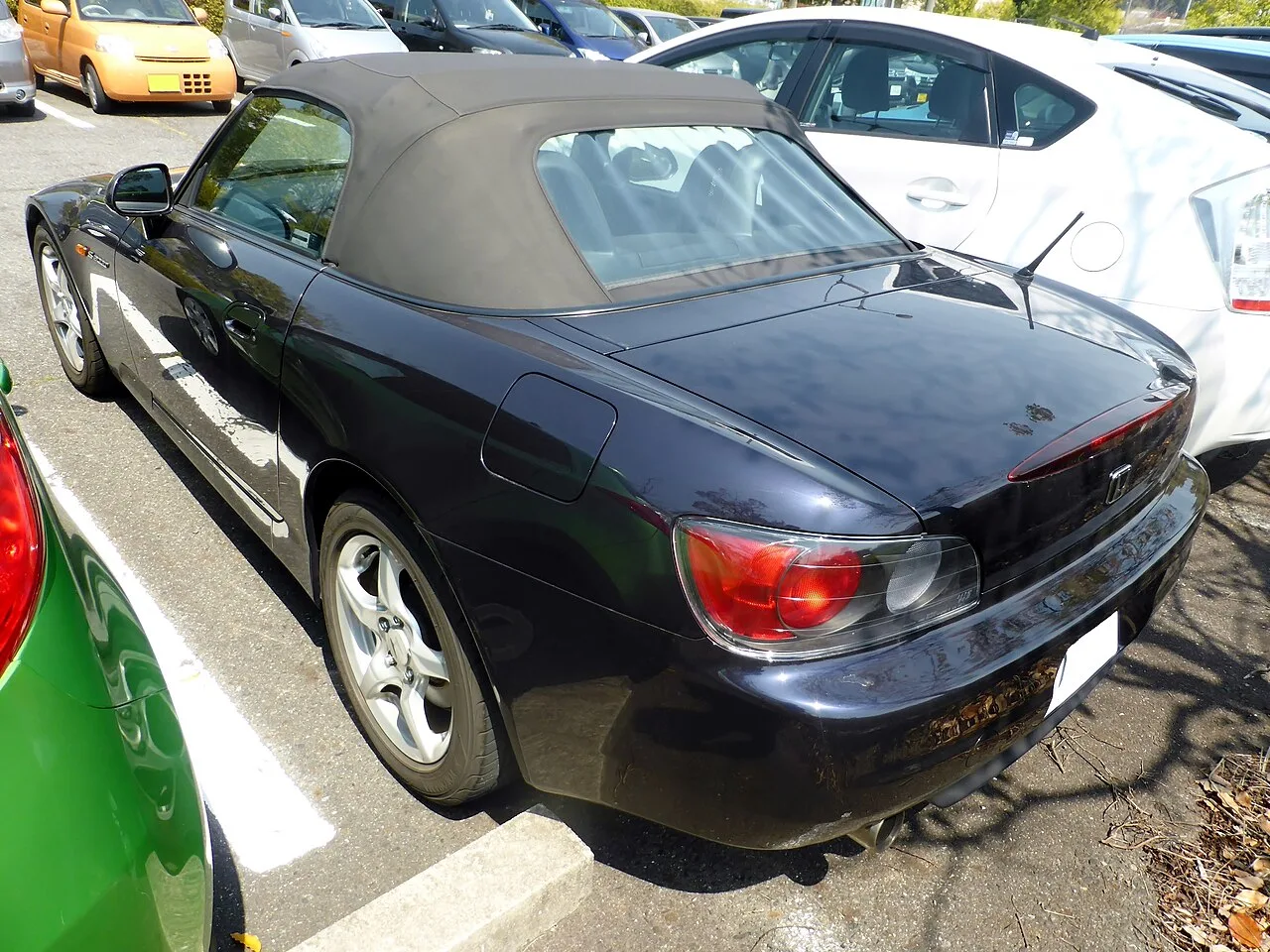
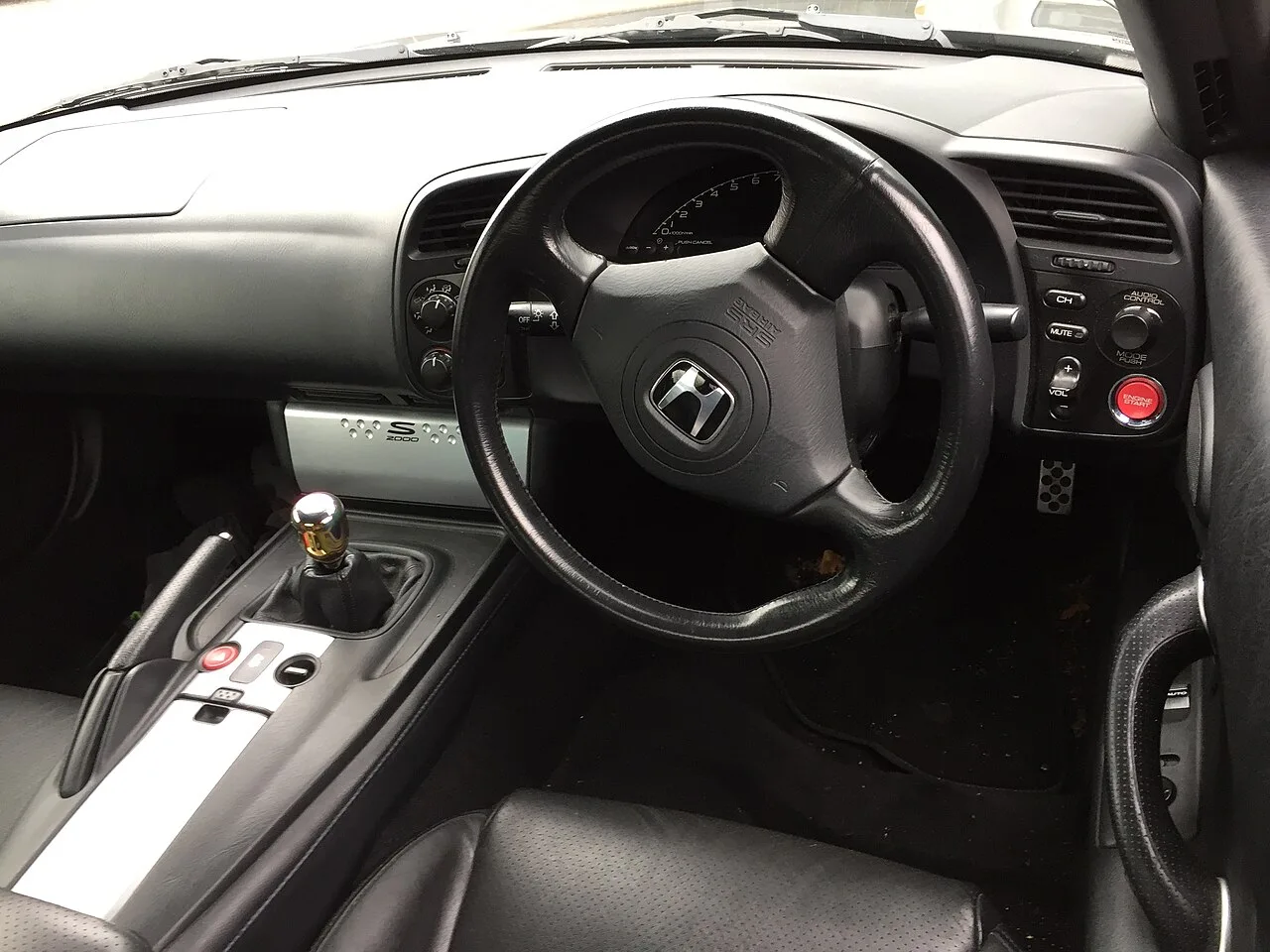
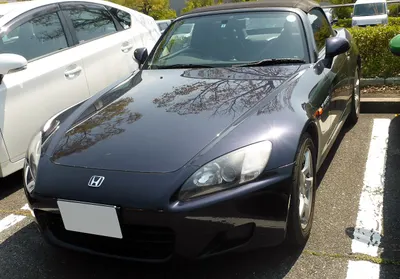
Launched on 15 April 1999 to celebrate Honda's 50th anniversary, after the SSM concept shown at the 1995 Tokyo Motor Show; named for its two-litre engine, with the "S" carrying on the S500, S600 and S800 roadsters of the 1960s. A front-mid-engine, rear-wheel-drive roadster with a 1,997 cc DOHC VTEC four (F20C), six-speed manual and Torsen limited-slip differential, double-wishbone suspension, electric steering and integrated roll hoops, built at Takanezawa. Honda claimed the highest specific output of any naturally aspirated production engine. The 2002 model year revised the suspension and swapped the plastic rear window for glass; the Japan-only Type V (July 2000) added variable gear ratio steering. Output across markets is quoted as a range of 177–184 kW (237–247 hp) and 208–218 N⋅m depending on market; only the JDM figure is listed as a trim here.
Real Honda S2000 cards spotted on the street by Burbles collectors. Tap any card to flip it over, inspect the collector’s binder, or follow them.
VerifiedFIRST · WORLDWIDEFIRST PRINTONLY ONE IN VANCOUVERHonda built 668 track-focused Club Racers for 2008, then cancelled the whole S2000 mid-model-year in 2009.
One published trim in the catalogue. A blank is a figure not recorded, not zero.
| Trim | Years | Engine | Power | Torque | 0–60 | Drive | Gearbox | MSRP |
|---|---|---|---|---|---|---|---|---|
| F20C 2.0 (JDM, 247 hp) | 1999–2003 | 2.0 L Inline-4 | 247 hp | 152 lb-ft | — | RWD | manual | — |
We don’t estimate running costs for a car like this. What it costs depends on its condition, its specialist and how it is driven, and an average would mislead.
Nobody has claimed one yet.
Tyler Riddle (Wikimedia Commons) · CC BY 3.0

Honda built 668 track-focused Club Racers for 2008, then cancelled the whole S2000 mid-model-year in 2009.

Even Ferrari's own chief engineer has singled out the S2000 — in 2017 he named its high-revving four-cylinder as the non-Ferrari engine he admires most.

Honda named it for its own displacement, and claimed its 2.0-litre made the highest specific output of any naturally aspirated production engine on sale.
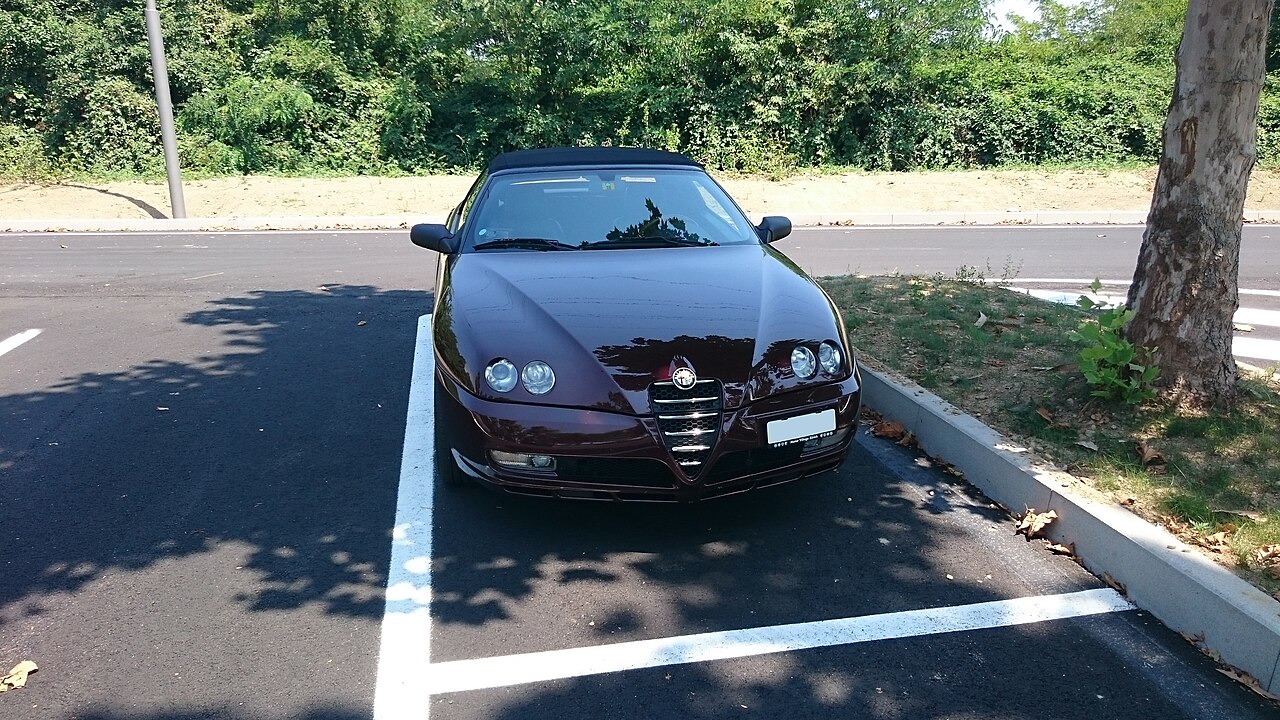
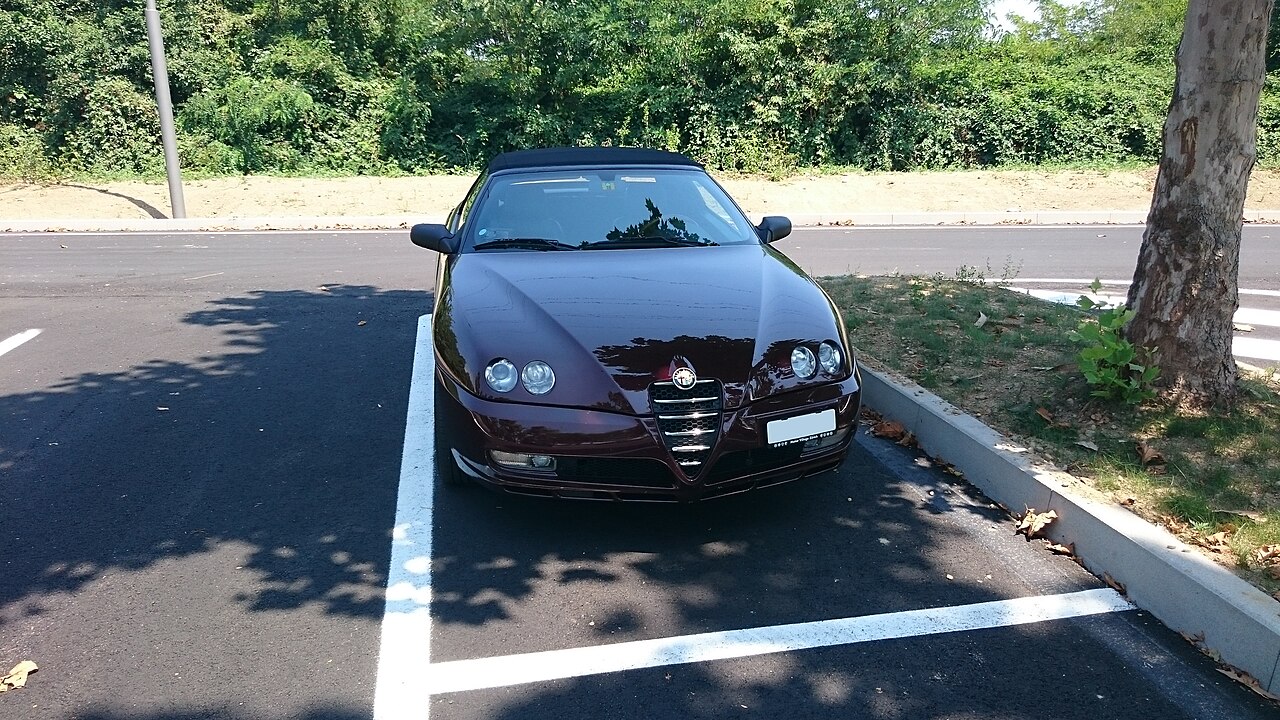
Same body, same money, other badges — tap any card to flip.

In 1974 Alfa built a one-off on this Spider: a Porsche-style solid rear window and lift-out roof panels, fewer than 2,000 made, the only Spider ever with a part-solid roof.

Over 100,000 people voted to name this car "Duetto" — but a chocolate-snack maker had already trademarked the word, and a Milan court ruling forced Alfa to sell it as the Spider 1600 instead.

After nearly 25 years of manual-only Spiders, the final Series 4 cars quietly added something Alfa purists never expected: an optional automatic transmission.

The mid-80s Spider's Quadrifoglio Verde trim went all-in on a single look: blood-red carpets and grey leather with red stitching, and it only ever came in three exterior colors.

This Spider was built not by Alfa but by Pininfarina itself, on a platform shared with General Motors.

The 916 Spider's strongest naturally aspirated engine, the 192 PS 3.0 12V Busso V6, was never offered in its GTV coupe twin.
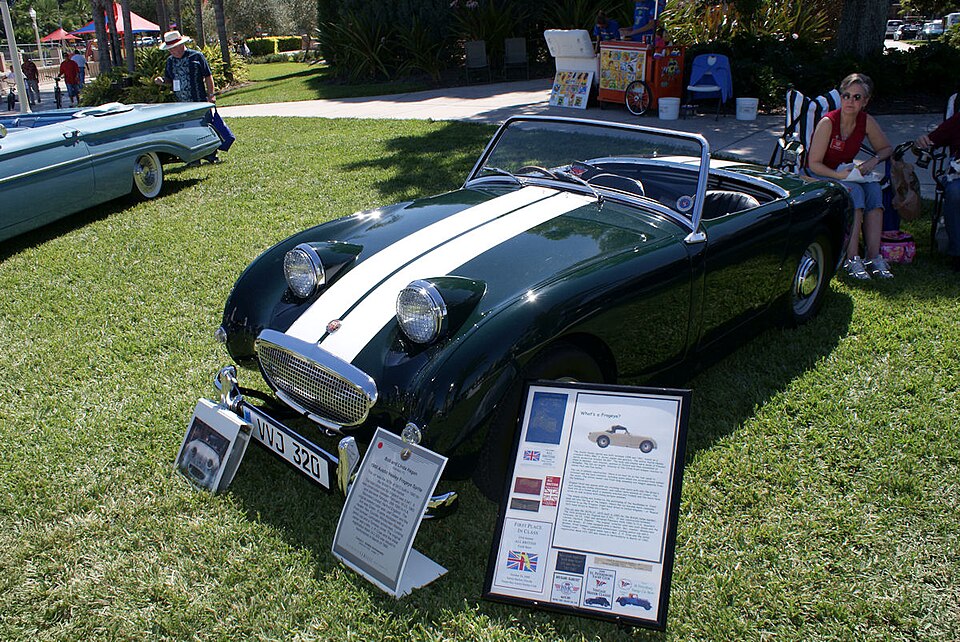
The Frogeye had no boot lid at all — owners reached the spare wheel by tilting the seats forward into the dark cavity behind, a ritual they likened to potholing.

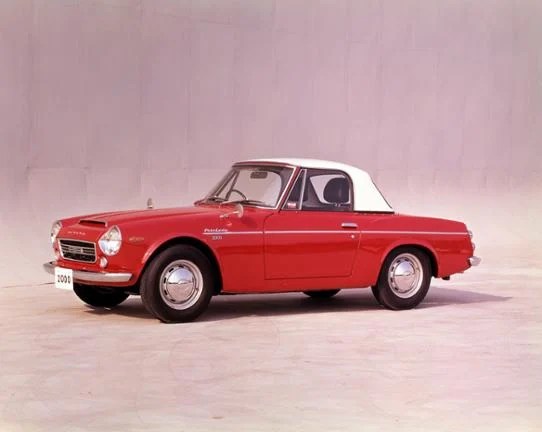
The Fairlady 2000's SR311 update came with a five-speed manual gearbox in 1967 — a genuinely unusual spec for any production car of that era.