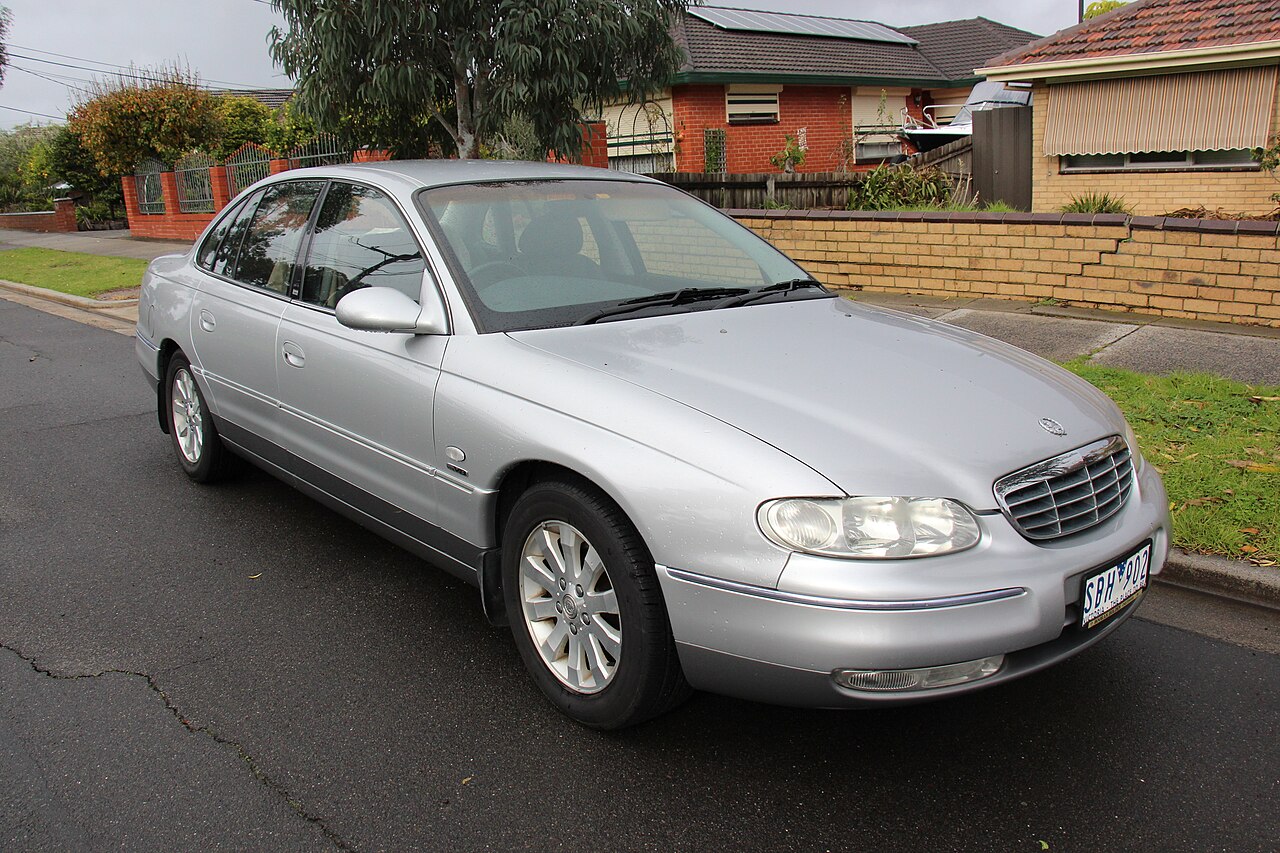
This WH Statesman kicked off an export career nobody would guess: built for both left- and right-hand drive, it was shipped to the Middle East badged as a Chevrolet Caprice.
Lead trim: Statesman / Caprice WH 3.8 Ecotec V6 (204 hp, Series II) · up to 295 hp
Holden Caprice / StatesmanWH · 1999–2003
- 0spots by members
- Unclaimednobody has spotted one yet
- 0sets it belongs to
Nobody in Burbles has spotted a Holden Caprice / Statesman yet. See one on the street, point the app at it, and the first card is yours — with your @handle permanently credited on this page.
FactThis WH Statesman kicked off an export career nobody would guess: built for both left- and right-hand drive, it was shipped to the Middle East badged as a Chevrolet Caprice.
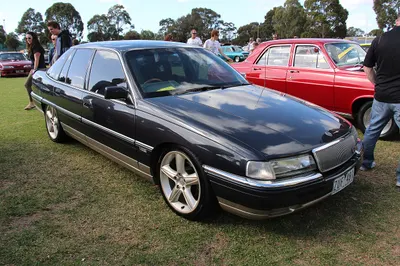
The WH came in June 1999, almost two years after the launch of the all-new VT Commodore on which it was initially based, and saw Holden return to a standalone model designation instead of the Commodore's. Models followed the previous pattern — a standard Statesman, a special edition Statesman International and the Caprice as flagship — with the doors and front windscreen again shared with the mainstream Commodore and wheelbase increased to 2,939 mm (116 in); WH Series I cars built between June 1999 and October 2000 had more in common with the VT II Commodore, Series II cars built between October 2000 and May 2003 with the updated VX. Engines were as per the Commodore: a 3.8-litre Ecotec V6, a supercharged version of the same and a new 5.7-litre Generation III V8 rated at 220 kW (295 hp), the Series II adding 5 kW (6.7 hp) to the Ecotec V6 for 152 kW (204 hp). Compared with the previous model, stability improved through wider tracks, a longer wheelbase and four-channel ABS disc brakes with traction control, and usable boot space rose to 541 litres. Dual zone climate control and a 12-mode trip computer were standard across the range; the Caprice added rear roof-mounted climate control and stereo controls for rear passengers, two headphone jacks and a rear flip-down table, Howe leather seats, a 260-watt 12-speaker DSP audio system and, optionally, self-levelling rear air suspension. Side impact head and torso airbags and pyrotechnic seat belt pretensioners were standard, and the WH was engineered for both right- and left-hand drive, so the Statesman has been exported to the Middle East as the Chevrolet Caprice. The Monash University Accident Research Centre's Used Car Safety Ratings rate WH/WK Statesmans "significantly better than average" for occupant protection.
Collectors Spotted in the Holden Caprice / Statesman Lineage
No member has published a public street spot of the Holden Caprice / Statesman yet — the First · Worldwide stamp is wide open.
Trims & Figures
2 published trims in the catalogue. A blank is a figure not recorded, not zero.
| Trim | Years | Engine | Power | Torque | 0–60 | Drive | Gearbox | MSRP |
|---|---|---|---|---|---|---|---|---|
| Statesman / Caprice WH 3.8 Ecotec V6 (204 hp, Series II) | 2000–2003 | 3.8 L V6 | 204 hp | 225 lb-ft | — | RWD | — | — |
| Statesman / Caprice WH 5.7 Generation III V8 (295 hp) | 1999–2003 | 5.7 L V8 | 295 hp | 329 lb-ft | — | RWD | — | — |
Owning one
We don’t estimate running costs for a car like this. What it costs depends on its condition, its specialist and how it is driven, and an average would mislead.
Owners’ builds
Nobody has claimed one yet.
Photographs
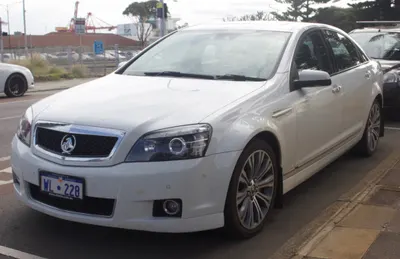
The WN was the most advanced Caprice Holden ever built - and the last: an 8-inch touchscreen, auto-park, head-up display and collision warning, all standard, right before the brand walked away from local manufacturing.
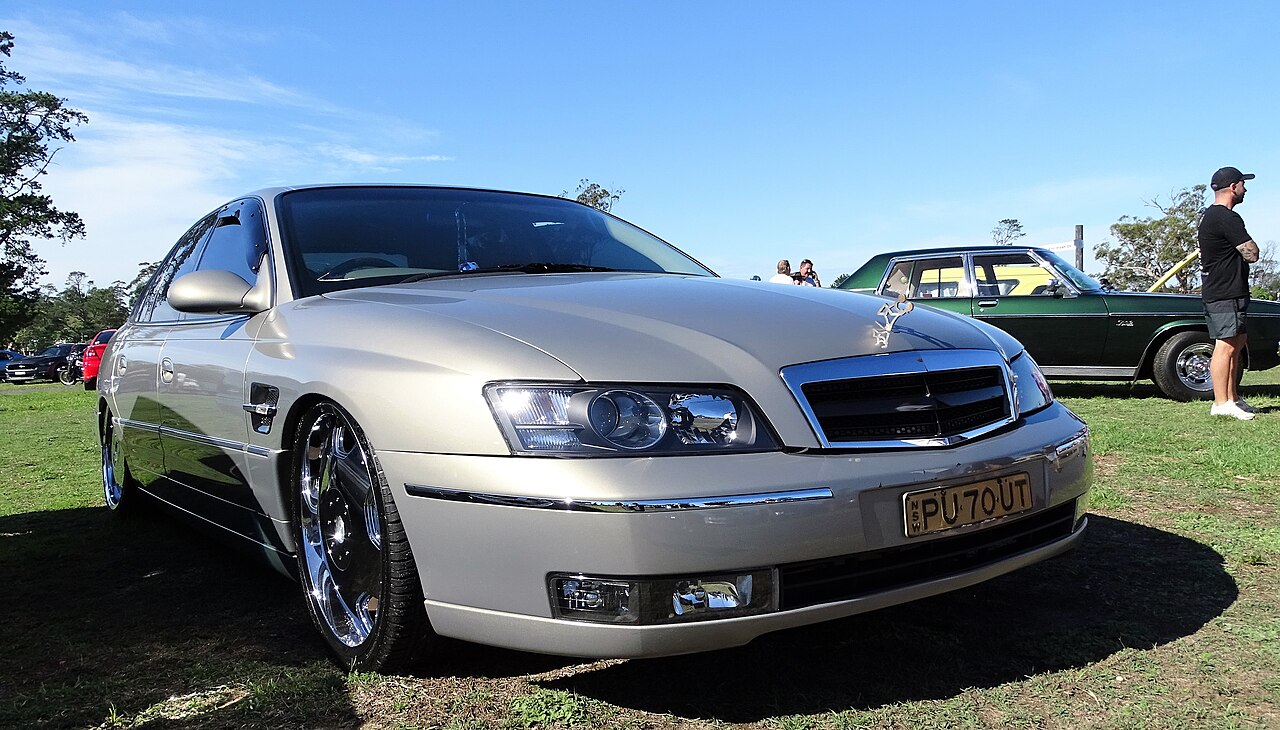
The very last HSV Grange ever built wasn't a victory lap — it was HSV's most powerful Grange yet, its 6.2-litre LS3 V8 tuned to 340 kW, right as Holden wound down Australian manufacturing.
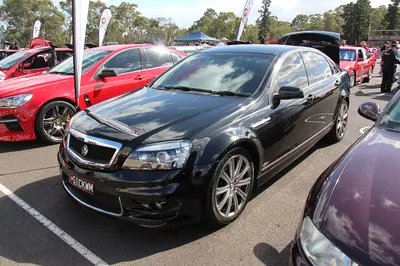
The WM Caprice and Statesman, parent platform to the HSV Grange, was an A$190 million program on its own — riding on top of the VE Commodore's separate $1.03 billion development.
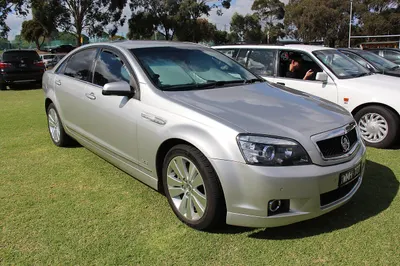
Holden spent a reported A$190 million developing this long-wheelbase Caprice/Statesman alone, on top of the VE Commodore's own billion-dollar program underneath it.
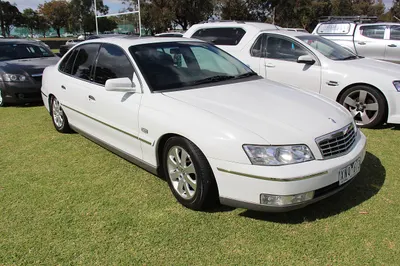
This Australian-built flagship had a strange second life in China, sold as the Buick Royaum — though barely anyone bought one: just over 2,000 units in its first year.
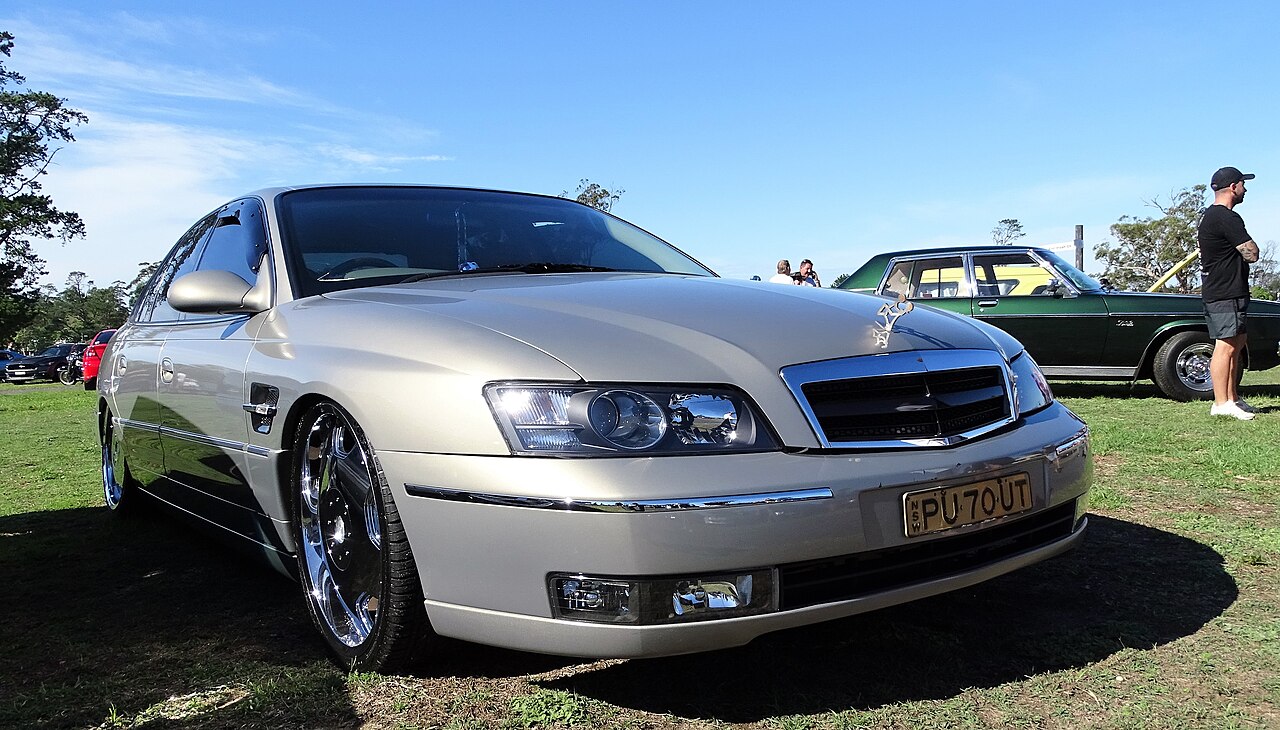
This Grange came standard with a twelve-speaker, 430-watt Blaupunkt stereo and twin drop-down DVD screens for the back seat — a luxury-sedan home theatre, years before that was common.
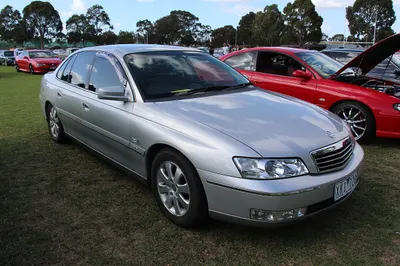
This WK redesign wasn't just cosmetic — Holden claims it dropped the Caprice's drag coefficient all the way to 0.30.
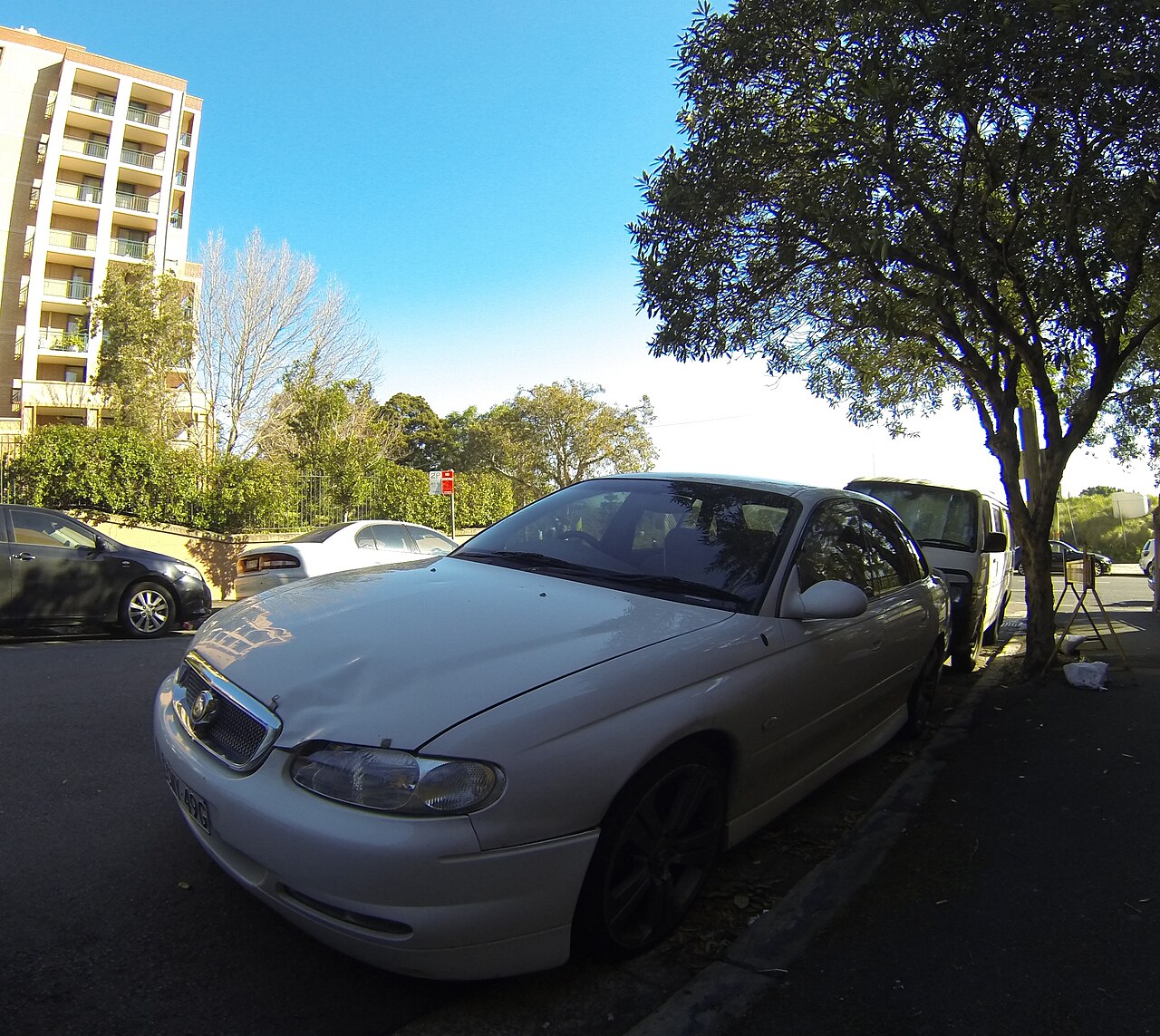
HSV's flagship Grange briefly skipped the V8 for a supercharged V6 option in 1999 - an unusual choice for a luxury performance flagship that lasted barely a year before being dropped.
This WH Statesman kicked off an export career nobody would guess: built for both left- and right-hand drive, it was shipped to the Middle East badged as a Chevrolet Caprice.
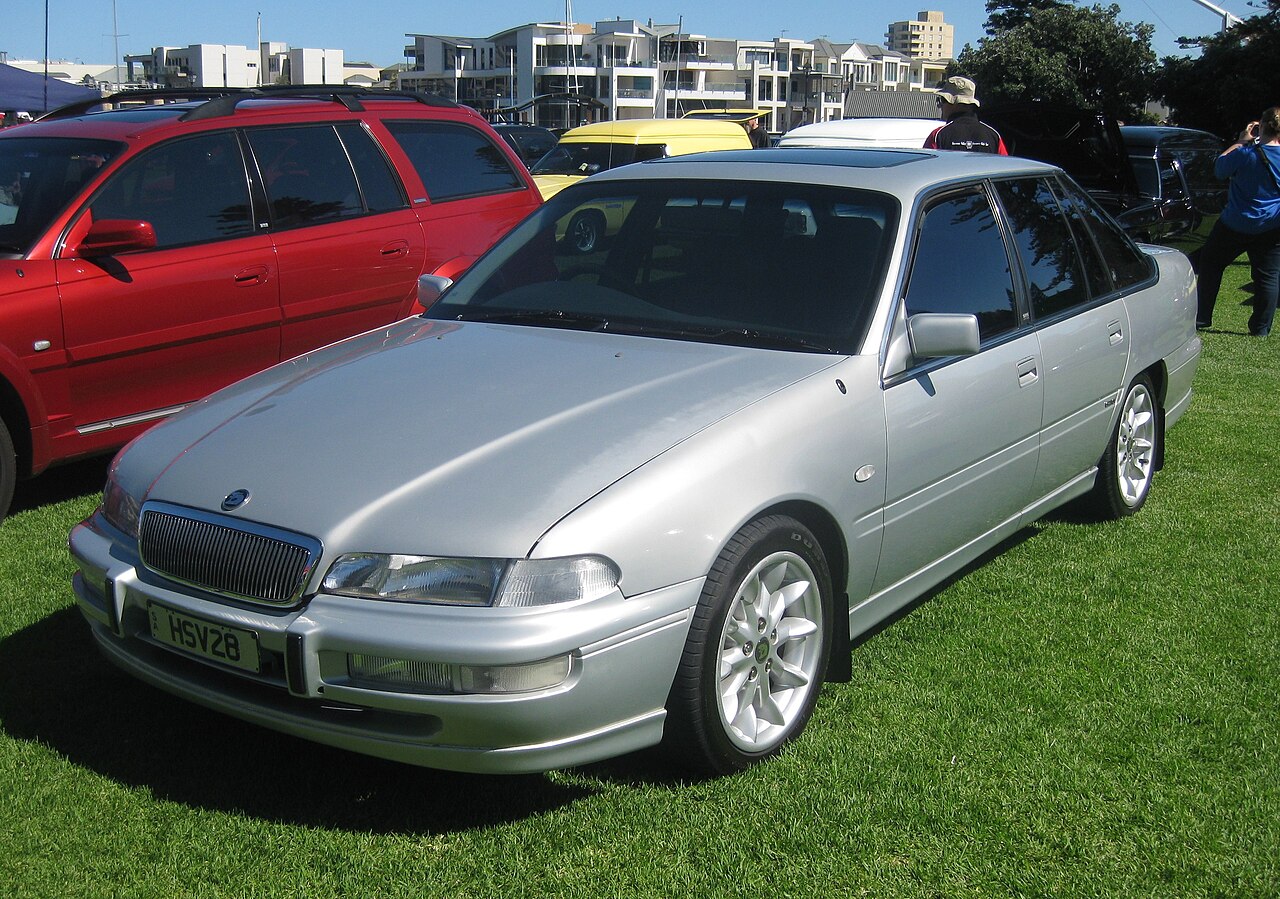
This Grange had a two-state build: Holden built it in Elizabeth, South Australia, then shipped it across the country for HSV to finish in Clayton, Victoria — the first Grange HSV ever built off a Holden-badged base car.
Holden’s VS-series Statesman/Caprice offered a supercharged V6 rated just 3kW shy of the V8 — barely 4 horsepower off, which made the V8 upgrade almost pointless on paper.
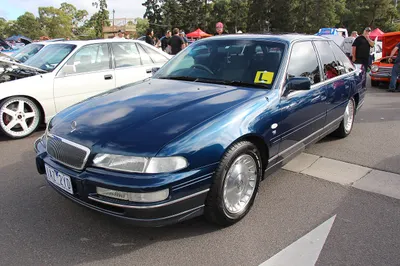
The VR Statesman and Caprice quietly made history for Holden's flagships: this was the generation where a driver's airbag finally became standard.
This long-wheelbase VQ wasn't just longer than the Commodore sedan it was based on — it was longer than the Commodore wagon too.
Rivals
Same body, same money, other badges — tap any card to flip.

It briefly served as senior sibling to Marquette, a GM companion brand cancelled after just one year.

Nissan hired former BMW engineers to help develop the 510's suspension, which is why period reviewers frequently compared its handling to the BMW 1600/2002.

A Trabant 601 won its class at the 1970 Monte Carlo Rally, with a second 601 right behind it in second.

The 600 was a stopgap: the P50's body over the 601's mechanicals, and for a while its estate was built alongside the new 601 saloon.

The G80 Sport brought a 370 PS twin-turbo 3.3 V6, a mesh grille and copper-tinted chrome with copper stitching to match.

The Vigor was sold only with a five-cylinder engine, an unusual configuration Honda used to fit a longer engine transversely under a short hood.

The GS/E coupe earned the nickname "German Charger" for its long hood, short deck stance borrowed from Detroit muscle cars.

This DeVille/Fleetwood was the first production car anywhere to mount its V8 sideways, Cadillac's front-drive gamble on the new C-body.