New Zealand's Camira JJ sedan wasn't a Camira at all under the skin — quality complaints about the real Australian car were so bad GM pulled it and sold a rebadged Isuzu Aska in its place, wearing the Camira name.
Lead trim: Camira JJ 1.8 Isuzu (91 hp) · up to 99 hp
Holden Camira JJ1984–1987
- 0spots by members
- Unclaimednobody has spotted one yet
- 0sets it belongs to
Nobody in Burbles has spotted a Holden Camira JJ yet. See one on the street, point the app at it, and the first card is yours — with your @handle permanently credited on this page.
FactNew Zealand's Camira JJ sedan wasn't a Camira at all under the skin — quality complaints about the real Australian car were so bad GM pulled it and sold a rebadged Isuzu Aska in its place, wearing the Camira name.
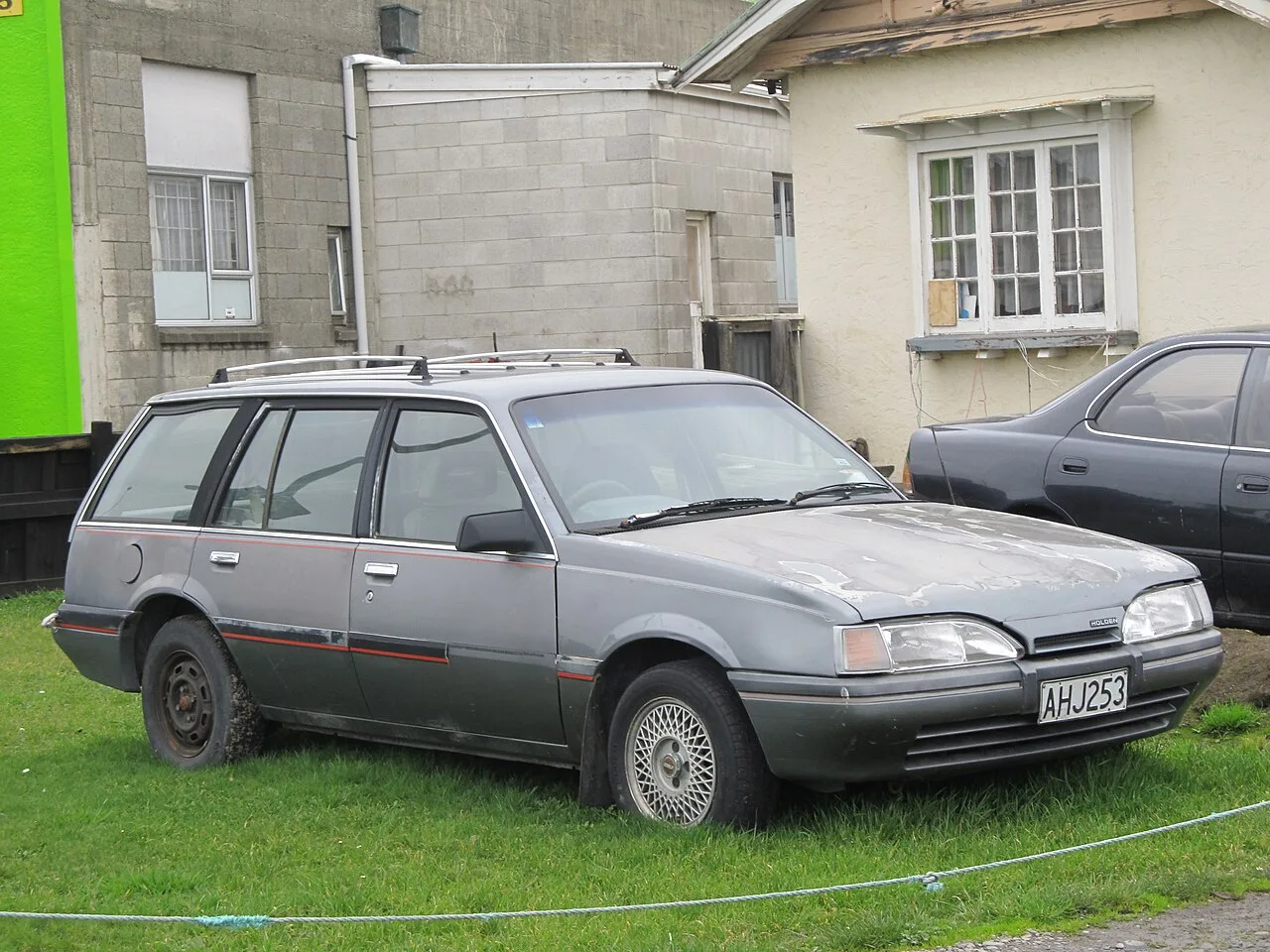
In New Zealand the second-generation Camira was marketed as the Camira JJ, made up of two entirely different J-cars: the sedan was a rebadged Isuzu Aska from Japan (General Motors New Zealand made the decision because Camira JB sales were poor after well-publicised quality concerns), while the wagon, built and sold in Australia, was retained. It initially came with two carburetted Isuzu four-cylinder petrol engines, a 1.8 L (1,817 cc) with 68 kW (91 hp) and a 2.0 L (1,994 cc) with 74 kW (99 hp), with only a five-speed manual at first (a three-speed automatic followed soon after); in early 1986 the luxurious Camira SL/E arrived with power steering, windows, mirrors, locks, a velour interior, a high-end stereo, body-coloured bumpers and alloy wheels. In 1987 the JJ was replaced by the Australian-sourced JE as exchange rates favoured Australian imports.
Collectors Spotted in the Holden Camira Lineage
No member has published a public street spot of the Holden Camira yet — the First · Worldwide stamp is wide open.
Trims & Figures
2 published trims in the catalogue. A blank is a figure not recorded, not zero.
| Trim | Years | Engine | Power | Torque | 0–60 | Drive | Gearbox | MSRP |
|---|---|---|---|---|---|---|---|---|
| Camira JJ 1.8 Isuzu (91 hp) | 1984–1987 | 1.8 L Inline-4 | 91 hp | — | — | — | — | — |
| Camira JJ 2.0 Isuzu (99 hp) | 1984–1987 | 2.0 L Inline-4 | 99 hp | — | — | — | — | — |
Owning one
We don’t estimate running costs for a car like this. What it costs depends on its condition, its specialist and how it is driven, and an average would mislead.
Owners’ builds
Nobody has claimed one yet.
Photographs
Holden sold the Camira SLi 2000 as the sporty one — spoiler, side skirts, pin striping — but it ran the exact same engine as every other JE, with zero extra performance behind the looks.
The JD Camira's 1.8-litre engine didn't stay in-house — it ended up powering a Nissan Pulsar too, part of a Holden-Nissan engine-swap alliance.
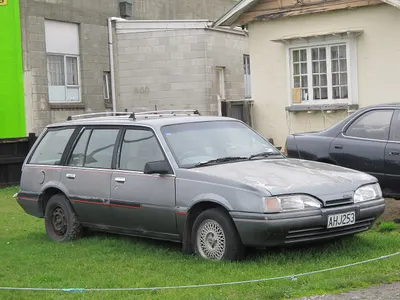
New Zealand's Camira JJ sedan wasn't a Camira at all under the skin — quality complaints about the real Australian car were so bad GM pulled it and sold a rebadged Isuzu Aska in its place, wearing the Camira name.
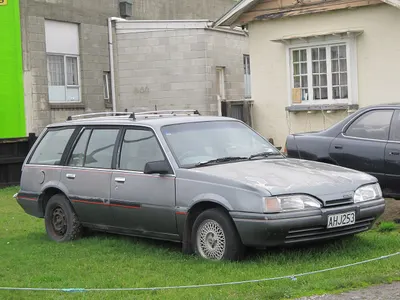
Holden's Australian-designed Camira wagon didn't just sell locally — its body panels were shipped to Vauxhall in the UK and became the Cavalier estate, reversing the usual direction cars traveled between the two markets.
Rivals
Same body, same money, other badges — tap any card to flip.

It briefly served as senior sibling to Marquette, a GM companion brand cancelled after just one year.

Nissan hired former BMW engineers to help develop the 510's suspension, which is why period reviewers frequently compared its handling to the BMW 1600/2002.

A Trabant 601 won its class at the 1970 Monte Carlo Rally, with a second 601 right behind it in second.

The 600 was a stopgap: the P50's body over the 601's mechanicals, and for a while its estate was built alongside the new 601 saloon.

The G80 Sport brought a 370 PS twin-turbo 3.3 V6, a mesh grille and copper-tinted chrome with copper stitching to match.

The Vigor was sold only with a five-cylinder engine, an unusual configuration Honda used to fit a longer engine transversely under a short hood.

The GS/E coupe earned the nickname "German Charger" for its long hood, short deck stance borrowed from Detroit muscle cars.

This DeVille/Fleetwood was the first production car anywhere to mount its V8 sideways, Cadillac's front-drive gamble on the new C-body.