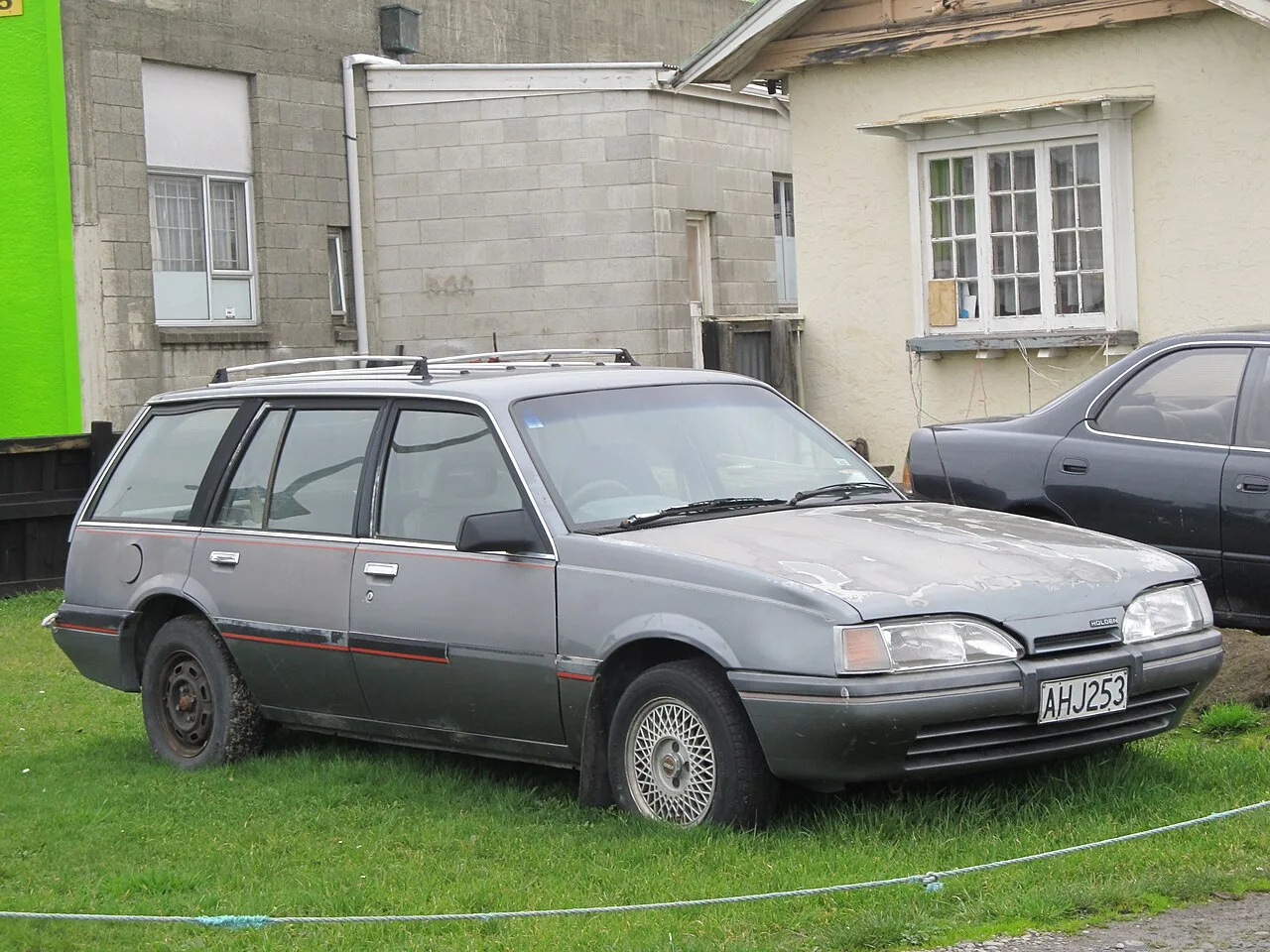
Holden's Australian-designed Camira wagon didn't just sell locally — its body panels were shipped to Vauxhall in the UK and became the Cavalier estate, reversing the usual direction cars traveled between the two markets.
Lead trim: Camira 1.6 Camtech 16LF (86 hp)
Holden Camira JB1982–1984
- 0spots by members
- Unclaimednobody has spotted one yet
- 0sets it belongs to
Nobody in Burbles has spotted a Holden Camira JB yet. See one on the street, point the app at it, and the first card is yours — with your @handle permanently credited on this page.
FactHolden's Australian-designed Camira wagon didn't just sell locally — its body panels were shipped to Vauxhall in the UK and became the Cavalier estate, reversing the usual direction cars traveled between the two markets.
The Holden Camira is a mid-size car produced by Holden from 1982 to 1989 (151,807 built: 85,725 JBs, 36,953 JDs and 29,129 JEs), Holden's version of GM's J-body family — GM's third "global" car platform, heavily based on the Opel Ascona C. The original JB series was introduced in August 1982 with a major trans-Tasman marketing campaign, replacing the Sunbird and Torana (an interim four-cylinder Commodore bridged the two-year gap); a Holden-designed wagon followed in March 1983 and its bodywork was exported to Vauxhall for the Cavalier estate. There was only one engine, the carbureted 1.6-litre four (16LF, marketed as Camtech) with 64 kW (86 hp), regarded by much of the motoring media as "underpowered" though it produced similar power to many rivals. The Camira was Wheels magazine's Car of the Year for 1982, but early quality problems (smoking engines, insufficient door drainage, poor paint, overheating with air conditioning) tarnished its reputation. The Formula and SJ were the sought-after limited-production JBs (sedans only), and Country Dealer Team Performance Vehicles offered S1 body-kit, S2 and turbocharged S3 versions.
Collectors Spotted in the Holden Camira Lineage
No member has published a public street spot of the Holden Camira yet — the First · Worldwide stamp is wide open.
Trims & Figures
One published trim in the catalogue. A blank is a figure not recorded, not zero.
| Trim | Years | Engine | Power | Torque | 0–60 | Drive | Gearbox | MSRP |
|---|---|---|---|---|---|---|---|---|
| Camira 1.6 Camtech 16LF (86 hp) | 1982–1984 | 1.6 L Inline-4 | 86 hp | 92 lb-ft | — | FWD | — | — |
Owning one
We don’t estimate running costs for a car like this. What it costs depends on its condition, its specialist and how it is driven, and an average would mislead.
Owners’ builds
Nobody has claimed one yet.
Photographs
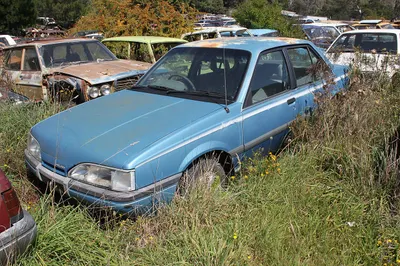
Holden sold the Camira SLi 2000 as the sporty one — spoiler, side skirts, pin striping — but it ran the exact same engine as every other JE, with zero extra performance behind the looks.
The JD Camira's 1.8-litre engine didn't stay in-house — it ended up powering a Nissan Pulsar too, part of a Holden-Nissan engine-swap alliance.
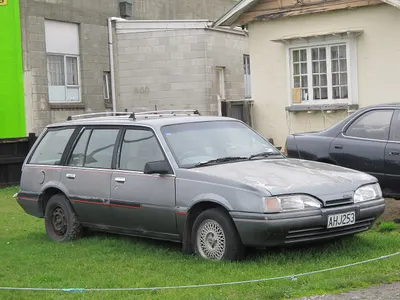
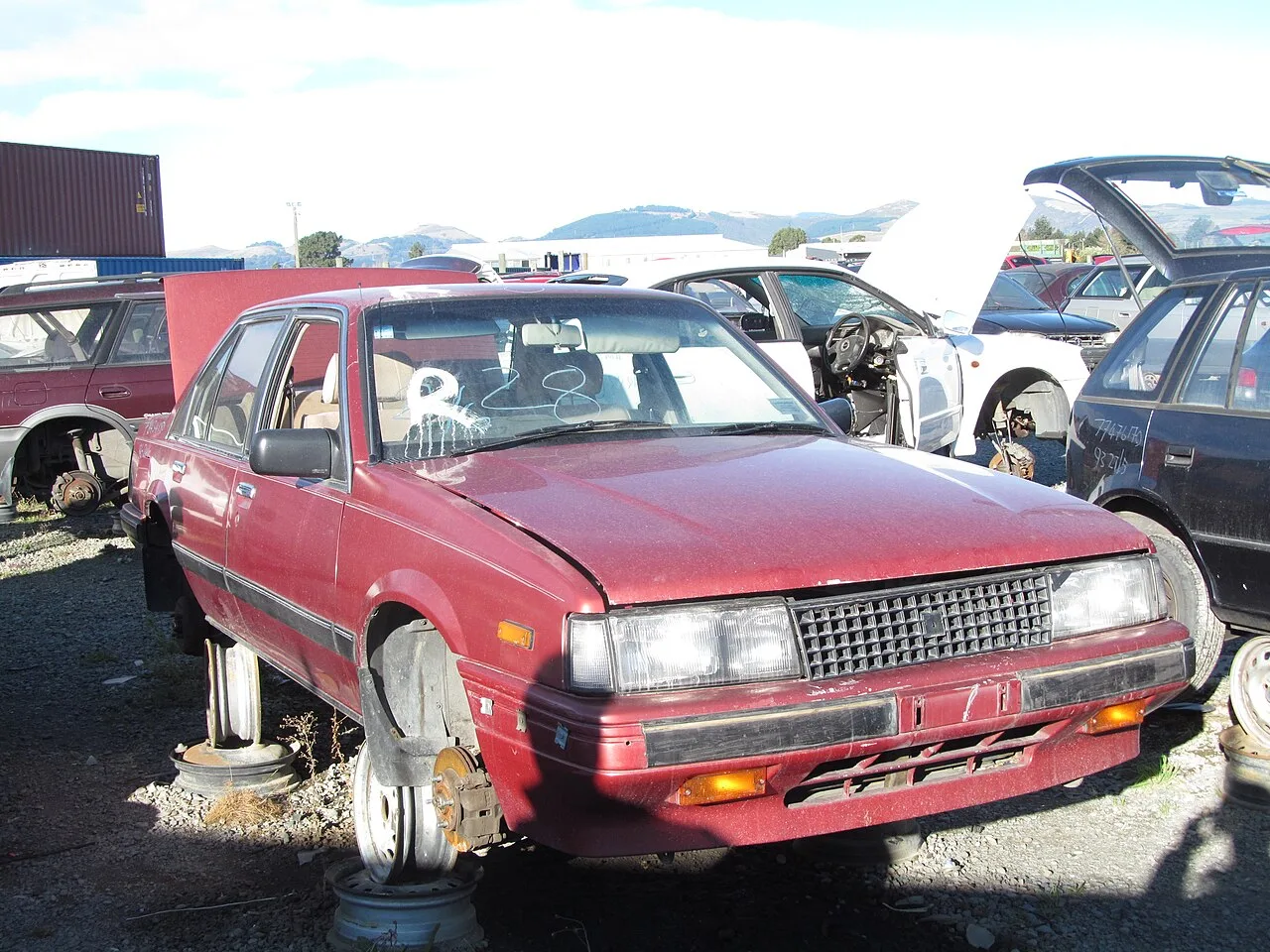
New Zealand's Camira JJ sedan wasn't a Camira at all under the skin — quality complaints about the real Australian car were so bad GM pulled it and sold a rebadged Isuzu Aska in its place, wearing the Camira name.
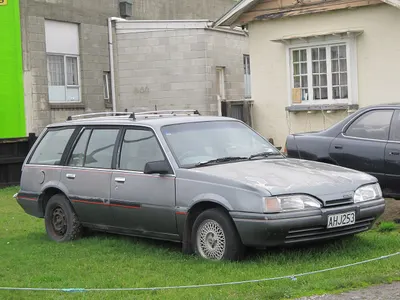
Holden's Australian-designed Camira wagon didn't just sell locally — its body panels were shipped to Vauxhall in the UK and became the Cavalier estate, reversing the usual direction cars traveled between the two markets.
Rivals
Same body, same money, other badges — tap any card to flip.

It briefly served as senior sibling to Marquette, a GM companion brand cancelled after just one year.

Nissan hired former BMW engineers to help develop the 510's suspension, which is why period reviewers frequently compared its handling to the BMW 1600/2002.

A Trabant 601 won its class at the 1970 Monte Carlo Rally, with a second 601 right behind it in second.

The 600 was a stopgap: the P50's body over the 601's mechanicals, and for a while its estate was built alongside the new 601 saloon.

The G80 Sport brought a 370 PS twin-turbo 3.3 V6, a mesh grille and copper-tinted chrome with copper stitching to match.

The Vigor was sold only with a five-cylinder engine, an unusual configuration Honda used to fit a longer engine transversely under a short hood.

The GS/E coupe earned the nickname "German Charger" for its long hood, short deck stance borrowed from Detroit muscle cars.

This DeVille/Fleetwood was the first production car anywhere to mount its V8 sideways, Cadillac's front-drive gamble on the new C-body.