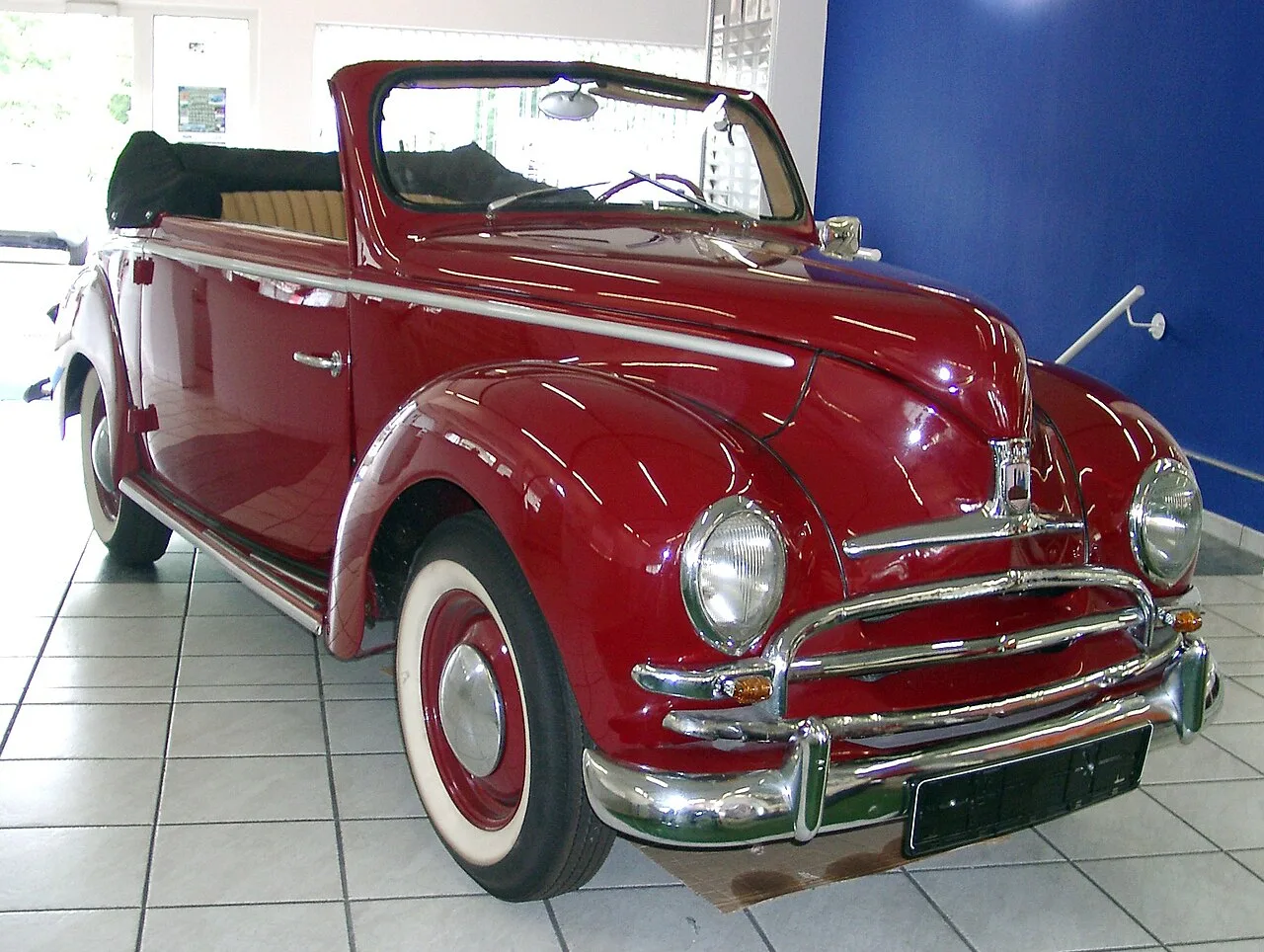
This Taunus quietly set a safety first for the brand in Germany: it was the first German Ford to be fitted with hydraulic brakes.
Median 90 hp across 179 similar cars
Lead trim: Taunus G93A 1.2 (1172 cc)
Ford Taunus G93A / G73A1939–1952
- 0spots by members
- Unclaimednobody has spotted one yet
- 0sets it belongs to
Nobody in Burbles has spotted a Ford Taunus G93A / G73A yet. See one on the street, point the app at it, and the first card is yours — with your @handle permanently credited on this page.
FactThis Taunus quietly set a safety first for the brand in Germany: it was the first German Ford to be fitted with hydraulic brakes.
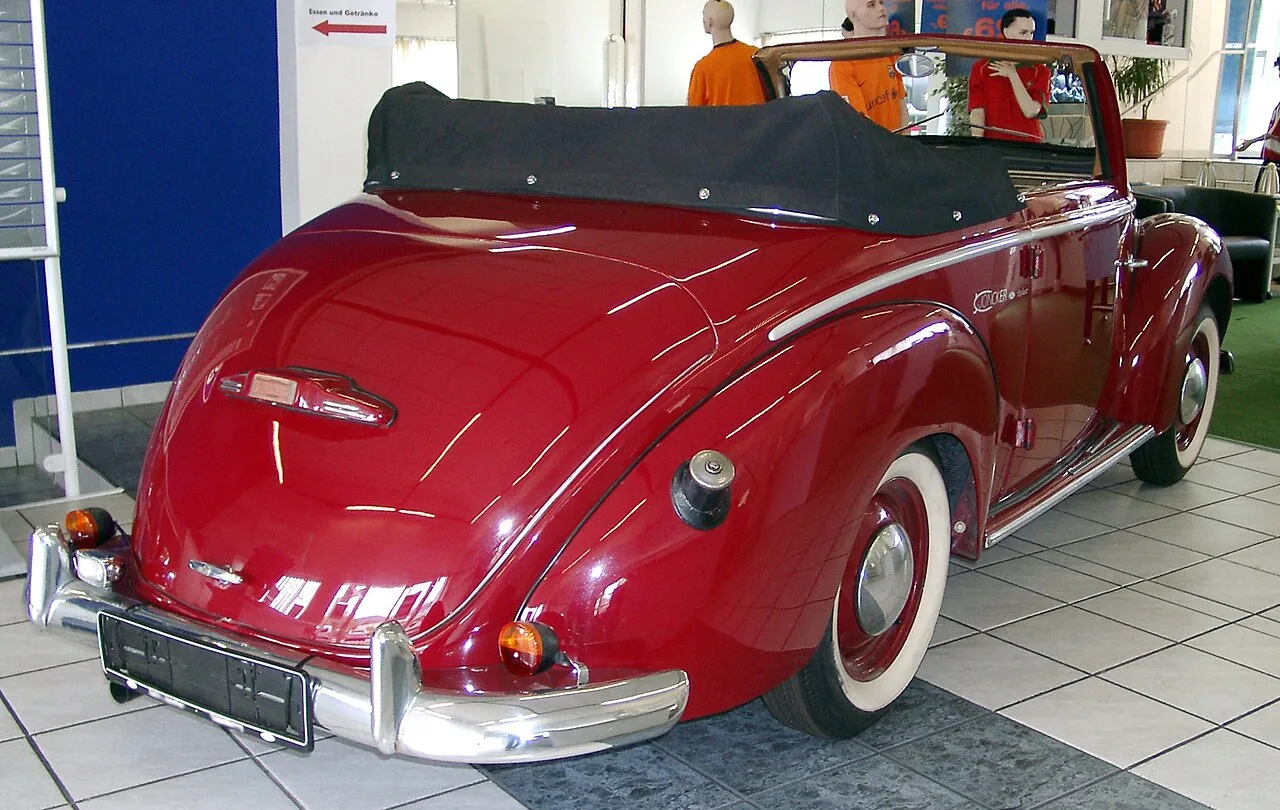
The Ford Taunus G93A was a development of the Ford Eifel and used the same 1172 cc four-cylinder engine, but in a longer chassis and a streamlined body; it was the first German Ford to have hydraulic brakes. First introduced in 1939, production was halted in 1942 due to the war and recommenced in November 1948 after the British occupation had ended. In total 7,128 pre-war Taunuses (G93A) were made, including estate cars and light vans, followed by 76,590 post-war models (G73A). The Taunus name, taken from the Taunus mountain range in Germany, was applied to all German Fords from 1952 to 1968 and, from 1970, to models built on the same basic construction as the Ford Cortina Mk III.
Collectors Spotted in the Ford Taunus Lineage
No member has published a public street spot of the Ford Taunus yet — the First · Worldwide stamp is wide open.
Trims & Figures
One published trim in the catalogue. A blank is a figure not recorded, not zero.
| Trim | Years | Engine | Power | Torque | 0–60 | Drive | Gearbox | MSRP |
|---|---|---|---|---|---|---|---|---|
| Taunus G93A 1.2 (1172 cc) | 1939–1952 | 1.2 L Inline-4 | 34 hp | 53 lb-ft | — | RWD | — | — |
Owning one
We don’t estimate running costs for a car like this. What it costs depends on its condition, its specialist and how it is driven, and an average would mislead.
Owners’ builds
Nobody has claimed one yet.
Photographs
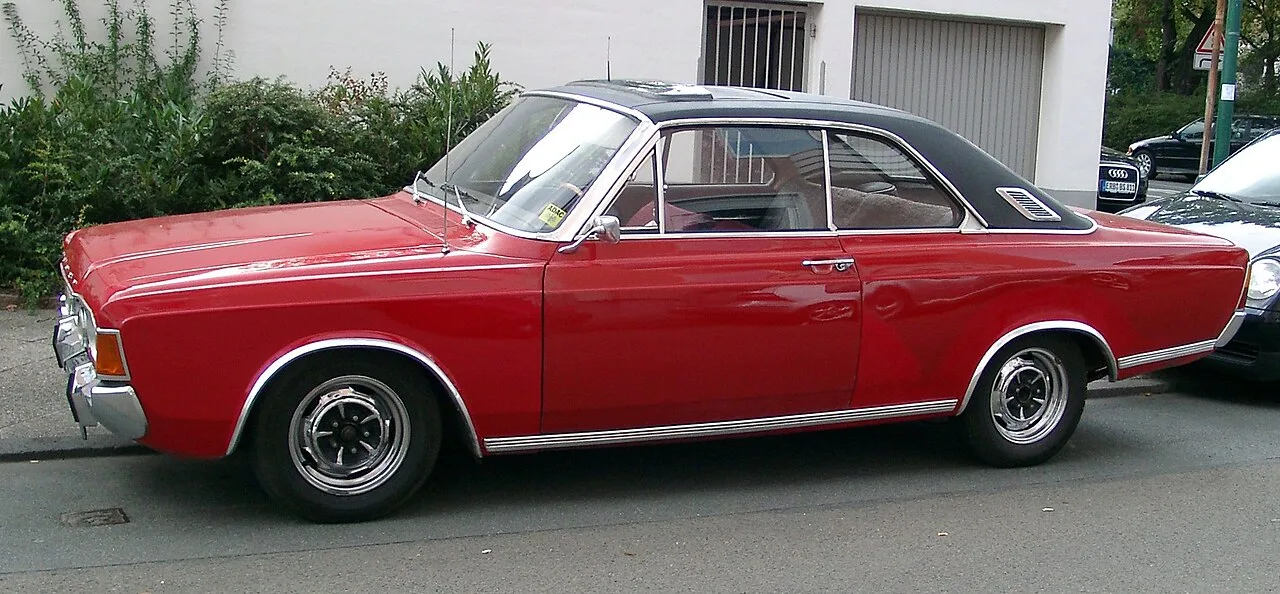
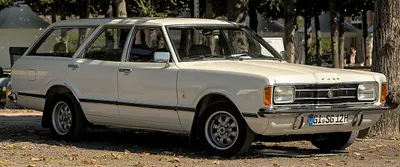
This generation exists because the first P7 flopped -- Ford rushed out a restyled car just one year later and, confusingly, called it P7 again.
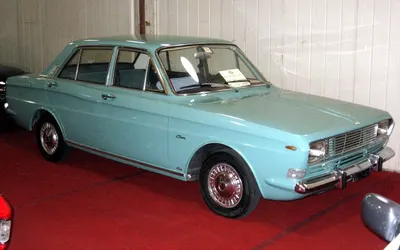
This Taunus lasted exactly one model year before Ford redid it — but while it lasted, the 20M wore a hood scoop that did absolutely nothing. It was fake.
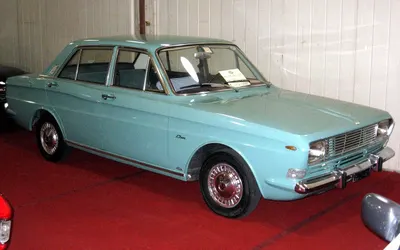
Every Taunus before it had a cabriolet in the lineup. The P6, Ford's first postwar Taunus redesign, was the one generation to drop the convertible entirely.
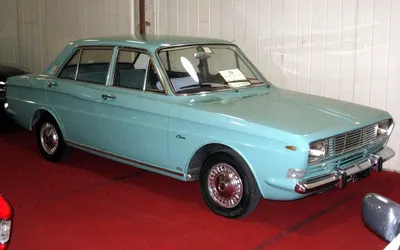
The P5 was West Germany's cheapest six-cylinder car, and its Turnier estate was briefly the only six-cylinder wagon in the country.
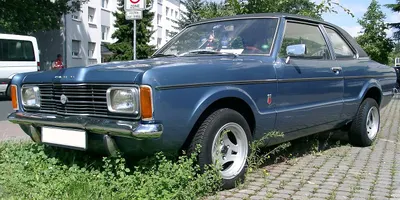
Decades before the Fiesta, this little Taunus 12M quietly became Ford’s very first front-wheel-drive car.
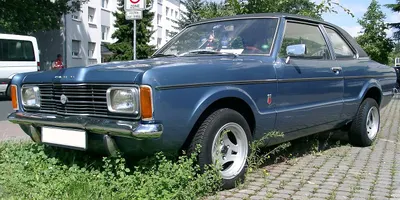
Germans nicknamed this Taunus the "Badewanne" — the bathtub — for its rounded, all-new bodywork.
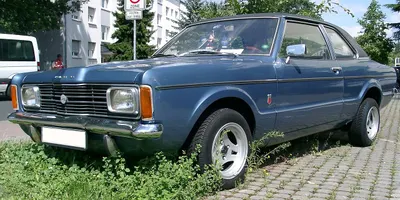
West Germans nicknamed this Taunus the 'Baroque Taunus' for borrowing its flashy tailfins and curves straight from mid-50s American Fords and Mercurys.
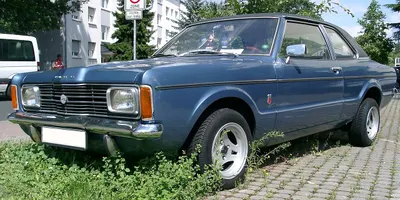
While rivals moved to overhead-valve engines, this Taunus 12M stuck with an old-fashioned side-valve unit — a deliberately conservative choice for 1950s Ford.
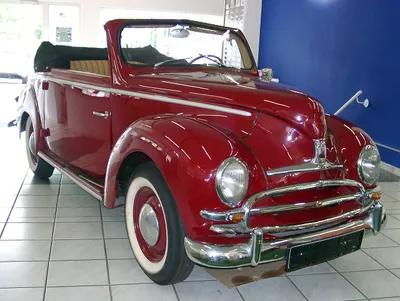
This Taunus quietly set a safety first for the brand in Germany: it was the first German Ford to be fitted with hydraulic brakes.
Rivals
Same body, same money, other badges — tap any card to flip.

It briefly served as senior sibling to Marquette, a GM companion brand cancelled after just one year.

Nissan hired former BMW engineers to help develop the 510's suspension, which is why period reviewers frequently compared its handling to the BMW 1600/2002.

A Trabant 601 won its class at the 1970 Monte Carlo Rally, with a second 601 right behind it in second.

The 600 was a stopgap: the P50's body over the 601's mechanicals, and for a while its estate was built alongside the new 601 saloon.

The G80 Sport brought a 370 PS twin-turbo 3.3 V6, a mesh grille and copper-tinted chrome with copper stitching to match.

The Vigor was sold only with a five-cylinder engine, an unusual configuration Honda used to fit a longer engine transversely under a short hood.

The GS/E coupe earned the nickname "German Charger" for its long hood, short deck stance borrowed from Detroit muscle cars.

This DeVille/Fleetwood was the first production car anywhere to mount its V8 sideways, Cadillac's front-drive gamble on the new C-body.