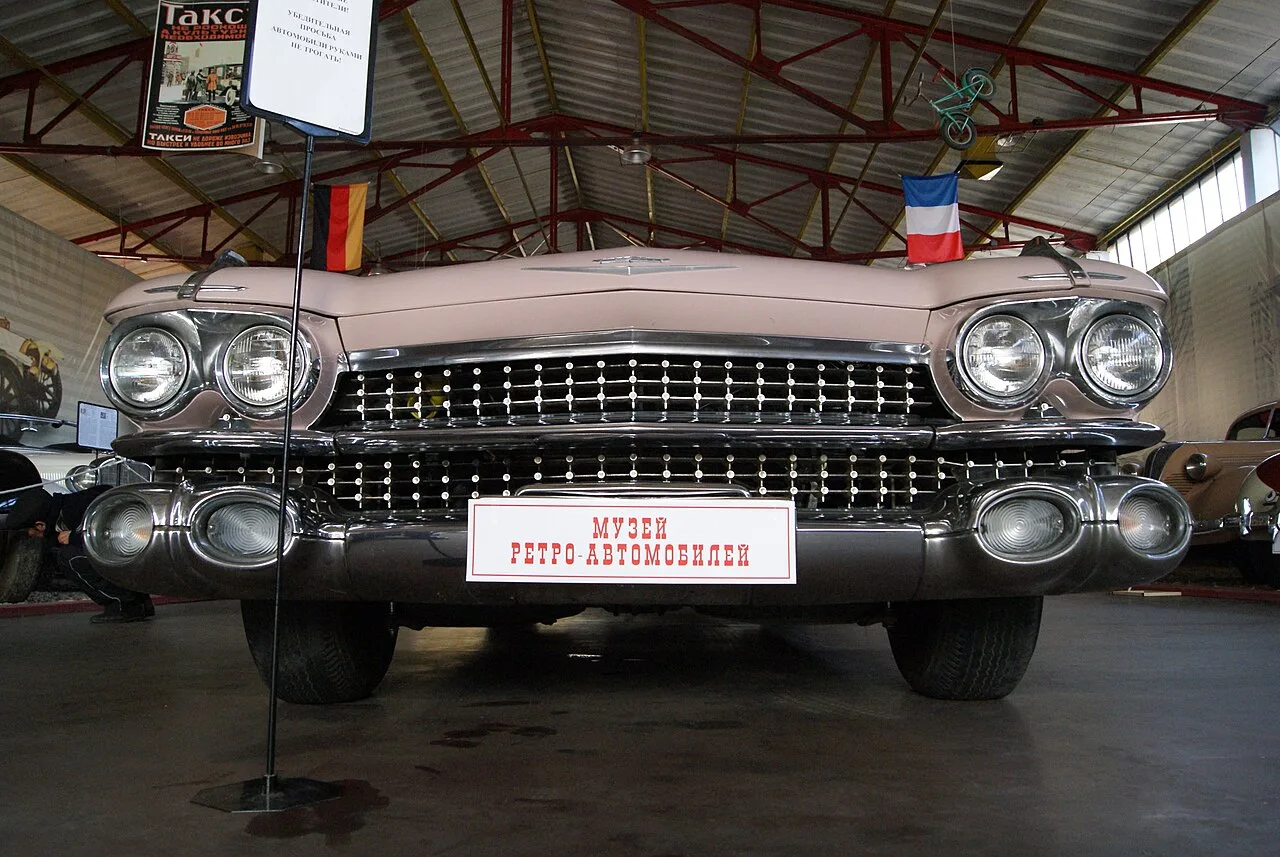
In 1980, Cadillac swapped the DeVille's 7-liter V8 for a smaller Malaise-era 6.0-liter unit, and 0-60 time ballooned from 10.9 seconds to 13.6, with top speed dropping from 116 mph to 106.
Median 92 hp across 339 similar cars
Lead trim: DeVille 350 cu in LF9 diesel V8 (105 hp, 1980–1984) · up to 195 hp
Cadillac DeVille1977–1984
- 0spots by members
- Unclaimednobody has spotted one yet
- 1set it completes
Nobody in Burbles has spotted a Cadillac DeVille yet. See one on the street, point the app at it, and the first card is yours — with your @handle permanently credited on this page.
FactIn 1980, Cadillac swapped the DeVille's 7-liter V8 for a smaller Malaise-era 6.0-liter unit, and 0-60 time ballooned from 10.9 seconds to 13.6, with top speed dropping from 116 mph to 106.
1977 was Cadillac's 75th anniversary and saw the introduction of the downsized DeVille coupes and sedans: with a higher roofline they were over 9 inches shorter, 4 inches narrower and 1/2 ton lighter, the first DeVilles ever marketed without fender skirts, with a larger trunk and more headroom and legroom, in response to CAFE regulations (221.2 in long for 1977–79 and 221.0 in for 1980–84, 76.4 in wide, 121.5 in wheelbase, 4,000–4,400 lb). The lineup was the two-door Coupe de Ville (US$9,654) and four-door Sedan de Ville (US$9,864) with the $650 d'Elegance interior package and the popular Cabriolet option (US$348, a rear-half padded vinyl roof with opera lamps); the 500 cu in V8 (190 hp) was replaced for 1977 by a 180-horsepower 425 cu in (7.0 L) V8 (L33, 180 hp and 320 lb-ft, 1977–79) with electronic fuel injection adding 15 horsepower (US$647 in 1977). 1977 set an all-time record of 234,171 De Villes sold (the production table gives 262,171). For 1978 the "Phaeton" package (US$1,929, a simulated convertible top with wire wheel discs) was optional and electronic level control was available. 1980 brought a new 368 CID (6.0 L) V8-6-4 (0–60 mph in 13.6 seconds, top speed 106 mph; the page gives 150 hp in the text but 145 hp in its engine table, so no rating is entered) replacing the 7-liter, a 4.1 L Buick V6 offered as a credit option (125 hp and 205 lb-ft in 1981–82) and Oldsmobile's 5.7-liter diesel V8 (105 hp, 205 lb-ft, 1980–84); for 1982 the 250 cu in (4.1 L) HT-4100 V8 arrived (135 hp and 190 lb-ft, after a 10 hp rise for 1983). Production totaled 1,518,909 De Villes over 1977–84.
Collectors Spotted in the Cadillac DeVille Lineage
No member has published a public street spot of the Cadillac DeVille yet — the First · Worldwide stamp is wide open.
Trims & Figures
6 published trims in the catalogue. A blank is a figure not recorded, not zero.
| Trim | Years | Engine | Power | Torque | 0–60 | Drive | Gearbox | MSRP |
|---|---|---|---|---|---|---|---|---|
| DeVille 250 cu in HT-4100 V8 (135 hp, 1983–1984) | 1983–1984 | 4.1 L V8 | 135 hp | 190 lb-ft | — | RWD | — | — |
| DeVille 350 cu in LF9 diesel V8 (105 hp, 1980–1984) | 1980–1984 | 5.7 L V8 | 105 hp | 205 lb-ft | — | RWD | — | — |
| DeVille 368 cu in L62 V8-6-4 (1980–1981) | 1980–1981 | 6.0 L V8 | 145 hp | 270 lb-ft | 13.6 s | RWD | — | — |
| DeVille 4.1 L (252 cu in) Buick V6 (125 hp, 1981–1982) | 1981–1982 | 4.1 L V6 | 125 hp | 205 lb-ft | — | RWD | — | — |
| DeVille 425 cu in L33 V8 (180 hp, 1977–1979) | 1977–1979 | 7.0 L V8 | 180 hp | 320 lb-ft | — | RWD | — | — |
| DeVille 425 cu in L35 fuel-injected V8 (1977–1979) | 1977–1979 | 7.0 L V8 | 195 hp | 320 lb-ft | — | RWD | — | — |
Owning one
We don’t estimate running costs for a car like this. What it costs depends on its condition, its specialist and how it is driven, and an average would mislead.
Owners’ builds
Nobody has claimed one yet.
Photographs
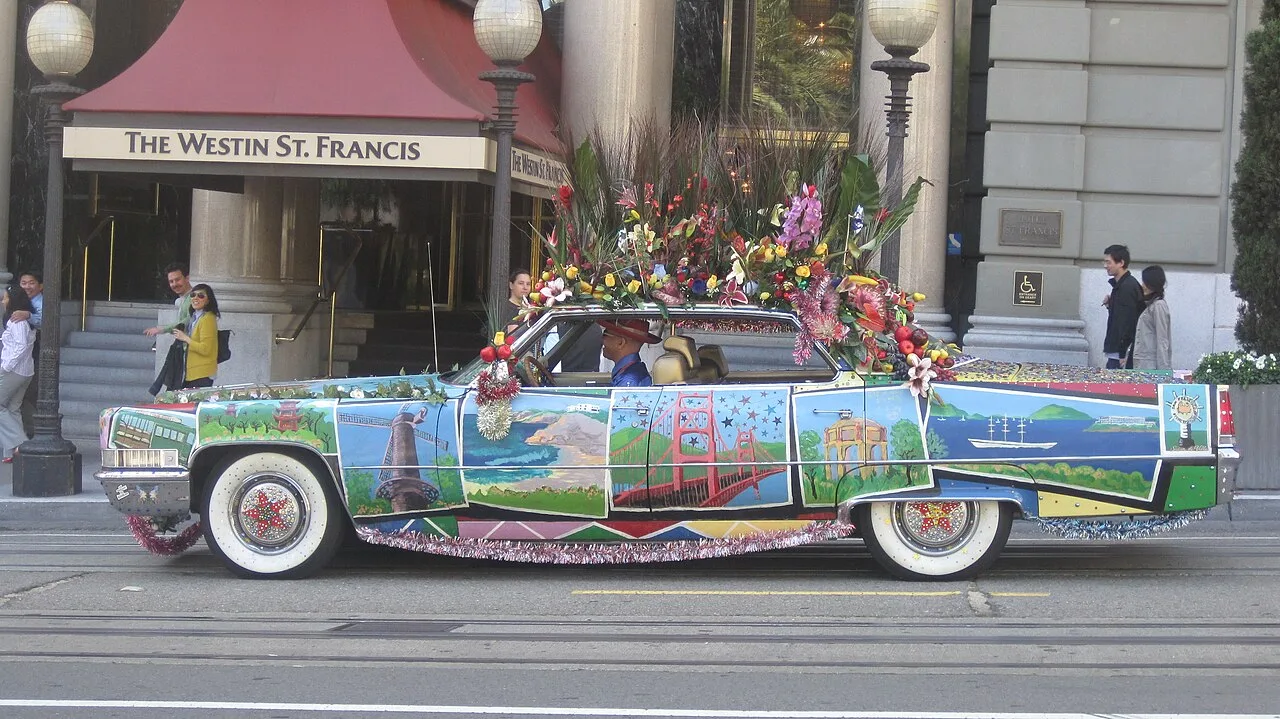
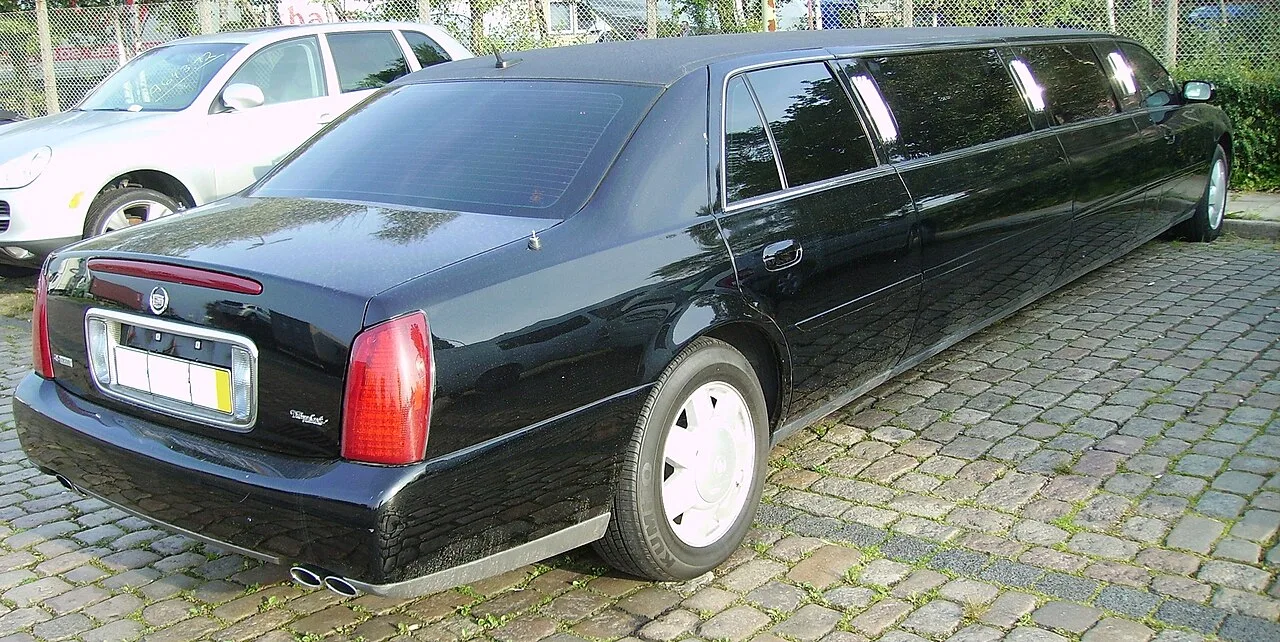
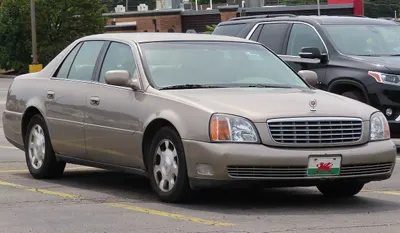
The last Cadillac sold as a DeVille was the 2005 sedan, then Cadillac's largest model.
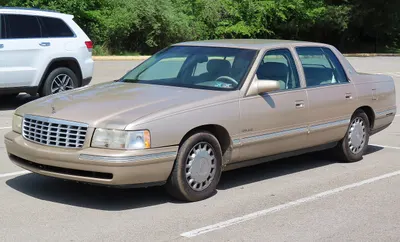
The 1994 DeVille redesign was the first generation in Cadillac's history to drop the two-door Coupe DeVille entirely, after years of shrinking demand for it.
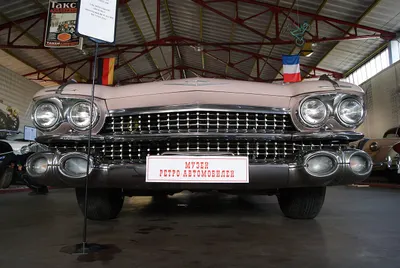
In 1986, Cadillac would sell you a factory-installed car phone for the DeVille — for $2,850, nearly as much as a whole econobox cost at the time.
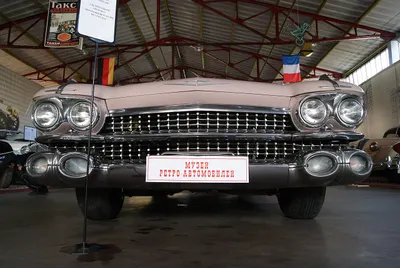
In 1980, Cadillac swapped the DeVille's 7-liter V8 for a smaller Malaise-era 6.0-liter unit, and 0-60 time ballooned from 10.9 seconds to 13.6, with top speed dropping from 116 mph to 106.
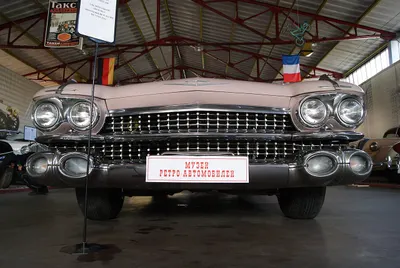
In November 1971, a bone-stock Coupe de Ville entered the legendary Cannonball Run cross-country race and finished third overall, posting the fastest average speed of any car in the event.
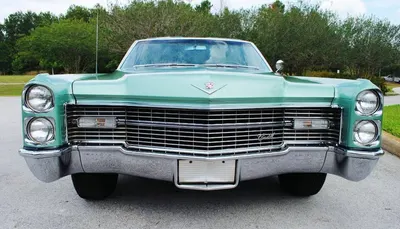
The 1967 Coupe de Ville's privacy-glass roofline wasn't a Cadillac original — it was lifted straight off the Florentine show car built for the 1964 New York World's Fair.
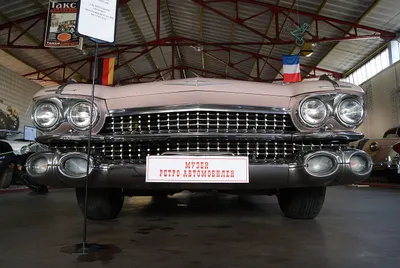
For 1963, Cadillac let DeVille buyers choose from 143 different interior combinations — wool, leather, or nylon upholstery, with wood veneer facings — an all-time record for the brand.
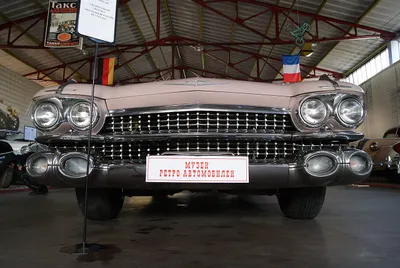
When the DeVille became its own series in 1959, with those huge sharp tailfins and bullet taillights, it sold over 53,000 units — about 37% of every Cadillac sold that year.
Rivals
Same body, same money, other badges — tap any card to flip.

It briefly served as senior sibling to Marquette, a GM companion brand cancelled after just one year.

Nissan hired former BMW engineers to help develop the 510's suspension, which is why period reviewers frequently compared its handling to the BMW 1600/2002.

A Trabant 601 won its class at the 1970 Monte Carlo Rally, with a second 601 right behind it in second.

The 600 was a stopgap: the P50's body over the 601's mechanicals, and for a while its estate was built alongside the new 601 saloon.

The G80 Sport brought a 370 PS twin-turbo 3.3 V6, a mesh grille and copper-tinted chrome with copper stitching to match.

The Vigor was sold only with a five-cylinder engine, an unusual configuration Honda used to fit a longer engine transversely under a short hood.

The GS/E coupe earned the nickname "German Charger" for its long hood, short deck stance borrowed from Detroit muscle cars.

This DeVille/Fleetwood was the first production car anywhere to mount its V8 sideways, Cadillac's front-drive gamble on the new C-body.