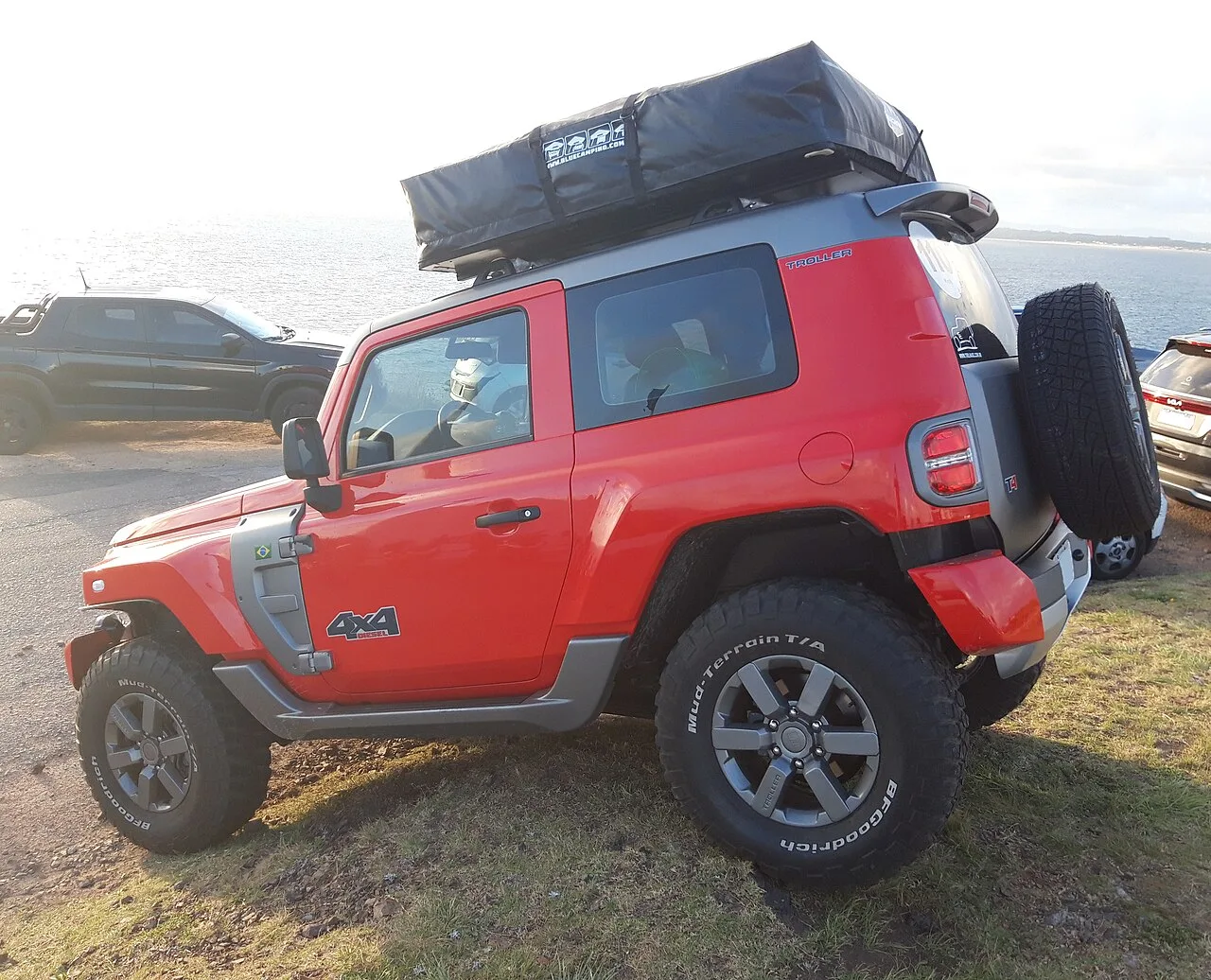
Brazil's first Troller, the 1996 RF-Sport, wasn't built like an ordinary 4x4 — its fiberglass body was bonded to a tubular chassis the same way dune buggies are made.
Median 150 hp across 105 similar cars
Lead trim: T4 2.0 L AP2000 (Volkswagen EA827-derived) four
Troller T4 first generationFirst generation · 1996–2001
- 0spots by members
- Unclaimednobody has spotted one yet
- 0sets it belongs to
Nobody in Burbles has spotted a Troller T4 first generation yet. See one on the street, point the app at it, and the first card is yours — with your @handle permanently credited on this page.
FactBrazil's first Troller, the 1996 RF-Sport, wasn't built like an ordinary 4x4 — its fiberglass body was bonded to a tubular chassis the same way dune buggies are made.
The Troller T4 (initially the "Troler RF Sport", RF for founder Rogério Farias), a four-wheel-drive off-roader with a Jeep-inspired design, was founded in 1995 in Ceará, Brazil (later a Ford-owned brand); the two-door body combined fiberglass panels over a tubular chassis, in a construction process similar to dune buggies. The first generation initially used a carburetted Volkswagen "AP1800" (EA827-derived) engine making about 99 cv, with a 5-speed manual gearbox carried over from the Ford F-1000 and Jeep Cherokee-sourced solid axles; from 1998 a 2.0-litre "AP2000" EA827 variant making 115 cv took over. Four-wheel drive. The page gives no wheelbase or body dimensions, and quotes power in the Brazilian "cv" unit rather than the literal "PS"/"hp" text this catalogue's checks require, so horsepower is left unset here rather than converted.
Collectors Spotted in the Troller T4 Lineage
No member has published a public street spot of the Troller T4 yet — the First · Worldwide stamp is wide open.
Trims & Figures
One published trim in the catalogue. A blank is a figure not recorded, not zero.
| Trim | Years | Engine | Power | Torque | 0–60 | Drive | Gearbox | MSRP |
|---|---|---|---|---|---|---|---|---|
| T4 2.0 L AP2000 (Volkswagen EA827-derived) four | 1998–2001 | 2.0 L Inline-4 | 115 hp | — | — | 4WD | — | — |
Owning one
We don’t estimate running costs for a car like this. What it costs depends on its condition, its specialist and how it is driven, and an average would mislead.
Owners’ builds
Nobody has claimed one yet.
Photographs
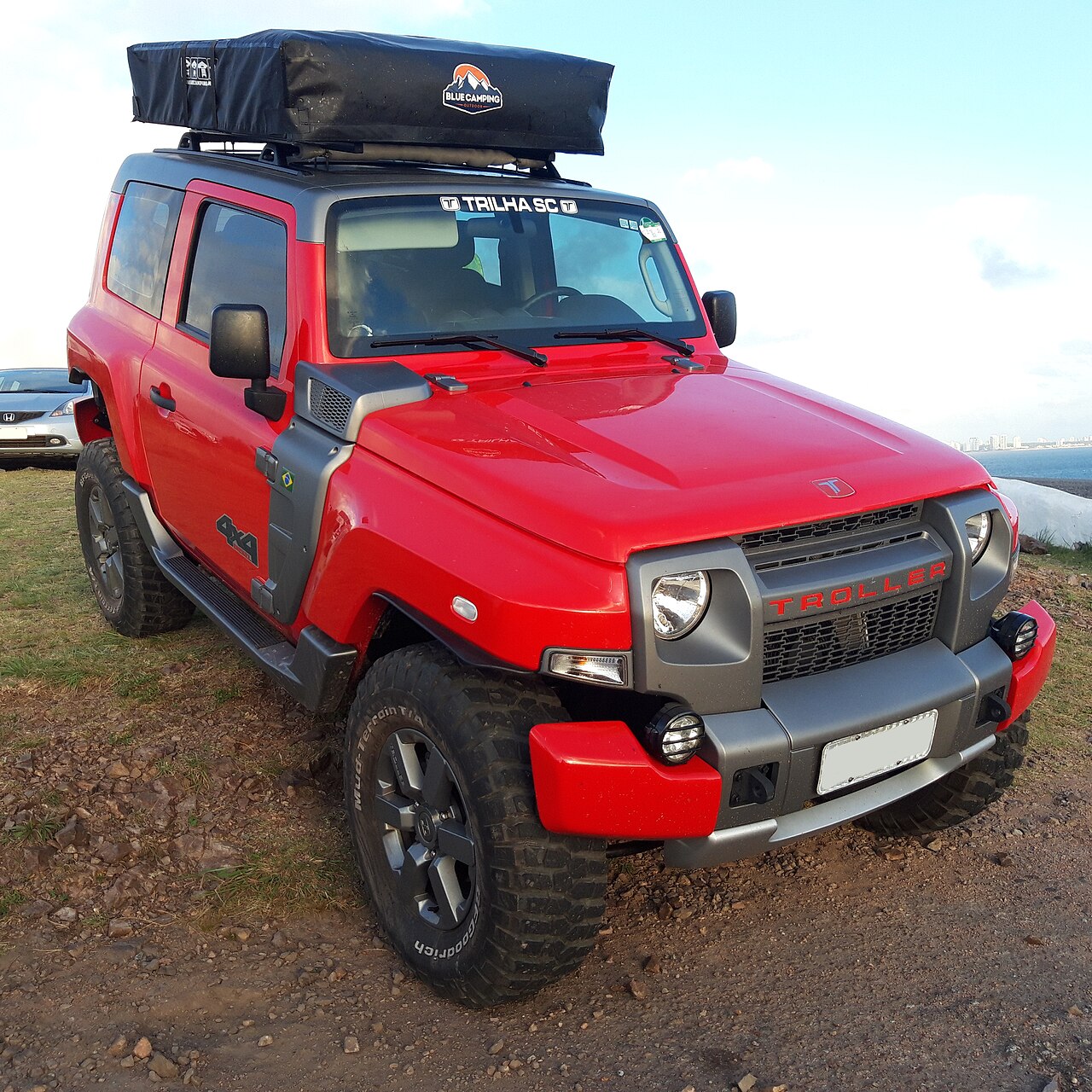
Brazil's rugged, Wrangler-styled Troller T4 wasn't a bespoke design for its third generation — under the fiberglass body sits a Ford Ranger frame, Ford's actual global pickup platform.
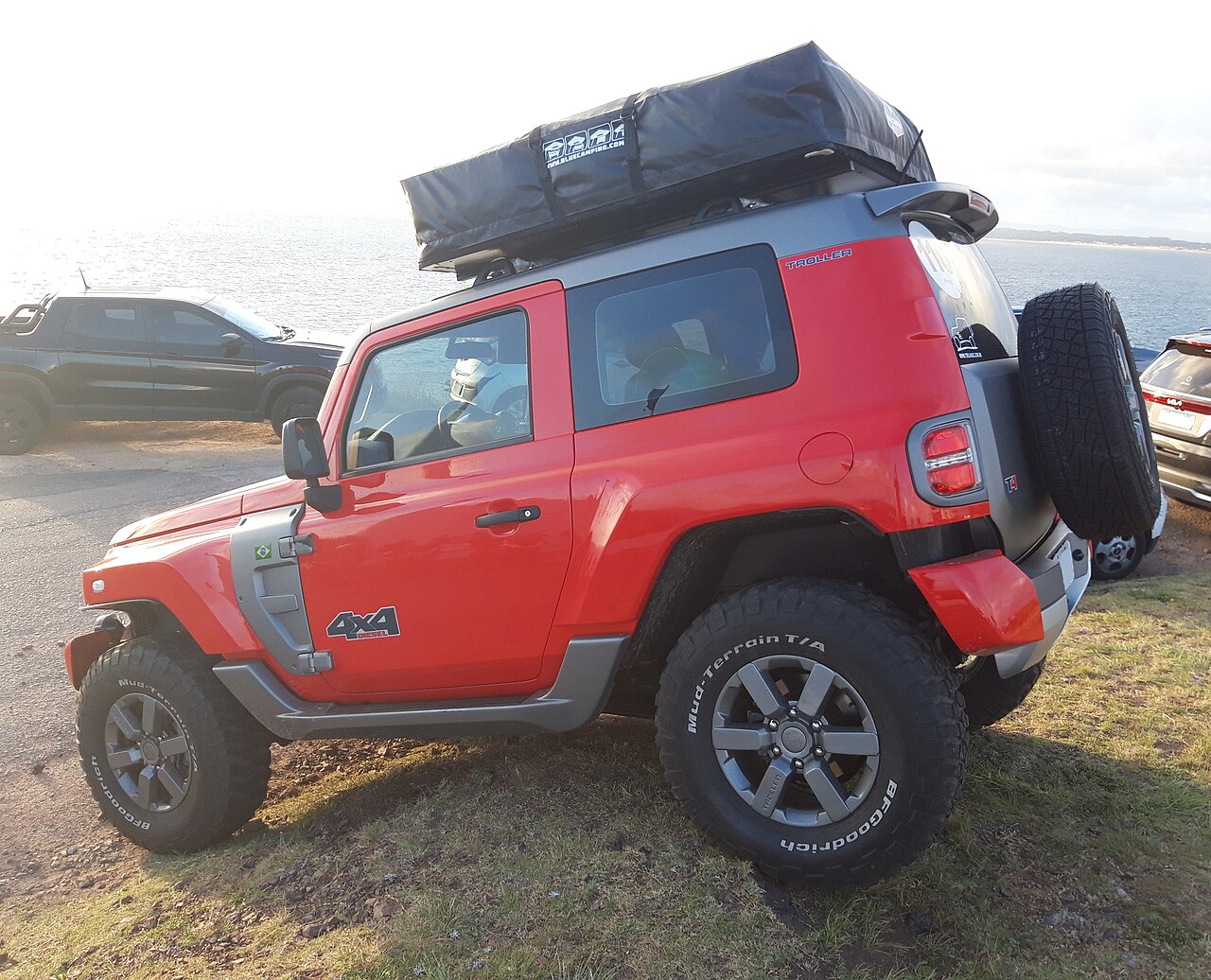
Midway through this generation's run, Troller stopped being an independent Brazilian 4x4 maker: Ford bought the company outright in 2007 for R$400 million, and Ford parts started showing up inside the T4.
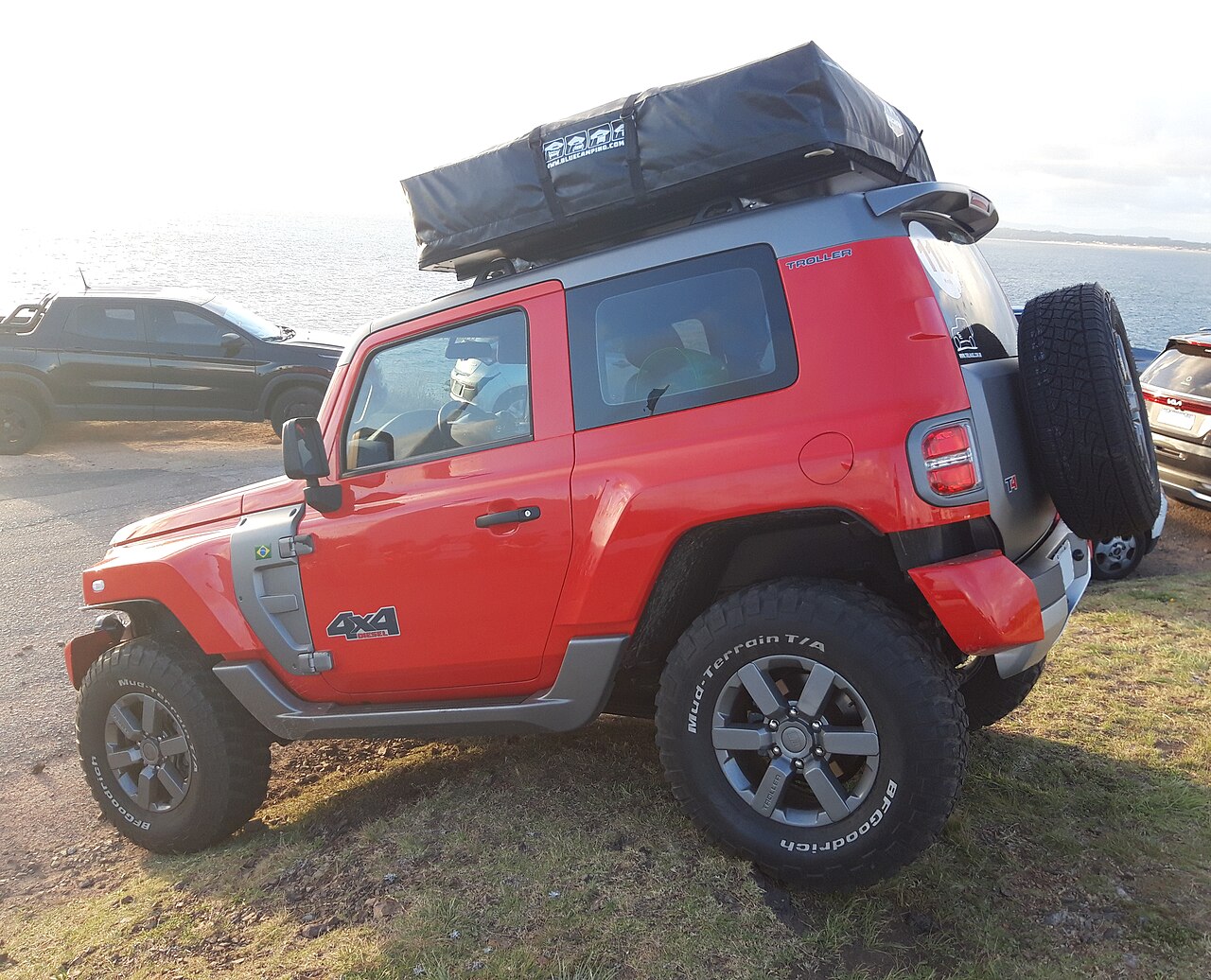
Brazil's first Troller, the 1996 RF-Sport, wasn't built like an ordinary 4x4 — its fiberglass body was bonded to a tubular chassis the same way dune buggies are made.
Rivals
Same body, same money, other badges — tap any card to flip.
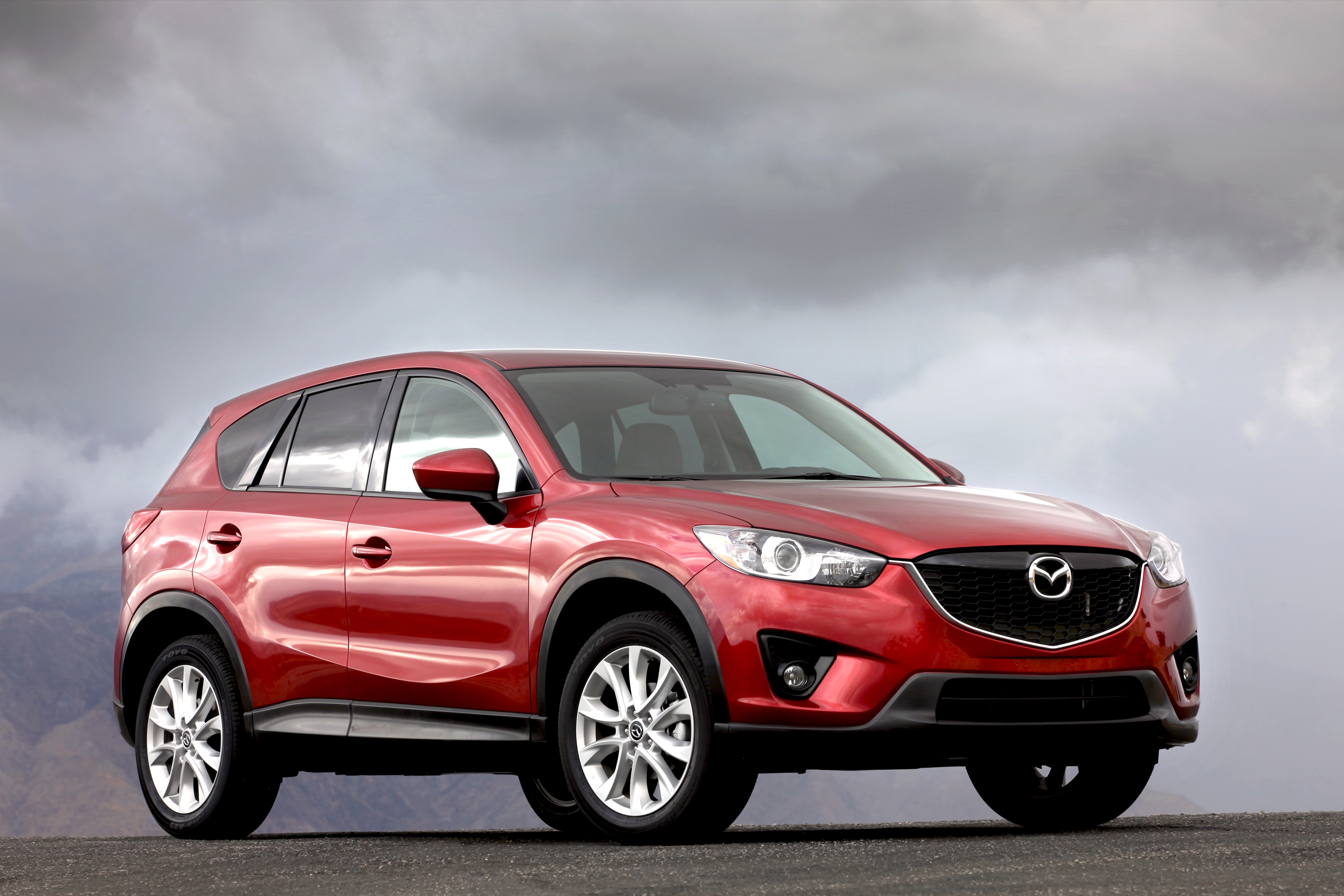
IIHS only crash-tests the driver's corner; tested on the passenger side instead, the CX-5 showed far worse intrusion.
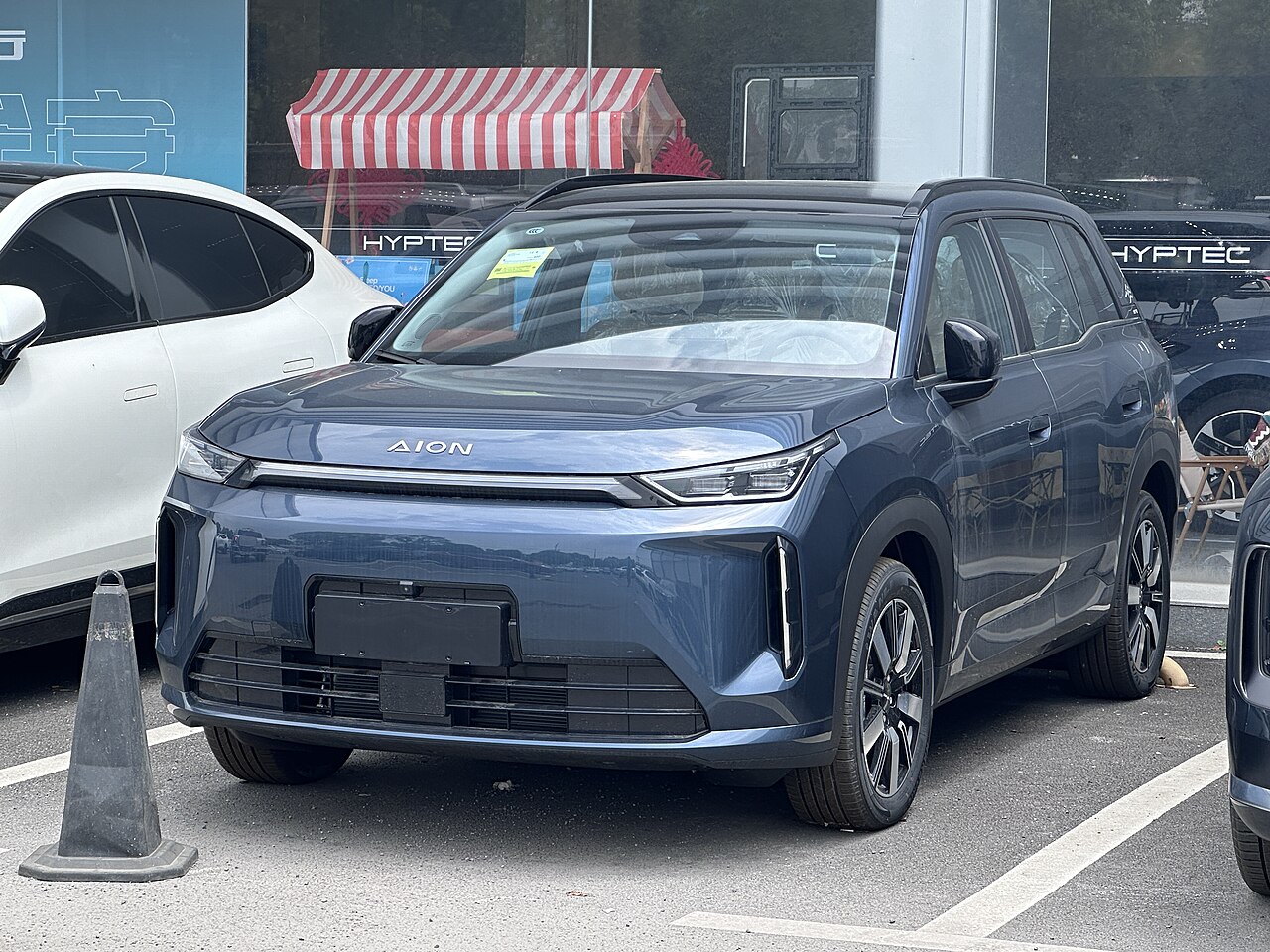
Despite launching from a standing start in late 2025, the i60 topped GAC Aion's own sales chart through January's seasonal slowdown.
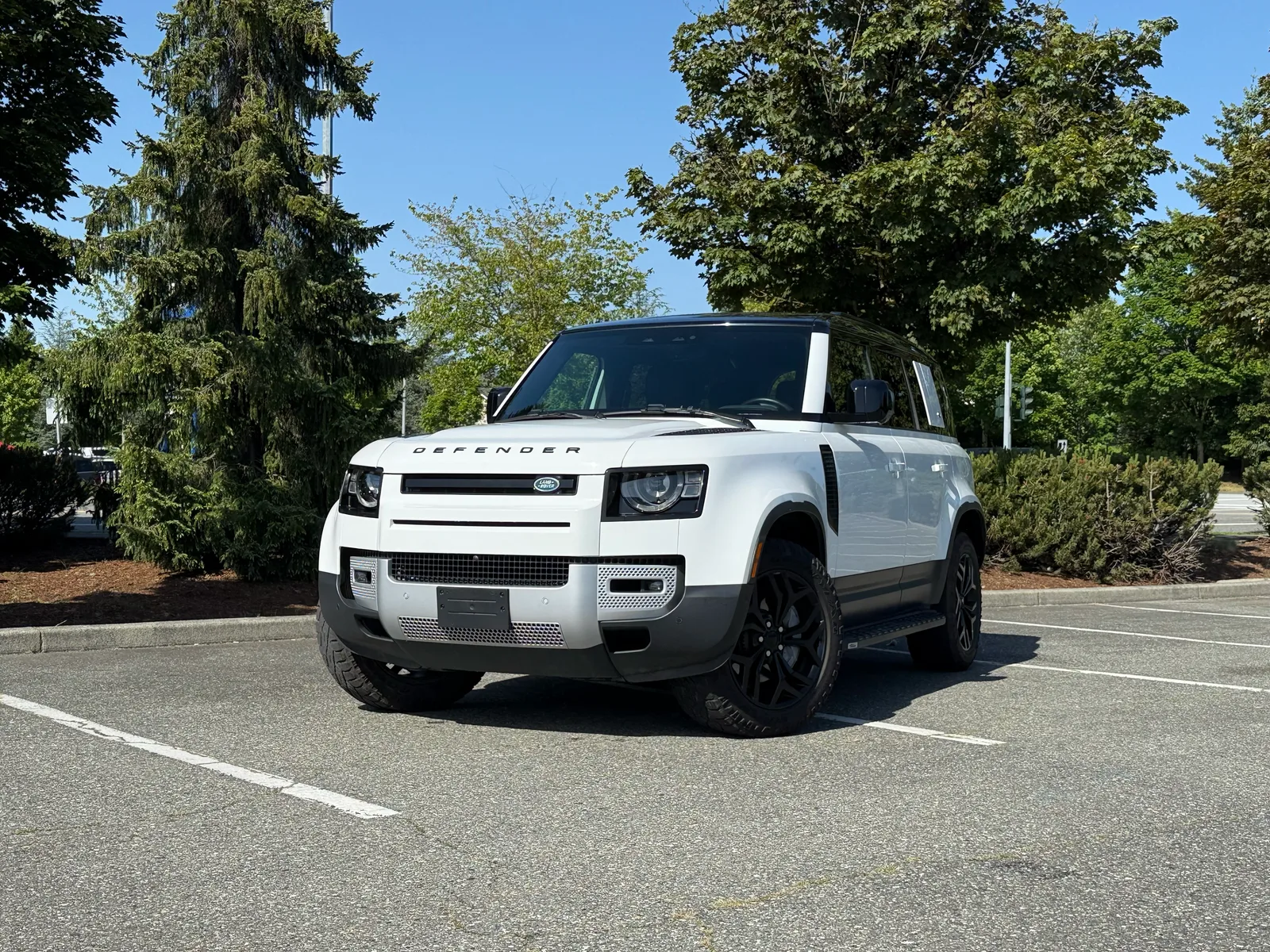
Every Defender before this one was body-on-frame — this generation broke decades of tradition with an aluminium unibody structure instead.
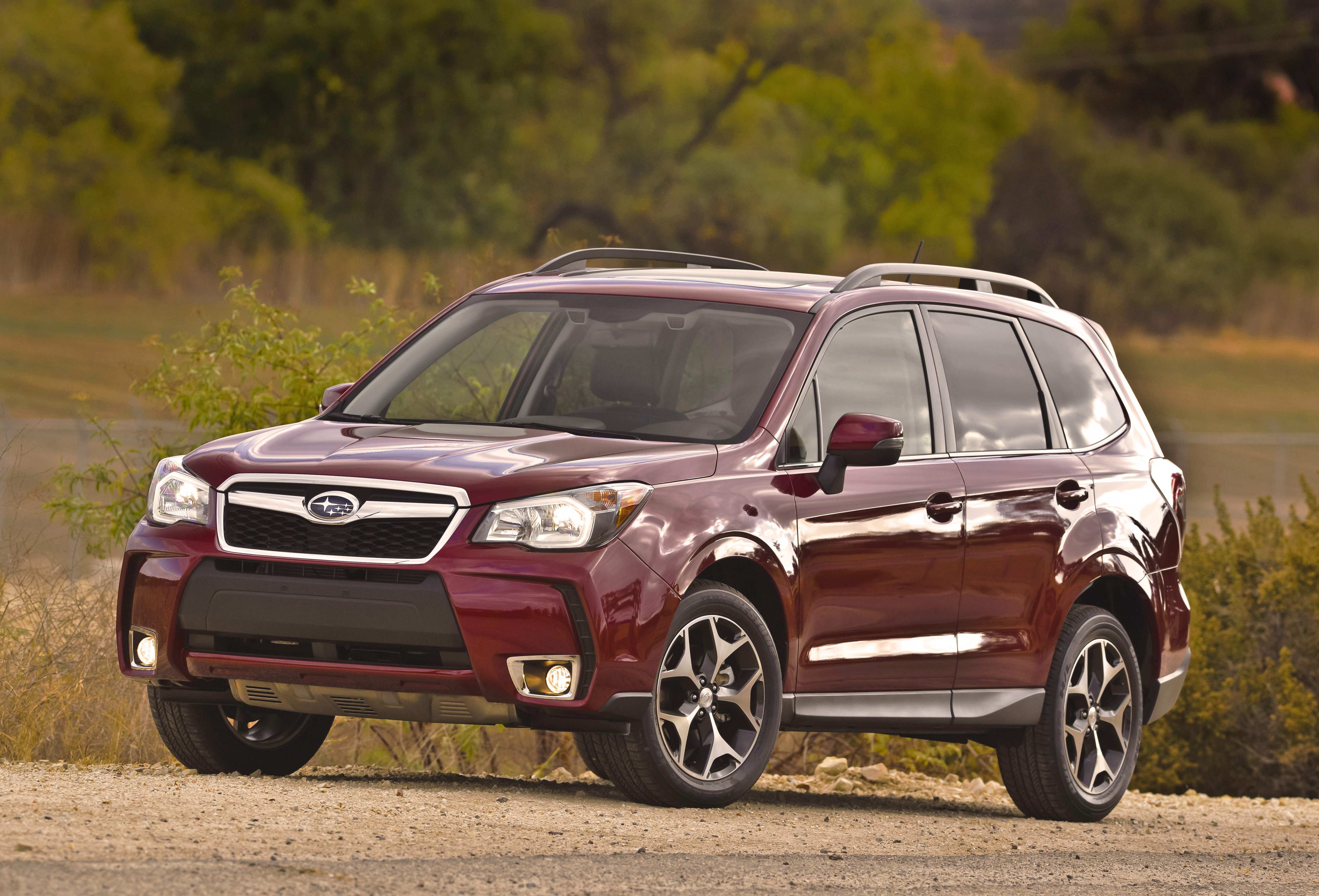
Crashed on the passenger side instead of the driver's, the 2014 Forester showed far more intrusion and would have rated Marginal with the IIHS.
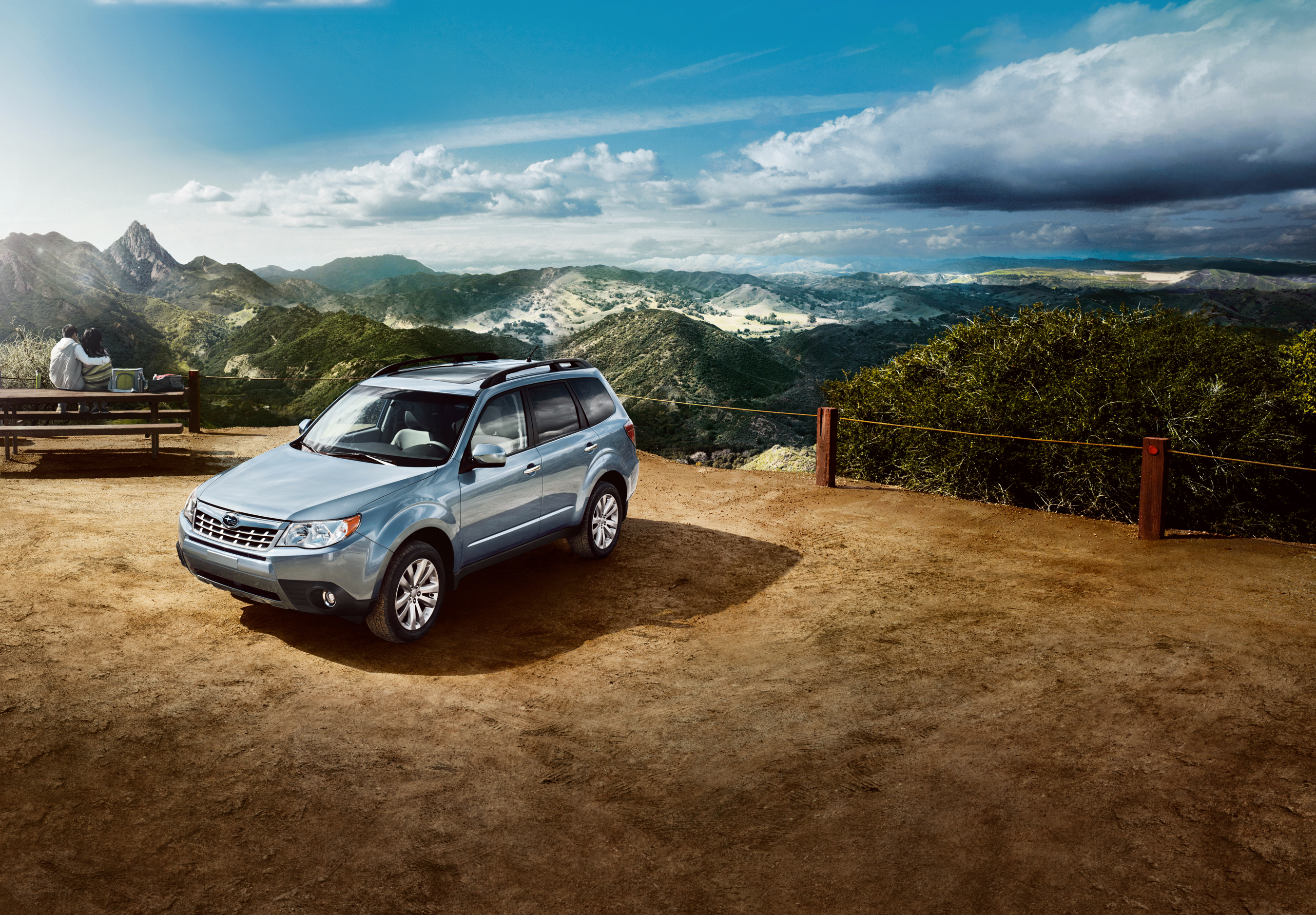
Subaru built a 2.5XT for the National Ski Patrol with a diamond-plate floor, a 9,500-pound winch and a toboggan on the roof.
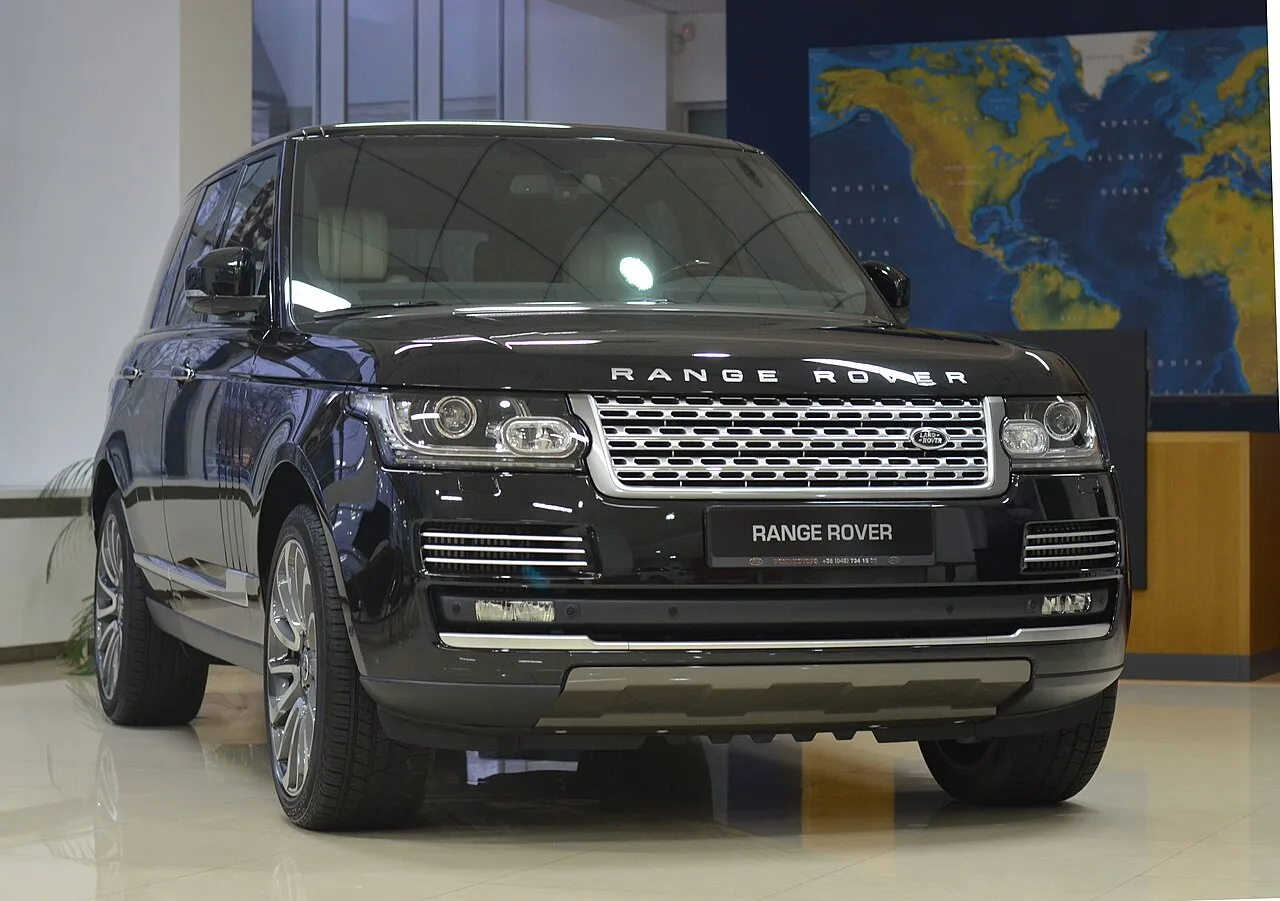
The L405 was the first Range Rover with a fully aluminum monocoque body, cutting up to 420 kg from the outgoing steel-bodied L322.
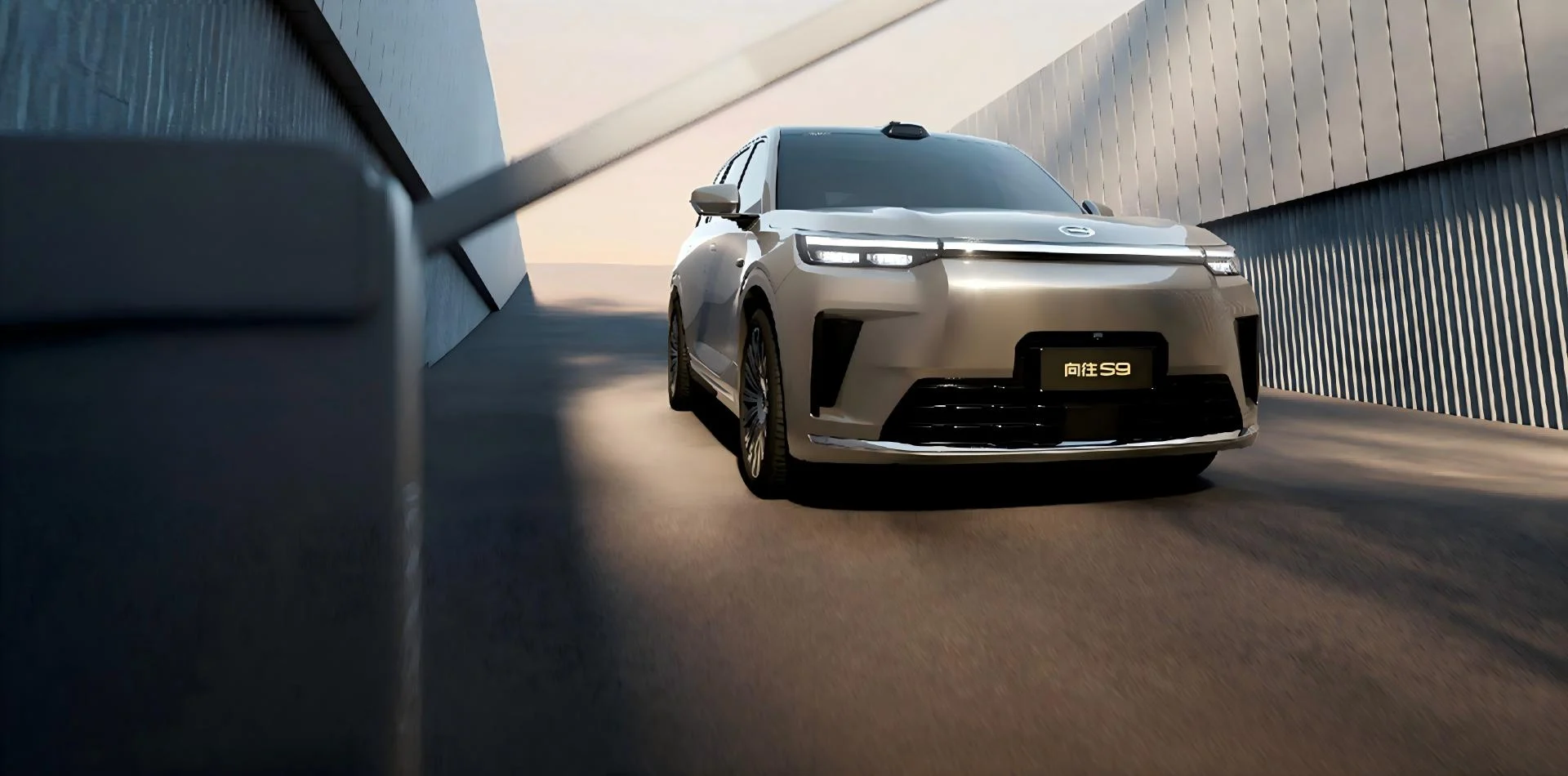
Rear passengers get a 17.3-inch screen that extends from the roof, and a lidar sensor sits in the front of the roof.
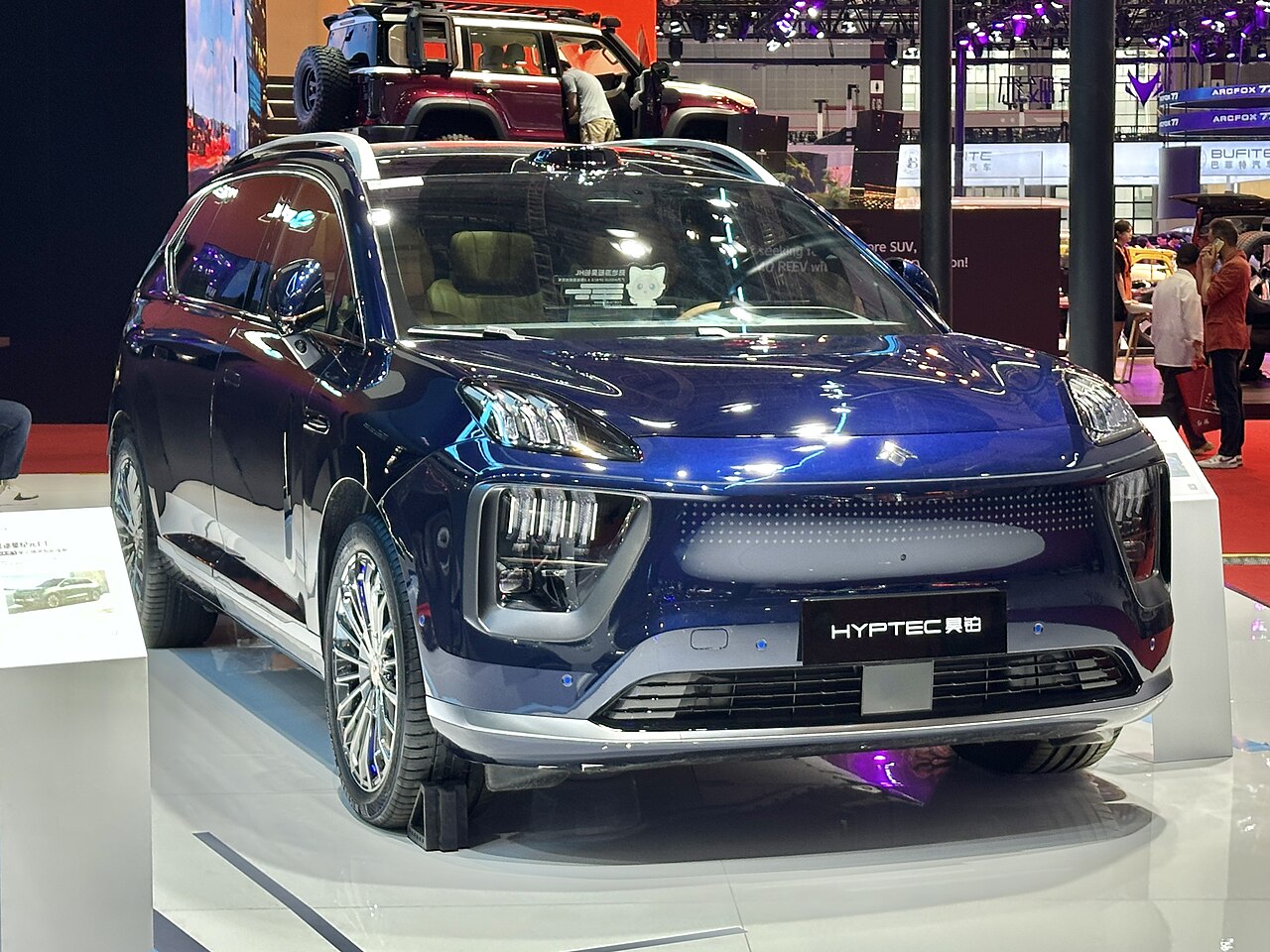
Its range-extender variant is rated for 1,200 km on a tank and charge, over three times the car's electric-only range.