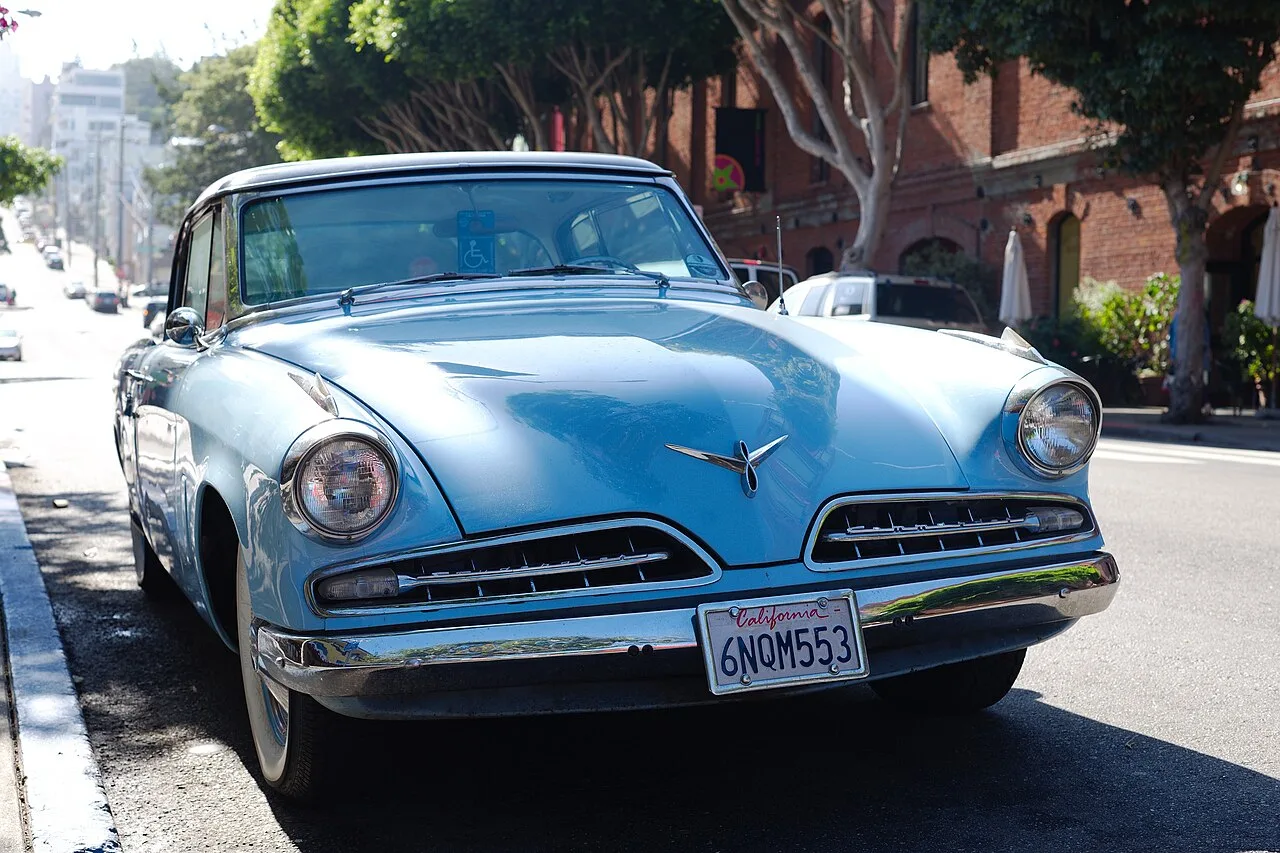
In 1928 three stock Commander sixes set endurance speed records up to 25,000 miles at Atlantic City Speedway — one sedan flipped overnight on the icy boards, got patched up, and kept averaging 62 mph anyway.
Lead trim: Commander GB 354 cu in six (75 bhp at 2400 rpm, 1928)
Studebaker CommanderGB · 1927–1935
- 0spots by members
- Unclaimednobody has spotted one yet
- 0sets it belongs to
Nobody in Burbles has spotted a Studebaker Commander yet. See one on the street, point the app at it, and the first card is yours — with your @handle permanently credited on this page.
FactIn 1928 three stock Commander sixes set endurance speed records up to 25,000 miles at Atlantic City Speedway — one sedan flipped overnight on the icy boards, got patched up, and kept averaging 62 mph anyway.
Studebaker began using the Commander name in 1927: the first Commander was a continuation of the mid-range Special Six with a 226 cu in (3.7 L) engine, and the 1928 GB Commander descended from the Big Six with the 354 cu in (5.8 L) engine modified to 75 bhp at 2400 rpm. In October 1928 three Commander sixes at the Atlantic City Speedway broke the 15,000 mile record (64.25 mph, held by the Auburn straight-eight Speedster) and went on to 25,000 miles (the roadsters averaged better than 65 mph), being confirmed as strictly stock; in Australia Norman "Wizard" Smith beat the Fremantle–Sydney record by 12 hours 23 minutes in a Commander roadster. Studebaker added an eight-cylinder Commander in 1929; the Commander was dropped in 1935. The Commander was the company's mainstream product and the Champion the junior model.
Collectors Spotted in the Studebaker Commander Lineage
No member has published a public street spot of the Studebaker Commander yet — the First · Worldwide stamp is wide open.
Trims & Figures
2 published trims in the catalogue. A blank is a figure not recorded, not zero.
| Trim | Years | Engine | Power | Torque | 0–60 | Drive | Gearbox | MSRP |
|---|---|---|---|---|---|---|---|---|
| Commander 1927 226 cu in six | 1927–1927 | 3.7 L Inline-6 | — | — | — | RWD | — | — |
| Commander GB 354 cu in six (75 bhp at 2400 rpm, 1928) | 1928–1928 | 5.8 L Inline-6 | 75 hp | — | — | RWD | — | — |
Owning one
We don’t estimate running costs for a car like this. What it costs depends on its condition, its specialist and how it is driven, and an average would mislead.
Owners’ builds
Nobody has claimed one yet.
Photographs
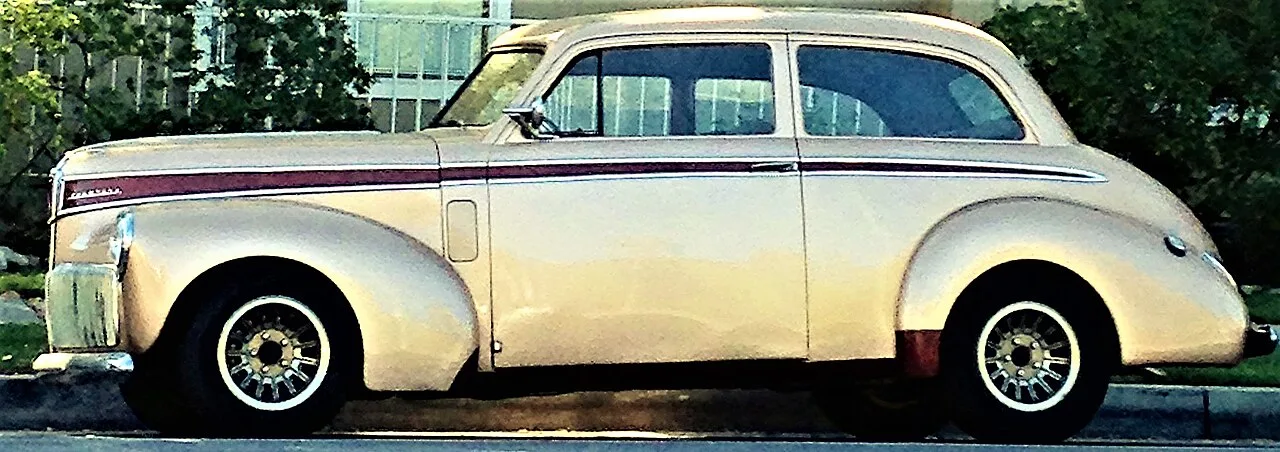
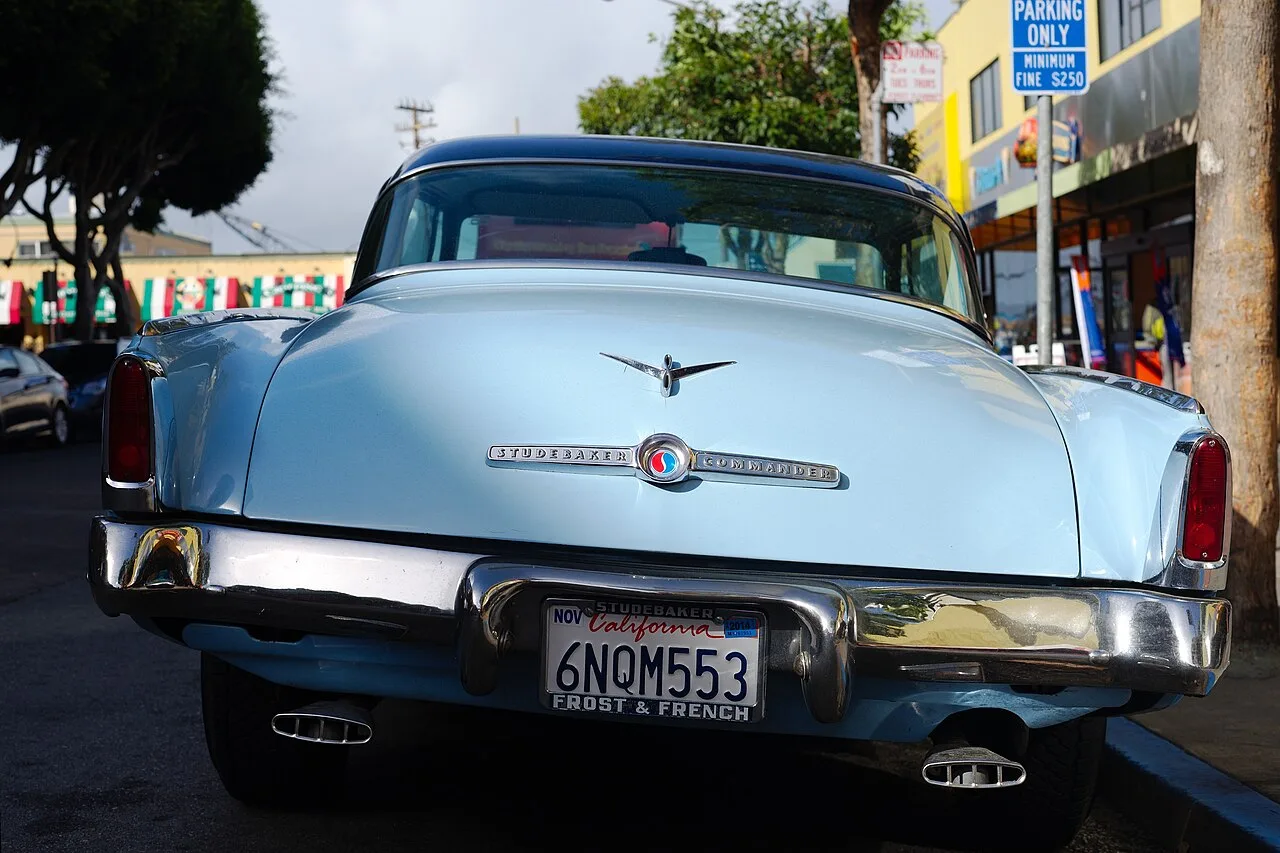
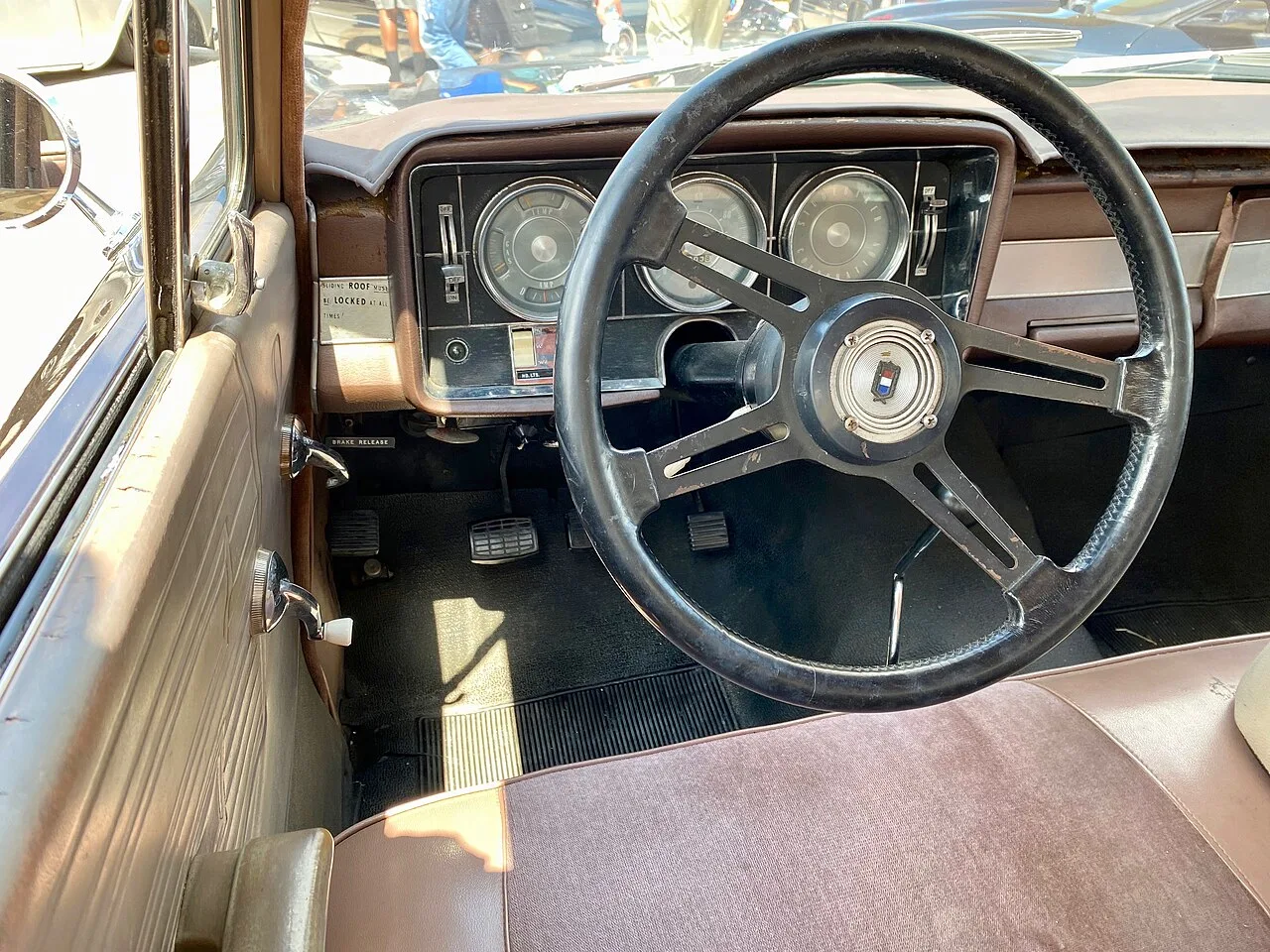
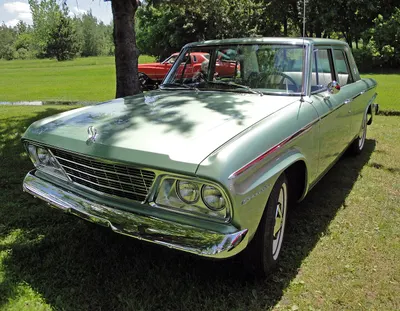
In the Commander's final run, Studebaker didn't bother giving it its own face in 1964 — it most commonly wore the same dual headlights as the cheaper Challenger.
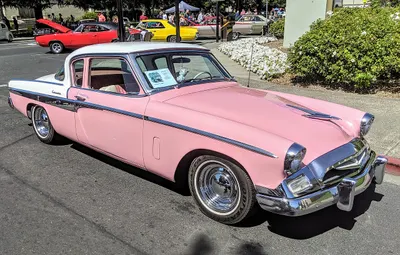
A one-off 1953 Commander convertible was built and then canceled — reinforced until it was too heavy, its 0-60 time was ruled unacceptable even with a V8, and the lone prototype was stripped and hidden.
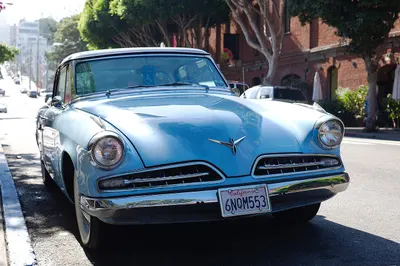
The Commander name had actually been retired in 1935. When it came back in 1937, Studebaker put it on its CHEAPEST car, the one formerly called the Dictator.
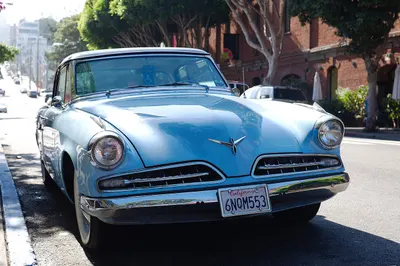
In 1928 three stock Commander sixes set endurance speed records up to 25,000 miles at Atlantic City Speedway — one sedan flipped overnight on the icy boards, got patched up, and kept averaging 62 mph anyway.
Rivals
Same body, same money, other badges — tap any card to flip.

It briefly served as senior sibling to Marquette, a GM companion brand cancelled after just one year.

Nissan hired former BMW engineers to help develop the 510's suspension, which is why period reviewers frequently compared its handling to the BMW 1600/2002.

A Trabant 601 won its class at the 1970 Monte Carlo Rally, with a second 601 right behind it in second.

The 600 was a stopgap: the P50's body over the 601's mechanicals, and for a while its estate was built alongside the new 601 saloon.

The G80 Sport brought a 370 PS twin-turbo 3.3 V6, a mesh grille and copper-tinted chrome with copper stitching to match.

The Vigor was sold only with a five-cylinder engine, an unusual configuration Honda used to fit a longer engine transversely under a short hood.

The GS/E coupe earned the nickname "German Charger" for its long hood, short deck stance borrowed from Detroit muscle cars.

This DeVille/Fleetwood was the first production car anywhere to mount its V8 sideways, Cadillac's front-drive gamble on the new C-body.