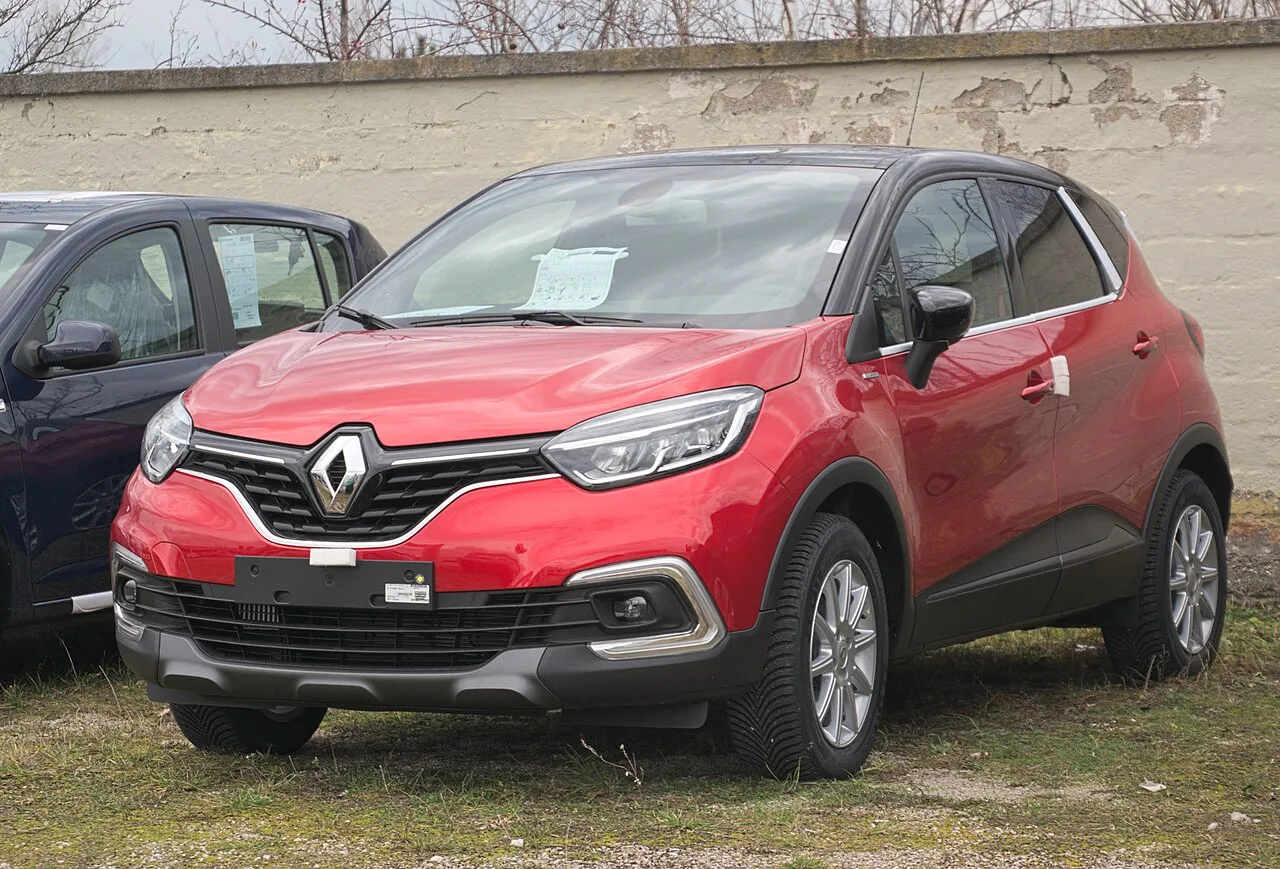
Renault renamed this car entirely for one market: in Russia and the CIS it became the 'Kaptur' because 'Captur' was simply too hard to pronounce correctly in Russian.
Median 221 hp across 527 similar cars
Lead trim: 1.5 petrol (India) · up to 160 hp
Renault Captur / Kaptur Global Access2016–2023
- 0spots by members
- Unclaimednobody has spotted one yet
- 0sets it belongs to
Nobody in Burbles has spotted a Renault Captur / Kaptur Global Access yet. See one on the street, point the app at it, and the first card is yours — with your @handle permanently credited on this page.
FactRenault renamed this car entirely for one market: in Russia and the CIS it became the 'Kaptur' because 'Captur' was simply too hard to pronounce correctly in Russian.
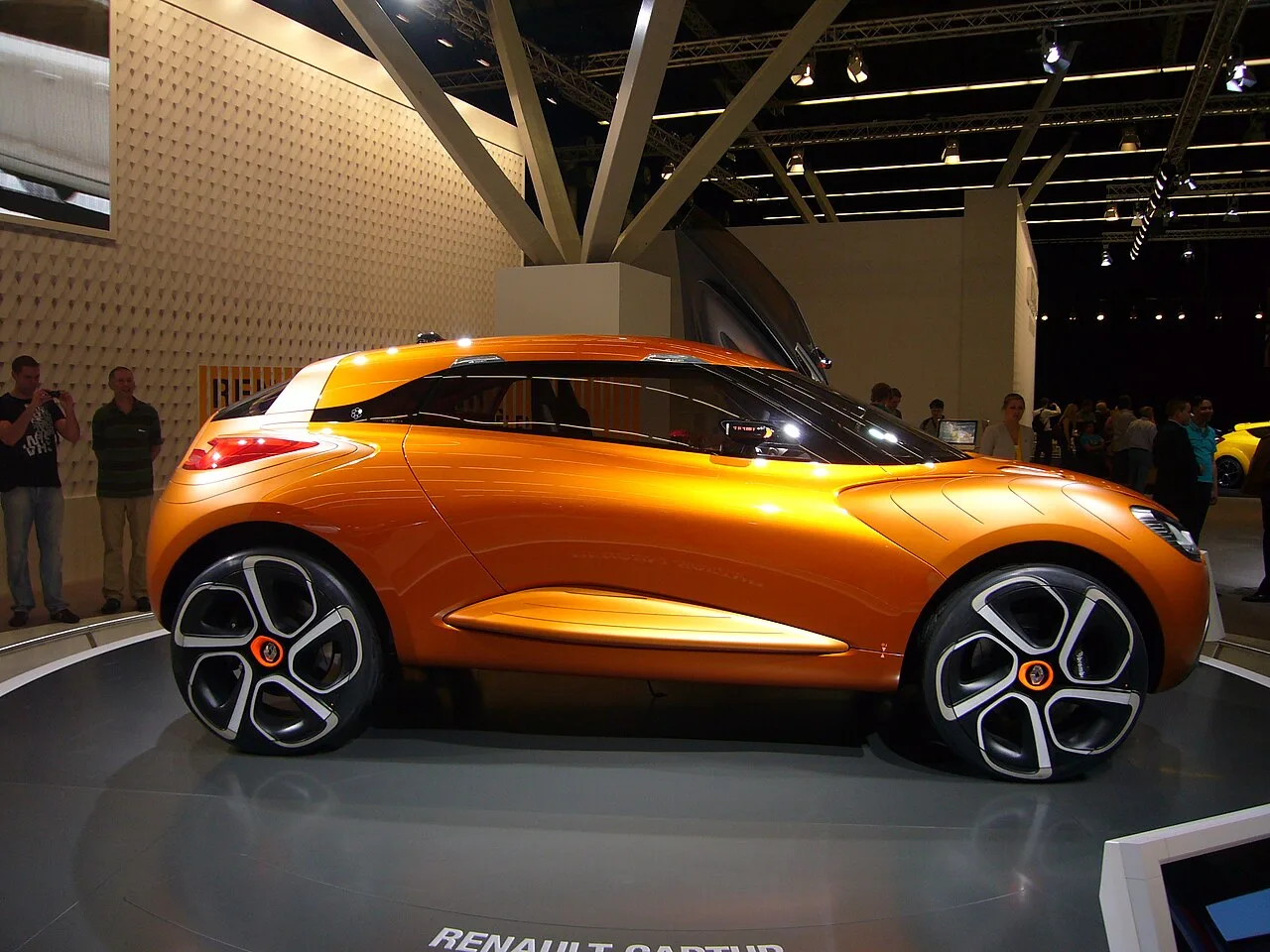
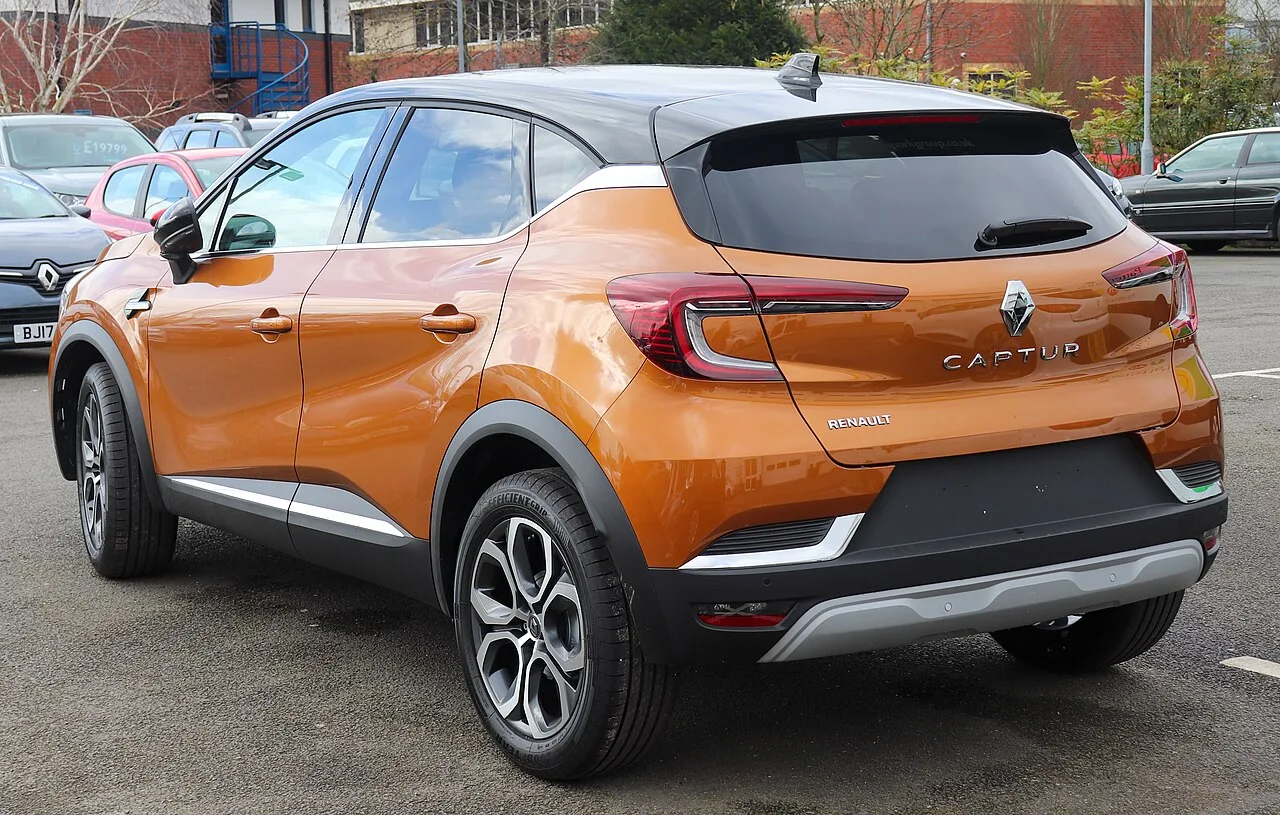
A larger Captur for emerging markets, known internally as the "Captur Global Access". It rides on the Renault/Dacia B0 platform of the first-generation Duster rather than the fourth-generation Clio's B platform, which made it cheaper to build while giving more cabin space, with a longer wheelbase, more ground clearance and available four-wheel drive. It was introduced in Russia and neighbouring countries in 2016 as the Renault Kaptur and was also built in Brazil (São José dos Pinhais), India (Chennai) and Kazakhstan (Kostanay). Brazilian cars ran on petrol and ethanol, the Indian car offered a 1.5-litre petrol engine, and the Russian versions used 1.3 turbo, 1.6 and 2.0-litre petrol engines; a 1.5-litre K9K diesel completes the range. Transmissions were five- and six-speed manuals, a four-speed automatic and Jatco CVTs. It earned four stars for adult occupants in the 2017 Latin NCAP tests.
Collectors Spotted in the Renault Captur Lineage
No member has published a public street spot of the Renault Captur yet — the First · Worldwide stamp is wide open.
Trims & Figures
7 published trims in the catalogue. A blank is a figure not recorded, not zero.
| Trim | Years | Engine | Power | Torque | 0–60 | Drive | Gearbox | MSRP |
|---|---|---|---|---|---|---|---|---|
| 1.3 TCe petrol/ethanol (Brazil, petrol figures) | 2016–2023 | 1.3 L Inline-4 | 160 hp | 199 lb-ft | — | — | — | — |
| 1.3 petrol (Russia) | 2016–2023 | 1.3 L Inline-4 | 150 hp | 184 lb-ft | — | — | — | — |
| 1.5 diesel | 2016–2023 | 1.5 L Inline-4 | 110 hp | 177 lb-ft | — | — | — | — |
| 1.5 petrol (India) | 2016–2023 | 1.5 L Inline-4 | 106 hp | 105 lb-ft | — | — | — | — |
| 1.6 petrol (Russia) | 2016–2023 | 1.6 L Inline-4 | 114 hp | 115 lb-ft | — | — | — | — |
| 2.0 petrol (Russia) | 2016–2023 | 2.0 L Inline-4 | 143 hp | 144 lb-ft | — | — | — | — |
| 2.0 petrol/ethanol (Brazil, petrol figures) | 2016–2023 | 2.0 L Inline-4 | 143 hp | 146 lb-ft | — | — | — | — |
Owning one
We don’t estimate running costs for a car like this. What it costs depends on its condition, its specialist and how it is driven, and an average would mislead.
Owners’ builds
Nobody has claimed one yet.
Photographs
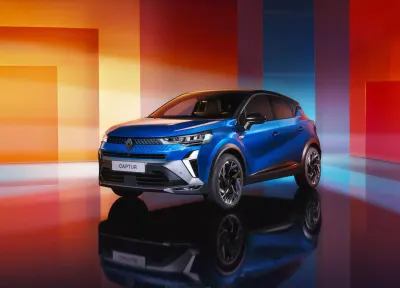
Mitsubishi badges it the ASX, a reversal of the usual flow from Japanese platform to Renault crossover.
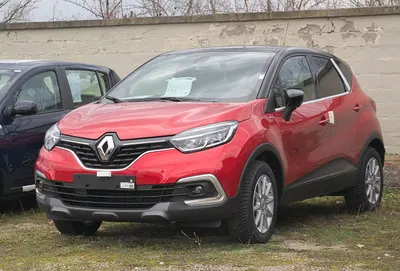
Renault renamed this car entirely for one market: in Russia and the CIS it became the 'Kaptur' because 'Captur' was simply too hard to pronounce correctly in Russian.
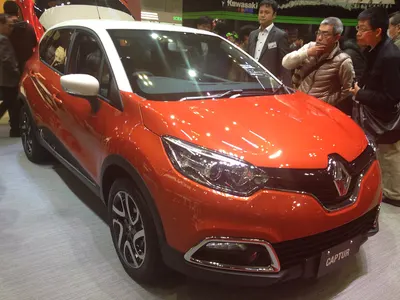
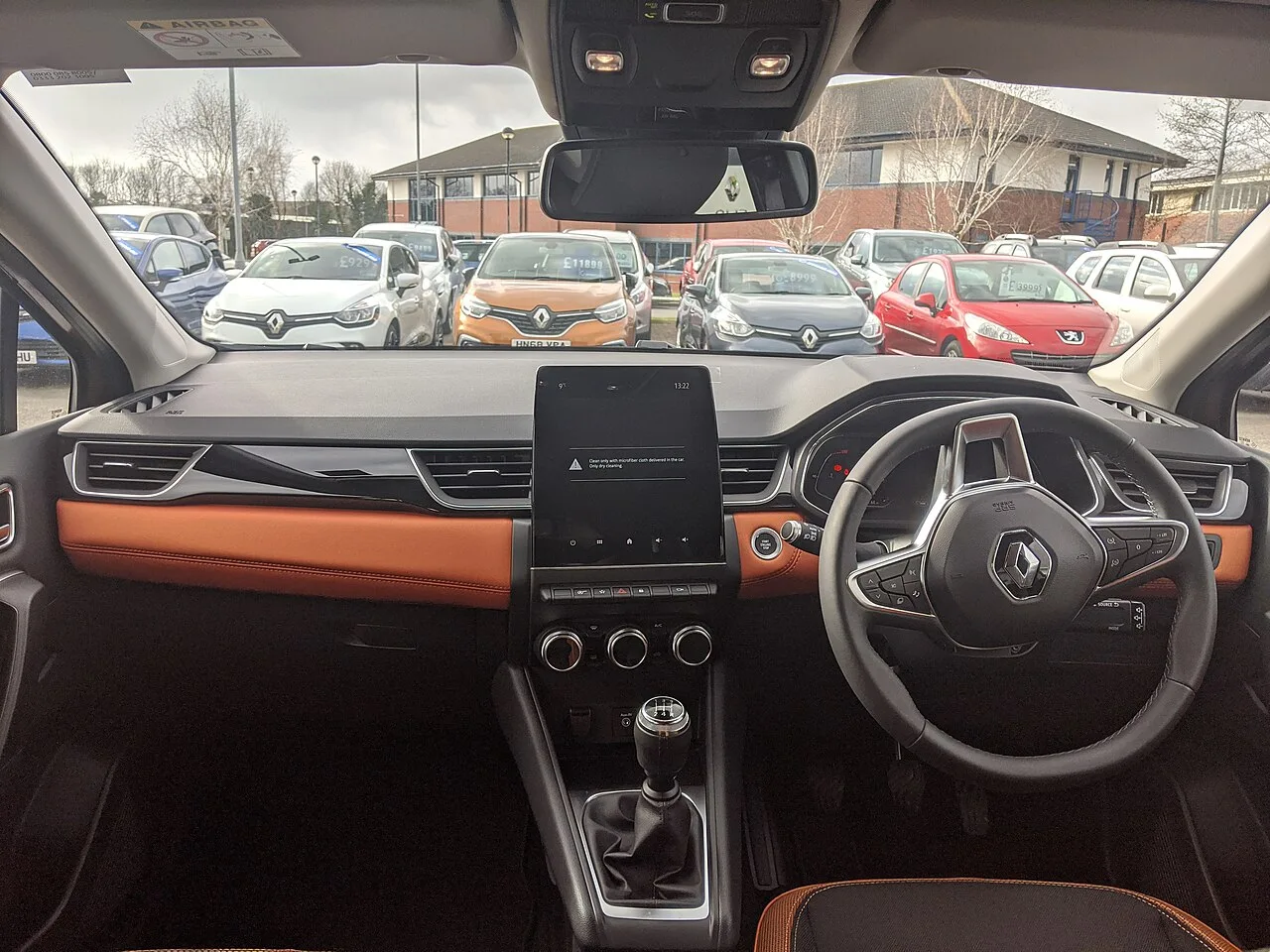
A small cabin detail worth knowing: on left-hand-drive models, this Captur swaps the usual passenger-side glovebox for a large drawer-like one angled toward the driver instead.
Rivals
Same body, same money, other badges — tap any card to flip.
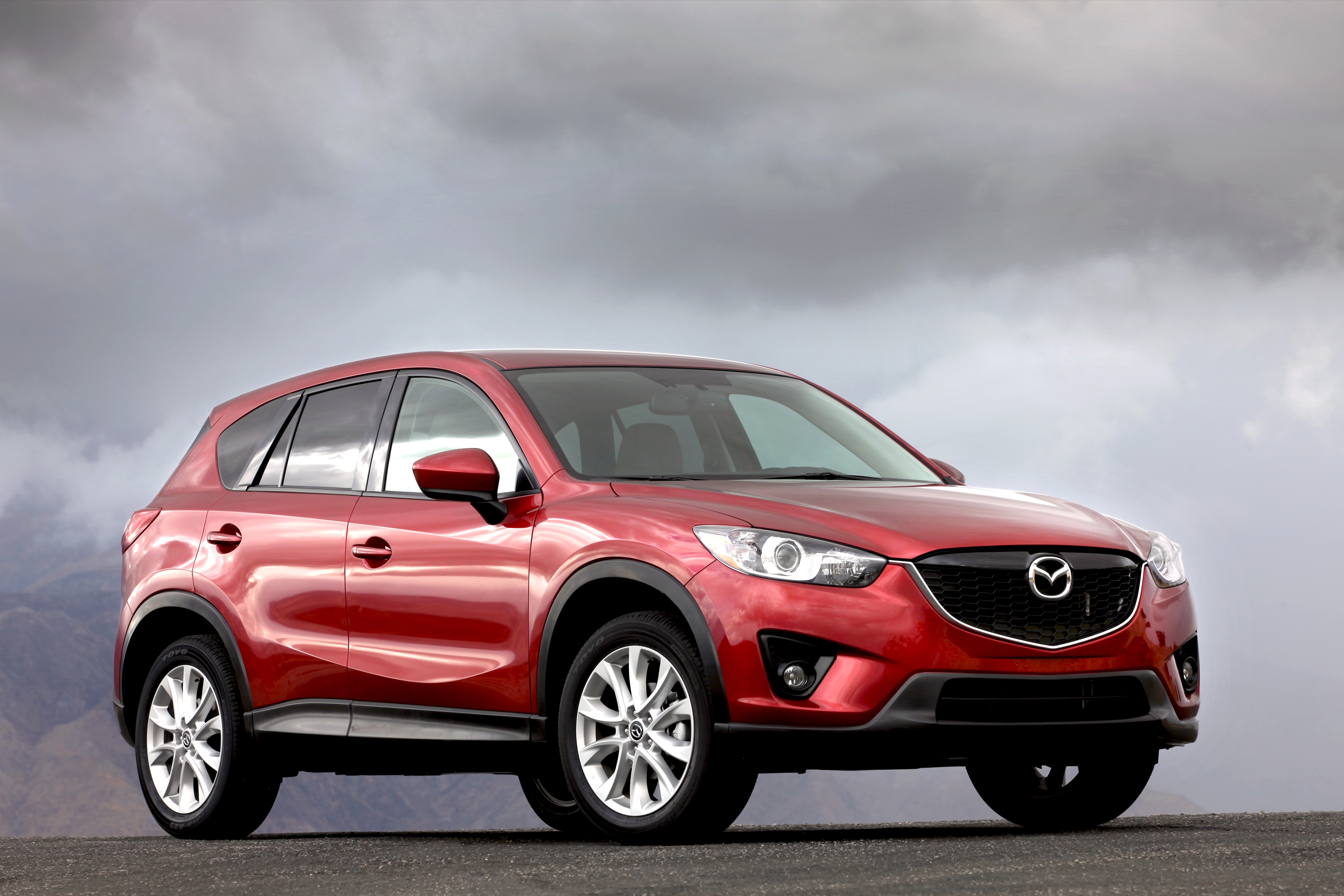
IIHS only crash-tests the driver's corner; tested on the passenger side instead, the CX-5 showed far worse intrusion.
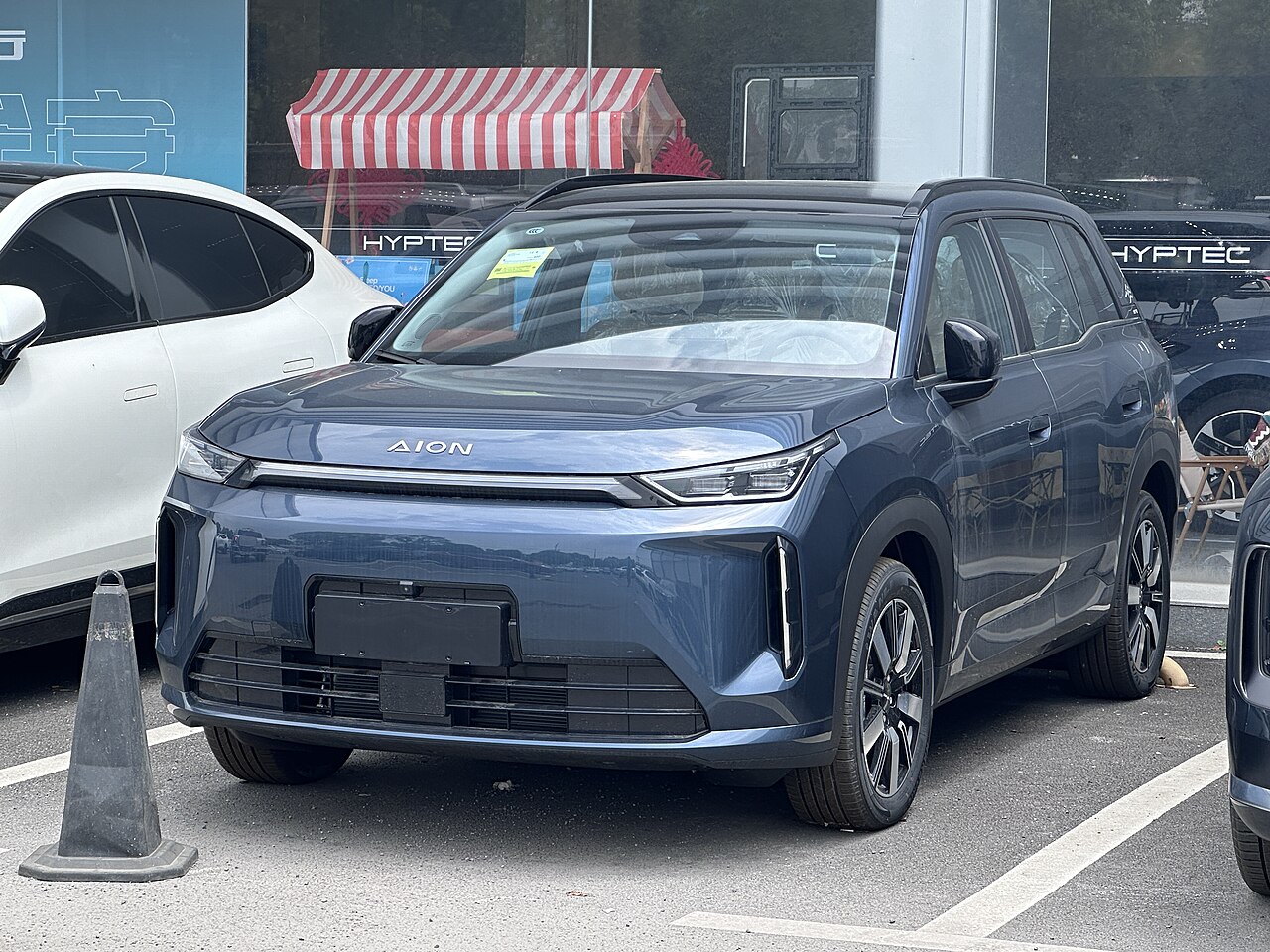
Despite launching from a standing start in late 2025, the i60 topped GAC Aion's own sales chart through January's seasonal slowdown.
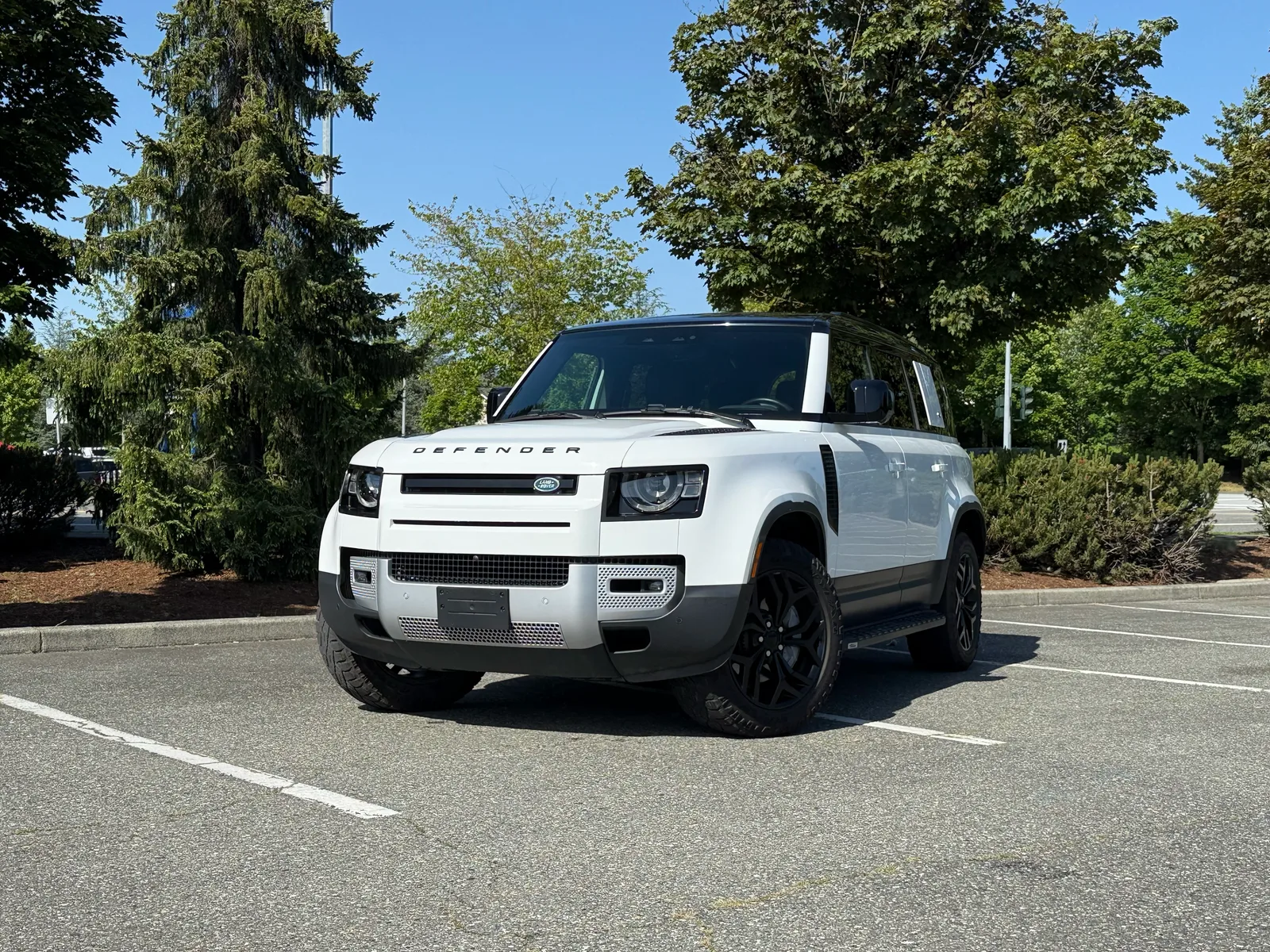
Every Defender before this one was body-on-frame — this generation broke decades of tradition with an aluminium unibody structure instead.
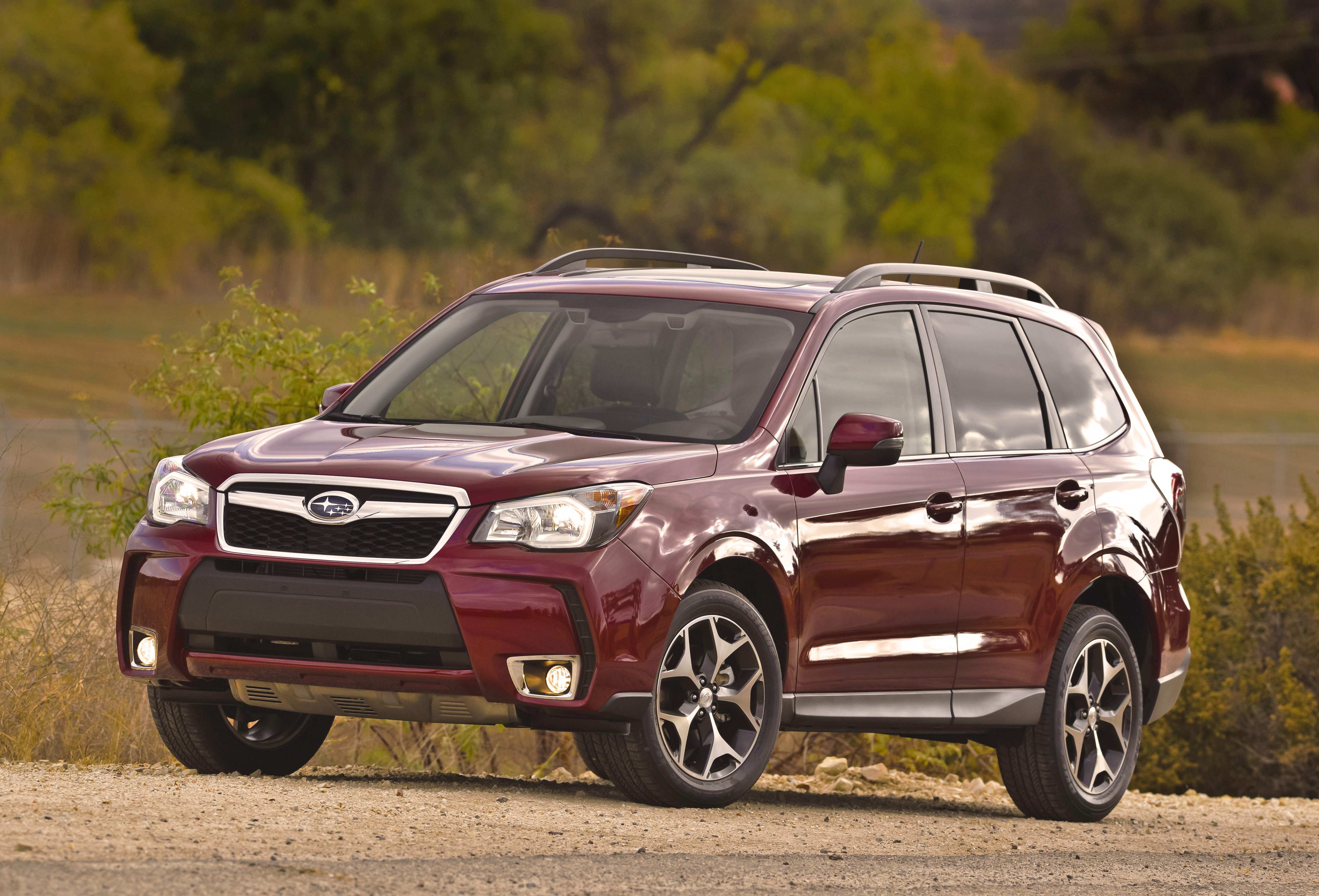
Crashed on the passenger side instead of the driver's, the 2014 Forester showed far more intrusion and would have rated Marginal with the IIHS.
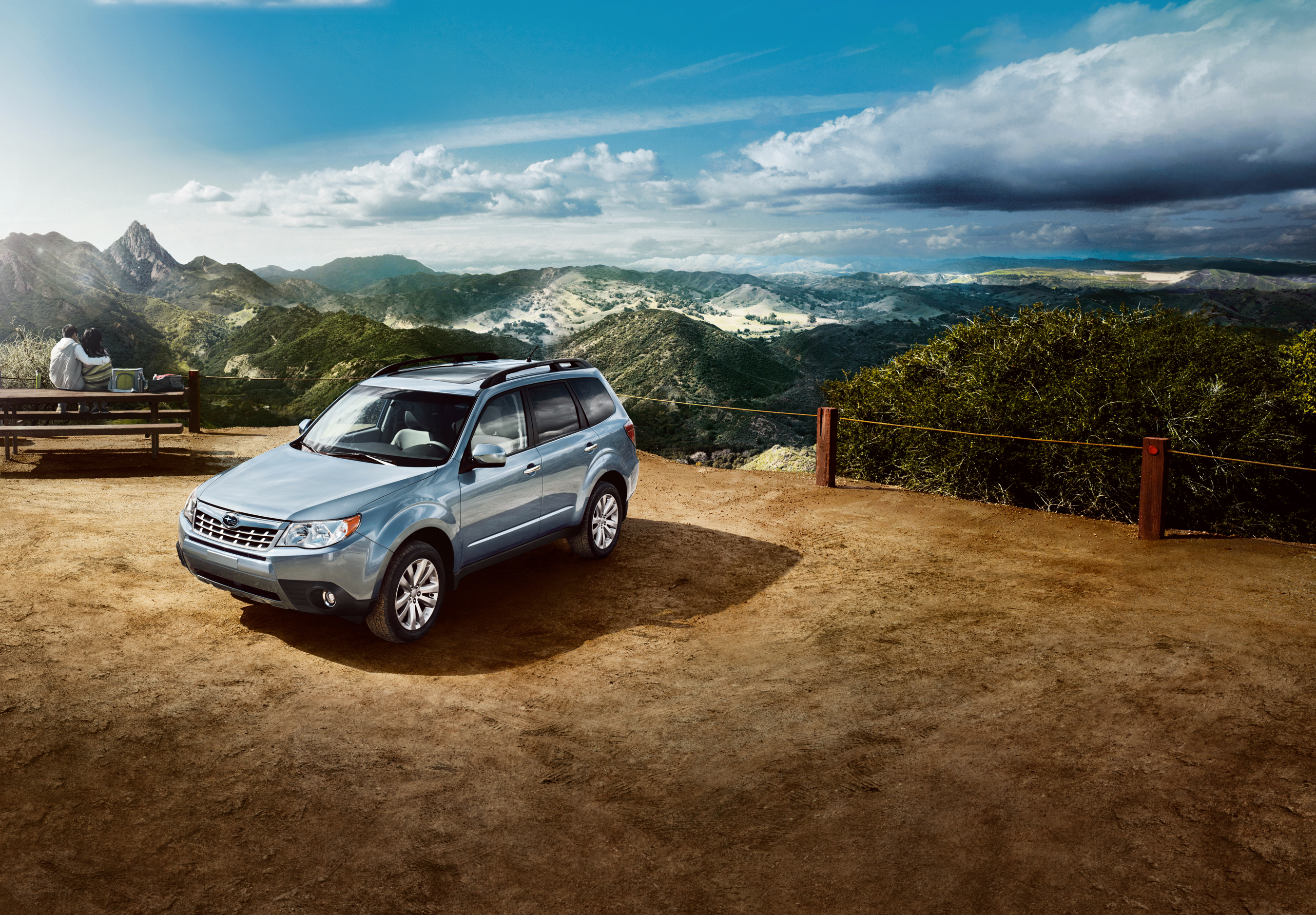
Subaru built a 2.5XT for the National Ski Patrol with a diamond-plate floor, a 9,500-pound winch and a toboggan on the roof.
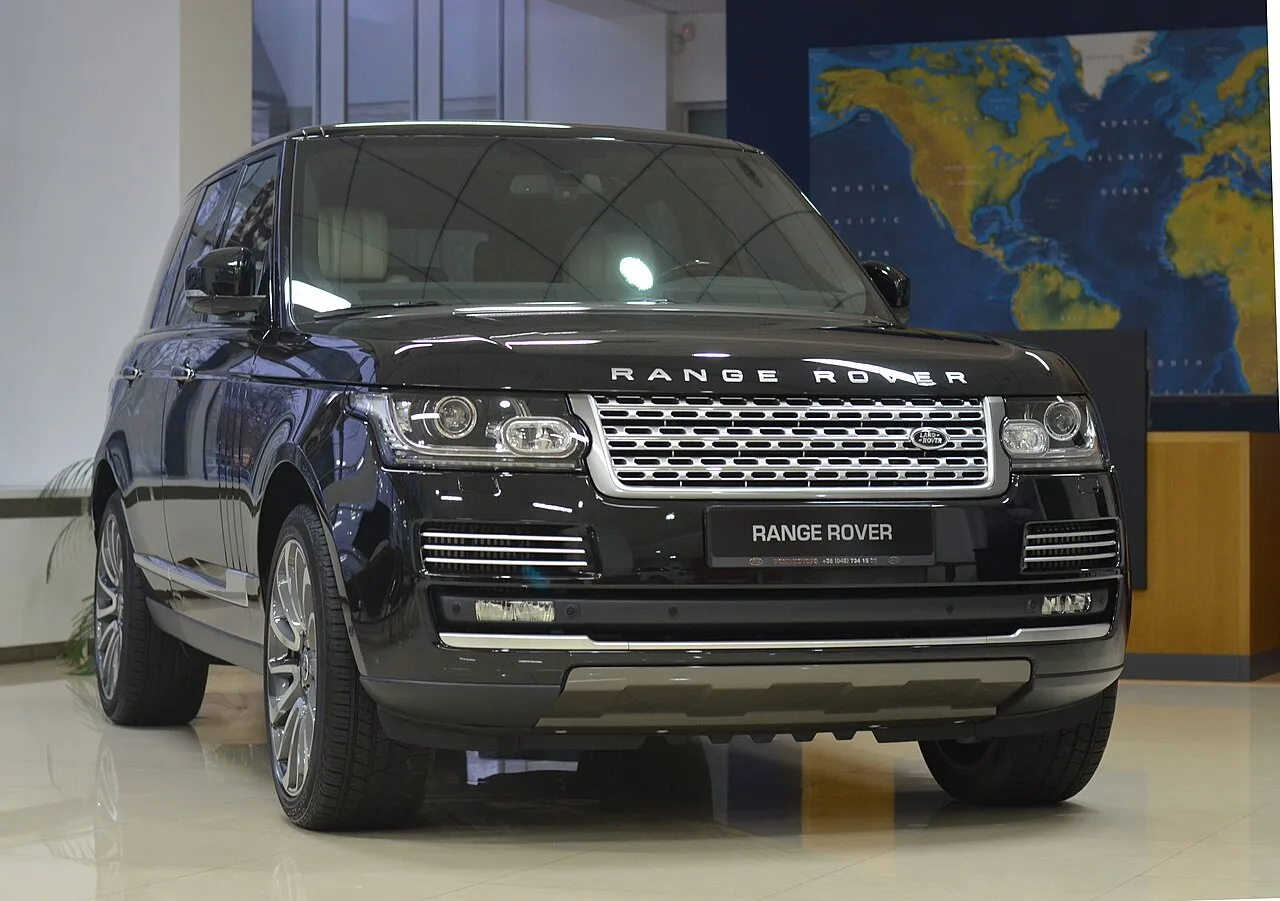
The L405 was the first Range Rover with a fully aluminum monocoque body, cutting up to 420 kg from the outgoing steel-bodied L322.
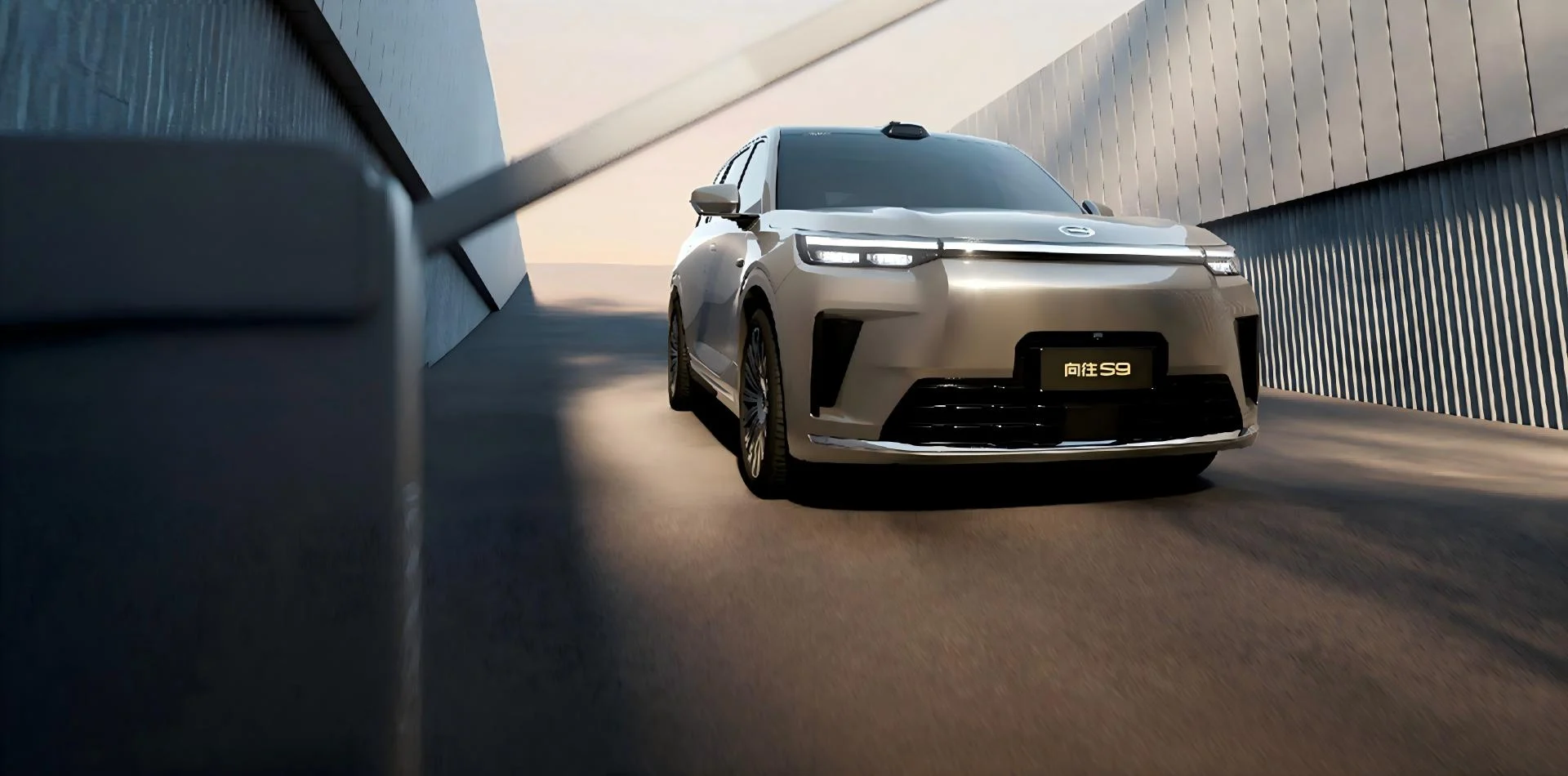
Rear passengers get a 17.3-inch screen that extends from the roof, and a lidar sensor sits in the front of the roof.
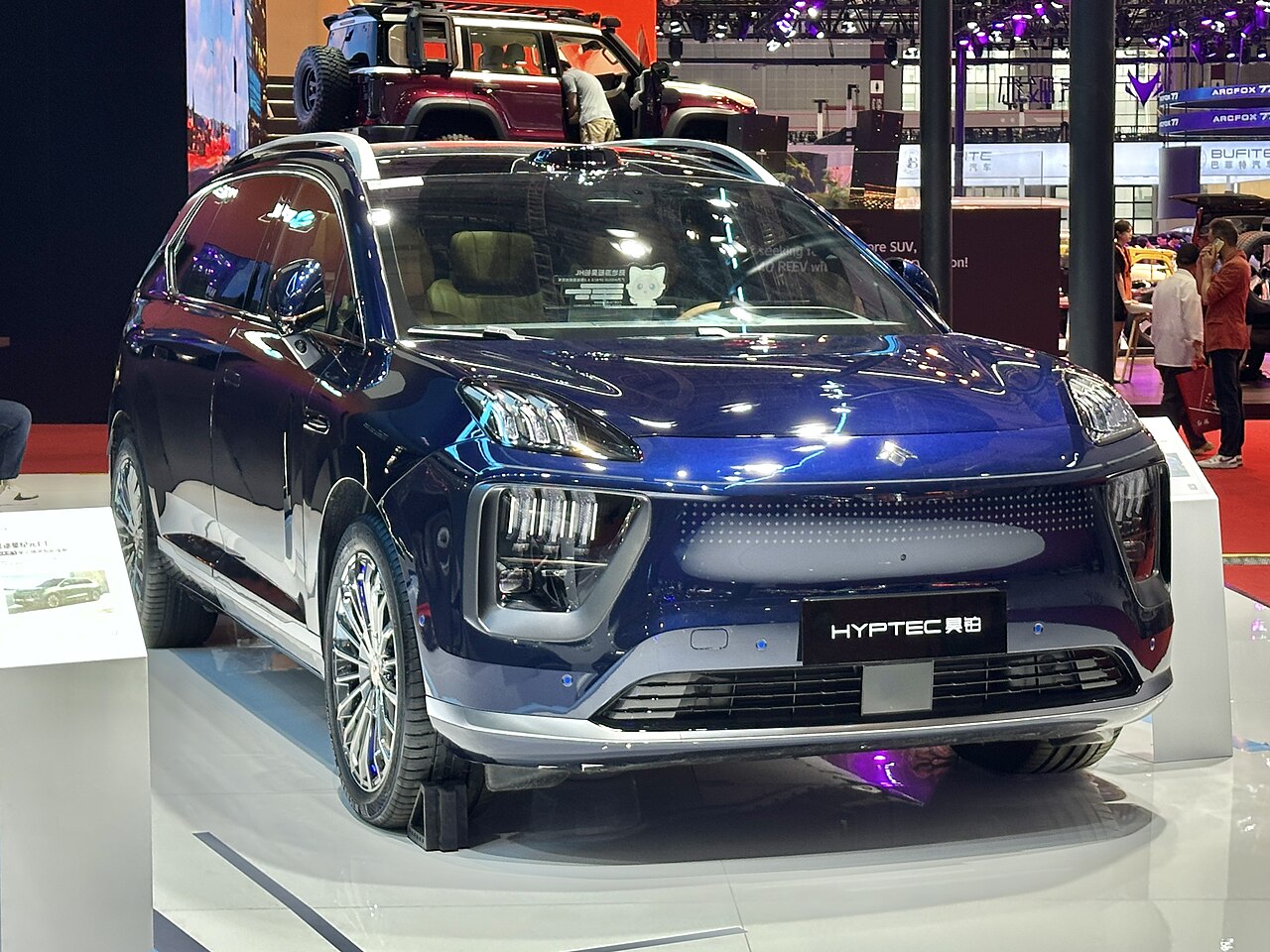
Its range-extender variant is rated for 1,200 km on a tank and charge, over three times the car's electric-only range.