Reliant developed this utility body in reverse: Greek licensee MEBEA modified the Kitten chassis first, and Tamworth copied it back.
Lead trim: Fox 0.8 yellow-top HT-E four (37.5 bhp) · up to 40 hp
Reliant Fox1983–1990
- 0spots by members
- Unclaimednobody has spotted one yet
- 0sets it belongs to
Nobody in Burbles has spotted a Reliant Fox yet. See one on the street, point the app at it, and the first card is yours — with your @handle permanently credited on this page.
FactReliant developed this utility body in reverse: Greek licensee MEBEA modified the Kitten chassis first, and Tamworth copied it back.
The Reliant Fox is a small four-wheeled glass-fibre utility vehicle manufactured from 1983 to 1990 by Reliant in Tamworth, using Reliant's own 848 cc aluminium inline four-cylinder engine and a galvanised chassis based on the Reliant Kitten's. It could be configured as a pickup with hard or soft top, an estate, a van or a convertible, and was developed in reverse: in the late 1970s the Greek MEBEA (which built the Robin under licence) modified the Kitten chassis into a "passenger-utility" vehicle, a type popular in Greece because such cars were taxed as commercial vehicles. It went on sale in the UK in May 1983 after showing at the 1982 British Motor Show, hoped to fill the niche left by the Mini Moke, with a skirt on the front for better aerodynamics at speed and 12-inch wheels instead of 10. In 1983 it used the usual 40 hp 848 cc "red top" engine driving the rear wheels through an all-synchromesh four-speed with a 4.1:1 axle, a 380 kg payload and a 7.62 m turning circle; from 1984 it used the HT-E "economy" yellow-top engine (still 848 cc, 37.5 bhp instead of 40) with more low-end torque, heavier springs and a sturdier front tie bar for commercial use. The quoted 78 mph top speed and 60 mpg carry a [citation needed] on the page, so they are left out.
Collectors Spotted in the Reliant Fox Lineage
No member has published a public street spot of the Reliant Fox yet — the First · Worldwide stamp is wide open.
Trims & Figures
2 published trims in the catalogue. A blank is a figure not recorded, not zero.
| Trim | Years | Engine | Power | Torque | 0–60 | Drive | Gearbox | MSRP |
|---|---|---|---|---|---|---|---|---|
| Fox 0.8 red-top four (40 hp) | 1983–1983 | 0.8 L Inline-4 | 40 hp | — | — | RWD | — | — |
| Fox 0.8 yellow-top HT-E four (37.5 bhp) | 1984–1990 | 0.8 L Inline-4 | 37.5 hp | — | — | — | — | — |
Owning one
We don’t estimate running costs for a car like this. What it costs depends on its condition, its specialist and how it is driven, and an average would mislead.
Owners’ builds
Nobody has claimed one yet.
Rivals
Same body, same money, other badges — tap any card to flip.
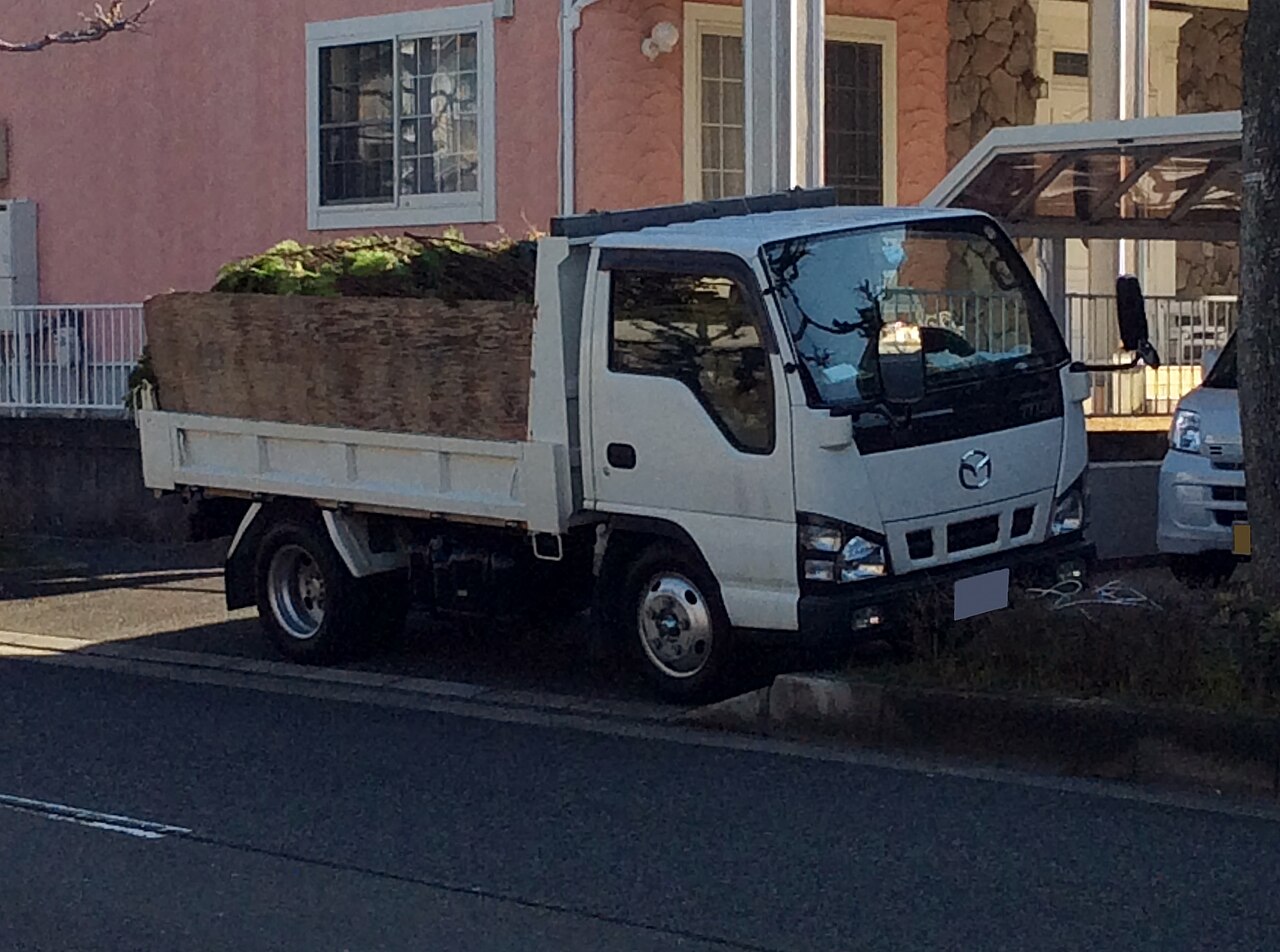
When Mazda's E2000 — the truck that became the Titan — launched in January 1964, the factory was tasked with building 1,900 of them a month.
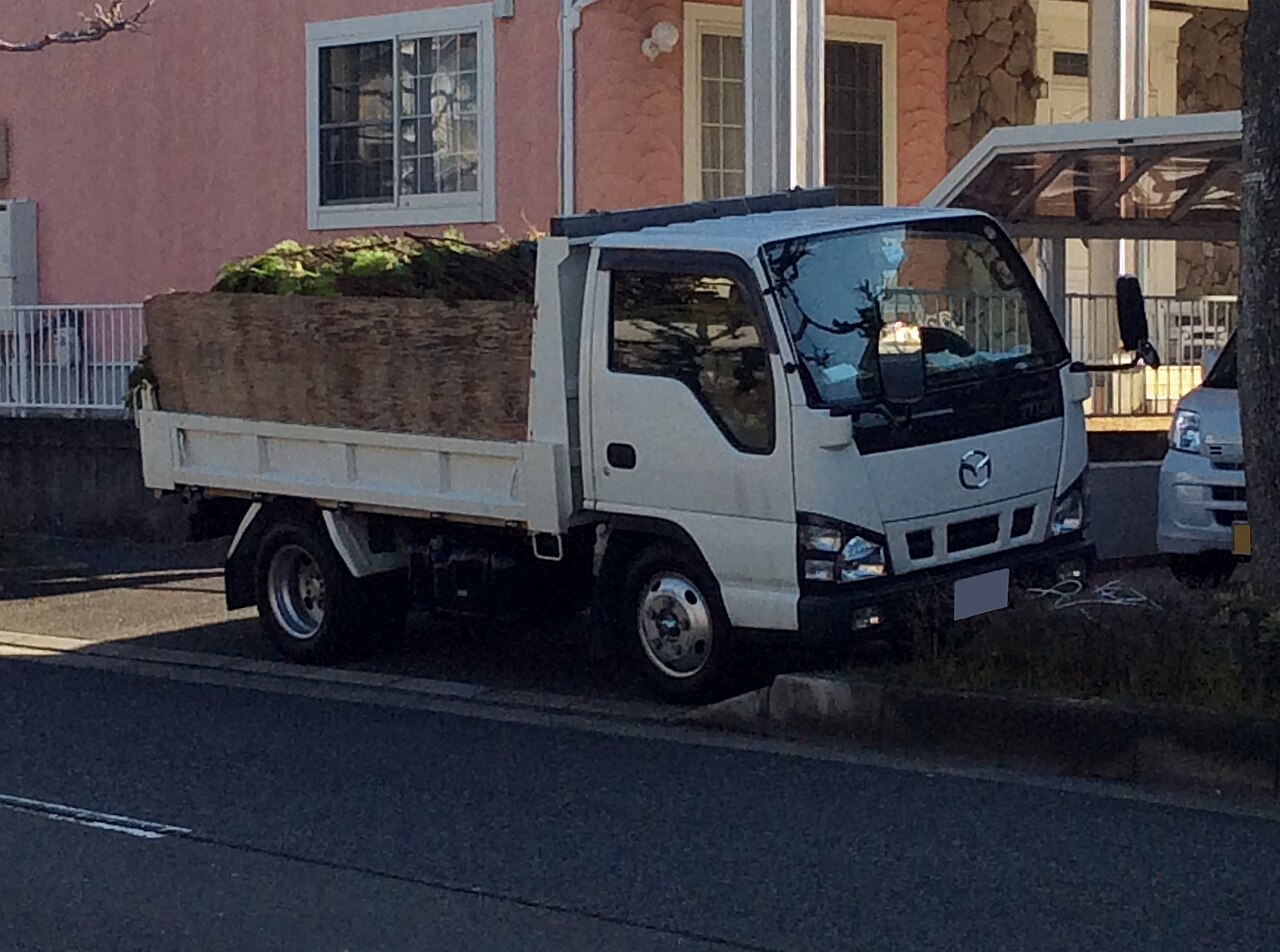
Swaraj Mazda built this truck under license in India from 1985, and the plant survived name changes all the way to SML Isuzu.
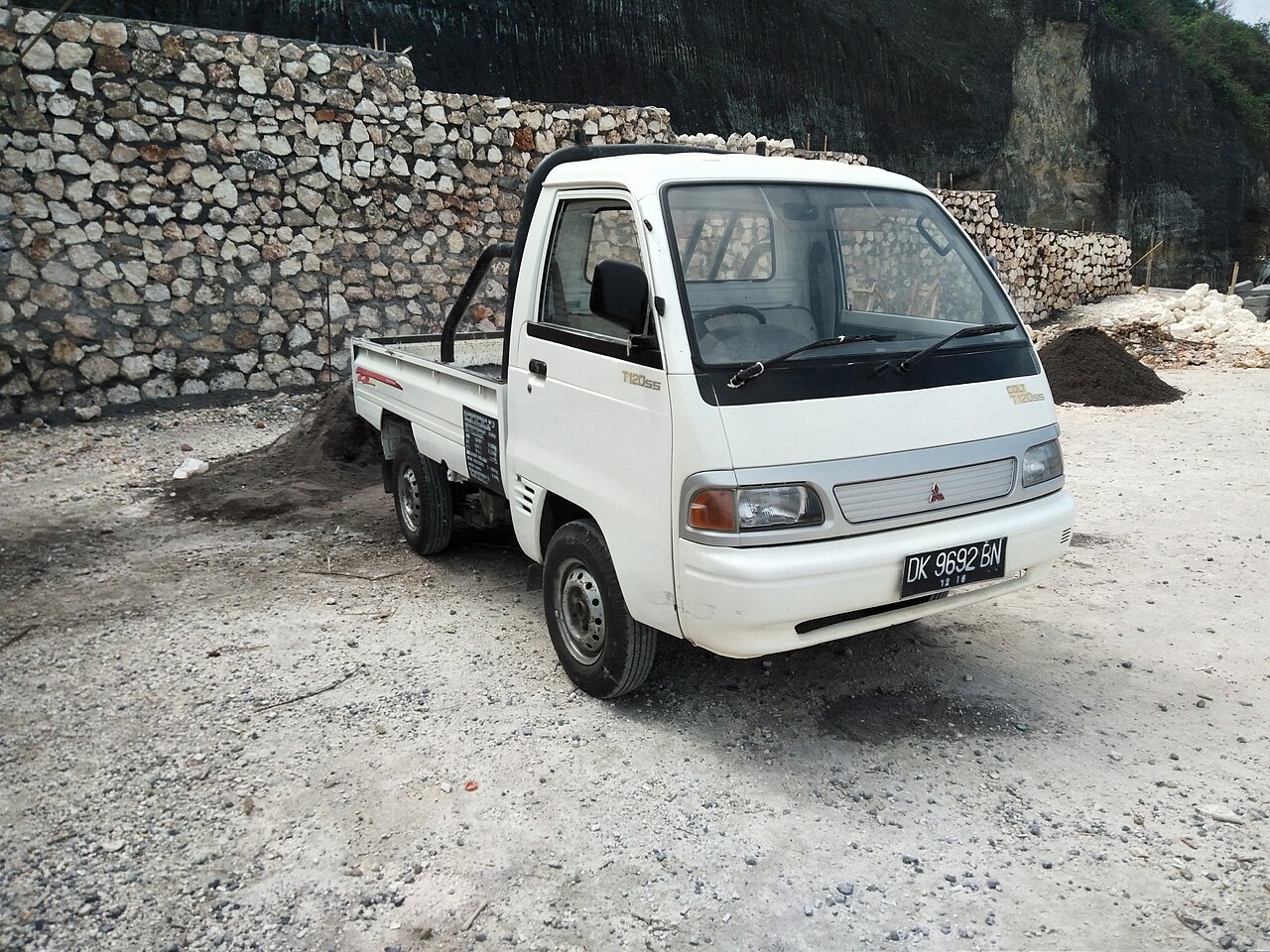
Indonesia built this pickup for 28 years with no successor, the last one leaving the Jakarta line in January 2019 after 324,960 units.
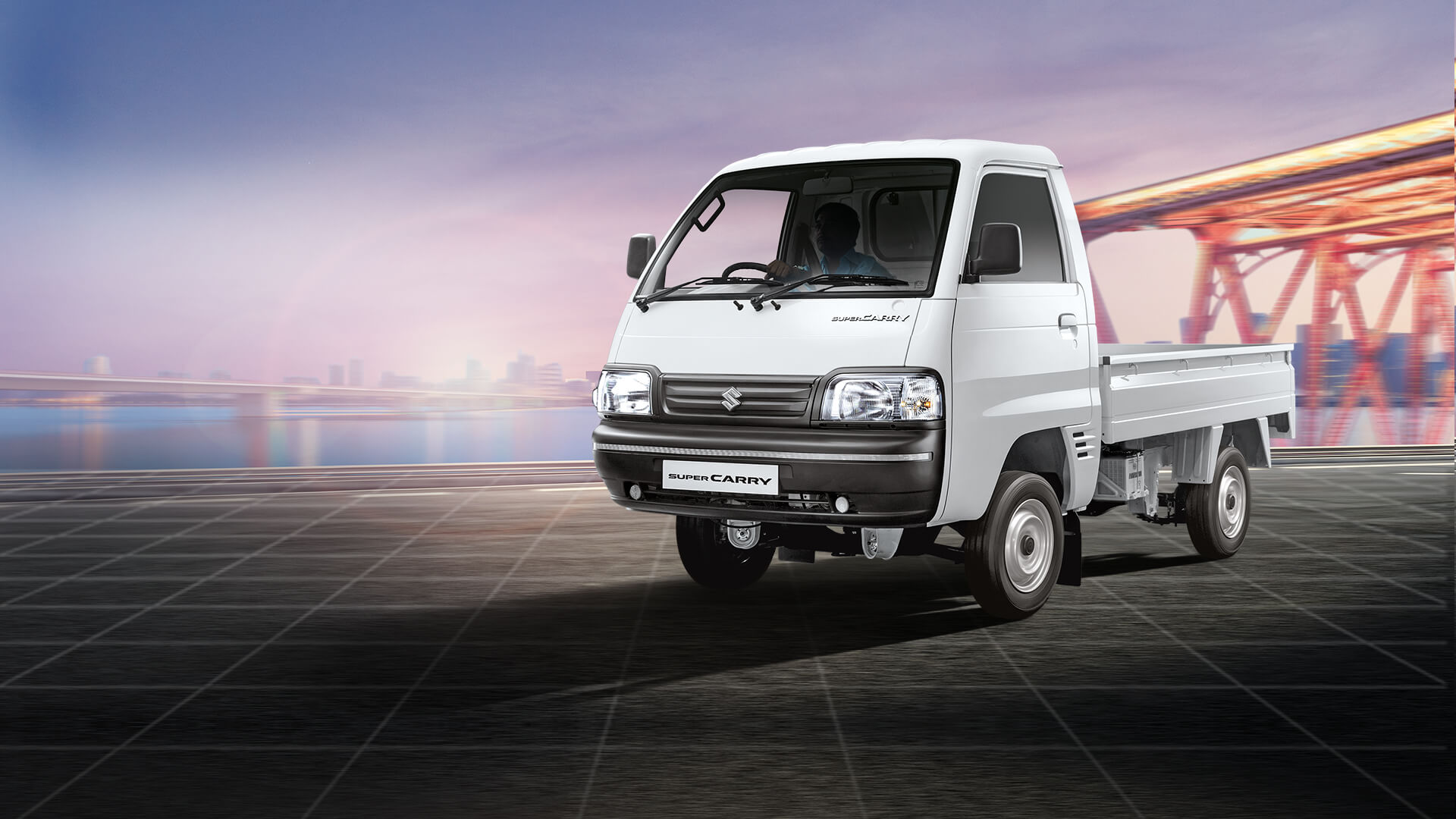
Suzuki's first-ever diesel engine, fitted to the Super Carry, is so small that it isn't able to power an air-conditioning system at all.
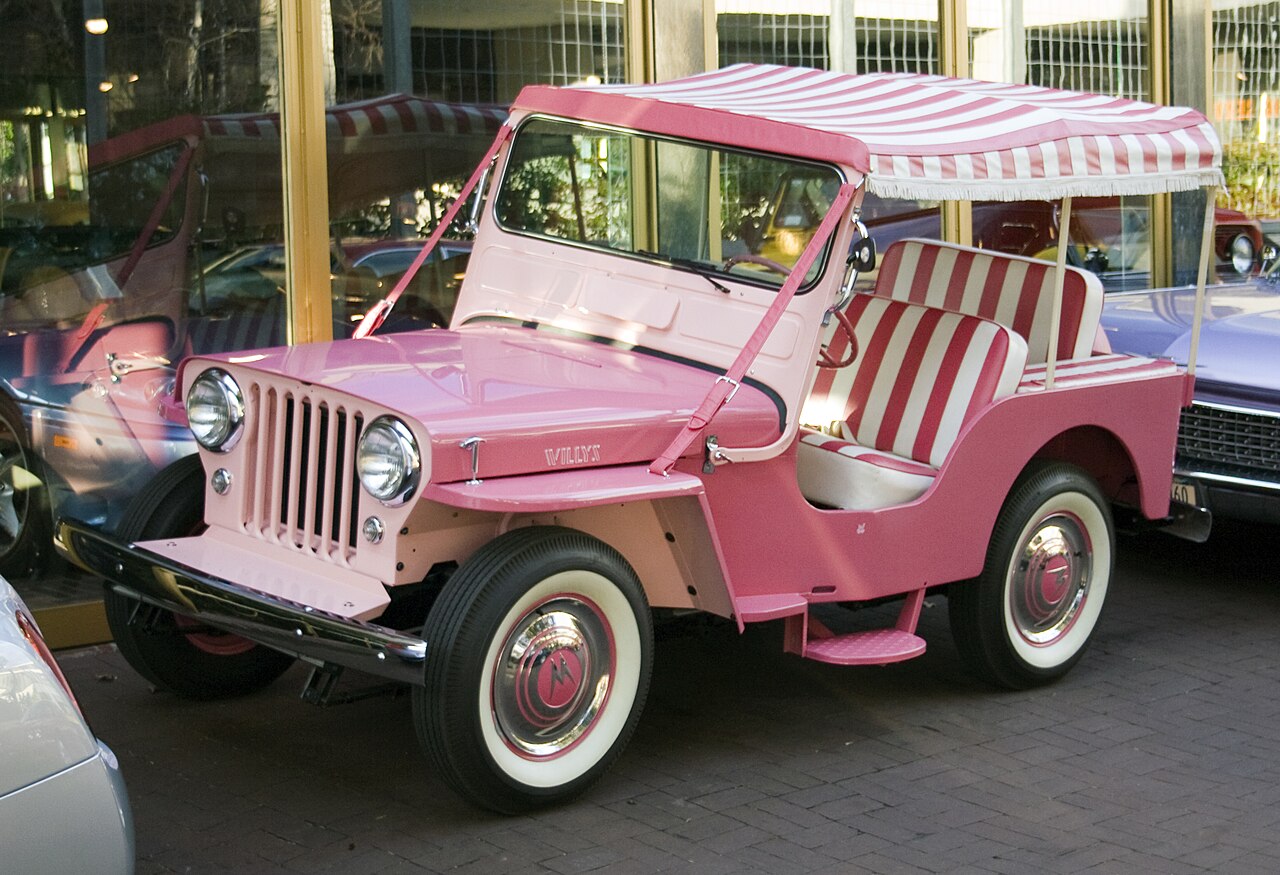
A right-hand-drive DJ-3A was built so postal drivers could reach roadside mailboxes without leaving the seat.
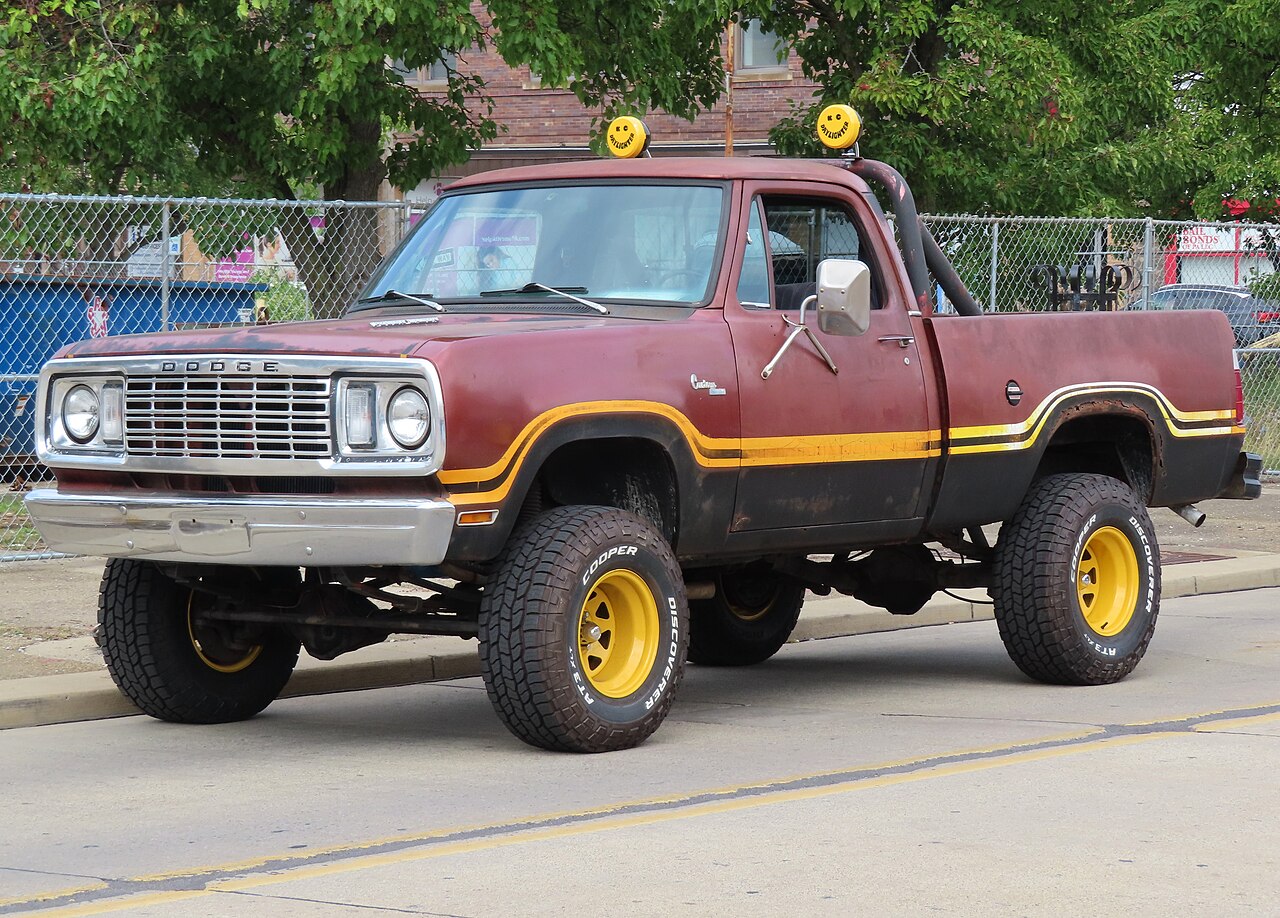
The Power Wagon name and civilian pickup design were derived directly from the WC-series military trucks Dodge built for World War II.
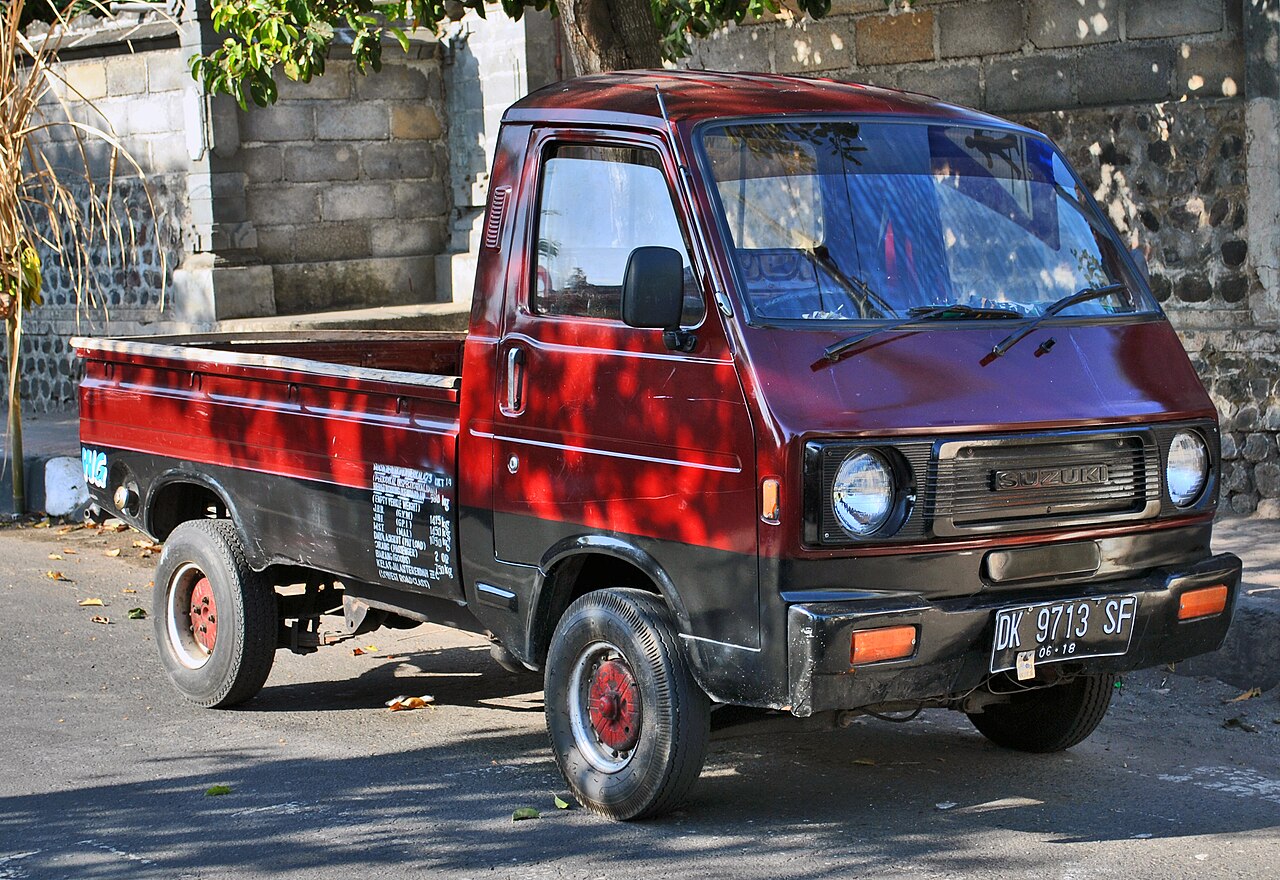
Suzuki kept the L20 Carry at the exact same 21 hp as its predecessor but still called it progress — the gain was a patented Cylinder Crank Injection lubrication system, not more power.
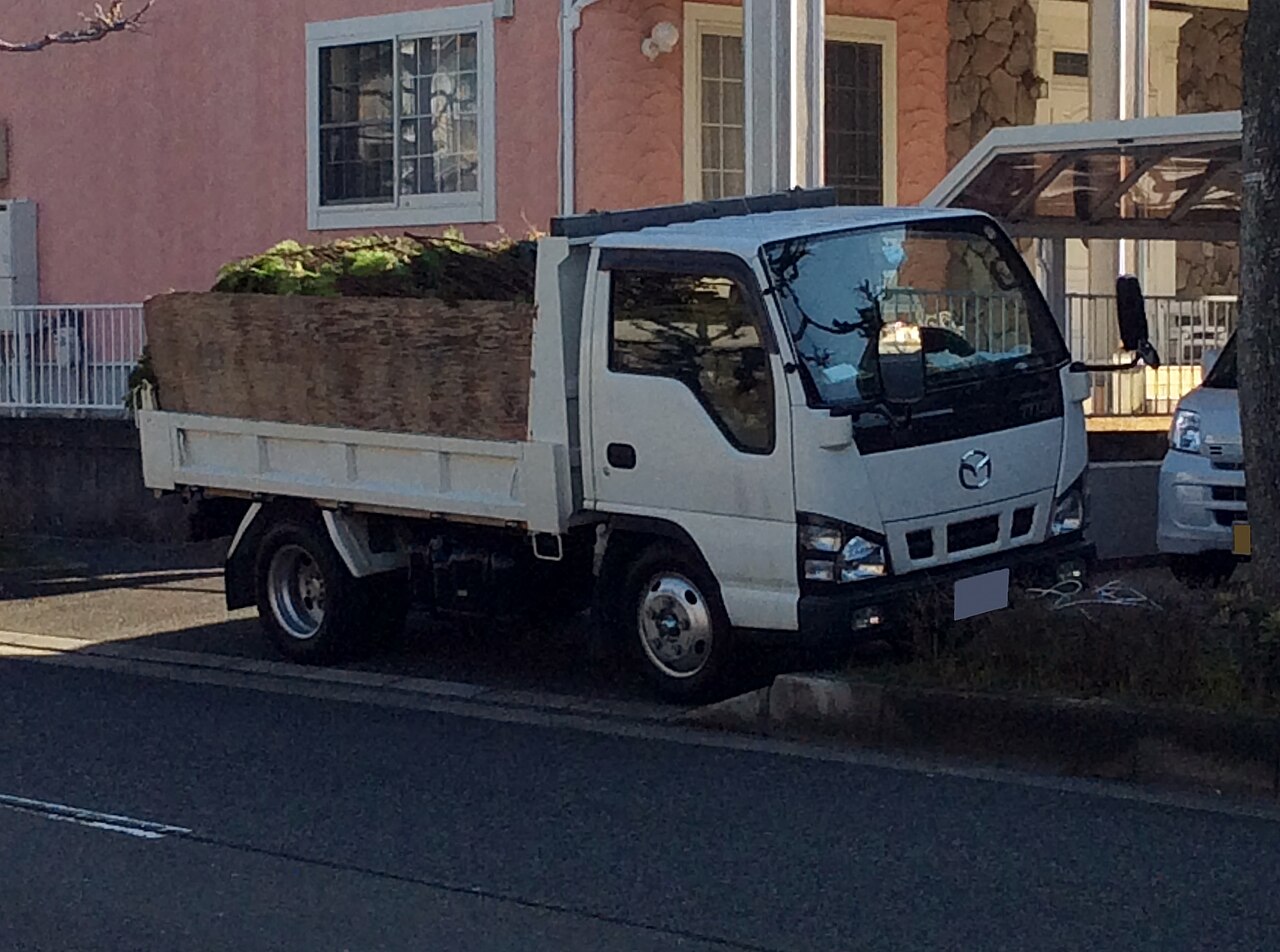
This generation of Titan quietly became the ancestor of two other trucks entirely: it was license-built by Kia as the Kia Titan in South Korea, and formed the basis of the Australian Ford Trader.