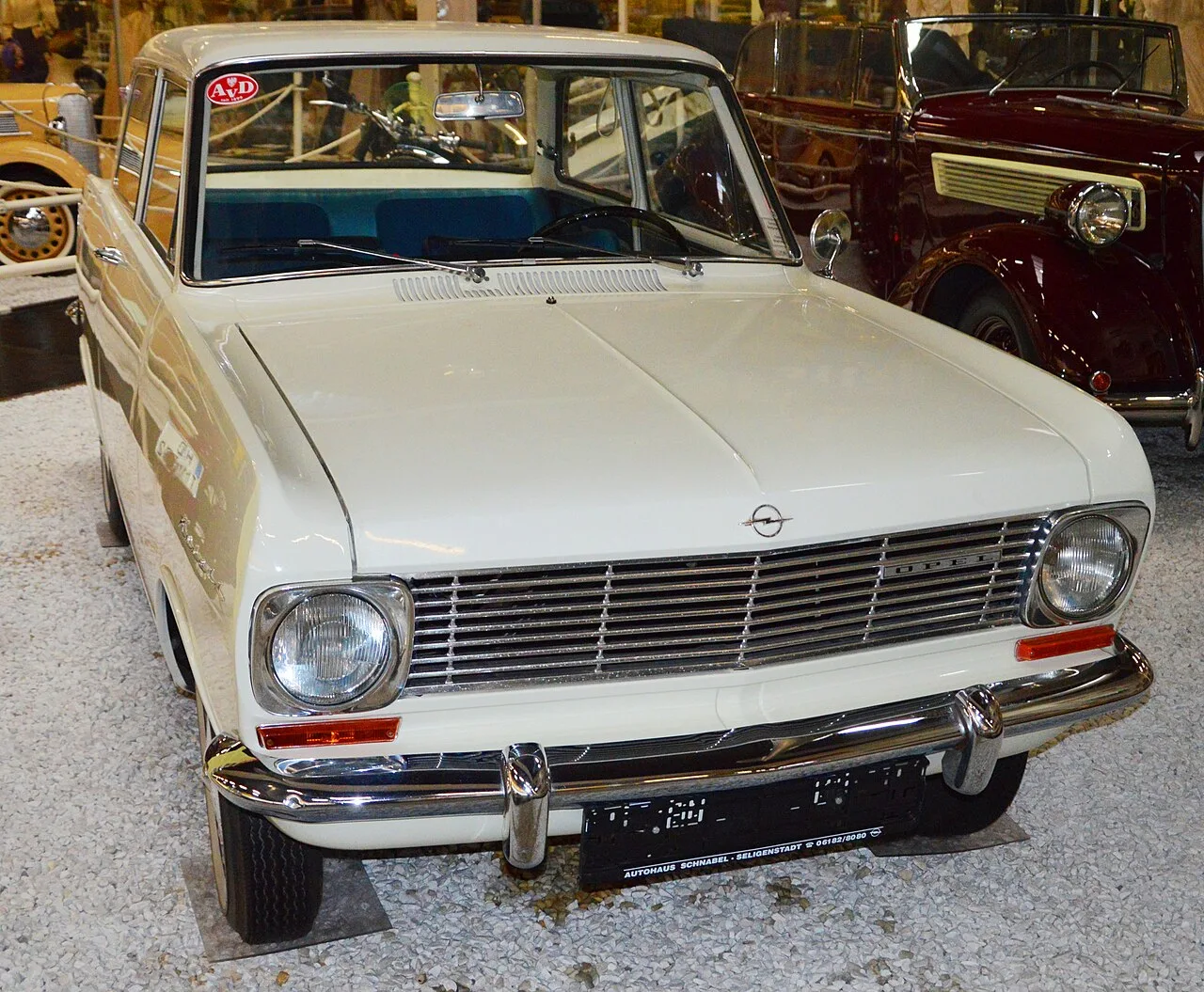
Opel let the Kadett name sit unused for 22 years — a casualty of WWII — before reviving it for this all-new 1962 generation.
Lead trim: Kadett A 1.0 10N (40 PS) · up to 47 hp
Opel Kadett A1962–1965
- 0spots by members
- Unclaimednobody has spotted one yet
- 0sets it belongs to
Nobody in Burbles has spotted a Opel Kadett A yet. See one on the street, point the app at it, and the first card is yours — with your @handle permanently credited on this page.
FactOpel let the Kadett name sit unused for 22 years — a casualty of WWII — before reviving it for this all-new 1962 generation.
The Opel Kadett was reintroduced by Opel in 1962, with deliveries beginning on 2 October, a little more than 22 years after the original model was discontinued in May 1940. Like the original Kadett, the new "Kadett A" was a small family car, now available as a 2-door saloon, a 3-door Car-A-Van (estate) and a coupé. In 1957 Opel product director Karl Stief was mandated by General Motors in Detroit to develop "the perfect Anti-Volkswagen" under conditions of such secrecy that very little is known of the development history; it was alleged that GM was trying to conceal a new technique of platform and design sharing between Opel and Vauxhall, which released the strikingly similar Viva HA in 1963, and the two cars indeed shared the same wheelbase, floorpan and elements of their inner body structure. The new four-cylinder, oversquare one-litre water-cooled Opel OHV engine weighed only 96 kg and was the first all-new engine developed by Opel since before the war, with a side-mounted camshaft driven by a single chain with a hydraulic tensioner, rocker arms and light-weight hollow rods, permitting engine speeds above 6,000 rpm; it earned widespread respect and stayed with the next four generations of Kadett, and the 1.0-litre version was still being fitted to the Opel Corsa A (and Vauxhall Nova) as late as 1992. It offered more passenger space, luggage capacity and visibility than the Volkswagen Beetle, and its water-cooled engine provided effective heating; power went to the rear wheels through a four-speed all-synchromesh gearbox, and there were 200 mm drum brakes on all four wheels. Between February 1964 and autumn 1965 the cars were also exported to the United States and sold through approximately 500 Buick dealers, but by the mid-1970s its weakness was apparent as the bodywork was not well protected from corrosion.
Collectors Spotted in the Opel Kadett Lineage
No member has published a public street spot of the Opel Kadett yet — the First · Worldwide stamp is wide open.
Trims & Figures
2 published trims in the catalogue. A blank is a figure not recorded, not zero.
| Trim | Years | Engine | Power | Torque | 0–60 | Drive | Gearbox | MSRP |
|---|---|---|---|---|---|---|---|---|
| Kadett A 1.0 10N (40 PS) | 1962–1965 | 1.0 L Inline-4 | 39 hp | 52 lb-ft | — | RWD | — | — |
| Kadett A 1.0 S 10S (48 PS) | 1963–1965 | 1.0 L Inline-4 | 47 hp | 52 lb-ft | — | RWD | — | — |
Owning one
We don’t estimate running costs for a car like this. What it costs depends on its condition, its specialist and how it is driven, and an average would mislead.
Owners’ builds
Nobody has claimed one yet.
Photographs
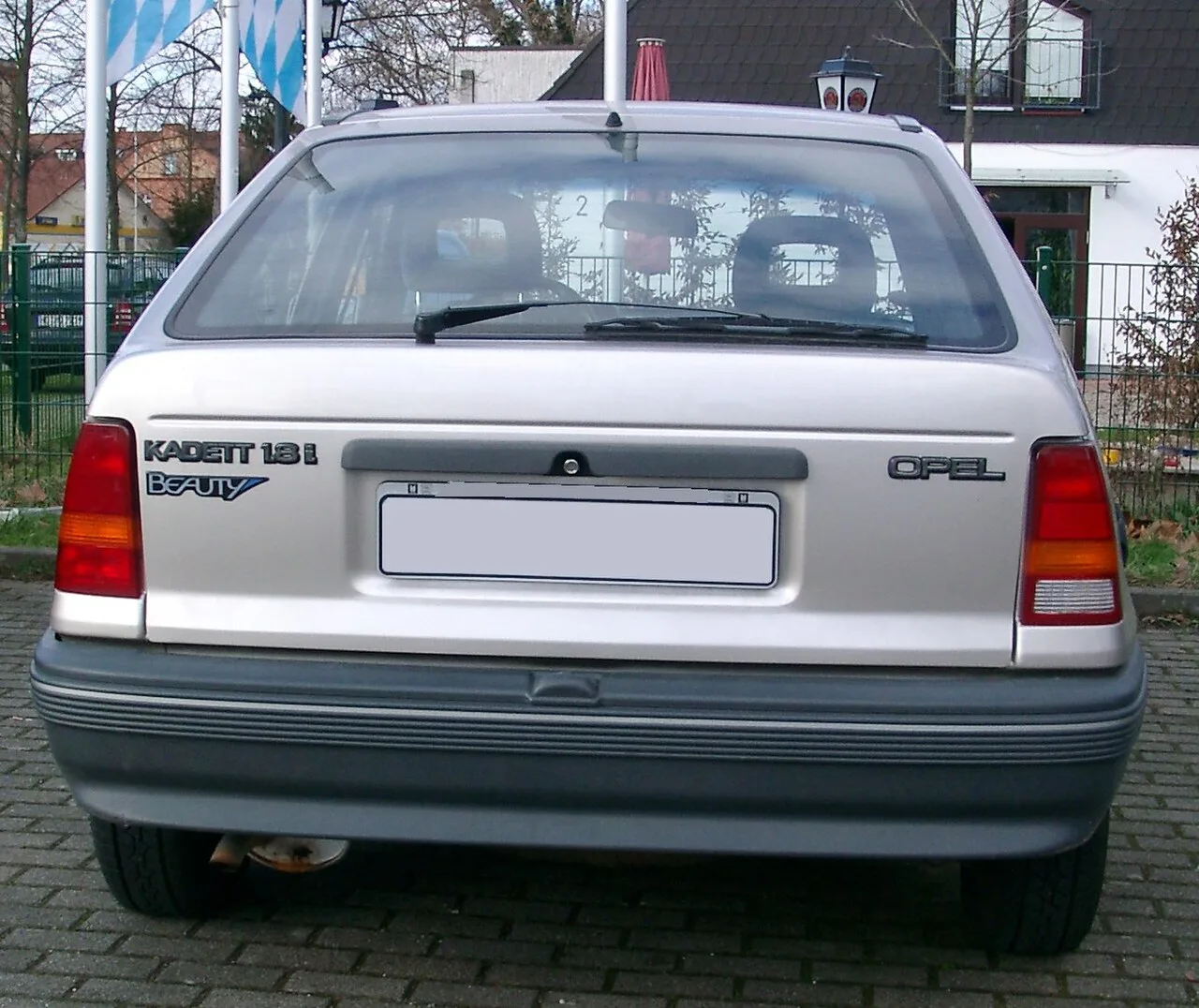
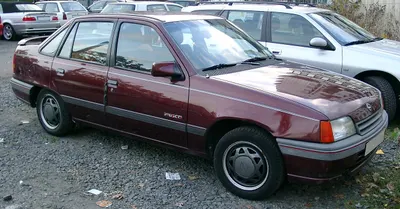
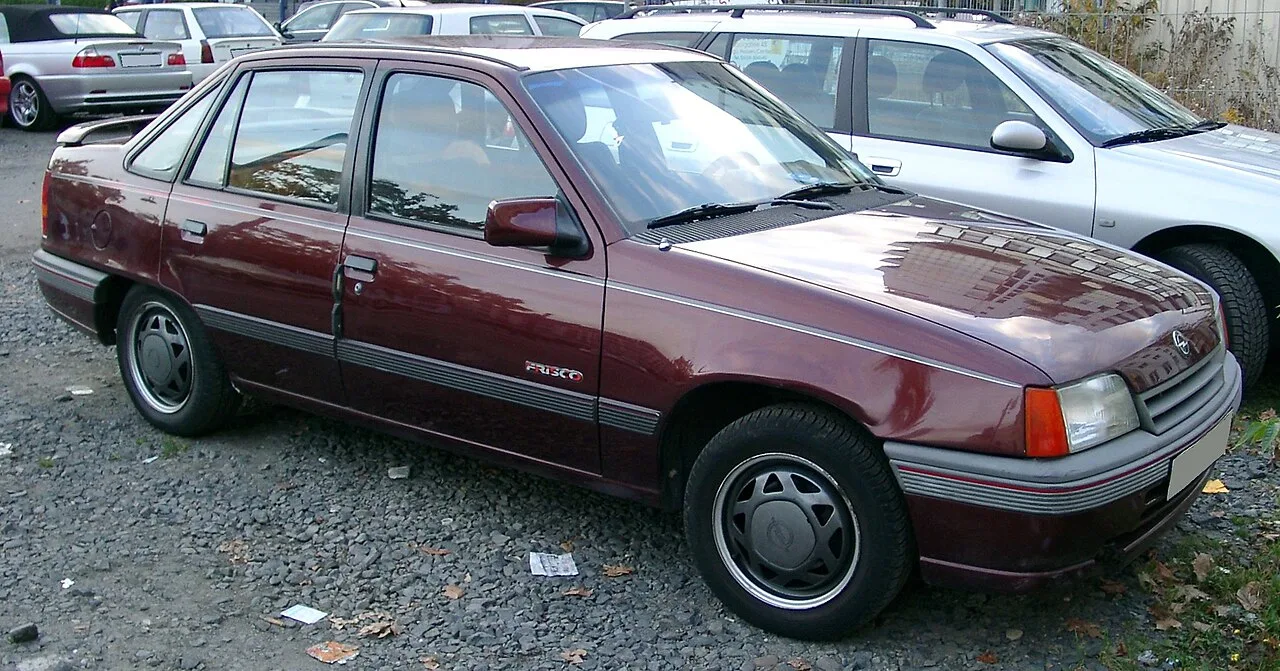
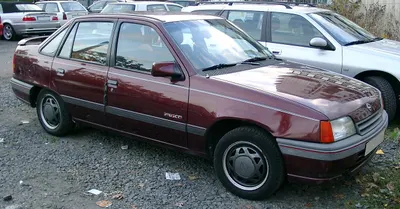
The Kadett E's swoopy 'teardrop' nose wasn't new — Opel lifted the front styling directly off its 1981 Tech 1 concept car.
The Kadett D introduced Family I with hydraulic valve lifters, a first for Opel that let mechanics swap clutches without pulling the gearbox.
More than half of every Kadett C that Opel built — 52% of 1.7 million cars — left West Germany, making it as much an export hit as a home-market compact.
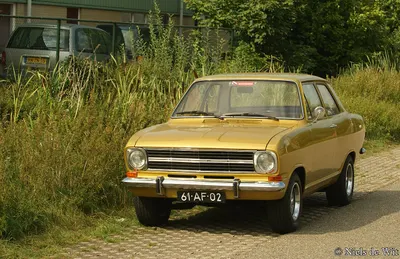
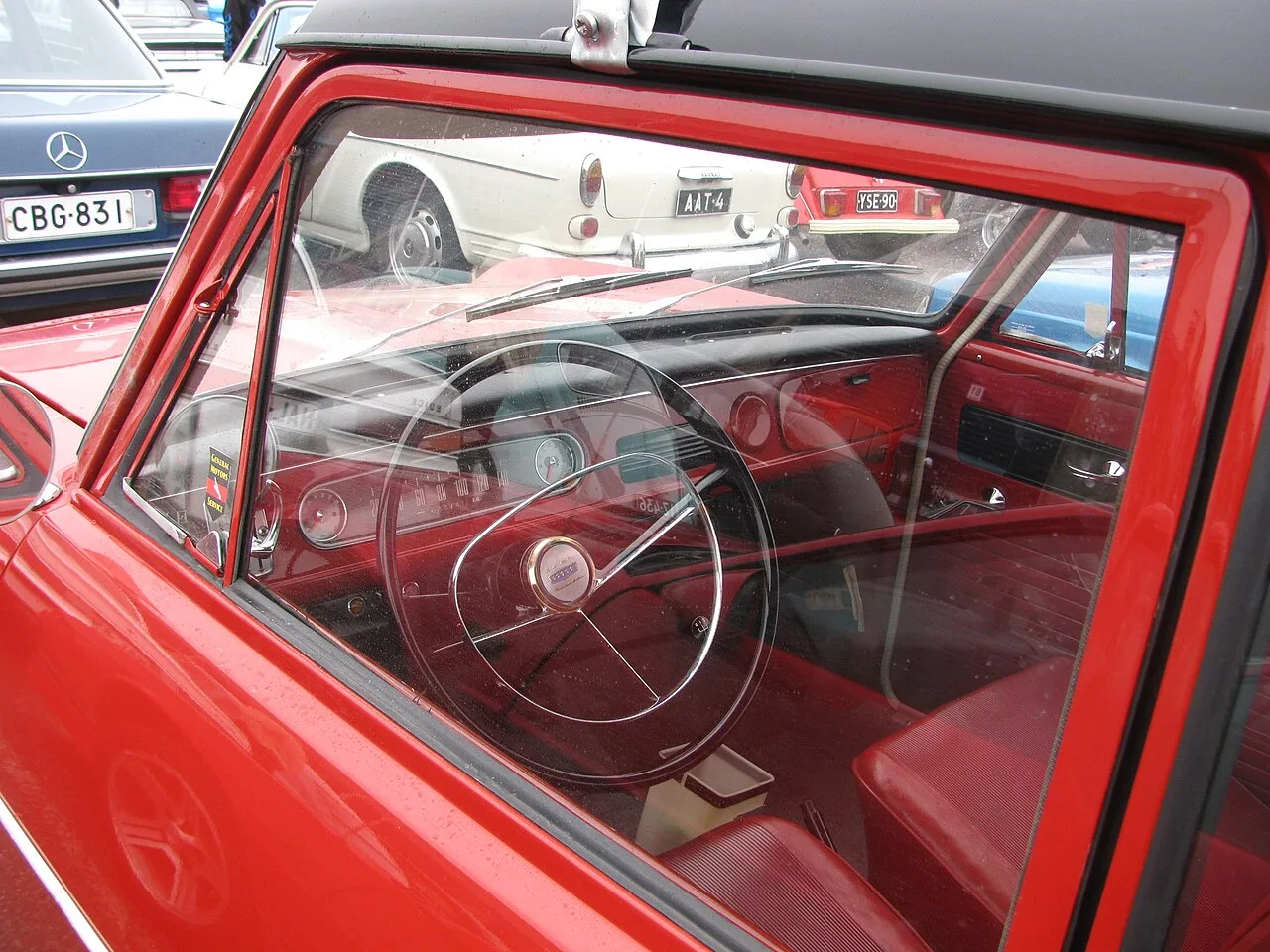
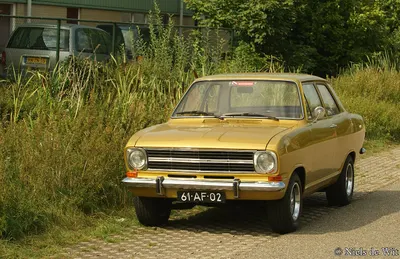
The sleek two-seat Opel GT sports car was basically a Kadett B underneath — its body was even built by a French contractor in Creil.
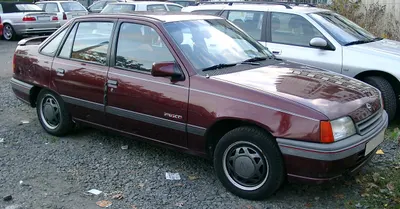
Opel let the Kadett name sit unused for 22 years — a casualty of WWII — before reviving it for this all-new 1962 generation.
Rivals
Same body, same money, other badges — tap any card to flip.

It briefly served as senior sibling to Marquette, a GM companion brand cancelled after just one year.

Nissan hired former BMW engineers to help develop the 510's suspension, which is why period reviewers frequently compared its handling to the BMW 1600/2002.

A Trabant 601 won its class at the 1970 Monte Carlo Rally, with a second 601 right behind it in second.

The 600 was a stopgap: the P50's body over the 601's mechanicals, and for a while its estate was built alongside the new 601 saloon.

The G80 Sport brought a 370 PS twin-turbo 3.3 V6, a mesh grille and copper-tinted chrome with copper stitching to match.

The Vigor was sold only with a five-cylinder engine, an unusual configuration Honda used to fit a longer engine transversely under a short hood.

The GS/E coupe earned the nickname "German Charger" for its long hood, short deck stance borrowed from Detroit muscle cars.

This DeVille/Fleetwood was the first production car anywhere to mount its V8 sideways, Cadillac's front-drive gamble on the new C-body.