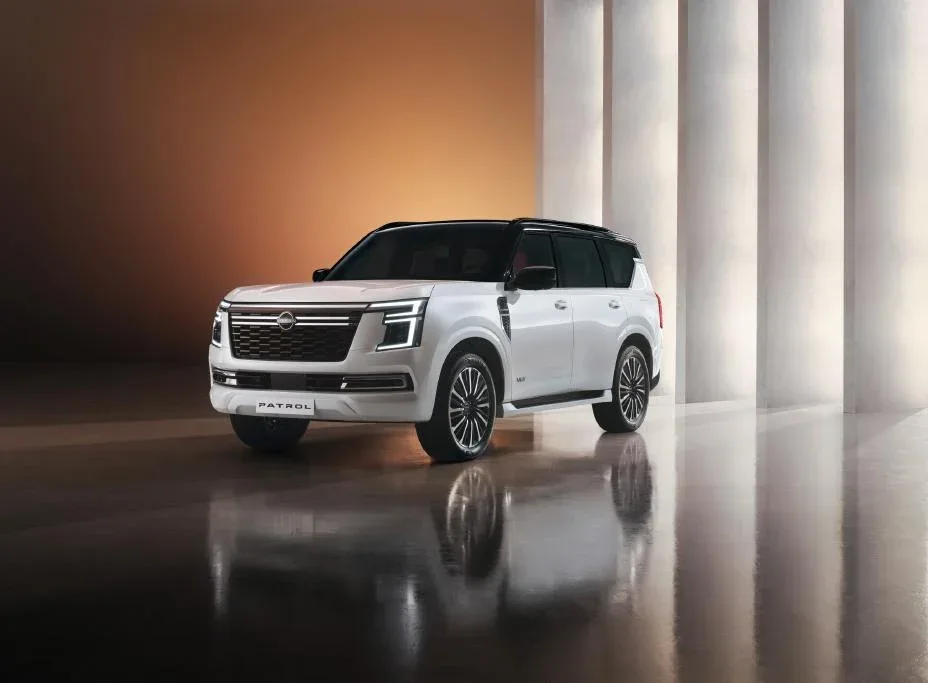
The Patrol is finally coming home to Japan for 2027, the first one sold there since the Y61 Safari quit in 2007.
Lead trim: 3.8 V6 (VQ38DD) · up to 425 hp
Nissan Patrol Y63Y63 · 2024–present
- 0spots by members
- Unclaimednobody has spotted one yet
- 0sets it belongs to
Nobody in Burbles has spotted a Nissan Patrol Y63 yet. See one on the street, point the app at it, and the first card is yours — with your @handle permanently credited on this page.
FactThe Patrol is finally coming home to Japan for 2027, the first one sold there since the Y61 Safari quit in 2007.
The seventh-generation Patrol (Y63), sold in North America as the Armada, was unveiled in Abu Dhabi on 3 September 2024 and went on sale in the Middle East on 1 November 2024; it is built at Nissan Shatai's Kyushu plant in Japan. The base engine is a 3.8-litre naturally aspirated V6 and higher trims use a 3.5-litre twin-turbo V6, both with a 9-speed automatic and four-wheel drive. It seats up to eight with a 30 percent wider third row and a 28.6-inch dual-screen dashboard. Nissan has confirmed it will be sold in Japan from fiscal 2027, the first Patrol there since the Y61 Safari ended in 2007; the Patrol Nismo is filed separately.
Collectors Spotted in the Nissan Patrol Lineage
No member has published a public street spot of the Nissan Patrol yet — the First · Worldwide stamp is wide open.
Trims & Figures
2 published trims in the catalogue. A blank is a figure not recorded, not zero.
| Trim | Years | Engine | Power | Torque | 0–60 | Drive | Gearbox | MSRP |
|---|---|---|---|---|---|---|---|---|
| 3.5 V6 twin-turbo (VR35DDTT) | 2024–present | 3.5 L V6 | 425 hp | 516 lb-ft | — | 4WD | automatic | — |
| 3.8 V6 (VQ38DD) | 2024–present | 3.8 L V6 | 316 hp | 285 lb-ft | — | 4WD | automatic | — |
Owning one
We don’t estimate running costs for a car like this. What it costs depends on its condition, its specialist and how it is driven, and an average would mislead.
Owners’ builds
Nobody has claimed one yet.
Photographs
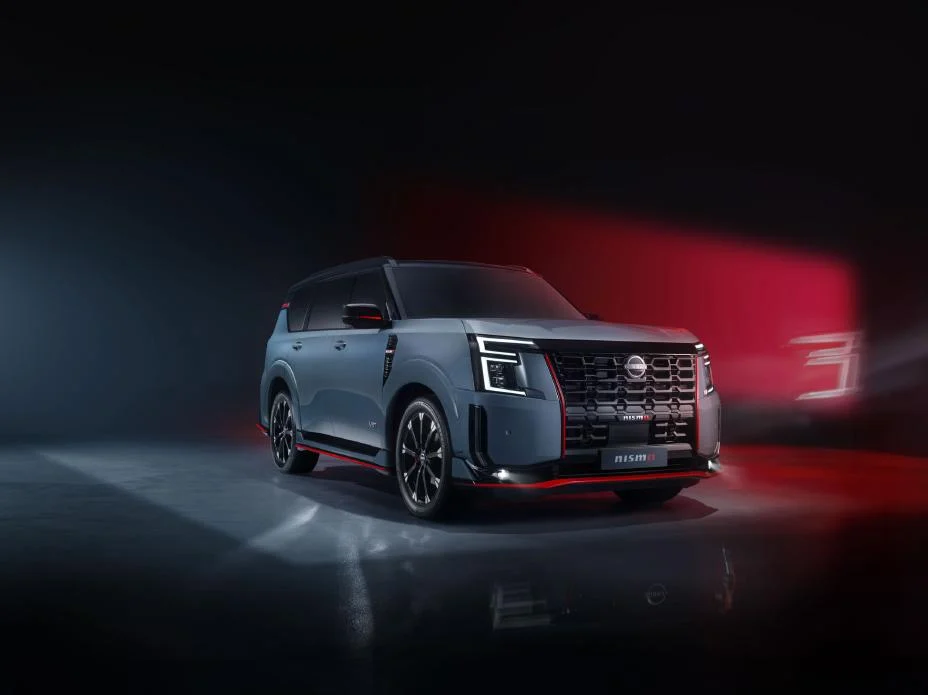
Nissan unveiled the Patrol Nismo on the same day as the Z Nismo, in the Middle East.
The Patrol is finally coming home to Japan for 2027, the first one sold there since the Y61 Safari quit in 2007.
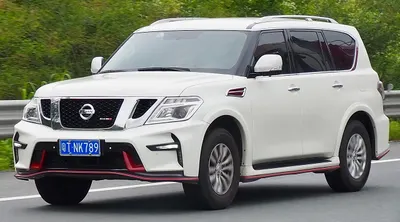
The Patrol Nismo's V8 isn't just bored out and boosted — Nissan hands the 428-hp tune to its own in-house master craftsmen, the same 'Takumi' program behind its halo performance engines.
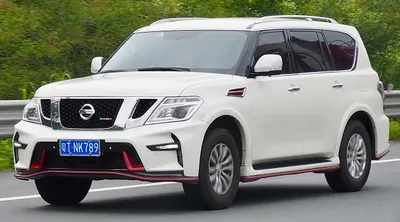
This Patrol is built in Japan but was never sold there — it's simply too big for the home market. Japanese buyers who want one have to reverse-import US-spec Armadas as grey-market cars.
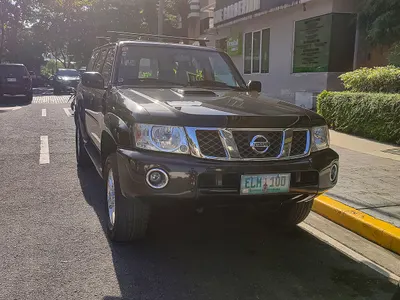
The Y61 Patrol stayed in production for 27 years — only ending in 2024, more than a decade after its own successor, the Y62, had already launched.
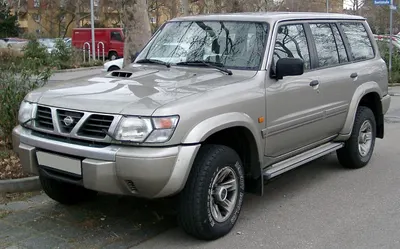
For six years in Australia, this Patrol wasn't sold as a Nissan at all — Ford badged and sold it as the Ford Maverick.
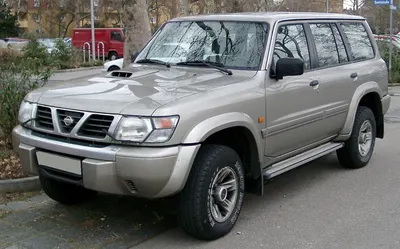
Spain kept building this Patrol generation for its own market for eight full years after export production had already stopped.
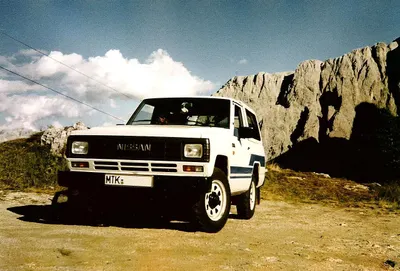
When the 160 became the improved 161 in 1983, Australasian dealers started calling it the "MK" — a code that never once appeared in Nissan's own literature or service manuals.
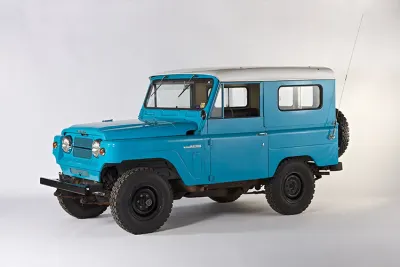
Nissan says this Patrol was the first vehicle ever to drive clear across Australia's brutal Simpson Desert — a feat it still markets decades later.
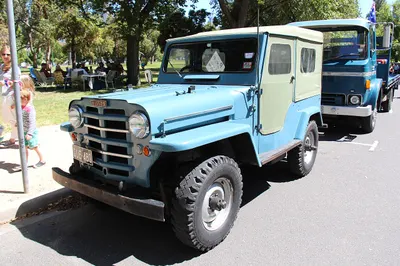
Nissan's very first Patrol, the 4W60, didn't get a bespoke engine — it borrowed its 3.7-litre six straight from the Nissan 290 city bus.
Rivals
Same body, same money, other badges — tap any card to flip.
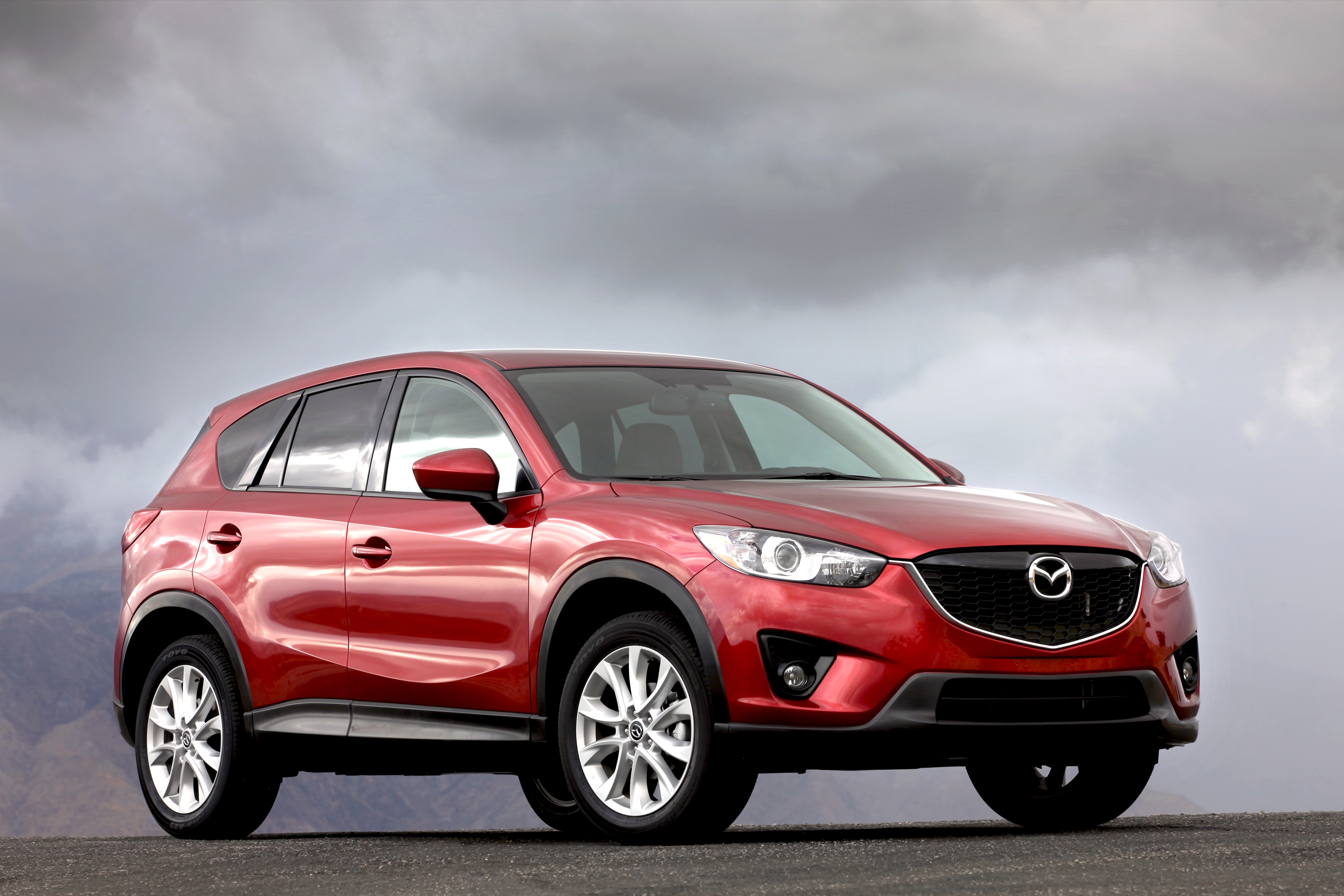
IIHS only crash-tests the driver's corner; tested on the passenger side instead, the CX-5 showed far worse intrusion.
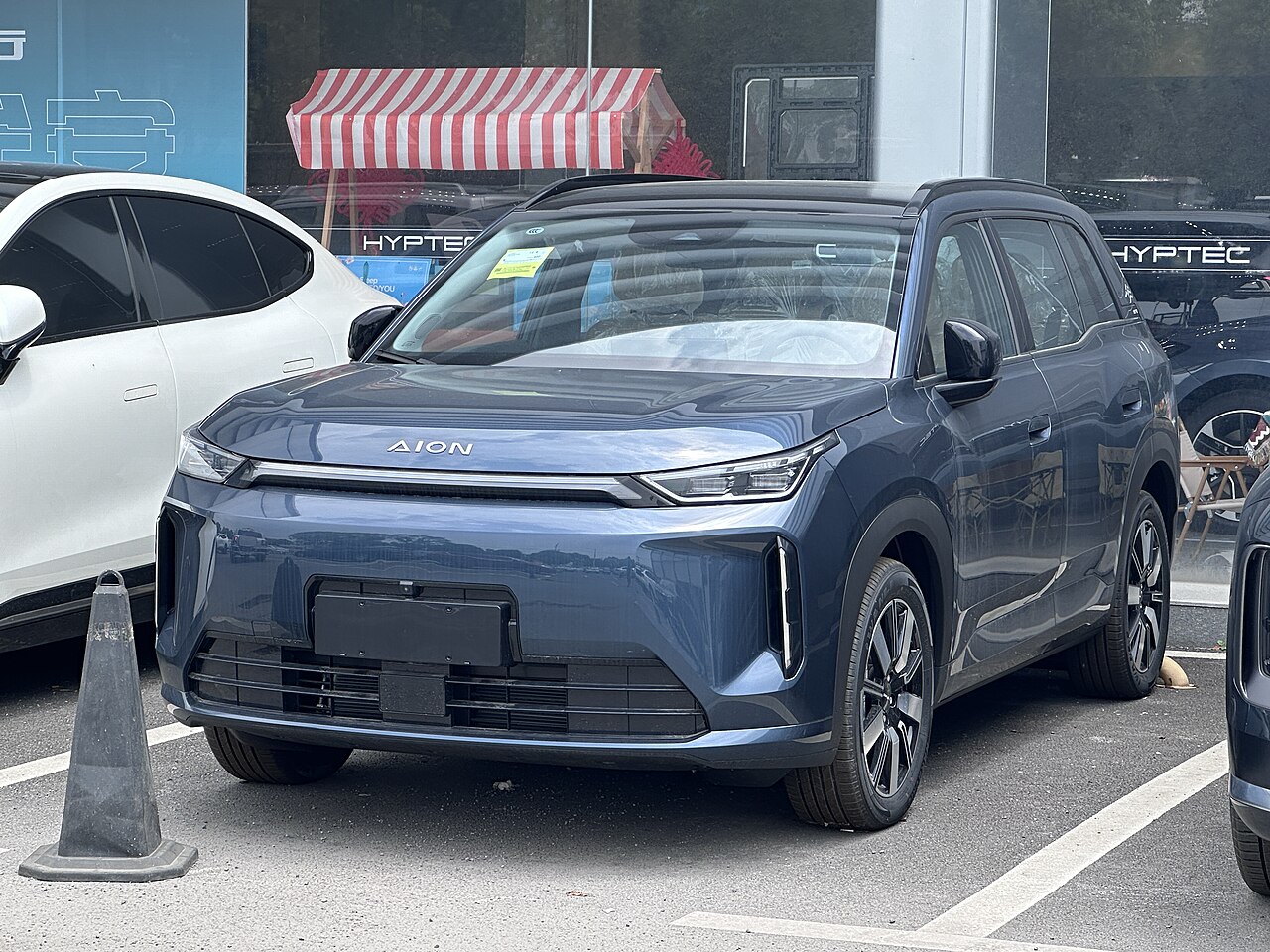
Despite launching from a standing start in late 2025, the i60 topped GAC Aion's own sales chart through January's seasonal slowdown.
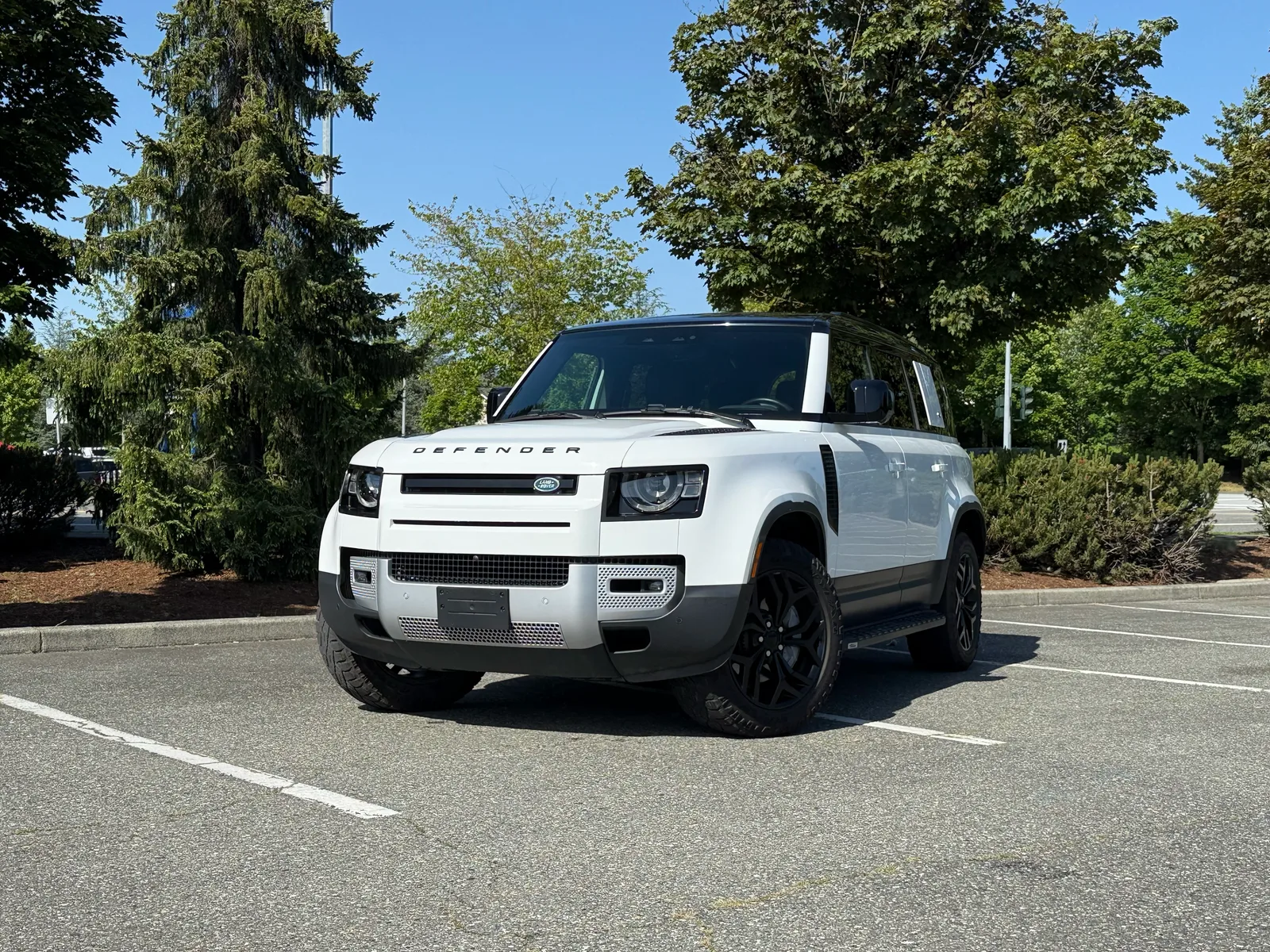
Every Defender before this one was body-on-frame — this generation broke decades of tradition with an aluminium unibody structure instead.
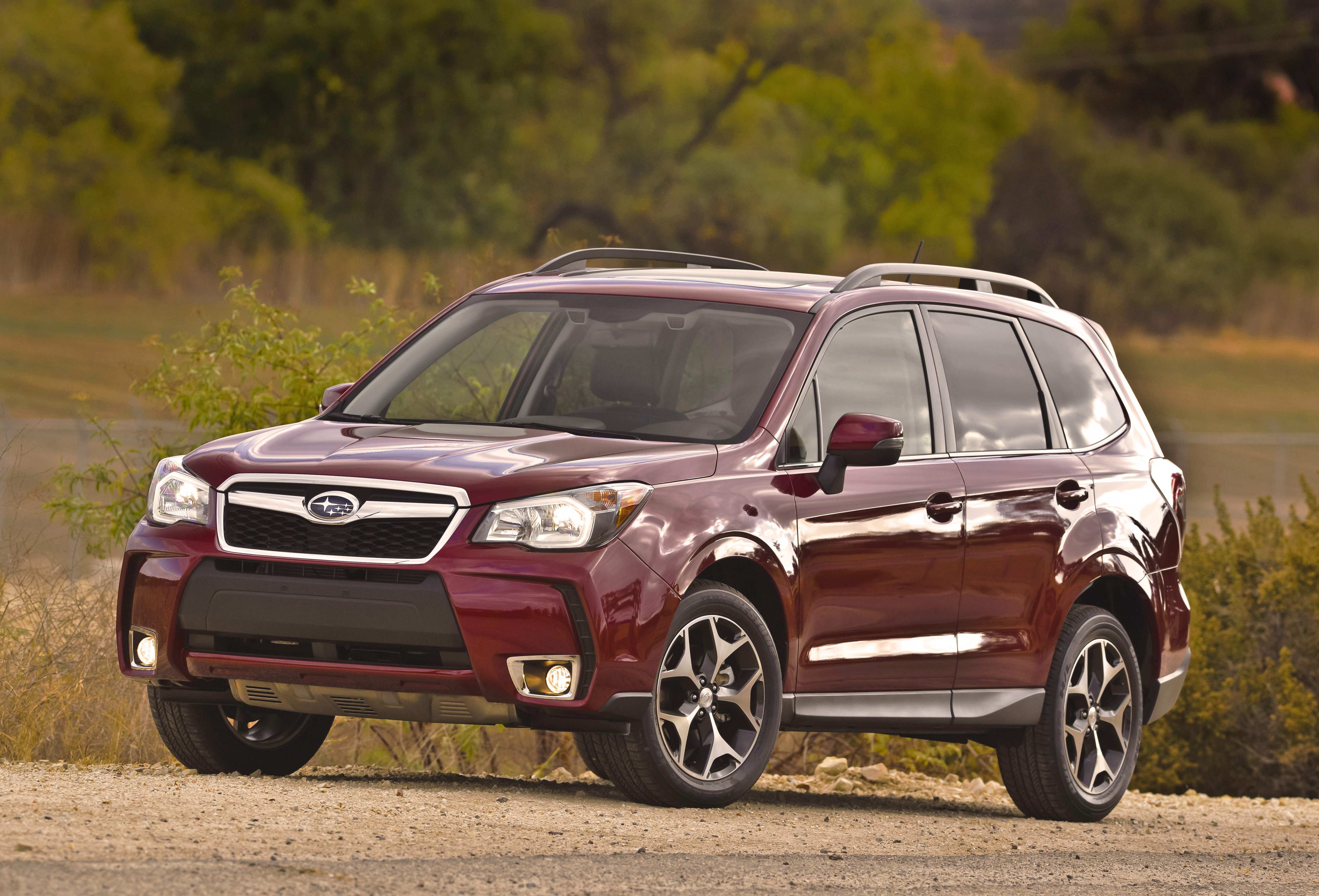
Crashed on the passenger side instead of the driver's, the 2014 Forester showed far more intrusion and would have rated Marginal with the IIHS.
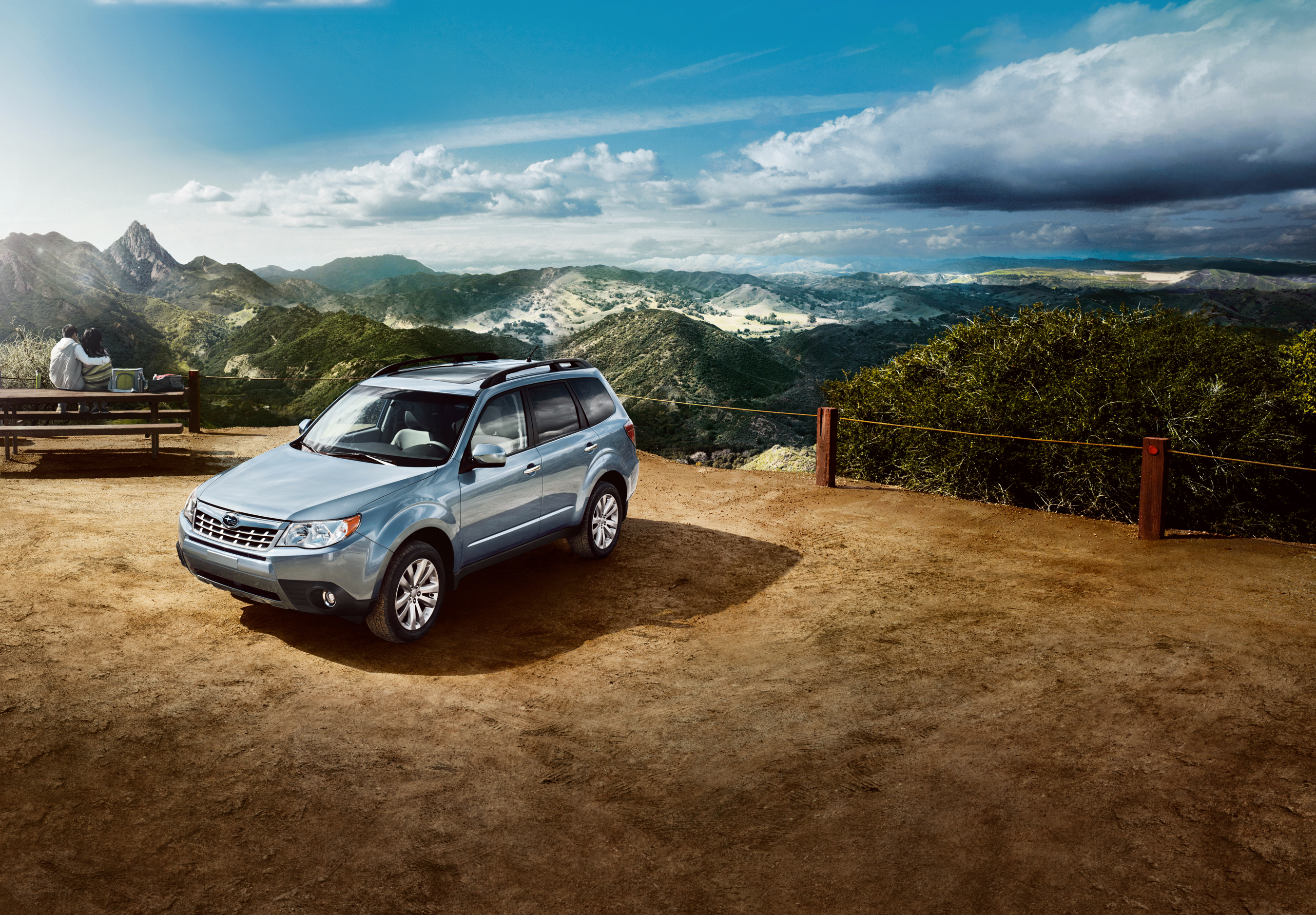
Subaru built a 2.5XT for the National Ski Patrol with a diamond-plate floor, a 9,500-pound winch and a toboggan on the roof.
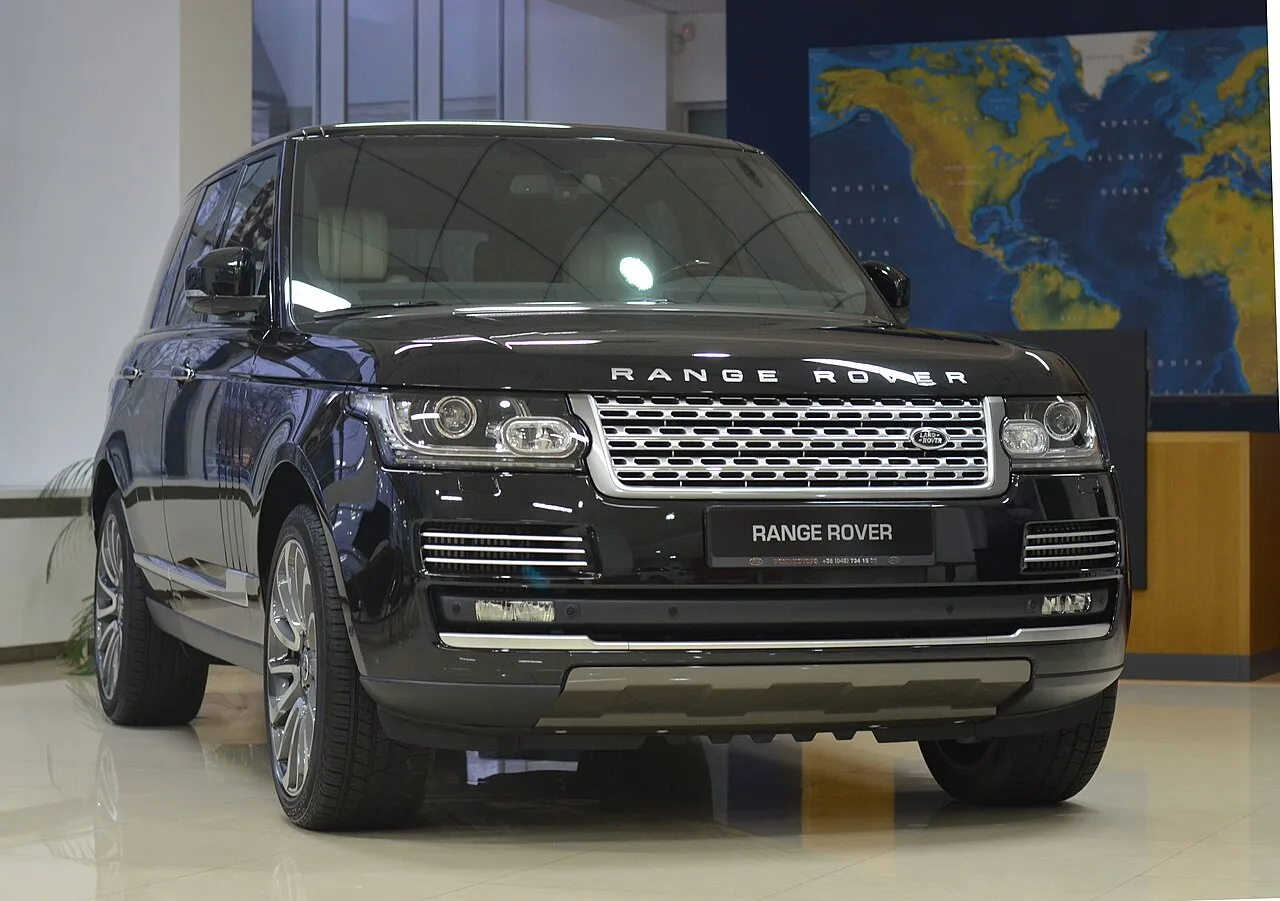
The L405 was the first Range Rover with a fully aluminum monocoque body, cutting up to 420 kg from the outgoing steel-bodied L322.
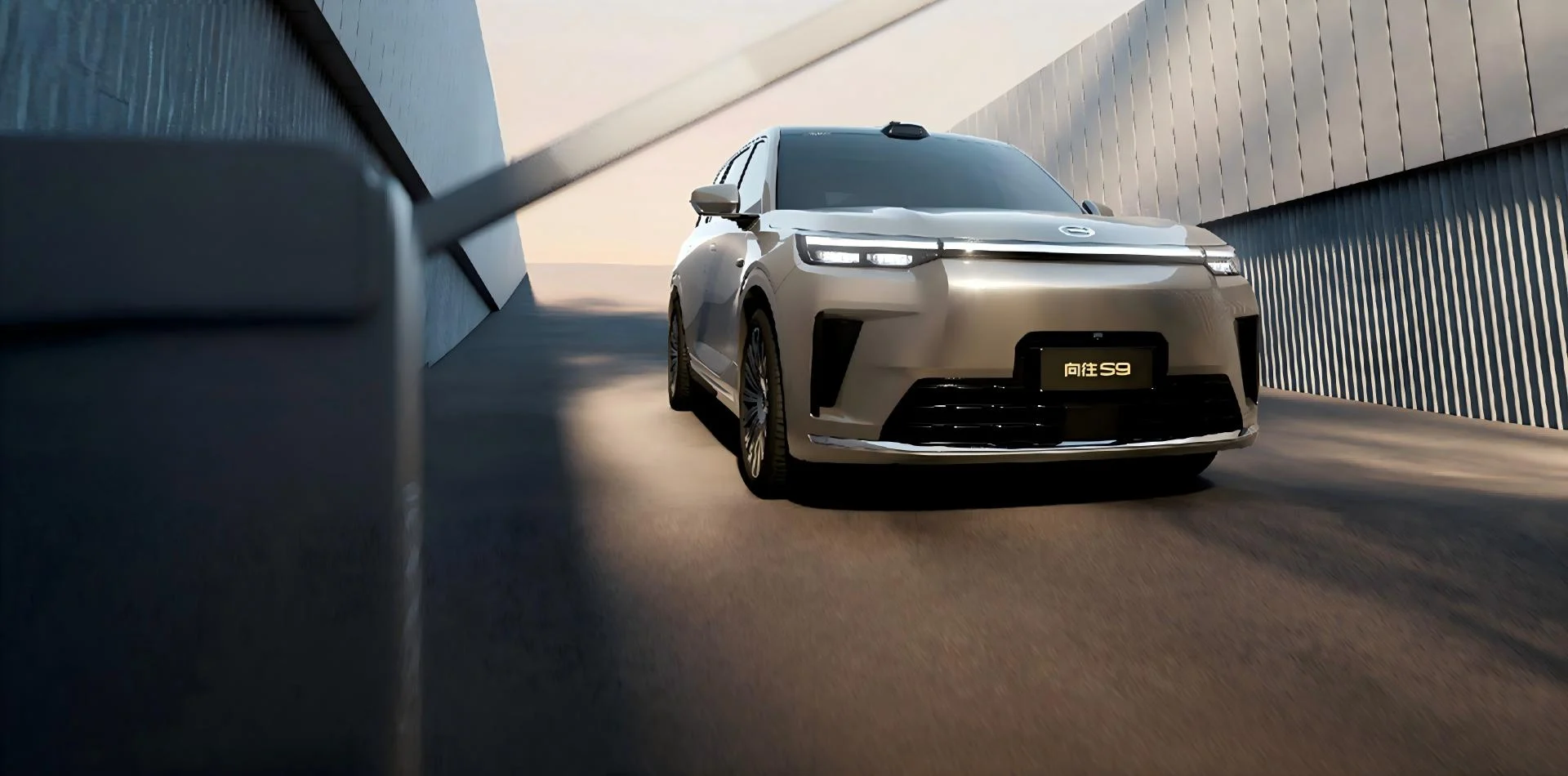
Rear passengers get a 17.3-inch screen that extends from the roof, and a lidar sensor sits in the front of the roof.
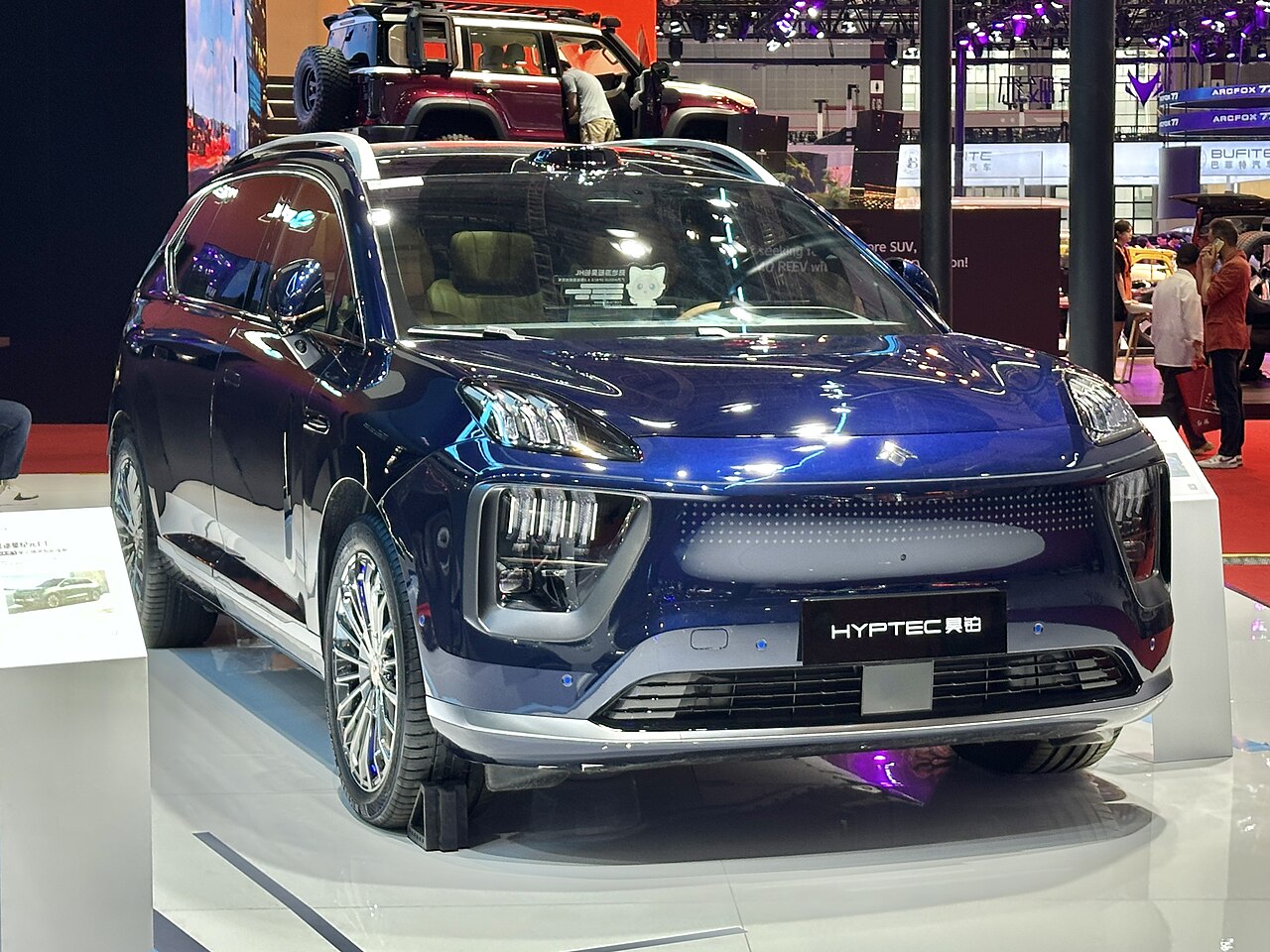
Its range-extender variant is rated for 1,200 km on a tank and charge, over three times the car's electric-only range.