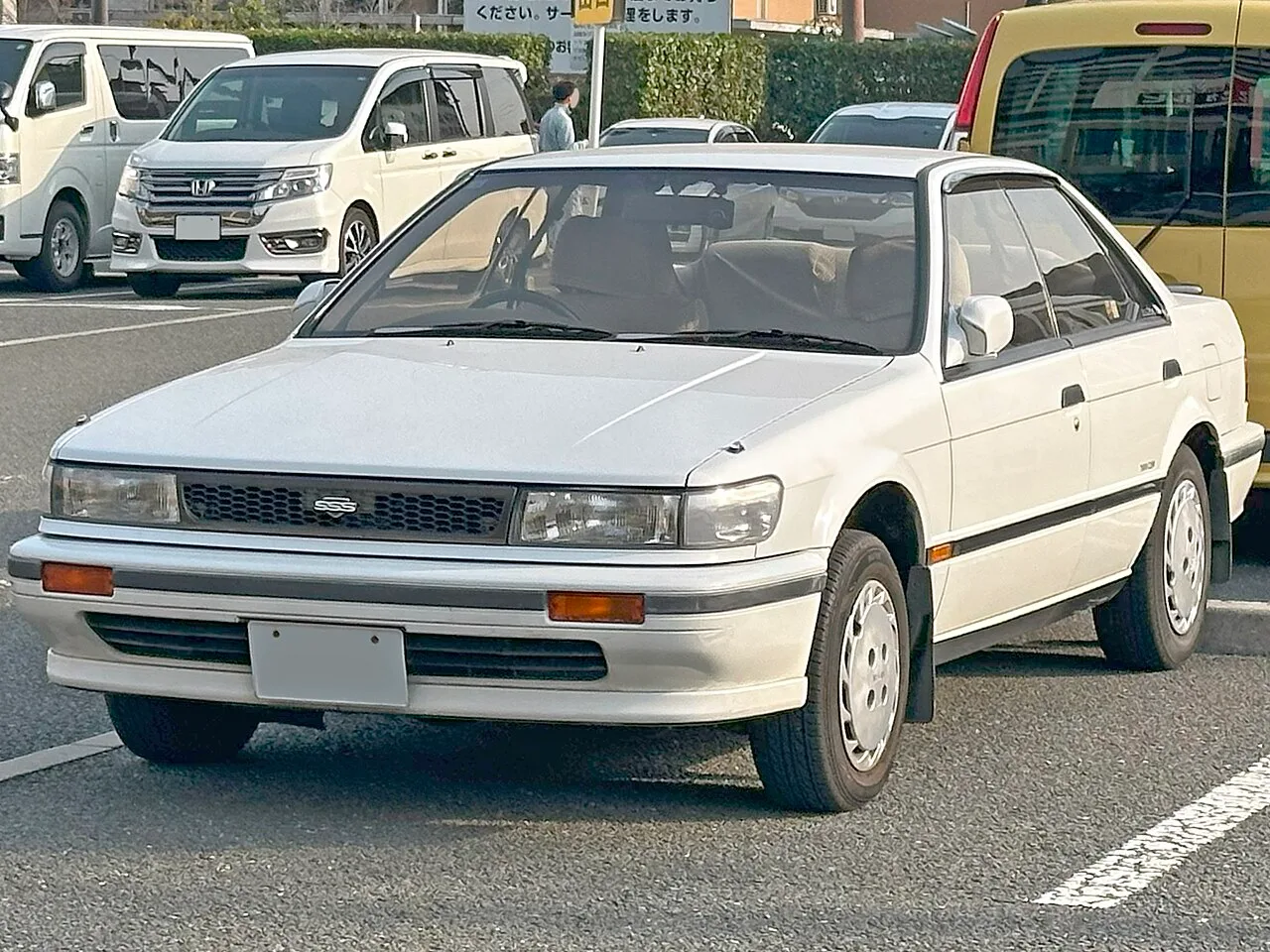
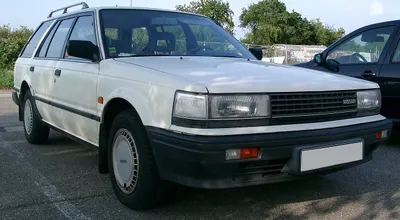
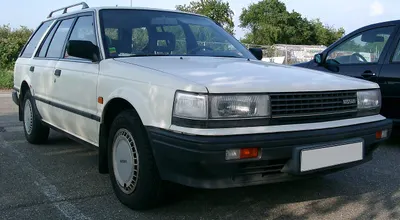
The U12 Bluebird SSS ATTESA Limited debuted Nissan's ATTESA all-wheel-drive system alongside the now-cult SR20DET turbo engine, both new on the Series 2 cars built 1989-1991.
Median 111 hp across 330 similar cars
Lead trim: SSS Attesa Limited
Nissan Bluebird SSS Attesa LimitedU12 · 1987–1991
- 0spots by members
- Unclaimednobody has spotted one yet
- 0sets it belongs to
Nobody in Burbles has spotted a Nissan Bluebird SSS Attesa Limited yet. See one on the street, point the app at it, and the first card is yours — with your @handle permanently credited on this page.
FactThe U12 Bluebird SSS ATTESA Limited debuted Nissan's ATTESA all-wheel-drive system alongside the now-cult SR20DET turbo engine, both new on the Series 2 cars built 1989-1991.
JDM turbocharged all-wheel-drive sports sedan, successor to the 510 (also catalogued) as the family-sedan-turned-performance-car in Nissan's lineup. The Attesa Limited paired a turbo CA18DET four with early ATTESA all-wheel drive, three years before the system reached the Skyline GT-R.
Collectors Spotted in the Nissan Bluebird Lineage
No member has published a public street spot of the Nissan Bluebird yet — the First · Worldwide stamp is wide open.
Trims & Figures
One published trim in the catalogue. A blank is a figure not recorded, not zero.
| Trim | Years | Engine | Power | Torque | 0–60 | Drive | Gearbox | MSRP |
|---|---|---|---|---|---|---|---|---|
| SSS Attesa Limited | 1987–1991 | 1.8 L Inline-4 | 173 hp | 167 lb-ft | — | AWD | manual | — |
Owning one
We don’t estimate running costs for a car like this. What it costs depends on its condition, its specialist and how it is driven, and an average would mislead.
Owners’ builds
Nobody has claimed one yet.
Photographs
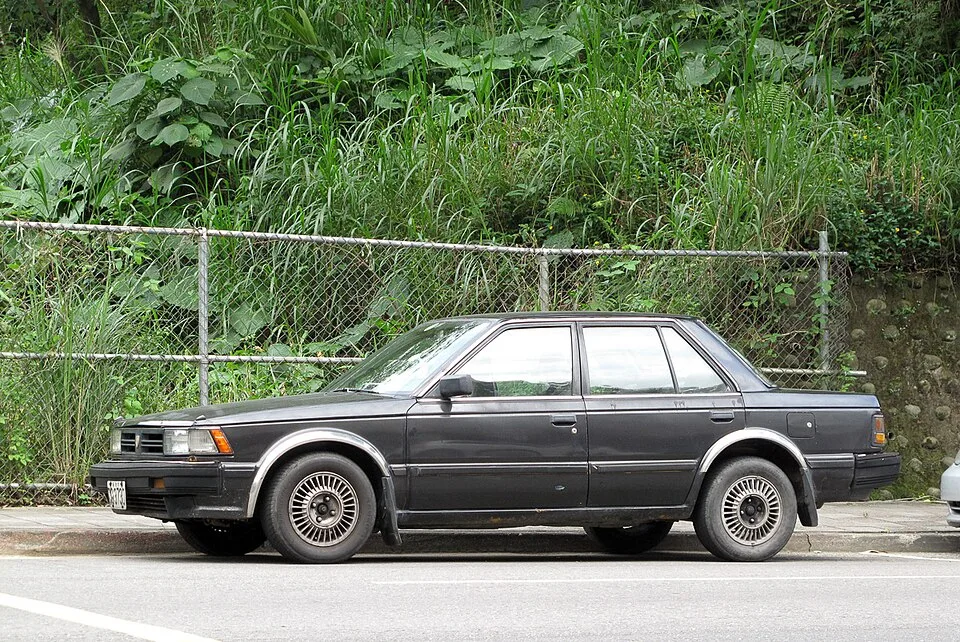
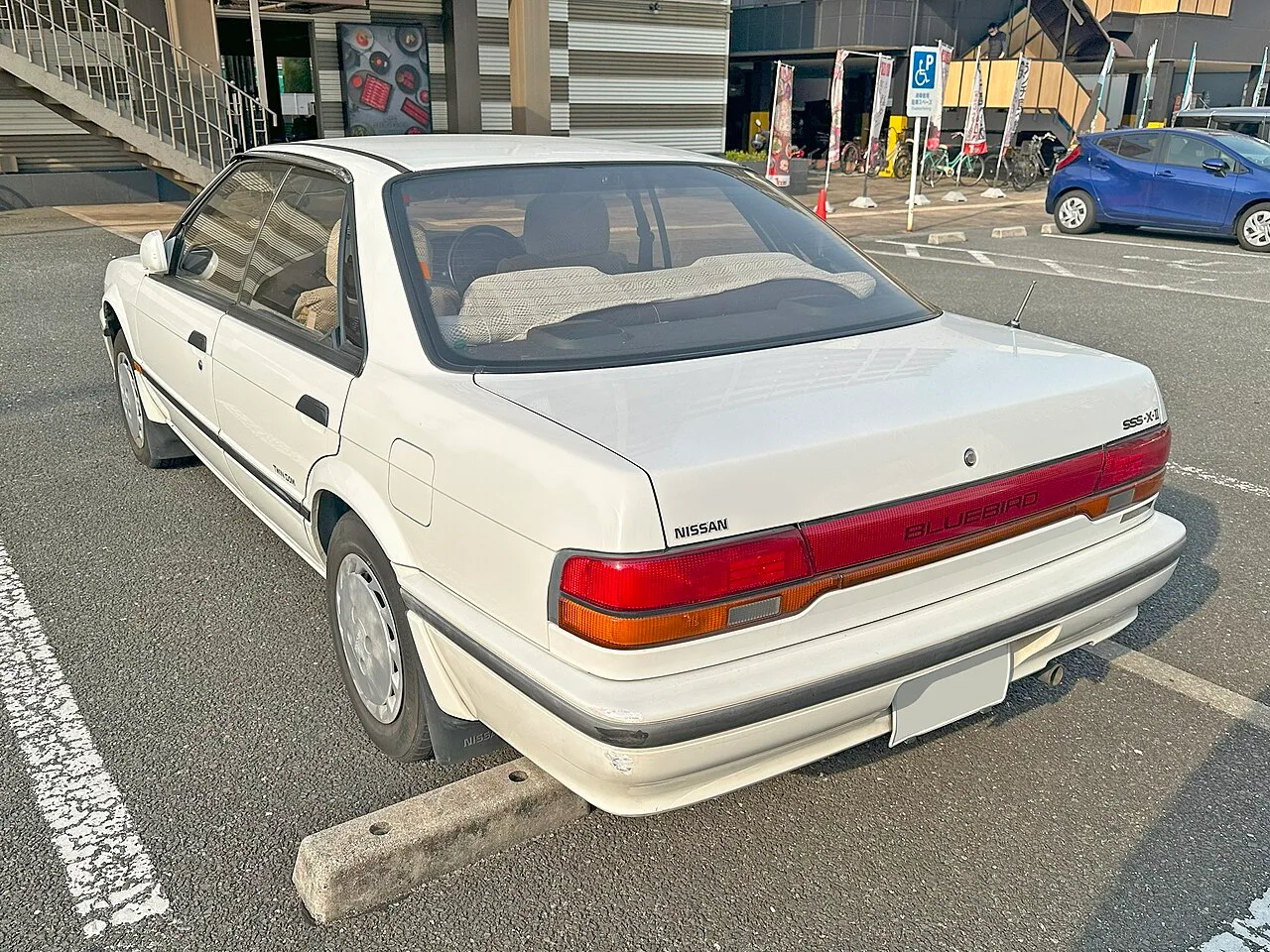
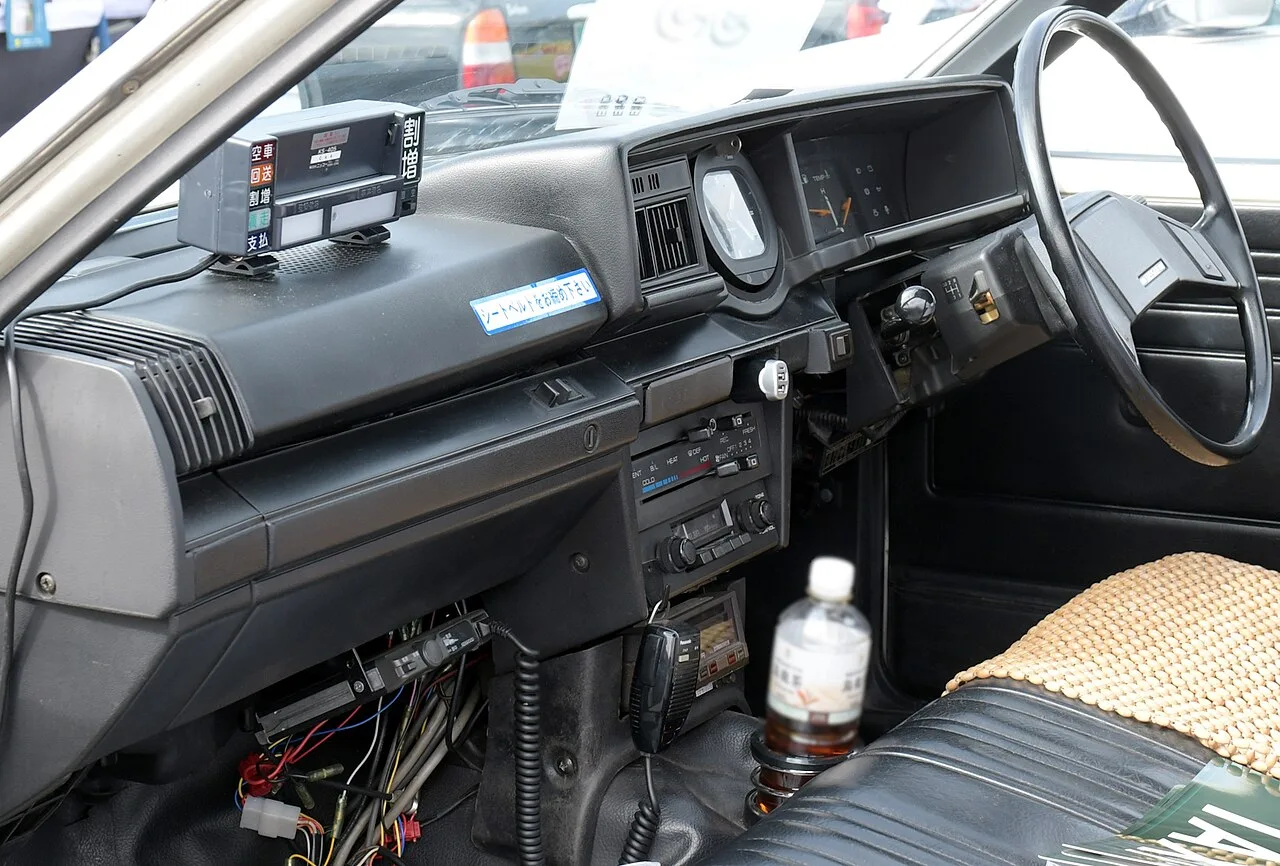
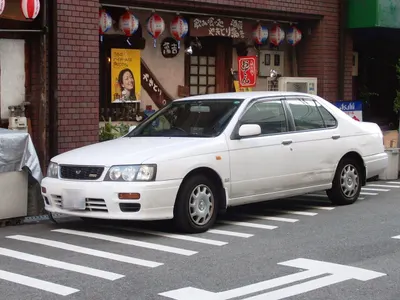
This was the last Bluebird of all — and the only market that ever got it new was Japan itself, even as the nameplate lived on abroad as the Altima.
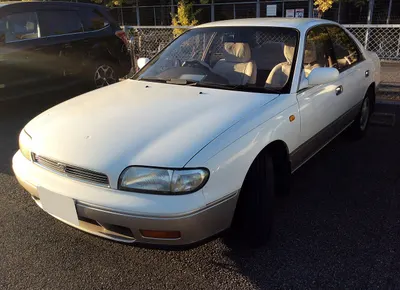
This Bluebird beat the industry by two decades: its Hardtop models got the first Active Noise Cancellation system ever fitted to a production car, long before ANC became a mainstream feature.
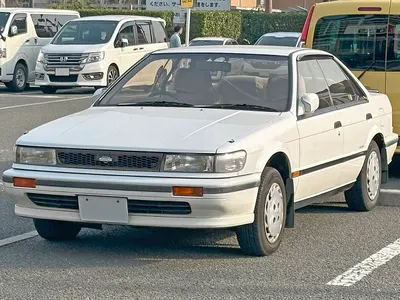
The U12 Bluebird SSS ATTESA Limited debuted Nissan's ATTESA all-wheel-drive system alongside the now-cult SR20DET turbo engine, both new on the Series 2 cars built 1989-1991.
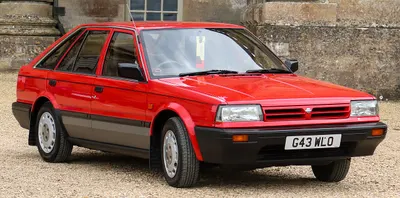
The U12 Bluebird's Australian twin, the Pintara, was built under a government model-sharing scheme and even rebadged as a Ford Corsair. Neither sold, and Nissan shut its Australian factory soon after.
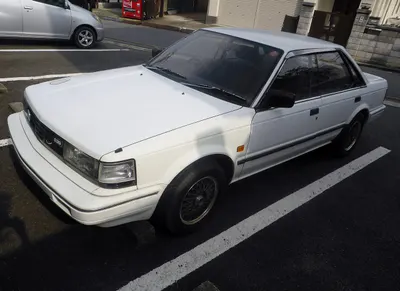
The U11 Bluebird's turbodiesel actually beat its petrol engines on fuel economy in standardized testing — counterintuitive, since diesels usually win only when driven gently.
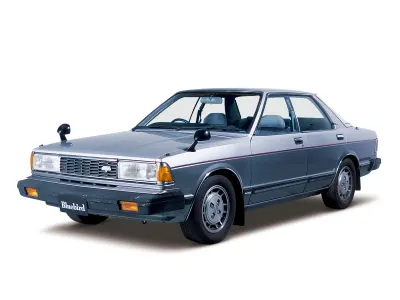
George Fury's 1984 Bathurst pole lap remains the fastest by a closed sedan on the old 6.172 km layout.
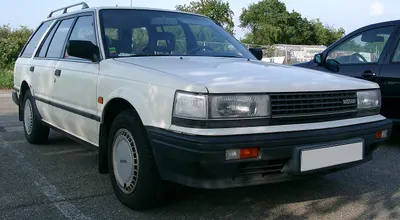
Reviewers were not kind to this Bluebird: Australia's Wheels magazine dismissed the 200B as simply "a 180B with 20 more mistakes" — and it lasted barely three years before Nissan rushed its replacement.
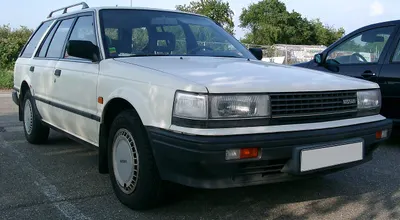
Nissan's own catch-line for launch was "Bluebird U – Up You!", dropped fast once someone translated it back.
To save money on export models, the 410/411 Bluebird's wipers swept outward from the center of the windshield instead of side-to-side — a cost-cutting quirk you'd never see on a car today.
The 1960s Bluebird 311 had a trim built specifically for women drivers: the pale-yellow 'Fancy Deluxe' came with a high-heel shoe holder under the dash and a turn signal relay that played music.
Rivals
Same body, same money, other badges — tap any card to flip.

It briefly served as senior sibling to Marquette, a GM companion brand cancelled after just one year.

Nissan hired former BMW engineers to help develop the 510's suspension, which is why period reviewers frequently compared its handling to the BMW 1600/2002.

A Trabant 601 won its class at the 1970 Monte Carlo Rally, with a second 601 right behind it in second.

The 600 was a stopgap: the P50's body over the 601's mechanicals, and for a while its estate was built alongside the new 601 saloon.

The G80 Sport brought a 370 PS twin-turbo 3.3 V6, a mesh grille and copper-tinted chrome with copper stitching to match.

The Vigor was sold only with a five-cylinder engine, an unusual configuration Honda used to fit a longer engine transversely under a short hood.

The GS/E coupe earned the nickname "German Charger" for its long hood, short deck stance borrowed from Detroit muscle cars.

This DeVille/Fleetwood was the first production car anywhere to mount its V8 sideways, Cadillac's front-drive gamble on the new C-body.