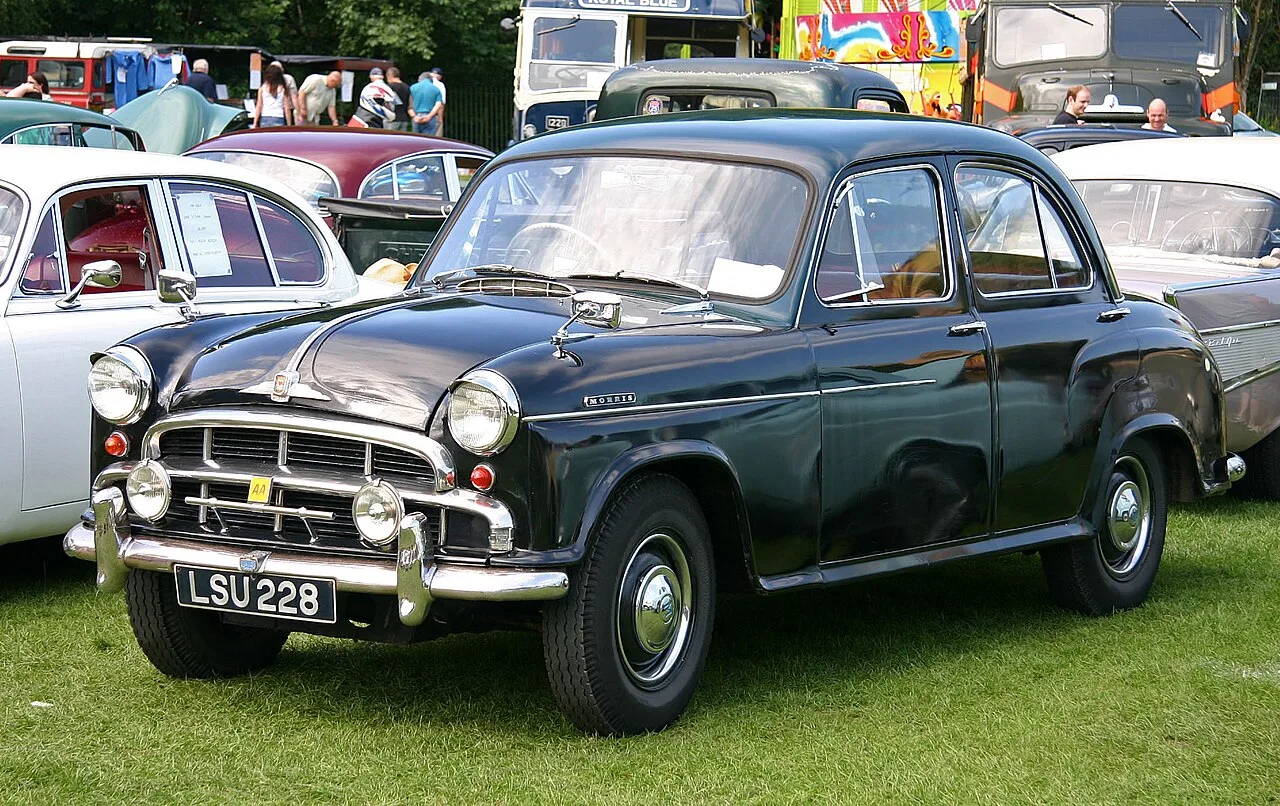
A court battle actually made this Morris less advanced: after William Morris was forced to split from his joint venture with Edward Budd in 1932, the Isis switched from an all-steel body back to old-fashioned wood-frame construction.
Lead trim: Twenty-Five 3.5 six (3485 cc)
Morris Isis and Twenty-Five1929–1935
- 0spots by members
- Unclaimednobody has spotted one yet
- 0sets it belongs to
Nobody in Burbles has spotted a Morris Isis and Twenty-Five yet. See one on the street, point the app at it, and the first card is yours — with your @handle permanently credited on this page.
FactA court battle actually made this Morris less advanced: after William Morris was forced to split from his joint venture with Edward Budd in 1932, the Isis switched from an all-steel body back to old-fashioned wood-frame construction.
The Isis announced in July 1929 was a revised version of the 1927 Morris Six JA series and used the same 2468 cc engine and 3-speed gearbox (7,406 Isis and Twenty-Five made, 1929–1935), with an all-new chassis and a steel body with an American look, from body-pressing dies made by Budd for the Morris-Budd joint venture, Pressed Steel Company, shared with some Dodge models. It was the first Morris to have hydraulic brakes and chromium plating; the car could exceed 65 mph and return 28 mpg. After 3,939 of the original Isis had been made it received a facelift announced 1 September 1932, the all-steel body replaced by wood-frame construction, and the gearbox gained synchromesh and a fourth speed (Twin-Top); 3,467 of the new Isis were made including Twenty-Five models. The de-luxe Twenty-Five, launched 12 October 1932 for the London Motor Show, had a larger 3485 cc engine; it was replaced in July 1935 by a new Twenty-Five, the flagship of the Morris Big Six Series II range, and gained an overhead-valve engine (as the Series III) in August 1938.
Collectors Spotted in the Morris Isis Lineage
No member has published a public street spot of the Morris Isis yet — the First · Worldwide stamp is wide open.
Trims & Figures
2 published trims in the catalogue. A blank is a figure not recorded, not zero.
| Trim | Years | Engine | Power | Torque | 0–60 | Drive | Gearbox | MSRP |
|---|---|---|---|---|---|---|---|---|
| Isis 2.5 six (2468 cc) | 1929–1935 | 2.5 L Inline-6 | — | — | — | — | — | — |
| Twenty-Five 3.5 six (3485 cc) | 1932–1935 | 3.5 L Inline-6 | — | — | — | — | — | — |
Owning one
We don’t estimate running costs for a car like this. What it costs depends on its condition, its specialist and how it is driven, and an average would mislead.
Owners’ builds
Nobody has claimed one yet.
Photographs
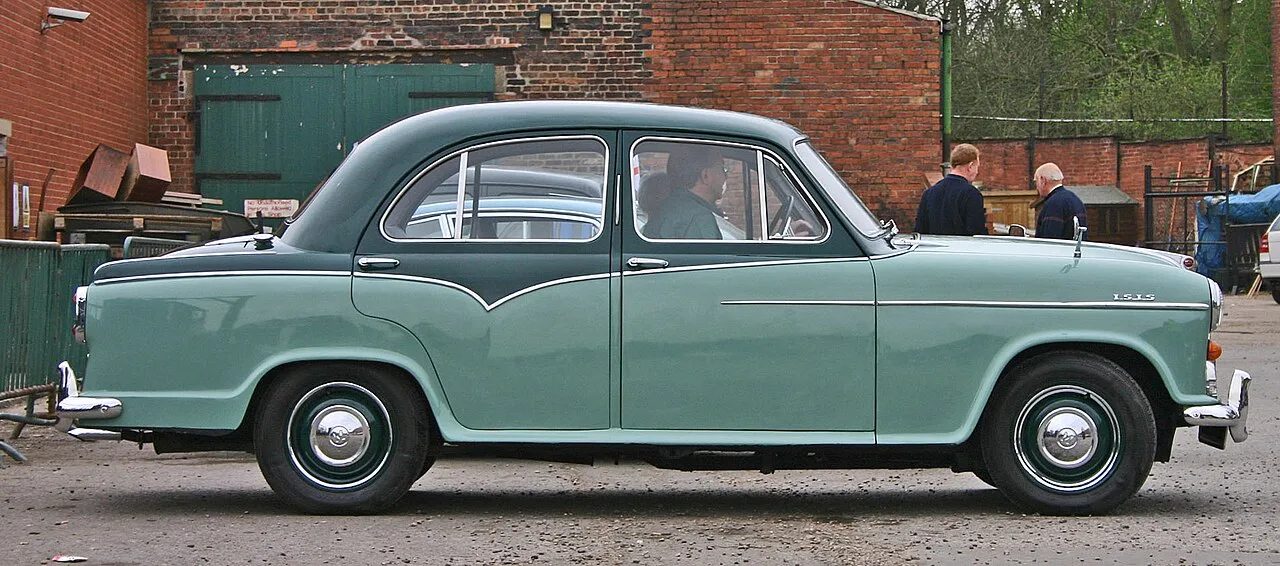
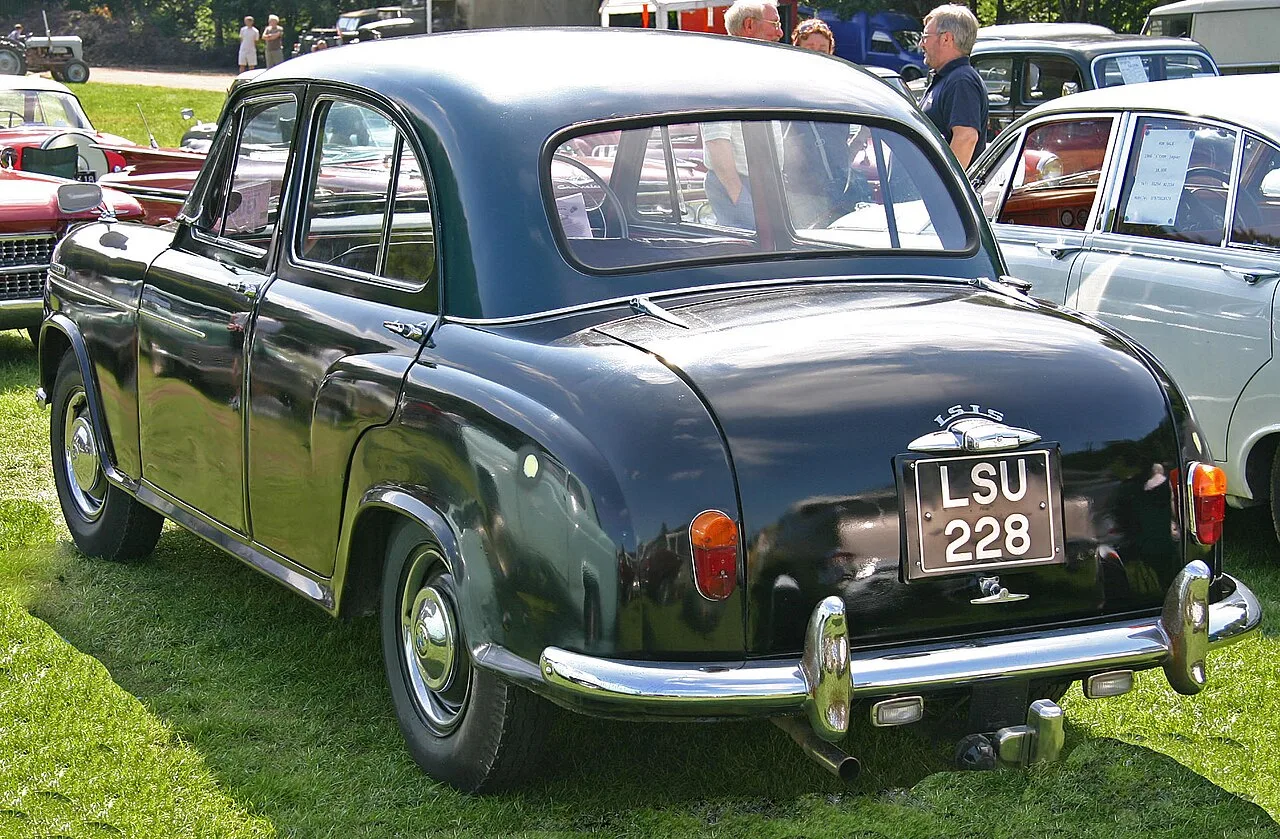
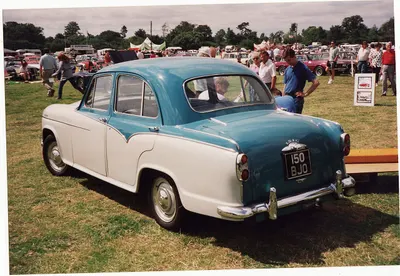
The Isis Traveller estate hid a rear-facing seventh seat under a hinged, padded panel in the boot floor. Swap it for the spare wheel, and you traded a passenger for a tyre.
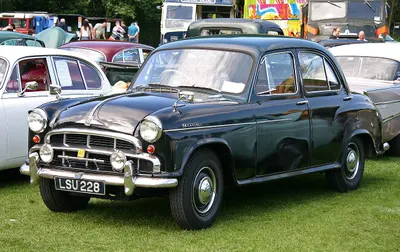
The Isis borrowed its six-cylinder engine wholesale from the Austin Westminster — badge-engineering so blatant that only the carburettor count told the two apart.
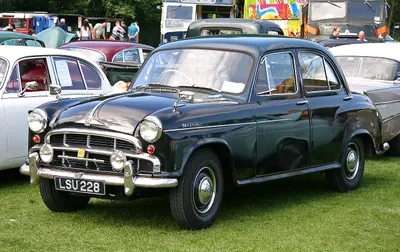
A court battle actually made this Morris less advanced: after William Morris was forced to split from his joint venture with Edward Budd in 1932, the Isis switched from an all-steel body back to old-fashioned wood-frame construction.
Rivals
Same body, same money, other badges — tap any card to flip.

It briefly served as senior sibling to Marquette, a GM companion brand cancelled after just one year.

Nissan hired former BMW engineers to help develop the 510's suspension, which is why period reviewers frequently compared its handling to the BMW 1600/2002.

A Trabant 601 won its class at the 1970 Monte Carlo Rally, with a second 601 right behind it in second.

The 600 was a stopgap: the P50's body over the 601's mechanicals, and for a while its estate was built alongside the new 601 saloon.

The G80 Sport brought a 370 PS twin-turbo 3.3 V6, a mesh grille and copper-tinted chrome with copper stitching to match.

The Vigor was sold only with a five-cylinder engine, an unusual configuration Honda used to fit a longer engine transversely under a short hood.

The GS/E coupe earned the nickname "German Charger" for its long hood, short deck stance borrowed from Detroit muscle cars.

This DeVille/Fleetwood was the first production car anywhere to mount its V8 sideways, Cadillac's front-drive gamble on the new C-body.