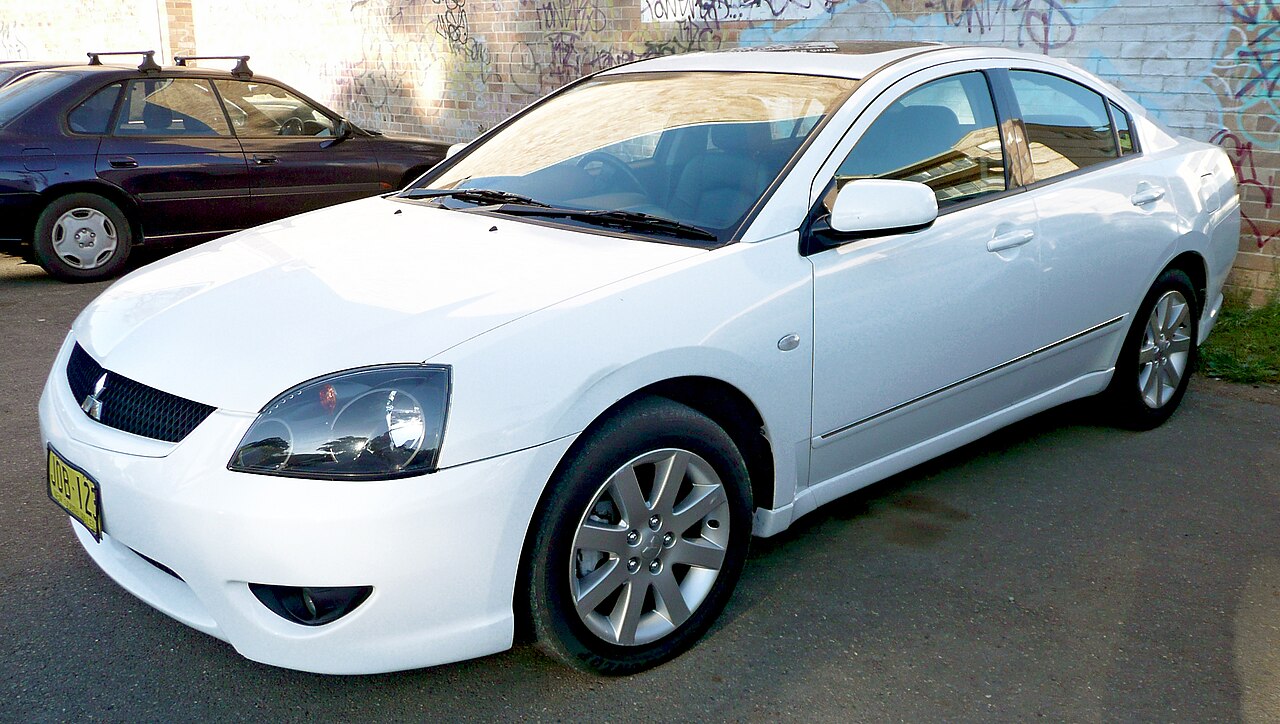
Mitsubishi's new Adelaide body press was so precise that 380 panels varied by just 0.7 mm body-to-body, roughly half the industry's usual tolerance in 2005.
Lead trim: 380 3.8 6G75 V6 five-speed manual (175 kW / 235 hp)
Mitsubishi 380 DB2005–2008
- 0spots by members
- Unclaimednobody has spotted one yet
- 0sets it belongs to
Nobody in Burbles has spotted a Mitsubishi 380 DB yet. See one on the street, point the app at it, and the first card is yours — with your @handle permanently credited on this page.
FactMitsubishi's new Adelaide body press was so precise that 380 panels varied by just 0.7 mm body-to-body, roughly half the industry's usual tolerance in 2005.
The Mitsubishi 380 (model code DB) is a mid-size sedan produced from October 2005 to March 2008 at Clovelly Park, Adelaide, the successor to the Magna/Verada line and the last Australian-built Mitsubishi, heavily based on the ninth-generation Galant designed in the United States (codename PS41; the long-wheelbase PS41L planned for 2007 was abandoned in 2004 when DaimlerChrysler pulled out of the alliance). MMAL spent over A$600 million (including $250 million on upgrading the Adelaide plant with a new body press that casts each body side from a single piece of steel) on a "make or break" car that competed with the Toyota Aurion against the rear-wheel-drive Falcon and Commodore, changing 70 percent of the Galant for Australian roads with a full-size spare, better towing members and a stiffer body. Its sole powerplant was an all-new 3.8-litre 6G75 V6 (also LPG-compatible) with 175 kW (235 hp) and 343 N·m for a 0–100 km/h time of 7.6 seconds, with a five-speed manual or five-speed sequential automatic (the same acceleration figures), and unlike the Magna the VRX and GT sports models had no higher-output engine. It went on sale on 13 October 2005 as the base 380, LS, LX, VRX and GT; the April 2006 Series II cut the entry ES from A$34,490 to $27,990 and added the SX, and the July 2007 Series III brought subtle visual changes and a range of ES, SX, VRX and GT (with limited Sports Edition and VRX "Fusion Burst" variants). The name was chosen as a fresh start after Magna became synonymous with a slow-selling car, alongside an industry-first five-year / 130,000 km warranty. A total of 32,044 were built (30,195 sold in Australia) before the plant closed on 31 March 2008.
Collectors Spotted in the Mitsubishi 380 Lineage
No member has published a public street spot of the Mitsubishi 380 yet — the First · Worldwide stamp is wide open.
Trims & Figures
One published trim in the catalogue. A blank is a figure not recorded, not zero.
| Trim | Years | Engine | Power | Torque | 0–60 | Drive | Gearbox | MSRP |
|---|---|---|---|---|---|---|---|---|
| 380 3.8 6G75 V6 five-speed manual (175 kW / 235 hp) | 2005–2008 | 3.8 L V6 | 235 hp | 253 lb-ft | — | FWD | — | — |
Owning one
We don’t estimate running costs for a car like this. What it costs depends on its condition, its specialist and how it is driven, and an average would mislead.
Owners’ builds
Nobody has claimed one yet.
Photographs
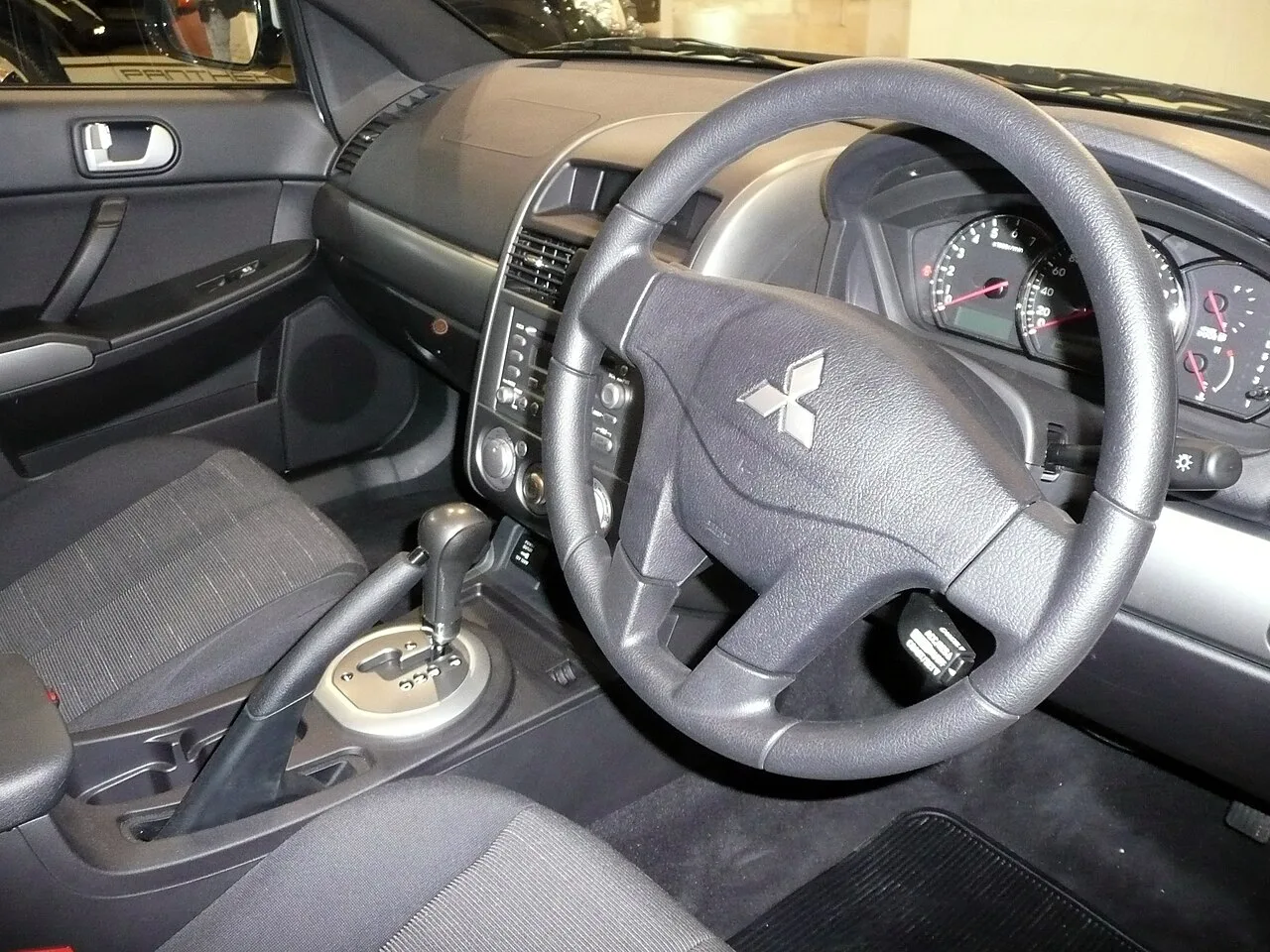
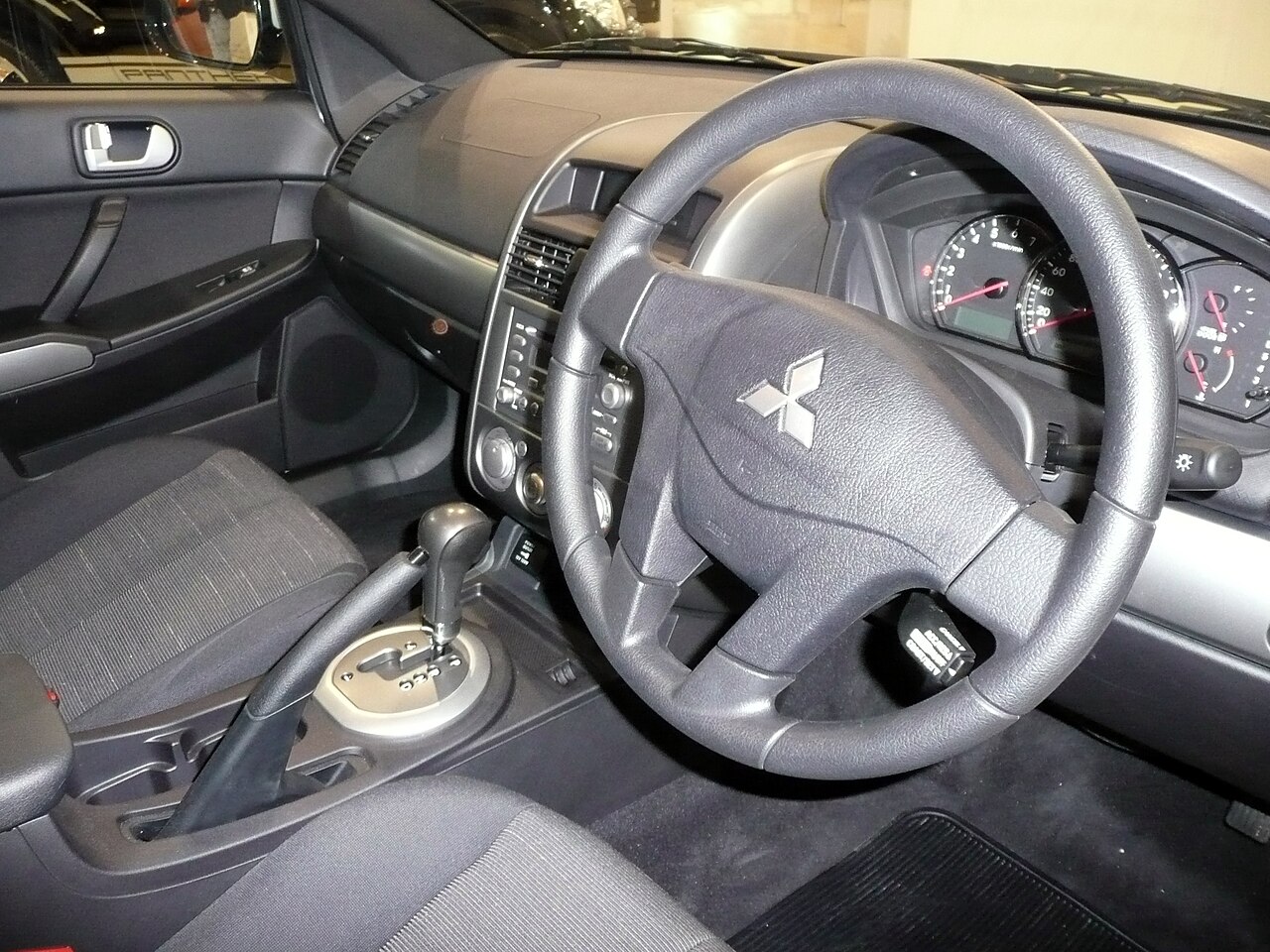
Mitsubishi's Australian tuner built just 20 examples of the TMR380 before the factory that made it closed for good — every single one is individually numbered.
Mitsubishi's new Adelaide body press was so precise that 380 panels varied by just 0.7 mm body-to-body, roughly half the industry's usual tolerance in 2005.
Rivals
Same body, same money, other badges — tap any card to flip.

It briefly served as senior sibling to Marquette, a GM companion brand cancelled after just one year.

Nissan hired former BMW engineers to help develop the 510's suspension, which is why period reviewers frequently compared its handling to the BMW 1600/2002.

A Trabant 601 won its class at the 1970 Monte Carlo Rally, with a second 601 right behind it in second.

The 600 was a stopgap: the P50's body over the 601's mechanicals, and for a while its estate was built alongside the new 601 saloon.

The G80 Sport brought a 370 PS twin-turbo 3.3 V6, a mesh grille and copper-tinted chrome with copper stitching to match.

The Vigor was sold only with a five-cylinder engine, an unusual configuration Honda used to fit a longer engine transversely under a short hood.

The GS/E coupe earned the nickname "German Charger" for its long hood, short deck stance borrowed from Detroit muscle cars.

This DeVille/Fleetwood was the first production car anywhere to mount its V8 sideways, Cadillac's front-drive gamble on the new C-body.