In 1972 the Cyclone name dropped to a Montego option package for one year only — just 30 were built, making it one of the rarest Mercurys ever.
Lead trim: Montego 250 cu in six (1972–1974) · up to 220 hp
Mercury Montego1972–1976
- 0spots by members
- Unclaimednobody has spotted one yet
- 0sets it belongs to
Nobody in Burbles has spotted a Mercury Montego yet. See one on the street, point the app at it, and the first card is yours — with your @handle permanently credited on this page.
FactIn 1972 the Cyclone name dropped to a Montego option package for one year only — just 30 were built, making it one of the rarest Mercurys ever.
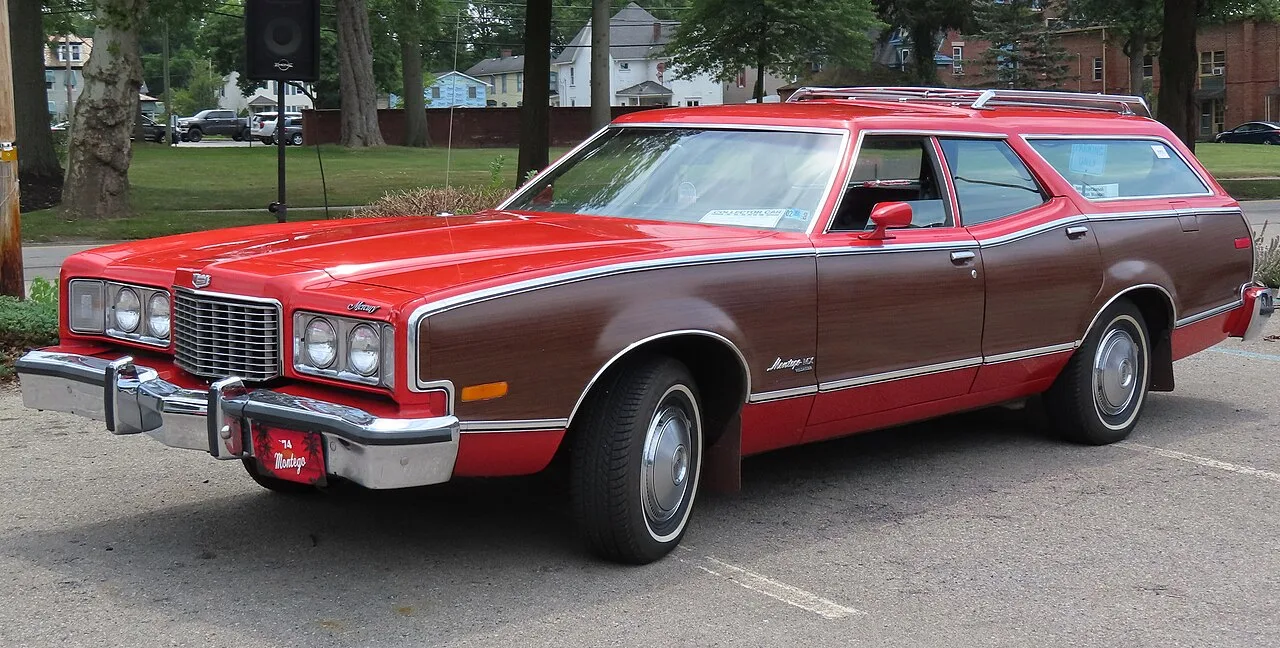
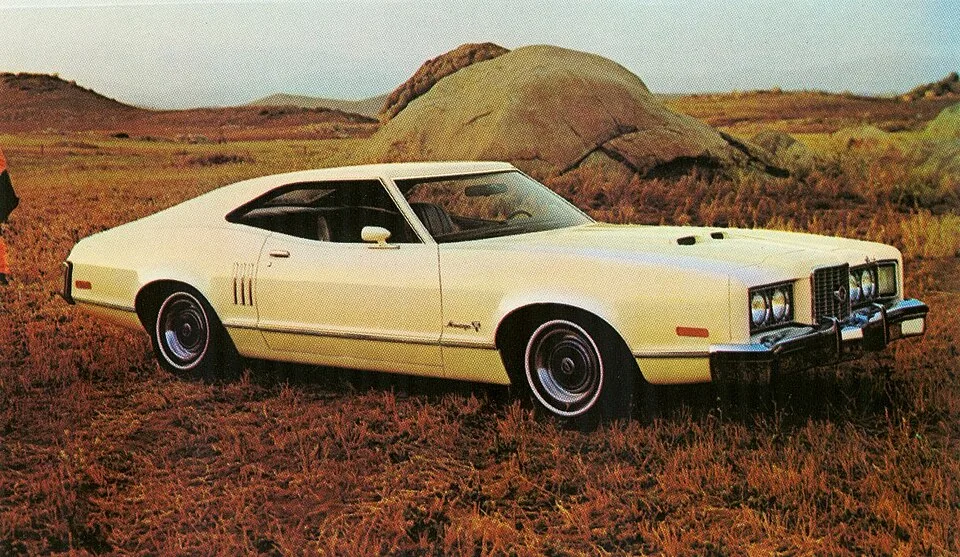
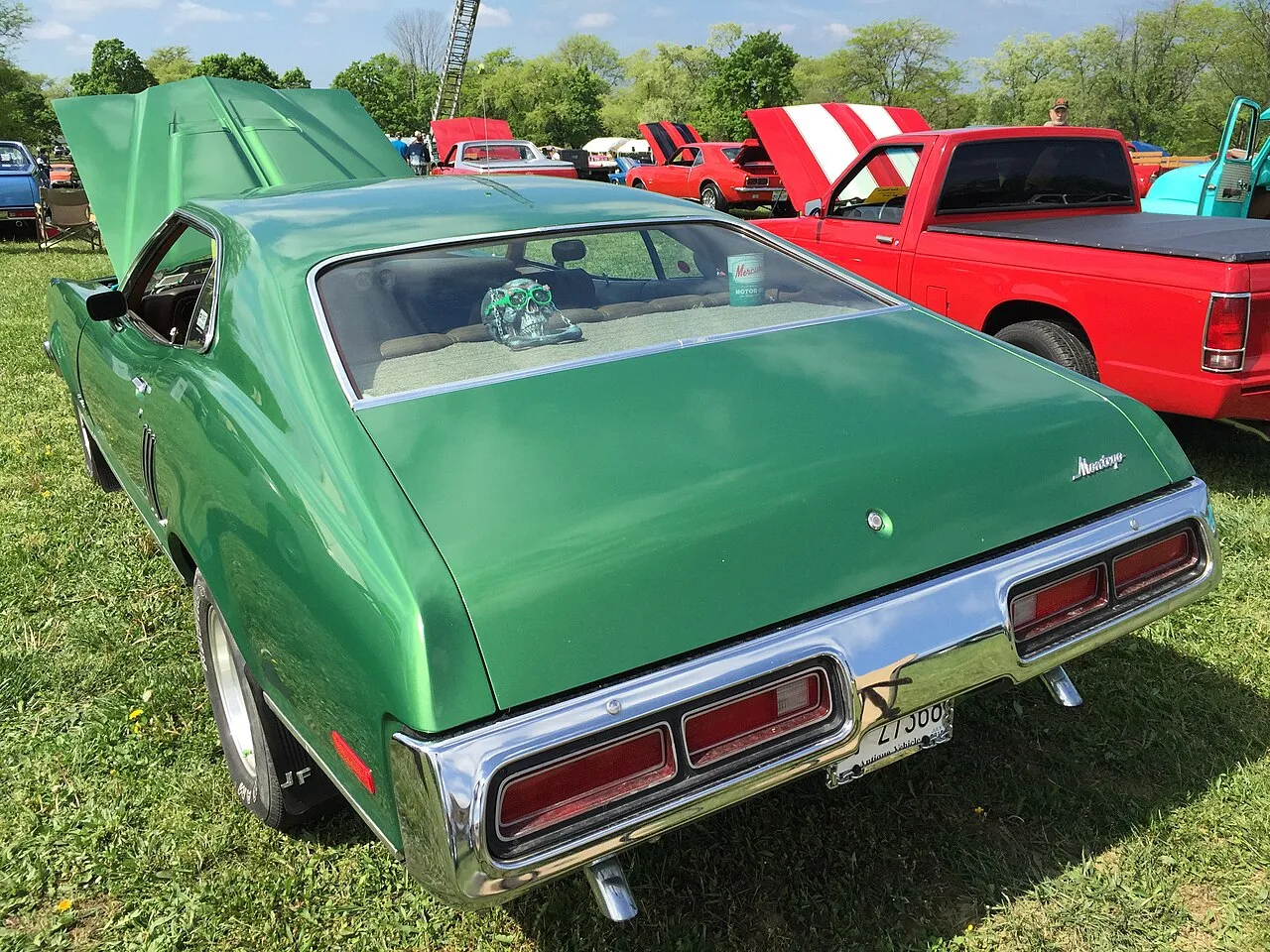
For 1972 the second-generation Montego was introduced alongside the redesigned Ford Torino. In a major design shift, intermediate-size Ford and Mercury lines moved from unibody to body-on-frame construction; like the General Motors A-platform, the Montego adopted a split-wheelbase chassis (114 in for two-doors, 118 in for four-doors and station wagons; 215.5 in and 223.1 in long). True four-door hardtops were replaced by "pillared hardtops", while two-door Montegos retained hardtop roofs, though with much wider C-pillars. The Cyclone had reverted to an option package for 1972 (only 30 built), and as its replacement Mercury introduced the Montego GT, a counterpart of the Ford Gran Torino SportsRoof, offered from 1972 to 1973. The standard engine was a 250 cubic-inch inline-six, with five different V8s optional (302, 351, 390, 400 and 460 on the infobox); starting in 1974 the Montego was available with a 460 V8 shared with the Marquis/Colony Park. The redesign was initially a success, with 1972 sales up 136% over 1971. For 1974 the Cougar XR7 adopted the body of the Montego two-door hardtop and the fastback Montego GT hardtop was dropped; for 1975 all Ford/Mercury intermediates dropped the inline-six and 302 V8, a 351 V8 became the standard engine and 400 and 460 V8s were optional; for 1976 the Montego saw only nominal changes, centered on improving fuel efficiency. For 1977 Mercury rebranded the Montego as the fourth generation of the Cougar. The page gives no horsepower ratings.
Collectors Spotted in the Mercury Montego Lineage
No member has published a public street spot of the Mercury Montego yet — the First · Worldwide stamp is wide open.
Trims & Figures
6 published trims in the catalogue. A blank is a figure not recorded, not zero.
| Trim | Years | Engine | Power | Torque | 0–60 | Drive | Gearbox | MSRP |
|---|---|---|---|---|---|---|---|---|
| Montego 250 cu in six (1972–1974) | 1972–1974 | 4.1 L Inline-6 | 95 hp | — | — | — | — | — |
| Montego 351 cu in V8 | 1972–1976 | 5.8 L V8 | — | — | — | — | — | — |
| Montego 400 cu in V8 (1975–1976 option) | 1975–1976 | 6.6 L V8 | 144 hp | 255 lb-ft | — | — | — | — |
| Montego 460 cu in V8 (1974–1976) | 1974–1976 | 7.5 L V8 | 220 hp | — | — | — | — | — |
| Montego sedan / station wagon | 1972–1976 | — | — | — | — | RWD | — | — |
| Montego two-door coupe | 1972–1976 | — | — | — | — | RWD | — | — |
Owning one
We don’t estimate running costs for a car like this. What it costs depends on its condition, its specialist and how it is driven, and an average would mislead.
Owners’ builds
Nobody has claimed one yet.
Photographs
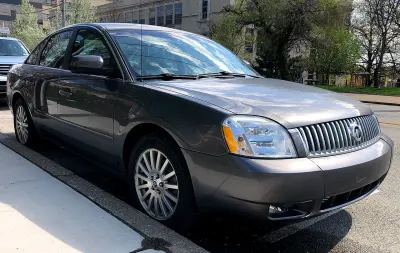
This Montego rode almost the same wheelbase as the full-size Grand Marquis but weighed nearly 500 pounds less — the new unibody D3 platform traded body-on-frame heft for mass savings.
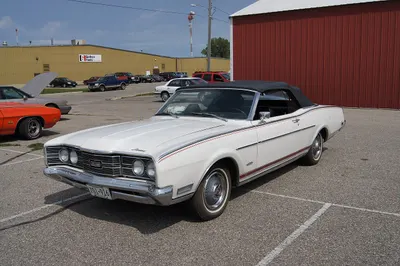
The Montego GT only existed for two model years: Mercury's fastback answer to the Ford Gran Torino SportsRoof, built to replace the departed Cyclone.
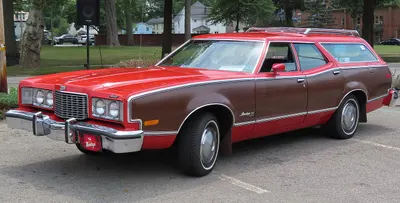
In 1972 the Cyclone name dropped to a Montego option package for one year only — just 30 were built, making it one of the rarest Mercurys ever.
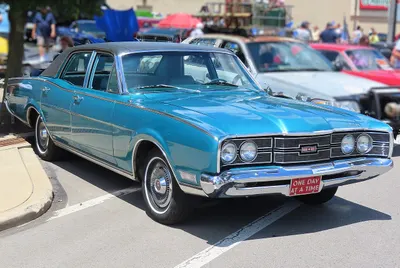
This Montego didn't just launch a new name — by 1970 it had fully swallowed its own parent: Mercury dropped the venerable Comet name from its intermediate lineup entirely.
Rivals
Same body, same money, other badges — tap any card to flip.

It briefly served as senior sibling to Marquette, a GM companion brand cancelled after just one year.

Nissan hired former BMW engineers to help develop the 510's suspension, which is why period reviewers frequently compared its handling to the BMW 1600/2002.

A Trabant 601 won its class at the 1970 Monte Carlo Rally, with a second 601 right behind it in second.

The 600 was a stopgap: the P50's body over the 601's mechanicals, and for a while its estate was built alongside the new 601 saloon.

The G80 Sport brought a 370 PS twin-turbo 3.3 V6, a mesh grille and copper-tinted chrome with copper stitching to match.

The Vigor was sold only with a five-cylinder engine, an unusual configuration Honda used to fit a longer engine transversely under a short hood.

The GS/E coupe earned the nickname "German Charger" for its long hood, short deck stance borrowed from Detroit muscle cars.

This DeVille/Fleetwood was the first production car anywhere to mount its V8 sideways, Cadillac's front-drive gamble on the new C-body.