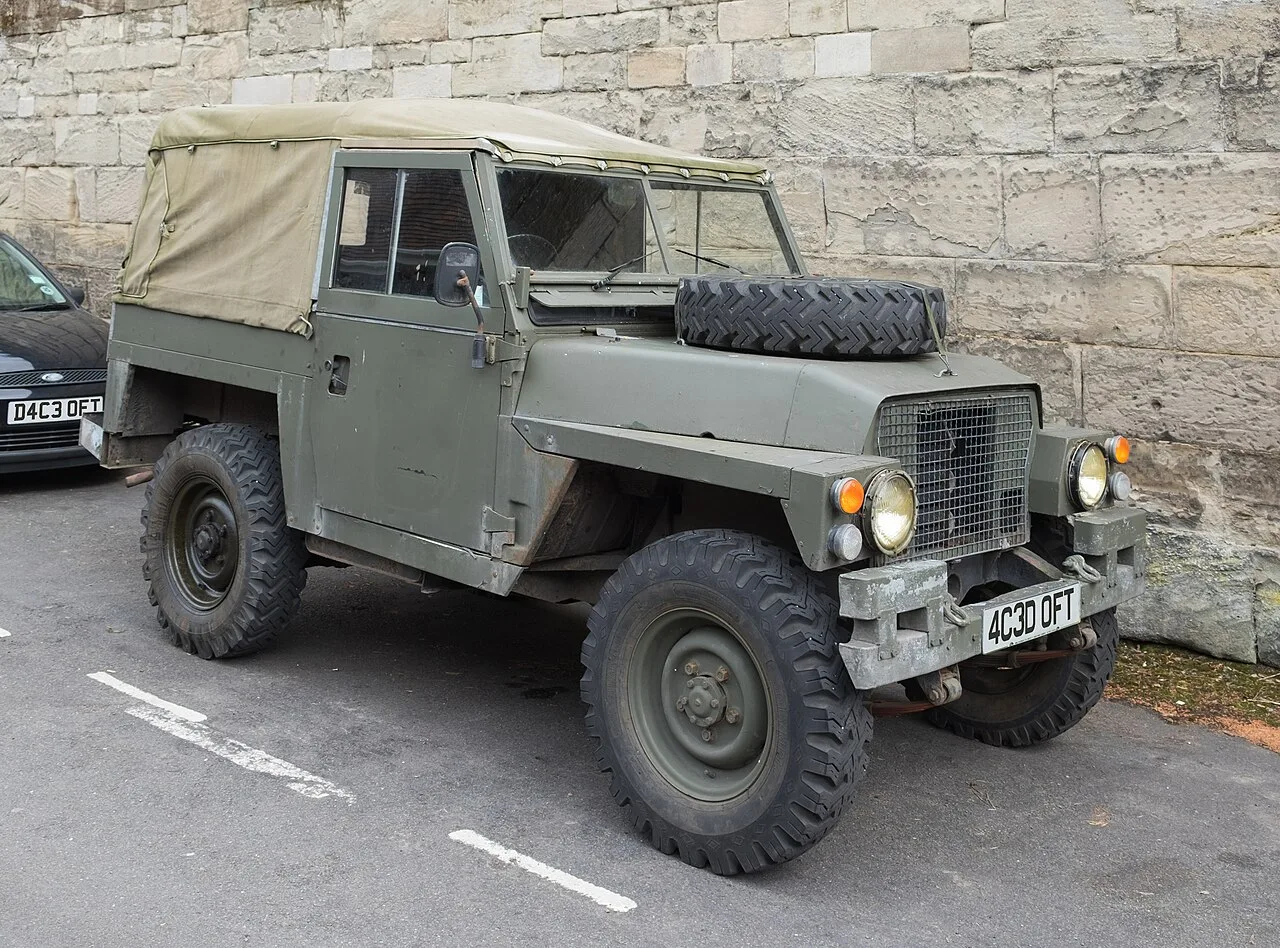
The one-millionth Land Rover ever built rolled off this line in 1976, still riding on leaf springs from the 1940s.
Median 98 hp across 50 similar cars
Lead trim: Series III 2.25 petrol (73 hp) · up to 91 hp
Land Rover Series III1971–1985
- 0spots by members
- Unclaimednobody has spotted one yet
- 0sets it belongs to
Nobody in Burbles has spotted a Land Rover Series III yet. See one on the street, point the app at it, and the first card is yours — with your @handle permanently credited on this page.
FactThe one-millionth Land Rover ever built rolled off this line in 1976, still riding on leaf springs from the 1940s.
The Series III (1971–1985) had the same body and engine options as the preceding IIA, including station wagons and the One-Ton versions, and is the most common Series vehicle, with 440,000 built. The headlights moved to the wings (from late IIA in 1968/9), the metal grille was replaced by a plastic one, the simple metal dashboard was redesigned to take a moulded plastic dash with the instruments moved to the driver's side, and the 2.25-litre engine's compression rose from 7:1 to 8:1. The 1,000,000th Land Rover rolled off the line in 1976; it was the first model with synchromesh on all four gears; long-wheelbase versions had the Salisbury rear axle as standard; in 1980 the 2.25-litre petrol and diesel gained five-bearing crankshafts; and in April 1982 the "County" spec Station Wagon arrived with Leyland T-45 lorry cloth seats, soundproofing and tinted glass, along with a High Capacity Pick Up on the 109-inch chassis. North American factory sales ended in 1974. The Stage 1 V8 (1979–1985), built with components of the Range Rover and 101 Forward Control (LT95 gearbox, 3.5-litre Rover V8), was detuned to 91 hp from the Range Rover's 135 bhp because Toyota Land Cruisers and Nissan Patrols with six-cylinder engines were making inroads in Australia and Africa; a V8 Land Rover with the Range Rover's constant 4WD was a considerable advance, though it still used leaf springs and was normally available only as a 109-inch LWB.
Collectors Spotted in the Land Rover Series Lineage
No member has published a public street spot of the Land Rover Series yet — the First · Worldwide stamp is wide open.
Trims & Figures
4 published trims in the catalogue. A blank is a figure not recorded, not zero.
| Trim | Years | Engine | Power | Torque | 0–60 | Drive | Gearbox | MSRP |
|---|---|---|---|---|---|---|---|---|
| Series III 2.25 diesel (62 hp) | 1971–1985 | 2.3 L Inline-4 | 62 hp | 103 lb-ft | — | 4WD | — | — |
| Series III 2.25 petrol (73 hp) | 1971–1985 | 2.3 L Inline-4 | 73 hp | 120 lb-ft | — | 4WD | — | — |
| Series III 2.6 six (86 hp) | 1971–1985 | 2.6 L Inline-6 | 86 hp | 132 lb-ft | — | 4WD | — | — |
| Series III Stage 1 3.5 Rover V8 (91 hp) | 1979–1985 | 3.5 L V8 | 91 hp | 166 lb-ft | — | 4WD | — | — |
Owning one
An estimate, for the Series III 2.25 diesel (62 hp) trim: fuel on its EPA figure and a dated national price, upkeep on a per-mile average for the kind of car it is.
Owners’ builds
Nobody has claimed one yet.
Photographs
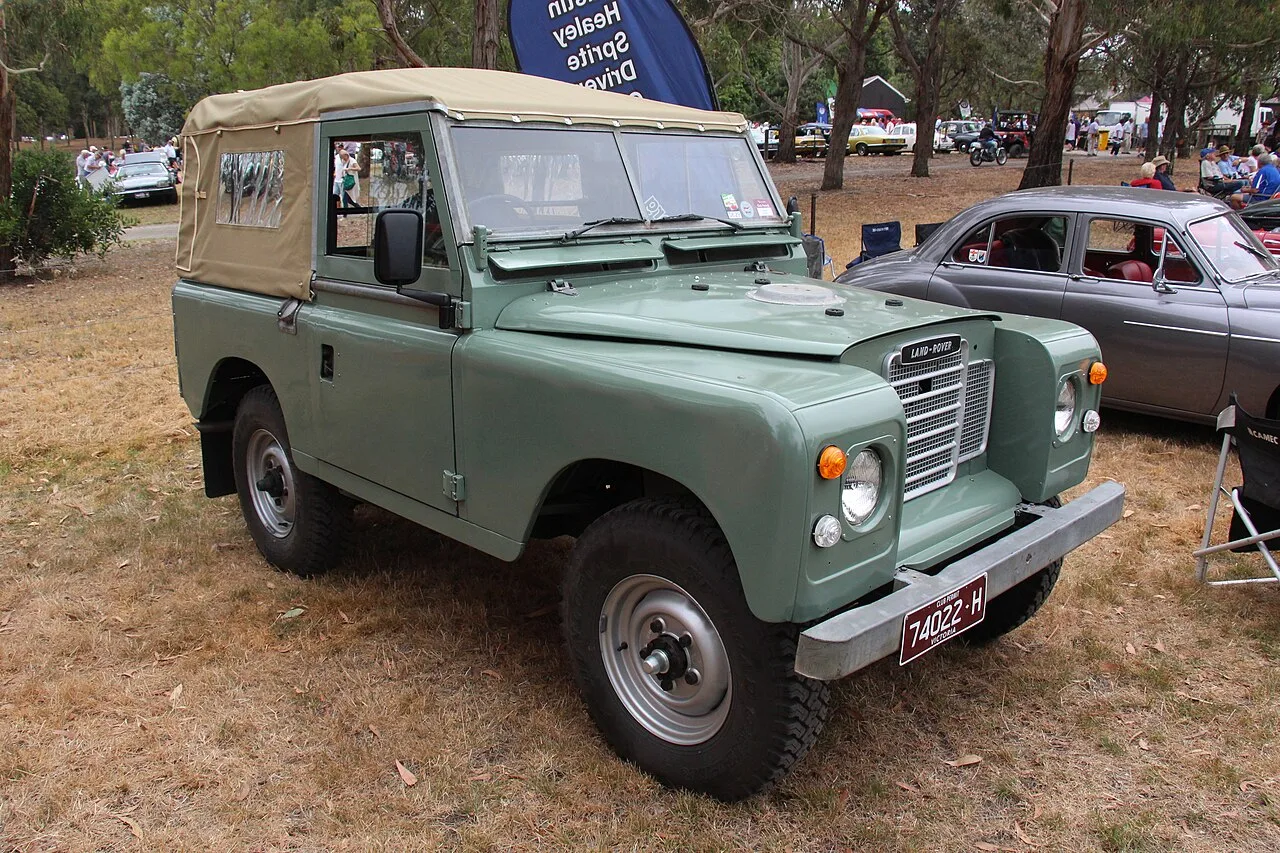
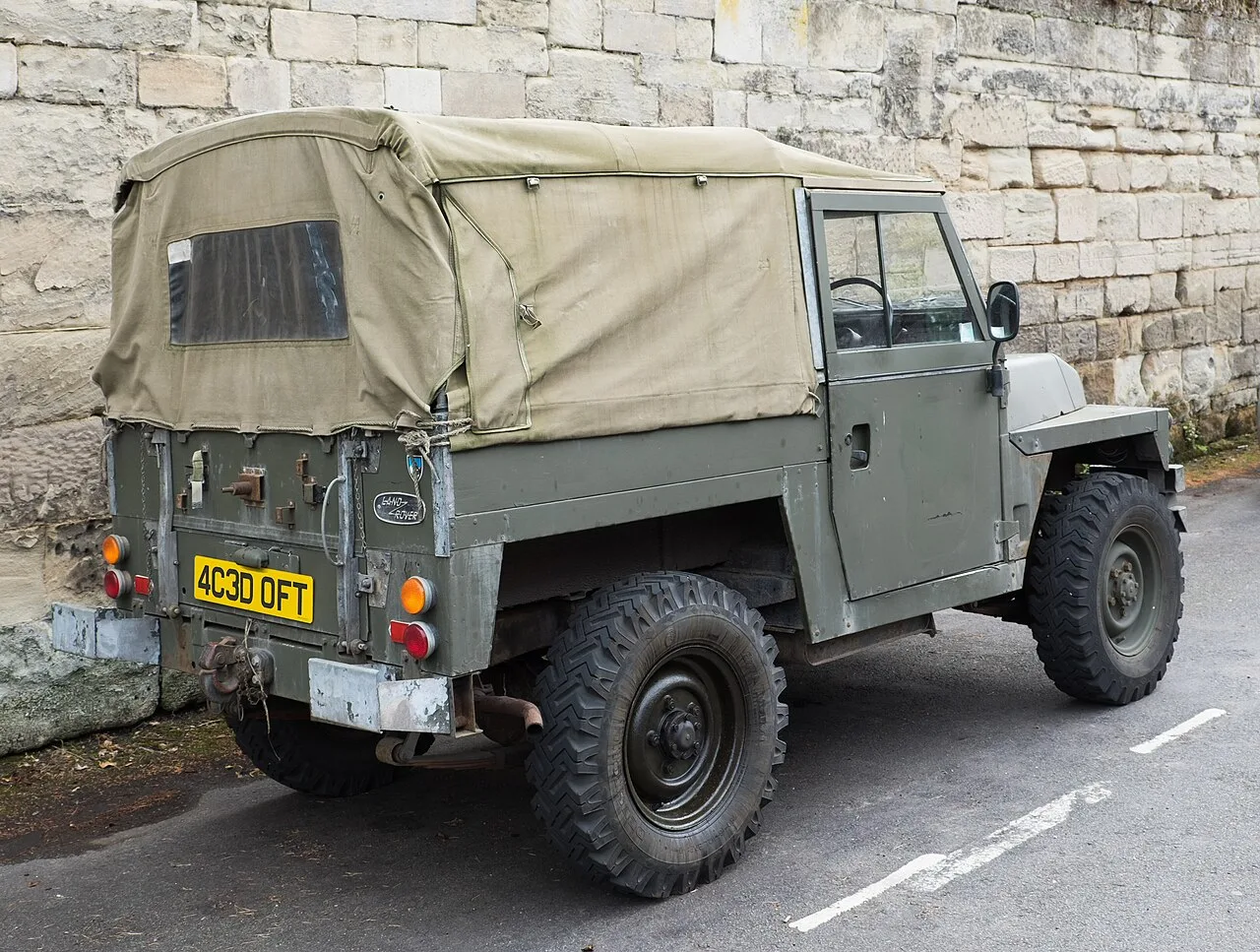
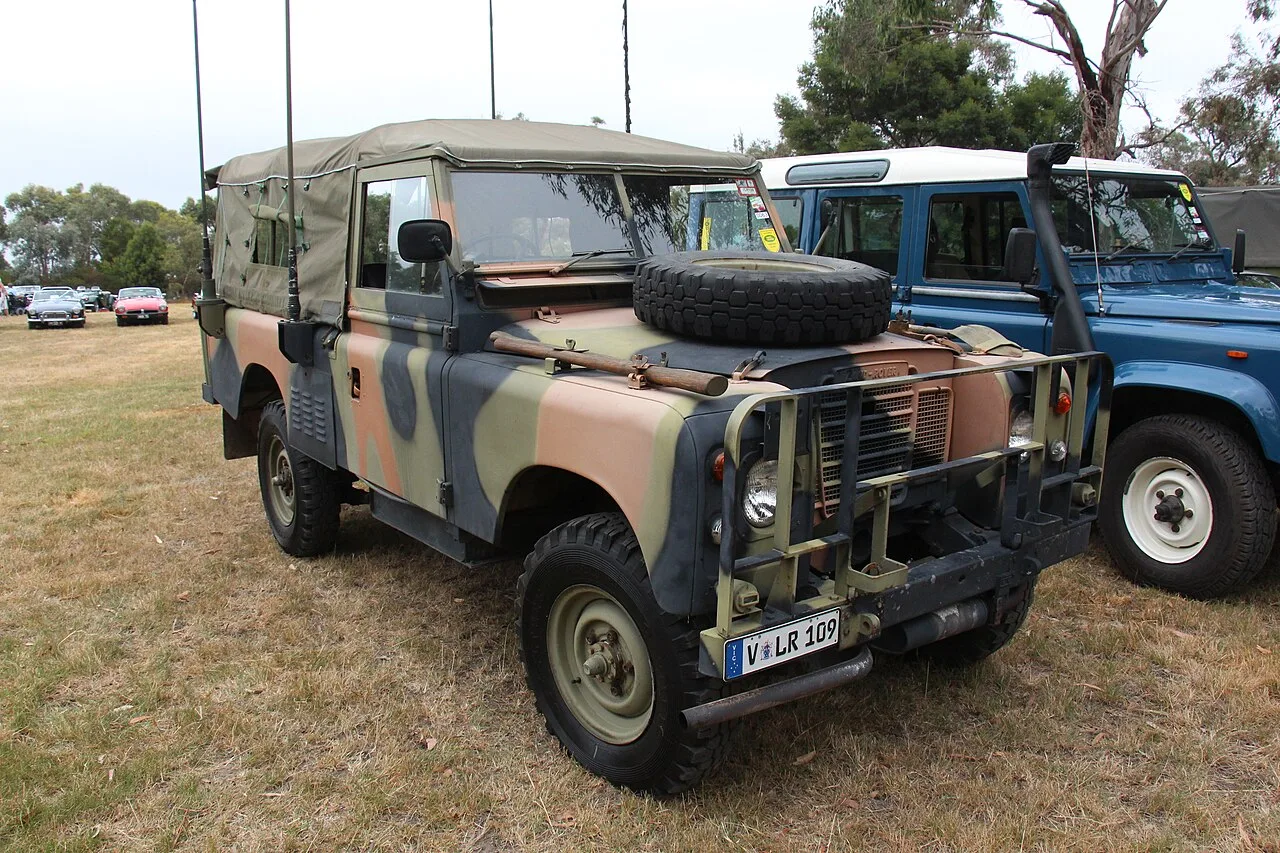
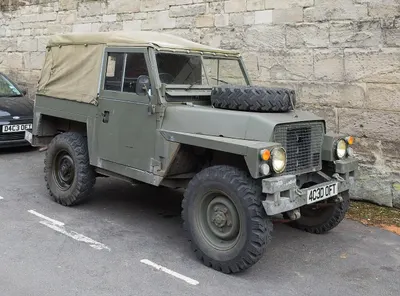
The one-millionth Land Rover ever built rolled off this line in 1976, still riding on leaf springs from the 1940s.
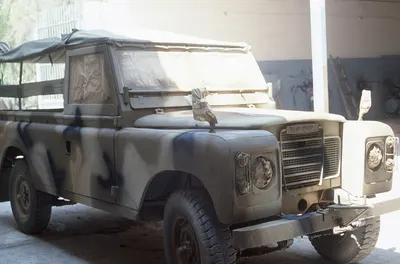
This is the Land Rover of every film set in Africa, built in the years its home sales peaked at over 60,000 a year.
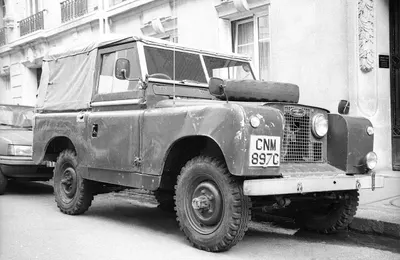
Britain's tax law once classed anything with twelve seats or more as a bus, so this Land Rover got two extra seats to dodge Purchase Tax.
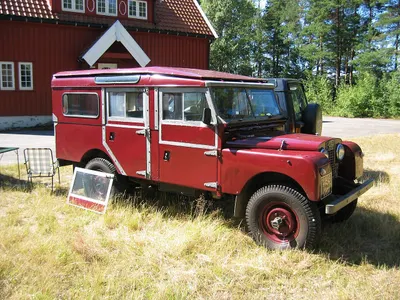
The very first Land Rover prototype put the steering wheel dead-center of the dashboard — a layout so odd it became known as the 'centre steer.'
Rivals
Same body, same money, other badges — tap any card to flip.
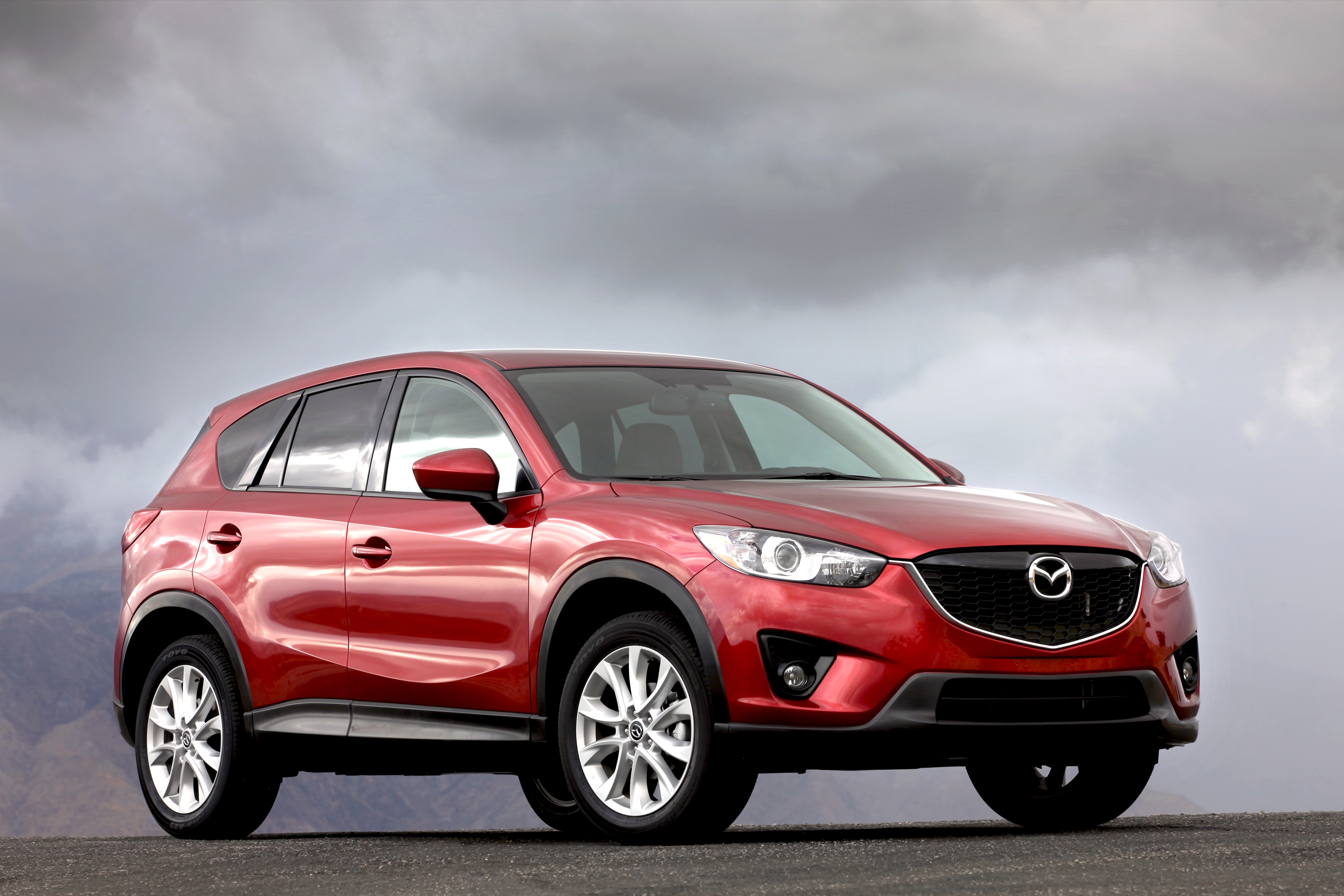
IIHS only crash-tests the driver's corner; tested on the passenger side instead, the CX-5 showed far worse intrusion.
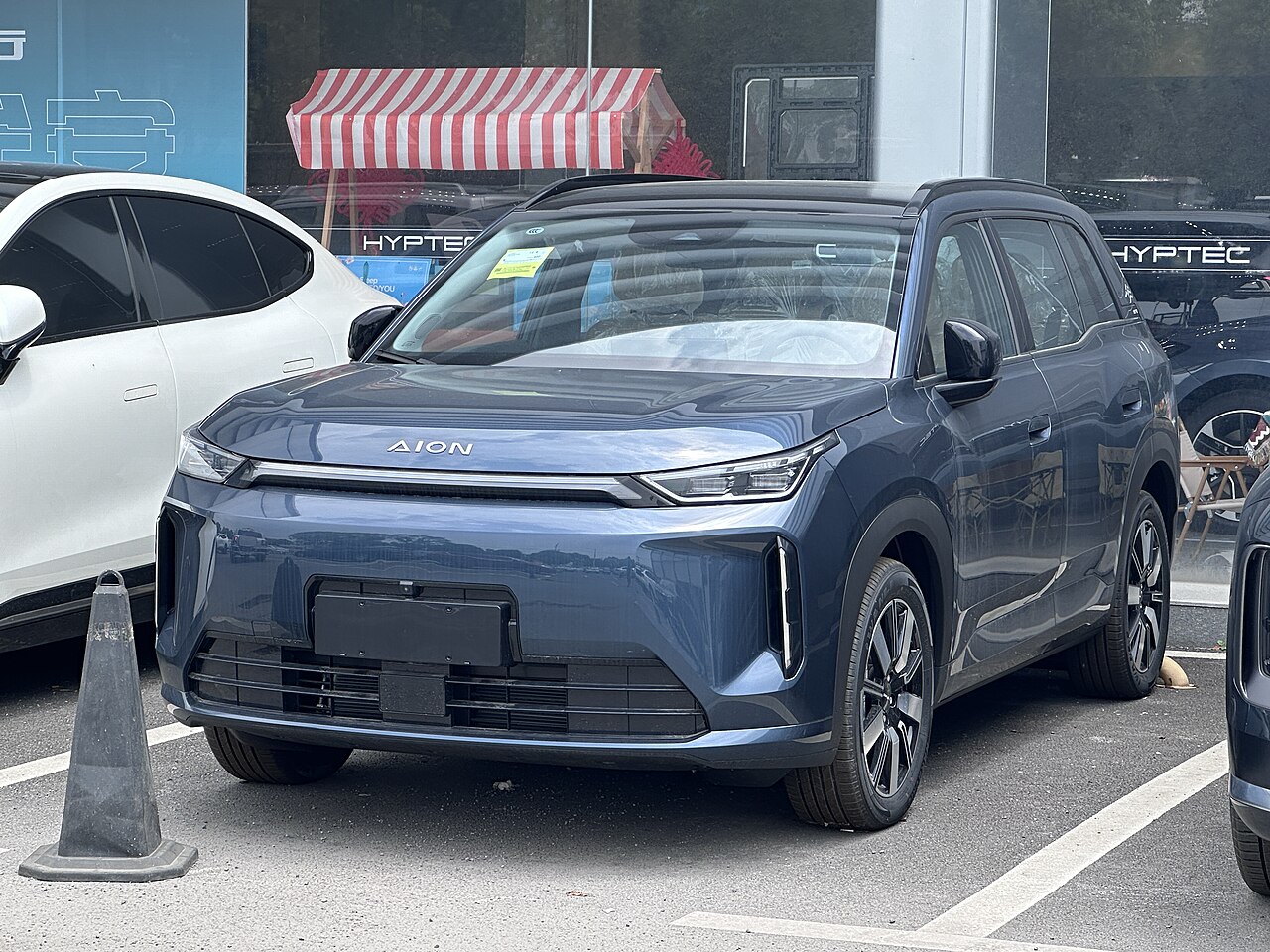
Despite launching from a standing start in late 2025, the i60 topped GAC Aion's own sales chart through January's seasonal slowdown.
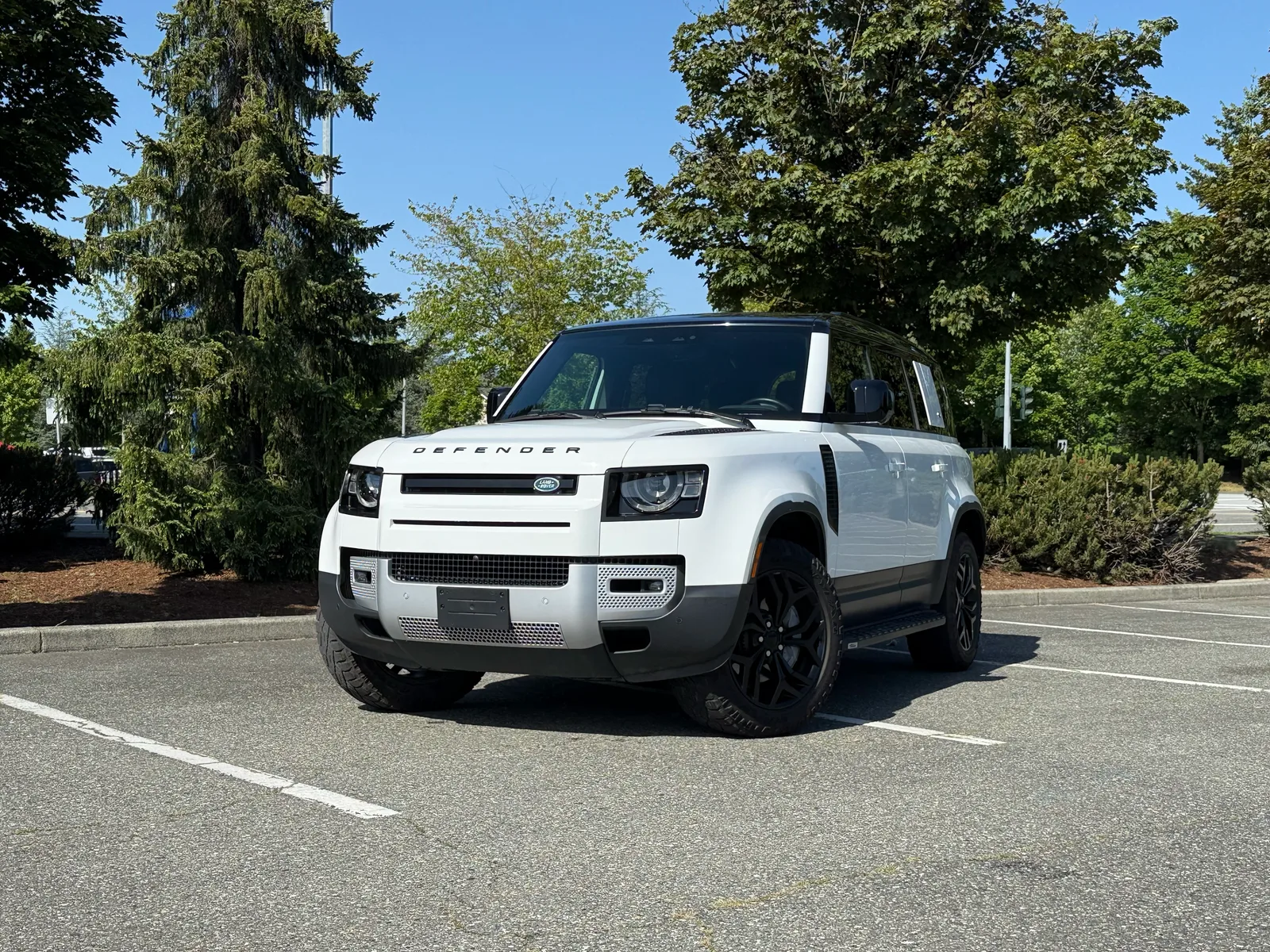
Every Defender before this one was body-on-frame — this generation broke decades of tradition with an aluminium unibody structure instead.
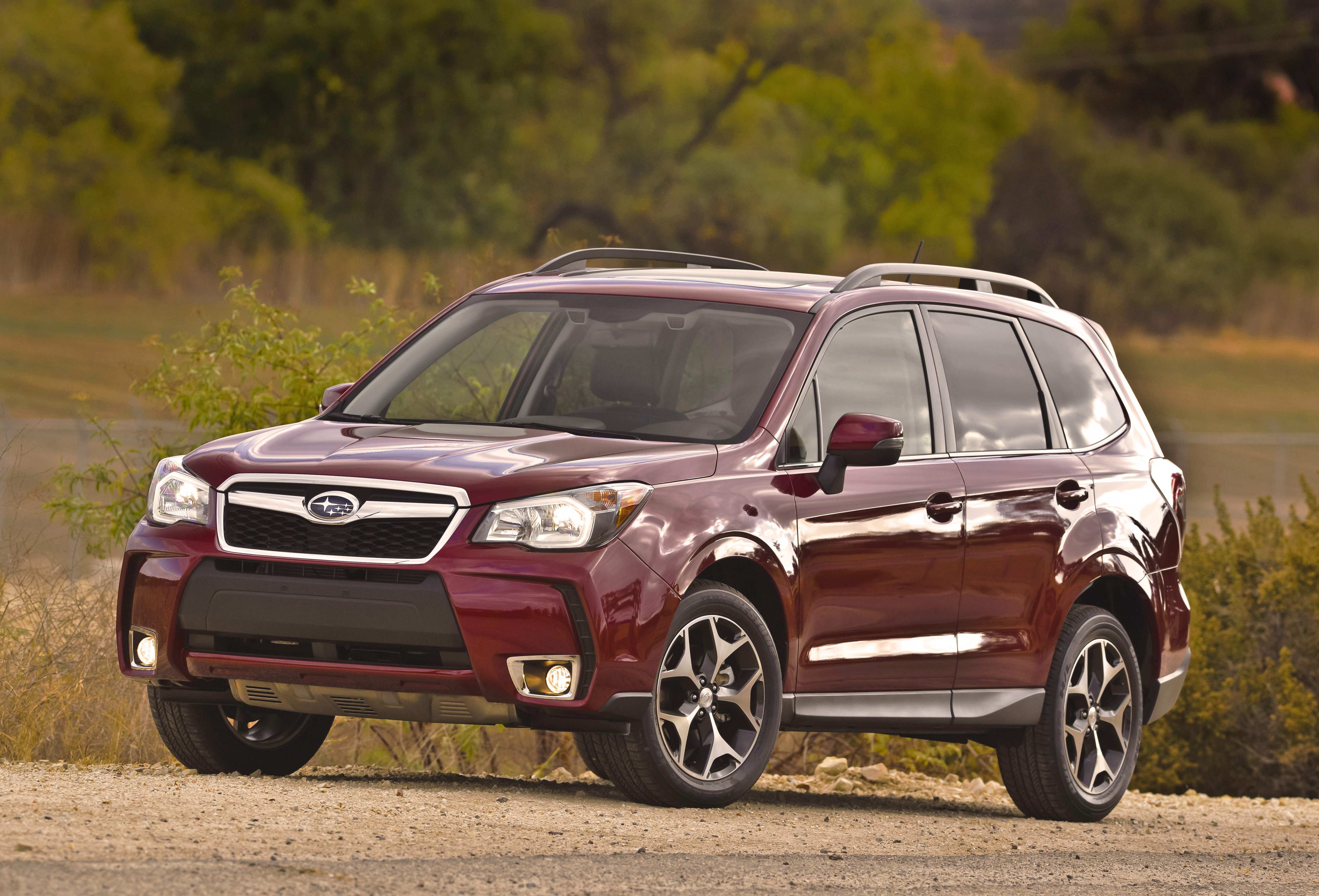
Crashed on the passenger side instead of the driver's, the 2014 Forester showed far more intrusion and would have rated Marginal with the IIHS.
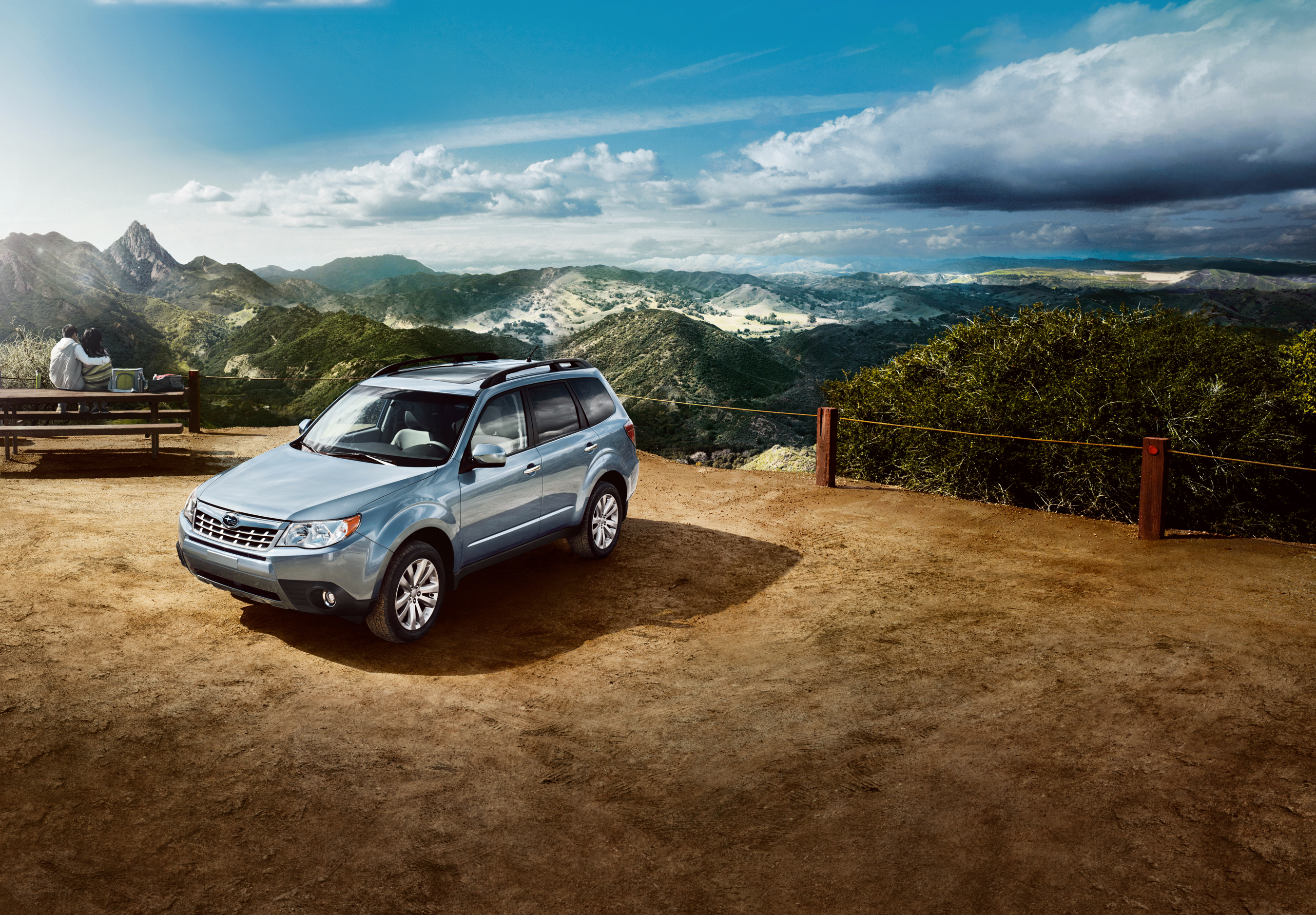
Subaru built a 2.5XT for the National Ski Patrol with a diamond-plate floor, a 9,500-pound winch and a toboggan on the roof.
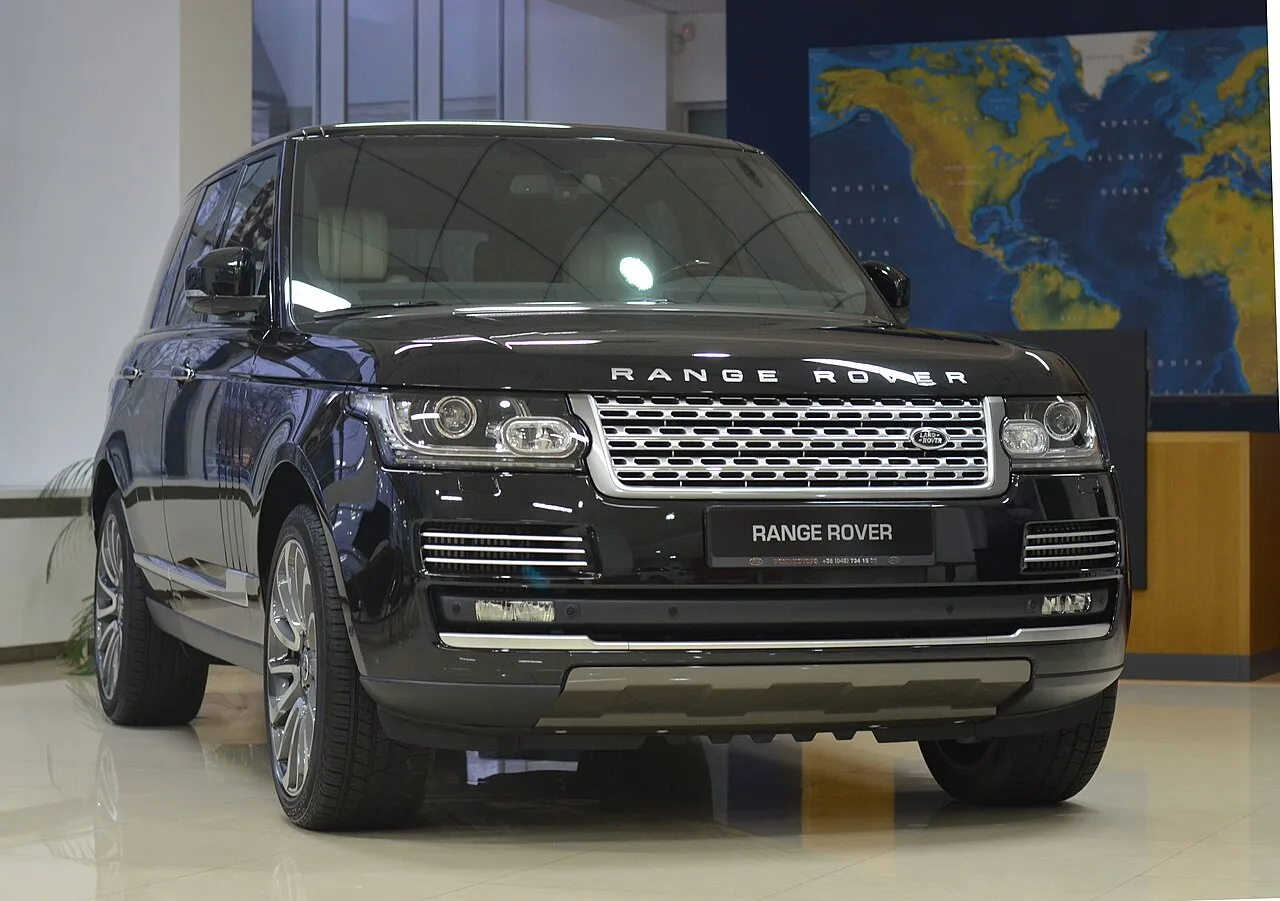
The L405 was the first Range Rover with a fully aluminum monocoque body, cutting up to 420 kg from the outgoing steel-bodied L322.
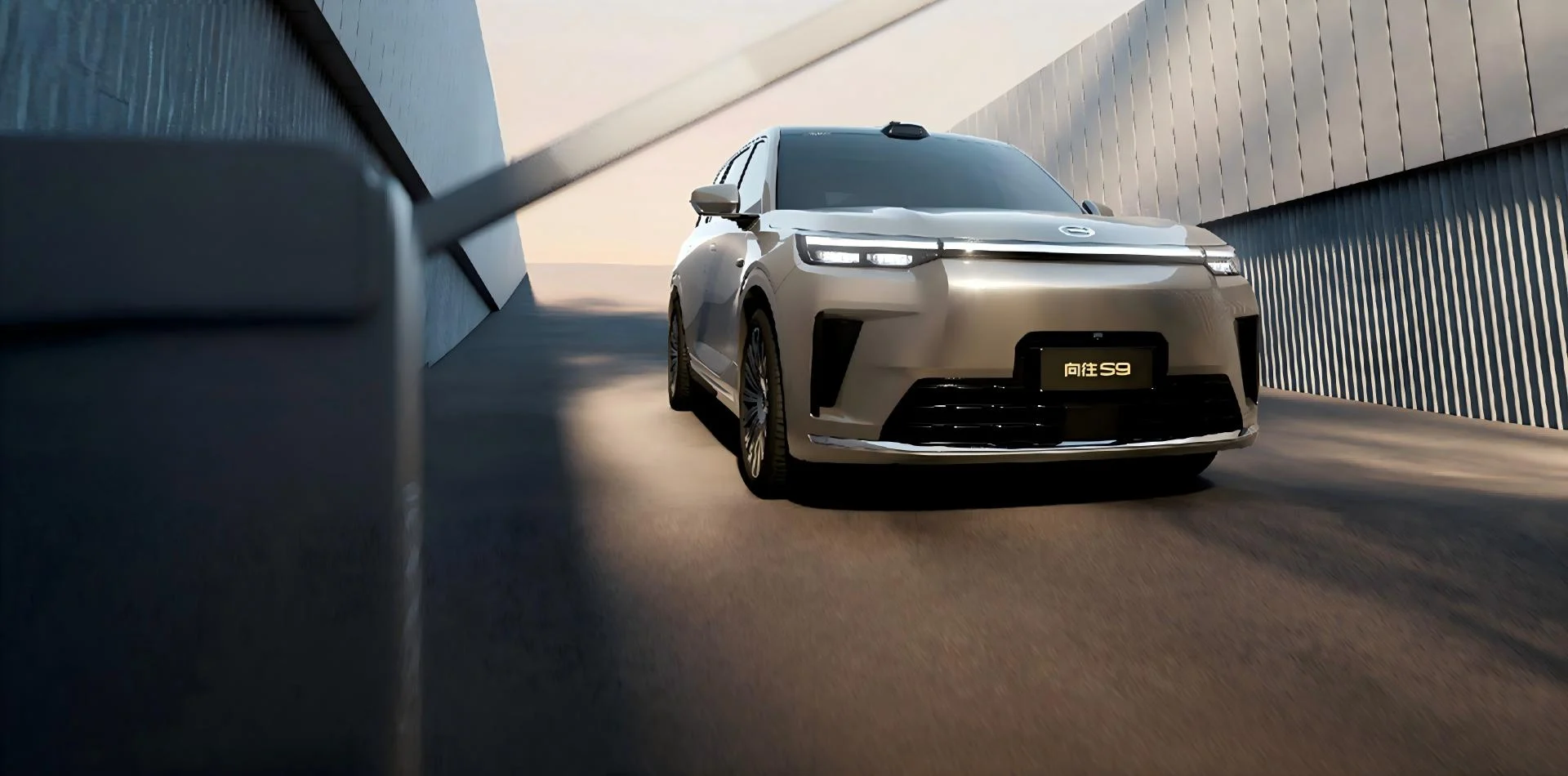
Rear passengers get a 17.3-inch screen that extends from the roof, and a lidar sensor sits in the front of the roof.
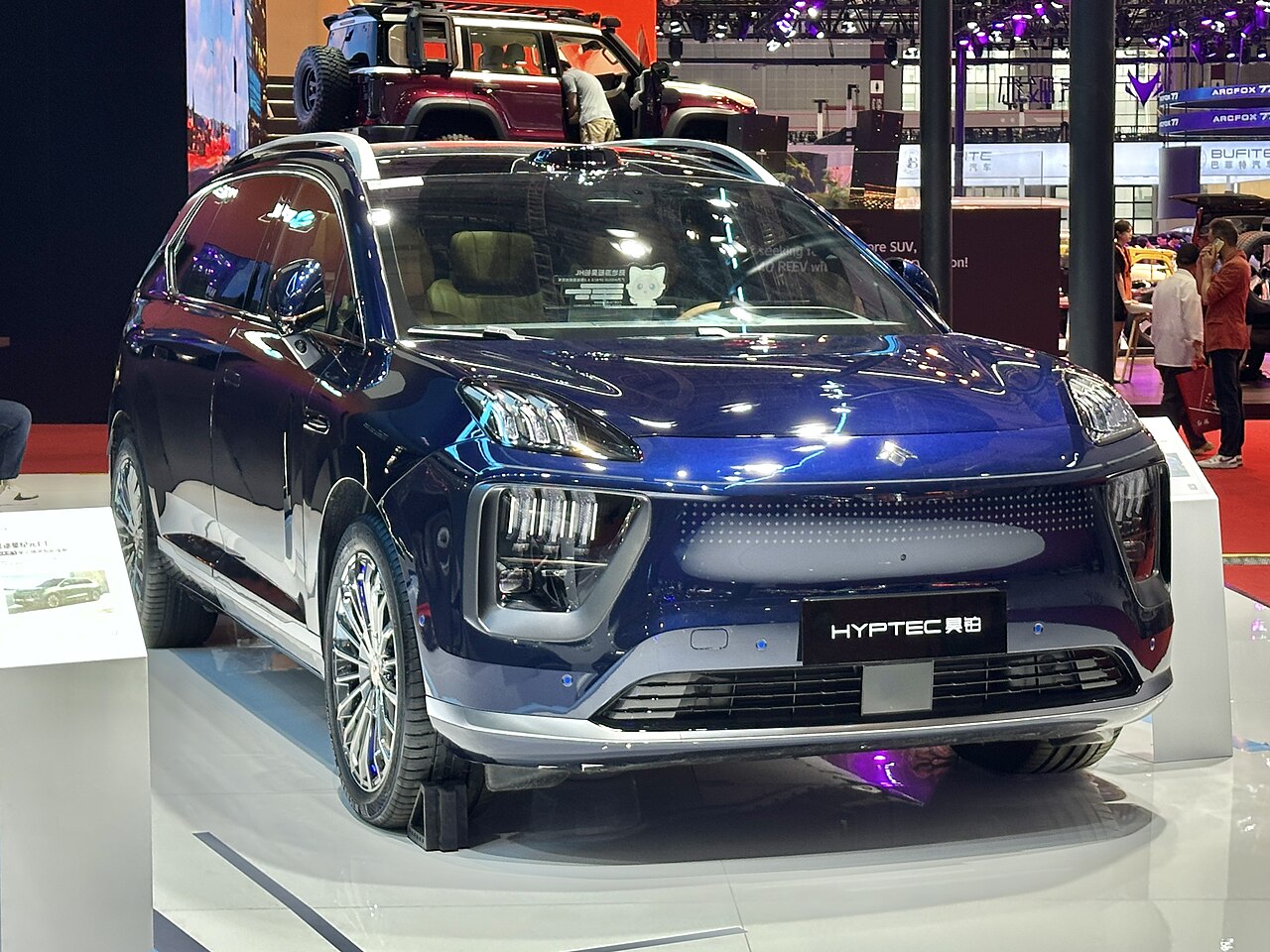
Its range-extender variant is rated for 1,200 km on a tank and charge, over three times the car's electric-only range.