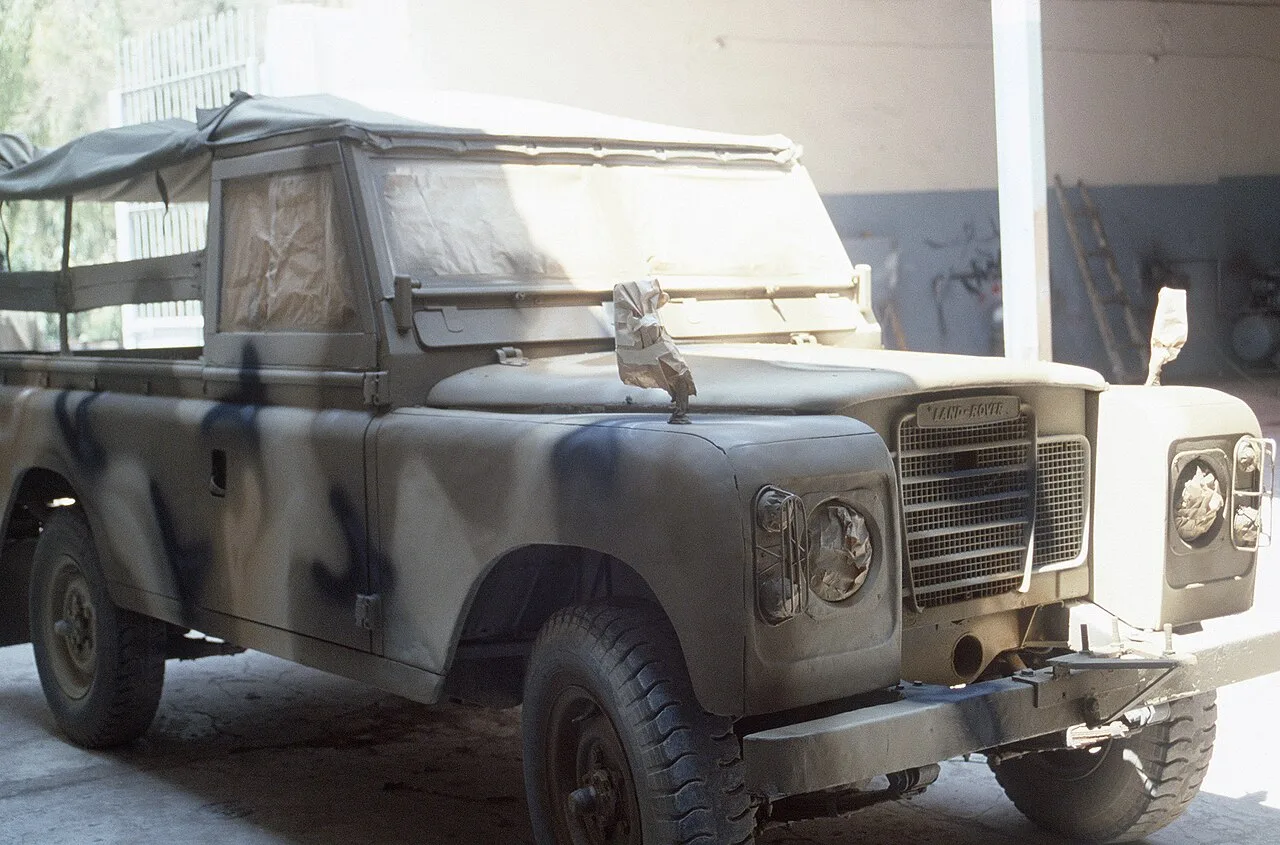
This is the Land Rover of every film set in Africa, built in the years its home sales peaked at over 60,000 a year.
Median 74 hp across 14 similar cars
Lead trim: Series IIA 2.25 petrol · up to 83 hp
Land Rover Series IIA1961–1971
- 0spots by members
- Unclaimednobody has spotted one yet
- 0sets it belongs to
Nobody in Burbles has spotted a Land Rover Series IIA yet. See one on the street, point the app at it, and the first card is yours — with your @handle permanently credited on this page.
FactThis is the Land Rover of every film set in Africa, built in the years its home sales peaked at over 60,000 a year.
The Series II and the Series IIA are very difficult to distinguish, with only minor cosmetic changes; body configurations ranged from the short-wheelbase soft-top to the top-of-the-line five-door station wagon. A 2.25-litre diesel was added to the engine line, which after 1967 included a 2.6-litre inline-six petrol for the long-wheelbase models, which also had servo-assisted brakes; 811 of these were NADA (North American Dollar Area) trucks, the only long-wheelbase models made for the American and Canadian markets. From February 1969 (home market) the headlamps moved into the wings on all models. The Series IIA is considered by many the most hardy Series model built and is the classic Land Rover of the public perception, from films and documentaries set in Africa such as Born Free; sales of utility Land Rovers peaked while it was in production, at over 60,000 a year in 1969–70, and in Australia in the 1960s Land Rover held 90% of the 4×4 market. In February 1968 the Land Rover celebrated its twentieth birthday with total production just short of 600,000, more than 70% exported. A rail-road version was developed with Dunlop, and the Series IIA Forward Control (1962) was a separate truck-based model.
Collectors Spotted in the Land Rover Series Lineage
No member has published a public street spot of the Land Rover Series yet — the First · Worldwide stamp is wide open.
Trims & Figures
3 published trims in the catalogue. A blank is a figure not recorded, not zero.
| Trim | Years | Engine | Power | Torque | 0–60 | Drive | Gearbox | MSRP |
|---|---|---|---|---|---|---|---|---|
| Series IIA 2.25 diesel | 1961–1971 | 2.3 L Inline-4 | 62 hp | 103 lb-ft | — | 4WD | — | — |
| Series IIA 2.25 petrol | 1961–1971 | 2.3 L Inline-4 | 74 hp | 120 lb-ft | — | 4WD | — | — |
| Series IIA 2.6 IOE six (long-wheelbase) | 1967–1971 | 2.6 L Inline-6 | 83 hp | 128 lb-ft | — | 4WD | — | — |
Owning one
An estimate, for the Series IIA 2.25 diesel trim: fuel on its EPA figure and a dated national price, upkeep on a per-mile average for the kind of car it is.
Owners’ builds
Nobody has claimed one yet.
Photographs
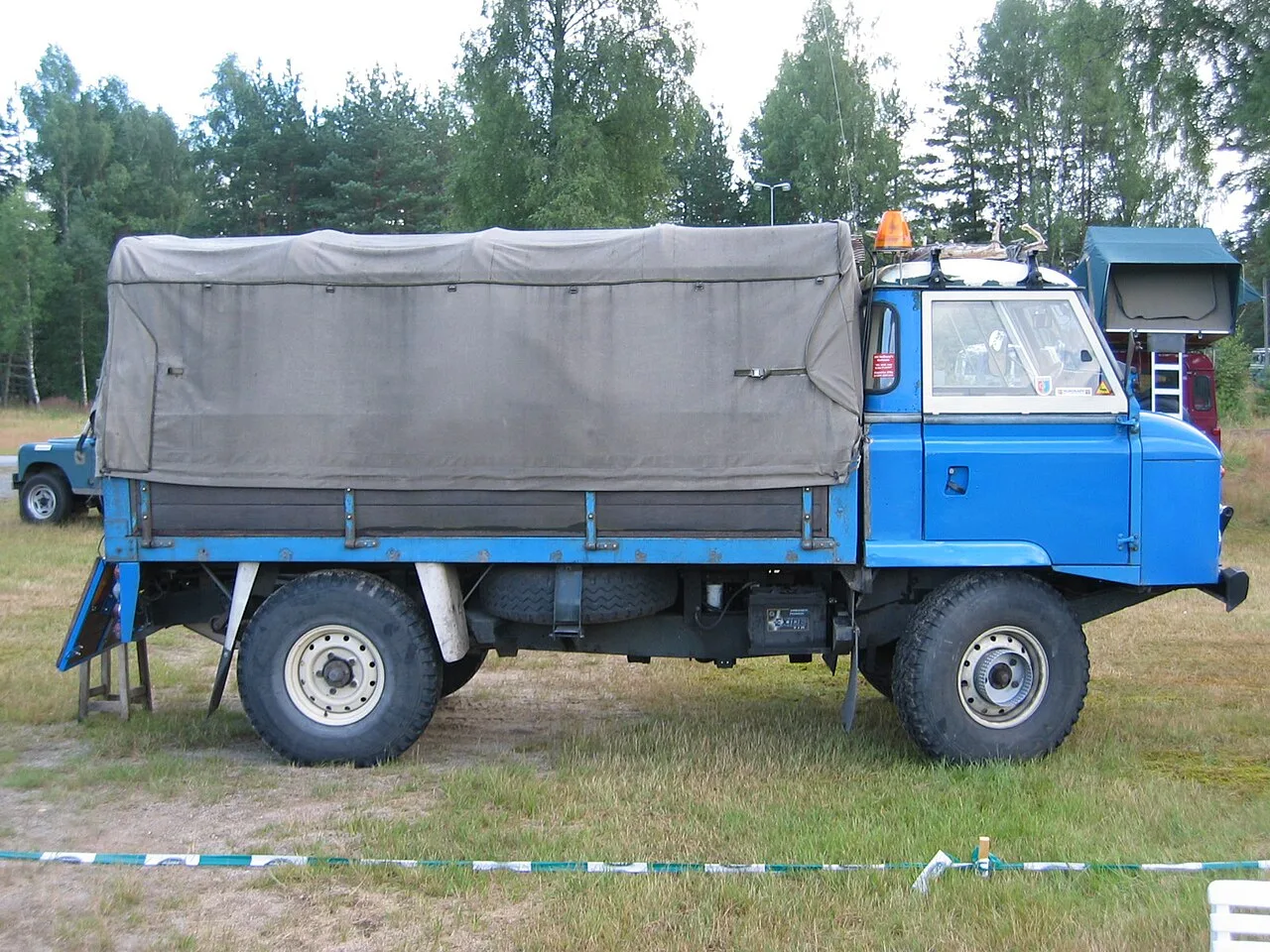
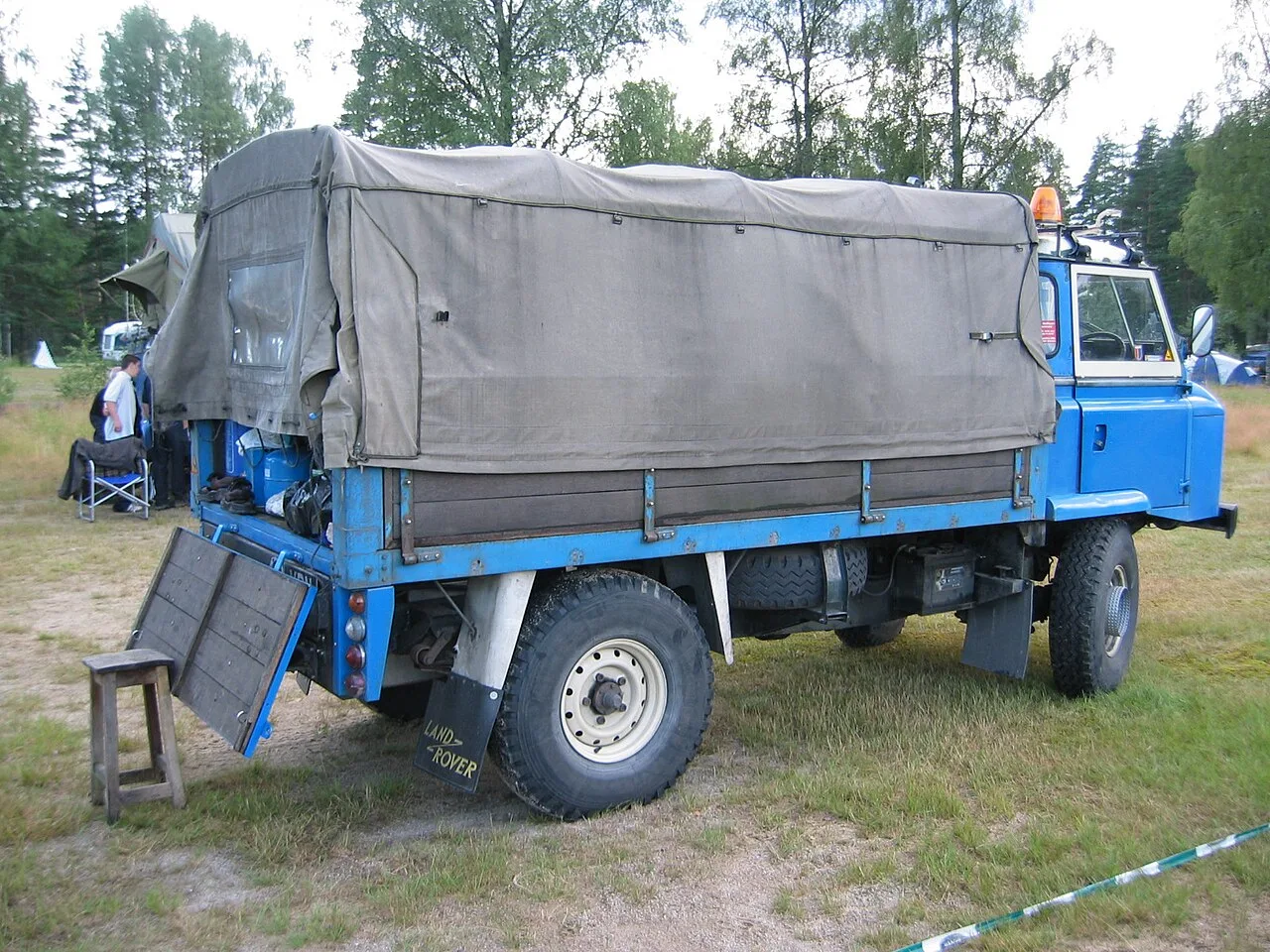
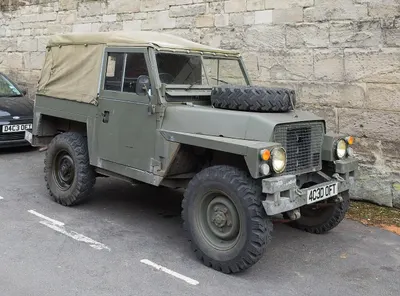
The one-millionth Land Rover ever built rolled off this line in 1976, still riding on leaf springs from the 1940s.
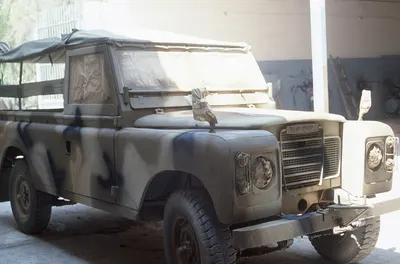
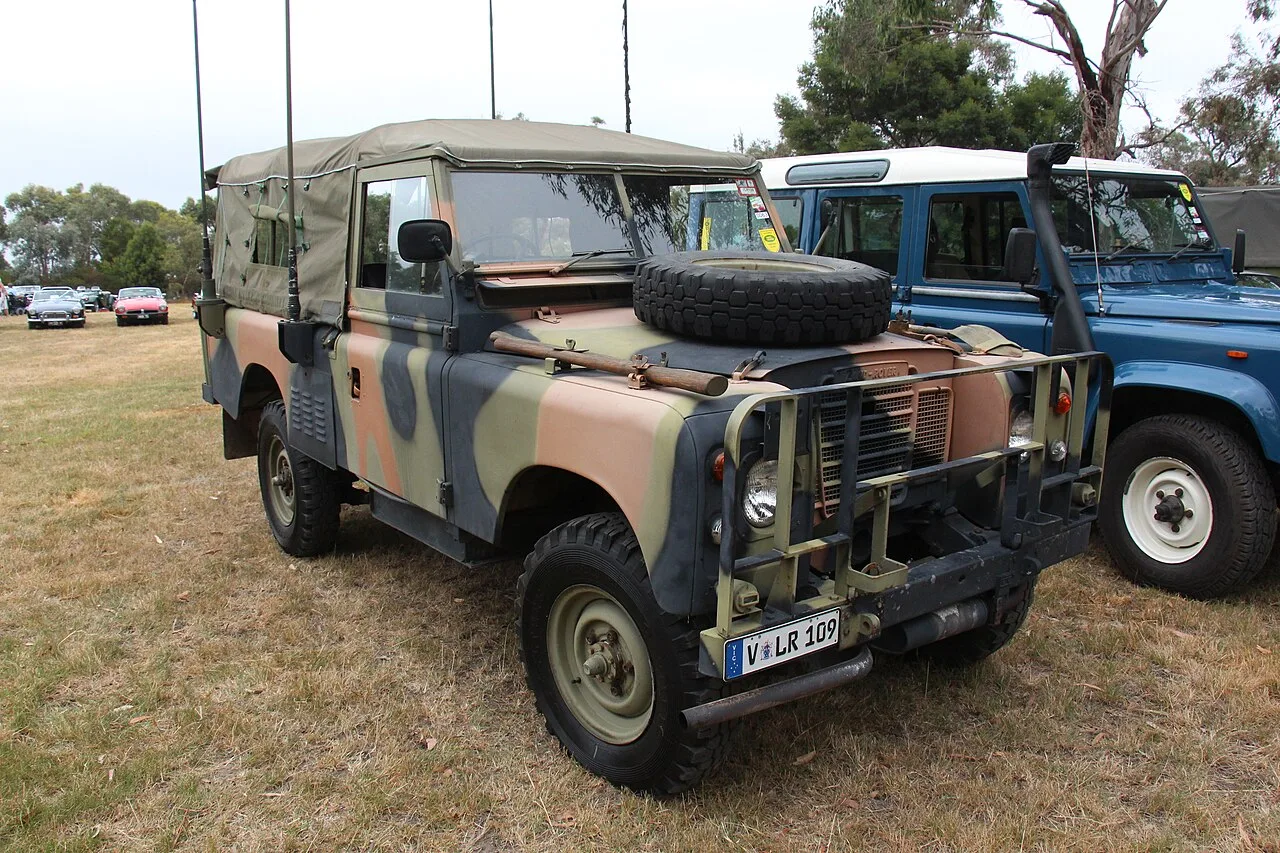
This is the Land Rover of every film set in Africa, built in the years its home sales peaked at over 60,000 a year.
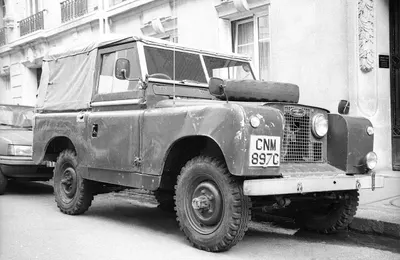
Britain's tax law once classed anything with twelve seats or more as a bus, so this Land Rover got two extra seats to dodge Purchase Tax.
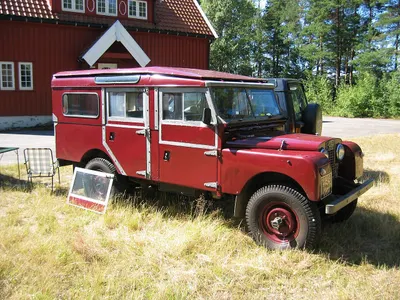
The very first Land Rover prototype put the steering wheel dead-center of the dashboard — a layout so odd it became known as the 'centre steer.'
Rivals
Same body, same money, other badges — tap any card to flip.
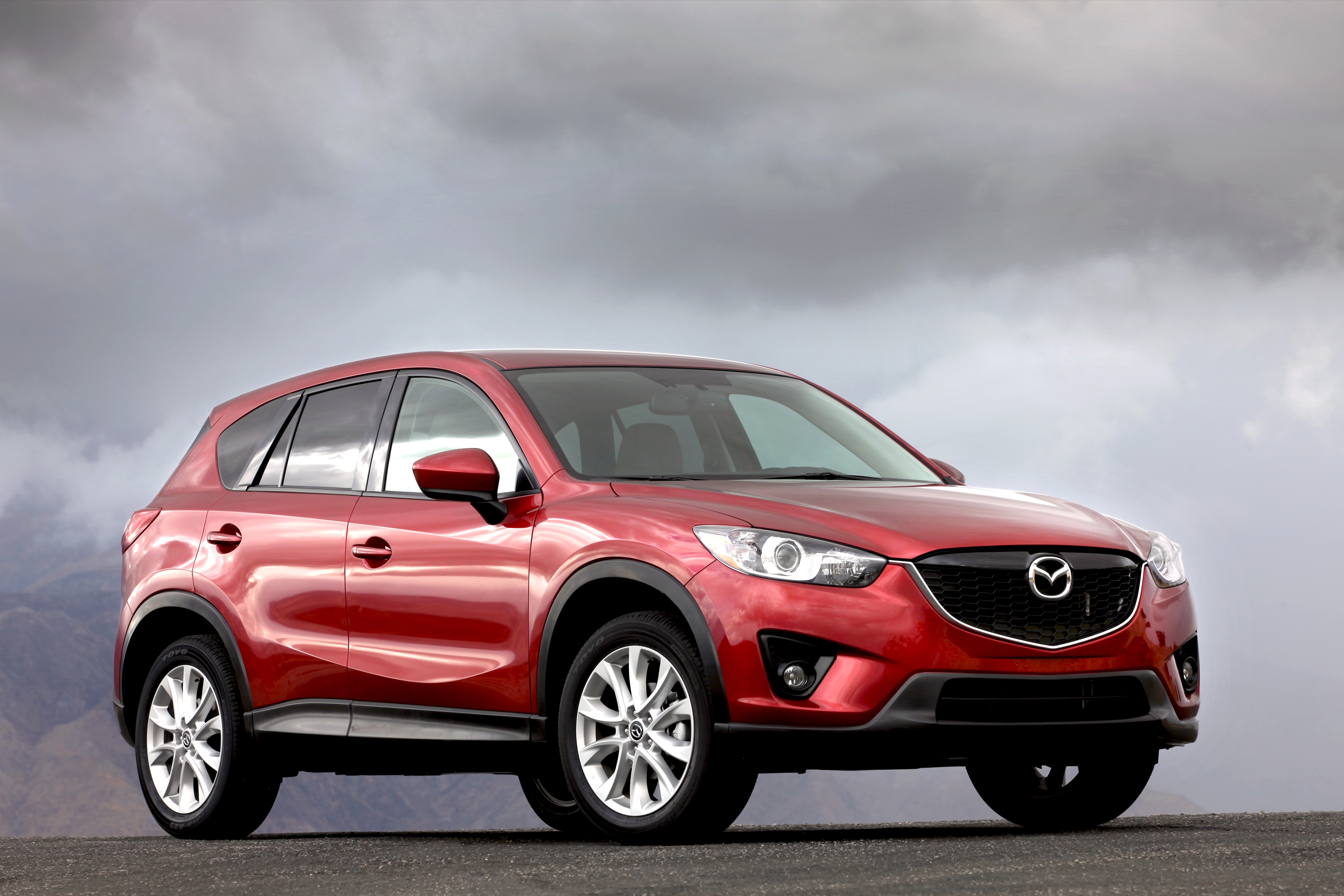
IIHS only crash-tests the driver's corner; tested on the passenger side instead, the CX-5 showed far worse intrusion.
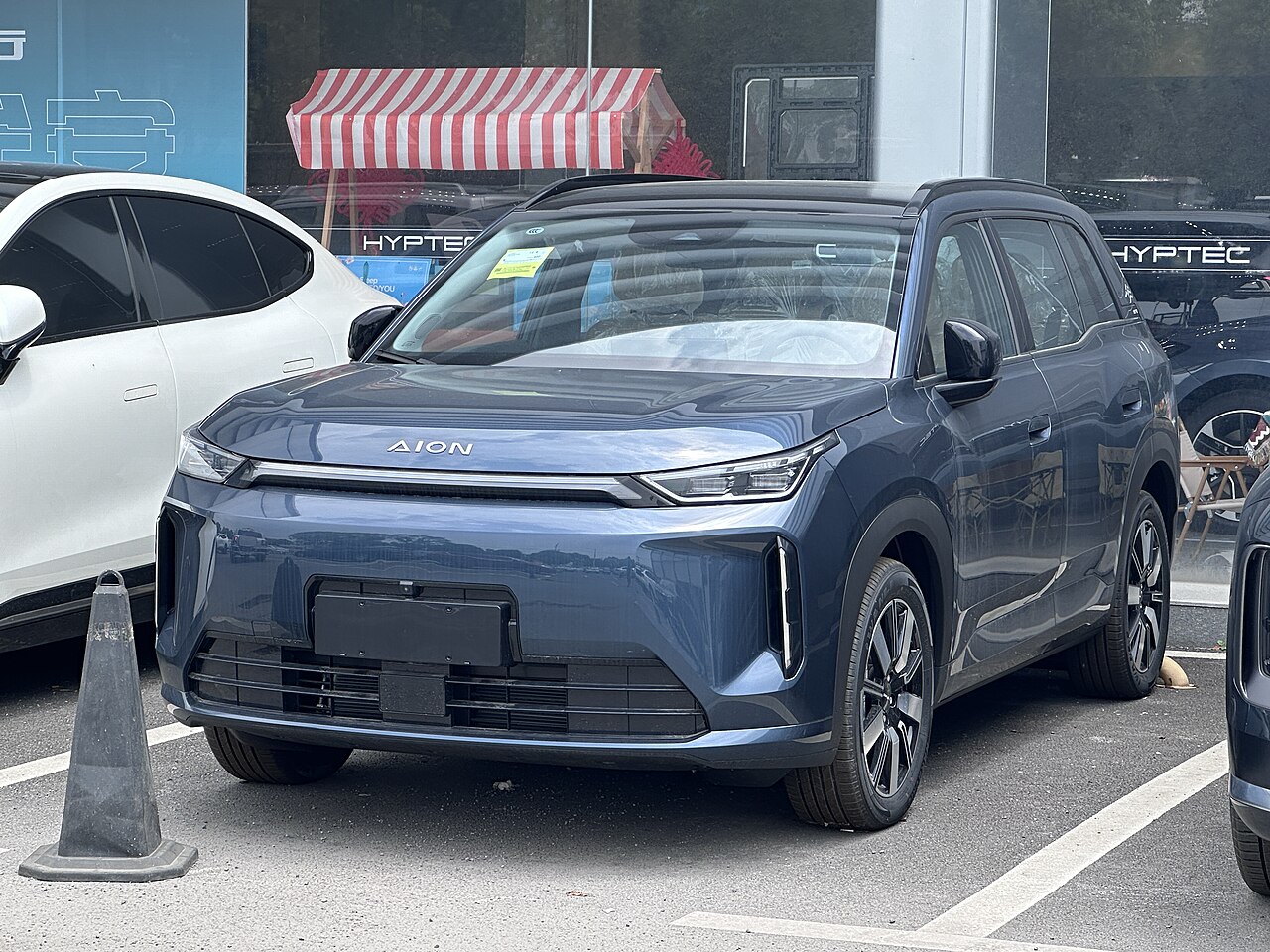
Despite launching from a standing start in late 2025, the i60 topped GAC Aion's own sales chart through January's seasonal slowdown.
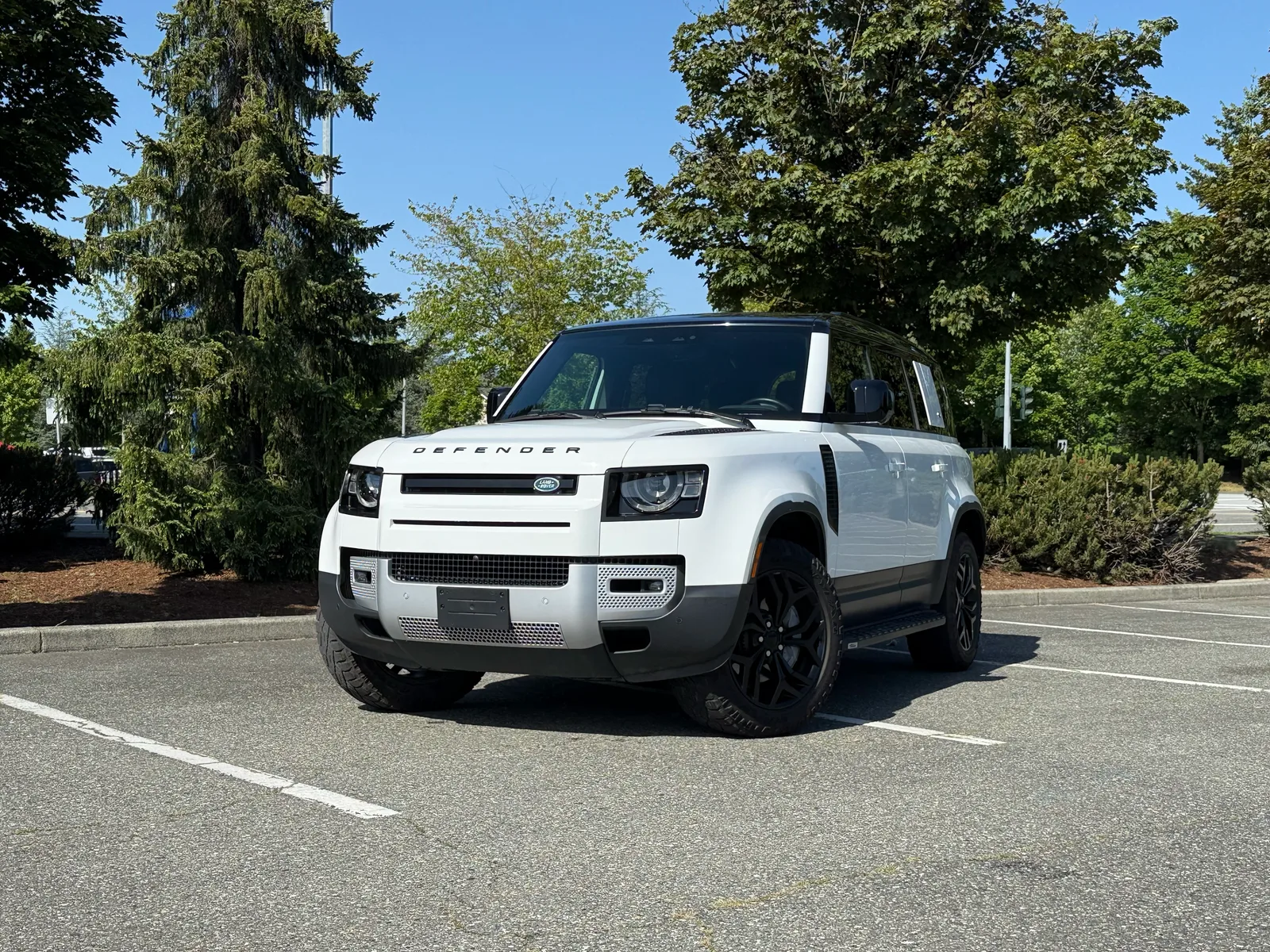
Every Defender before this one was body-on-frame — this generation broke decades of tradition with an aluminium unibody structure instead.
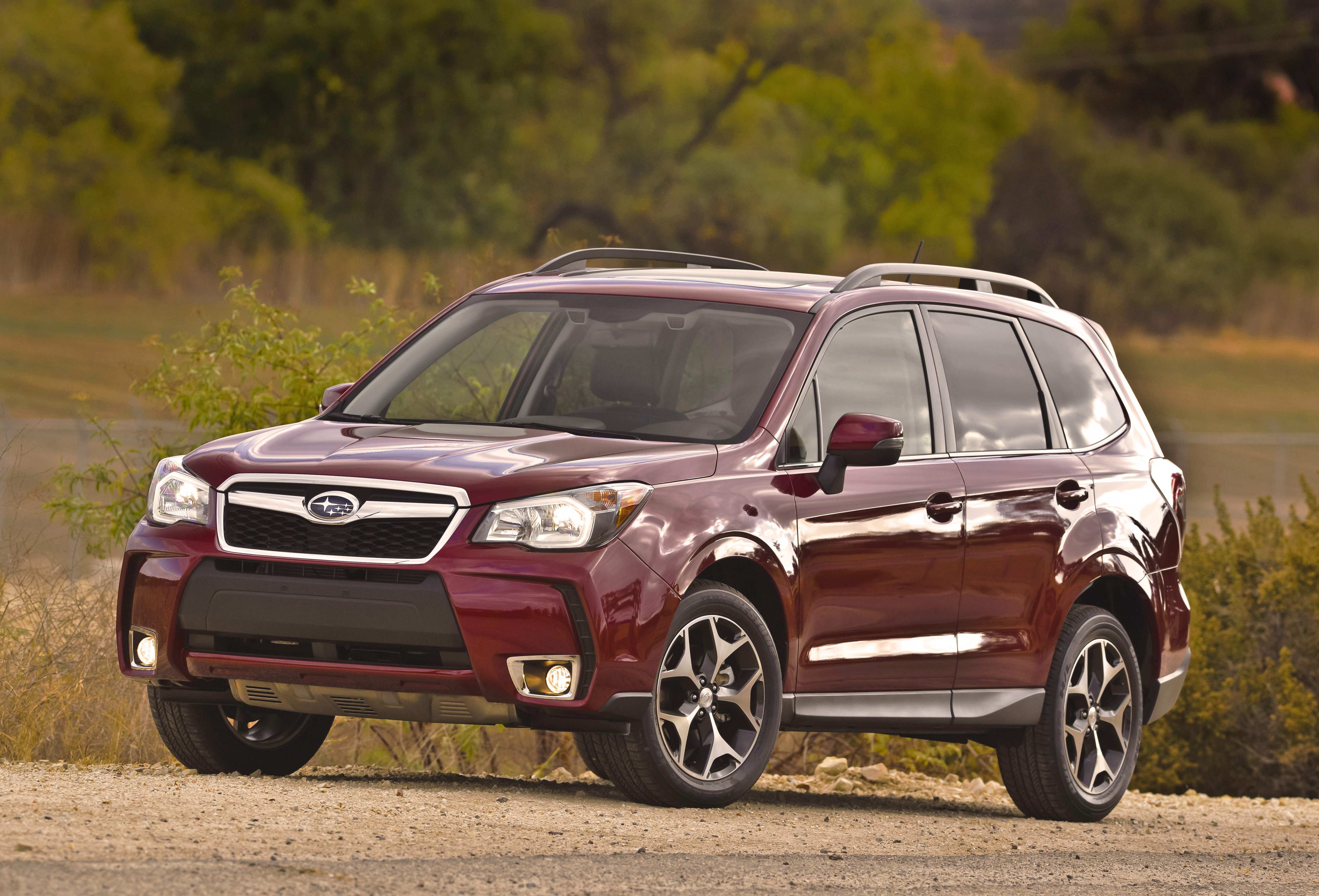
Crashed on the passenger side instead of the driver's, the 2014 Forester showed far more intrusion and would have rated Marginal with the IIHS.
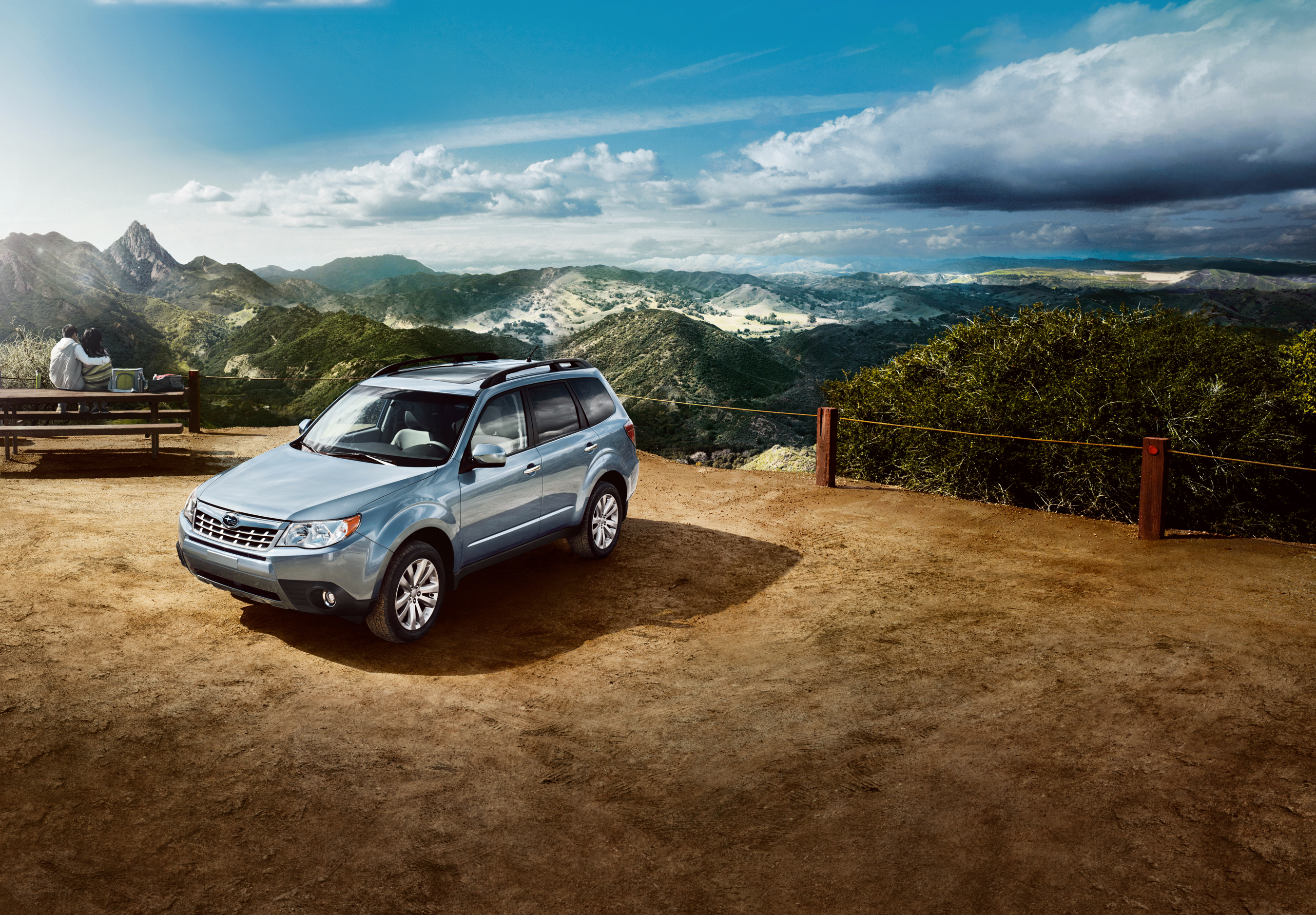
Subaru built a 2.5XT for the National Ski Patrol with a diamond-plate floor, a 9,500-pound winch and a toboggan on the roof.
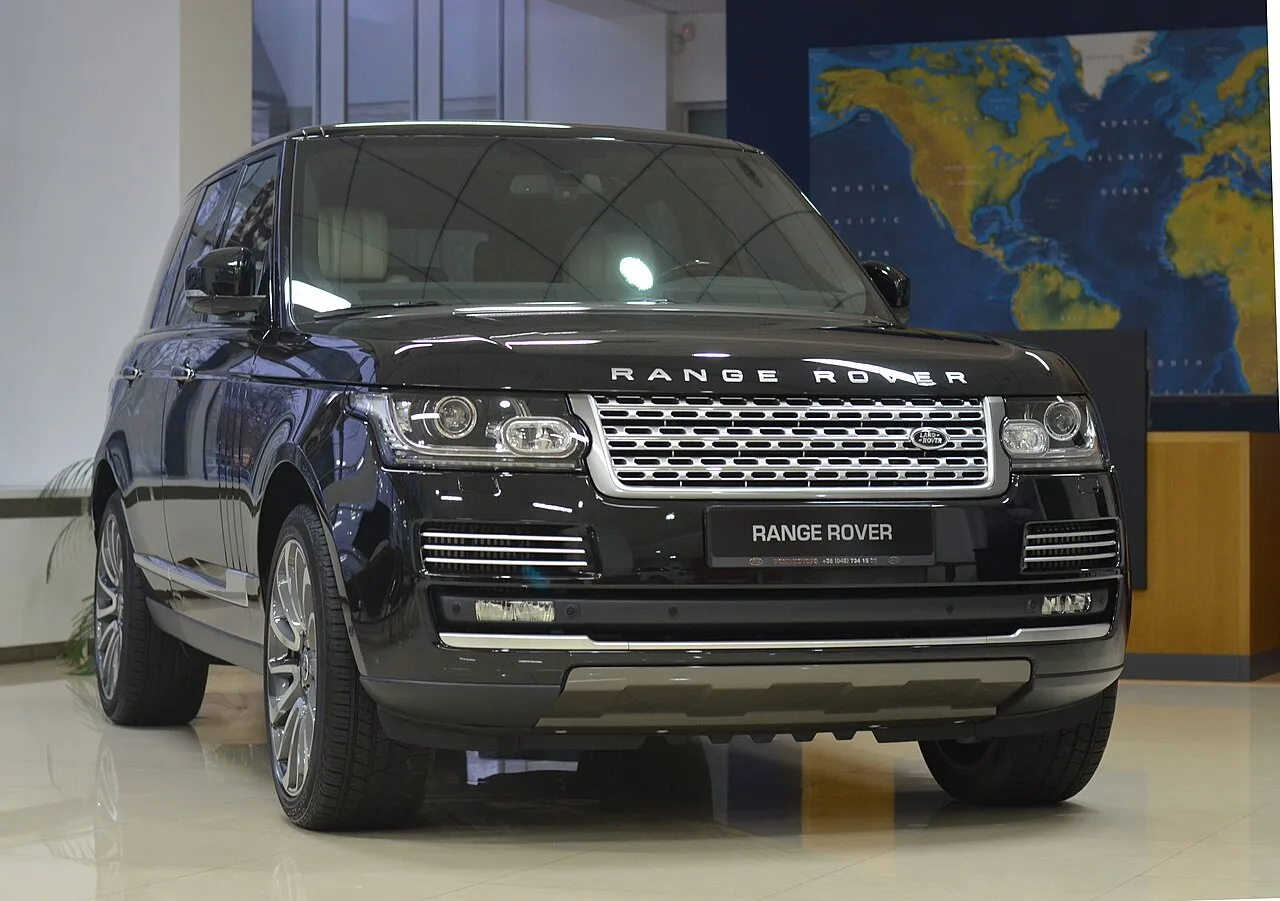
The L405 was the first Range Rover with a fully aluminum monocoque body, cutting up to 420 kg from the outgoing steel-bodied L322.
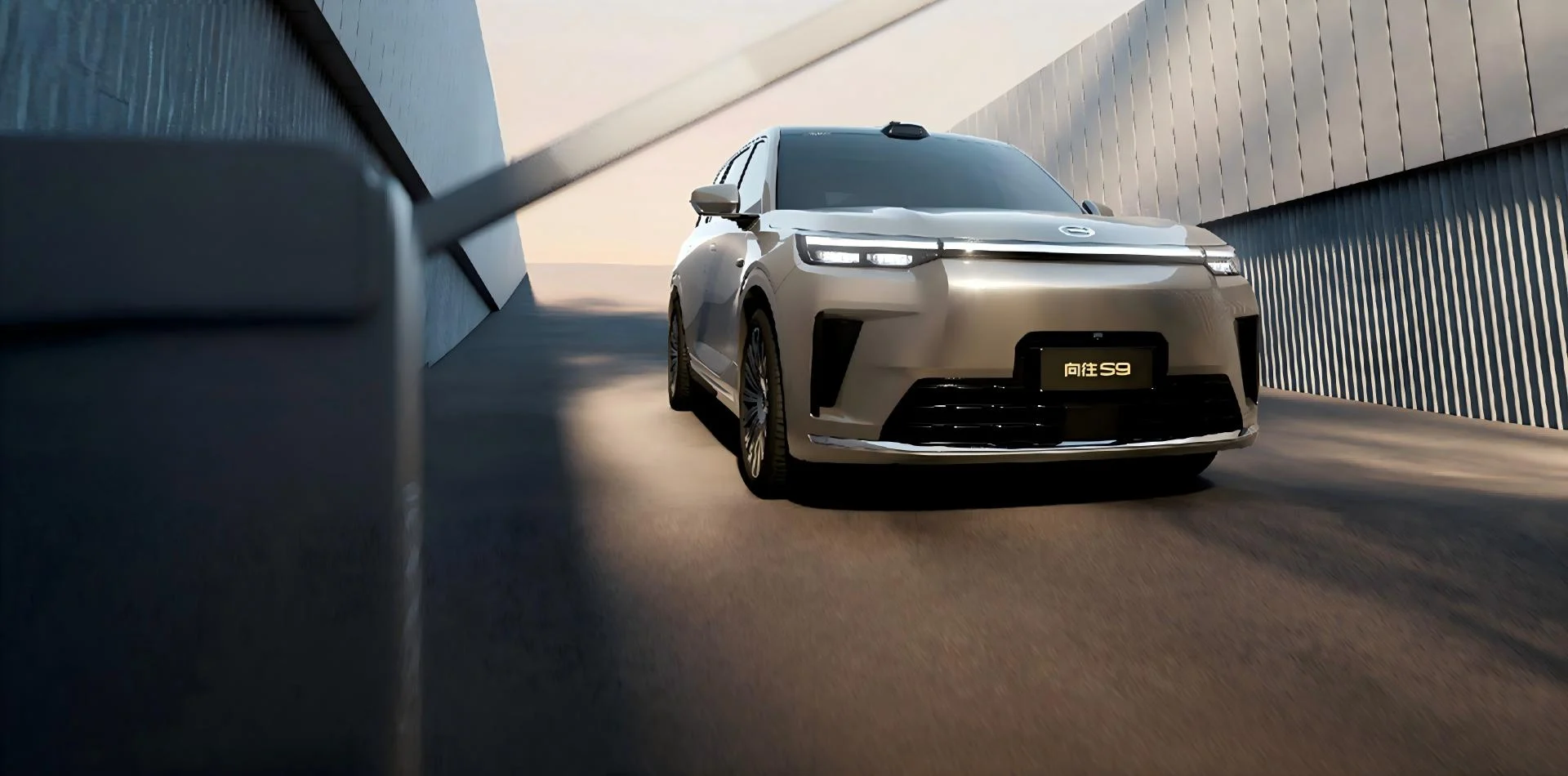
Rear passengers get a 17.3-inch screen that extends from the roof, and a lidar sensor sits in the front of the roof.
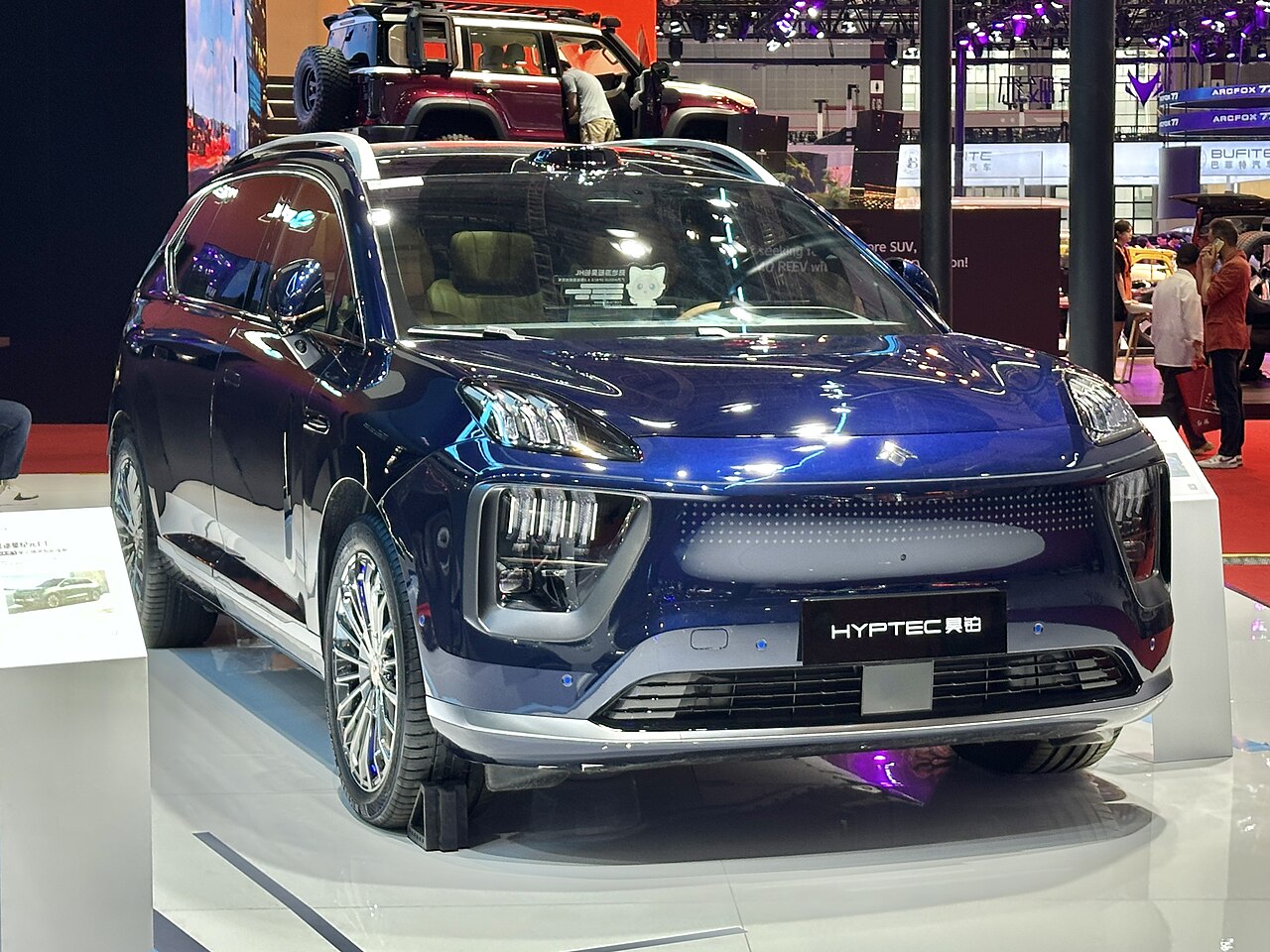
Its range-extender variant is rated for 1,200 km on a tank and charge, over three times the car's electric-only range.