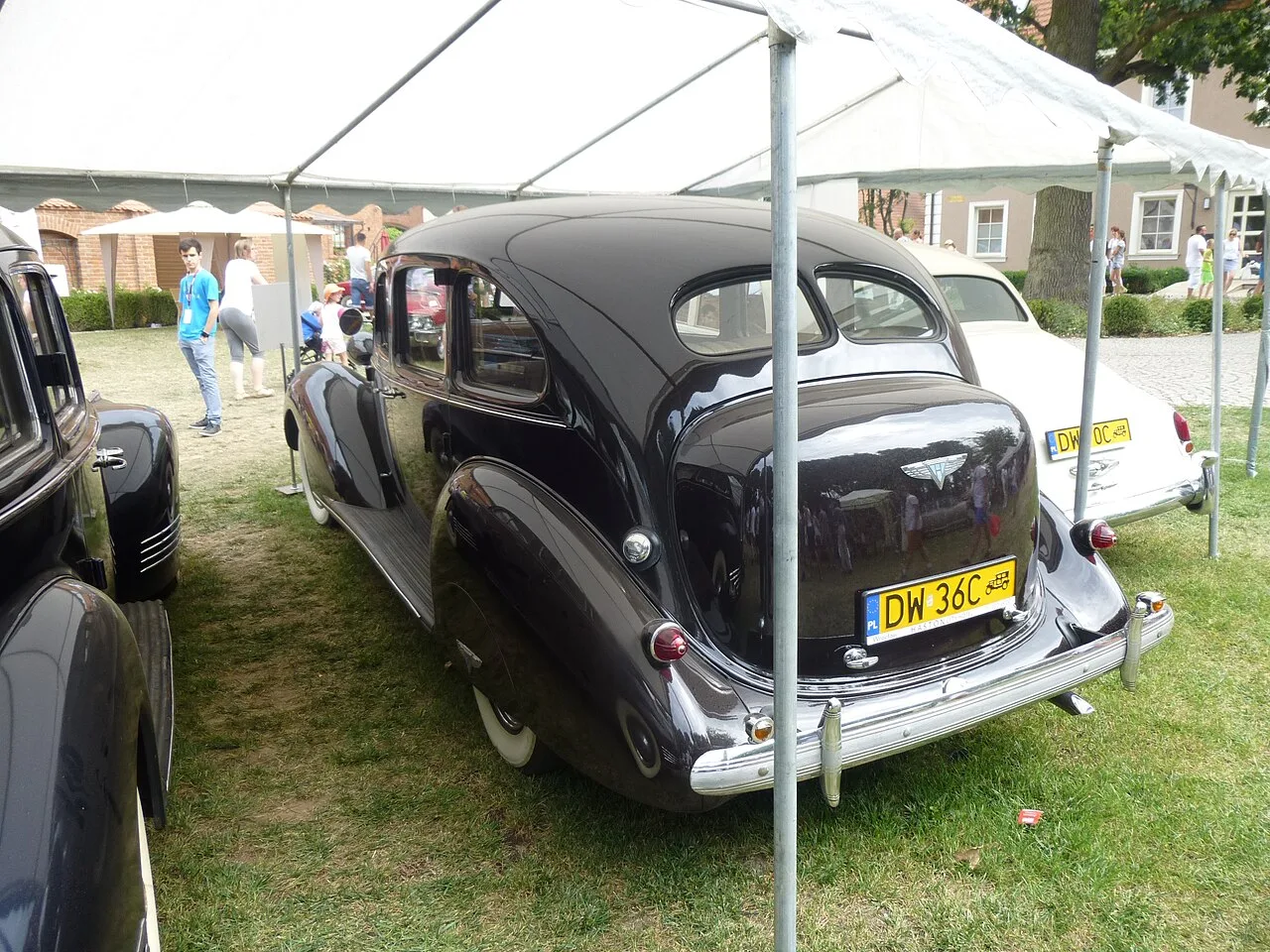
Dropping the Essex name for 1934 cost the Terraplane more than branding: losing the eight-cylinder engine made it heavier and effectively ended its run in competitive racing.
Lead trim: Hudson 112 (1938, 112 in wheelbase)
Hudson Terraplane1934–1938
- 0spots by members
- Unclaimednobody has spotted one yet
- 0sets it belongs to
Nobody in Burbles has spotted a Hudson Terraplane yet. See one on the street, point the app at it, and the first card is yours — with your @handle permanently credited on this page.
FactDropping the Essex name for 1934 cost the Terraplane more than branding: losing the eight-cylinder engine made it heavier and effectively ended its run in competitive racing.
For 1934 the word "Essex" was dropped and the car became simply the Terraplane; the cars were slightly heavier and rarely joined competitive events, particularly as they now lacked the eight-cylinder engine. The name stayed constant through the 1937 model year and by 1936 Terraplane commercial cars were built in larger numbers. In 1938, as Hudson planned to drop the name, the cars were called Hudson-Terraplanes, with a Model 112 on a shorter 112 in wheelbase and a smaller engine; a 1938 Terraplane cost about US$900 and had no ammeter or oil pressure gauge. Terraplanes were also assembled in Canada, England, Australia, New Zealand and South Africa, with British-bodied cars entered in the Monte Carlo Rally, and the Terraplane eight chassis and engine underlay the British Railton (Light Sports Tourer, 0-60 mph in 8.8 seconds, 107 mph). The page gives no engine figures for 1934–1938.
Collectors Spotted in the Hudson Terraplane Lineage
No member has published a public street spot of the Hudson Terraplane yet — the First · Worldwide stamp is wide open.
Trims & Figures
2 published trims in the catalogue. A blank is a figure not recorded, not zero.
| Trim | Years | Engine | Power | Torque | 0–60 | Drive | Gearbox | MSRP |
|---|---|---|---|---|---|---|---|---|
| Hudson 112 (1938, 112 in wheelbase) | 1938–1938 | — | 86 hp | — | — | RWD | — | — |
| Terraplane (1934–1938) | 1934–1938 | — | — | — | — | RWD | — | — |
Owning one
We don’t estimate running costs for a car like this. What it costs depends on its condition, its specialist and how it is driven, and an average would mislead.
Owners’ builds
Nobody has claimed one yet.
Photographs
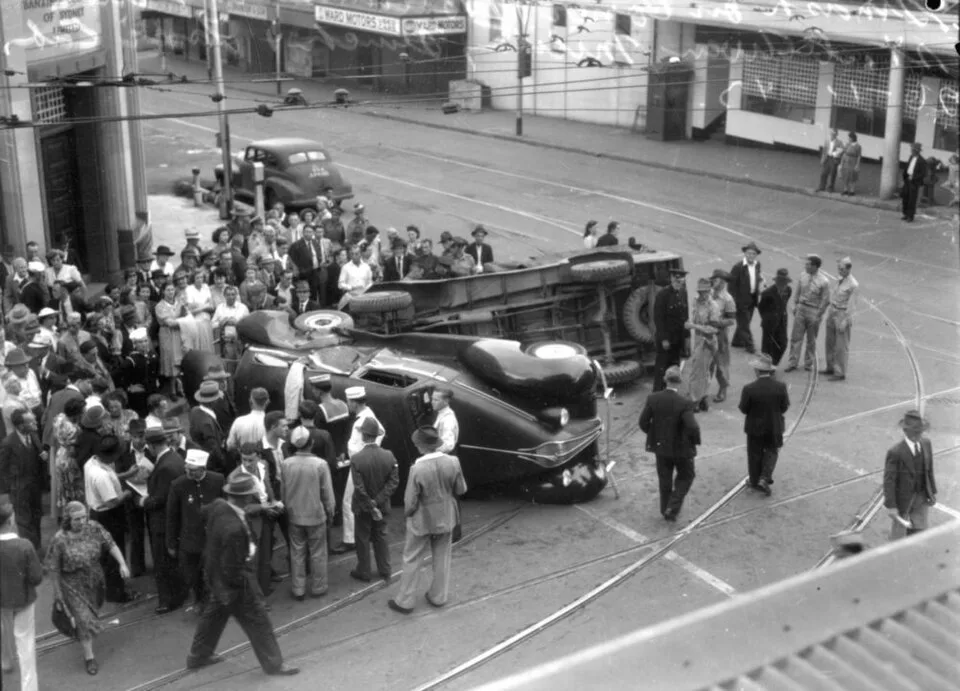
Dropping the Essex name for 1934 cost the Terraplane more than branding: losing the eight-cylinder engine made it heavier and effectively ended its run in competitive racing.
Amelia Earhart helped introduce the Terraplane in 1932, and Orville Wright bought one of the first ones built.
Rivals
Same body, same money, other badges — tap any card to flip.

It briefly served as senior sibling to Marquette, a GM companion brand cancelled after just one year.

Nissan hired former BMW engineers to help develop the 510's suspension, which is why period reviewers frequently compared its handling to the BMW 1600/2002.

A Trabant 601 won its class at the 1970 Monte Carlo Rally, with a second 601 right behind it in second.

The 600 was a stopgap: the P50's body over the 601's mechanicals, and for a while its estate was built alongside the new 601 saloon.

The G80 Sport brought a 370 PS twin-turbo 3.3 V6, a mesh grille and copper-tinted chrome with copper stitching to match.

The Vigor was sold only with a five-cylinder engine, an unusual configuration Honda used to fit a longer engine transversely under a short hood.

The GS/E coupe earned the nickname "German Charger" for its long hood, short deck stance borrowed from Detroit muscle cars.

This DeVille/Fleetwood was the first production car anywhere to mount its V8 sideways, Cadillac's front-drive gamble on the new C-body.