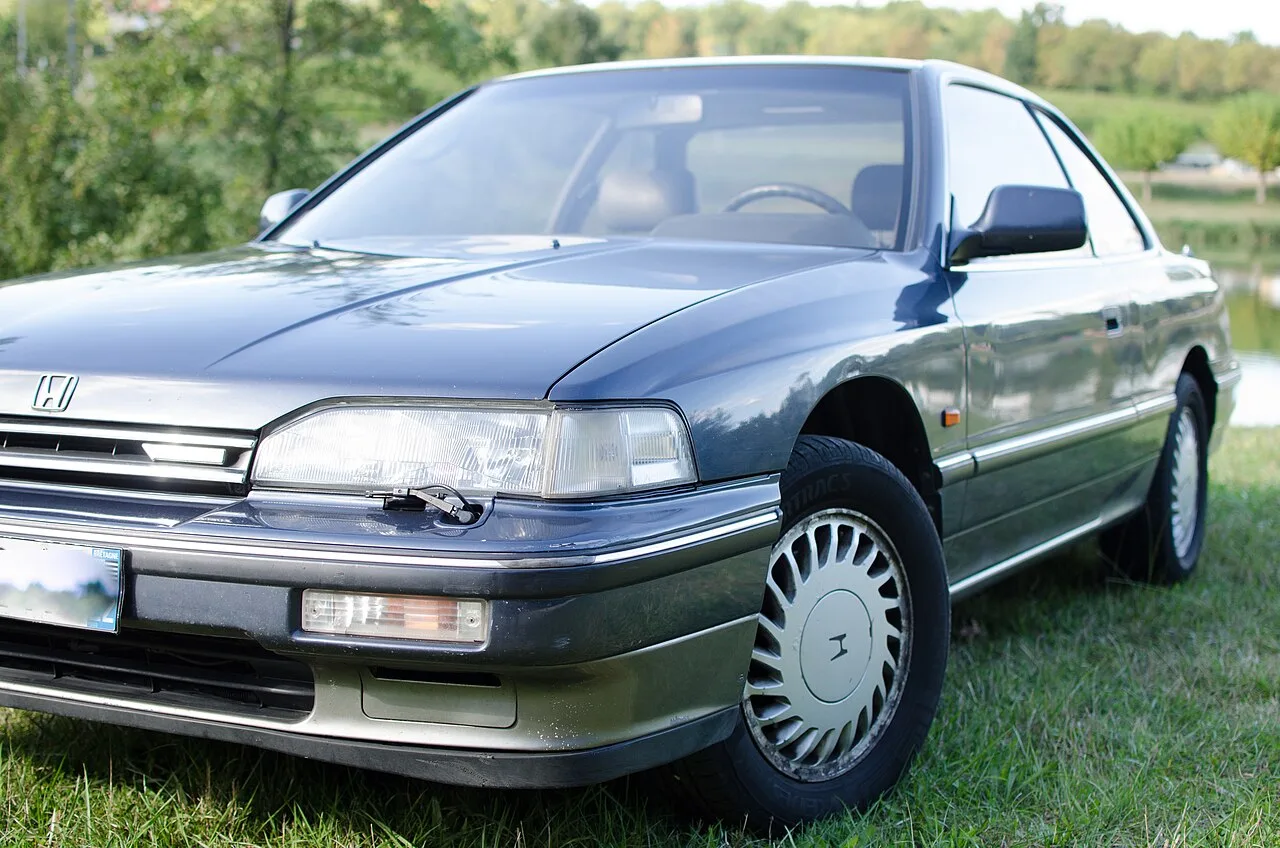
Honda used this Legend as a rolling test bed for the NSX — the flagship sedan quietly carried the research and parts that shaped Honda's supercar.
Median 140 hp across 388 similar cars
Lead trim: C32A 3.2 L V6 Type I (215 PS) · up to 232 hp
Honda Legend KA7/KA8 second generationKA7/KA8 · 1990–1995
- 0spots by members
- Unclaimednobody has spotted one yet
- 0sets it belongs to
Nobody in Burbles has spotted a Honda Legend KA7/KA8 second generation yet. See one on the street, point the app at it, and the first card is yours — with your @handle permanently credited on this page.
FactHonda used this Legend as a rolling test bed for the NSX — the flagship sedan quietly carried the research and parts that shaped Honda's supercar.
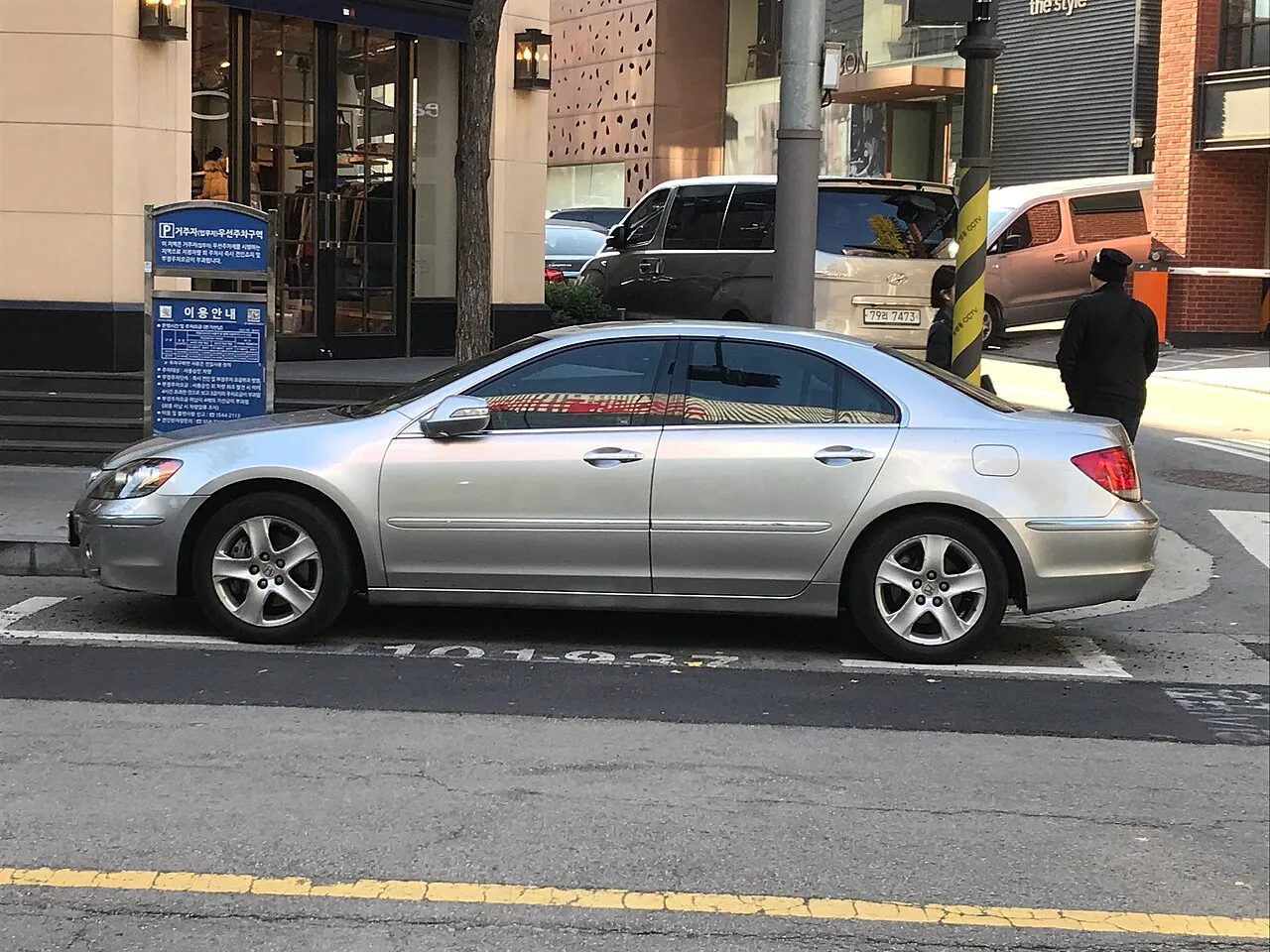
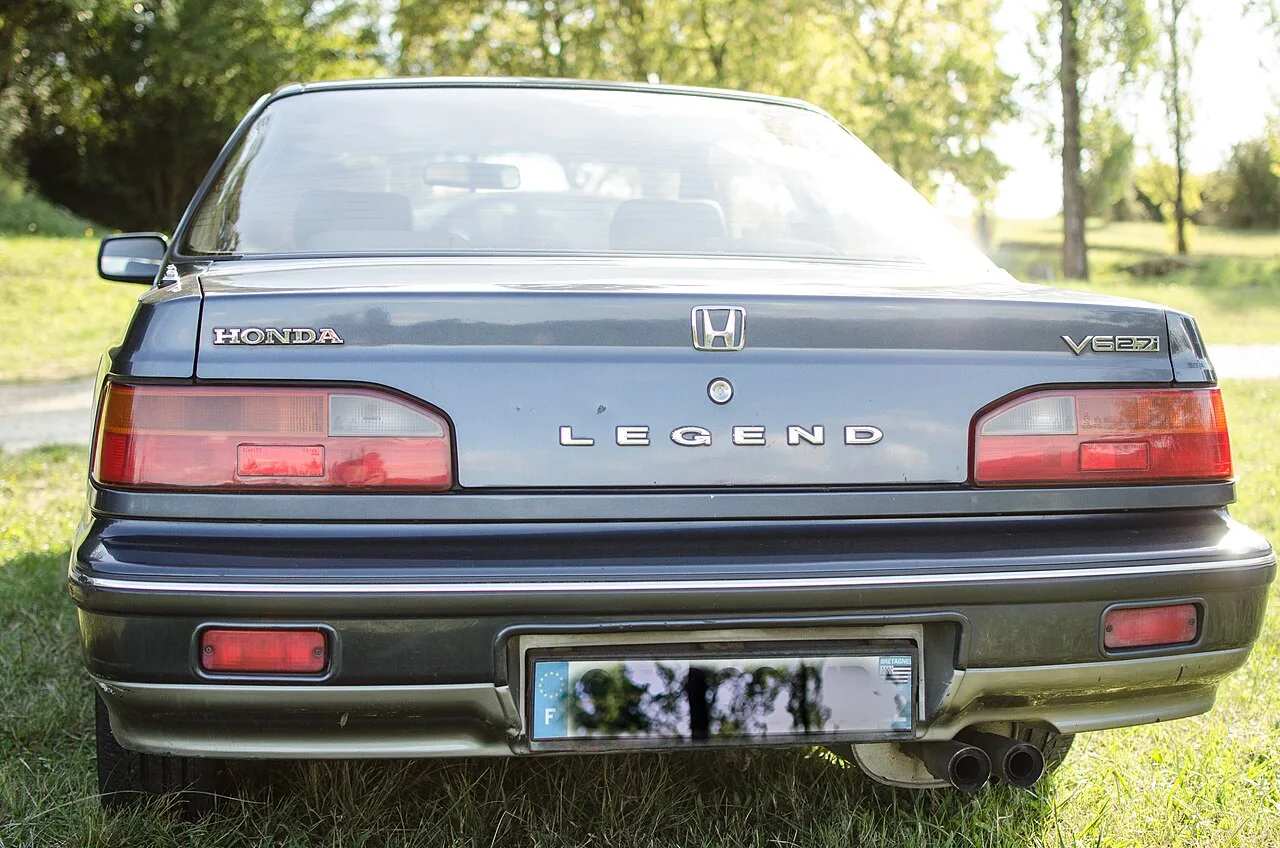
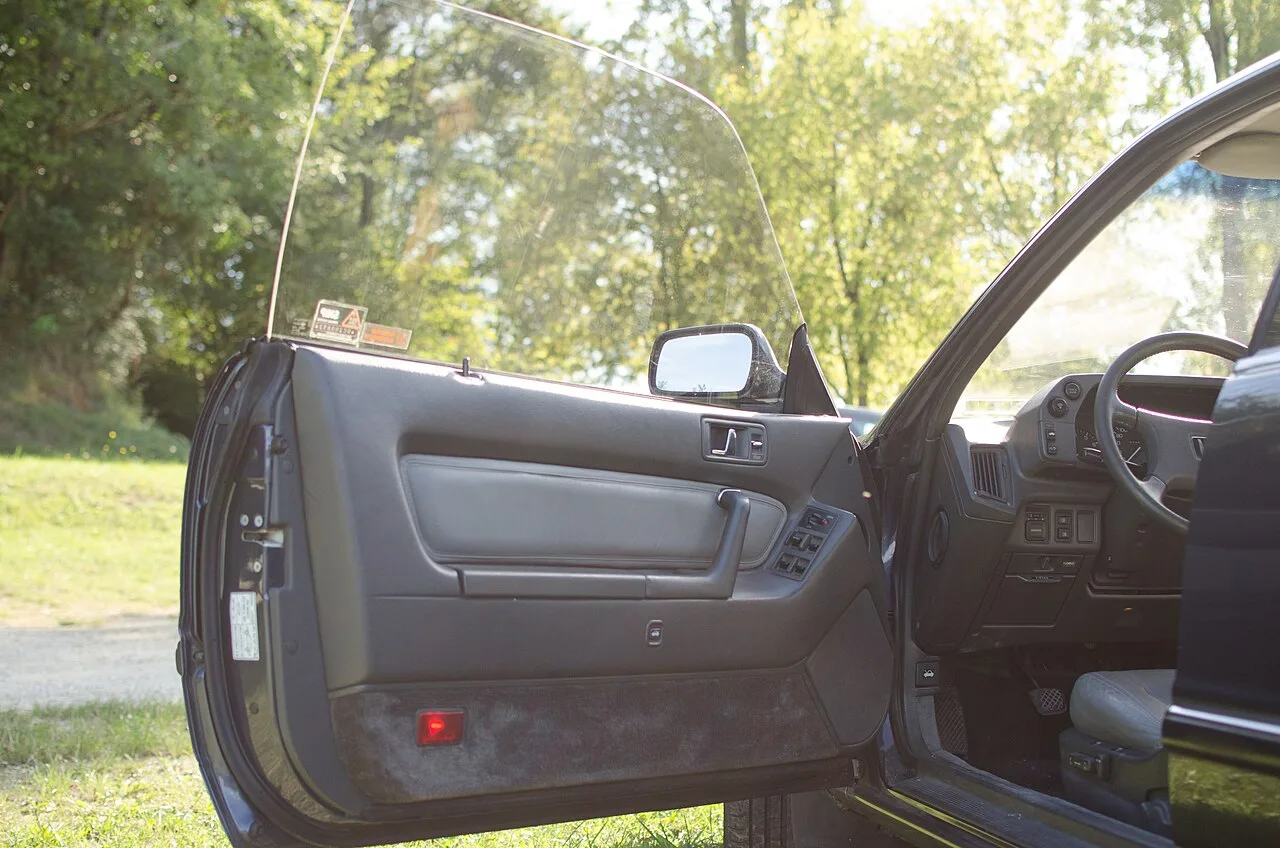
Introduced on 24 October 1990 as a sedan and coupé and known in Japan as the "Super Legend" for its 3.2 L C32A V6, now the only engine. Mounted longitudinally behind the front axle in what Honda called a "front-wheel-drive midship" layout, still 60/40 front-heavy; it served as a test platform for the NSX. Trims were the top α (Alpha) and β (Beta) only; the Type I engine made 215 PS and the Type II, with the Touring system, 235 PS. It added a passenger airbag and offered the Electro Gyrocator inertial navigation system; a September 1992 Alpha Touring Series added Honda Progressive Damper suspension, bigger brake calipers and 16-inch wheels. The customer base of the smaller first generation moved to the Vigor and Inspire. Daewoo built it in Korea as the Arcadia (1994–99, a 220 hp C32A, over 800 sold), and the Aomori prefectural police used Beta Type II sedans for traffic monitoring.
Collectors Spotted in the Honda Legend Lineage
No member has published a public street spot of the Honda Legend yet — the First · Worldwide stamp is wide open.
Trims & Figures
2 published trims in the catalogue. A blank is a figure not recorded, not zero.
| Trim | Years | Engine | Power | Torque | 0–60 | Drive | Gearbox | MSRP |
|---|---|---|---|---|---|---|---|---|
| C32A 3.2 L V6 Type I (215 PS) | 1990–1995 | 3.2 L V6 | 212 hp | 221 lb-ft | — | FWD | — | — |
| C32A 3.2 L V6 Type II (235 PS) | 1990–1995 | 3.2 L V6 | 232 hp | 213 lb-ft | — | FWD | — | — |
Owning one
We don’t estimate running costs for a car like this. What it costs depends on its condition, its specialist and how it is driven, and an average would mislead.
Owners’ builds
Nobody has claimed one yet.
Photographs
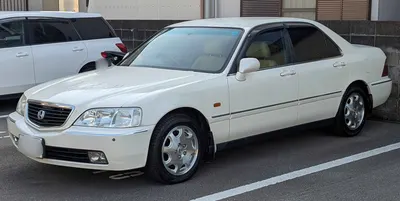
Long before self-steering cars were common, this Legend could nudge itself back into its lane on the highway — but the instant your hands moved the wheel, it let go completely.
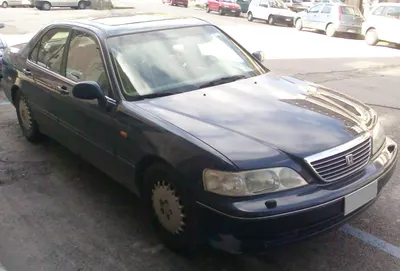
This Legend quietly became one of the first cars anywhere to make cabin air filters standard equipment — a pollen filter tucked behind the glove box, years before it was common.
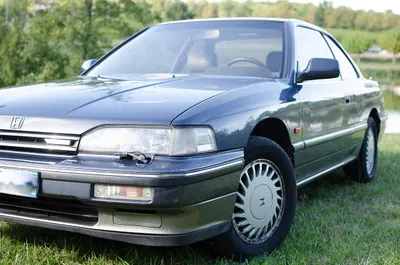
Honda used this Legend as a rolling test bed for the NSX — the flagship sedan quietly carried the research and parts that shaped Honda's supercar.
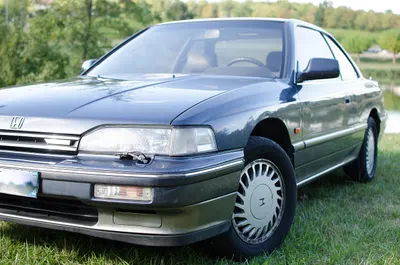
The first Legend began as a joint venture with Britain's Austin Rover — but the UK-built cars failed Honda's own quality control so often that most of the 4,409 made there ended up as in-plant transport instead of being sold.
Rivals
Same body, same money, other badges — tap any card to flip.

It briefly served as senior sibling to Marquette, a GM companion brand cancelled after just one year.

Nissan hired former BMW engineers to help develop the 510's suspension, which is why period reviewers frequently compared its handling to the BMW 1600/2002.

A Trabant 601 won its class at the 1970 Monte Carlo Rally, with a second 601 right behind it in second.

The 600 was a stopgap: the P50's body over the 601's mechanicals, and for a while its estate was built alongside the new 601 saloon.

The G80 Sport brought a 370 PS twin-turbo 3.3 V6, a mesh grille and copper-tinted chrome with copper stitching to match.

The Vigor was sold only with a five-cylinder engine, an unusual configuration Honda used to fit a longer engine transversely under a short hood.

The GS/E coupe earned the nickname "German Charger" for its long hood, short deck stance borrowed from Detroit muscle cars.

This DeVille/Fleetwood was the first production car anywhere to mount its V8 sideways, Cadillac's front-drive gamble on the new C-body.