Ford once drew up a seven-seat estate version of the Ikon sedan, starting development in 1998. A prototype was shown in 1999 — then quietly cancelled when the packaging made the proportions impossible to fix.
Median 200 hp across 584 similar cars
Lead trim: 1.3 petrol I4 (SOHC, 69 hp) · up to 99 hp
Ford Ikon first generationIKON-1 · 1999–2011
- 0spots by members
- Unclaimednobody has spotted one yet
- 0sets it belongs to
Nobody in Burbles has spotted a Ford Ikon first generation yet. See one on the street, point the app at it, and the first card is yours — with your @handle permanently credited on this page.
FactFord once drew up a seven-seat estate version of the Ikon sedan, starting development in 1998. A prototype was shown in 1999 — then quietly cancelled when the packaging made the proportions impossible to fix.
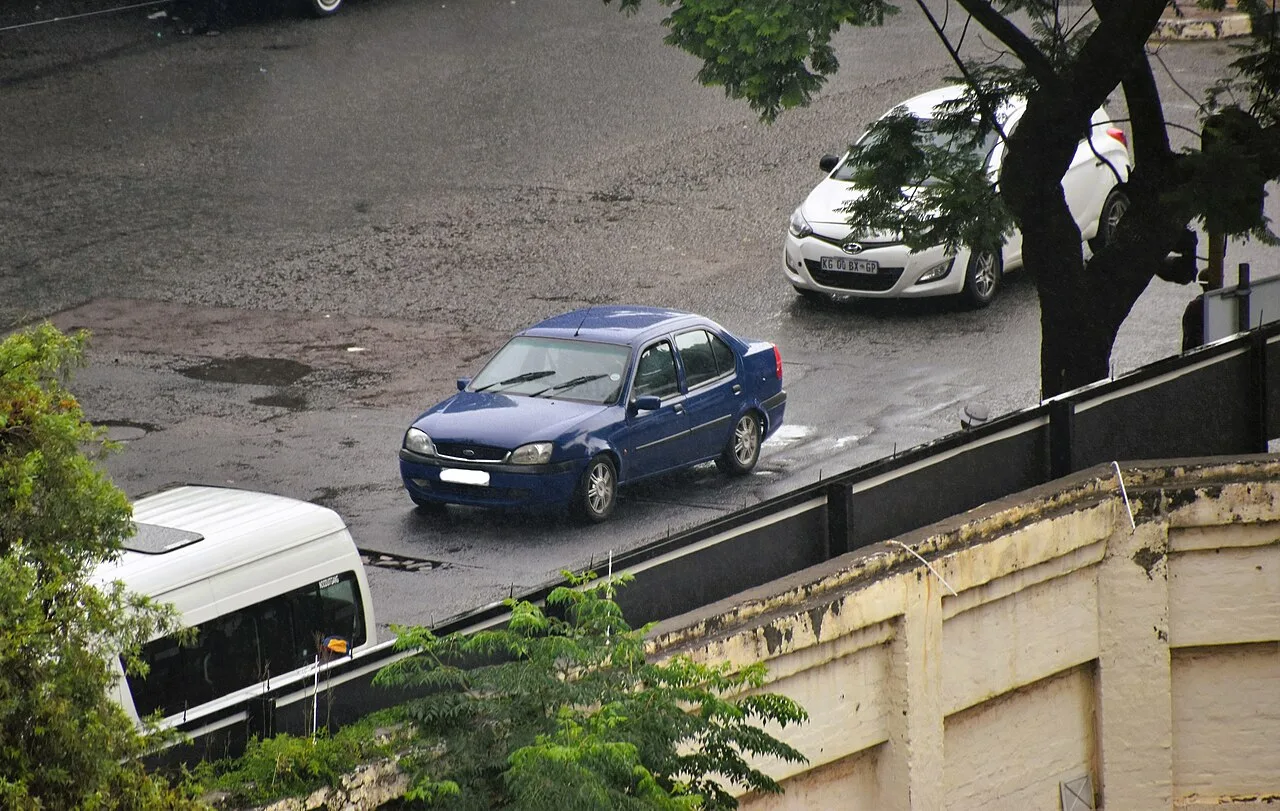
The first-generation Ford Ikon was launched in November 1999 in New Delhi as the four-door sedan version of the fourth-generation Ford Fiesta hatchback, reportedly designed specifically for the Indian market after Ford's officials recognised that a more tailored car could be more successful than global models there; it was built at Ford's Chennai factory and marketed in South America and China as the Ford Fiesta Sedan (also Fiesta Ikon in Mexico and Fiesta Street in Brazil), with assembly in South Africa and Mexico from the beginning of 2001 and at Changan Ford in China from 2003 (there with a four-speed automatic, ABS with electronic brake force distribution, front airbags and more). It was powered by a 1.3-litre single-overhead-camshaft petrol with electronic fuel injection generating 69 hp (51 kW), with a 1.6-litre petrol and 1.8-litre diesel variants launched at the end of 2002 and during 2003 respectively; the better-equipped Flair had power steering, electric windows, air conditioning, central locking and a tachometer. A seven-seater Ikon Estate was presented in March 1999 but cancelled soon after because of unfavourable proportions. In November 2008 it was facelifted and received a new common-rail diesel from the Duratorq family, delivering 68 hp (51 kW) and 160 N·m (120 lb·ft) alongside the 1.3-litre petrol, with a CD/MP3 player, a rear spoiler and a 400-litre boot; it was retired in early 2011 after the sixth-generation Fiesta's launch in India (the Fiesta Classic effectively took its place). Wheelbase 2,486 mm (97.9 in), length 4,140 mm (163.0 in) pre-facelift (4,145 mm facelift), width 1,634 mm (64.3 in). The page does not give the 2008 diesel's displacement.
Collectors Spotted in the Ford Ikon Lineage
No member has published a public street spot of the Ford Ikon yet — the First · Worldwide stamp is wide open.
Trims & Figures
4 published trims in the catalogue. A blank is a figure not recorded, not zero.
| Trim | Years | Engine | Power | Torque | 0–60 | Drive | Gearbox | MSRP |
|---|---|---|---|---|---|---|---|---|
| 1.3 petrol I4 (SOHC, 69 hp) | 1999–2011 | 1.3 L Inline-4 | 69 hp | — | — | FWD | — | — |
| 1.6 petrol I4 (from late 2002) | 2002–2011 | 1.6 L Inline-4 | 99 hp | 105 lb-ft | — | FWD | — | — |
| 1.8 diesel I4 (from 2003) | 2003–2011 | 1.8 L Inline-4 | — | — | — | FWD | — | — |
| Duratorq common-rail diesel I4 (from November 2008, 68 hp) | 2008–2011 | Inline-4 | 68 hp | 120 lb-ft | — | FWD | — | — |
Owning one
We don’t estimate running costs for a car like this. What it costs depends on its condition, its specialist and how it is driven, and an average would mislead.
Owners’ builds
Nobody has claimed one yet.
Photographs
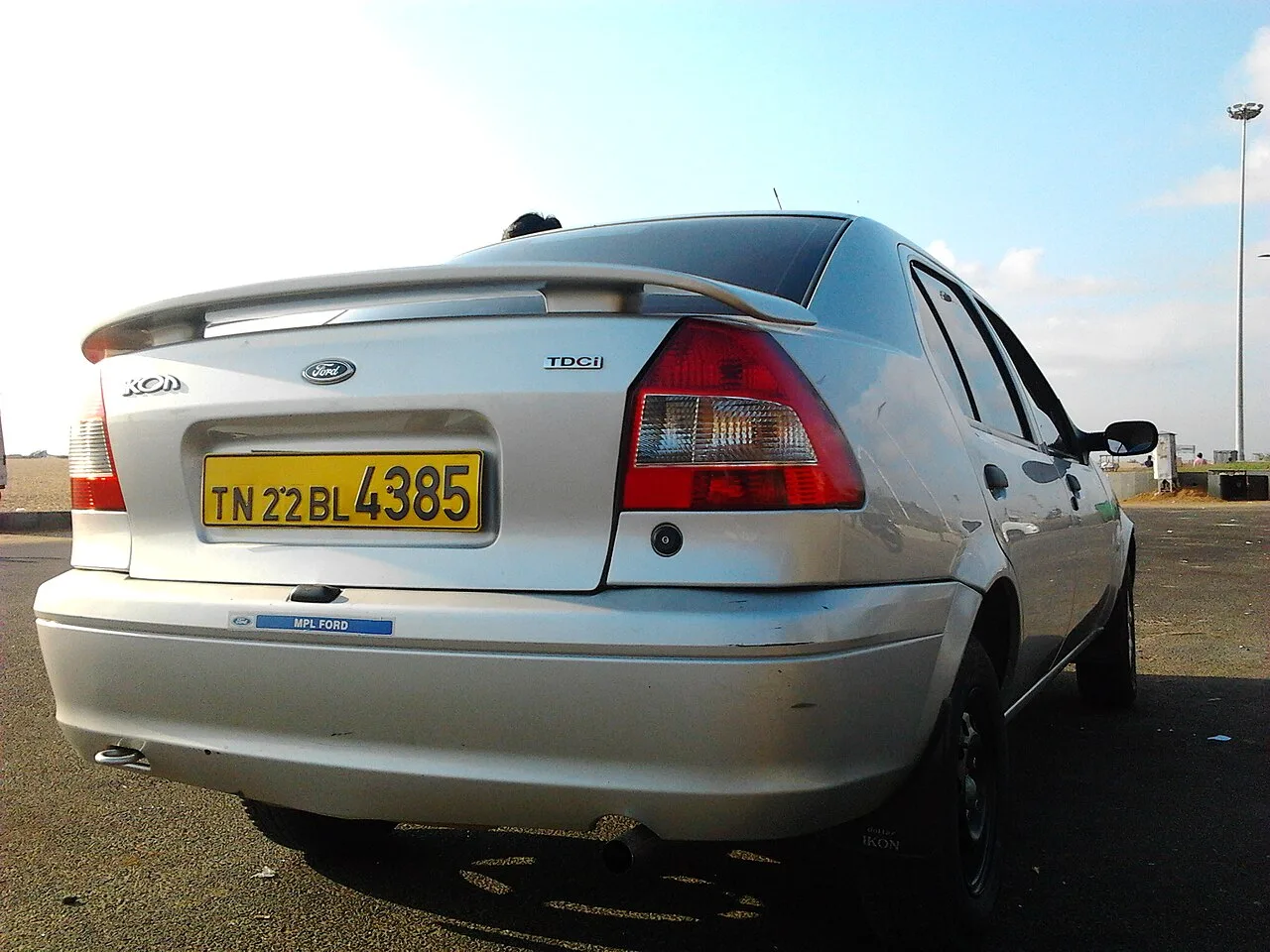
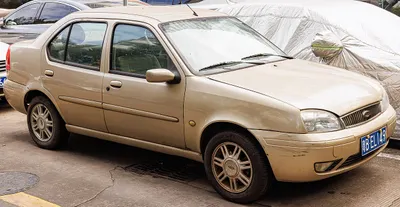
This car and the Ford Fiesta are twins — sold as a Fiesta back home, it only wore the Ikon name in South Africa and Mexico.
Ford once drew up a seven-seat estate version of the Ikon sedan, starting development in 1998. A prototype was shown in 1999 — then quietly cancelled when the packaging made the proportions impossible to fix.
Rivals
Same body, same money, other badges — tap any card to flip.

It briefly served as senior sibling to Marquette, a GM companion brand cancelled after just one year.

Nissan hired former BMW engineers to help develop the 510's suspension, which is why period reviewers frequently compared its handling to the BMW 1600/2002.

A Trabant 601 won its class at the 1970 Monte Carlo Rally, with a second 601 right behind it in second.

The 600 was a stopgap: the P50's body over the 601's mechanicals, and for a while its estate was built alongside the new 601 saloon.

The G80 Sport brought a 370 PS twin-turbo 3.3 V6, a mesh grille and copper-tinted chrome with copper stitching to match.

The Vigor was sold only with a five-cylinder engine, an unusual configuration Honda used to fit a longer engine transversely under a short hood.

The GS/E coupe earned the nickname "German Charger" for its long hood, short deck stance borrowed from Detroit muscle cars.

This DeVille/Fleetwood was the first production car anywhere to mount its V8 sideways, Cadillac's front-drive gamble on the new C-body.