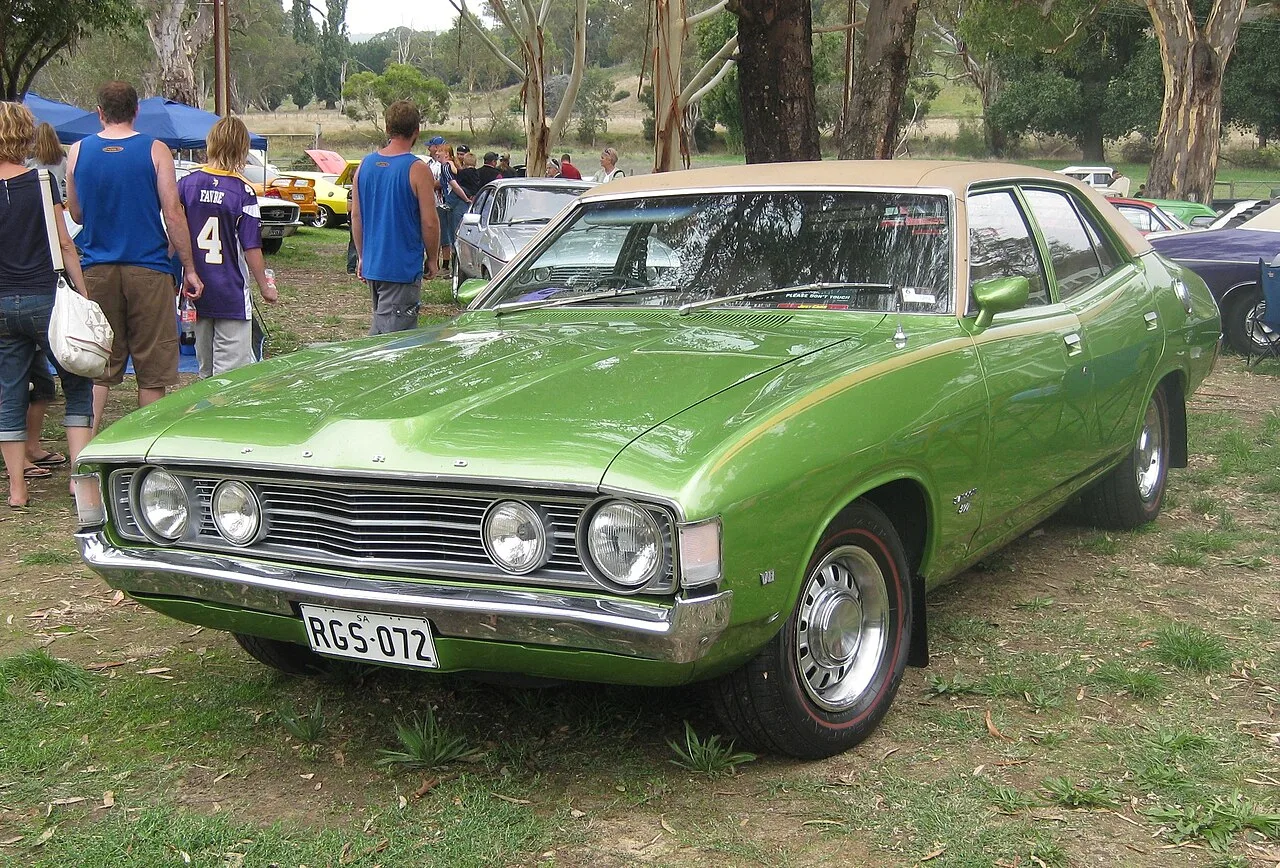
The XA Falcon Hardtop wasn't purely Australian engineering — it shared its floor sheet metal with the American Ford Torino SportsRoof.
Median 89 hp across 164 similar cars
Lead trim: XA 3.3 L (200 ci) six (130 bhp) · up to 300 hp
Ford Falcon (Australia)1972–1973
- 0spots by members
- Unclaimednobody has spotted one yet
- 0sets it belongs to
Nobody in Burbles has spotted a Ford Falcon (Australia) yet. See one on the street, point the app at it, and the first card is yours — with your @handle permanently credited on this page.
FactThe XA Falcon Hardtop wasn't purely Australian engineering — it shared its floor sheet metal with the American Ford Torino SportsRoof.
The Ford Falcon (XA) is a full-size car produced by Ford Australia from March 1972 to September 1973, the first iteration of the third generation of the Falcon, also including the luxury-oriented Fairmont (XA) and the Australian Ford Landau, and sold in South Africa as the Ranchero. It was the first Falcon to be designed (with assistance from Ford's US headquarters) and manufactured in Australia: designed by Jack Telnack, with an entirely new body, larger and more roomy than the XY, giving it the "coke-bottle" look and a longer list of options. Sedans and wagons were introduced in March 1972, the hardtops in August 1972 and the utilities and vans in October; wagons, utilities and vans now had a longer wheelbase than the sedan, and Fairmont wagons had a dual-action tailgate that opened downwards or sideways. The two-door hardtop was the first on an Australian Falcon since the XP of 1965–66 and bore a notable resemblance to the US 1971–1973 Mustang hardtop; its longer frameless doors were shared with the utility and van. Ford Australia built the 351 cu in (5,766 cc) Cleveland V8 locally, along with a de-stroked 302 cu in (4,942 cc) variant to replace the imported Windsor 302; the 260 hp two-barrel 351 was the largest engine option, with a 300 bhp version in the GT only. The XA GT was the first GT available as a two-door hardtop, with unique front fenders with dummy air vents and NACA-style bonnet ducts; the planned GT-HO Phase IV was abandoned after an infamous newspaper campaign against excessive top speeds (the "Supercar scare").
Collectors Spotted in the Ford Falcon (Australia) Lineage
No member has published a public street spot of the Ford Falcon (Australia) yet — the First · Worldwide stamp is wide open.
Trims & Figures
6 published trims in the catalogue. A blank is a figure not recorded, not zero.
| Trim | Years | Engine | Power | Torque | 0–60 | Drive | Gearbox | MSRP |
|---|---|---|---|---|---|---|---|---|
| XA 3.3 L (200 ci) six (130 bhp) | 1972–1973 | 3.3 L Inline-6 | 130 hp | 190 lb-ft | — | RWD | — | — |
| XA 4.1 L (250 ci) six (155 bhp) | 1972–1973 | 4.1 L Inline-6 | 155 hp | 240 lb-ft | — | RWD | — | — |
| XA 4.1 L (250 ci) six (170 bhp) | 1972–1973 | 4.1 L Inline-6 | 170 hp | 250 lb-ft | — | RWD | — | — |
| XA 4.9 L (302 ci) V8 (240 bhp) | 1972–1973 | 4.9 L V8 | 240 hp | 305 lb-ft | — | RWD | — | — |
| XA 5.8 L (351 ci) Cleveland V8 (260 bhp) | 1972–1973 | 5.8 L V8 | 260 hp | 355 lb-ft | — | RWD | — | — |
| XA GT 5.8 L (351 ci) Cleveland V8 (300 bhp) | 1972–1973 | 5.8 L V8 | 300 hp | 380 lb-ft | — | RWD | — | — |
Owning one
We don’t estimate running costs for a car like this. What it costs depends on its condition, its specialist and how it is driven, and an average would mislead.
Owners’ builds
Nobody has claimed one yet.
Photographs
One GT-F 351 went to the NSW Highway Patrol, then had its engine tuned by racing legend Dick Johnson to 600kW, making it more powerful than an actual V8 Supercar and Australia's most powerful police car.
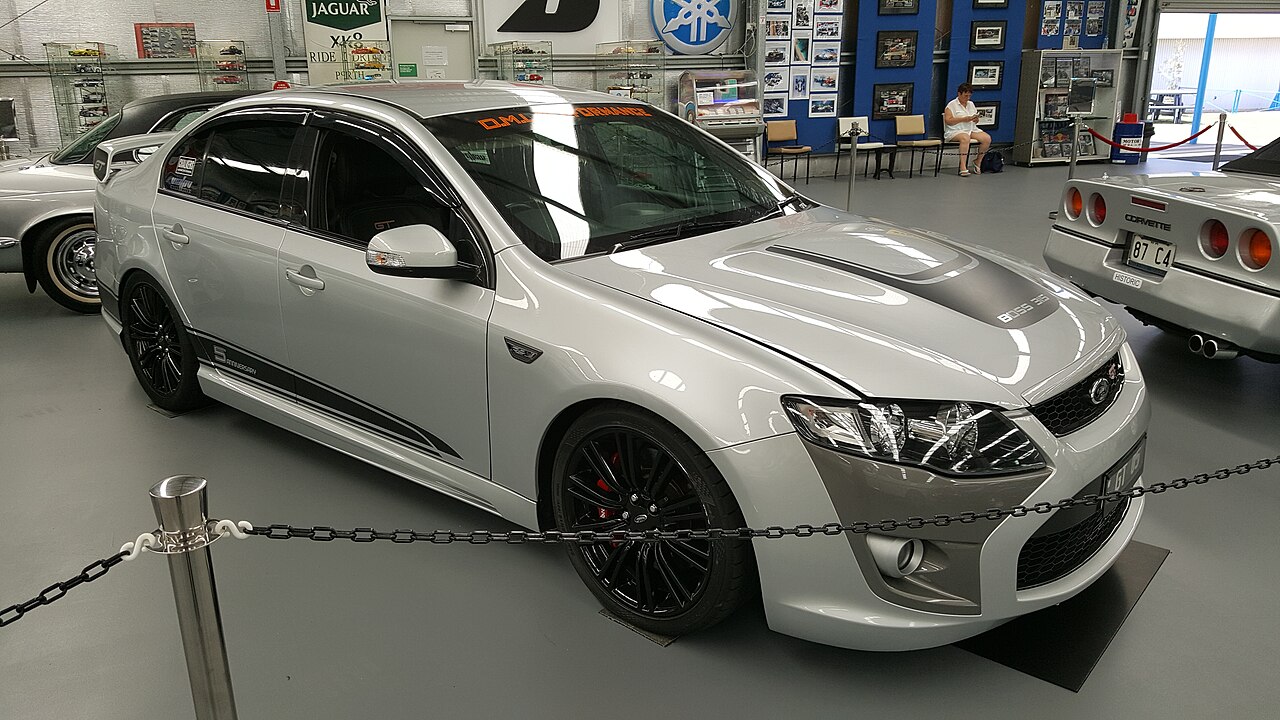
When the old 5.4-litre V8 could no longer meet emissions rules, FPV swapped in a supercharged 5.0-litre "Miami" V8 — reviving the GT and giving the GS a reason to exist after the XR8 was cancelled.
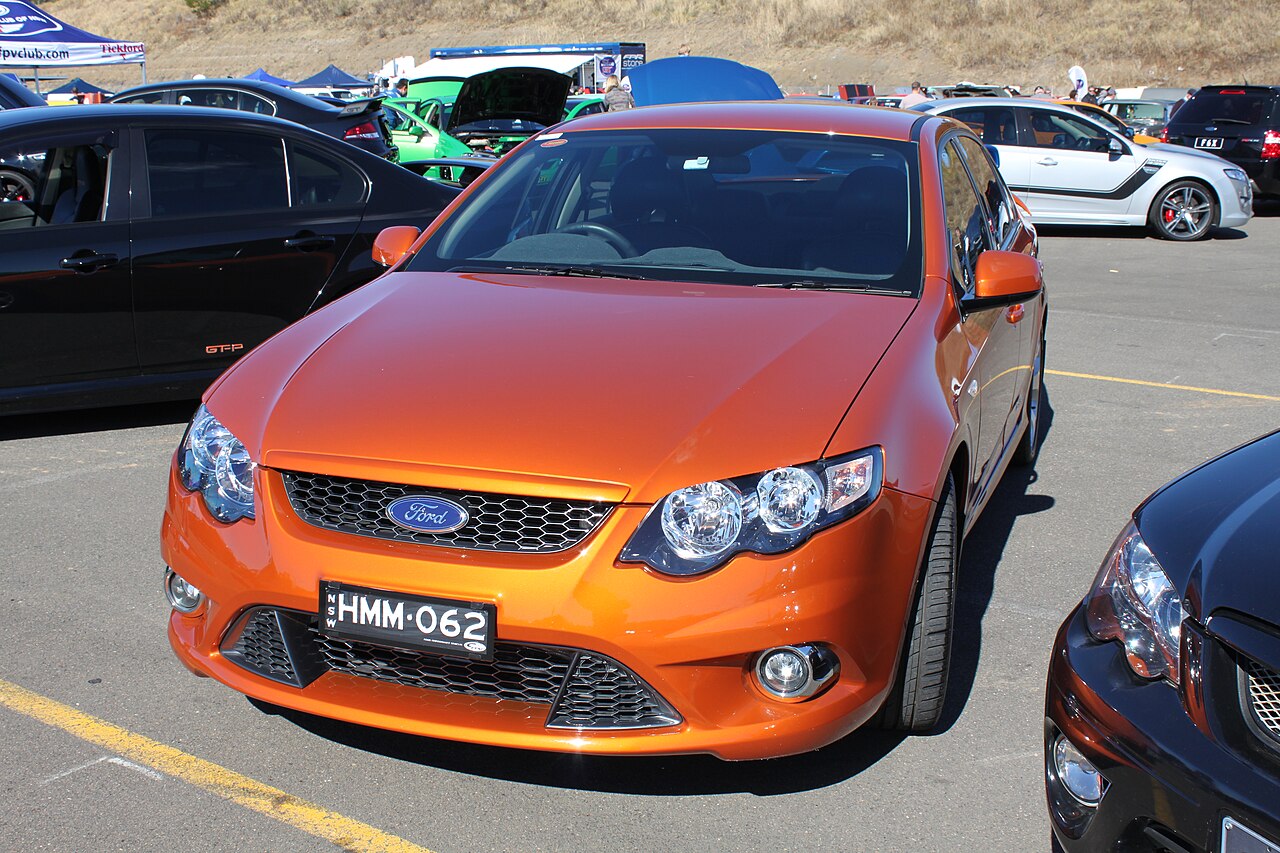
Ford dropped the Fairmont name entirely on the FG and named the whole generation after it anyway: FG stands for Fairmont Ghia.
FPV revived a name retired since the '70s for this run: just 250 GS sedans and 75 utes, built with a detuned version of the GT's V8 as a tribute edition.
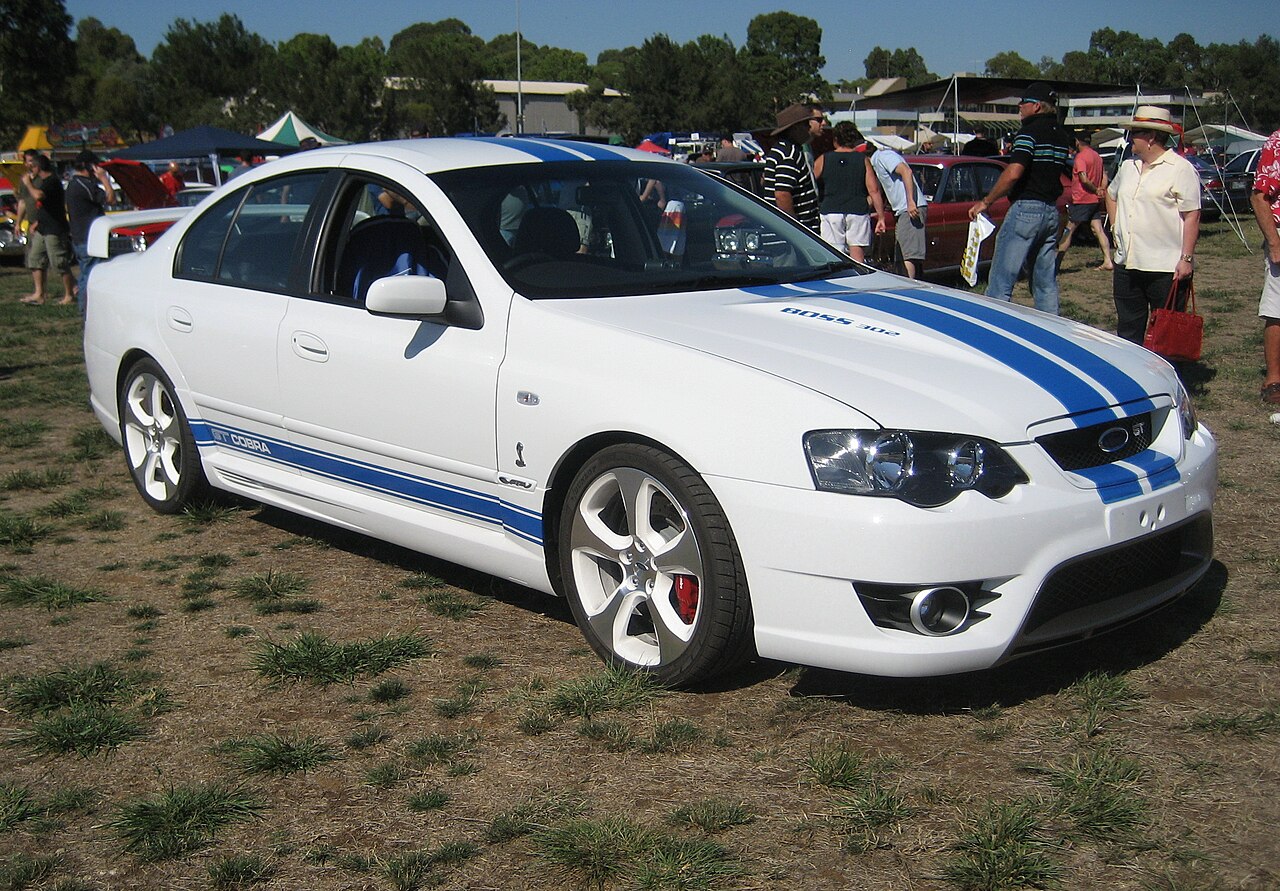
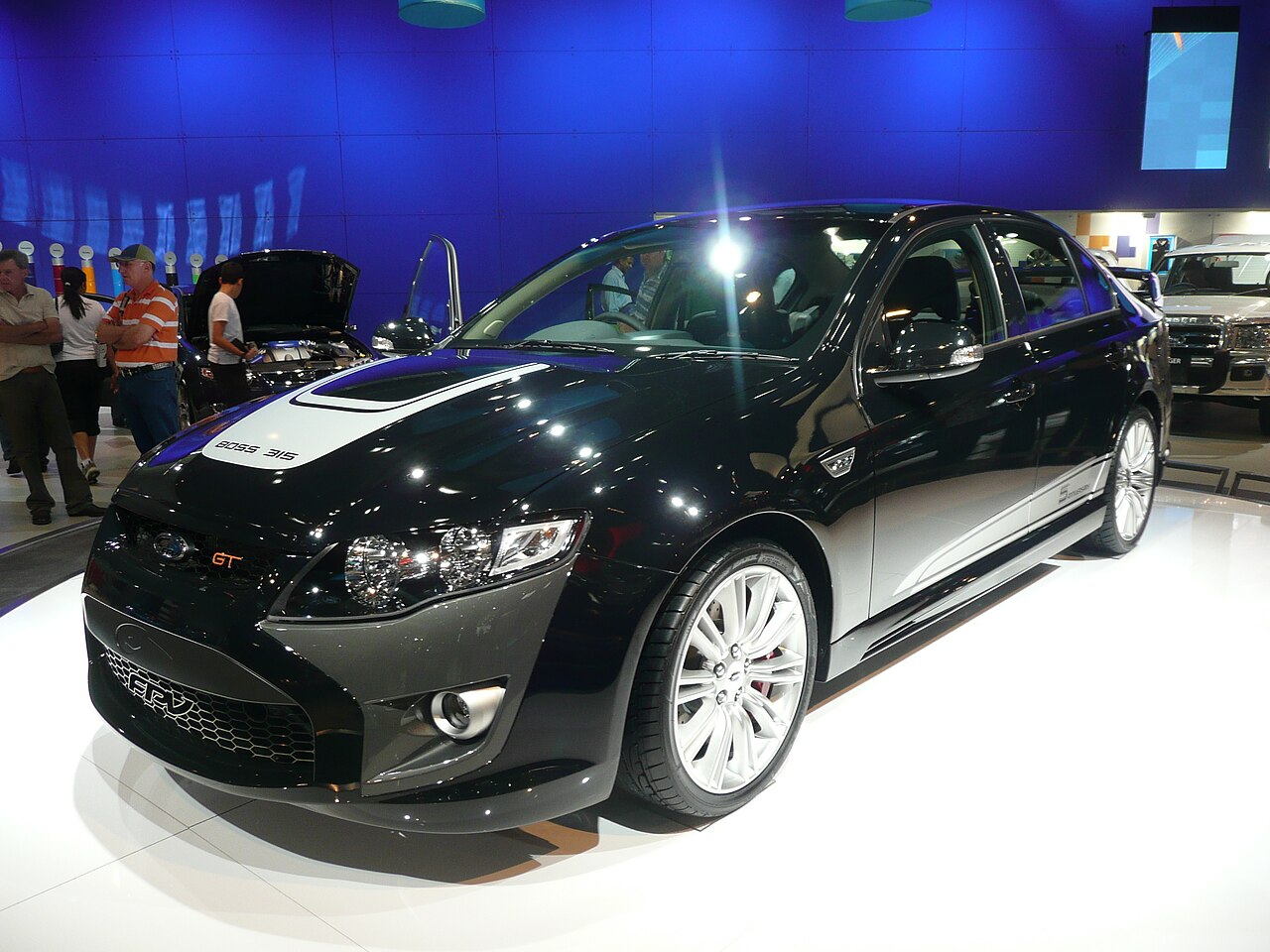
Ford's performance arm built a one-off engine just for this car: the Boss 302, created specifically for the GT Cobra special edition and not used in any other FPV road car before it.
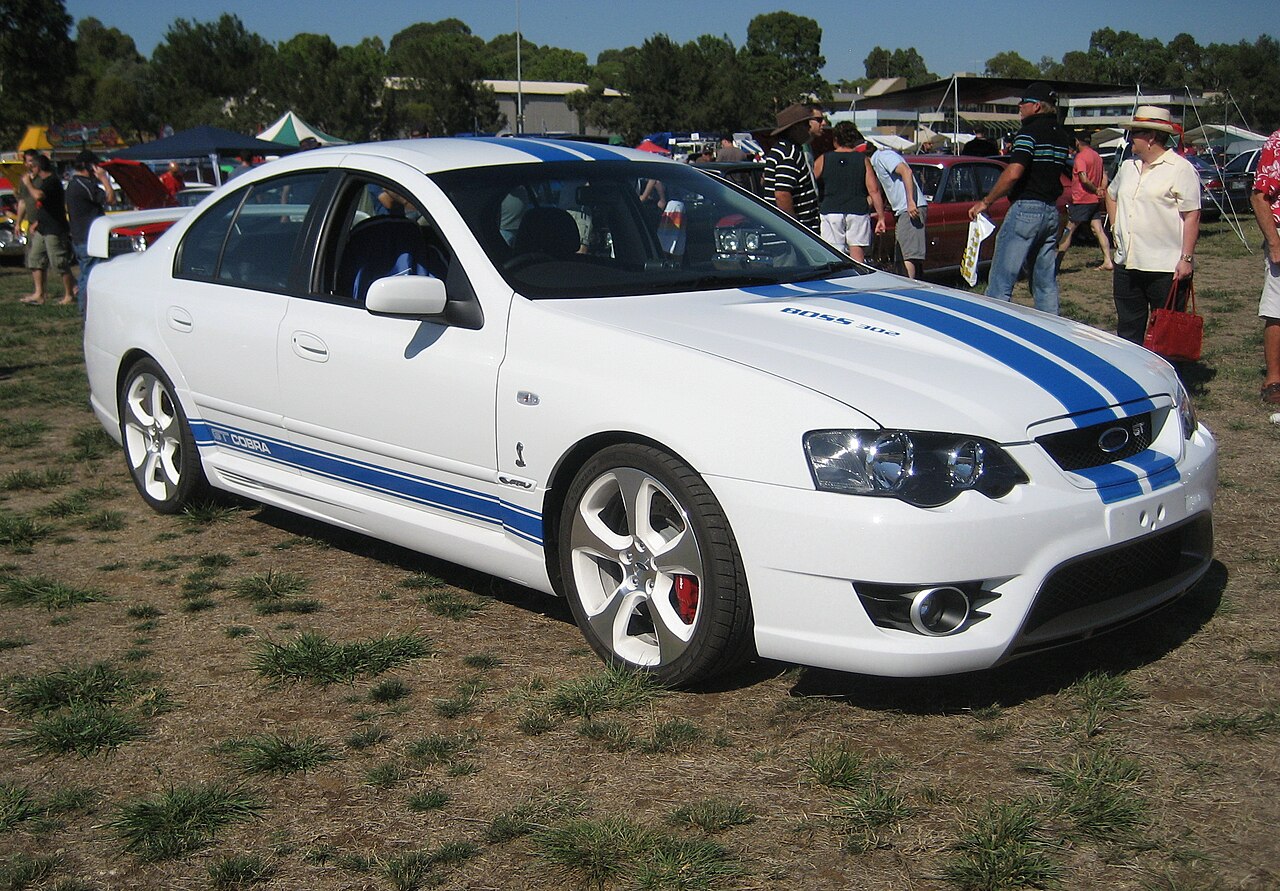
FPV's BF-era F6 "R-Spec" Typhoon was the only limited-edition turbo FPV ever built, and the only R-Spec with a turbo under the bonnet at all.
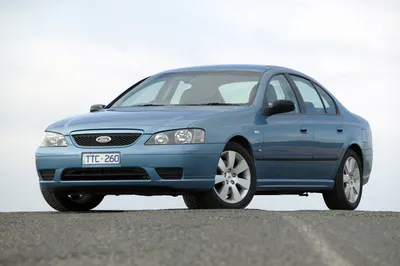
The BF replaced its old Tibbe car key with a German Huf twin-track lock system, a small security upgrade lost in a mechanical overhaul.
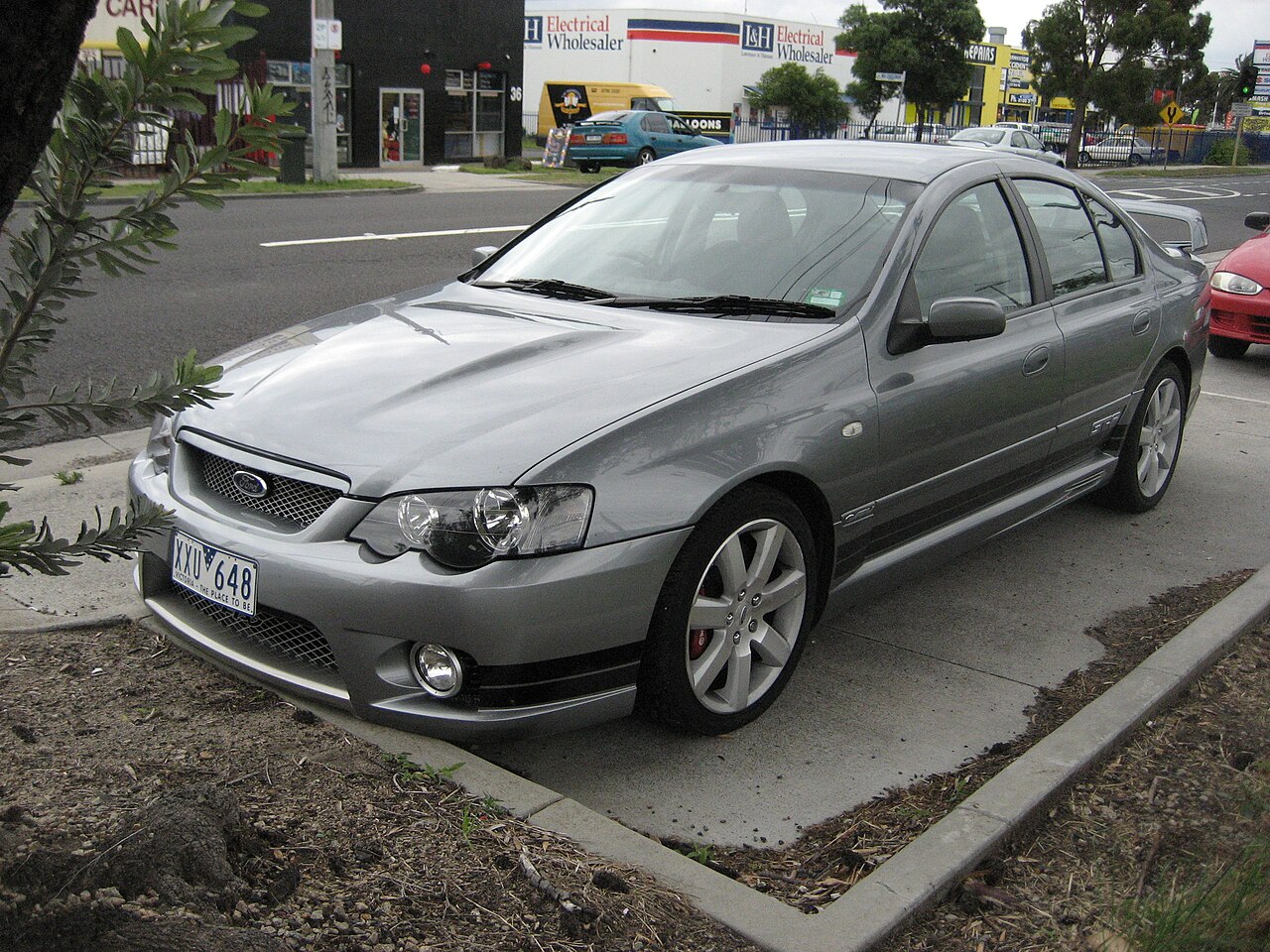
FPV's Boss 290 V8 in the GT, GT-P and Pursuit borrowed its cylinder heads from the limited-edition 2000 Mustang Cobra R — American muscle-car hardware in an Australian Falcon.
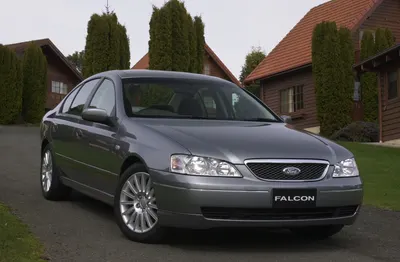
The BA's XR6 Turbo made 240 kW from a straight six, more power than the V8 Fairmont sitting next to it on the line.
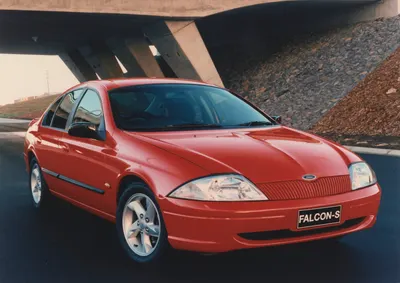
Ford Australia weighed importing a Mazda 929 or a Ford Scorpio before spending A$700 million to keep building its own Falcon.
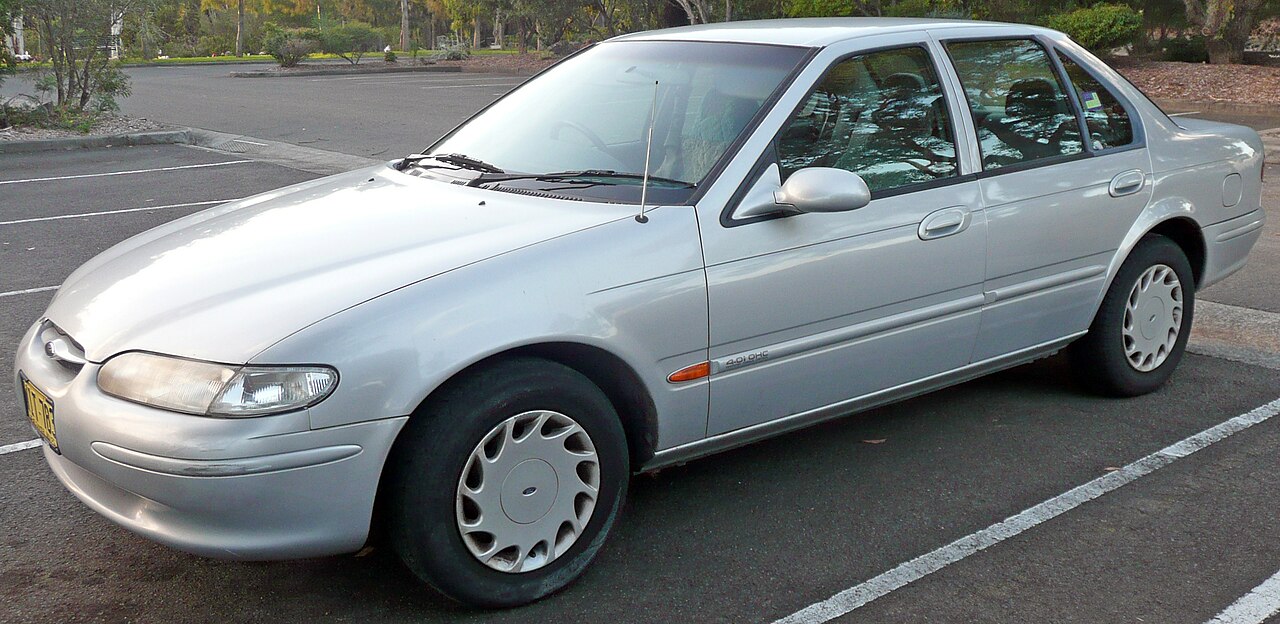
Ford spent A$40 million just to stretch the E-series body one more generation, making the EL a stopgap that outsold expectations.
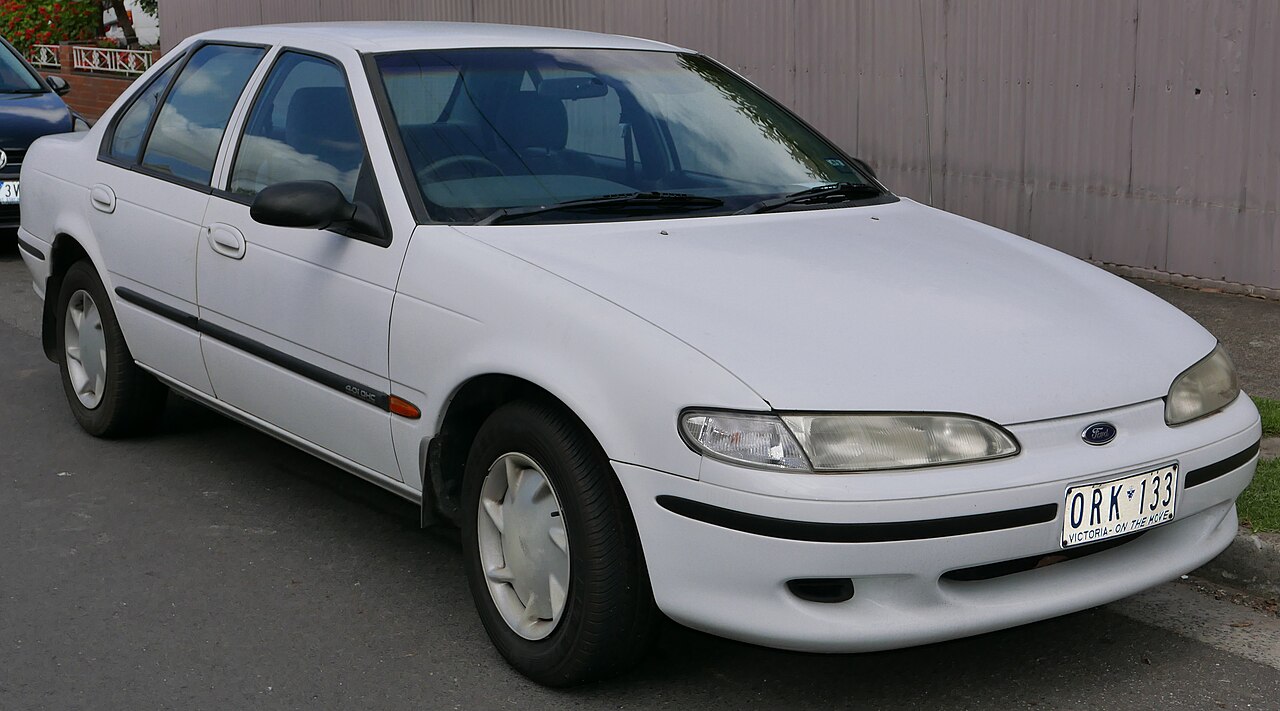
The EF Falcon was the first Falcon with polycarbonate headlight lenses instead of glass, lighter and shatter-resistant.
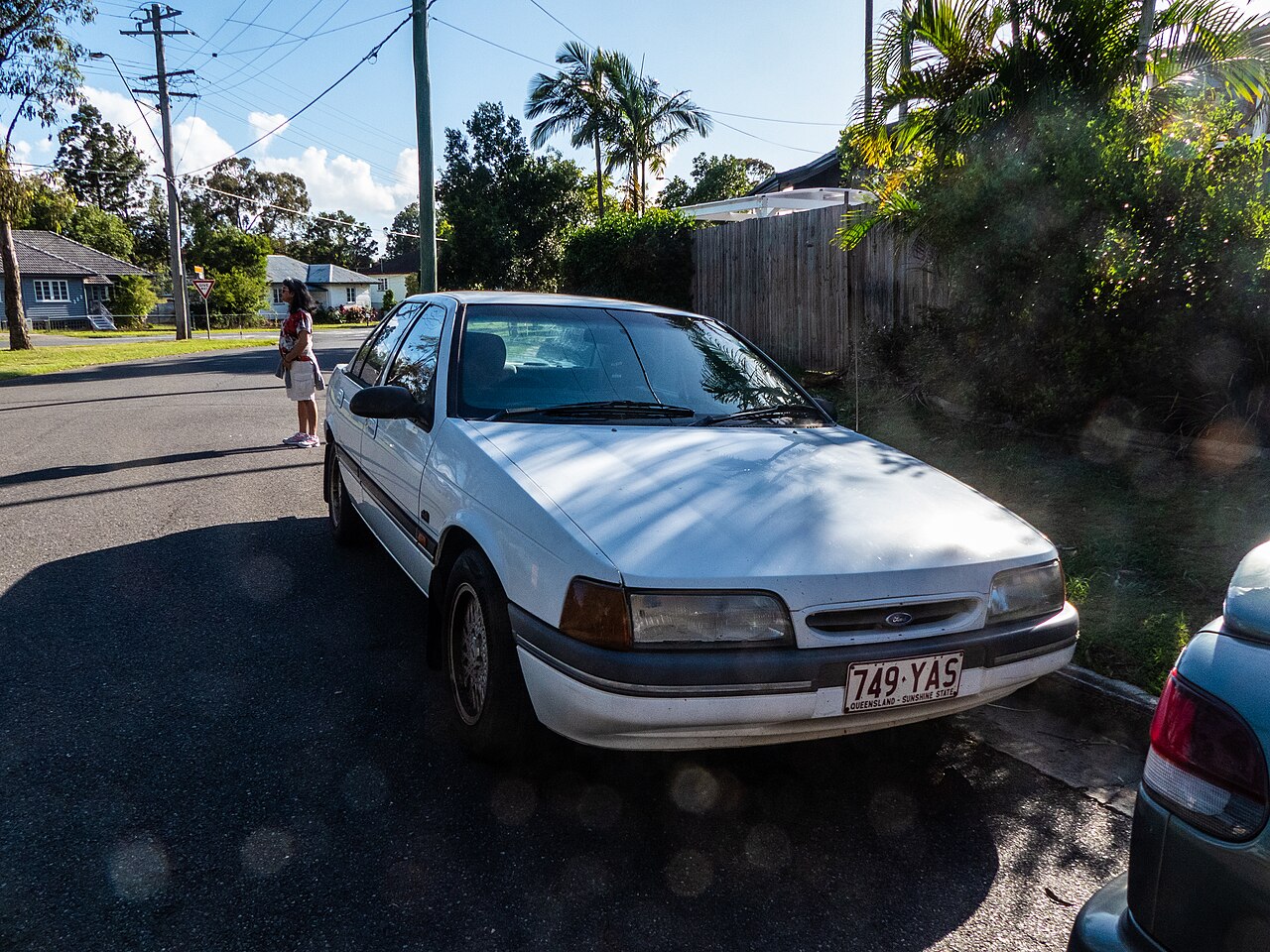
Ford made over 280 changes for the ED yet gave the XR6 and XR8 a four-headlight face nothing else in the range wore.
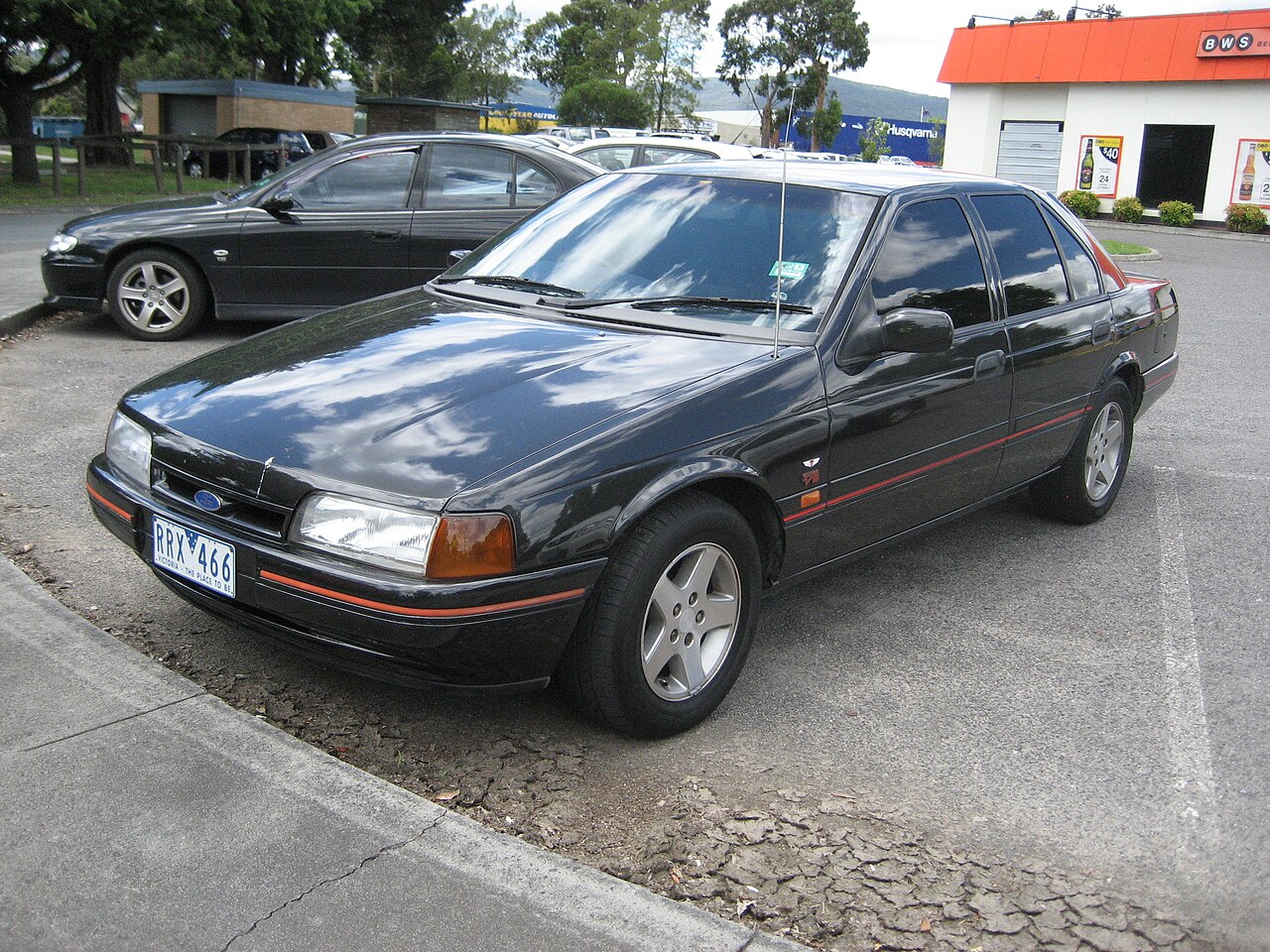
Ford brought the V8 back for the EB after a nine-year absence, and marked it with a 250-unit anniversary GT.
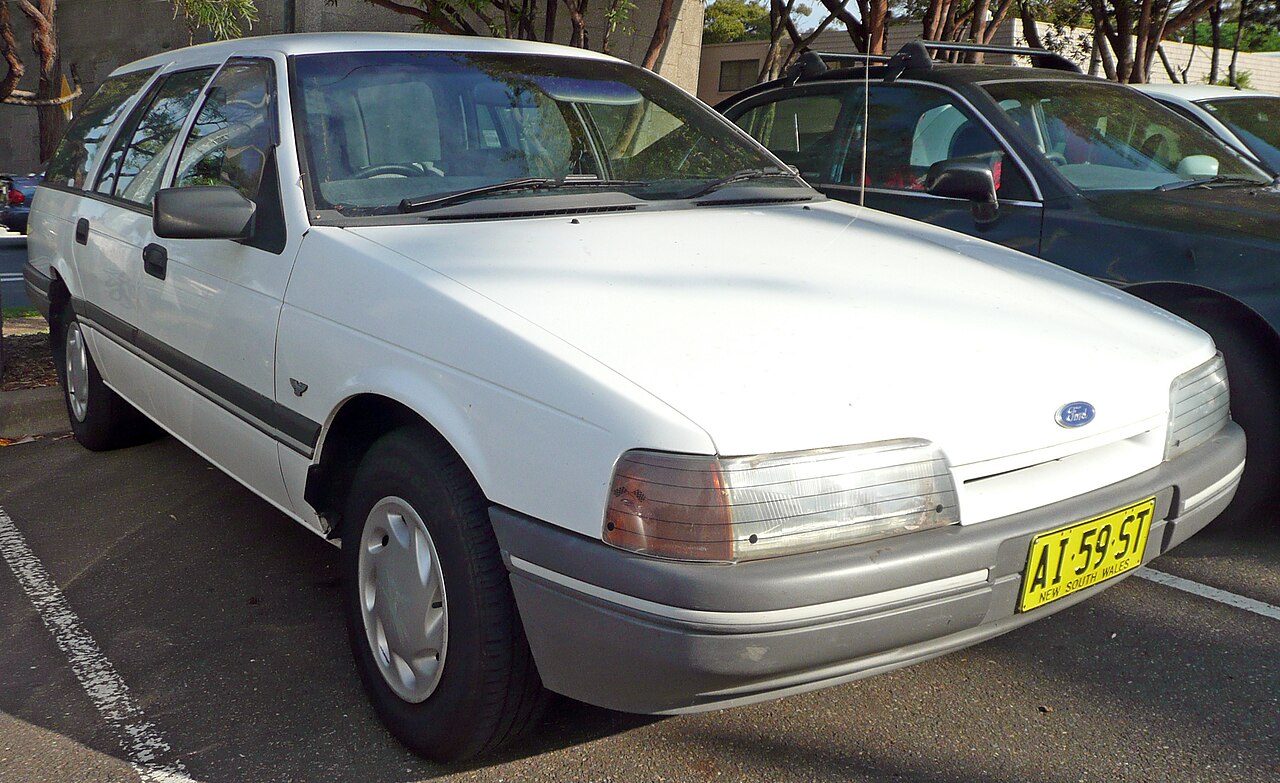
Ford built the EA Falcon with a front bench seat just so taxis could still fit three across, front and back.
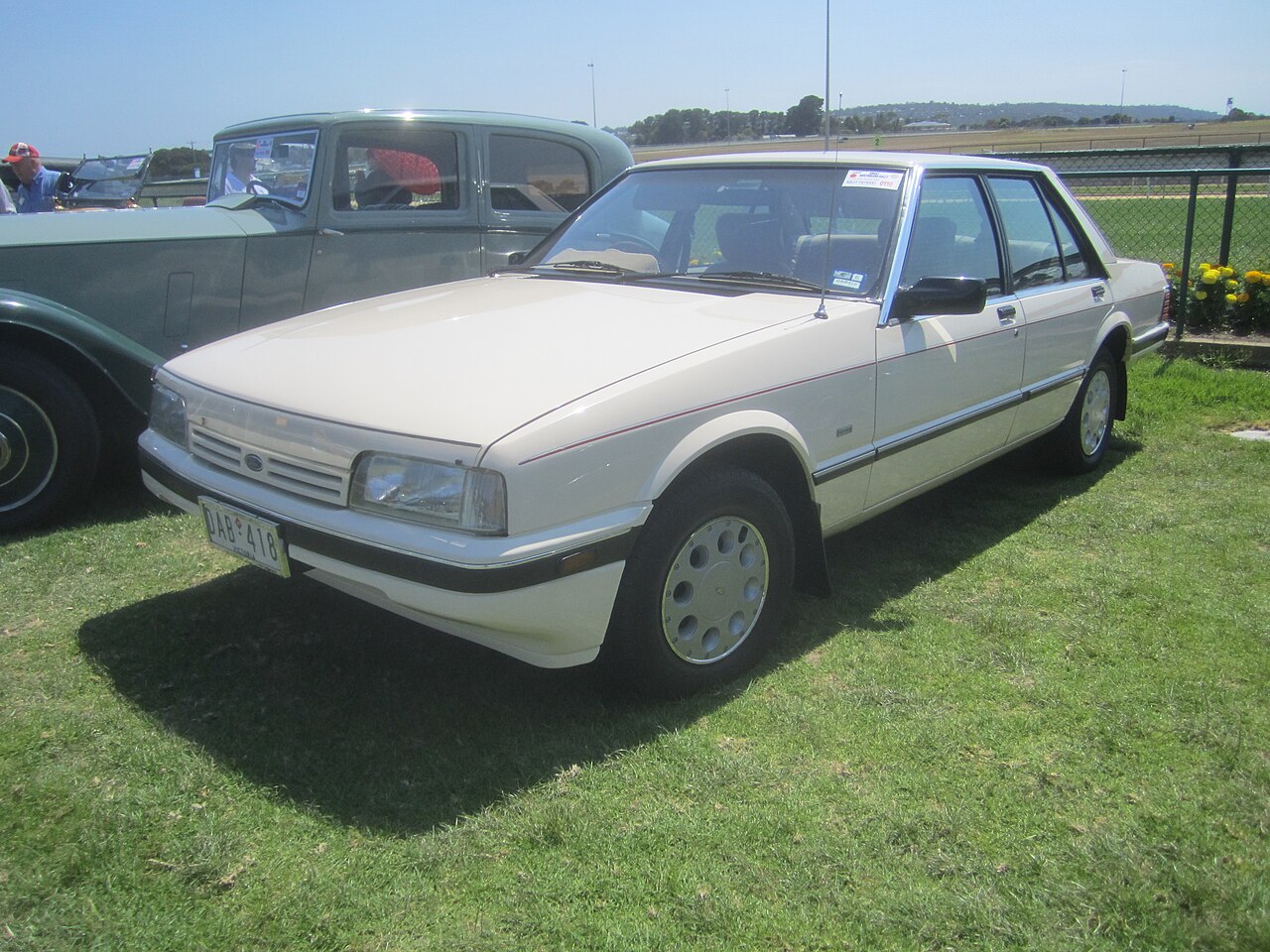
The XF was only meant to be a stopgap facelift, yet it became Ford Australia's best-selling Falcon ever at 278,101 built.
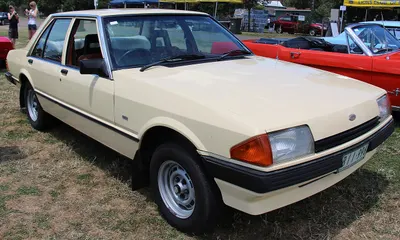
The XE Falcon quietly dropped V8 power altogether, and Ford wouldn't offer one again until the EB arrived in 1991.
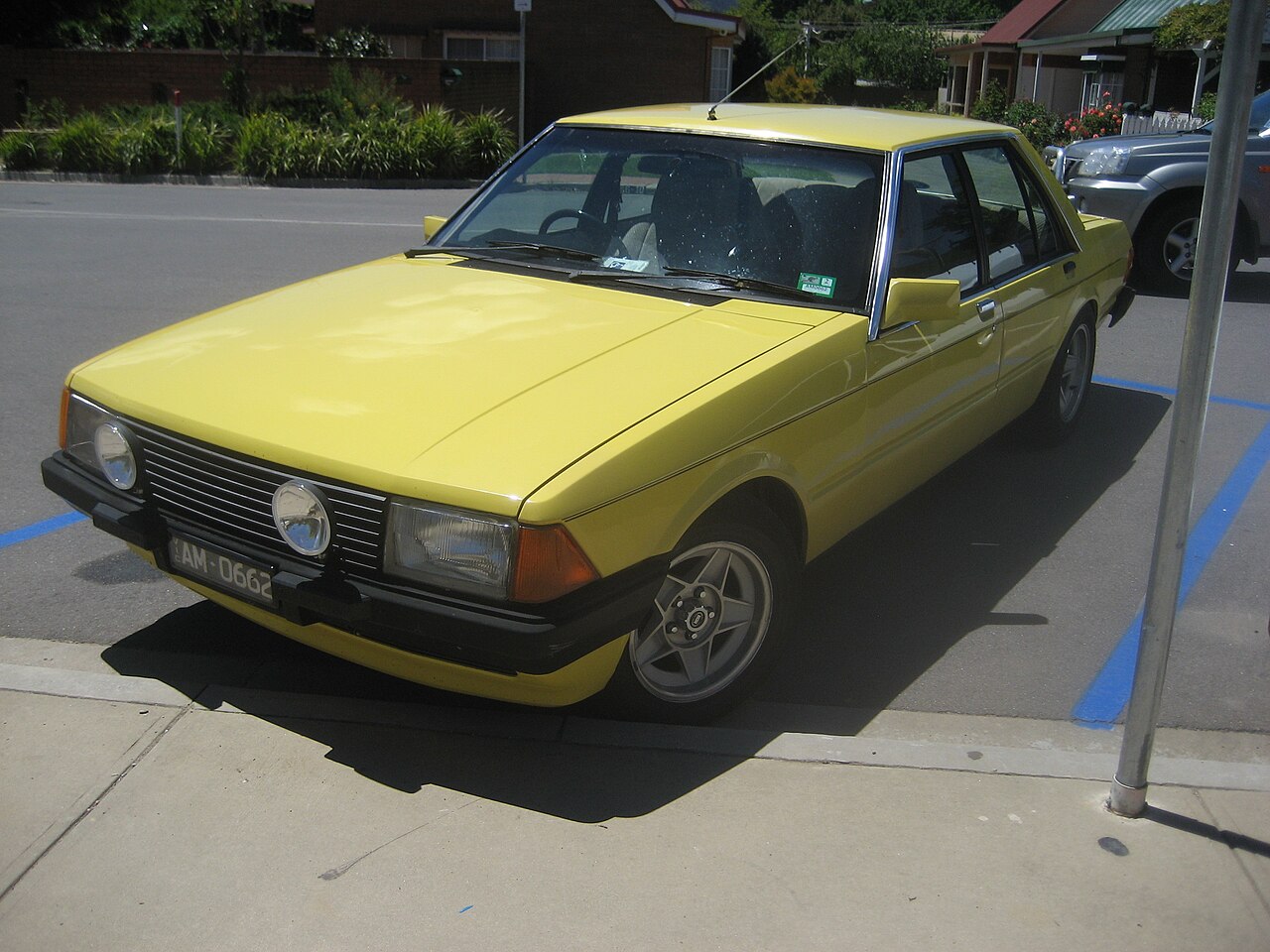
Ford bet the Falcon's future on staying big while Holden shrank the Kingswood into the Opel-based Commodore.
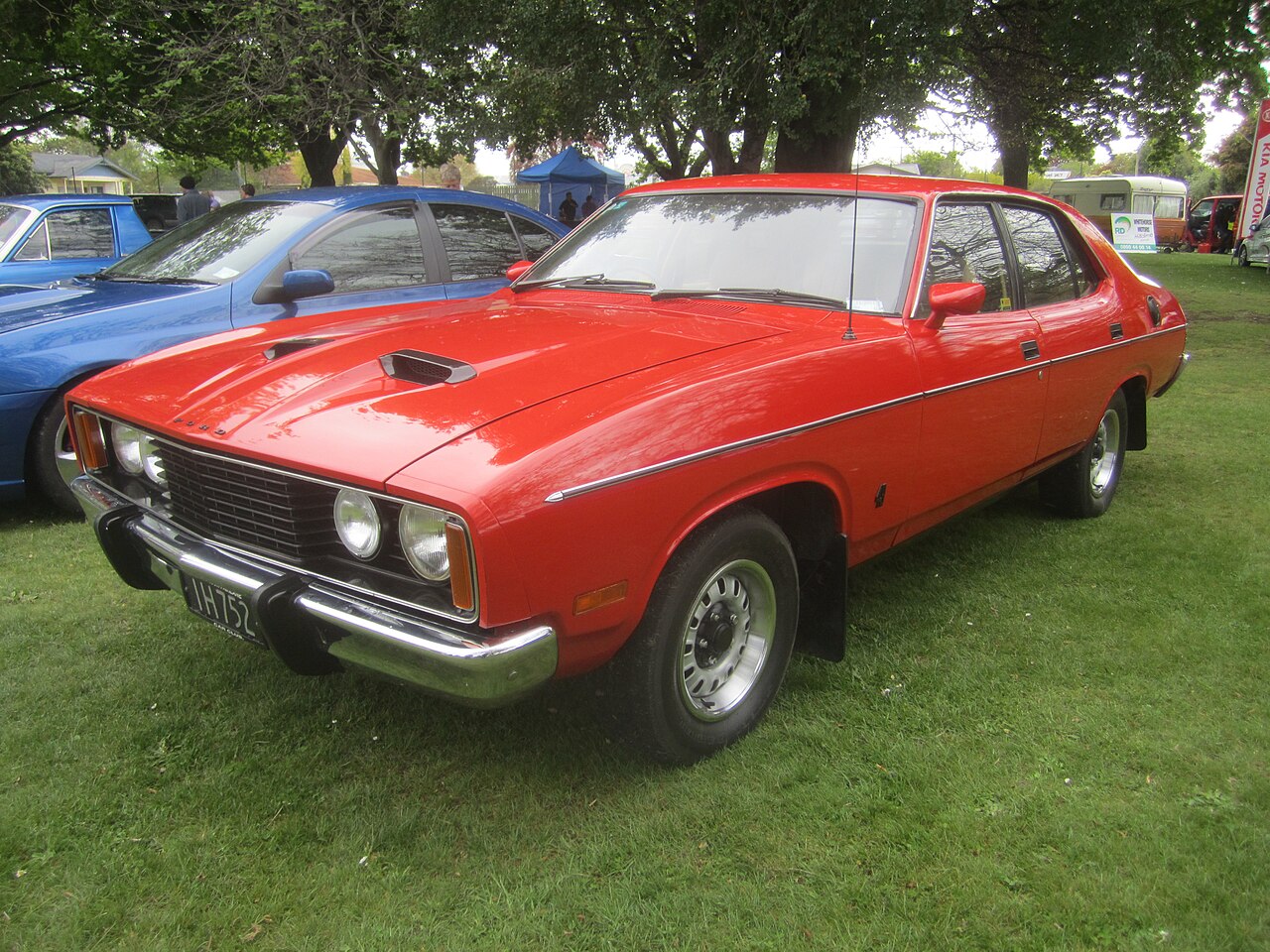
Ford spent $16 million just to claw back power the XC lost to new emissions rules, and still called it a ten percent gain.
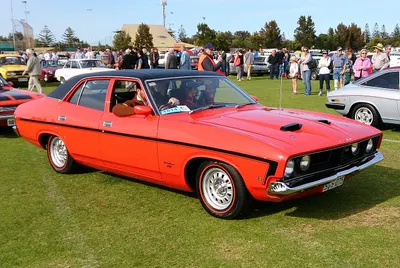
A special Sovereign Edition XB marked Ford Australia's 50th anniversary in 1974, buried quietly within the regular range.
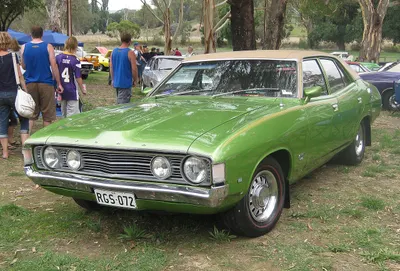
The XA Falcon Hardtop wasn't purely Australian engineering — it shared its floor sheet metal with the American Ford Torino SportsRoof.
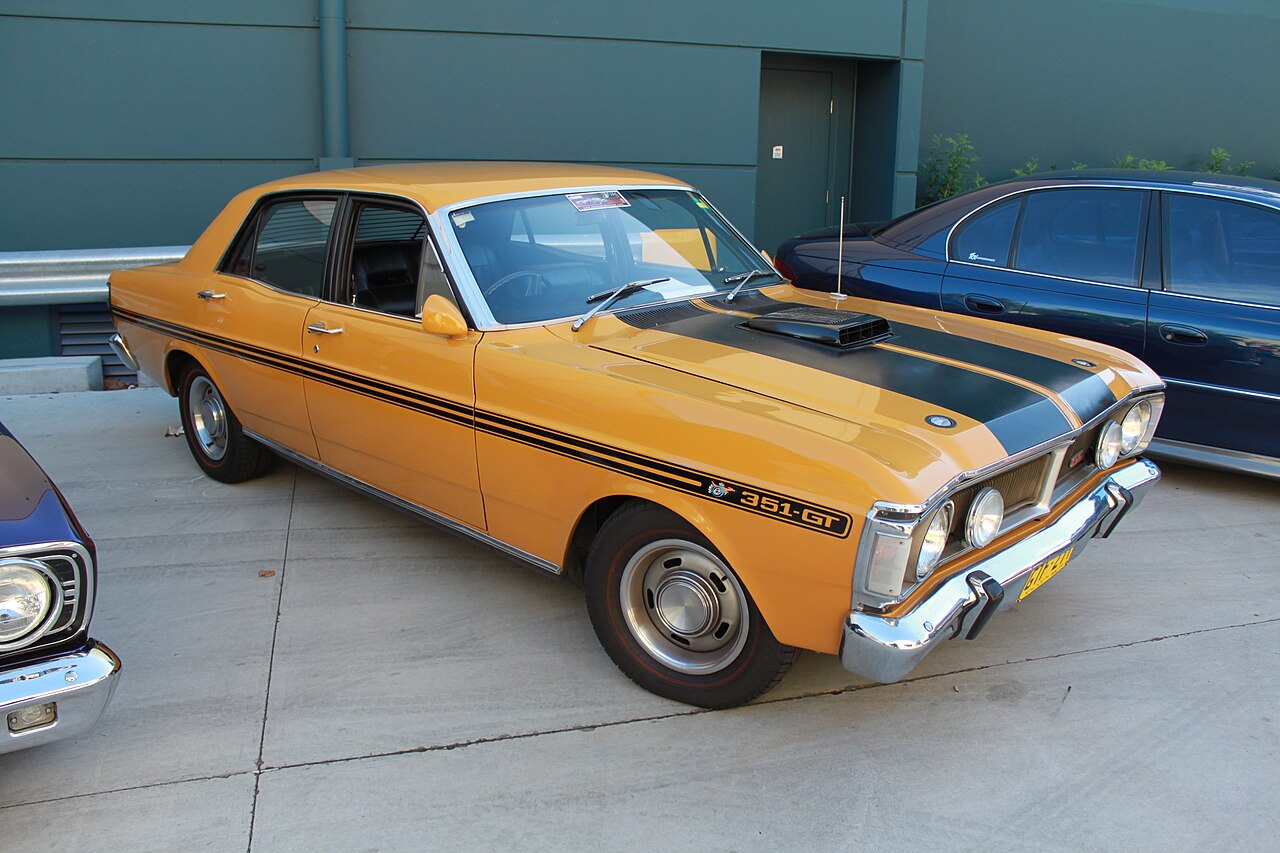
Ford built 432 four-wheel-drive utes on the XY platform in 1972, a one-year oddity buried among 1,557 GTs.
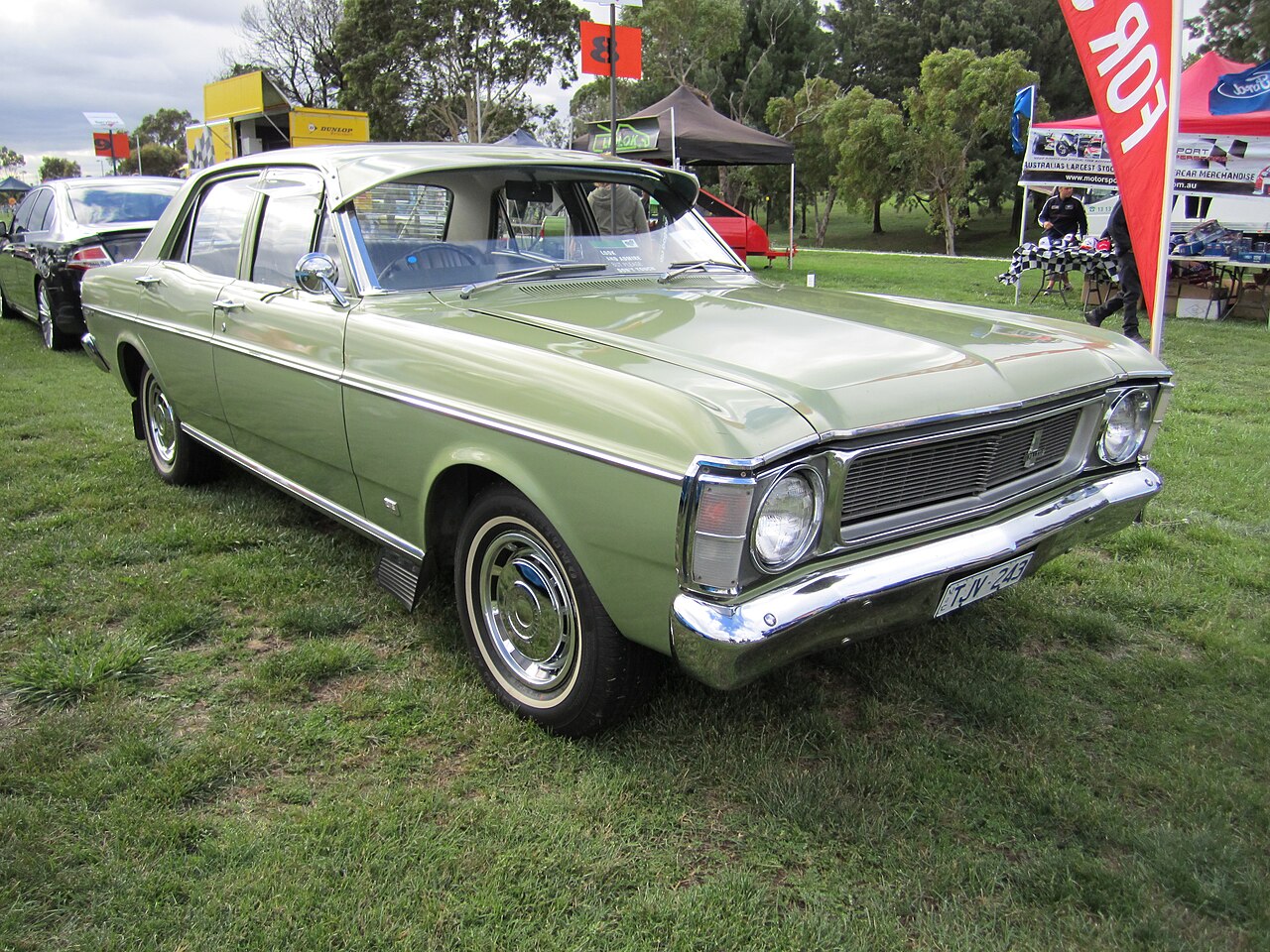
The 1969 XW Falcon GT didn't mess around: Ford dropped in a 351-cubic-inch Canadian-built Windsor V8 making 291 hp, plus 'Super Roo' stripes running the full length of the car.
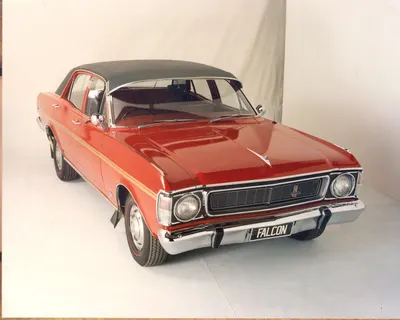
The XT Falcon finished third in the 1968 London–Sydney Marathon and still took home the Teams Prize.
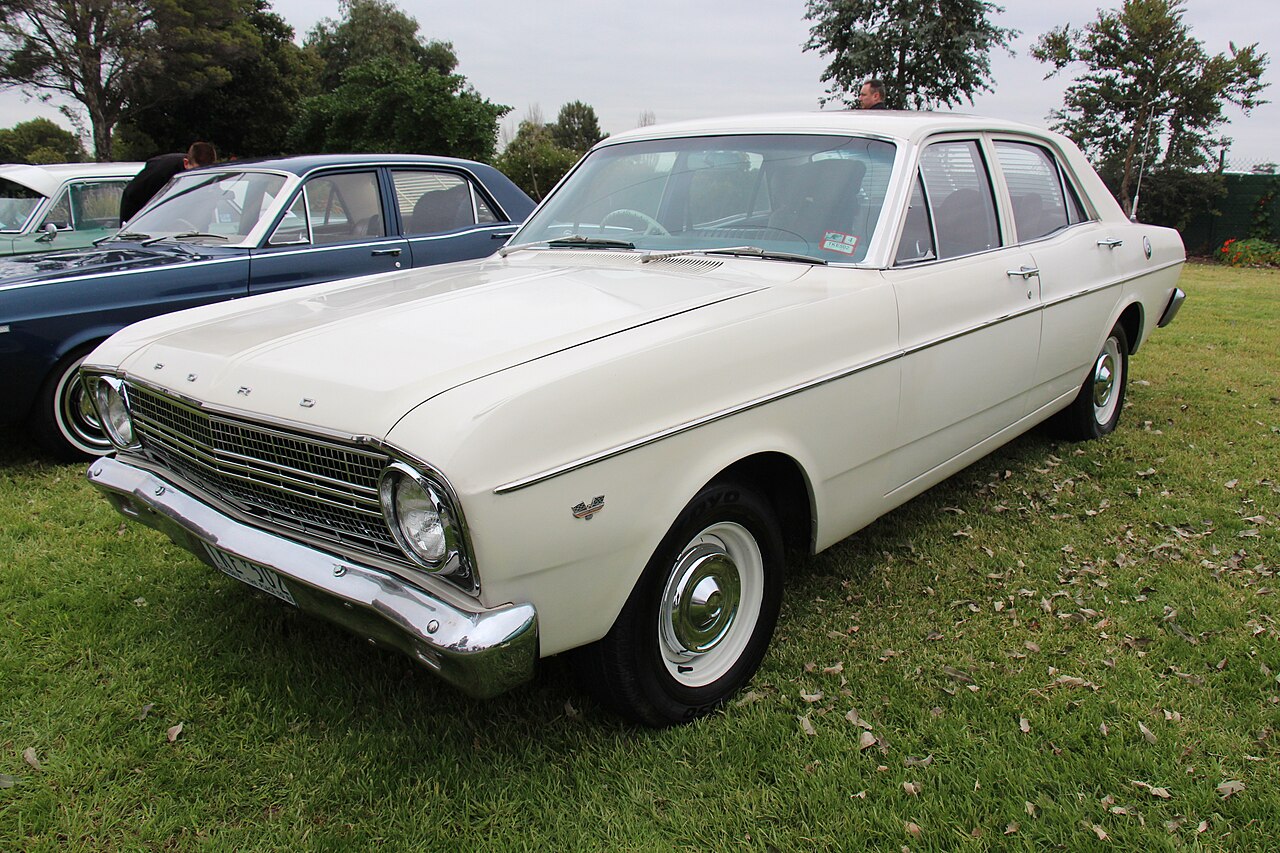
Ford marketed the XR Falcon as "Mustang-bred" and backed it up with a factory GT that won Bathurst outright in 1967.
Rivals
Same body, same money, other badges — tap any card to flip.

It briefly served as senior sibling to Marquette, a GM companion brand cancelled after just one year.

Nissan hired former BMW engineers to help develop the 510's suspension, which is why period reviewers frequently compared its handling to the BMW 1600/2002.

A Trabant 601 won its class at the 1970 Monte Carlo Rally, with a second 601 right behind it in second.

The 600 was a stopgap: the P50's body over the 601's mechanicals, and for a while its estate was built alongside the new 601 saloon.

The G80 Sport brought a 370 PS twin-turbo 3.3 V6, a mesh grille and copper-tinted chrome with copper stitching to match.

The Vigor was sold only with a five-cylinder engine, an unusual configuration Honda used to fit a longer engine transversely under a short hood.

The GS/E coupe earned the nickname "German Charger" for its long hood, short deck stance borrowed from Detroit muscle cars.

This DeVille/Fleetwood was the first production car anywhere to mount its V8 sideways, Cadillac's front-drive gamble on the new C-body.