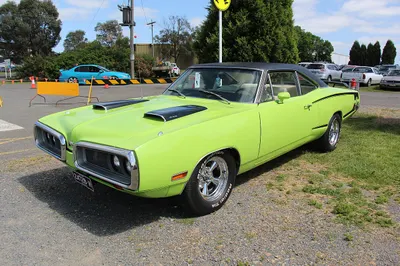
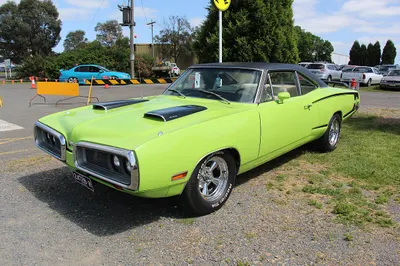
This Super Bee has nothing to do with the real Dodge Aspen/Volare twins it's built from — Chrysler de México just kept recycling old nameplates long after the US had retired them.
Median 88 hp across 213 similar cars
Lead trim: Mexican Super Bee 360 LA V8 (270 hp)
Dodge Super Bee, F-bodySUPER-BEE-MX-2 · 1977–1980
- 0spots by members
- Unclaimednobody has spotted one yet
- 0sets it belongs to
Nobody in Burbles has spotted a Dodge Super Bee, F-body yet. See one on the street, point the app at it, and the first card is yours — with your @handle permanently credited on this page.
FactThis Super Bee has nothing to do with the real Dodge Aspen/Volare twins it's built from — Chrysler de México just kept recycling old nameplates long after the US had retired them.
Chrysler de México continued to use old model names after they were dropped in the US: the Dodge Aspen and Plymouth Volare were sold in Mexico as the Dodge Dart and the Valiant Volare, and the sports version was named the Valiant Super Bee (the Mexican Valiant Volare and the Dodge Super Bee consisted of the front of the Dodge Aspen and the rear of the US Plymouth Volare). The 1977–1980 Super Bee was equipped with the 360 V8 and 270 hp, a three-speed TorqueFlite automatic or a four-speed manual, wide sports wheels, a front spoiler and a rear spoiler-style Trans Am with the Super Bee spelling, and the federal highway patrol used it as a squad car. For 1980 it got a new front with rectangular headlamps; for 1981 the Dodge Diplomat was introduced in Mexico as the Dodge Dart and a new sports version of it, the Dodge Magnum with the 360 V8 and 270 hp, replaced the Valiant Super Bee. Wheelbase 108.7 in (2,761 mm), length 198.8 in, width 73.3 in, height 53.3 in.
Collectors Spotted in the Dodge Super Bee Lineage
No member has published a public street spot of the Dodge Super Bee yet — the First · Worldwide stamp is wide open.
Trims & Figures
One published trim in the catalogue. A blank is a figure not recorded, not zero.
| Trim | Years | Engine | Power | Torque | 0–60 | Drive | Gearbox | MSRP |
|---|---|---|---|---|---|---|---|---|
| Mexican Super Bee 360 LA V8 (270 hp) | 1977–1980 | 5.9 L V8 | 270 hp | — | — | RWD | — | — |
Owning one
We don’t estimate running costs for a car like this. What it costs depends on its condition, its specialist and how it is driven, and an average would mislead.
Owners’ builds
Nobody has claimed one yet.
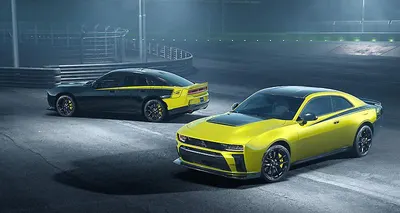
The 2027 Super Bee swapped its V8 for a turbocharged Hurricane inline-six making 600 hp — the first Super Bee ever built without a V8.
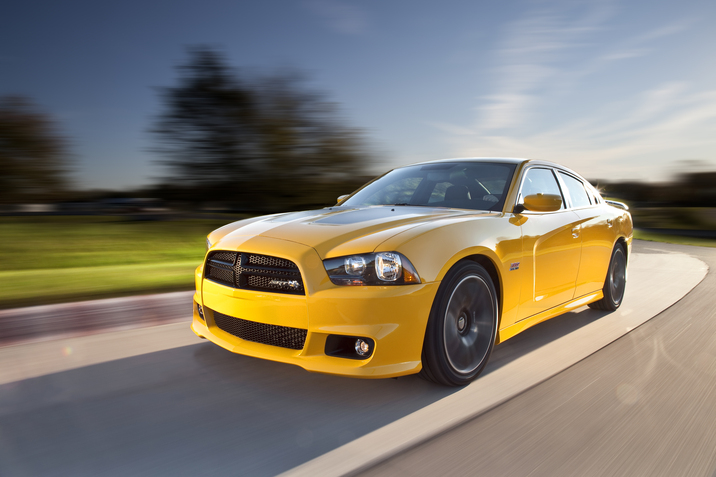
Dodge revived the Super Bee nameplate for 2012 in two deliberately retro shades: "Stinger Yellow" and "Pitch Black," a wink at the original 1968 bee.
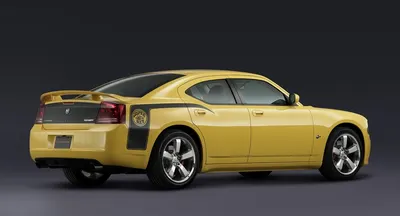
Dodge debuted a B5 Blue Super Bee at the 2007 Detroit auto show, then put it on sale in early 2008 capped at just 1,000 cars.
This Super Bee has nothing to do with the real Dodge Aspen/Volare twins it's built from — Chrysler de México just kept recycling old nameplates long after the US had retired them.
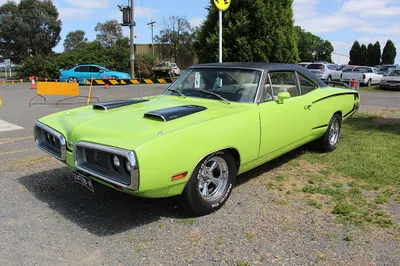
1971 was the only year Dodge ever put a small-block under the Super Bee's hood — every other year it was big-block V8 or nothing, right up to the Hemi.
Mexico’s Super Bee actually out-muscled its American namesake — looser emissions rules there let the same 318 and 360 V8s make more horsepower than the US-spec engines.
A designer won an in-house naming contest to call it Super Bee, then Dodge added a pricier Hurst shifter that undercut its own sales pitch.
Rivals
Same body, same money, other badges — tap any card to flip.

It briefly served as senior sibling to Marquette, a GM companion brand cancelled after just one year.

Nissan hired former BMW engineers to help develop the 510's suspension, which is why period reviewers frequently compared its handling to the BMW 1600/2002.

A Trabant 601 won its class at the 1970 Monte Carlo Rally, with a second 601 right behind it in second.

The 600 was a stopgap: the P50's body over the 601's mechanicals, and for a while its estate was built alongside the new 601 saloon.

The G80 Sport brought a 370 PS twin-turbo 3.3 V6, a mesh grille and copper-tinted chrome with copper stitching to match.

The Vigor was sold only with a five-cylinder engine, an unusual configuration Honda used to fit a longer engine transversely under a short hood.

The GS/E coupe earned the nickname "German Charger" for its long hood, short deck stance borrowed from Detroit muscle cars.

This DeVille/Fleetwood was the first production car anywhere to mount its V8 sideways, Cadillac's front-drive gamble on the new C-body.