VerifiedFIRST · WORLDWIDEFIRST PRINTONLY ONE IN VANCOUVERDaihatsu's tiny Hijet kei truck got a youth-market special edition in 1997 called the "Hijet IS" — IS stood for "Idol" and "Stylish," badges not usually associated with a cargo van.

A two millionth Hijet rolled off the line during this generation's run, an S60 built in 1980.
Lead trim: 547 cc AB20 (28 PS, Japan) · up to 30 hp
Nobody in Burbles has spotted a Daihatsu Hijet Wide 55 S60 yet. See one on the street, point the app at it, and the first card is yours — with your @handle permanently credited on this page.
FactA two millionth Hijet rolled off the line during this generation's run, an S60 built in 1980.
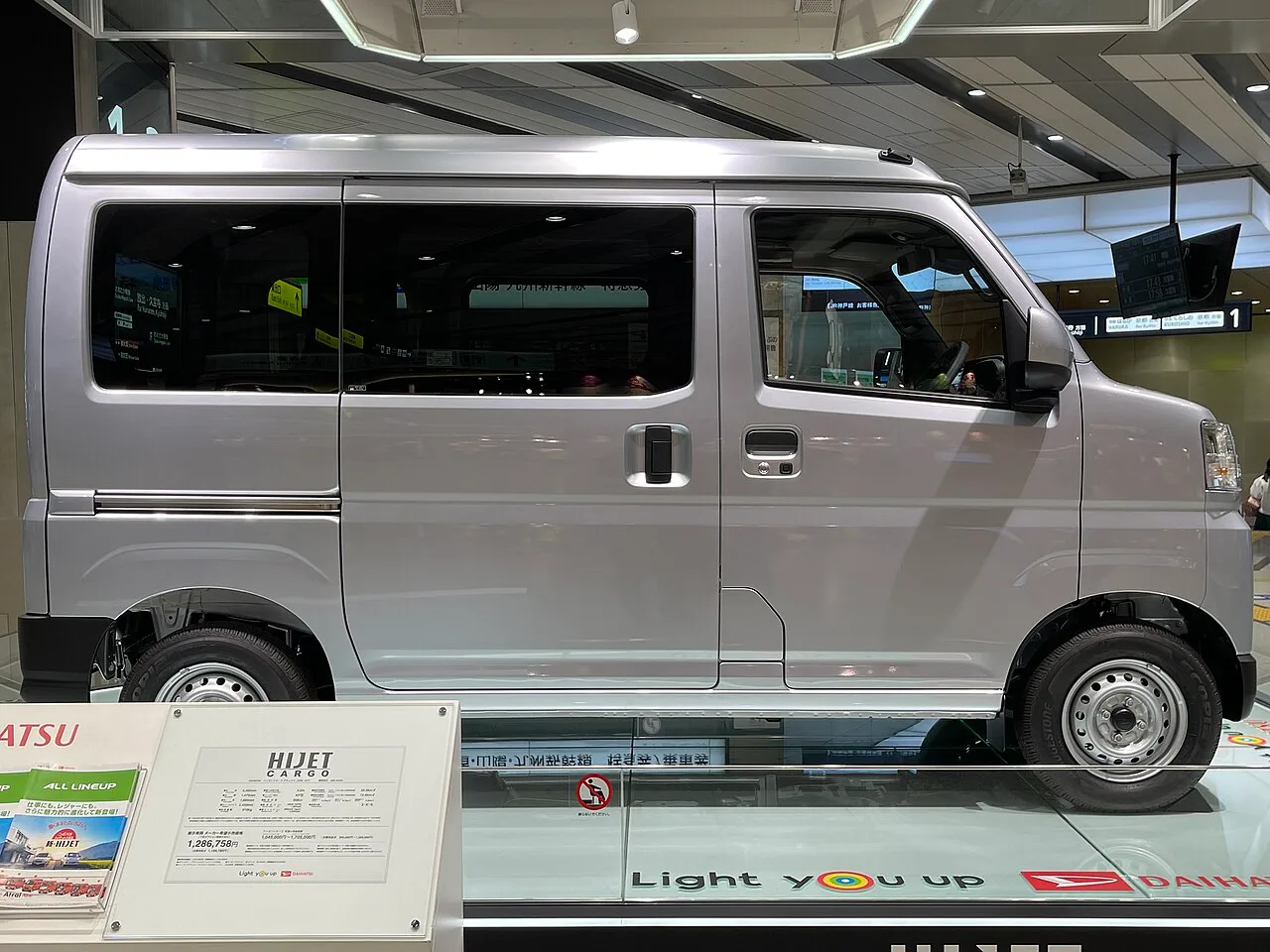
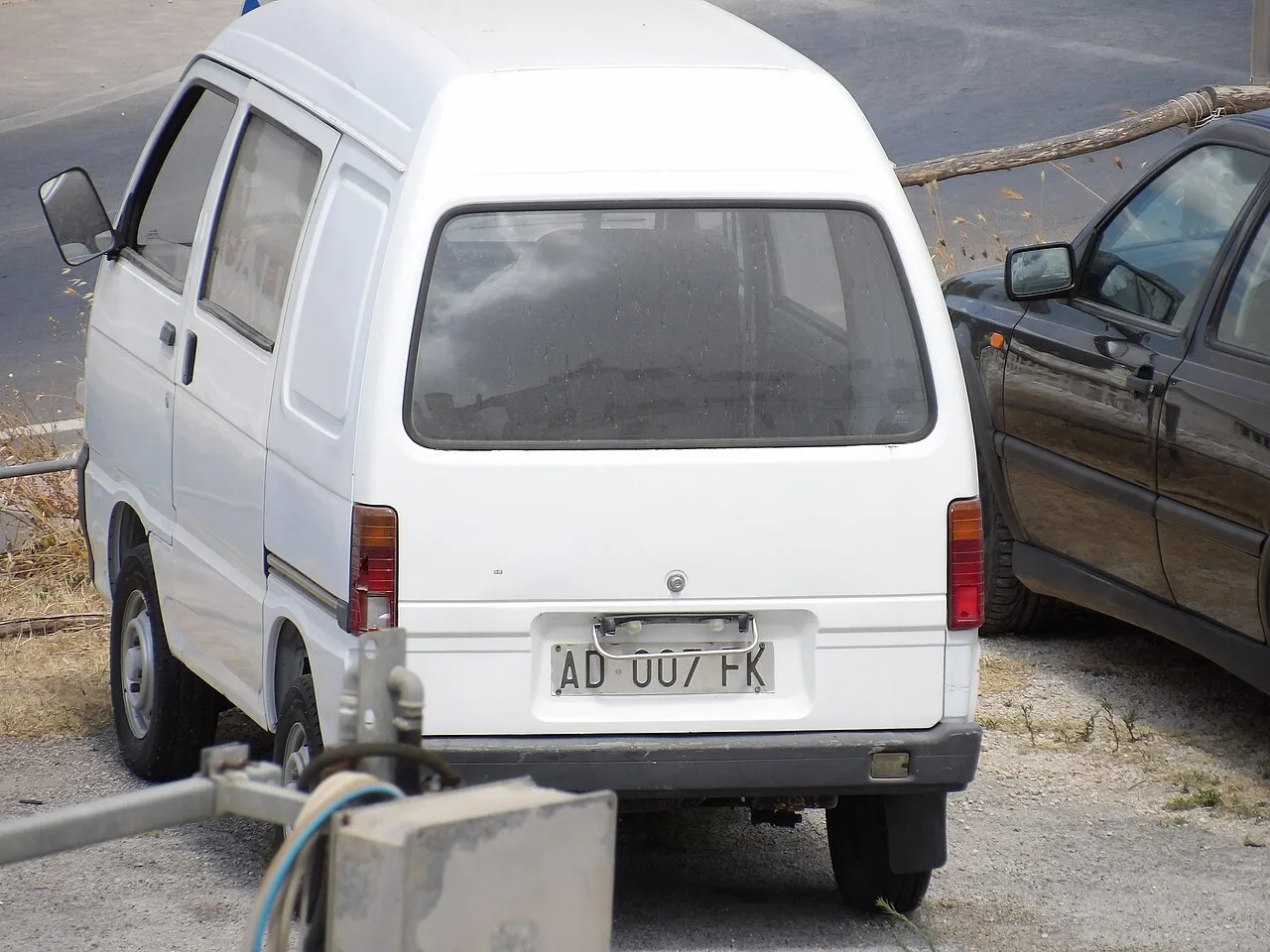
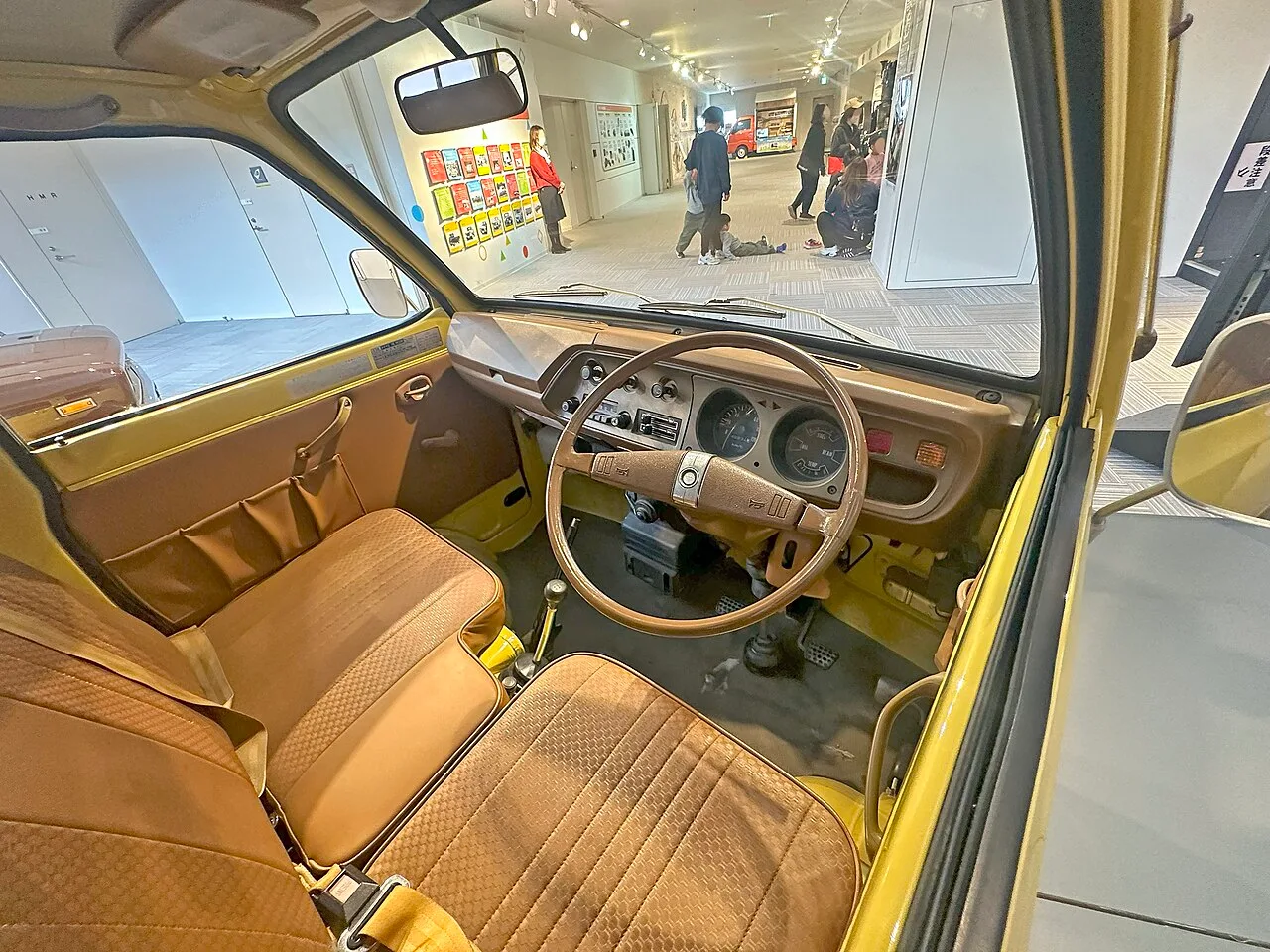
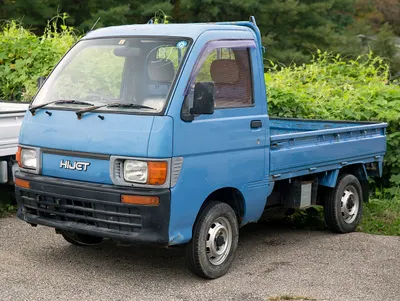
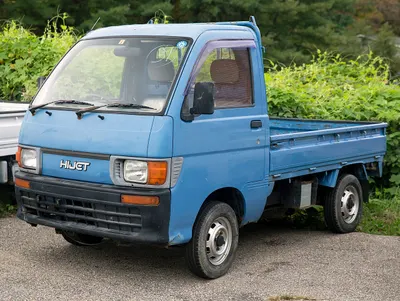
The "Hijet Wide 55", named for its wider body and bigger 550 cc engine, was the first Hijet to reach export markets in any serious numbers. The 547 cc AB20 is a four-stroke, water-cooled, single-overhead-cam two-cylinder with a balance axle, mid-mounted just behind the front axle and reached by lifting the front seats. Suffix letters mark the body: P for the simple pickup, T for the three-way dropside and V for vans. Pickups arrived first, with the glassed sliding-door van and a panel van three months later (in June 1977), and a Custom EX light van in March 1979. The two millionth Hijet was an S60 built during 1980.
Real Daihatsu Hijet cards spotted on the street by Burbles collectors. Tap any card to flip it over, inspect the collector’s binder, or follow them.
VerifiedFIRST · WORLDWIDEFIRST PRINTONLY ONE IN VANCOUVERDaihatsu's tiny Hijet kei truck got a youth-market special edition in 1997 called the "Hijet IS" — IS stood for "Idol" and "Stylish," badges not usually associated with a cargo van.
2 published trims in the catalogue. A blank is a figure not recorded, not zero.
| Trim | Years | Engine | Power | Torque | 0–60 | Drive | Gearbox | MSRP |
|---|---|---|---|---|---|---|---|---|
| 547 cc AB20 (28 PS, Japan) | 1977–1981 | 0.5 L Inline-2 | 28 hp | 29 lb-ft | — | RWD | manual | — |
| 547 cc AB20 export (30 PS) | 1977–1981 | 0.5 L Inline-2 | 30 hp | 30 lb-ft | — | RWD | manual | — |
We don’t estimate running costs for a car like this. What it costs depends on its condition, its specialist and how it is driven, and an average would mislead.
Nobody has claimed one yet.


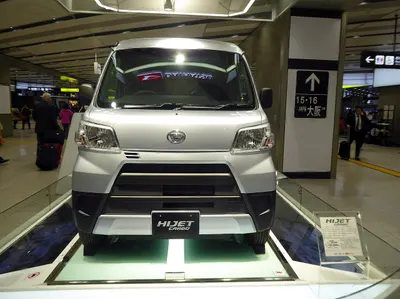
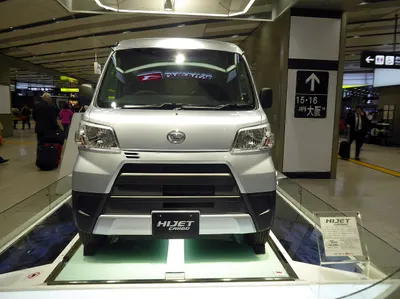
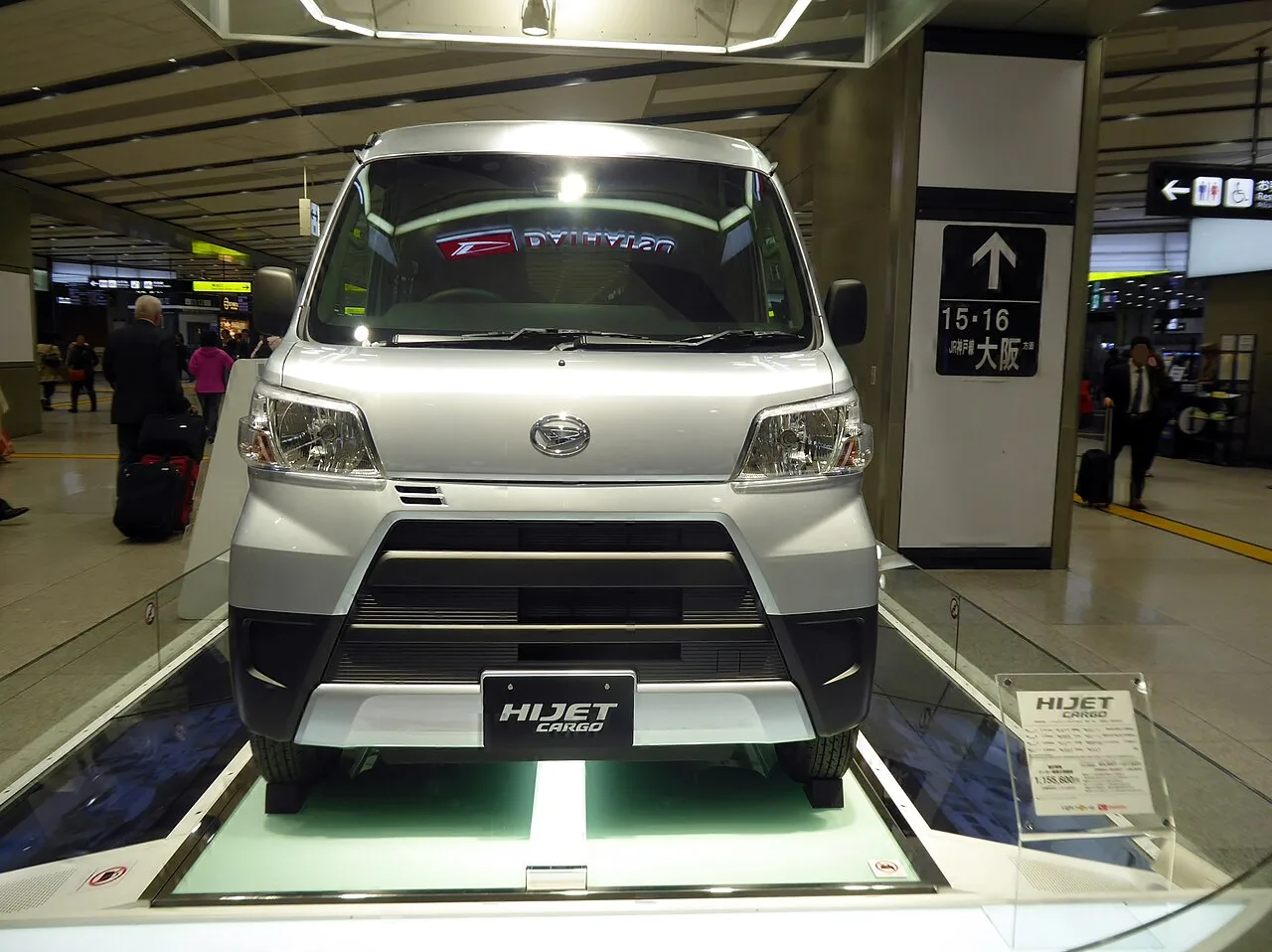
An all-electric Hijet Cargo was announced in 2023 with a 257 km range, then took until February 2026 to actually reach production.

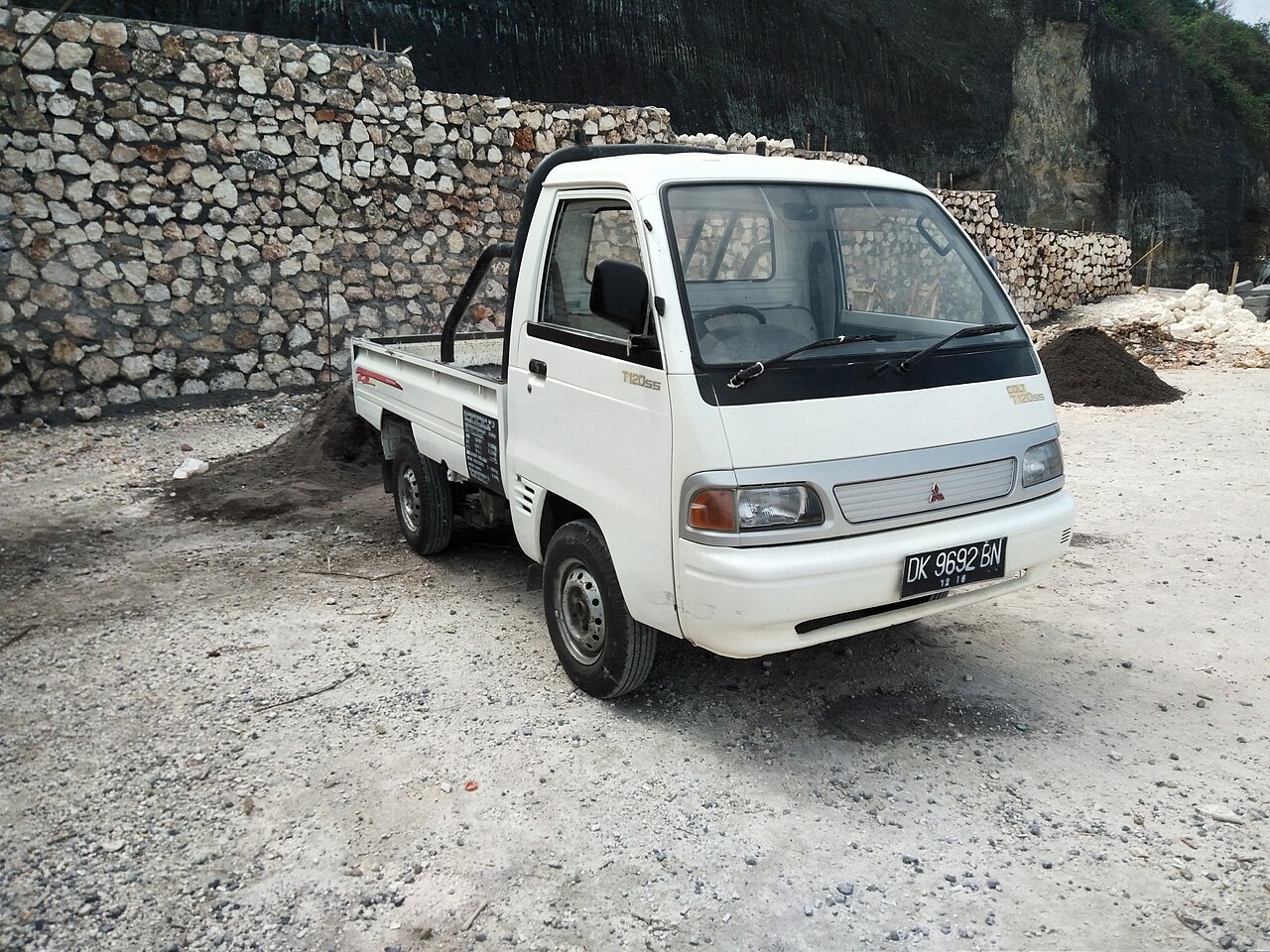
Indonesia got a non-kei Hijet with a 998 cc Toyota engine; only 1,731 sold before the line closed in 2019.

Daihatsu's own truck team built the Hijet Truck in-house, but handed the Cargo van version to Italdesign Giugiaro — a rare bit of Italian styling on a Japanese kei van.

New crash rules split the Hijet in two: the van went front-engined while the truck stayed mid-engined cab-over, same name, different cars.

Daihatsu's tiny Hijet kei truck got a youth-market special edition in 1997 called the "Hijet IS" — IS stood for "Idol" and "Stylish," badges not usually associated with a cargo van.

This is the only Hijet generation Daihatsu ever sold in the United States, and only for off-road commercial use.

China built this Hijet under license as the Tianjin TJ110, later renamed Huali Dafa.

A two millionth Hijet rolled off the line during this generation's run, an S60 built in 1980.

The two-stroke S38 kept selling as the cheap option for five years after Daihatsu had already launched its sixth-generation replacement.

Daihatsu built this Hijet generation as a plain gas truck and, separately, as a full electric van and truck.

Mid-generation in 1964, Daihatsu reworked the Hijet into a cab-over layout just to squeeze more cargo space out of Japan’s strict kei-car size limits.

The original Hijet didn't stay one design for its whole run — partway through, Daihatsu switched it from a conventional front-engine layout to cab-over just to squeeze out more cargo space.
Same body, same money, other badges — tap any card to flip.

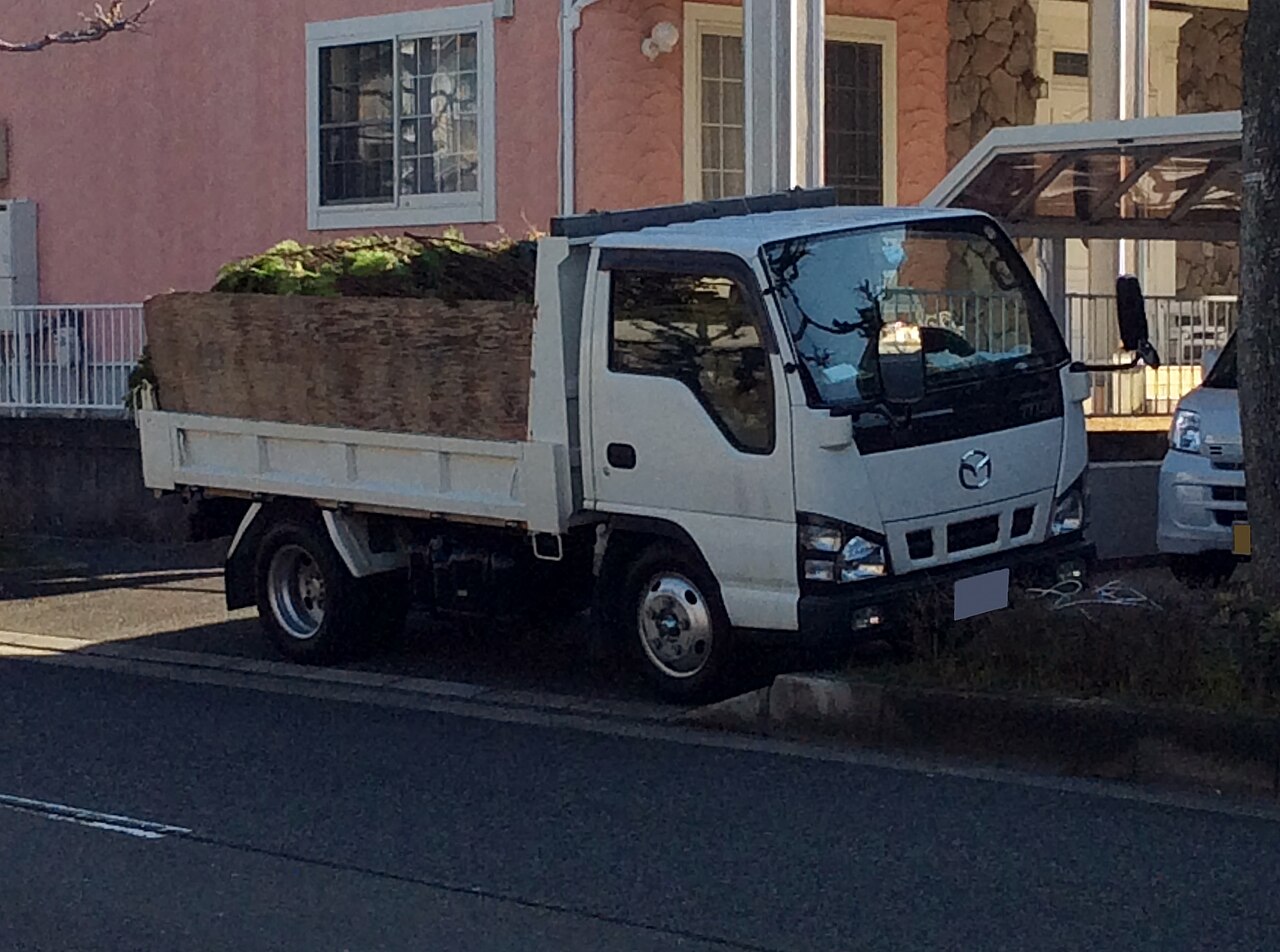
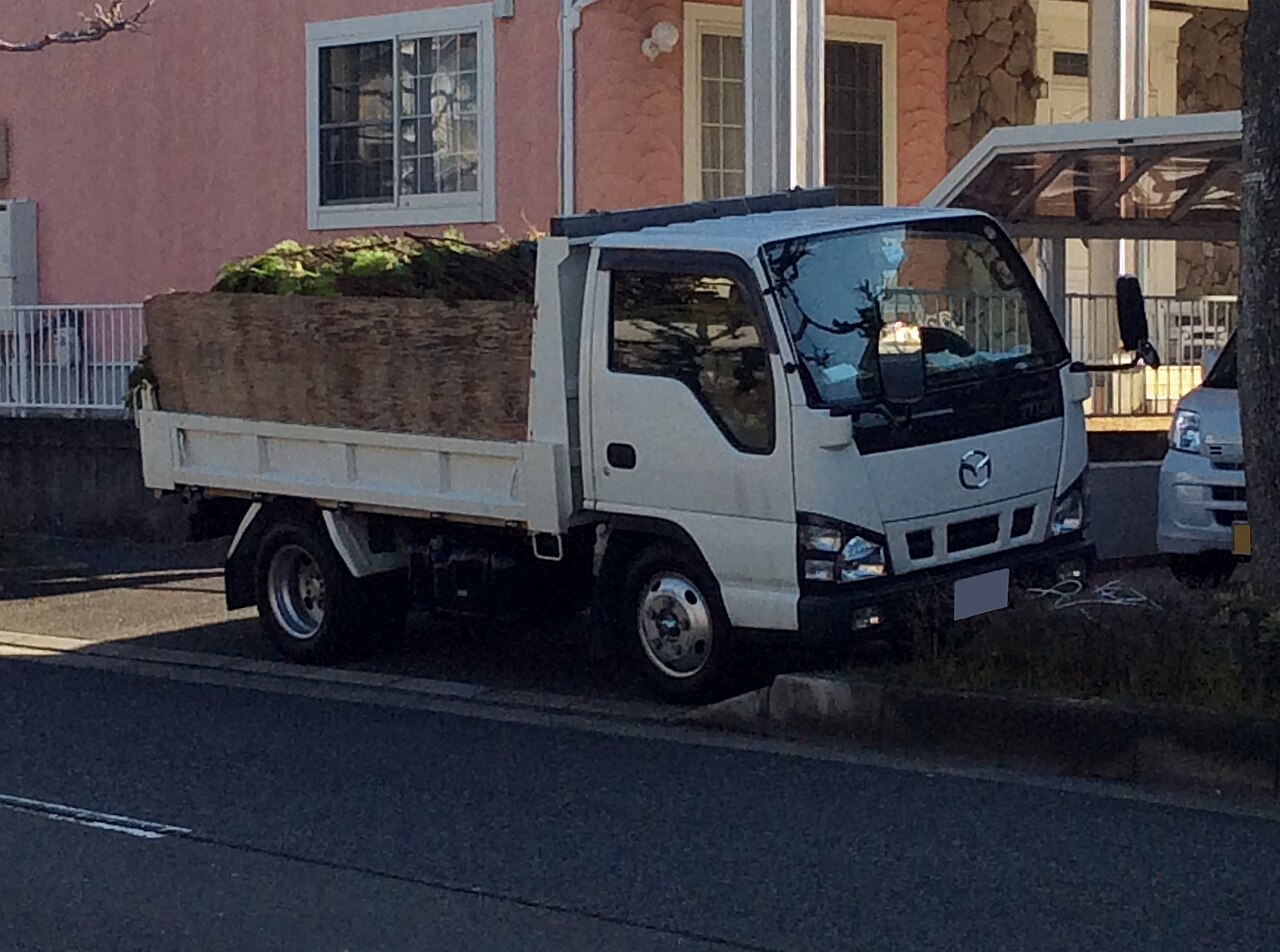
When Mazda's E2000 — the truck that became the Titan — launched in January 1964, the factory was tasked with building 1,900 of them a month.

Swaraj Mazda built this truck under license in India from 1985, and the plant survived name changes all the way to SML Isuzu.

Indonesia built this pickup for 28 years with no successor, the last one leaving the Jakarta line in January 2019 after 324,960 units.

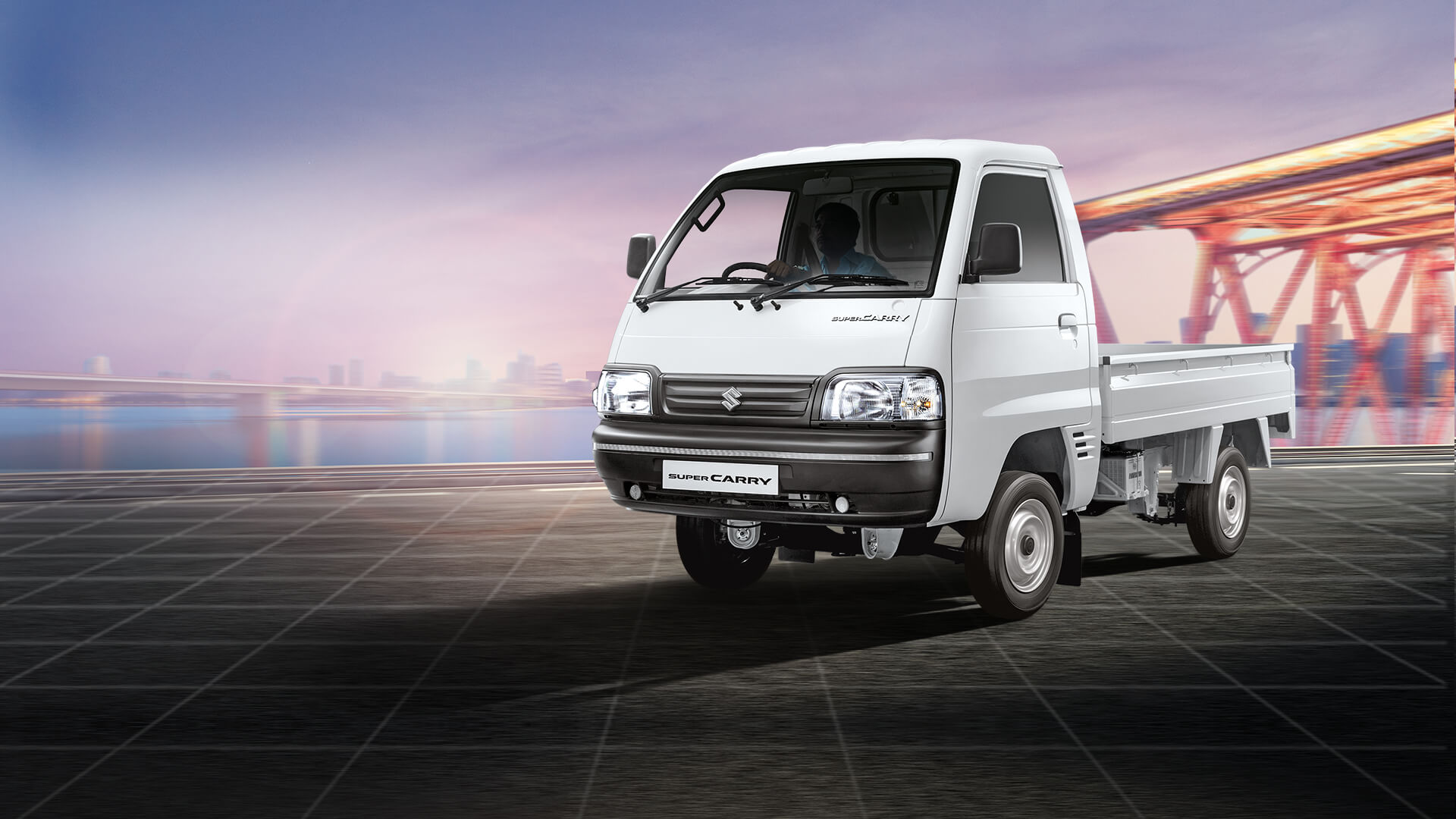
Suzuki's first-ever diesel engine, fitted to the Super Carry, is so small that it isn't able to power an air-conditioning system at all.

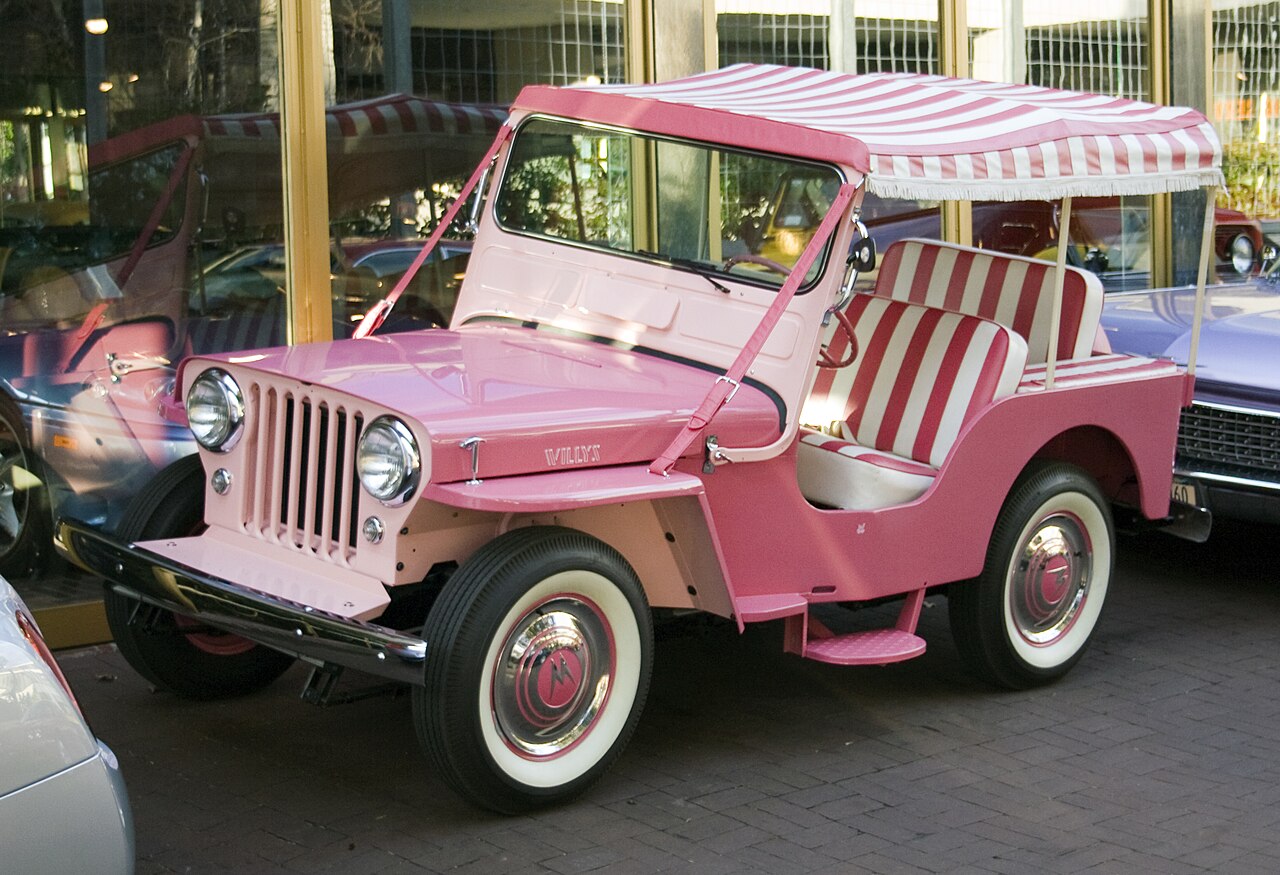
A right-hand-drive DJ-3A was built so postal drivers could reach roadside mailboxes without leaving the seat.

The Power Wagon name and civilian pickup design were derived directly from the WC-series military trucks Dodge built for World War II.

Suzuki kept the L20 Carry at the exact same 21 hp as its predecessor but still called it progress — the gain was a patented Cylinder Crank Injection lubrication system, not more power.

This generation of Titan quietly became the ancestor of two other trucks entirely: it was license-built by Kia as the Kia Titan in South Korea, and formed the basis of the Australian Ford Trader.