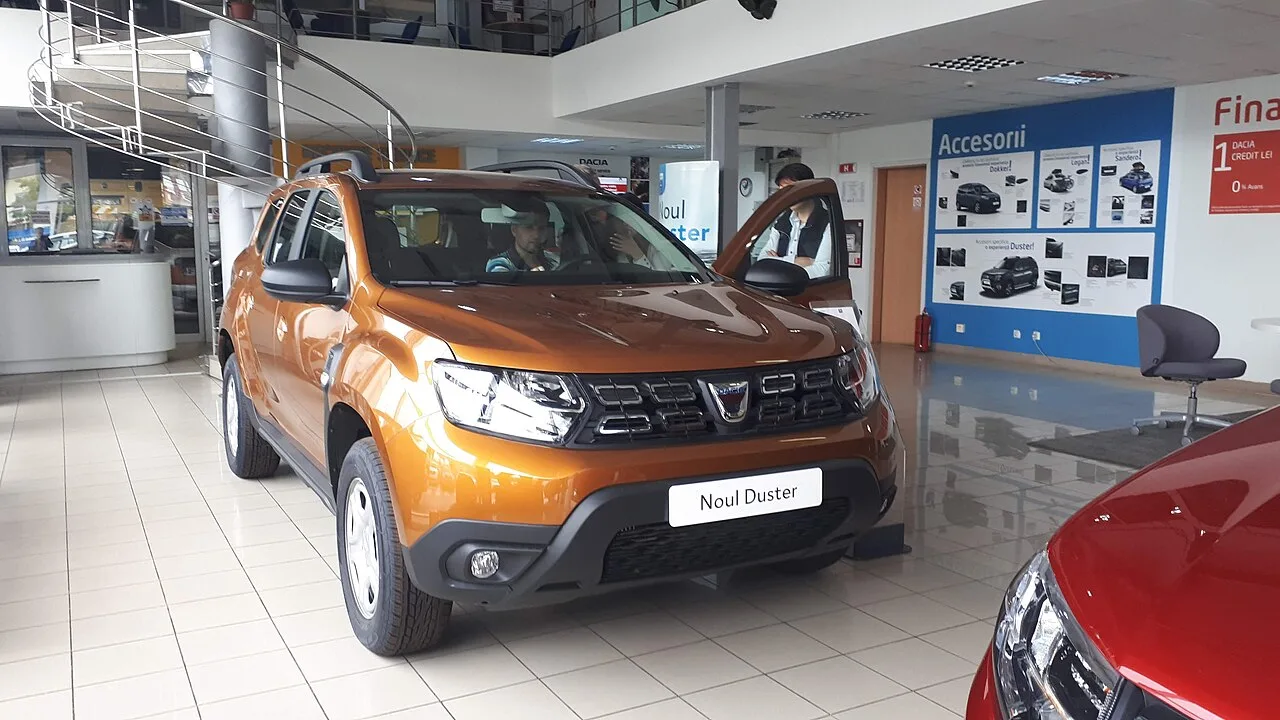
Dacia's budget SUV traces some of its design DNA back to the Renault 4 — a humble 1960s economy car lending cues to the Duster decades later.
Lead trim: 1.6 16V 105 (K4M 690) · up to 133 hp
Dacia DusterHS · 2010–2017
- 0spots by members
- Unclaimednobody has spotted one yet
- 0sets it belongs to
Nobody in Burbles has spotted a Dacia Duster yet. See one on the street, point the app at it, and the first card is yours — with your @handle permanently credited on this page.
FactDacia's budget SUV traces some of its design DNA back to the Renault 4 — a humble 1960s economy car lending cues to the Duster decades later.
Dacia's subcompact crossover on the Logan-based B0 platform, first shown as an Andros Trophy ice racer on 17 November 2009, revealed to the media on 8 December 2009 and launched at the Geneva Motor Show in March 2010 (the third model on the Logan platform after the Sandero). It is 4.31 m long and 1.82 m wide with 210 mm of ground clearance and 475 litres of boot, offered with two-wheel drive or a Nissan-derived 4x4 system with Auto, Lock and 2WD modes. Sold as a Renault in many markets (Latin America, Russia, Australia and others) and as the Nissan Terrano in India and Russia, it was priced from EUR 11,900 (EUR 13,900 for the 4x4) at launch. A facelift was shown at Frankfurt in September 2013 with a new TCe 125 1.2 direct-injection turbo; a four-door double-cab pick-up, the Renault Duster Oroch, followed in South America. Renault cut the Europe-built production in 2017, though Brazil, Colombia, Russia and India continued it until 2020-2022.
Collectors Spotted in the Dacia Duster Lineage
No member has published a public street spot of the Dacia Duster yet — the First · Worldwide stamp is wide open.
Trims & Figures
8 published trims in the catalogue. A blank is a figure not recorded, not zero.
| Trim | Years | Engine | Power | Torque | 0–60 | Drive | Gearbox | MSRP |
|---|---|---|---|---|---|---|---|---|
| 1.2 TCe 125 (H5Ft turbo) | 2013–2017 | 1.2 L Inline-4 | 123 hp | 151 lb-ft | — | — | — | — |
| 1.5 16V H4K (106 PS) | 2010–2017 | 1.5 L Inline-4 | 105 hp | 105 lb-ft | — | — | — | — |
| 1.5 dCi 110 diesel (K9K 896, 107 PS) | 2010–2017 | 1.5 L Inline-4 | 106 hp | 177 lb-ft | — | — | — | — |
| 1.5 dCi 110 diesel (K9K 896, 110 PS) | 2010–2017 | 1.5 L Inline-4 | 109 hp | 177 lb-ft | — | — | — | — |
| 1.5 dCi 85 diesel (K9K 796) | 2010–2017 | 1.5 L Inline-4 | 84 hp | 148 lb-ft | — | — | — | — |
| 1.6 16V 105 (K4M 606) | 2010–2017 | 1.6 L Inline-4 | 103 hp | 109 lb-ft | — | — | — | — |
| 1.6 16V 105 (K4M 690) | 2010–2017 | 1.6 L Inline-4 | 103 hp | 109 lb-ft | — | — | — | — |
| 2.0 16V (F4R, 135 PS) | 2010–2017 | 2.0 L Inline-4 | 133 hp | 144 lb-ft | — | — | — | — |
Owning one
We don’t estimate running costs for a car like this. What it costs depends on its condition, its specialist and how it is driven, and an average would mislead.
Owners’ builds
Nobody has claimed one yet.
Photographs
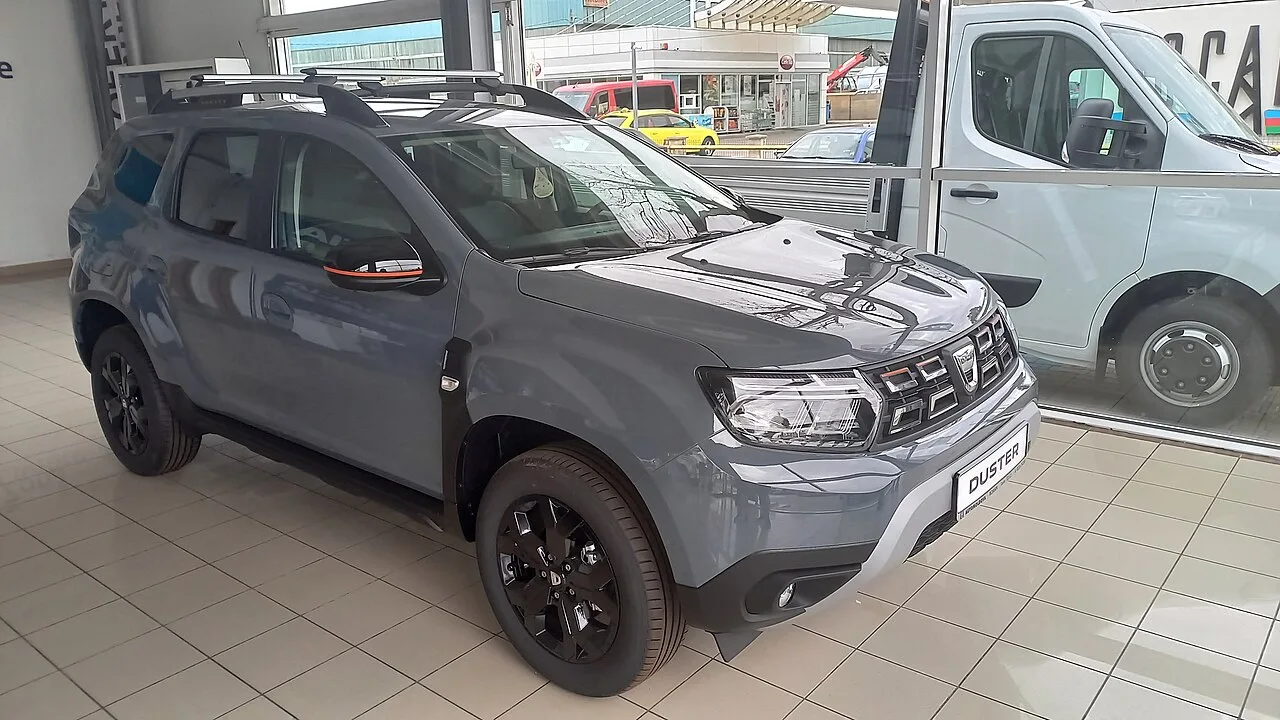
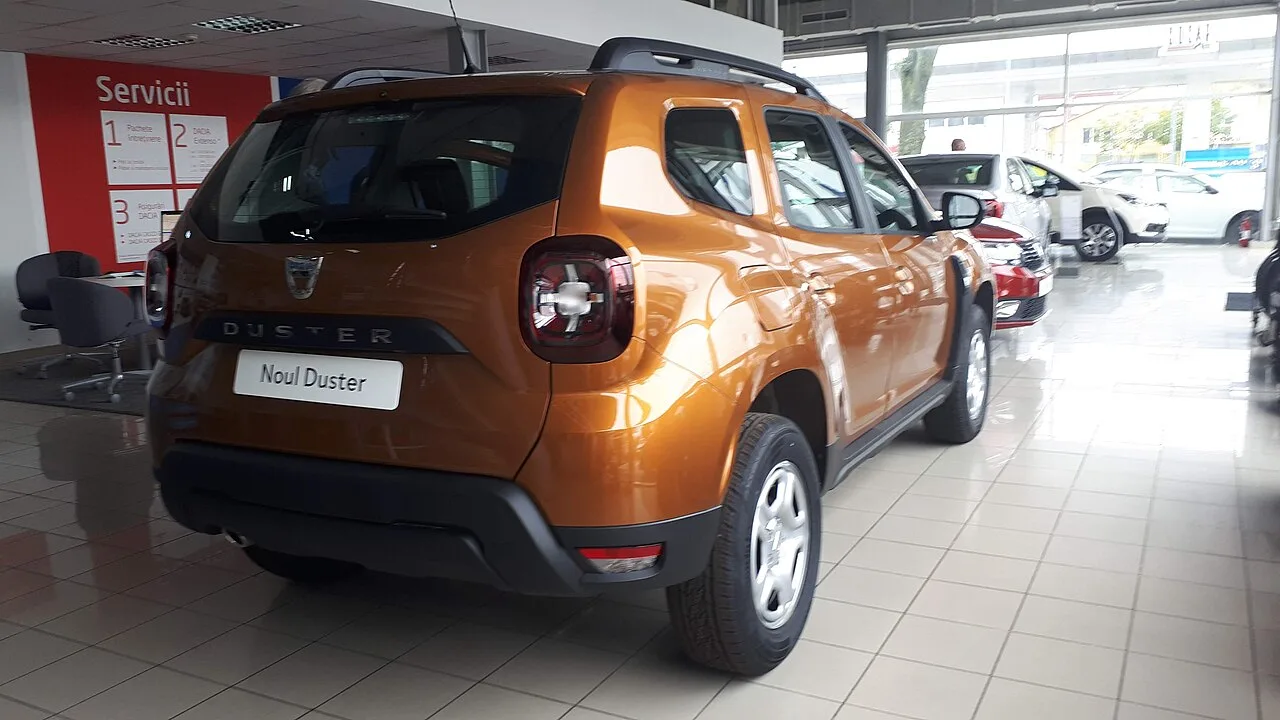
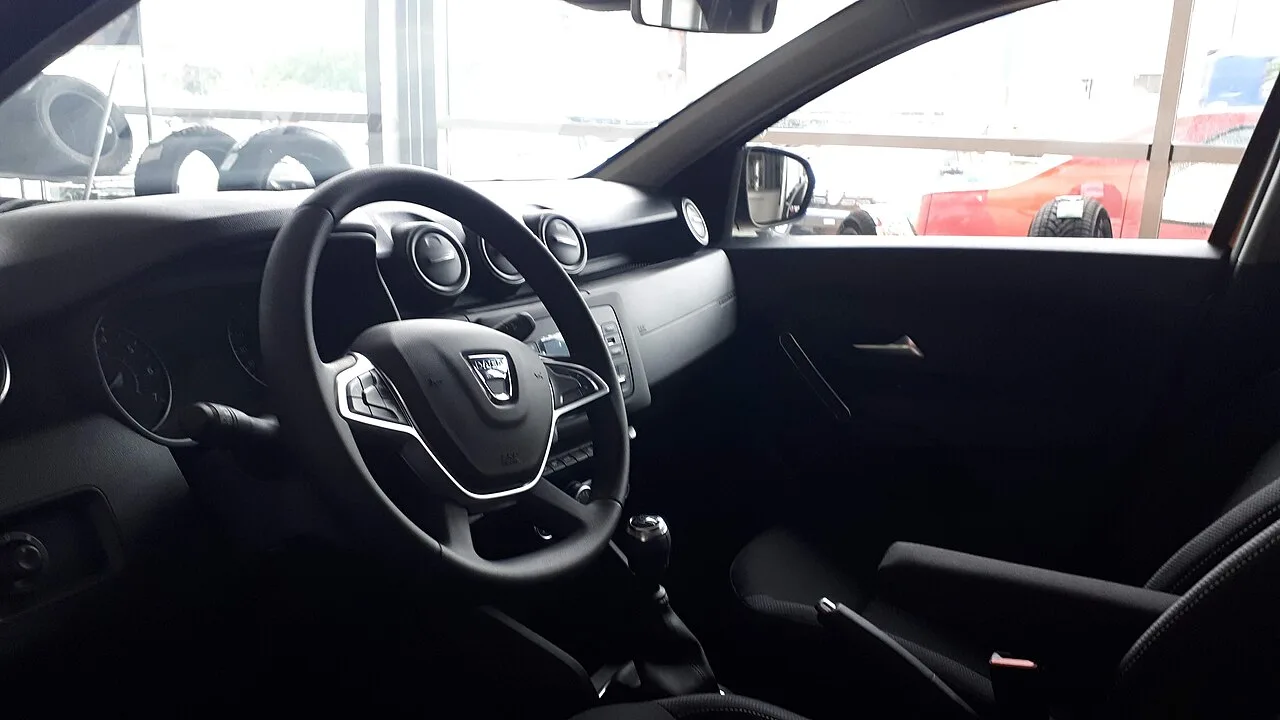
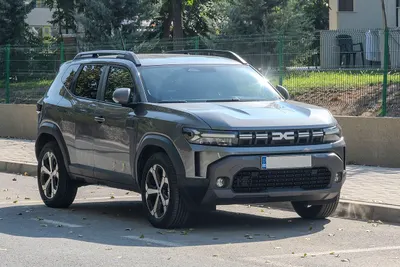
A fifth of the plastic in the third-gen Duster is recycled material called Starkle - left deliberately unpainted, so the car wears its sustainability on its sleeve.
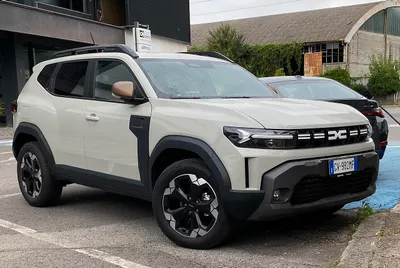
Before Dacia ever built a factory Duster pickup, a Romanian coachbuilder had already converted some 500 of them into trucks by hand for a utility company — Dacia just made it official.
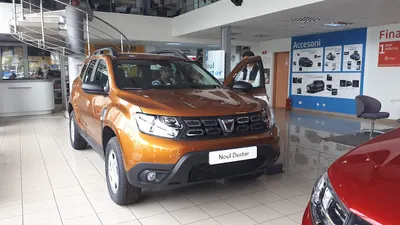
Dacia's budget SUV traces some of its design DNA back to the Renault 4 — a humble 1960s economy car lending cues to the Duster decades later.
Rivals
Same body, same money, other badges — tap any card to flip.
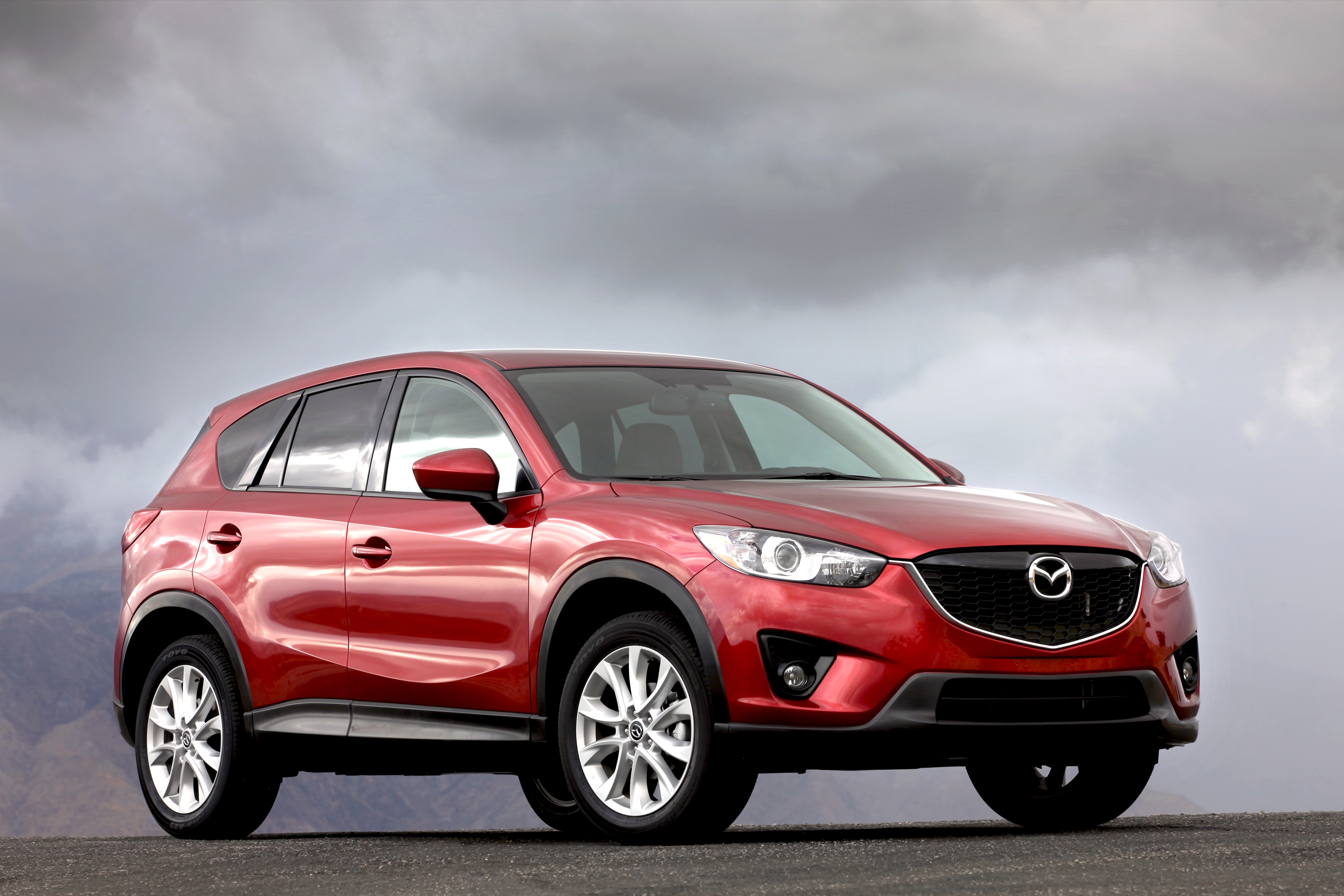
IIHS only crash-tests the driver's corner; tested on the passenger side instead, the CX-5 showed far worse intrusion.
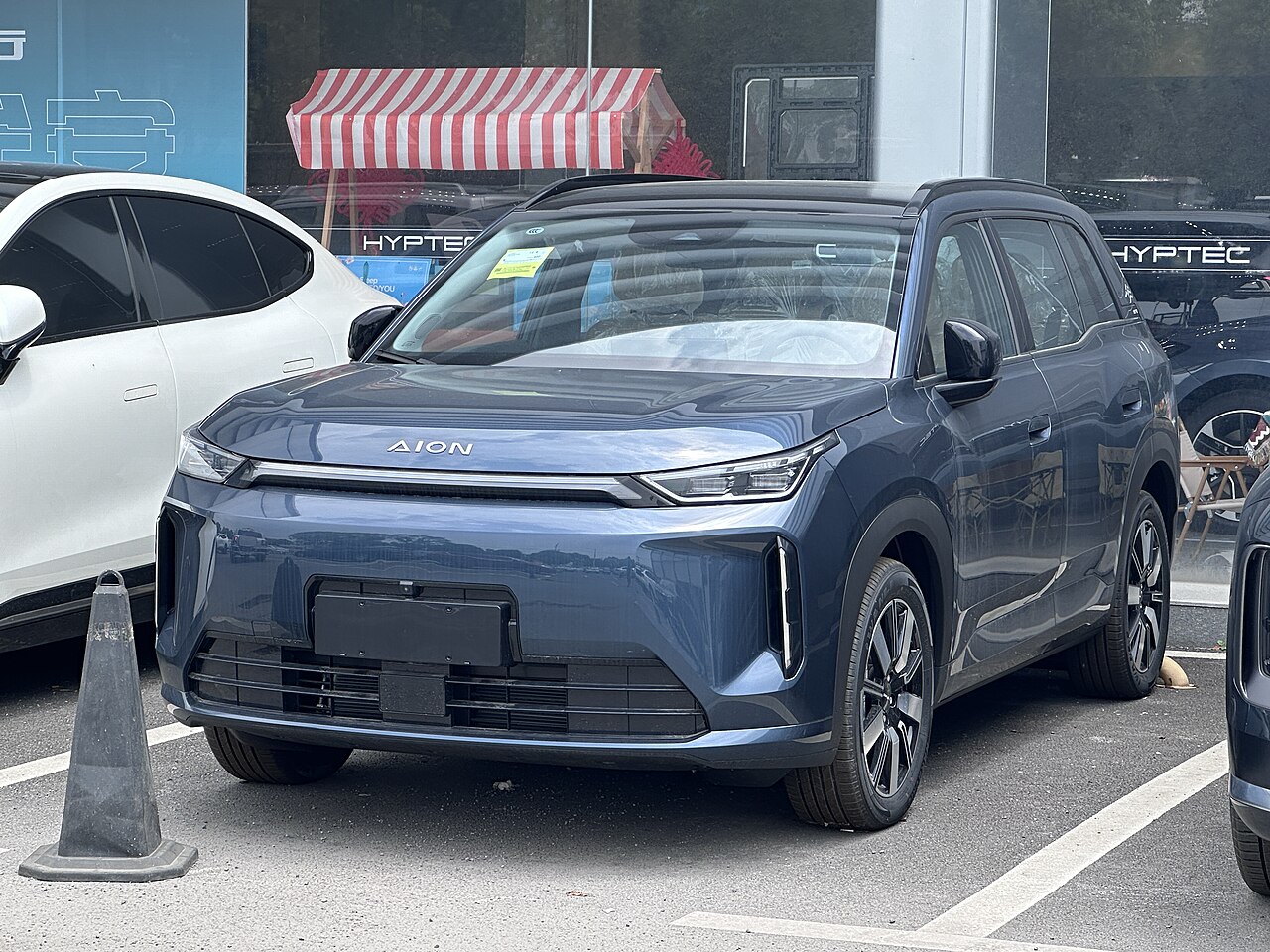
Despite launching from a standing start in late 2025, the i60 topped GAC Aion's own sales chart through January's seasonal slowdown.
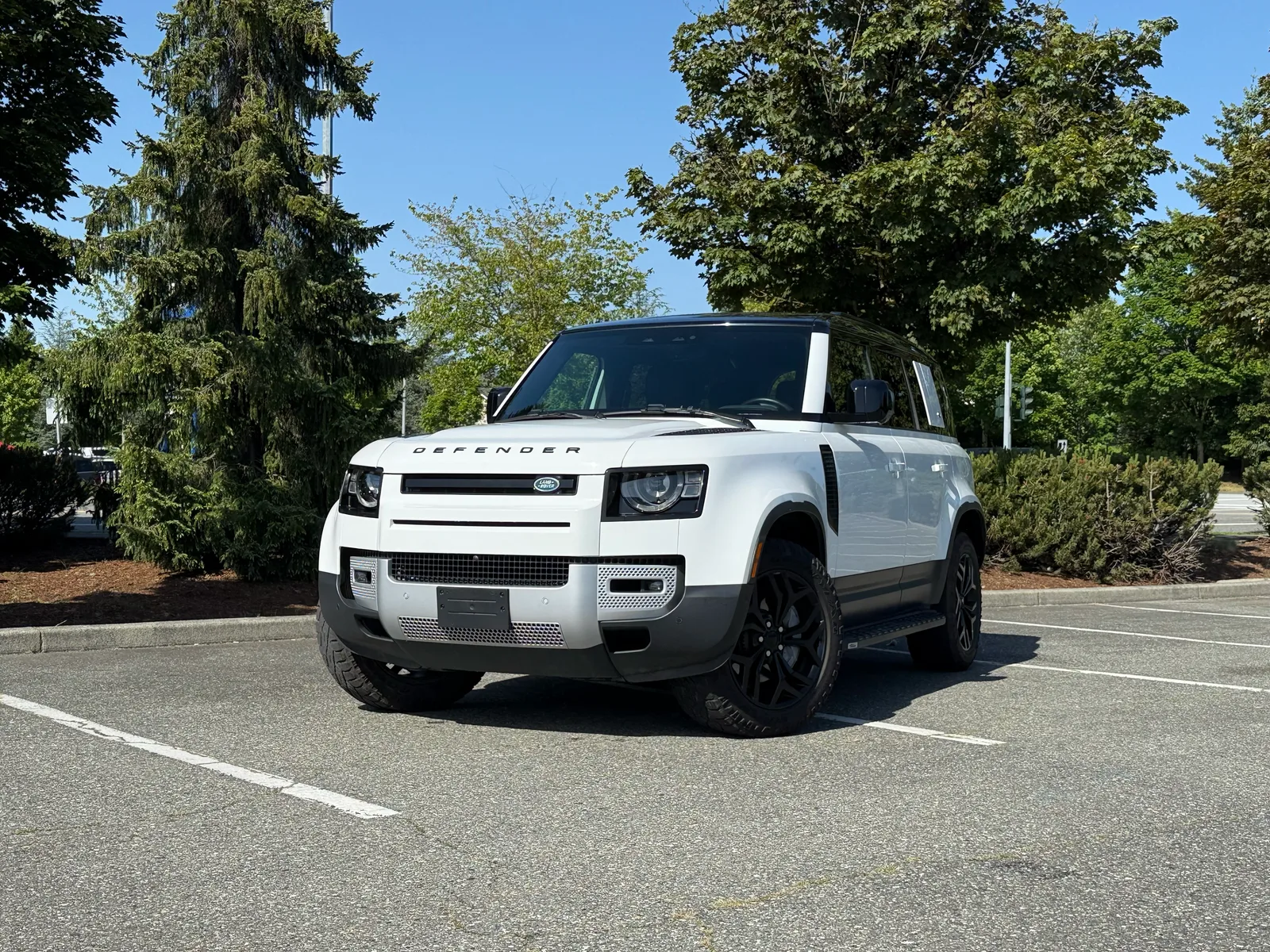
Every Defender before this one was body-on-frame — this generation broke decades of tradition with an aluminium unibody structure instead.
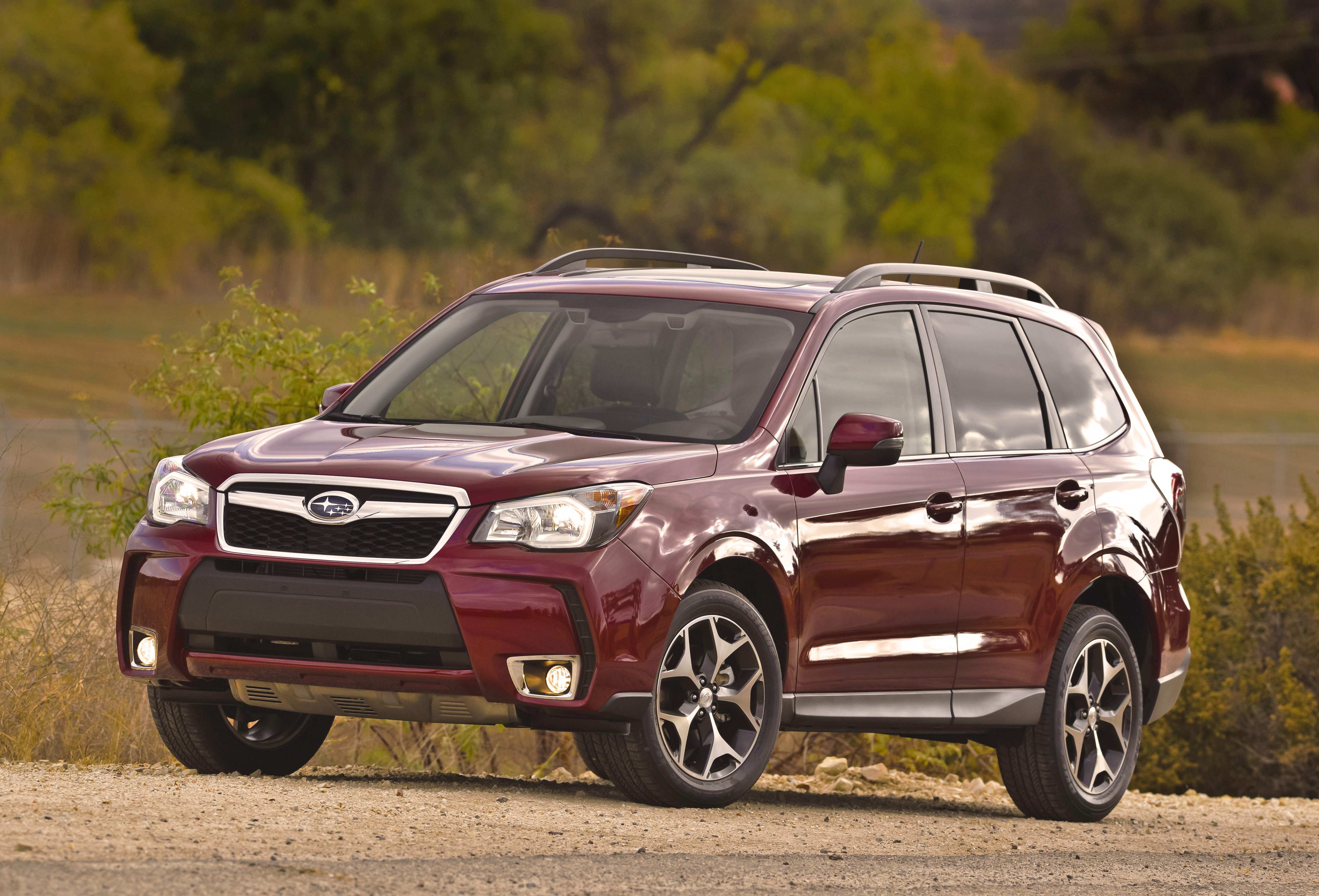
Crashed on the passenger side instead of the driver's, the 2014 Forester showed far more intrusion and would have rated Marginal with the IIHS.
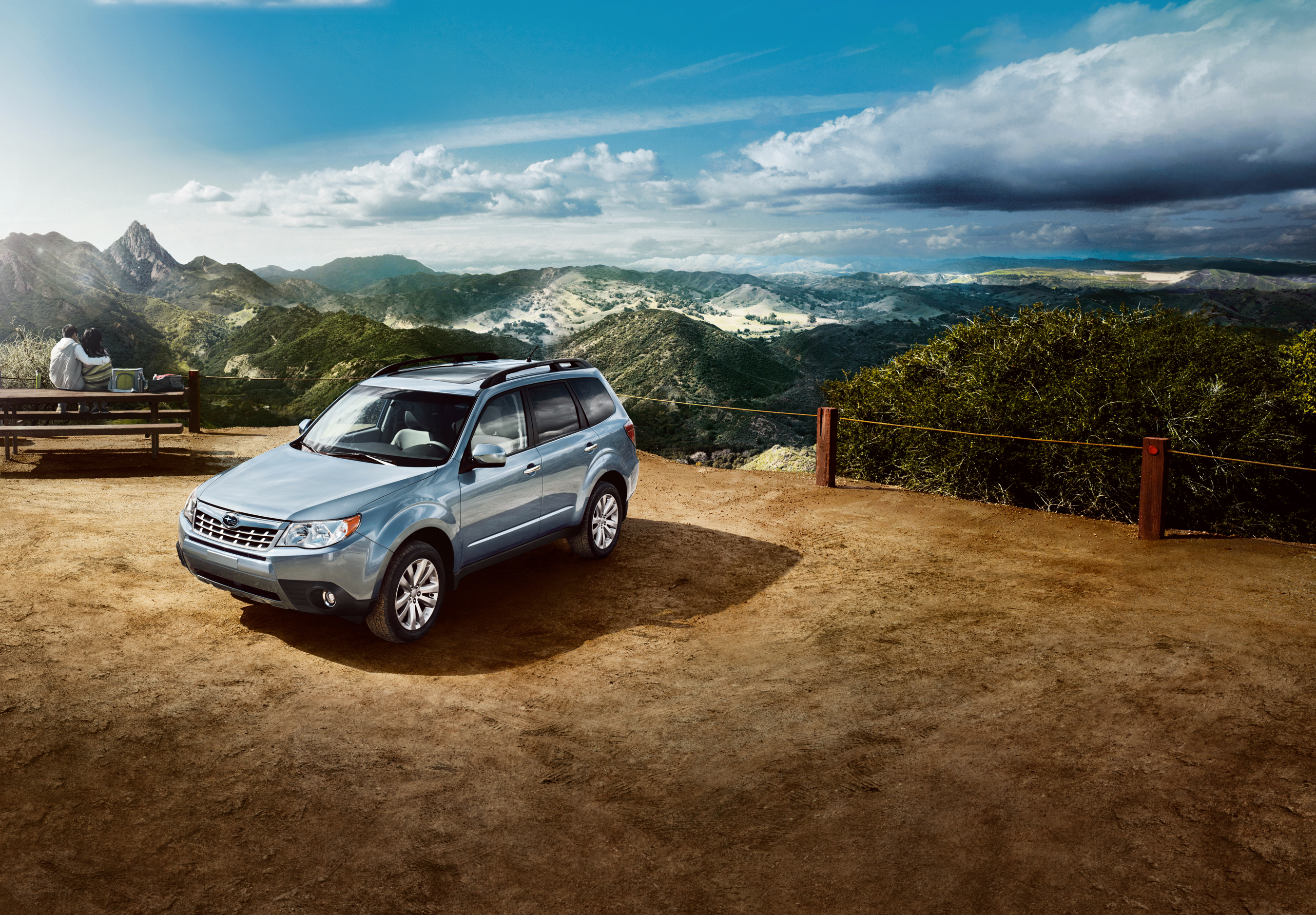
Subaru built a 2.5XT for the National Ski Patrol with a diamond-plate floor, a 9,500-pound winch and a toboggan on the roof.
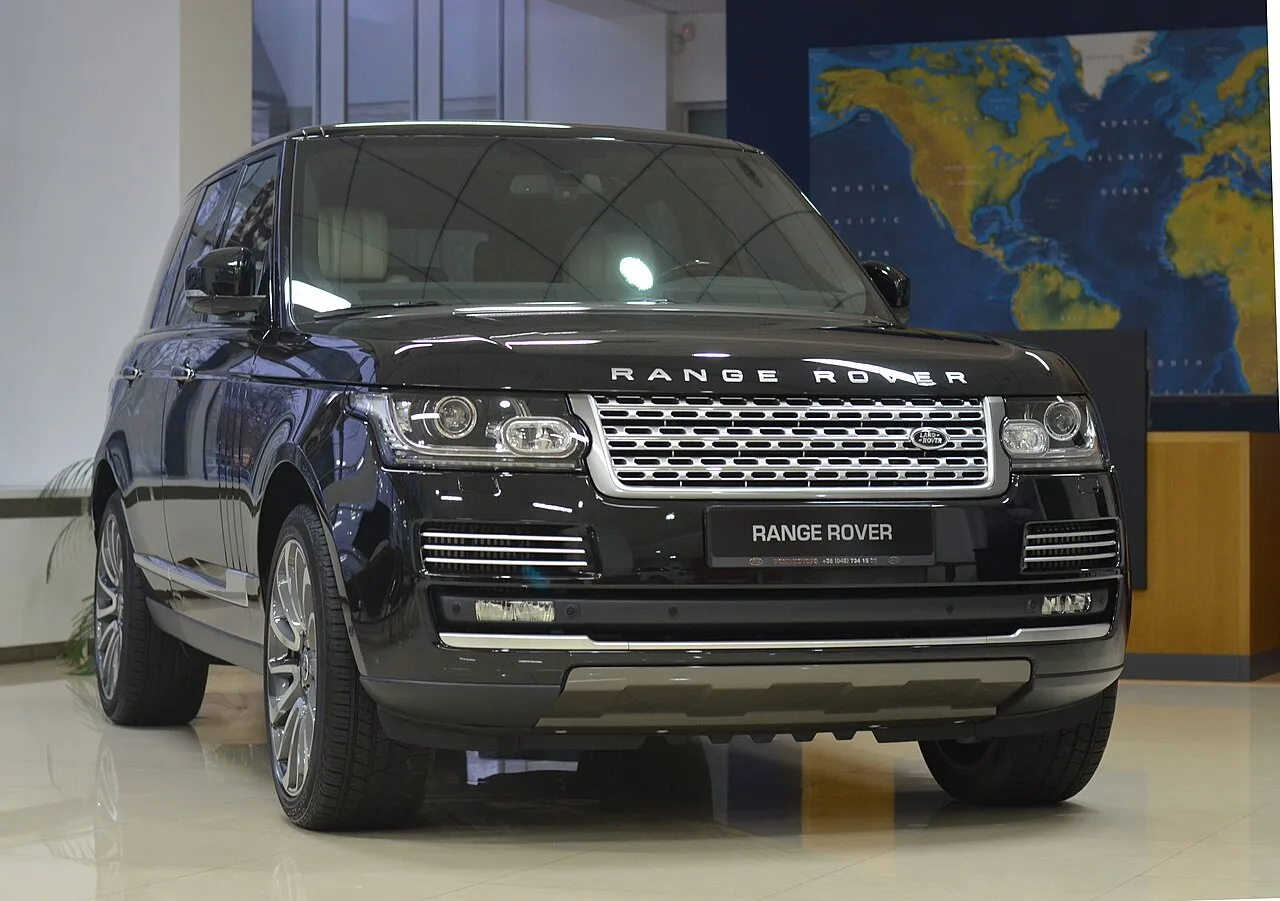
The L405 was the first Range Rover with a fully aluminum monocoque body, cutting up to 420 kg from the outgoing steel-bodied L322.
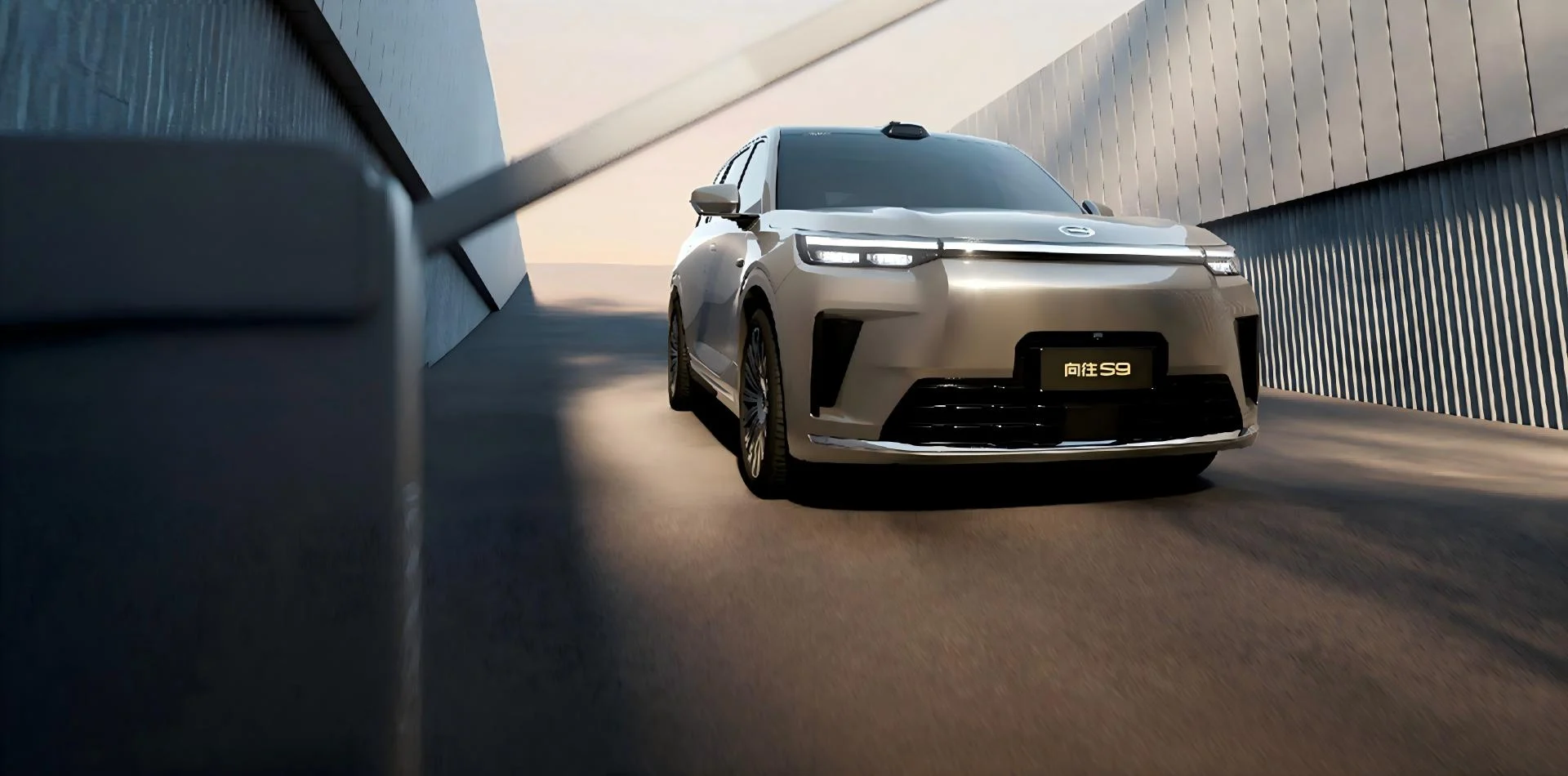
Rear passengers get a 17.3-inch screen that extends from the roof, and a lidar sensor sits in the front of the roof.
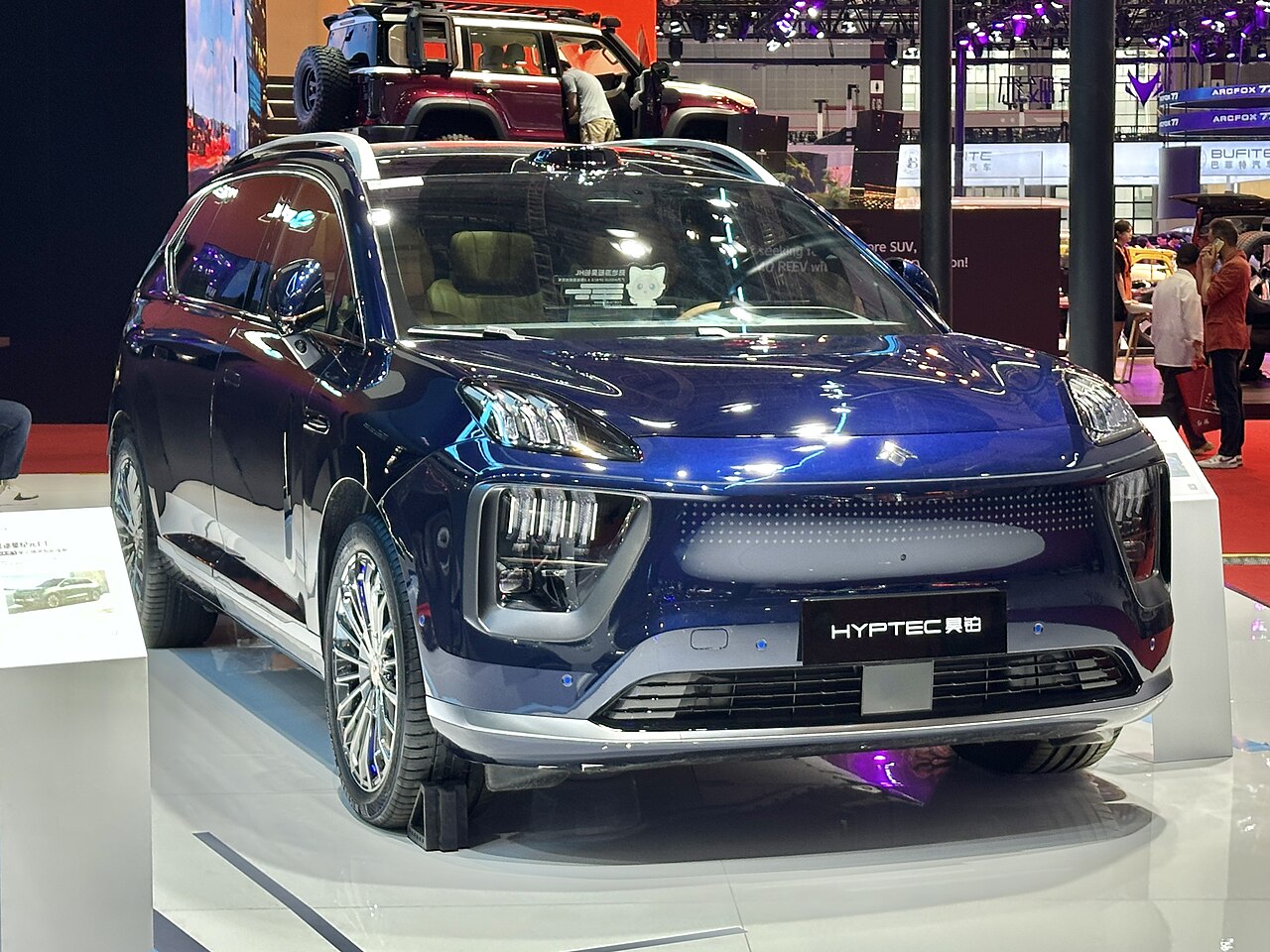
Its range-extender variant is rated for 1,200 km on a tank and charge, over three times the car's electric-only range.