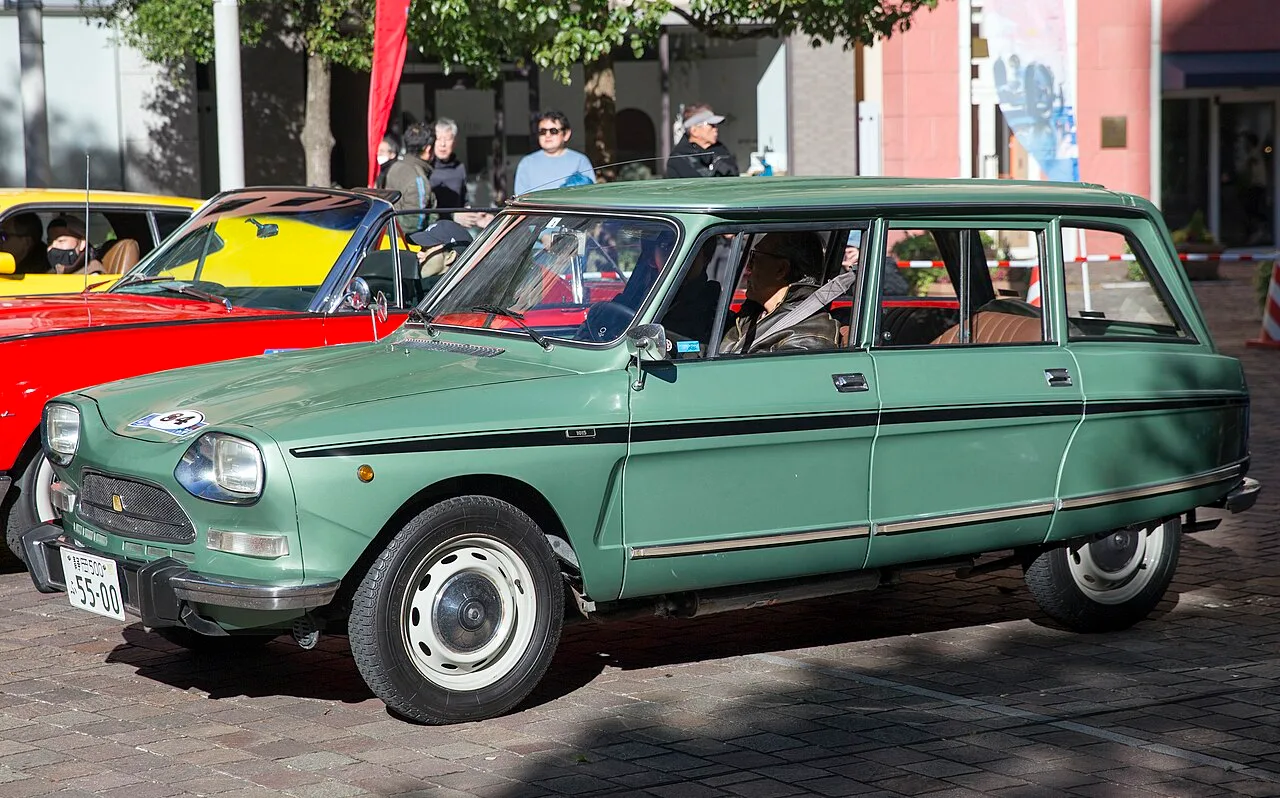
The Ami Super looked just like a humble Ami 8 but nearly doubled its power, 55 hp to 32 — Autocar magazine called it a 'Q car par excellence.'
Median 97 hp across 370 similar cars
Lead trim: Ami 8 602 cc (32 hp) · up to 55 hp
Citroën Ami 8 / Ami Super1969–1978
- 0spots by members
- Unclaimednobody has spotted one yet
- 0sets it belongs to
Nobody in Burbles has spotted a Citroën Ami 8 / Ami Super yet. See one on the street, point the app at it, and the first card is yours — with your @handle permanently credited on this page.
FactThe Ami Super looked just like a humble Ami 8 but nearly doubled its power, 55 hp to 32 — Autocar magazine called it a 'Q car par excellence.'
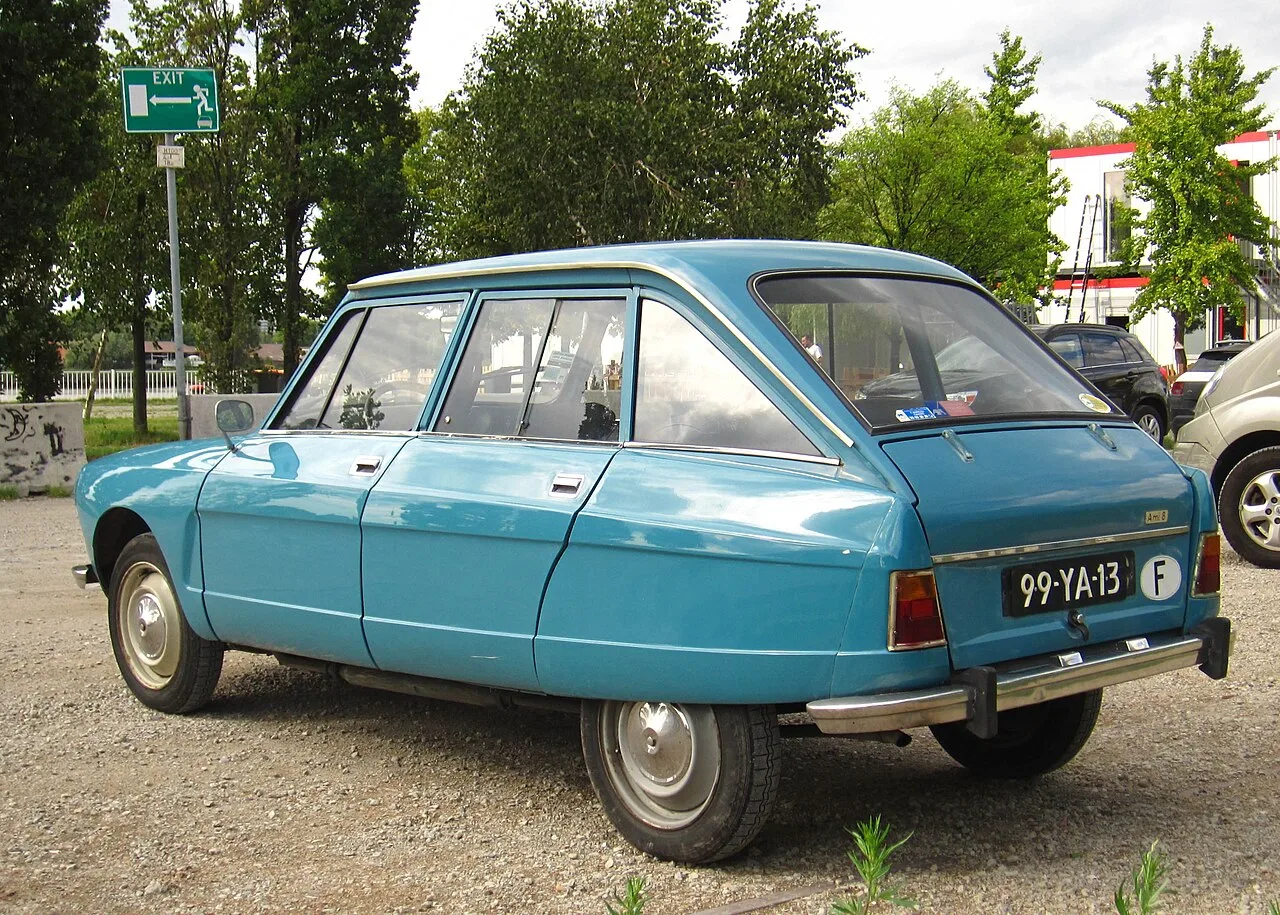
The March 1969 replacement for the Ami 6, with a conventionally raked fastback rear window and, from July 1969, front disc brakes and an LHM-fluid hydraulic system; the Break estate had integrated tail lamps. From 1973 to 1976 the Ami Super (also called Ami 10) used the 1015 cc flat-four from the GS for 55 hp against 32 hp for the Ami 8, a "Q car par excellence" in Autocar's words, though in France its 5CV tax rating made it a poor seller; close to 42,000 were built by February 1976. Production of the Ami 8 ran to early 1979 (1978 in Buenos Aires, where only the Club and Elysée estates were built for Uruguay, Paraguay and Chile). An experimental Ami 8-based M35 coupe used a 995 cc single-rotor Comotor Wankel with 49 hp; a small series was built as test vehicles for loyal customers, and the engine reached production in twin-rotor form in the NSU Ro 80 and GS Birotor. Total Ami production, both series, was 1,840,396.
Collectors Spotted in the Citroën Ami Lineage
No member has published a public street spot of the Citroën Ami yet — the First · Worldwide stamp is wide open.
Trims & Figures
2 published trims in the catalogue. A blank is a figure not recorded, not zero.
| Trim | Years | Engine | Power | Torque | 0–60 | Drive | Gearbox | MSRP |
|---|---|---|---|---|---|---|---|---|
| Ami 8 602 cc (32 hp) | 1969–1978 | 0.6 L Flat-2 | 32 hp | — | — | FWD | — | — |
| Ami Super 1015 cc flat-four (55 hp) | 1973–1976 | 1.0 L Flat-4 | 55 hp | 50 lb-ft | — | FWD | — | — |
Owning one
We don’t estimate running costs for a car like this. What it costs depends on its condition, its specialist and how it is driven, and an average would mislead.
Owners’ builds
Nobody has claimed one yet.
Photographs
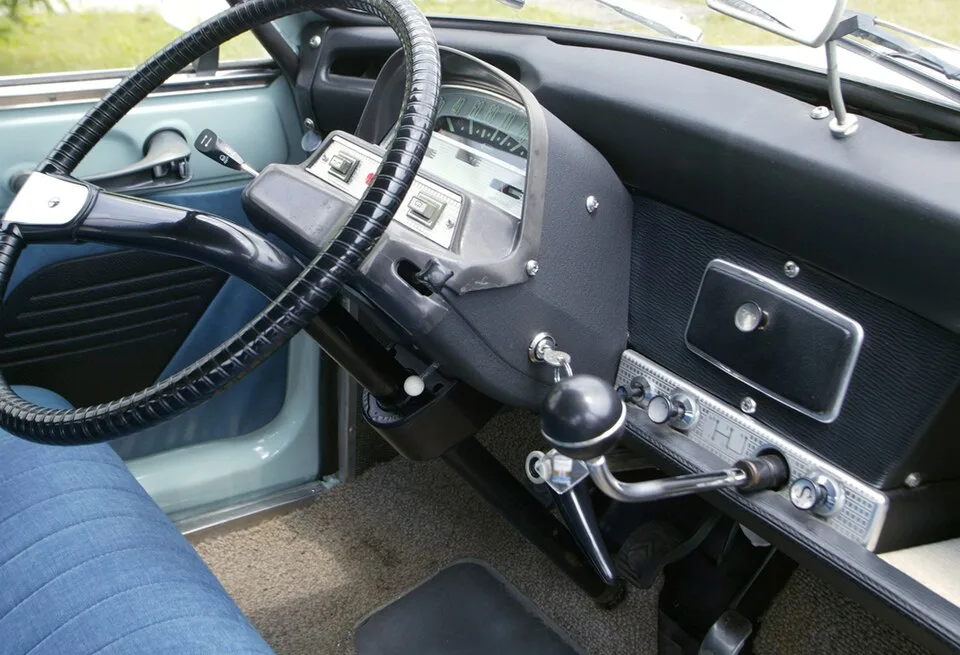
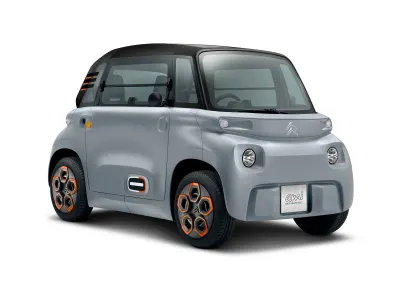
The Ami is symmetrical front to back as well as side to side, so one door panel serves both sides: rear-hinged for the driver, front-hinged for the passenger.
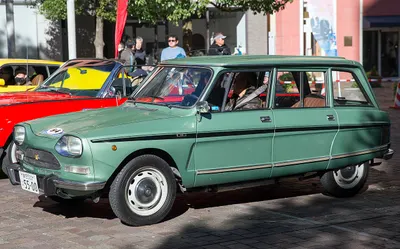
The Ami Super looked just like a humble Ami 8 but nearly doubled its power, 55 hp to 32 — Autocar magazine called it a 'Q car par excellence.'
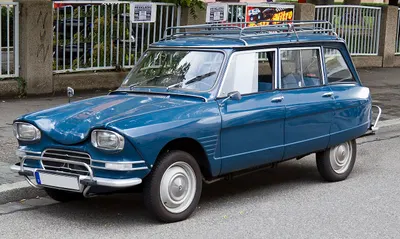
The Ami 6's odd backwards-sloping rear window wasn't a French original — it's the same 'Breezeway' idea Detroit used on the 1957 Mercury Turnpike Cruiser and late-'50s Lincoln Continentals.
Rivals
Same body, same money, other badges — tap any card to flip.

It briefly served as senior sibling to Marquette, a GM companion brand cancelled after just one year.

Nissan hired former BMW engineers to help develop the 510's suspension, which is why period reviewers frequently compared its handling to the BMW 1600/2002.

A Trabant 601 won its class at the 1970 Monte Carlo Rally, with a second 601 right behind it in second.

The 600 was a stopgap: the P50's body over the 601's mechanicals, and for a while its estate was built alongside the new 601 saloon.

The G80 Sport brought a 370 PS twin-turbo 3.3 V6, a mesh grille and copper-tinted chrome with copper stitching to match.

The Vigor was sold only with a five-cylinder engine, an unusual configuration Honda used to fit a longer engine transversely under a short hood.

The GS/E coupe earned the nickname "German Charger" for its long hood, short deck stance borrowed from Detroit muscle cars.

This DeVille/Fleetwood was the first production car anywhere to mount its V8 sideways, Cadillac's front-drive gamble on the new C-body.