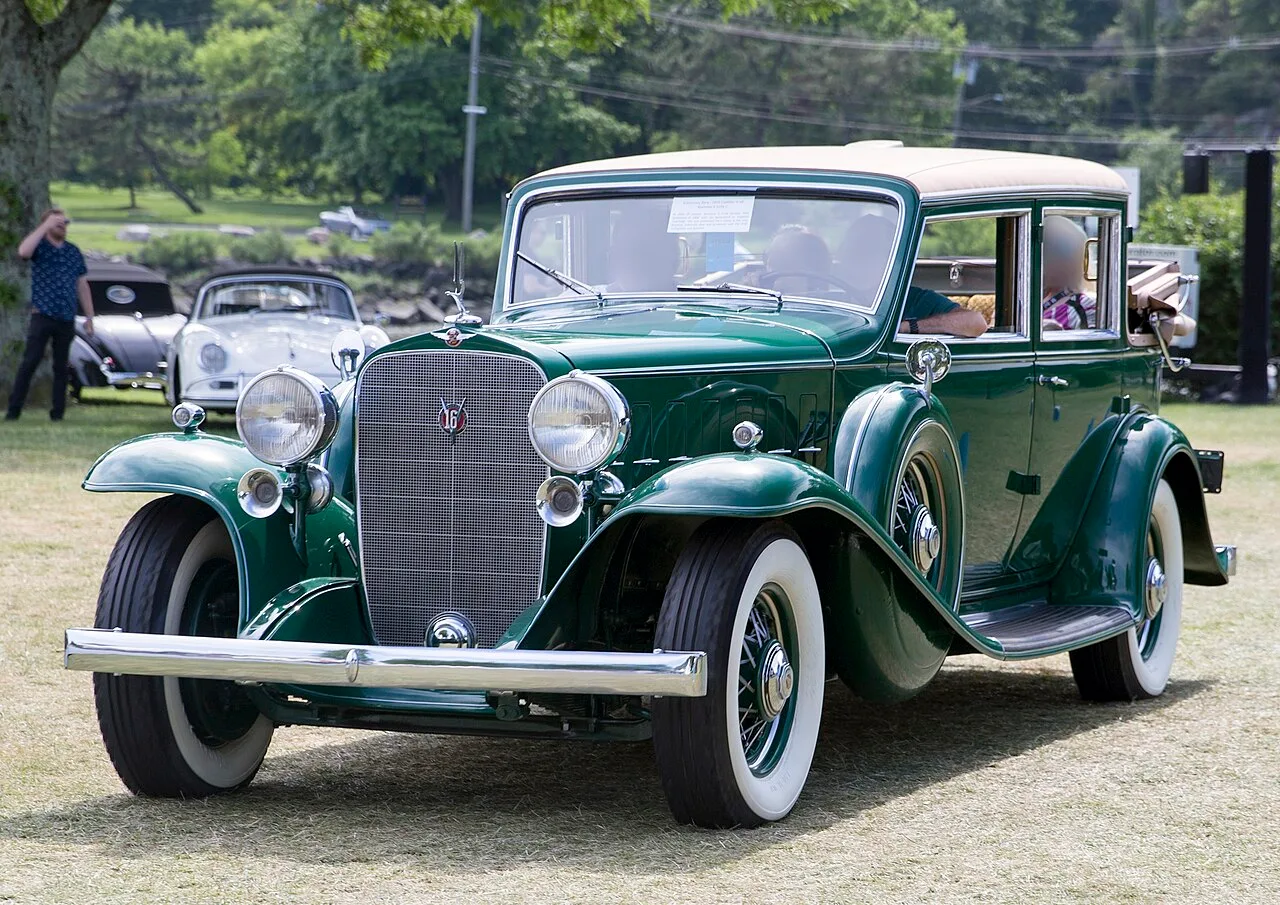
Cadillac's own general manager planted a fake rumor about a V12 just to keep this car's real engine — a full V16 — secret until launch.
Median 60 hp across 139 similar cars
Lead trim: V-16 Series 452 452 cu in OHV V16 (1930–1931) · up to 185 hp
Cadillac V-16 Series 452 / 901930–1937
- 0spots by members
- Unclaimednobody has spotted one yet
- 0sets it belongs to
Nobody in Burbles has spotted a Cadillac V-16 Series 452 / 90 yet. See one on the street, point the app at it, and the first card is yours — with your @handle permanently credited on this page.
FactCadillac's own general manager planted a fake rumor about a V12 just to keep this car's real engine — a full V16 — secret until launch.
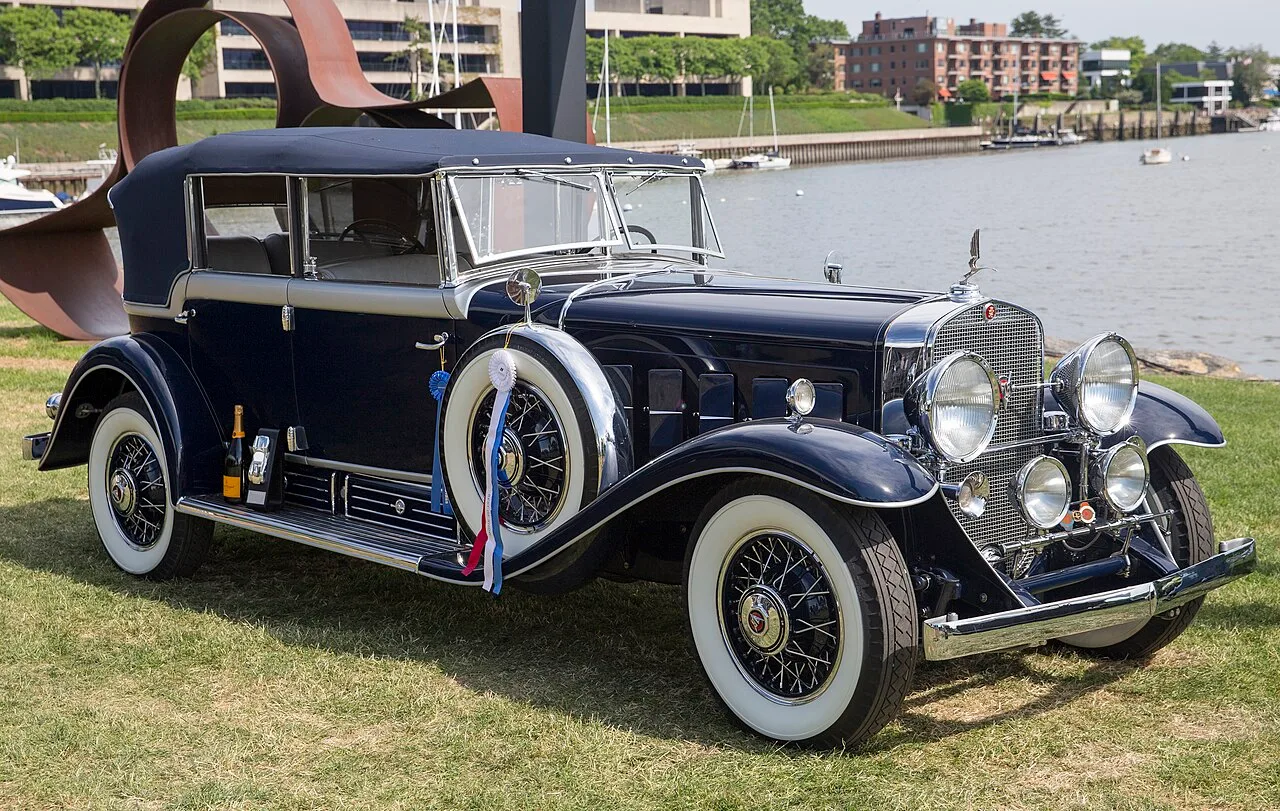
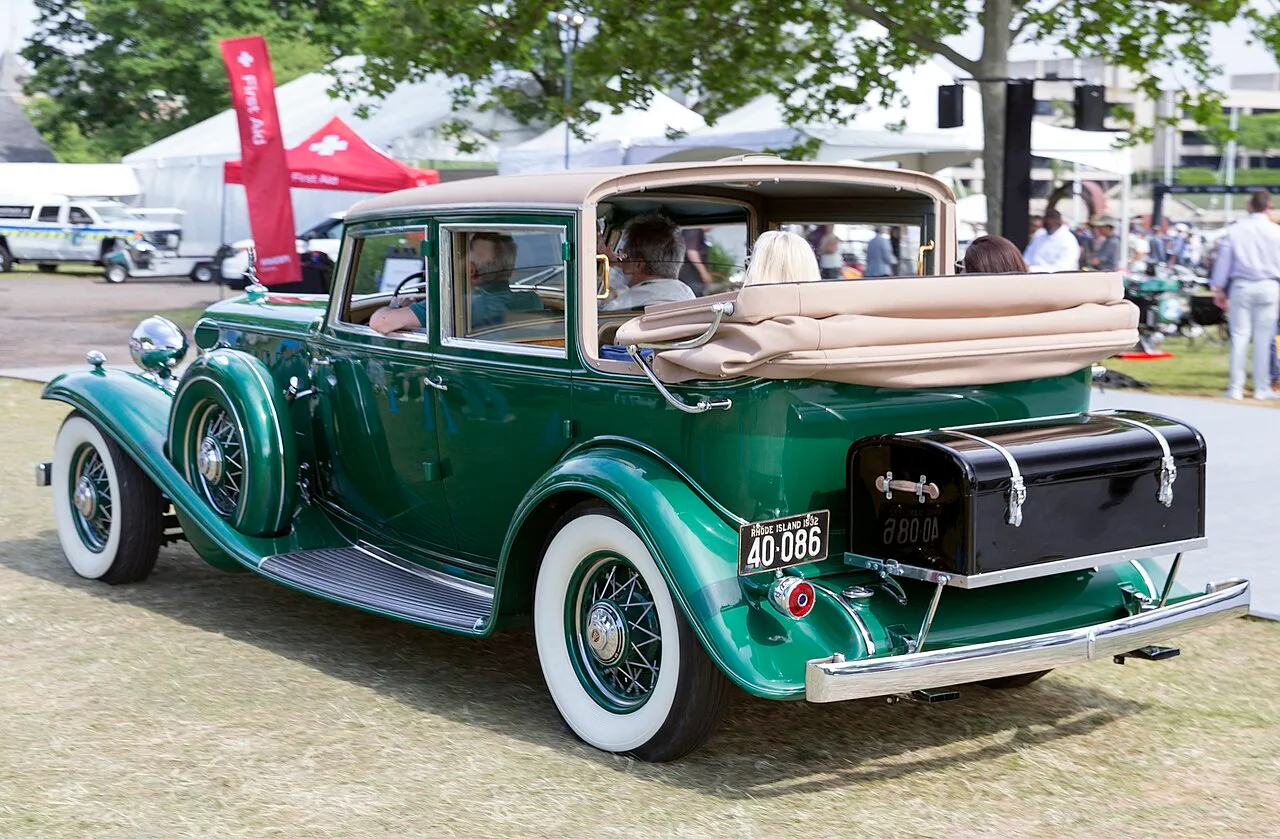
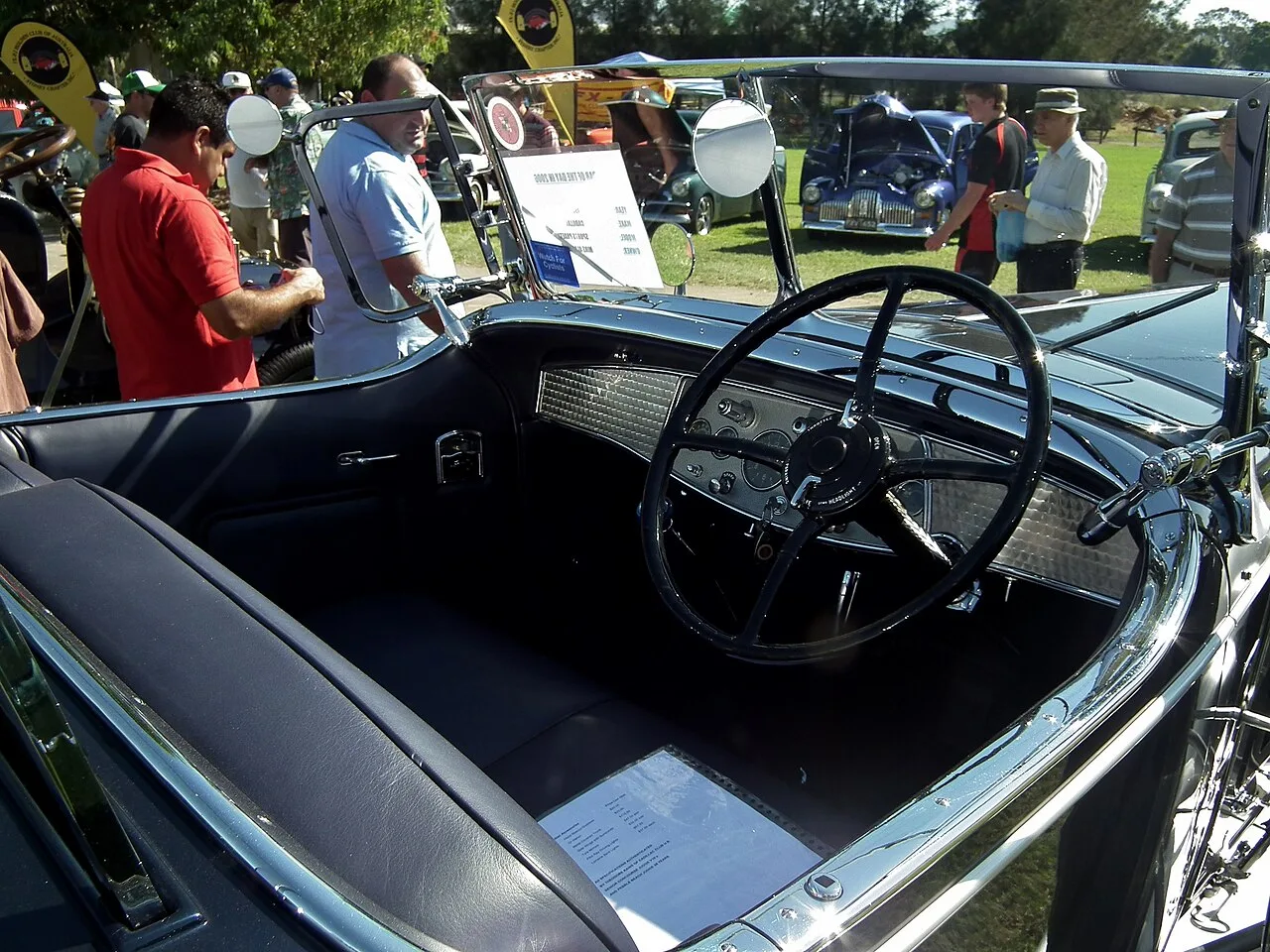
The Cadillac V-16 (also known as the Cadillac Sixteen) was Cadillac's top-of-the-line model from its January 1930 launch until 1940, the first V16-powered car in the United States, extremely expensive and exclusive with every chassis custom-finished to order; only 4,076 were constructed in its 11-year run, most in its debut year before the Great Depression took hold. Development began in 1926 in great secrecy with Cadillac chief Larry Fisher and GM stylist Harley Earl touring Europe for inspiration; GM had bought the coachbuilders Fleetwood and Fisher to keep the business in-house (rolling chassis could still be ordered, including a few right-hand-drive chassis for Vanden Plas and Farina bodies). The new Series 452 was first displayed at the New York auto show on January 4, 1930 (a 1930 Town Brougham listed at US$9,200), distinguished by its pioneering narrow-45° V angle overhead-valve 452 cu in (7.4 L) V16; January production averaged a couple of cars a day then ramped to twenty-two, 1,000 built by April and 2,000 by June, with about 70 different job/style numbers built by Fisher and Fleetwood. Production then fell precipitously (only 54 in October 1930, seven in August 1931), with 2,500 built in 1930, 750 in 1931, 300 in 1932 and 49 in each of 1935–1937; Cadillac later estimated it lost money on every V-16 sold. The body was redesigned as the 452C in 1933 (with vent windows), the 452D in 1934 and the 452E in 1935 with the Fisher Turret Top; it was redesignated the Series 90 in 1936 (52 sold, nearly half limousines) and got hydraulic brakes for 1937 (fifty built). With a 154.0 in wheelbase and curb weight of up to 6,600 pounds the cars are perhaps the largest standard production cars ever produced in the United States. Wheelbase 148.0 in (1930–31), 143.0 and 149.0 in (1932–33) and 154.0 in (1934–37); length 222.5 in (1930–31), 240.0 in (1934–35) and 238.0 in (1936–37); width 73.6 in (1931), 77.0 in (1932–35) and 74.4 in (1936–37).
Collectors Spotted in the Cadillac V-16 Lineage
No member has published a public street spot of the Cadillac V-16 yet — the First · Worldwide stamp is wide open.
Trims & Figures
3 published trims in the catalogue. A blank is a figure not recorded, not zero.
| Trim | Years | Engine | Power | Torque | 0–60 | Drive | Gearbox | MSRP |
|---|---|---|---|---|---|---|---|---|
| V-16 Series 452 452 cu in OHV V16 (1930–1931) | 1930–1931 | 7.4 L V16 | 165 hp | 271 lb-ft | — | RWD | — | — |
| V-16 Series 452D/E 452 cu in OHV V16 (1934–1935) | 1934–1935 | 7.4 L V16 | — | — | — | RWD | — | — |
| V-16 Series 90 452 cu in OHV V16 (1936–1937) | 1936–1937 | 7.4 L V16 | 185 hp | — | — | RWD | — | — |
Owning one
We don’t estimate running costs for a car like this. What it costs depends on its condition, its specialist and how it is driven, and an average would mislead.
Owners’ builds
Nobody has claimed one yet.
Photographs
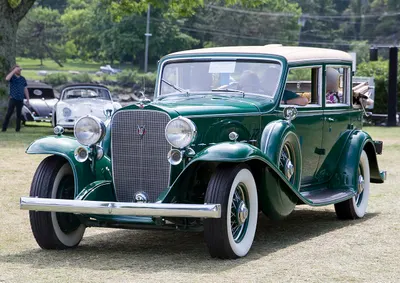
Cadillac's 1938 V-16 actually shrank — from 452 to 431 cubic inches — yet the new engine matched the old one's 185 hp exactly, while running nearly silent at idle.
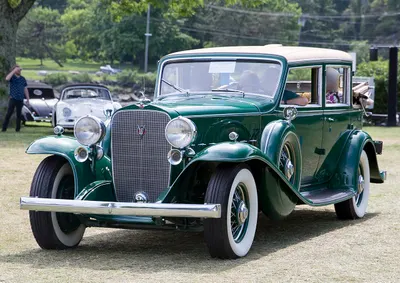
Cadillac's own general manager planted a fake rumor about a V12 just to keep this car's real engine — a full V16 — secret until launch.
Rivals
Same body, same money, other badges — tap any card to flip.

It briefly served as senior sibling to Marquette, a GM companion brand cancelled after just one year.

Nissan hired former BMW engineers to help develop the 510's suspension, which is why period reviewers frequently compared its handling to the BMW 1600/2002.

A Trabant 601 won its class at the 1970 Monte Carlo Rally, with a second 601 right behind it in second.

The 600 was a stopgap: the P50's body over the 601's mechanicals, and for a while its estate was built alongside the new 601 saloon.

The G80 Sport brought a 370 PS twin-turbo 3.3 V6, a mesh grille and copper-tinted chrome with copper stitching to match.

The Vigor was sold only with a five-cylinder engine, an unusual configuration Honda used to fit a longer engine transversely under a short hood.

The GS/E coupe earned the nickname "German Charger" for its long hood, short deck stance borrowed from Detroit muscle cars.

This DeVille/Fleetwood was the first production car anywhere to mount its V8 sideways, Cadillac's front-drive gamble on the new C-body.