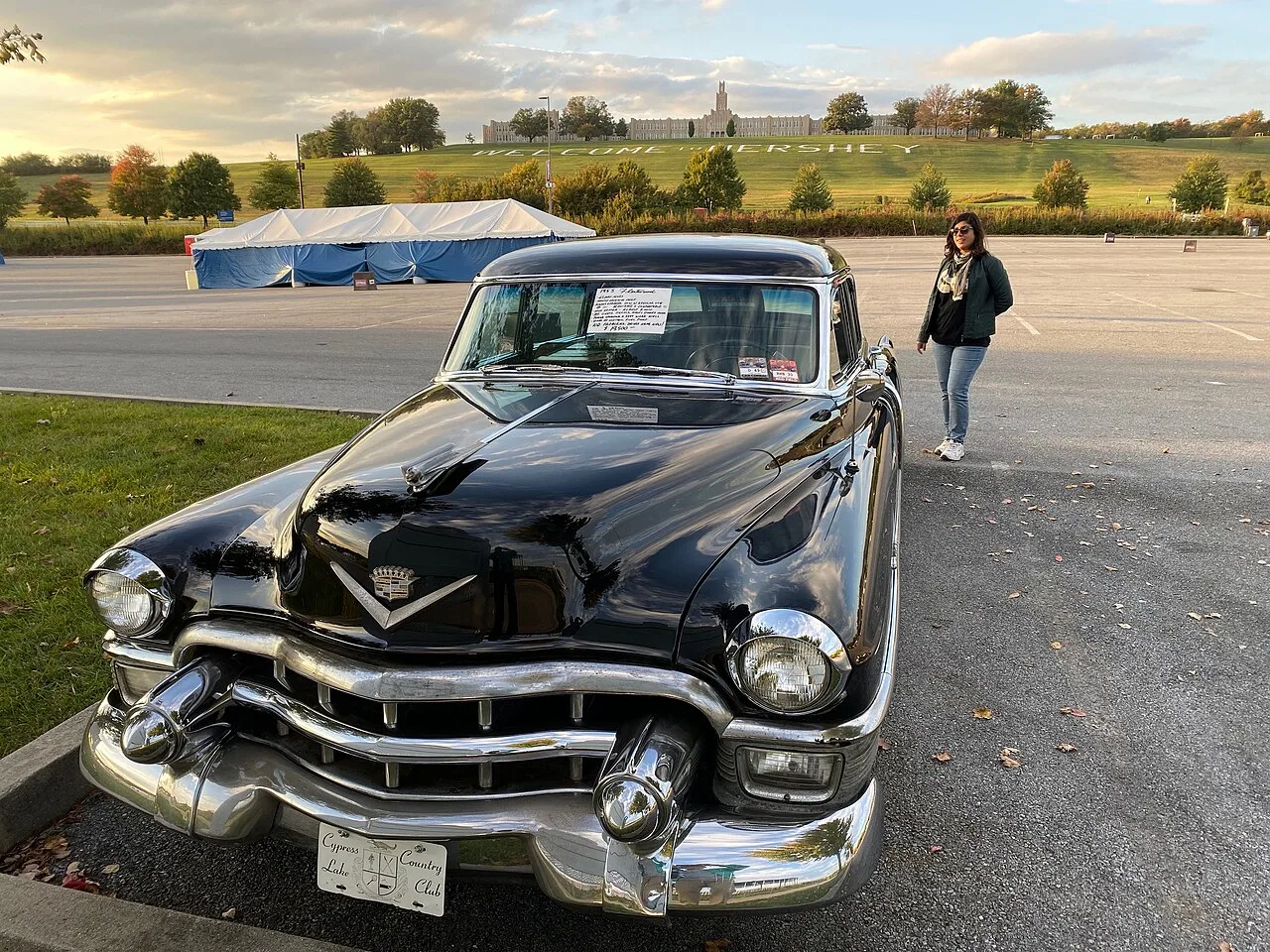
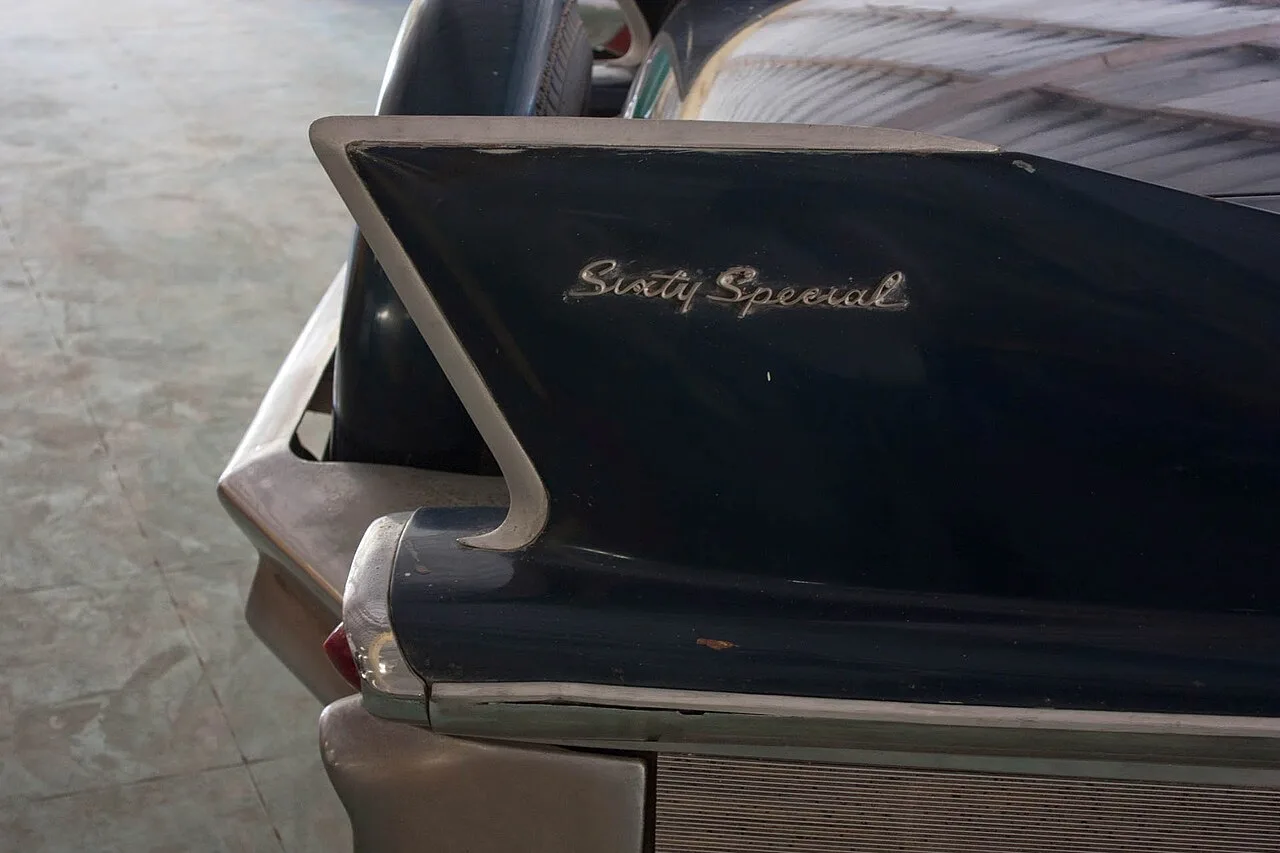
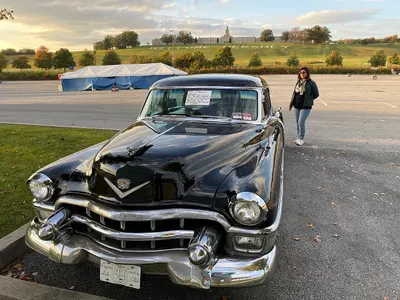
This 1956 Sixty Special wore the last of the "knobby" tail fins styled after the P-38 Lightning fighter plane — Cadillac smoothed them out the very next year.
Median 90 hp across 138 similar cars
Lead trim: Sixty Special 331 cu in OHV V8 (230 hp, 1954) · up to 285 hp
Cadillac Sixty Special1954–1956
- 0spots by members
- Unclaimednobody has spotted one yet
- 0sets it belongs to
Nobody in Burbles has spotted a Cadillac Sixty Special yet. See one on the street, point the app at it, and the first card is yours — with your @handle permanently credited on this page.
FactThis 1956 Sixty Special wore the last of the "knobby" tail fins styled after the P-38 Lightning fighter plane — Cadillac smoothed them out the very next year.
For 1954 the Sixty Special returned to a 133 in wheelbase (227.4 in long, 79.6 in wide, 62.1 in high; 4,700–5,000 lb): new standard items included windshield washers, with power brakes from Bendix and a four-way power bench seat as new options; Cadillac pulled more power from the 331 cu in (5.4 L) engine, now rated at 230 hp (sales dropped to 16,200 from 20,000 in 1953). For 1955 the Sixty Special arrived with revised trim and 250 hp (the price of US$4,342 was lower than the previous year and production rose slightly to 18,300; the eight chrome louvers were replaced by 12 louvers ahead of the bumper); Elvis Presley's 1955 Sixty Special is pictured. For 1956 a larger 365 cu in (6.0 L) powerplant produced 285 horsepower with a revamped automatic transmission, with chrome side spears with hash marks blending into oval exhaust ports in the rear bumper, an optional anodized gold grille, power brakes standard, Sabre Spoke wheels newly available and passenger seatbelts on the option list. Length 227.3 in in 1955 and 225.9 in in 1956, width 79.8 and 80.1 in.
Collectors Spotted in the Cadillac Sixty Special Lineage
No member has published a public street spot of the Cadillac Sixty Special yet — the First · Worldwide stamp is wide open.
Trims & Figures
3 published trims in the catalogue. A blank is a figure not recorded, not zero.
| Trim | Years | Engine | Power | Torque | 0–60 | Drive | Gearbox | MSRP |
|---|---|---|---|---|---|---|---|---|
| Sixty Special 331 cu in OHV V8 (230 hp, 1954) | 1954–1954 | 5.4 L V8 | 230 hp | 330 lb-ft | — | RWD | — | — |
| Sixty Special 331 cu in OHV V8 (250 hp, 1955) | 1955–1955 | 5.4 L V8 | 250 hp | 345 lb-ft | — | RWD | — | — |
| Sixty Special 365 cu in OHV V8 (285 hp, 1956) | 1956–1956 | 6.0 L V8 | 285 hp | 400 lb-ft | — | RWD | — | — |
Owning one
We don’t estimate running costs for a car like this. What it costs depends on its condition, its specialist and how it is driven, and an average would mislead.
Owners’ builds
Nobody has claimed one yet.
Photographs
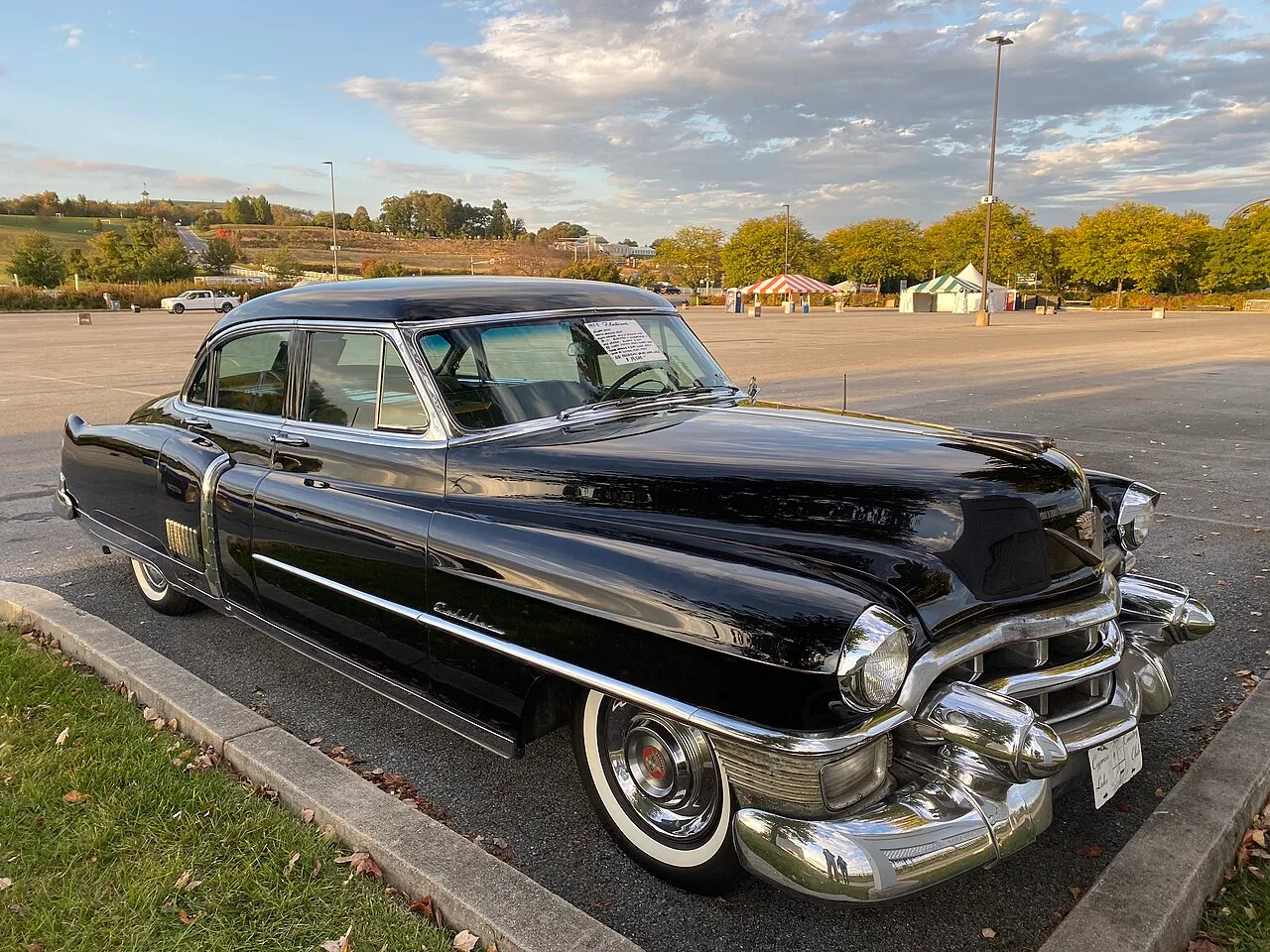
Cadillac's priciest Sixty Special option wasn't called "Brougham" or "d'Elegance" — it was the "Talisman," named after the word for a magic charm, and it outranked both of those trims.
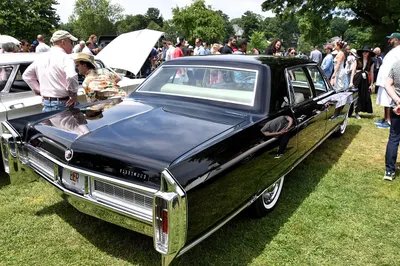
For 1965 the Sixty Special brought back a B-pillar it had gone without since 1957 — trading its hardtop look for a formal, pillared sedan profile.
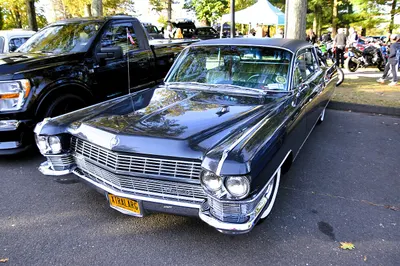
This Sixty Special went nearly bare-sided on purpose — it shared the Eldorado's stripped-down lack of body trim instead of the chrome standard Cadillacs wore.
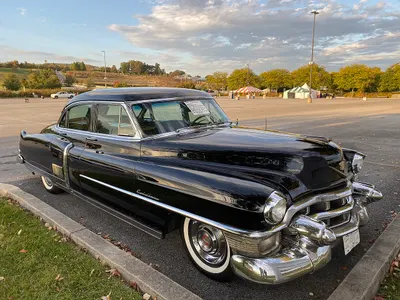
The 1959 Sixty Special's rear-fender air scoop never breathed a drop of air — it was pure decoration, a one-year-only styling flourish bolted on for the fins era and gone again after.
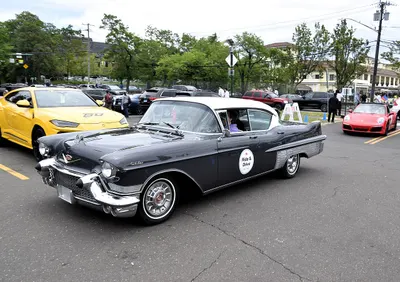
After fifteen years as its signature look, the Sixty Special's chrome fender louvers vanished for 1957 — swapped for a giant ribbed metal panel covering the whole lower rear fender.
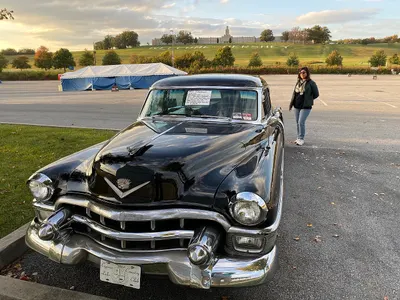
This 1956 Sixty Special wore the last of the "knobby" tail fins styled after the P-38 Lightning fighter plane — Cadillac smoothed them out the very next year.
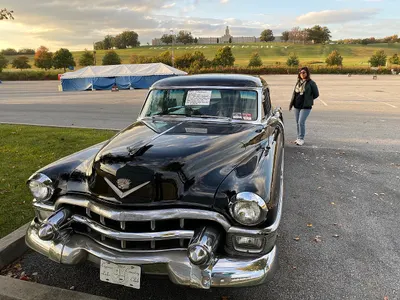
Cadillac's 100,000th car to roll off the line in 1950 wasn't a run-of-the-mill model — it was a Sixty Special, the brand's flagship.
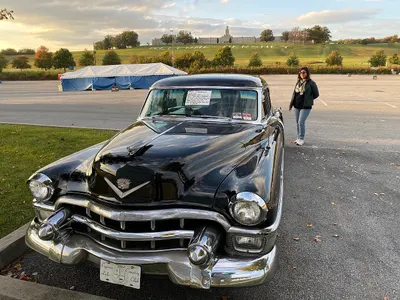
For one year only, the 1948 Sixty Special had a rainbow-shaped instrument cluster stacking every gauge directly above the steering column.
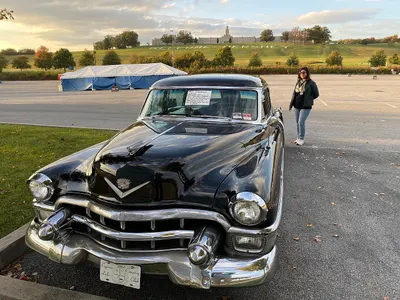
Cadillac had a sunroof option before World War II — and then killed it for being slow-selling. The feature wouldn't return to a Cadillac for almost 30 years, until the 1970 Eldorado.
Designer Bill Mitchell called the 1938 Sixty Special 'the first hardtop,' even though it was technically a sedan. Its pillarless-look doors blurred the line years before real hardtops existed.
Rivals
Same body, same money, other badges — tap any card to flip.

It briefly served as senior sibling to Marquette, a GM companion brand cancelled after just one year.

Nissan hired former BMW engineers to help develop the 510's suspension, which is why period reviewers frequently compared its handling to the BMW 1600/2002.

A Trabant 601 won its class at the 1970 Monte Carlo Rally, with a second 601 right behind it in second.

The 600 was a stopgap: the P50's body over the 601's mechanicals, and for a while its estate was built alongside the new 601 saloon.

The G80 Sport brought a 370 PS twin-turbo 3.3 V6, a mesh grille and copper-tinted chrome with copper stitching to match.

The Vigor was sold only with a five-cylinder engine, an unusual configuration Honda used to fit a longer engine transversely under a short hood.

The GS/E coupe earned the nickname "German Charger" for its long hood, short deck stance borrowed from Detroit muscle cars.

This DeVille/Fleetwood was the first production car anywhere to mount its V8 sideways, Cadillac's front-drive gamble on the new C-body.