The 1978 Seville's optional "Tripmaster" computer was the first full electronic instrument cluster on an American car — built around a Motorola 6800 chip, the same processor family found in early home computers.
Lead trim: Seville 350 cu in LF9 Oldsmobile diesel V8 (105 hp) · up to 180 hp
Cadillac Seville1976–1979
- 0spots by members
- Unclaimednobody has spotted one yet
- 0sets it belongs to
Nobody in Burbles has spotted a Cadillac Seville yet. See one on the street, point the app at it, and the first card is yours — with your @handle permanently credited on this page.
FactThe 1978 Seville's optional "Tripmaster" computer was the first full electronic instrument cluster on an American car — built around a Motorola 6800 chip, the same processor family found in early home computers.
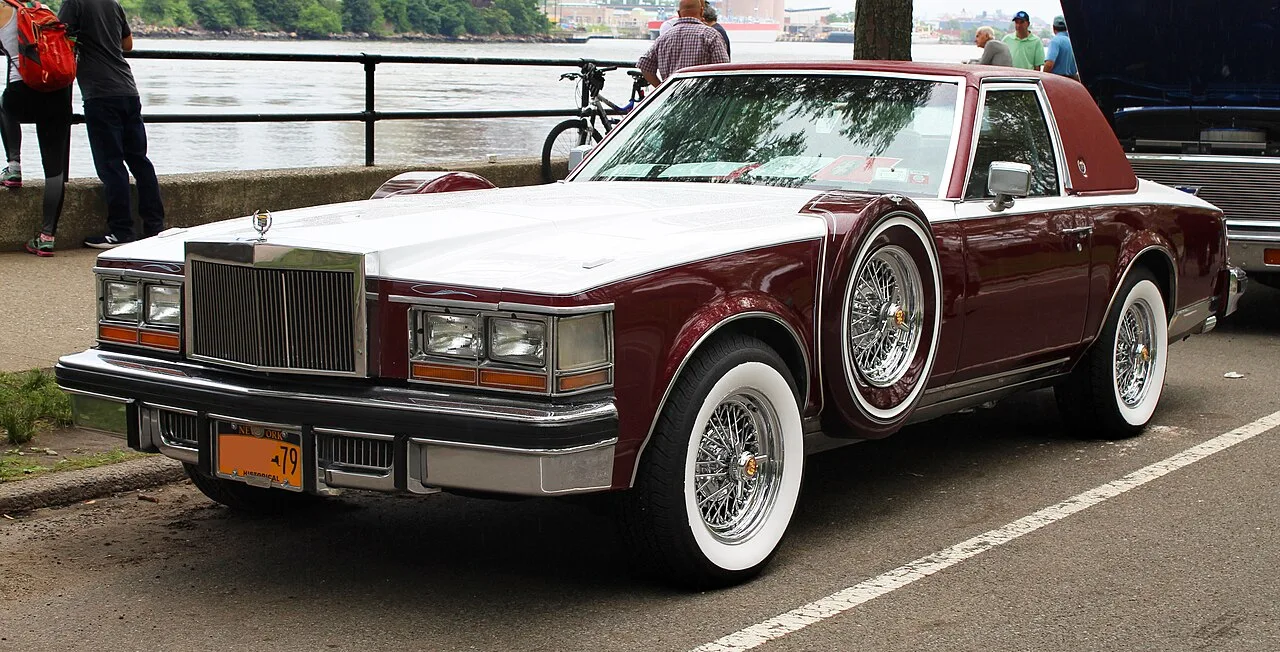
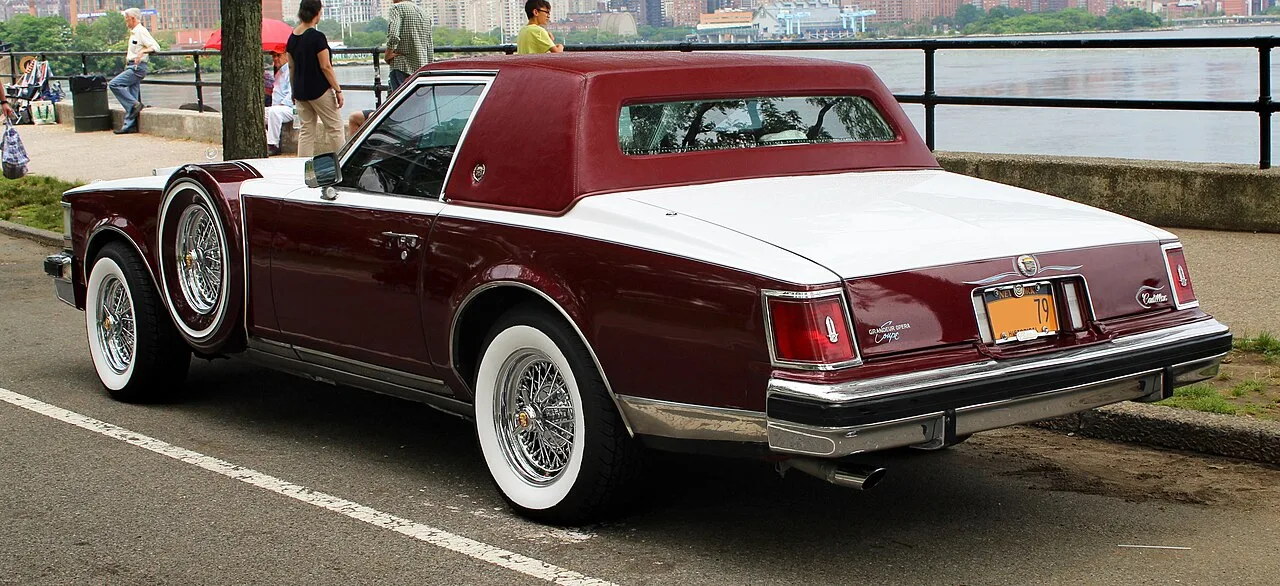
The Cadillac Seville, a mid-size luxury car marketed by General Motors under the Cadillac brand from the 1976 to 2004 model years, was introduced in May 1975 as an early 1976 model as Cadillac's answer to the rising popularity of European luxury imports (Mercedes-Benz, Audi and BMW): the smallest and most expensive model in the lineup (US$12,479), turning Cadillac's traditional marketing and pricing strategy upside down, and almost 1,000 pounds lighter than the full-size DeVille. The name was chosen over a revival of LaSalle or the design staff's preference LaScala (the tentative names of early prototypes), the Eldorado Seville having been a 1956–60 hardtop. Styling took strong cues from the Rolls-Royce Silver Shadow with a crisp, angular body, on the unique "K-body" platform: unibody construction with a bolt-on subframe and rear suspension based on the rear-wheel drive 1968–74 X-body (the Opel Diplomat and a front-wheel drive layout were rejected on budget grounds). Dimensions: 114.3 in wheelbase, 204.0 in long, 71.8 in wide, 54.6 in high, 4,340 lb. The engine was an Oldsmobile-sourced 350 cu in (5.7 L) V8 with a Bendix analog port fuel injection system: 180 hp, 15 mpg city and 21 mpg highway, 0–60 mph in 11.5 seconds, with a 3-speed TH-400 automatic; a 350 cu in LF9 diesel V8 (105 hp) was added in 1978. For 1978–79 the Seville offered the "Tripmaster" trip computer (US$920), the first American automobile with full electronic instrumentation. Production was 16,355 in 1975 (from April), 43,772 in 1976, 45,060 in 1977, 56,985 in 1978 and 53,487 in 1979. The "Elegante" package (black/silver two-tone paint, perforated gray leather and real wire wheels, US$2,600 in 1978) was available from 1978, and the Seville was assembled in Iran as the "Cadillac Iran" from 1978 to 1987 (2,653 built); coachbuilders offered conversions including the Grandeur "Opera Coupe" (an estimated 600).
Collectors Spotted in the Cadillac Seville Lineage
No member has published a public street spot of the Cadillac Seville yet — the First · Worldwide stamp is wide open.
Trims & Figures
2 published trims in the catalogue. A blank is a figure not recorded, not zero.
| Trim | Years | Engine | Power | Torque | 0–60 | Drive | Gearbox | MSRP |
|---|---|---|---|---|---|---|---|---|
| Seville 350 cu in LF9 Oldsmobile diesel V8 (105 hp) | 1978–1979 | 5.7 L V8 | 105 hp | 205 lb-ft | — | RWD | — | — |
| Seville 350 cu in Oldsmobile V8 with electronic fuel injection (180 hp) | 1976–1979 | 5.7 L V8 | 180 hp | — | 11.5 s | RWD | — | — |
Owning one
We don’t estimate running costs for a car like this. What it costs depends on its condition, its specialist and how it is driven, and an average would mislead.
Owners’ builds
Nobody has claimed one yet.
Photographs
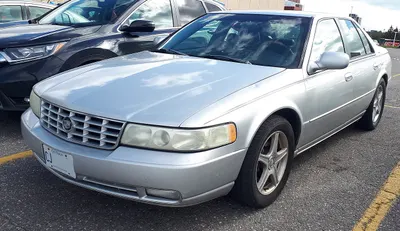
This Seville broke new ground for Cadillac: the first one engineered from the start in right-hand drive, letting the brand officially sell it in places like Hong Kong and the UK.
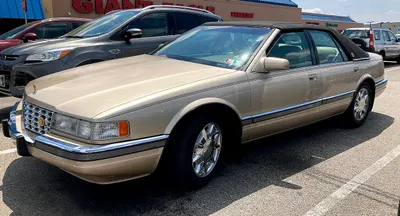
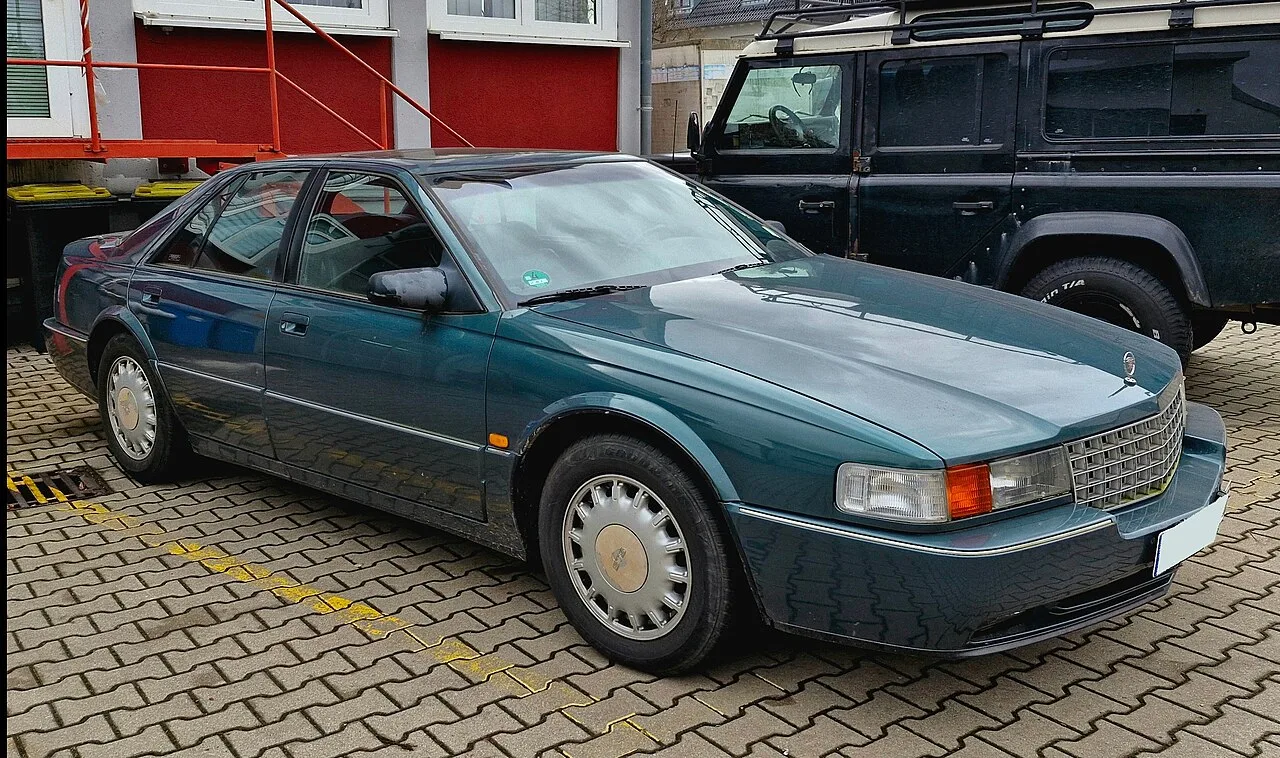
This Seville Touring Sedan won Motor Trend's Car of the Year for 1992 — and could still hit 60 mph in 6.9 seconds in STS form, sports-car pace in formal luxury clothes.
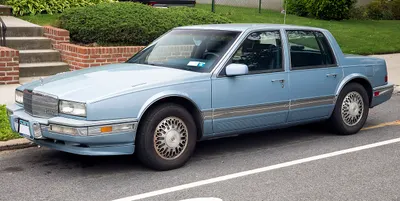
The first 1988 Seville STS wasn't built on Cadillac's own line — outside coachbuilder Cars and Concepts hand-built the initial run, reserved for GM VIPs, and unveiled them at that year's Detroit Grand Prix.
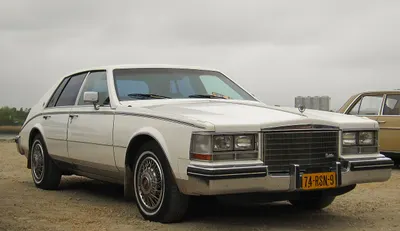
This Seville brought back memory seats in 1981, a feature Cadillac hadn't offered since the Eldorado Broughams of the late 1950s, a quarter-century gap.
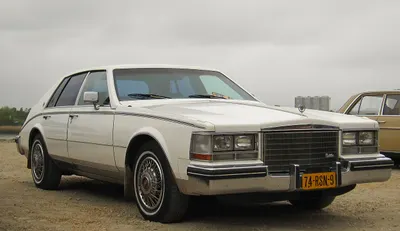
The Seville's razor-edged 'bustle-back' rear end wasn't a 1980s idea at all — Cadillac's designers lifted it from English coachbuilder Hooper & Co.'s 'Empress Line,' a look from the early 1950s.
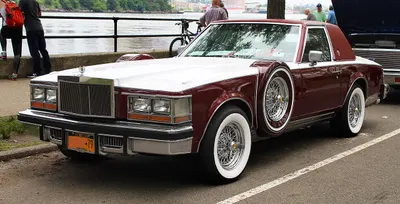
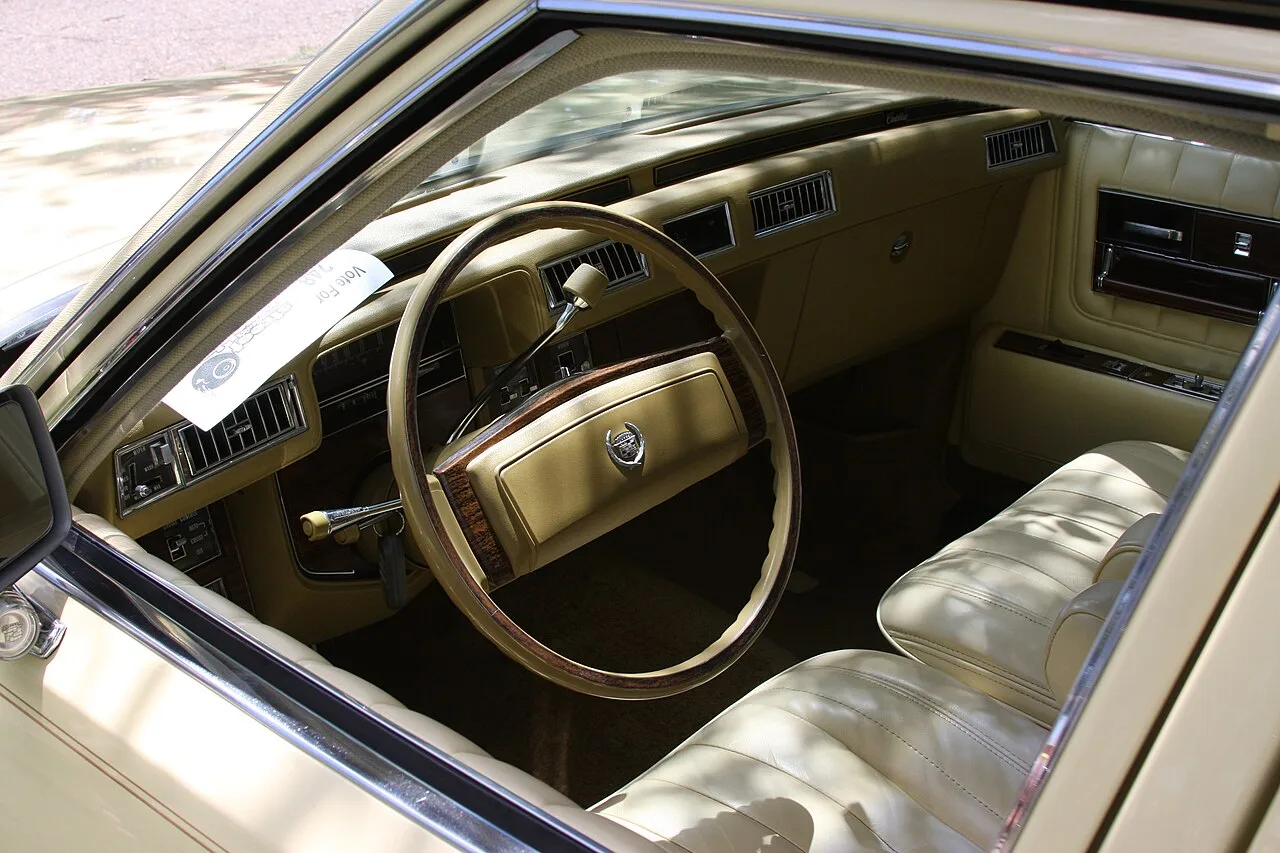
The 1978 Seville's optional "Tripmaster" computer was the first full electronic instrument cluster on an American car — built around a Motorola 6800 chip, the same processor family found in early home computers.
Rivals
Same body, same money, other badges — tap any card to flip.

It briefly served as senior sibling to Marquette, a GM companion brand cancelled after just one year.

Nissan hired former BMW engineers to help develop the 510's suspension, which is why period reviewers frequently compared its handling to the BMW 1600/2002.

A Trabant 601 won its class at the 1970 Monte Carlo Rally, with a second 601 right behind it in second.

The 600 was a stopgap: the P50's body over the 601's mechanicals, and for a while its estate was built alongside the new 601 saloon.

The G80 Sport brought a 370 PS twin-turbo 3.3 V6, a mesh grille and copper-tinted chrome with copper stitching to match.

The Vigor was sold only with a five-cylinder engine, an unusual configuration Honda used to fit a longer engine transversely under a short hood.

The GS/E coupe earned the nickname "German Charger" for its long hood, short deck stance borrowed from Detroit muscle cars.

This DeVille/Fleetwood was the first production car anywhere to mount its V8 sideways, Cadillac's front-drive gamble on the new C-body.