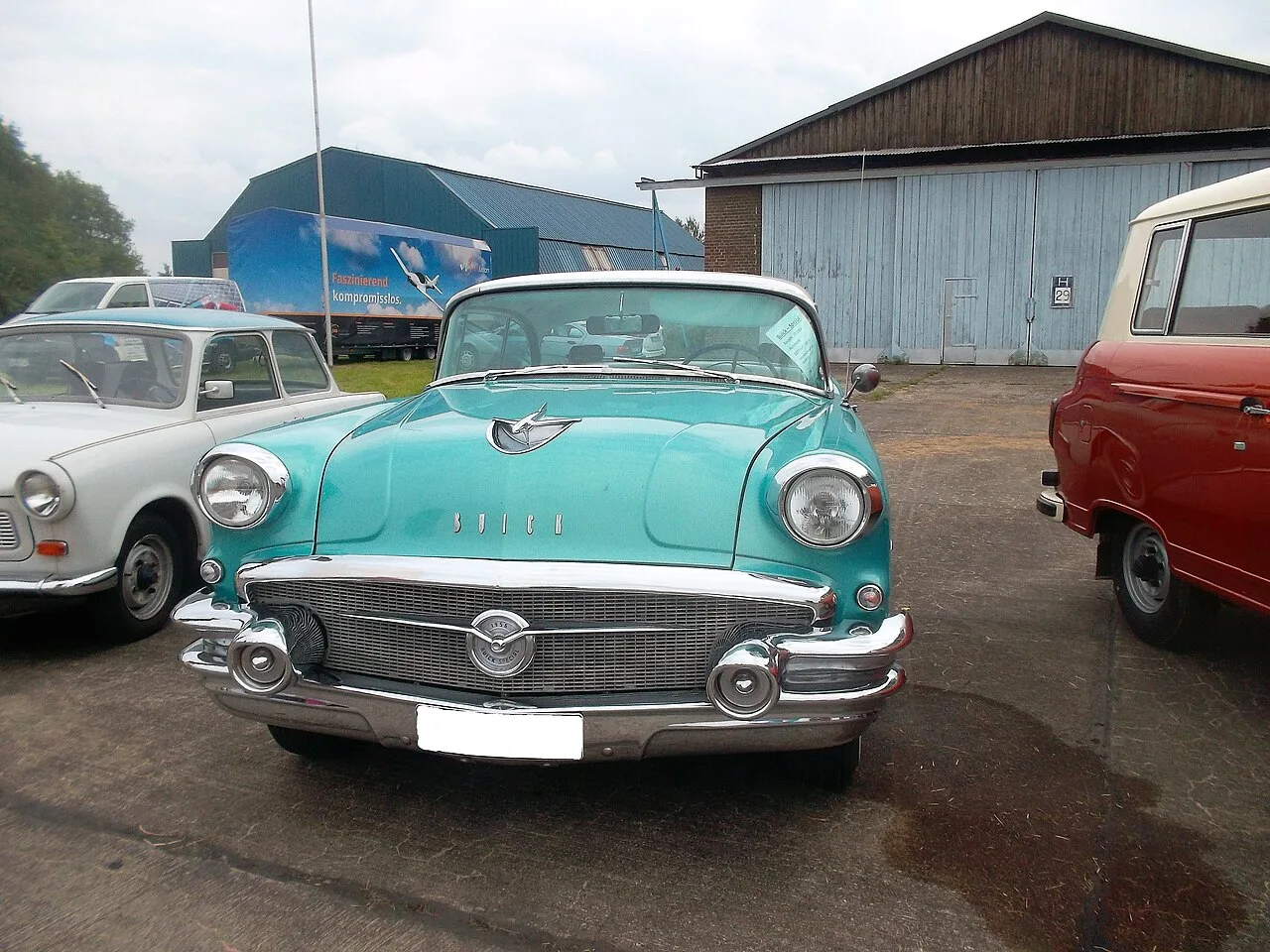
A dashboard handle let drivers manually retard spark timing to run cheap low-grade gasoline.
Lead trim: Series 40 257.5 cu in OHV I6 (80.5 bhp at 2800 rpm, 1930) · up to 93 hp
Buick Special1930–1935
- 0spots by members
- Unclaimednobody has spotted one yet
- 0sets it belongs to
Nobody in Burbles has spotted a Buick Special yet. See one on the street, point the app at it, and the first card is yours — with your @handle permanently credited on this page.
FactA dashboard handle let drivers manually retard spark timing to run cheap low-grade gasoline.
The Buick Special was an automobile produced by Buick, usually Buick's lowest-priced model, starting out as a full-size car (Series 40, designer Harley Earl) and returning in 1961 as a compact, becoming mid-size in 1963. The Series 40 of 1930 had the 257.5 cu in (4,220 cc) overhead-valve Buick straight-six producing 80.5 bhp at 2,800 rpm and 74,257 were made, the highest number of Buicks for 1930, on a 117 or 118 in wheelbase in six body styles (the five-passenger Sedan Model 41 was US$925, US$1,000 less than a LaSalle Series 50). It was temporarily discontinued for 1931 as the Marquette Model 30 and the Series 50 became the entry-level Buicks, and the 1935 version returned with the 233.0 cu in (3,818 cc) Buick straight-eight and 93 bhp; all GM cars shared a corporate appearance from this generation and the "Ventiplanes" vent windows were added to the Special when it was introduced in 1935. Every Buick had a dashboard selector handle that altered spark timing to allow low-grade or premium fuel; in 1936 the name changed to "Special".
Collectors Spotted in the Buick Special Lineage
No member has published a public street spot of the Buick Special yet — the First · Worldwide stamp is wide open.
Trims & Figures
2 published trims in the catalogue. A blank is a figure not recorded, not zero.
| Trim | Years | Engine | Power | Torque | 0–60 | Drive | Gearbox | MSRP |
|---|---|---|---|---|---|---|---|---|
| Series 40 233 cu in OHV I8 (93 bhp, 1935) | 1935–1935 | 3.8 L Inline-8 | 93 hp | — | — | RWD | — | — |
| Series 40 257.5 cu in OHV I6 (80.5 bhp at 2800 rpm, 1930) | 1930–1930 | 4.2 L Inline-6 | 80.5 hp | — | — | RWD | — | — |
Owning one
We don’t estimate running costs for a car like this. What it costs depends on its condition, its specialist and how it is driven, and an average would mislead.
Owners’ builds
Nobody has claimed one yet.
Photographs
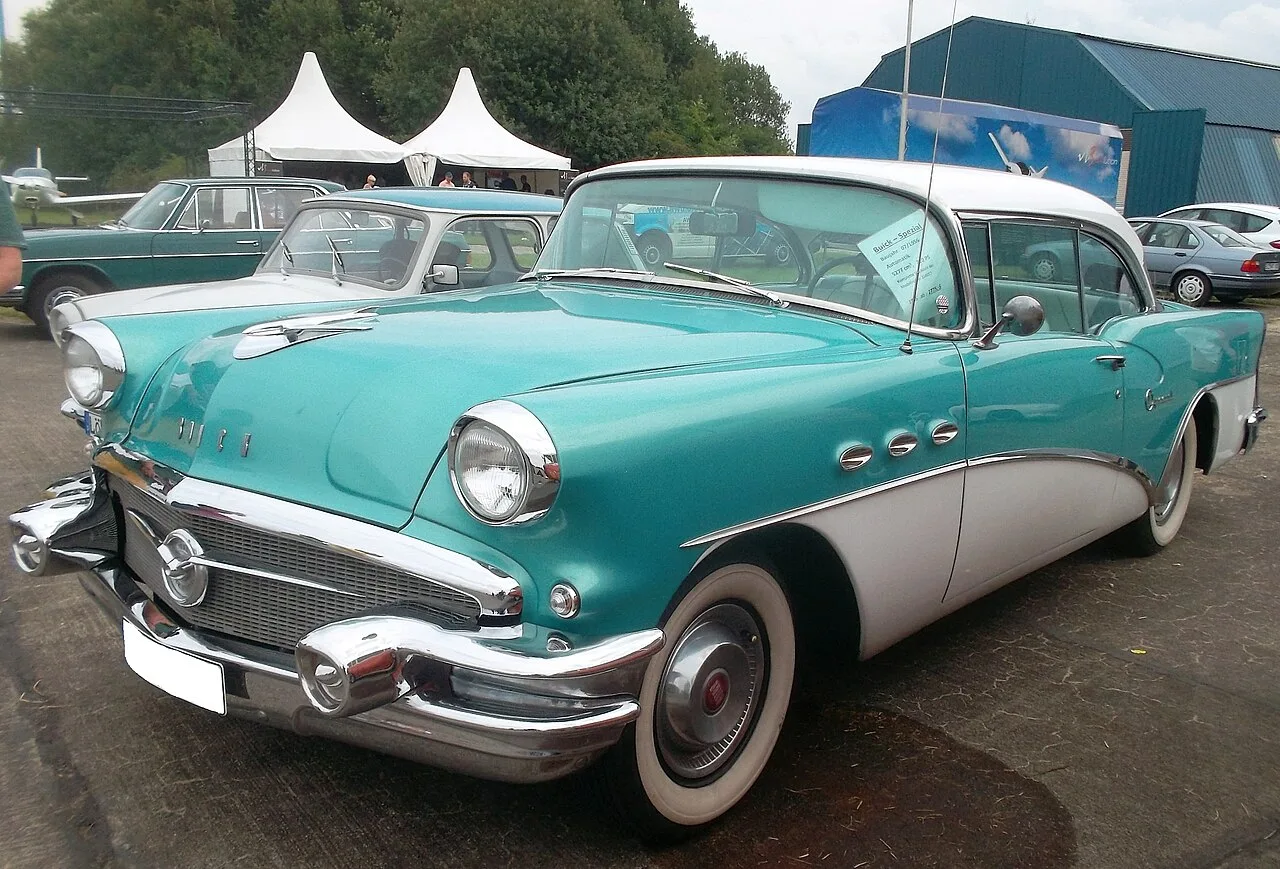
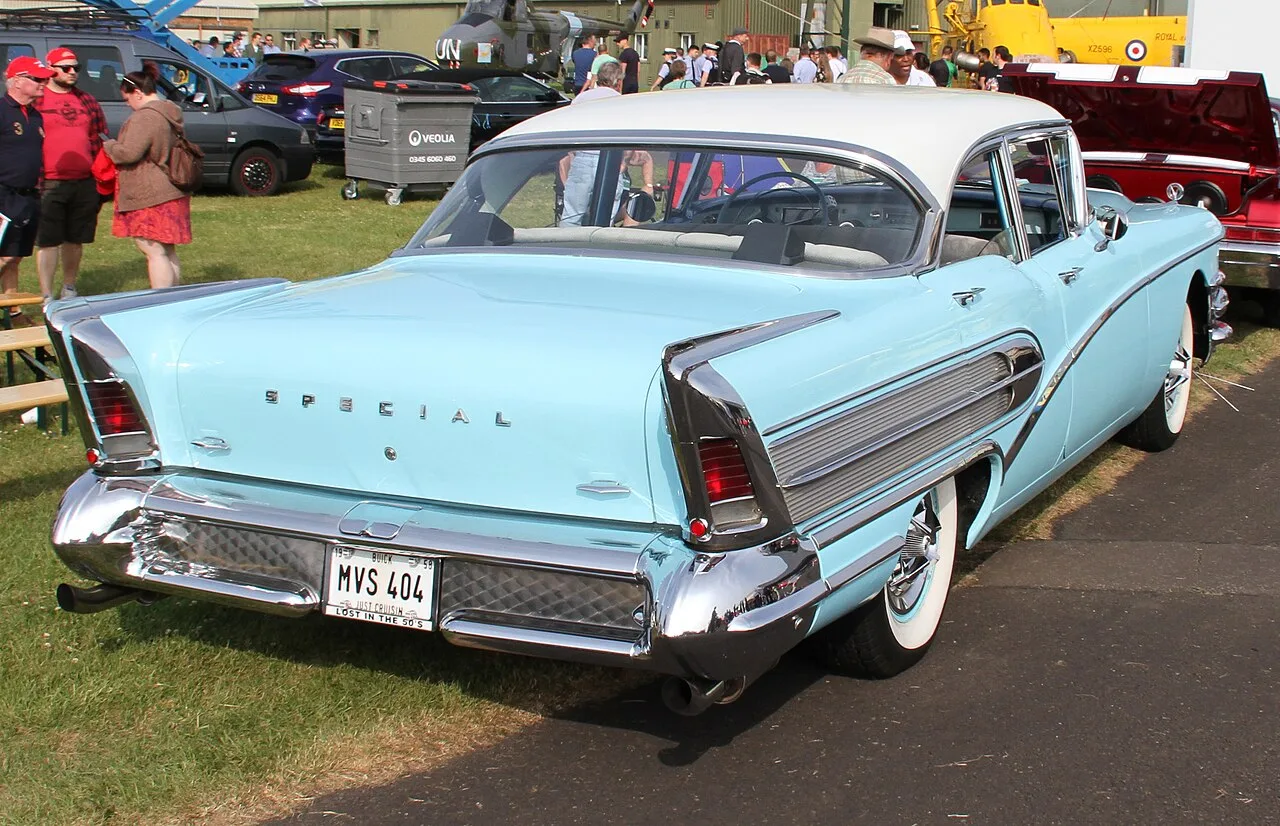
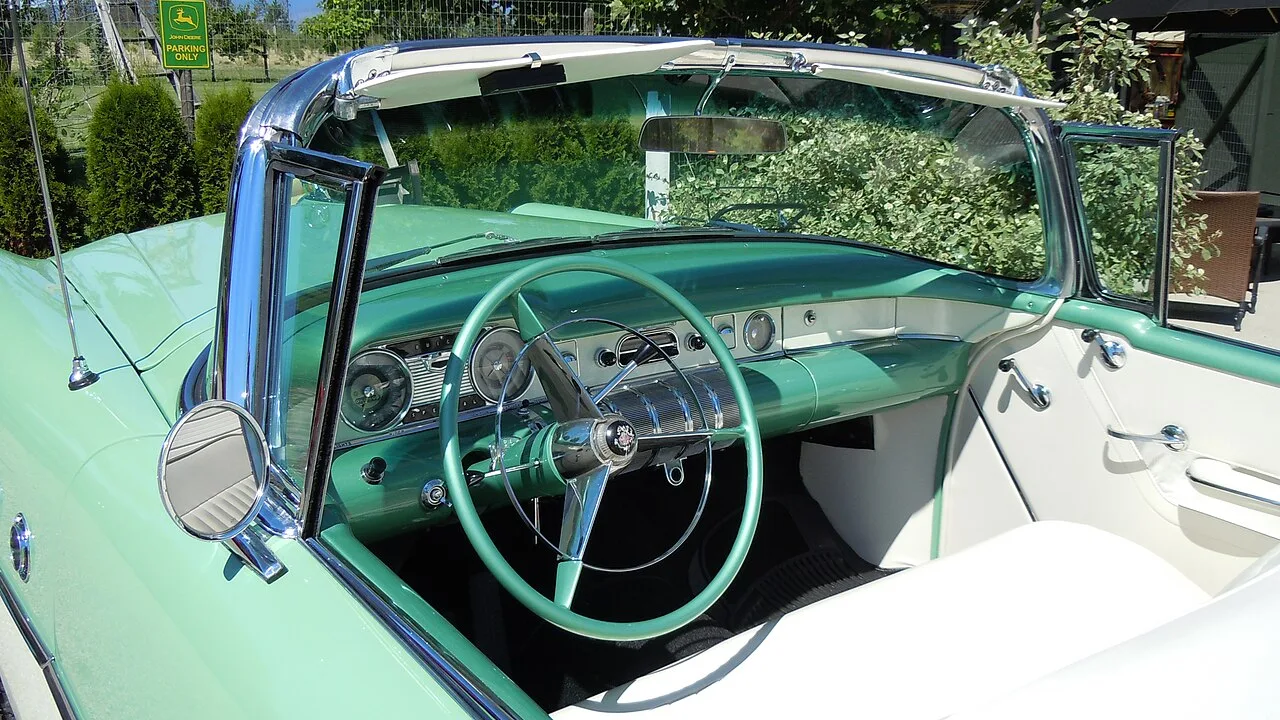
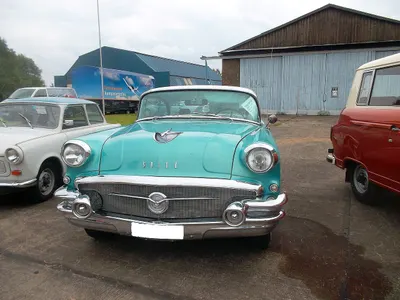
Buick sold its discontinued V6 tooling to Kaiser Industries, where it went on to power Jeeps.
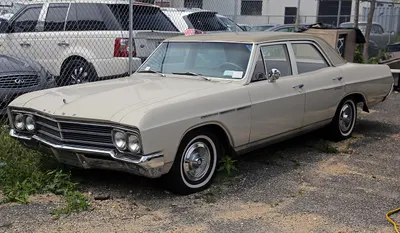
Buick's original aluminum 215 V8 was swapped for a new cast-iron 300 after the earlier engine proved troublesome.
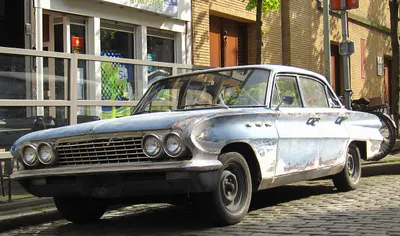
Its aluminum 215 V8, built for a compact Buick, went on to power the Rover P6 and the Range Rover.
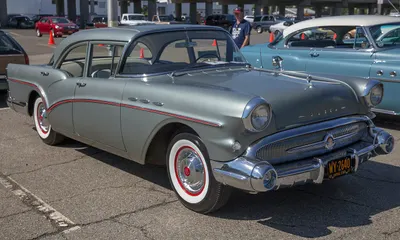
The 1949 Special's nine-bar grille doubled as the bumper guards.
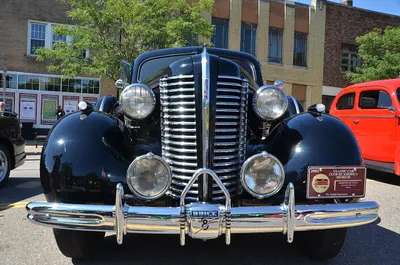
1940 was the only year Buick built a four-door convertible Special, the Sport Phaeton, with 552 made.
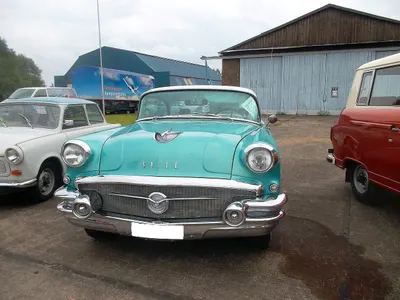
A dashboard handle let drivers manually retard spark timing to run cheap low-grade gasoline.
Rivals
Same body, same money, other badges — tap any card to flip.

It briefly served as senior sibling to Marquette, a GM companion brand cancelled after just one year.

Nissan hired former BMW engineers to help develop the 510's suspension, which is why period reviewers frequently compared its handling to the BMW 1600/2002.

A Trabant 601 won its class at the 1970 Monte Carlo Rally, with a second 601 right behind it in second.

The 600 was a stopgap: the P50's body over the 601's mechanicals, and for a while its estate was built alongside the new 601 saloon.

The G80 Sport brought a 370 PS twin-turbo 3.3 V6, a mesh grille and copper-tinted chrome with copper stitching to match.

The Vigor was sold only with a five-cylinder engine, an unusual configuration Honda used to fit a longer engine transversely under a short hood.

The GS/E coupe earned the nickname "German Charger" for its long hood, short deck stance borrowed from Detroit muscle cars.

This DeVille/Fleetwood was the first production car anywhere to mount its V8 sideways, Cadillac's front-drive gamble on the new C-body.