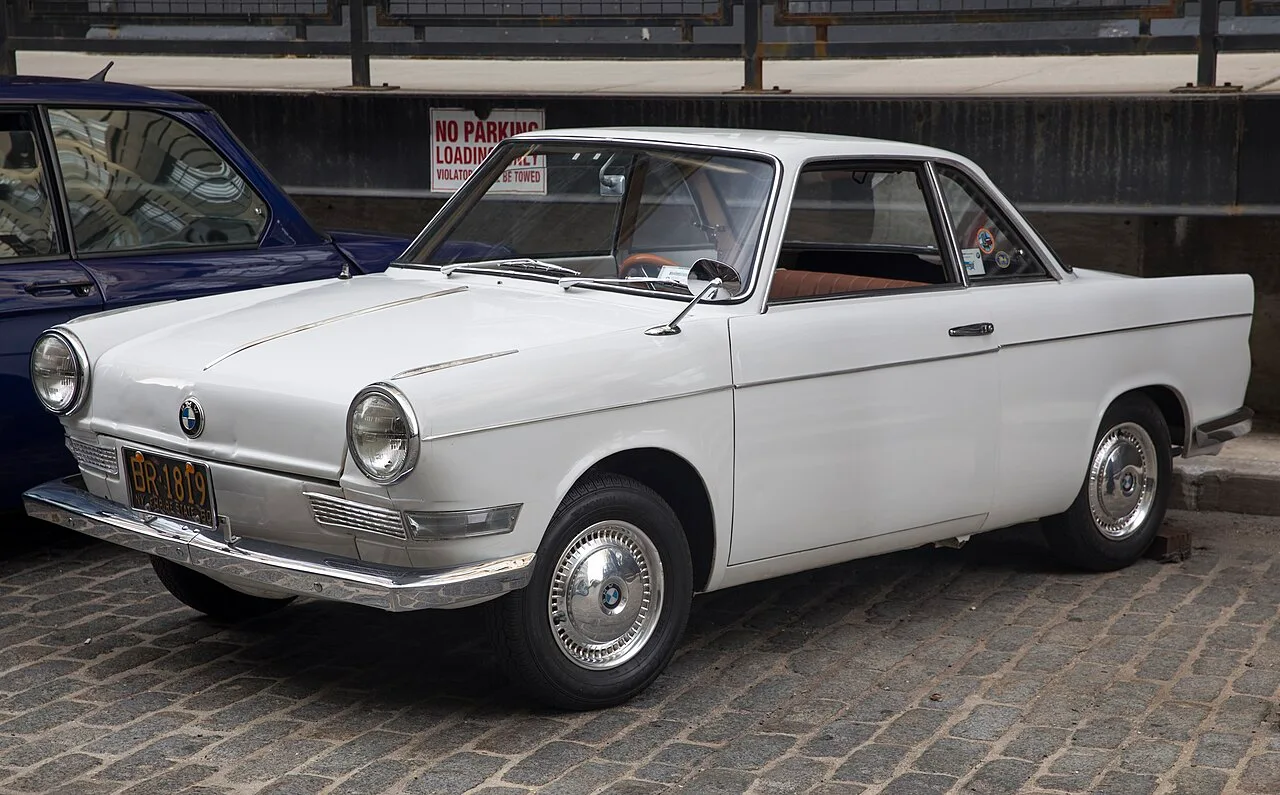
BMW was circling bankruptcy when the 700 arrived -- and sold more than 188,000 of them, helping save the company that would go on to build the M cars.
Median 100 hp across 323 similar cars
Lead trim: 700 (697 cc flat-twin, 30 PS) · up to 32 hp
BMW 700 saloon, coupé, Luxus and LSE107 · 1959–1965
- 0spots by members
- Unclaimednobody has spotted one yet
- 0sets it belongs to
Nobody in Burbles has spotted a BMW 700 saloon, coupé, Luxus and LS yet. See one on the street, point the app at it, and the first card is yours — with your @handle permanently credited on this page.
FactBMW was circling bankruptcy when the 700 arrived -- and sold more than 188,000 of them, helping save the company that would go on to build the M cars.
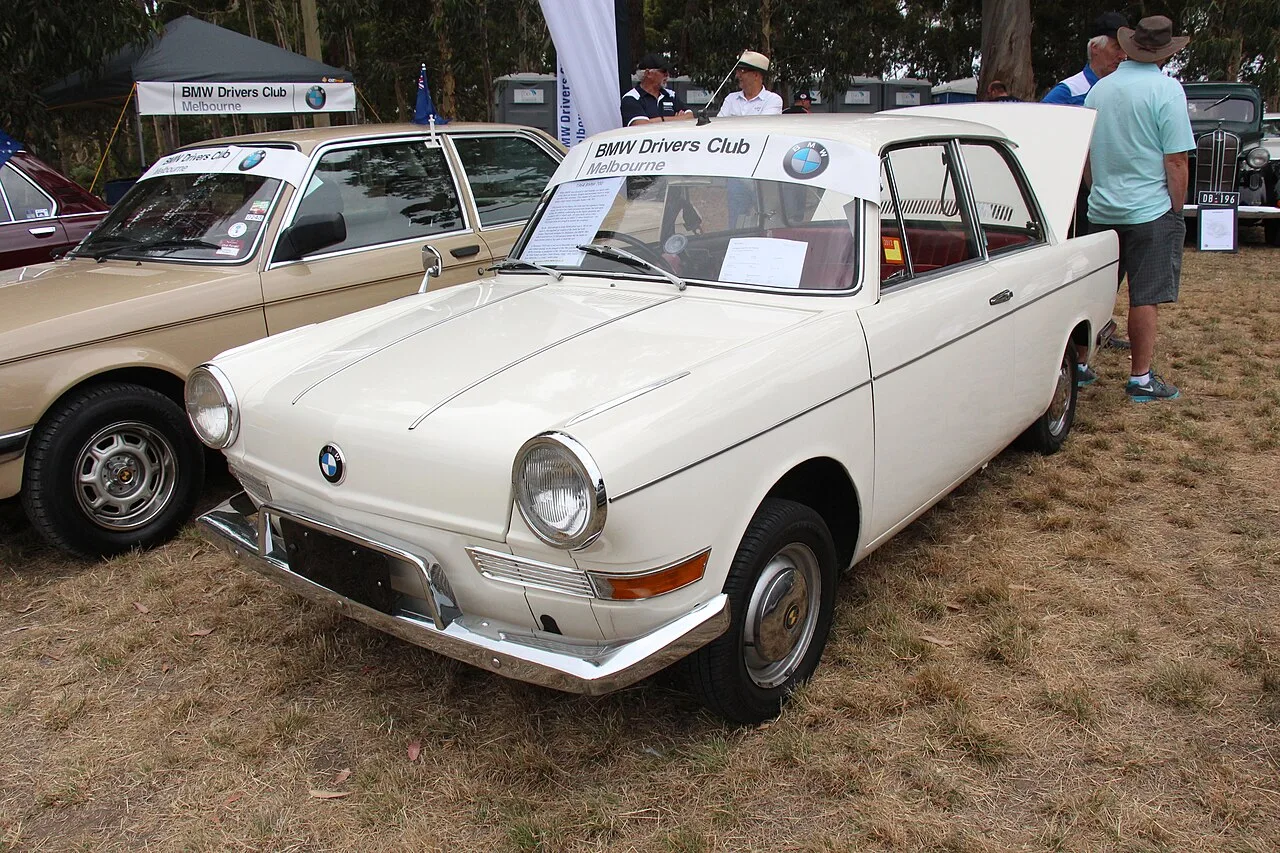
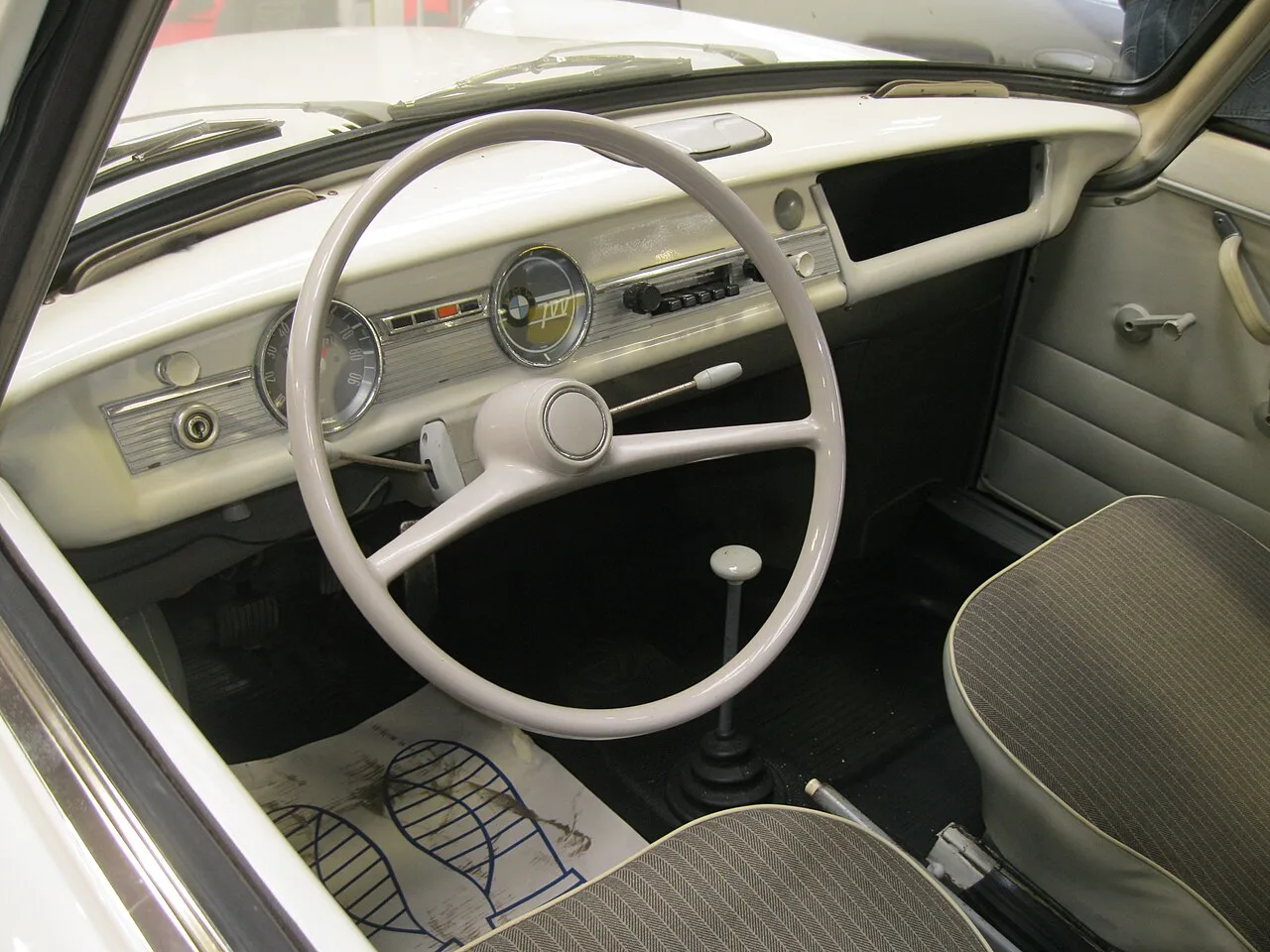
The BMW 700 is a small rear-engined car produced by BMW in various models from August 1959 to November 1965 (188,211 built: 154,557 saloons, 31,062 coupés and 2,592 convertibles), the first BMW with a monocoque structure and a sales success at a time when BMW was close to financial ruin. Austria's BMW distributor Wolfgang Denzel had Giovanni Michelotti prepare sketches on a lengthened 600 chassis (a development contract came in January 1958 and a prototype went to BMW's management in July 1958); BMW decided on two versions, a coupé and a two-door sedan with a taller, longer roof. The drivetrain and suspension were similar to the 600's: a rear-mounted flat-twin powering the rear wheels, Dubonnet leading arm front suspension and semi-trailing arm rear suspension, with the engine an enlarged version of that used in the R67 motorcycle and the 600 (78 mm bore, 73 mm stroke, 697 cc, a single Solex 34PCI carburetor and 7.5:1 compression for 30 PS (22 kW)). Internal model code E107; the coupé and saloon were shown at the 1959 Frankfurt Motor Show and BMW received 25,000 orders. Production of the coupé began in August 1959 and the saloon in December; a Saxomat semi-automatic option came in September 1960, the 700 Luxus replaced the original saloon in 1962 along with a longer-wheelbase variant, the LS (wheelbase extended by 16 cm), and in February 1963 larger inlet valves raised the base engine to 32 PS (24 kW) and 37 lb·ft (50 N·m). Wheelbase 2,120 mm (83.5 in) (LS 2,280 mm), length 3,540 mm (139.4 in) (LS 3,860 mm), width 1,480 mm (58.3 in). Production ended in November 1965 as the New Class cars established themselves and BMW left the economy car market until the Mini in 2002. Hans Stuck won the 1960 German Hillclimb Championship in a 700, and a 700 won its class at Monza in 1961, beating Abarth on its home ground; the 700RS racing special and the Sport-engined 700 Sport/CS, Cabriolet and LS Coupé are separate. Built in Argentina by Metalmecánica as the De Carlo 700 Glamour until 1964.
Collectors Spotted in the BMW 700 Lineage
No member has published a public street spot of the BMW 700 yet — the First · Worldwide stamp is wide open.
Trims & Figures
2 published trims in the catalogue. A blank is a figure not recorded, not zero.
| Trim | Years | Engine | Power | Torque | 0–60 | Drive | Gearbox | MSRP |
|---|---|---|---|---|---|---|---|---|
| 700 (697 cc flat-twin, 30 PS) | 1959–1963 | 0.7 L Flat-2 | 30 hp | 37 lb-ft | — | RWD | — | — |
| 700 (697 cc flat-twin, 32 PS from February 1963) | 1963–1965 | 0.7 L Flat-2 | 32 hp | 37 lb-ft | — | RWD | — | — |
Owning one
We don’t estimate running costs for a car like this. What it costs depends on its condition, its specialist and how it is driven, and an average would mislead.
Owners’ builds
Nobody has claimed one yet.
Photographs
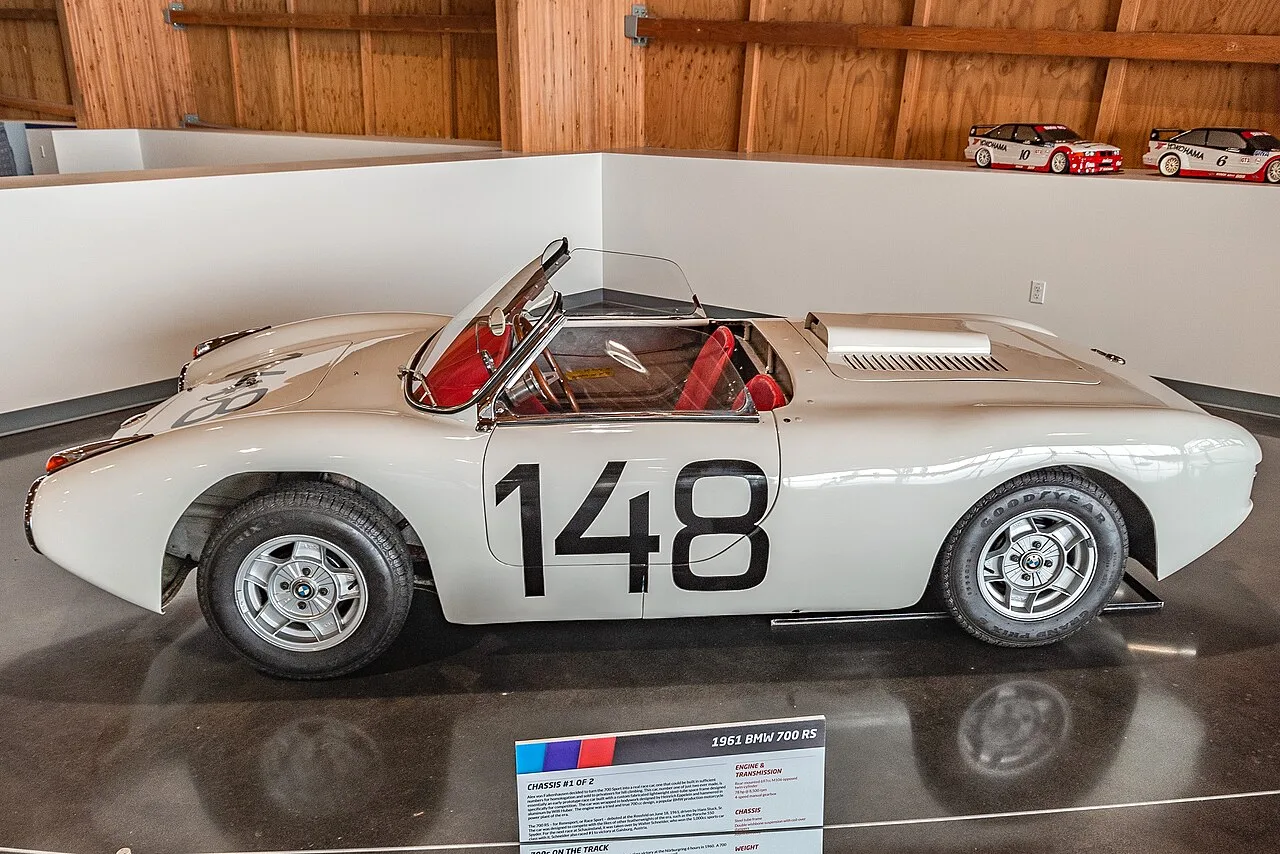
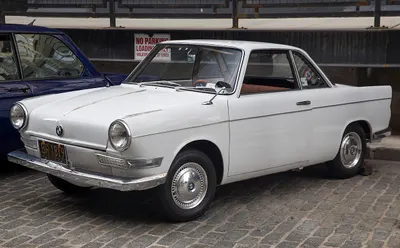
BMW didn't build the 700 Cabriolet's body itself — the convertible was handed off to coachbuilder Karosserie Baur of Stuttgart.
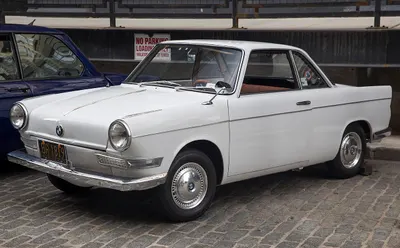
BMW was circling bankruptcy when the 700 arrived -- and sold more than 188,000 of them, helping save the company that would go on to build the M cars.
Rivals
Same body, same money, other badges — tap any card to flip.

It briefly served as senior sibling to Marquette, a GM companion brand cancelled after just one year.

Nissan hired former BMW engineers to help develop the 510's suspension, which is why period reviewers frequently compared its handling to the BMW 1600/2002.

A Trabant 601 won its class at the 1970 Monte Carlo Rally, with a second 601 right behind it in second.

The 600 was a stopgap: the P50's body over the 601's mechanicals, and for a while its estate was built alongside the new 601 saloon.

The G80 Sport brought a 370 PS twin-turbo 3.3 V6, a mesh grille and copper-tinted chrome with copper stitching to match.

The Vigor was sold only with a five-cylinder engine, an unusual configuration Honda used to fit a longer engine transversely under a short hood.

The GS/E coupe earned the nickname "German Charger" for its long hood, short deck stance borrowed from Detroit muscle cars.

This DeVille/Fleetwood was the first production car anywhere to mount its V8 sideways, Cadillac's front-drive gamble on the new C-body.