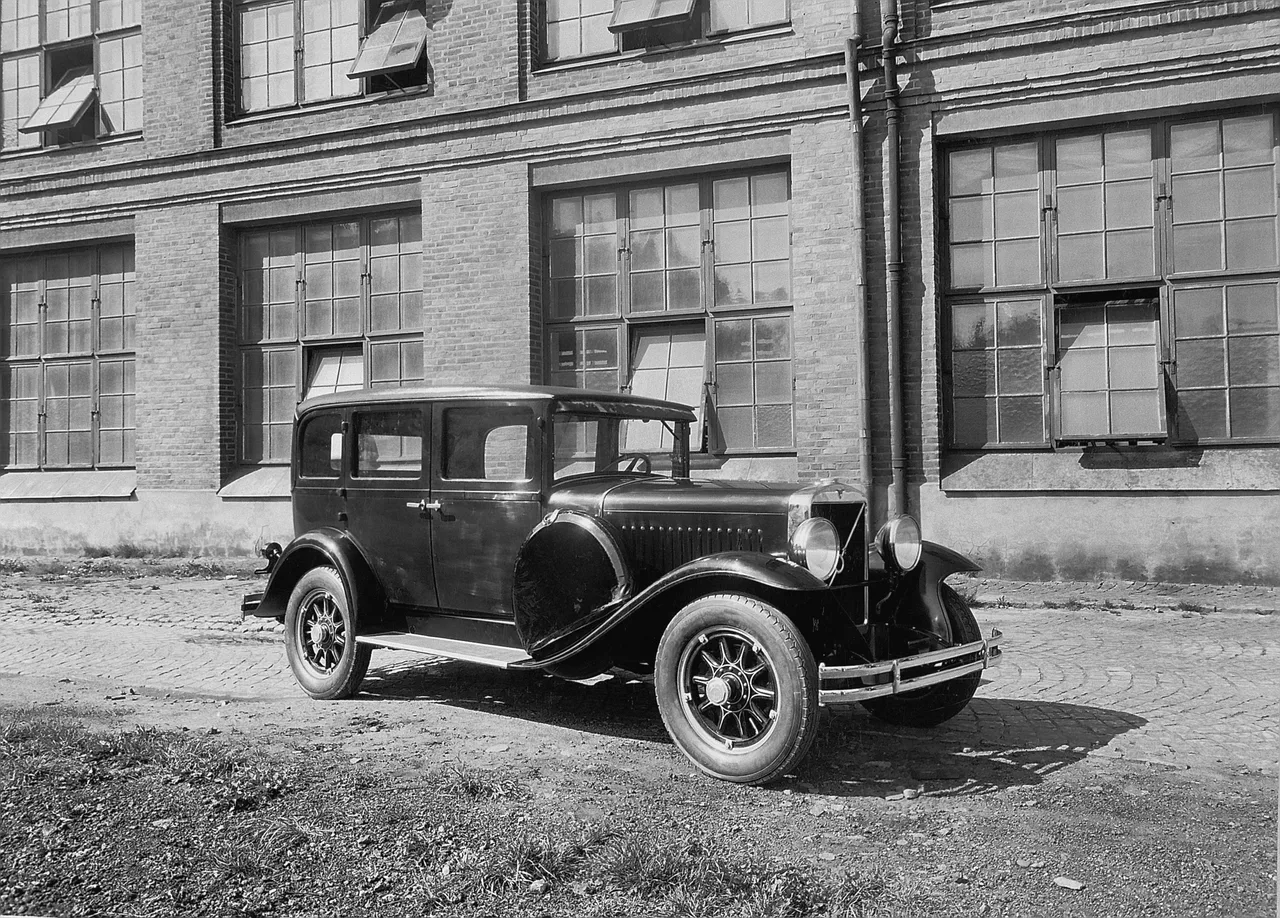
Volvo's PV651 looked like a steel car but wasn't quite one — its body was built the old-fashioned way, a wooden frame simply clad in steel plates.
Lead trim: PV651/652 3.0 DB I6 (1929–1931) · up to 65 hp
Volvo PV650 SeriesPV650 · 1929–1933
- 0spots by members
- Unclaimednobody has spotted one yet
- 0sets it belongs to
Nobody in Burbles has spotted a Volvo PV650 Series yet. See one on the street, point the app at it, and the first card is yours — with your @handle permanently credited on this page.
FactVolvo's PV651 looked like a steel car but wasn't quite one — its body was built the old-fashioned way, a wooden frame simply clad in steel plates.
The Volvo PV650 Series (the name stands for Person Vagn, 6 cylinders, 5 seats, the third digit the version) was built between 1929 and 1937. Volvo had planned a larger six-cylinder successor to its first car, the ÖV4, since 1926 because the Swedish market was dominated by American makers; the PV651 was introduced in April 1929 on a stronger chassis, with traditional bodywork of a wooden frame covered with steel plates and the robust 3010 cc DB six with seven main bearings and a non-synchromesh 3-speed gearbox. In spring 1930 the PV652 followed with a modified interior and dashboard, a new carburettor and hydraulic brakes, in 1931 the car got a 4-speed non-synchromesh gearbox, and in January 1932 the PV652 took the larger 3366 cc EB engine and a new 3-speed gearbox with synchronized second and third. Volvo also built commercial chassis (light trucks, ambulances, hearses). Built: PV650 1929–1933, 206 commercial chassis; PV651 1929–1930 (mechanical brakes); PV652 1930–1933 (hydraulic brakes); 2,176 PV651/652 in all. Wheelbase 116.1 in (series listing).
Collectors Spotted in the Volvo PV650 Series Lineage
No member has published a public street spot of the Volvo PV650 Series yet — the First · Worldwide stamp is wide open.
Trims & Figures
2 published trims in the catalogue. A blank is a figure not recorded, not zero.
| Trim | Years | Engine | Power | Torque | 0–60 | Drive | Gearbox | MSRP |
|---|---|---|---|---|---|---|---|---|
| PV651/652 3.0 DB I6 (1929–1931) | 1929–1931 | 3.0 L Inline-6 | 55 hp | — | — | RWD | — | — |
| PV652 3.4 EB I6 (1932–1933) | 1932–1933 | 3.4 L Inline-6 | 65 hp | — | — | RWD | — | — |
Owning one
We don’t estimate running costs for a car like this. What it costs depends on its condition, its specialist and how it is driven, and an average would mislead.
Owners’ builds
Nobody has claimed one yet.
Photographs
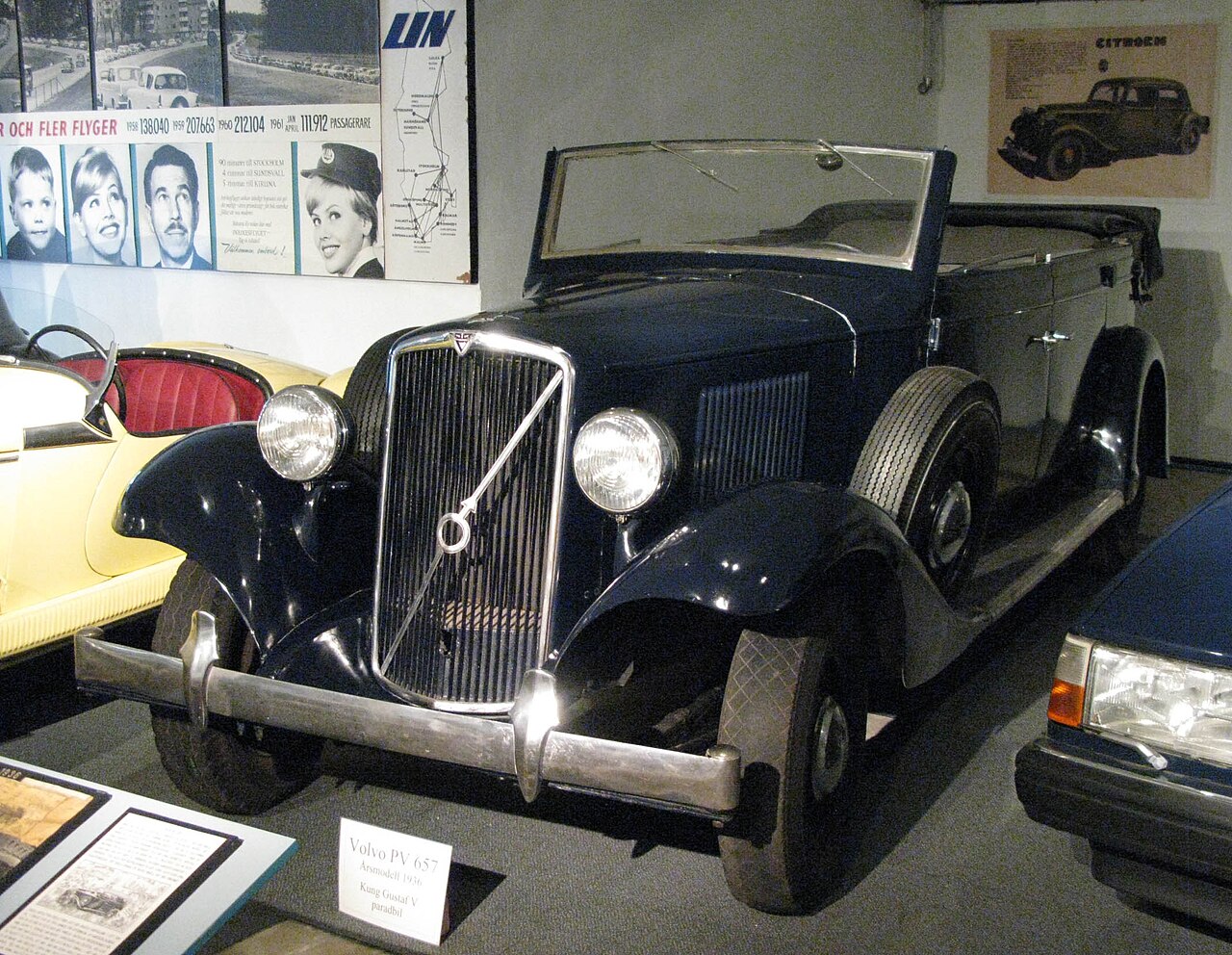
By the time the PV656-659 arrived in 1935, Volvo was still selling essentially the same body it had launched back in 1929 — just with a bigger engine and a new grille.
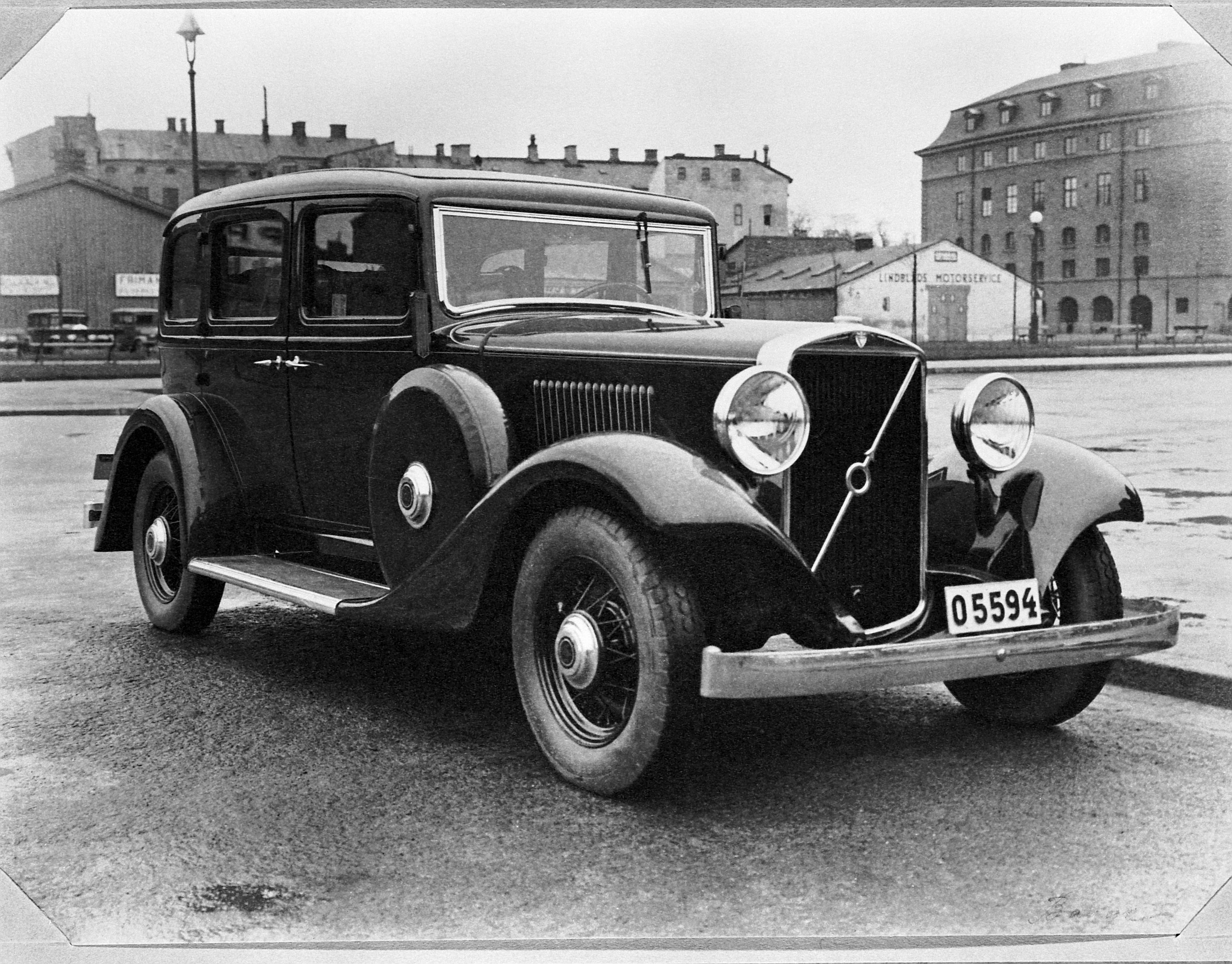
Volvo's luxury PV654 doubled up on everything — twin fender-mounted spare tyres, twin chrome horns, even twin rear lights, all on a 1930s sedan.
Volvo's PV651 looked like a steel car but wasn't quite one — its body was built the old-fashioned way, a wooden frame simply clad in steel plates.
Rivals
Same body, same money, other badges — tap any card to flip.

It briefly served as senior sibling to Marquette, a GM companion brand cancelled after just one year.

Nissan hired former BMW engineers to help develop the 510's suspension, which is why period reviewers frequently compared its handling to the BMW 1600/2002.

A Trabant 601 won its class at the 1970 Monte Carlo Rally, with a second 601 right behind it in second.

The 600 was a stopgap: the P50's body over the 601's mechanicals, and for a while its estate was built alongside the new 601 saloon.

The G80 Sport brought a 370 PS twin-turbo 3.3 V6, a mesh grille and copper-tinted chrome with copper stitching to match.

The Vigor was sold only with a five-cylinder engine, an unusual configuration Honda used to fit a longer engine transversely under a short hood.

The GS/E coupe earned the nickname "German Charger" for its long hood, short deck stance borrowed from Detroit muscle cars.

This DeVille/Fleetwood was the first production car anywhere to mount its V8 sideways, Cadillac's front-drive gamble on the new C-body.