Bertone's 262C coupe wasn't just restyled — its roof was chopped 2.25 inches shorter than the regular 242's, with a more raked windscreen to match.
Lead trim: 262C 2.8 B28 PRV V6 (1980–1981; 130 hp in North America)
Volvo 240262C · 1978–1981
- 0spots by members
- Unclaimednobody has spotted one yet
- 0sets it belongs to
Nobody in Burbles has spotted a Volvo 240 yet. See one on the street, point the app at it, and the first card is yours — with your @handle permanently credited on this page.
FactBertone's 262C coupe wasn't just restyled — its roof was chopped 2.25 inches shorter than the regular 242's, with a more raked windscreen to match.
The Volvo 262C is a luxury coupé built from 1977 (as a 1978 model) until 1981, based on the 264 six-cylinder saloon, designed in-house by Jan Wilsgaard and built by Bertone in Turin, Italy (6,622 built). It was positioned as a halo car, aimed mainly at the United States (about half of production, planned at 1,200 cars a year of which 1,000 for the US) against the Cadillac Eldorado and the Mercedes-Benz 280 CE and 300 CD; the drivetrain, suspension, floor pan and many body panels came from the 260 sedan, with Bertone building the roof pillars, roof pan, windshield surround, cowl and upper doors, the roof about 100 mm lower than the sedan's. It used the PRV V6, the first production V engine with a Lambda Sond oxygen sensor system, and came with power windows and mirrors, central locking, cruise control, air conditioning, heated front seats, leather interior, alloy wheels and an electric antenna; the only options were a limited-slip differential, stereos and the no-cost Borg-Warner three-speed automatic instead of the four-speed manual with electrically operated overdrive (the manual was gone in the US by 1981). Launched in one colour combination (silver with a black vinyl roof) at $15,000, "the priciest Volvo yet", it drew Road & Track praise for its leather interior but a criticism of headroom. The 1979 model gained a deeper trunk lid and wrap-around taillights, and for 1980 the engine grew from 2,664 to 2,849 cc (bore from 88 to 91 mm), with seven main bearings instead of four and compression up from 8.2:1 to 8.8:1, the 242GT's air dam was added, and the vinyl roof was deleted for 1981; the 2.8 L was rated at 130 hp in North America. Five 262C Solaire convertibles were made by Newport Conversions. Wheelbase 103.9 in, length 192.5 in, width 67.3 in, height 56.7 in. The page gives no power for the 2.7.
Collectors Spotted in the Volvo 240 Lineage
No member has published a public street spot of the Volvo 240 yet — the First · Worldwide stamp is wide open.
Trims & Figures
2 published trims in the catalogue. A blank is a figure not recorded, not zero.
| Trim | Years | Engine | Power | Torque | 0–60 | Drive | Gearbox | MSRP |
|---|---|---|---|---|---|---|---|---|
| 262C 2.7 B27 PRV V6 (1978–1979) | 1978–1979 | 2.7 L V6 | — | — | — | RWD | — | — |
| 262C 2.8 B28 PRV V6 (1980–1981; 130 hp in North America) | 1980–1981 | 2.8 L V6 | 130 hp | 153 lb-ft | — | RWD | — | — |
Owning one
We don’t estimate running costs for a car like this. What it costs depends on its condition, its specialist and how it is driven, and an average would mislead.
Owners’ builds
Nobody has claimed one yet.
Photographs
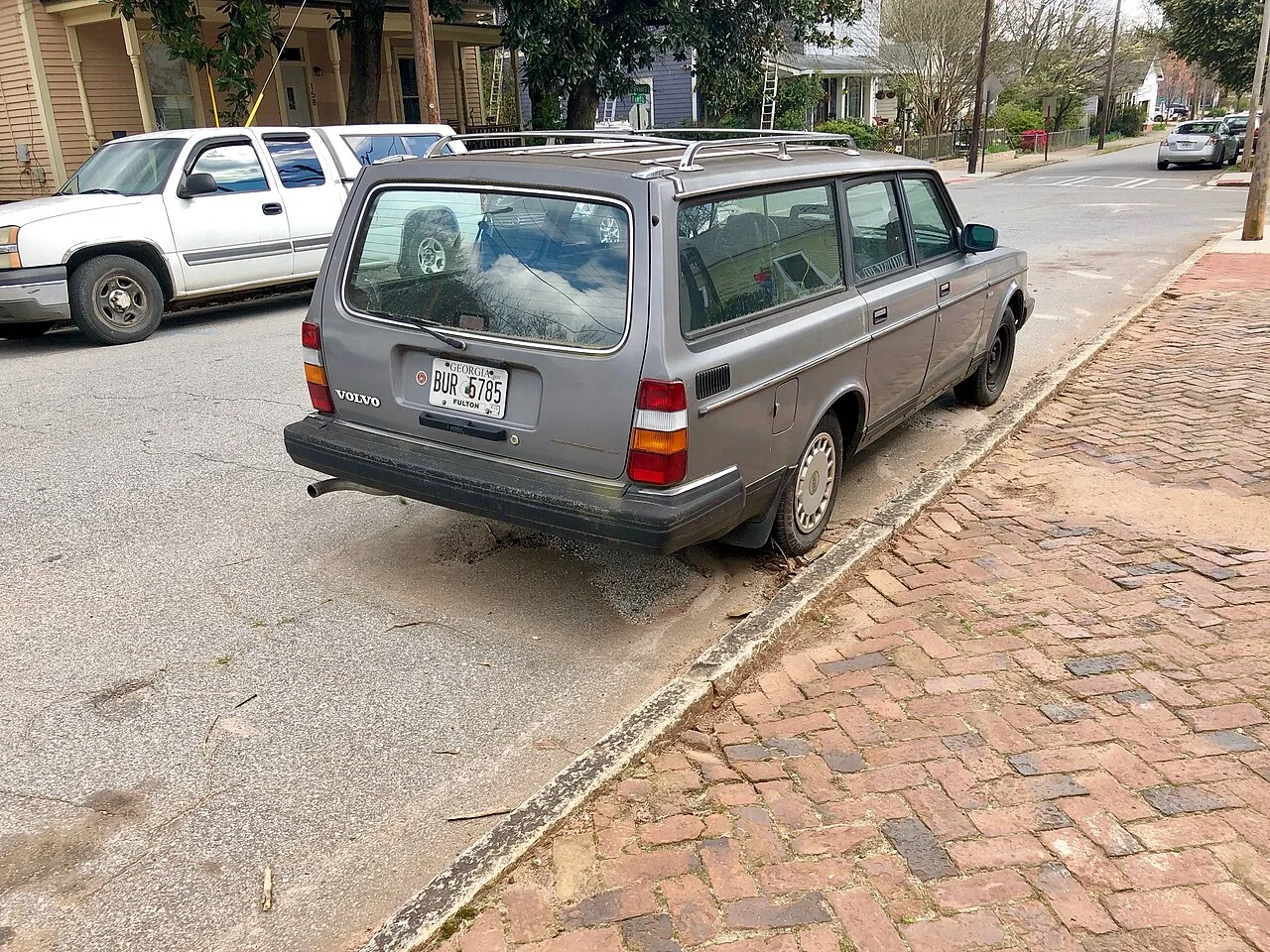
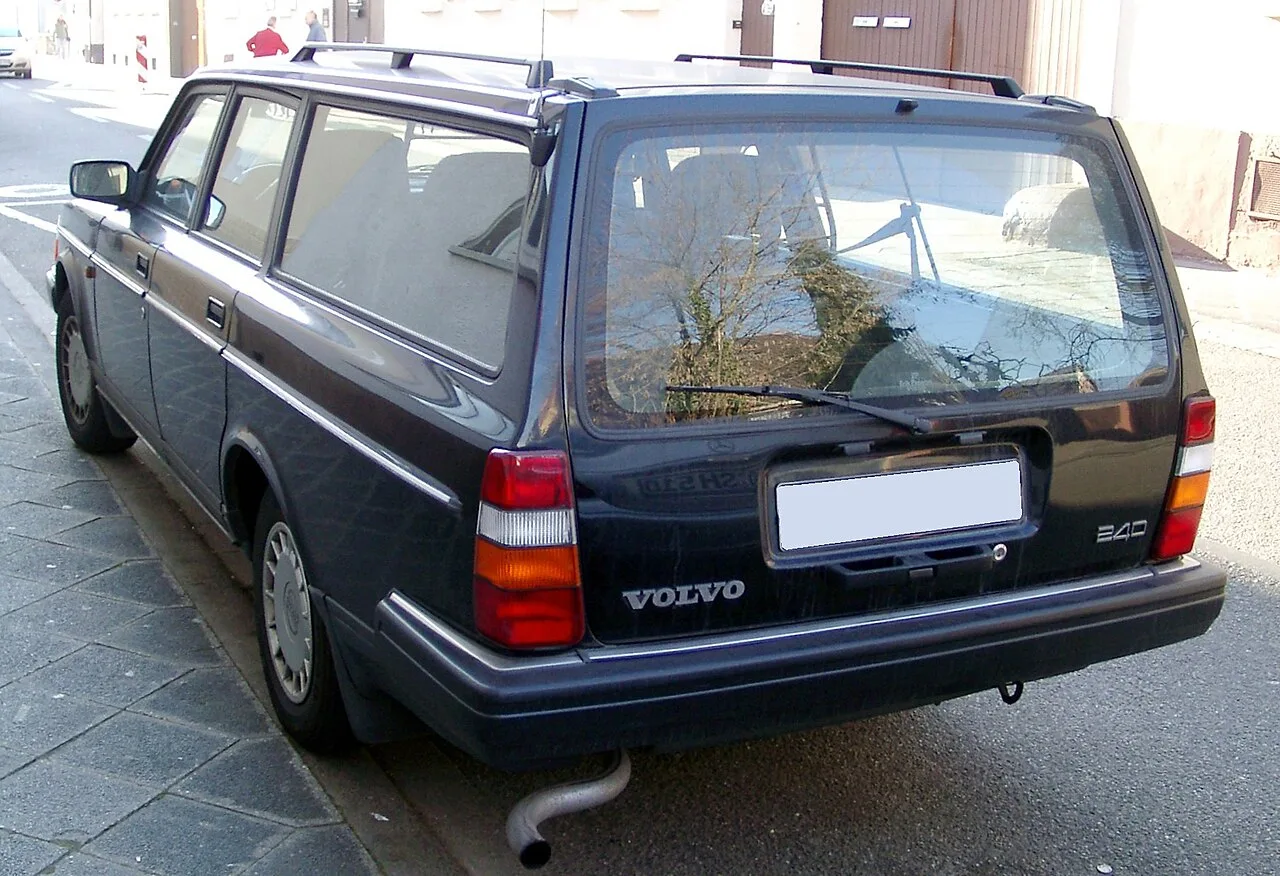
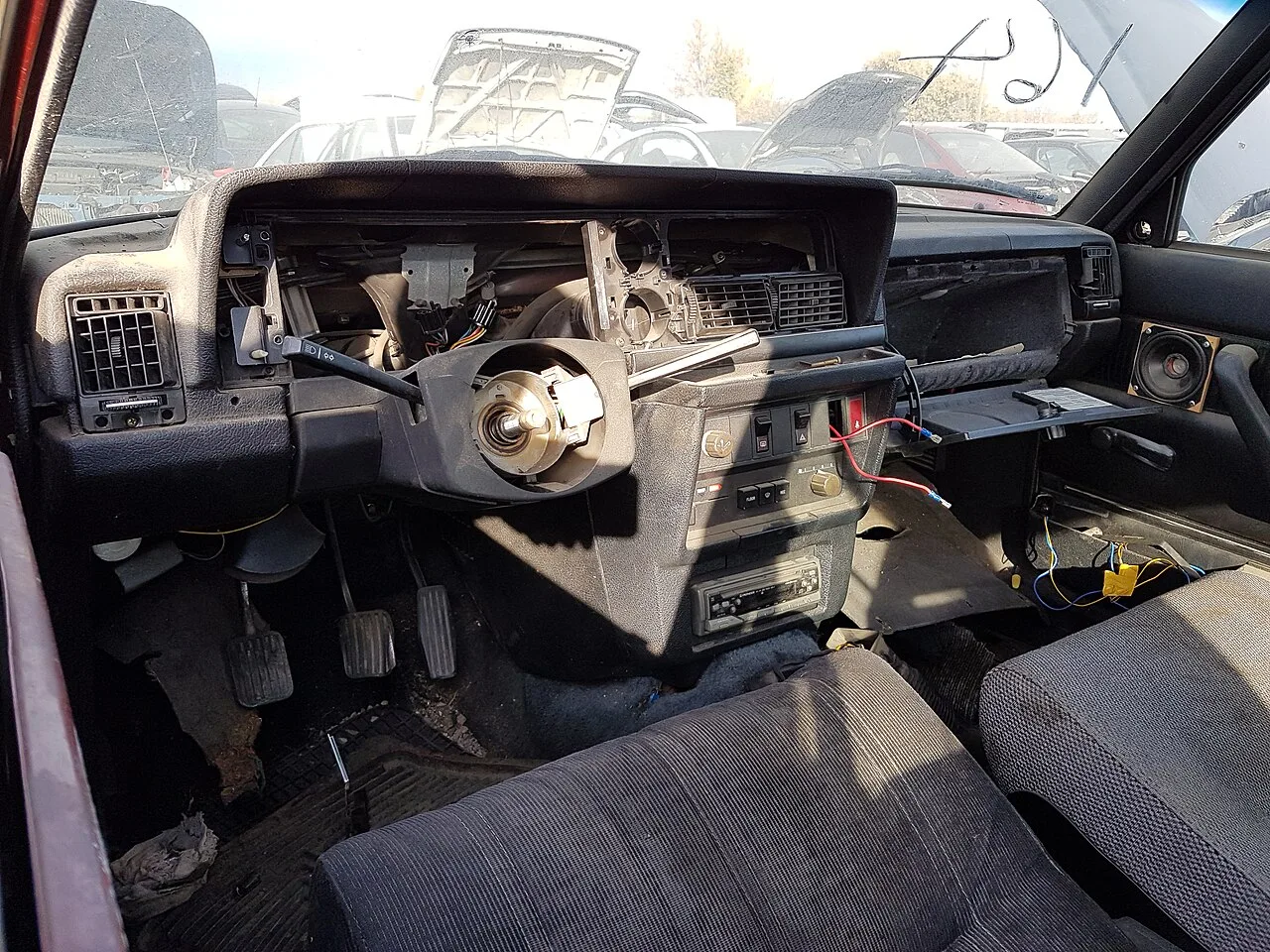
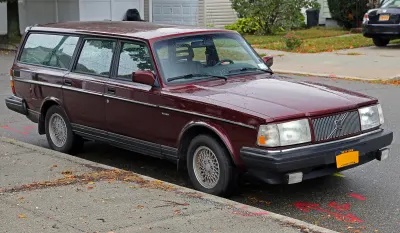
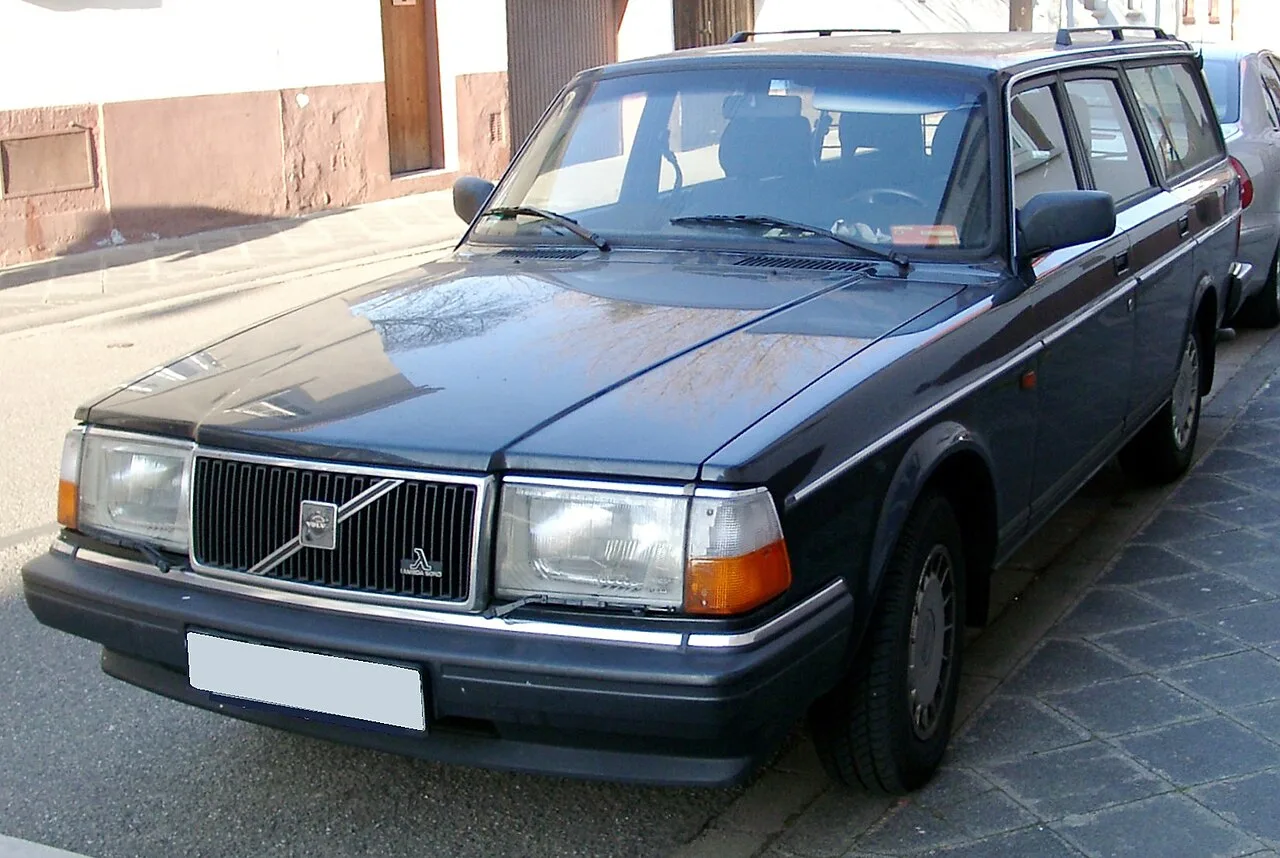
The boxy Volvo 240 Turbo was a genuine racer — in 1984 it won the Zolder round of the European Touring Car Championship, hitting around 260 km/h at circuits like Monza and Bathurst.
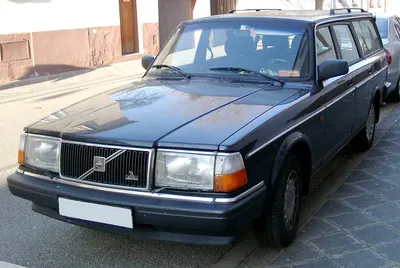
Bertone's 262C coupe wasn't just restyled — its roof was chopped 2.25 inches shorter than the regular 242's, with a more raked windscreen to match.
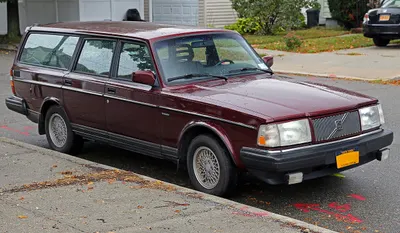
Volvo kept building it through the 1980s even after deciding to kill it, then gave it 160 fixes for 1992 anyway.
Rivals
Same body, same money, other badges — tap any card to flip.

It briefly served as senior sibling to Marquette, a GM companion brand cancelled after just one year.

Nissan hired former BMW engineers to help develop the 510's suspension, which is why period reviewers frequently compared its handling to the BMW 1600/2002.

A Trabant 601 won its class at the 1970 Monte Carlo Rally, with a second 601 right behind it in second.

The 600 was a stopgap: the P50's body over the 601's mechanicals, and for a while its estate was built alongside the new 601 saloon.

The G80 Sport brought a 370 PS twin-turbo 3.3 V6, a mesh grille and copper-tinted chrome with copper stitching to match.

The Vigor was sold only with a five-cylinder engine, an unusual configuration Honda used to fit a longer engine transversely under a short hood.

The GS/E coupe earned the nickname "German Charger" for its long hood, short deck stance borrowed from Detroit muscle cars.

This DeVille/Fleetwood was the first production car anywhere to mount its V8 sideways, Cadillac's front-drive gamble on the new C-body.