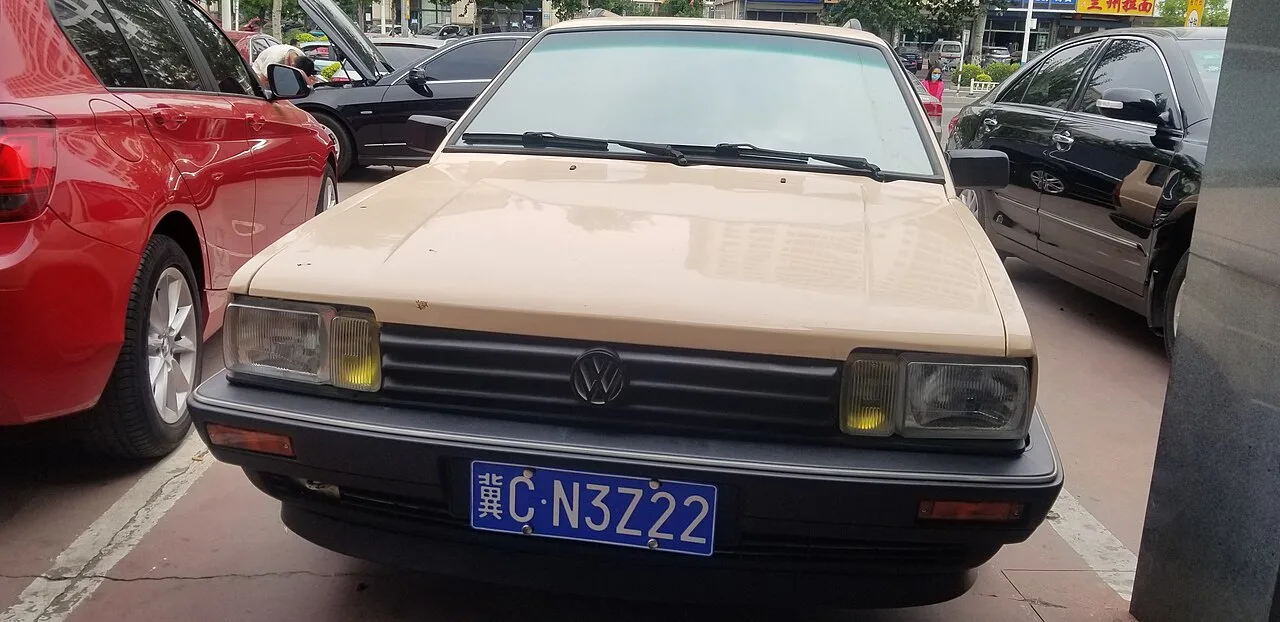
Volkswagen de México sent the utilitarian Corsar out in style — a black-and-silver two-tone limited edition with leather trim, released just months before the model was discontinued.
Lead trim: 1.8
Volkswagen Santana1984–1988
- 0spots by members
- Unclaimednobody has spotted one yet
- 0sets it belongs to
Nobody in Burbles has spotted a Volkswagen Santana yet. See one on the street, point the app at it, and the first card is yours — with your @handle permanently credited on this page.
FactVolkswagen de México sent the utilitarian Corsar out in style — a black-and-silver two-tone limited edition with leather trim, released just months before the model was discontinued.
The Santana was launched to the Mexican car market in February 1984 as the all-new Corsar CD, assembled at VW Mexico's Puebla factory mostly with German-sourced components. It was intended to be the top-of-range offer for the domestic market, a mechanically reliable while slightly luxurious medium sedan, with the 1.8-litre 85 hp carbureted engine the only drive choice for the whole Corsar lineup through its lifetime. It was marketed at first only as a 4-door sedan on the same European Santana body, matching the appearance of the US-market version badged VW Quantum, with a single trim level that included 13-inch alloy wheels, velour upholstery, power steering and a tachometer, air conditioning as an option, and a 4-speed manual or 3-speed automatic gearbox.
Collectors Spotted in the Volkswagen Santana Lineage
No member has published a public street spot of the Volkswagen Santana yet — the First · Worldwide stamp is wide open.
Trims & Figures
One published trim in the catalogue. A blank is a figure not recorded, not zero.
| Trim | Years | Engine | Power | Torque | 0–60 | Drive | Gearbox | MSRP |
|---|---|---|---|---|---|---|---|---|
| 1.8 | 1984–1988 | 1.8 L Inline-4 | 85 hp | — | — | — | — | — |
Owning one
We don’t estimate running costs for a car like this. What it costs depends on its condition, its specialist and how it is driven, and an average would mislead.
Owners’ builds
Nobody has claimed one yet.
Photographs
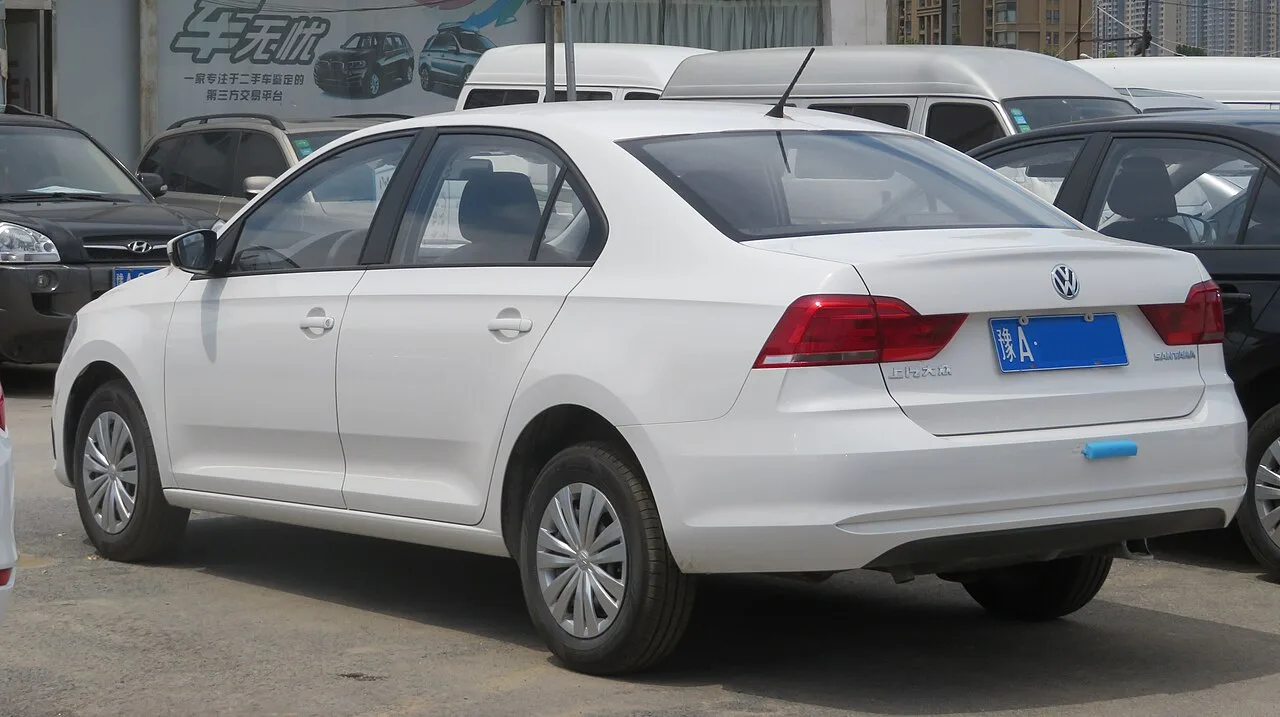
Volkswagen launched this all-new Santana in Wolfsburg in October 2012 as a subcompact — while the OLD three-box Santana sedan it was meant to replace kept selling in China for another three months.
The Santana Vista's taxi version kept working Shanghai's streets years after this generation ended production, only retired in October 2018 for a fleet of new electric cabs.
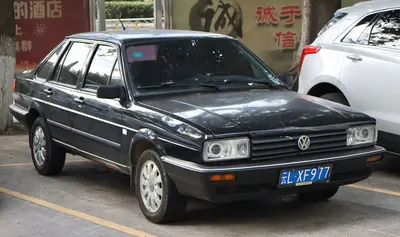
The Santana 3000 was the first car Shanghai Volkswagen's own designers created entirely by themselves, rather than adapting an imported German design.

China's Santana 2000 wasn't engineered in Wolfsburg — Volkswagen do Brasil helped develop it, stretching the wheelbase and adding rear doors beyond its Brazilian cousin.
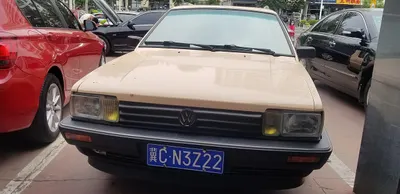
Unlike its Brazilian cousin, which came as a coupe and wagon too, the Argentine-built Carat was sold only as a 4-door sedan — no 2-door, no estate, ever.
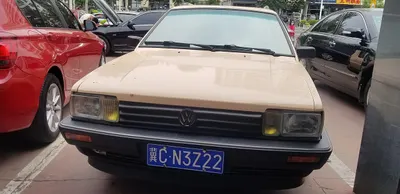
Volkswagen de México sent the utilitarian Corsar out in style — a black-and-silver two-tone limited edition with leather trim, released just months before the model was discontinued.

Thanks to VW's AutoLatina tie-up with Ford, the very same Brazilian-built Santana was also sold badged as the Ford Versailles — and as the Ford Galaxy next door in Argentina.
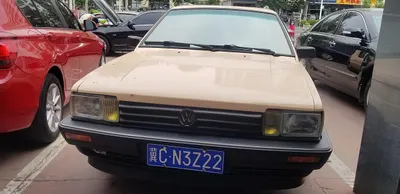
Building the Santana for Japan, Nissan redesigned the whole bonnet just to relocate the wiper pivots for right-hand drive — far more than a simple mirror-image swap.

The Chinese-built Santana jump-started an entire industry — local parts content went from under 6% in 1986 to 89% by 1995.
Rivals
Same body, same money, other badges — tap any card to flip.

It briefly served as senior sibling to Marquette, a GM companion brand cancelled after just one year.

Nissan hired former BMW engineers to help develop the 510's suspension, which is why period reviewers frequently compared its handling to the BMW 1600/2002.

A Trabant 601 won its class at the 1970 Monte Carlo Rally, with a second 601 right behind it in second.

The 600 was a stopgap: the P50's body over the 601's mechanicals, and for a while its estate was built alongside the new 601 saloon.

The G80 Sport brought a 370 PS twin-turbo 3.3 V6, a mesh grille and copper-tinted chrome with copper stitching to match.

The Vigor was sold only with a five-cylinder engine, an unusual configuration Honda used to fit a longer engine transversely under a short hood.

The GS/E coupe earned the nickname "German Charger" for its long hood, short deck stance borrowed from Detroit muscle cars.

This DeVille/Fleetwood was the first production car anywhere to mount its V8 sideways, Cadillac's front-drive gamble on the new C-body.