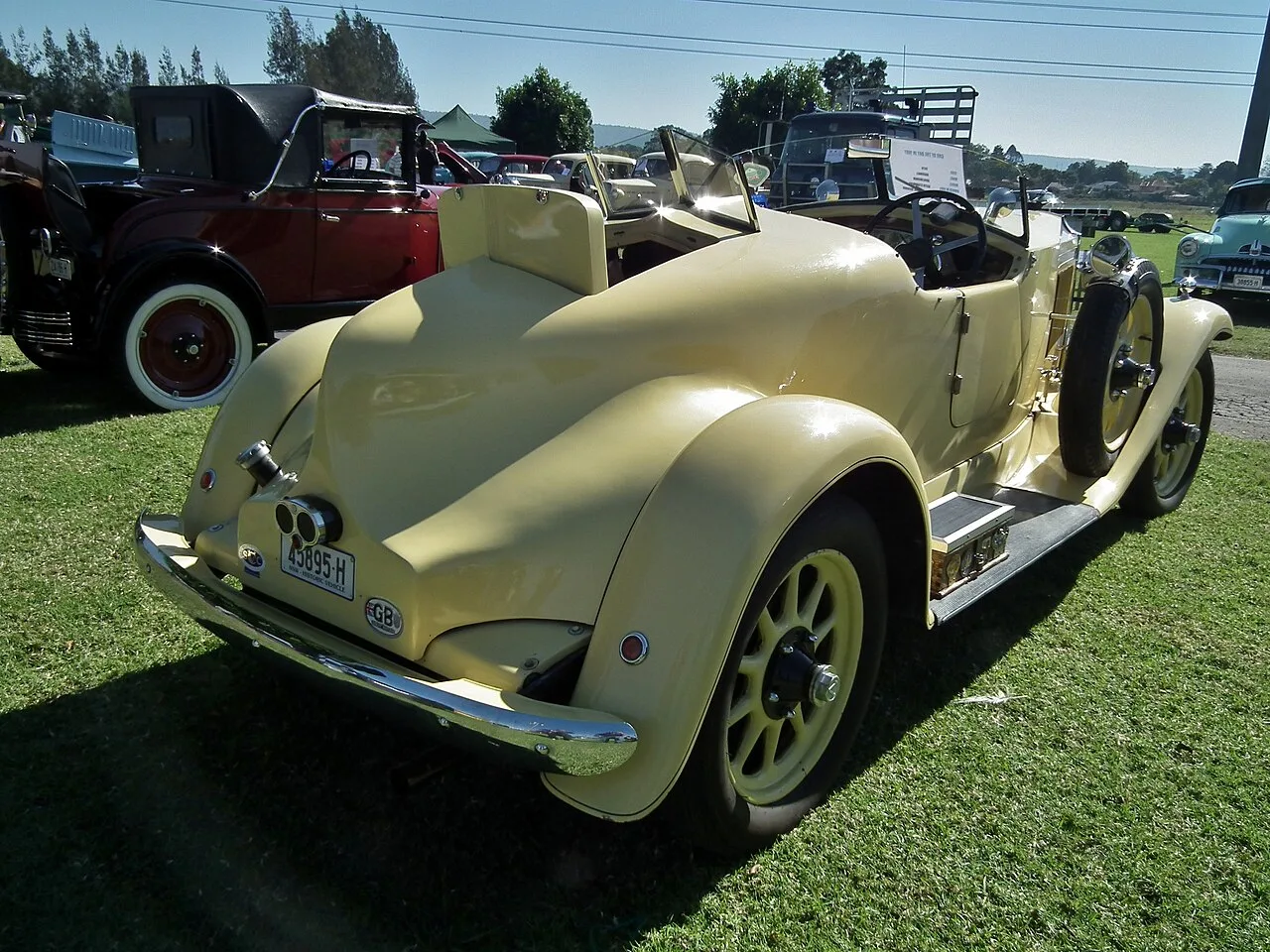
Vauxhall sold this as a milestone bargain: "The first time any six-cylinder Vauxhall has been sold under £1000!"
Lead trim: 20-60 R-Type 2.8 six
Vauxhall 20-60 R-Type20-60-R · 1927–1928
- 0spots by members
- Unclaimednobody has spotted one yet
- 0sets it belongs to
Nobody in Burbles has spotted a Vauxhall 20-60 R-Type yet. See one on the street, point the app at it, and the first card is yours — with your @handle permanently credited on this page.
FactVauxhall sold this as a milestone bargain: "The first time any six-cylinder Vauxhall has been sold under £1000!"
The Vauxhall 20-60 is a four- or five-seater saloon, limousine, tourer or coupé-cabriolet announced on 28 September 1927 with a six-cylinder engine and a four-speed gearbox, "the first time any six-cylinder Vauxhall has been sold under £1000", a cautious move downmarket that replaced the four-cylinder 14-40. Its design was completed before General Motors took control in late 1925, making it "in construction and plan British", designed by Charles Evelyn King, and with the R-type's 2,762 cc six (73 mm bore, 110 mm stroke, cast en bloc with the crankcase on a nine-bearing crankshaft, overhead valves through push rods and aluminium rockers from a chain-driven three-bearing camshaft, a triple-diffuser Zenith carburettor, 19.82 hp tax rating) the RAC formula moved its tax rating from 14 to 20 hp, a significant impost for owners; the page gives no power figure. Half-elliptic springs, cable-operated four-wheel brakes, a single-plate dry clutch and a spiral-bevel half-floating rear axle; the chassis weighed 2,520 lb and the wheelbase was 123 in (130 in long). The Times liked the smooth, quiet engine, light controls and brakes but thought the rear springs harsh. Vauxhall 20-60 No. 1000 was produced in January 1928.
Collectors Spotted in the Vauxhall 20-60 Lineage
No member has published a public street spot of the Vauxhall 20-60 yet — the First · Worldwide stamp is wide open.
Trims & Figures
One published trim in the catalogue. A blank is a figure not recorded, not zero.
| Trim | Years | Engine | Power | Torque | 0–60 | Drive | Gearbox | MSRP |
|---|---|---|---|---|---|---|---|---|
| 20-60 R-Type 2.8 six | 1927–1928 | 2.8 L Inline-6 | — | — | — | RWD | — | — |
Owning one
We don’t estimate running costs for a car like this. What it costs depends on its condition, its specialist and how it is driven, and an average would mislead.
Owners’ builds
Nobody has claimed one yet.
Photographs
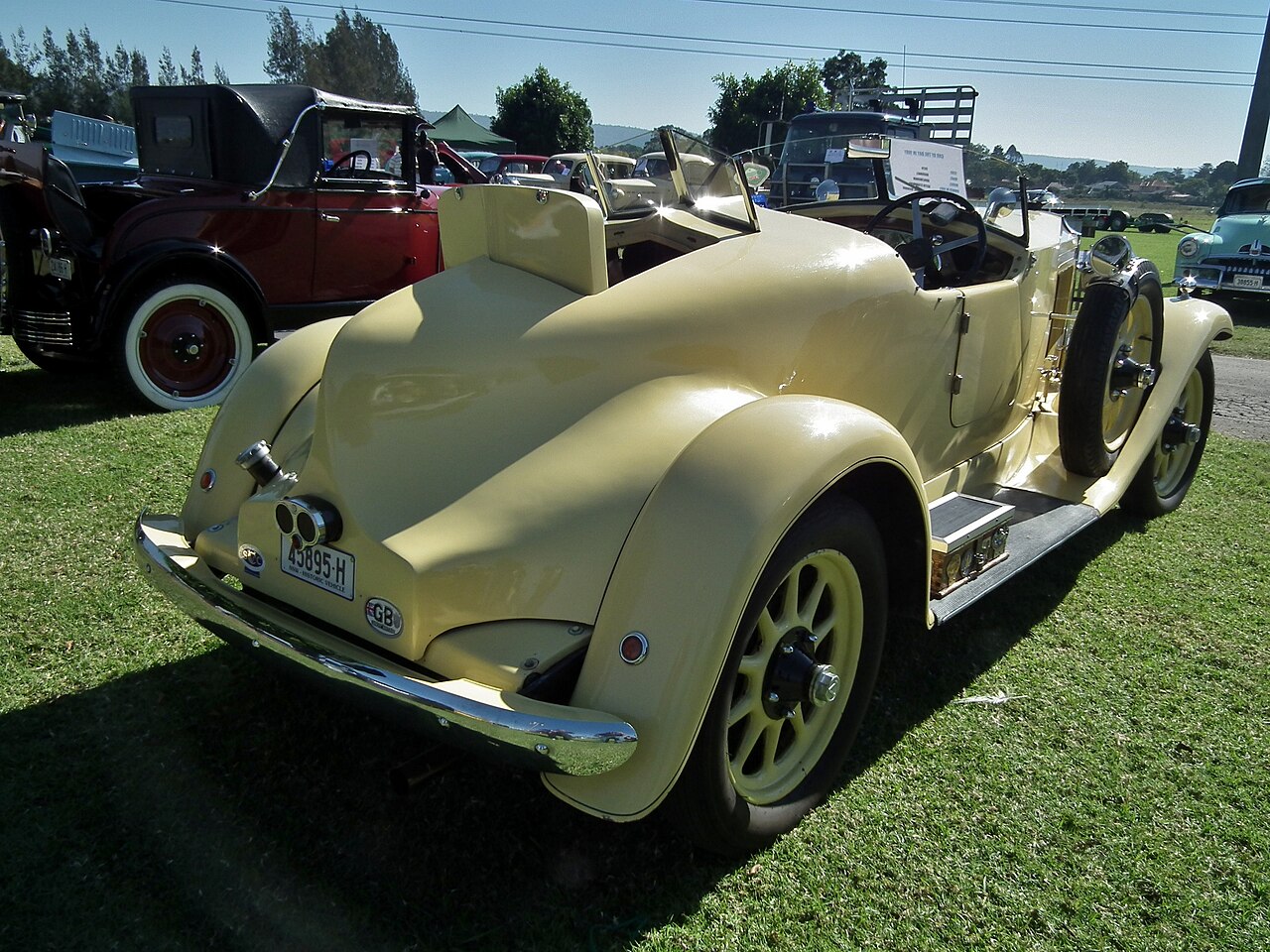
The 1929 T-Type update bored the engine out by just 2mm, yet that was enough to add 465cc of swept volume and a 25 percent jump in power.
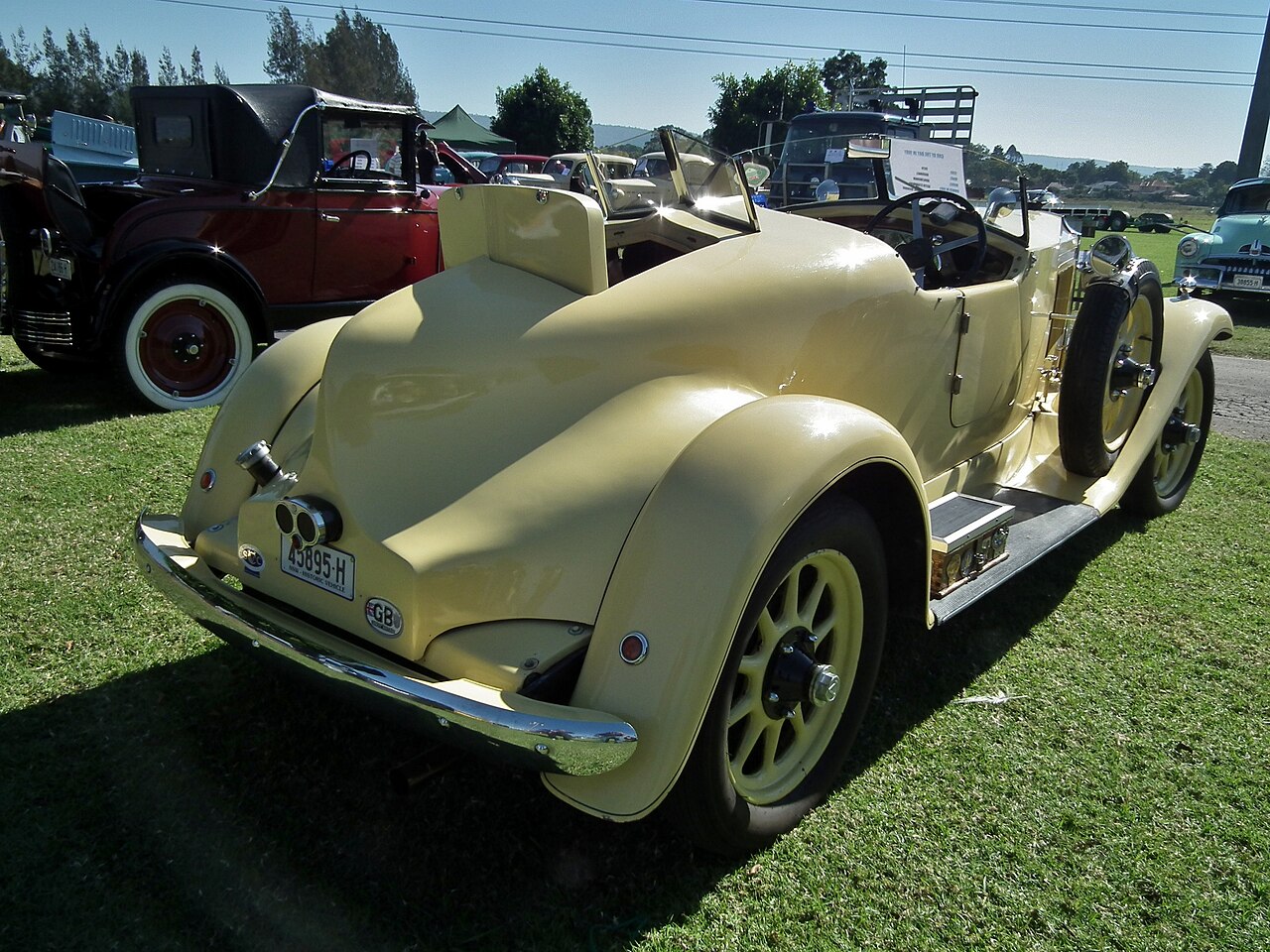
Vauxhall sold this as a milestone bargain: "The first time any six-cylinder Vauxhall has been sold under £1000!"
Rivals
Same body, same money, other badges — tap any card to flip.

It briefly served as senior sibling to Marquette, a GM companion brand cancelled after just one year.

Nissan hired former BMW engineers to help develop the 510's suspension, which is why period reviewers frequently compared its handling to the BMW 1600/2002.

A Trabant 601 won its class at the 1970 Monte Carlo Rally, with a second 601 right behind it in second.

The 600 was a stopgap: the P50's body over the 601's mechanicals, and for a while its estate was built alongside the new 601 saloon.

The G80 Sport brought a 370 PS twin-turbo 3.3 V6, a mesh grille and copper-tinted chrome with copper stitching to match.

The Vigor was sold only with a five-cylinder engine, an unusual configuration Honda used to fit a longer engine transversely under a short hood.

The GS/E coupe earned the nickname "German Charger" for its long hood, short deck stance borrowed from Detroit muscle cars.

This DeVille/Fleetwood was the first production car anywhere to mount its V8 sideways, Cadillac's front-drive gamble on the new C-body.