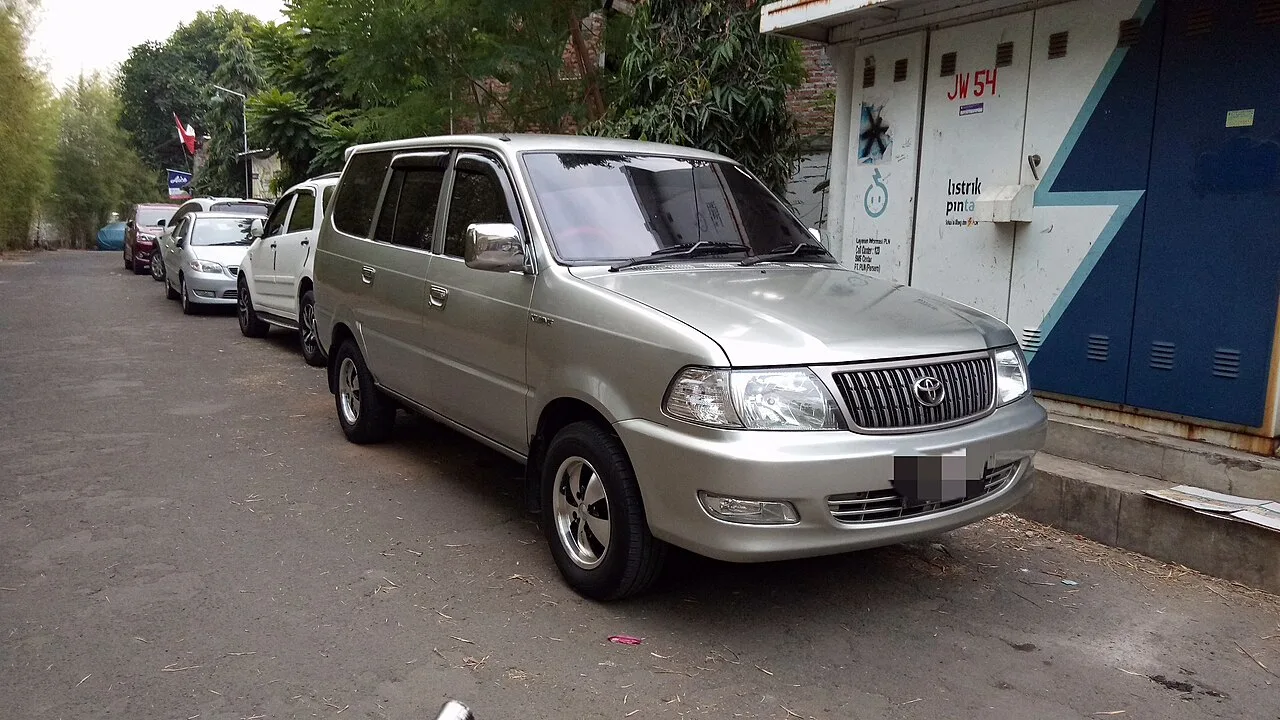
The first Kijang had plastic or canvas windows and half doors hinged on the outside, styled like a pickup with a shed bolted on.
Lead trim: Kijang 1.2 3K OHV (Indonesia)
Toyota Kijang F10F10 · 1976–1981
- 0spots by members
- Unclaimednobody has spotted one yet
- 0sets it belongs to
Nobody in Burbles has spotted a Toyota Kijang F10 yet. See one on the street, point the app at it, and the first card is yours — with your @handle permanently credited on this page.
FactThe first Kijang had plastic or canvas windows and half doors hinged on the outside, styled like a pickup with a shed bolted on.
The Toyota Kijang (Tamaraw in the Philippines) is a series of pickup trucks, station wagons and light commercial vehicles built by Toyota mainly for Southeast Asia, Taiwan, India and South Africa; "Kijang" means muntjac or deer in Indonesian and is also an acronym for "Kerjasama Indonesia-Jepang" (Indonesia-Japan Cooperation). The prototype was shown at the 1975 Jakarta Fair, with development led by Osamu Ohta and Ohyama as chief engineer in 1972. The first generation (KF10) is a compact, light pickup truck with a carburetted 1.2-litre 3K four-cylinder OHV engine (shared with the 1972 Corolla) and a 4-speed manual, a boxy body with externally hinged half doors and plastic/canvas windows, nicknamed "Kijang Buaya" (Crocodile Kijang) because the raised bonnet resembled a crocodile's mouth; it went on sale in the Philippines on 2 December 1976 and in Indonesia on 9 June 1977, selling 26,806 in its four years. The Kijang Minibus (van/wagon) was built by local companies; in the Philippines the Tamaraw started as a small high-side pick-up made by Delta Motors, regarded as a "Basic Utility Vehicle" (some without driver or passenger doors), and it was imported to Papua New Guinea in 1980 as the Traka with a 750 kg payload. Internally the vehicle is known as the "TUV" (Toyota Utility Vehicle), and in 1986 assembling a Kijang cost only 42 percent of assembling the E80 Corolla.
Collectors Spotted in the Toyota Kijang Lineage
No member has published a public street spot of the Toyota Kijang yet — the First · Worldwide stamp is wide open.
Trims & Figures
2 published trims in the catalogue. A blank is a figure not recorded, not zero.
| Trim | Years | Engine | Power | Torque | 0–60 | Drive | Gearbox | MSRP |
|---|---|---|---|---|---|---|---|---|
| Kijang 1.2 3K OHV (Indonesia) | 1977–1981 | 1.2 L Inline-4 | 55 hp | 61 lb-ft | — | RWD | — | — |
| Tamaraw 1.2 3K (Philippines; 55 hp) | 1976–1981 | 1.2 L Inline-4 | 55 hp | 61 lb-ft | — | RWD | — | — |
Owning one
We don’t estimate running costs for a car like this. What it costs depends on its condition, its specialist and how it is driven, and an average would mislead.
Owners’ builds
Nobody has claimed one yet.
Photographs
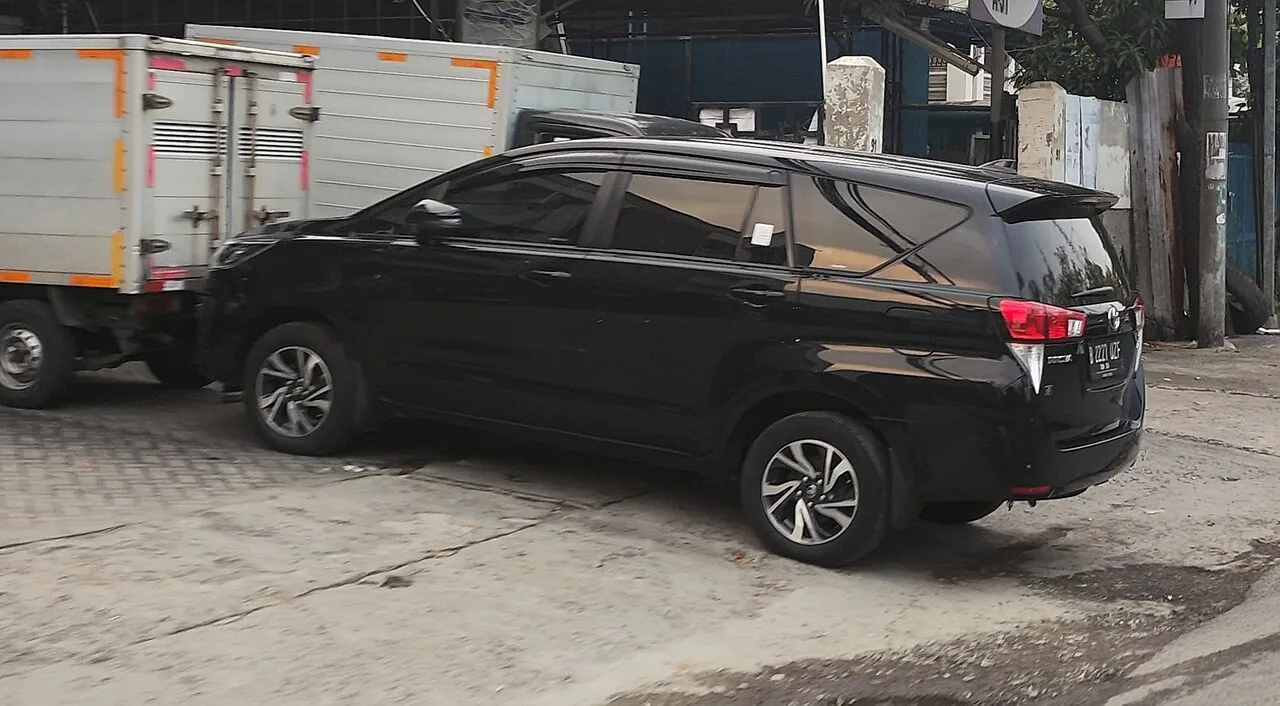
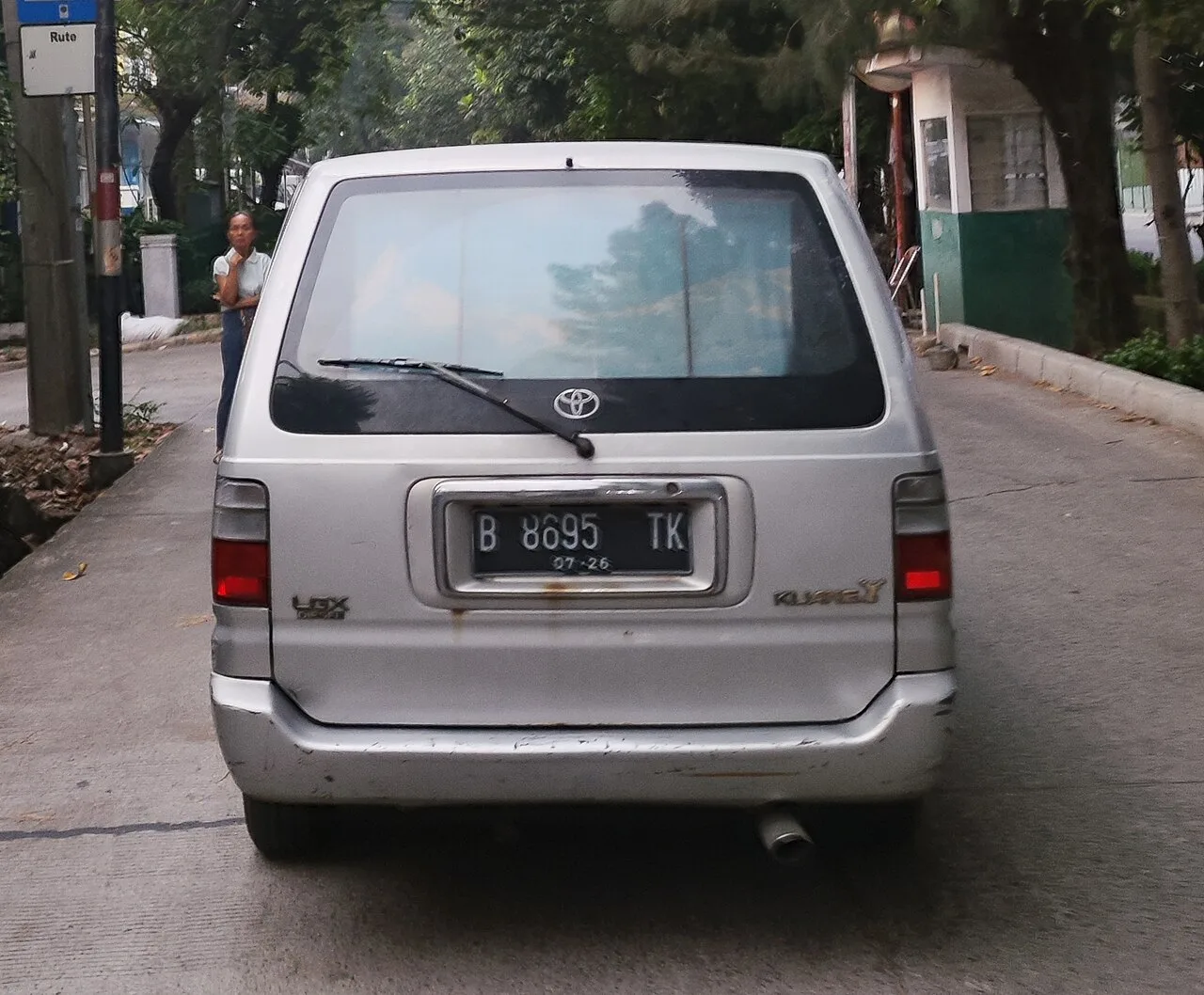
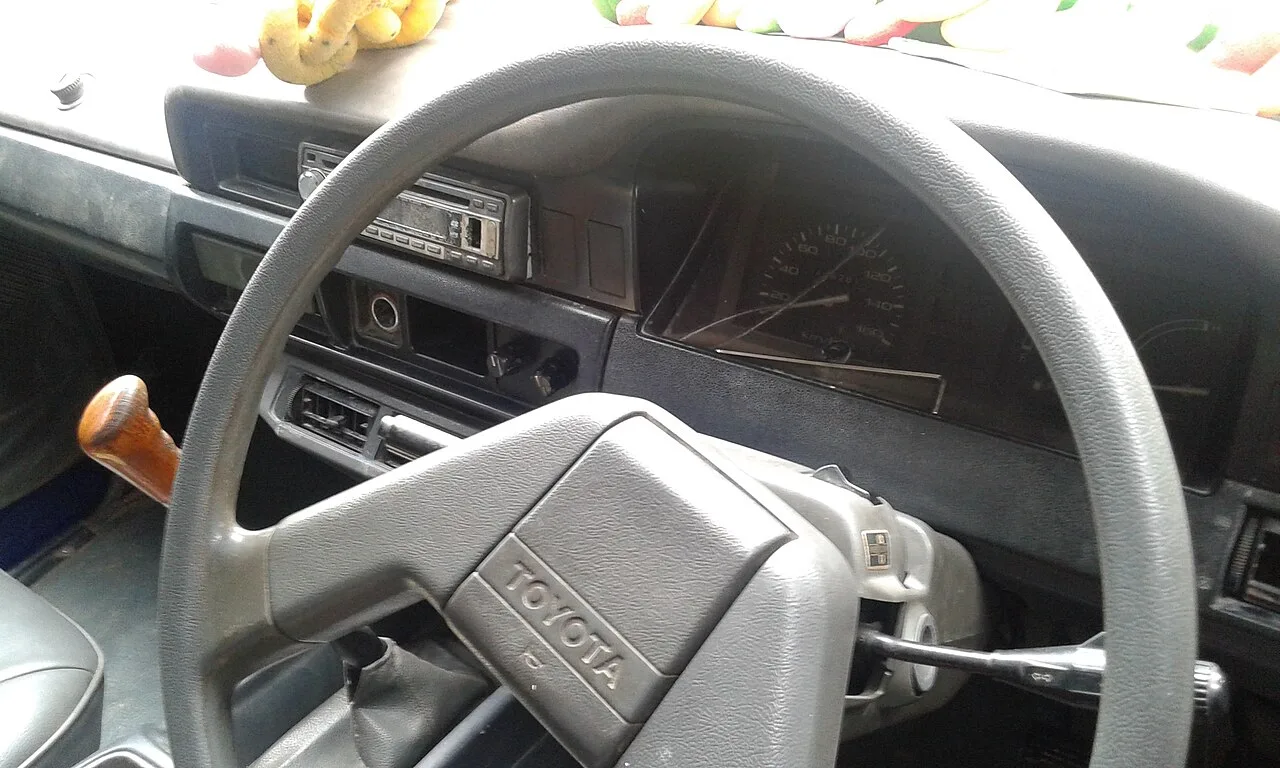
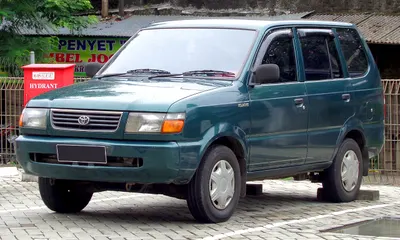
Toyota rushed this Kijang to market three years early — purely to beat Mitsubishi's rival Kuda to Southeast Asian showrooms.
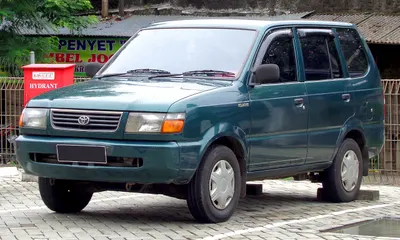
In 1986 the boxy third-gen Kijang wagon was cheaper to build than Toyota's own Corolla sedan — assembly cost just 42% of what the smaller E80 Corolla took.
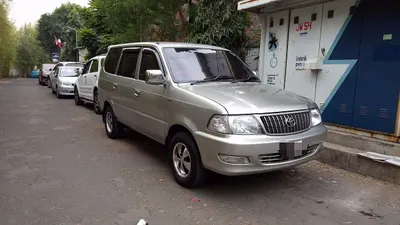
Indonesians gave the second-generation Kijang its own nickname the moment it landed: 'Kijang Doyok', after its slimmer, redesigned nose.
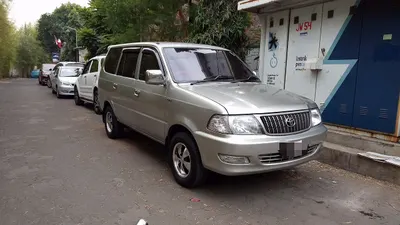
The first Kijang had plastic or canvas windows and half doors hinged on the outside, styled like a pickup with a shed bolted on.
Rivals
Same body, same money, other badges — tap any card to flip.
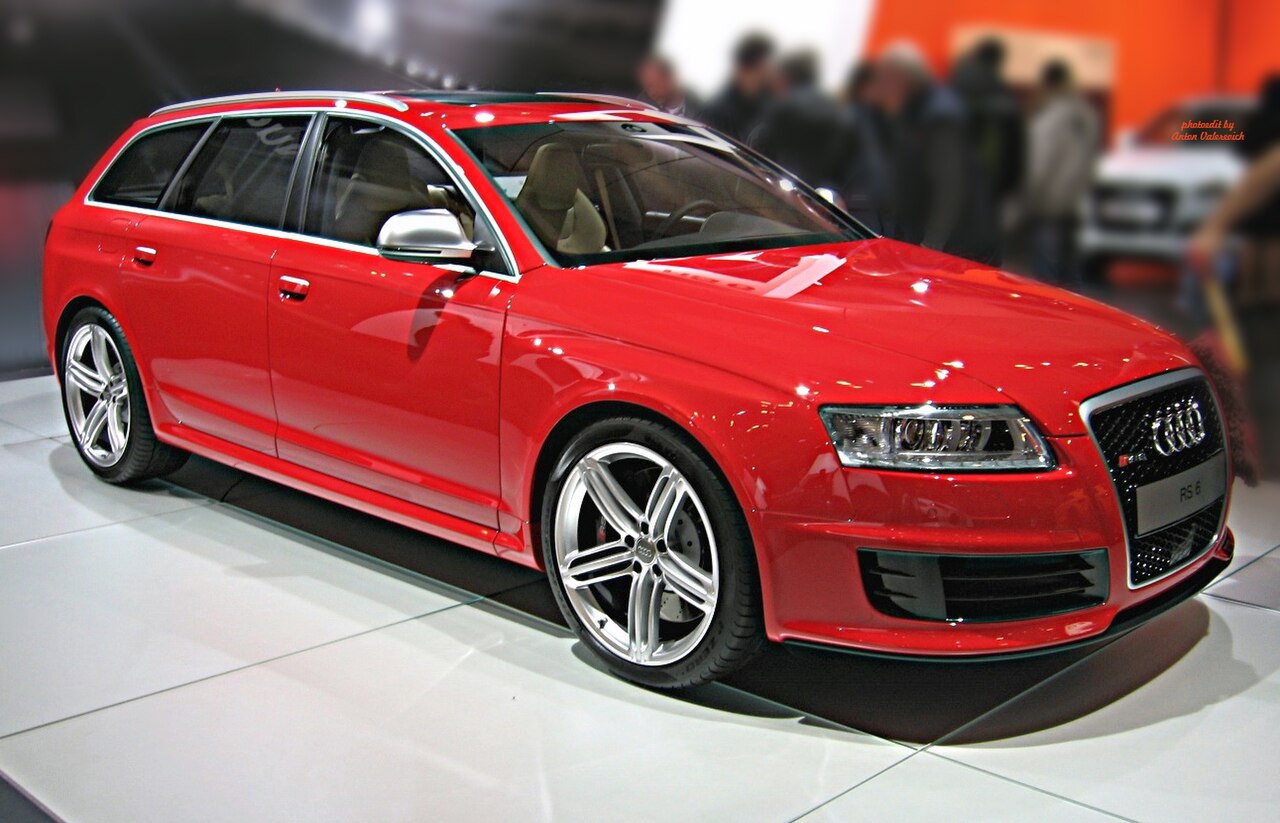
Cooling the C6 RS6’s twin-turbo V10 took seven separate radiators and four electric fans under the bonnet.
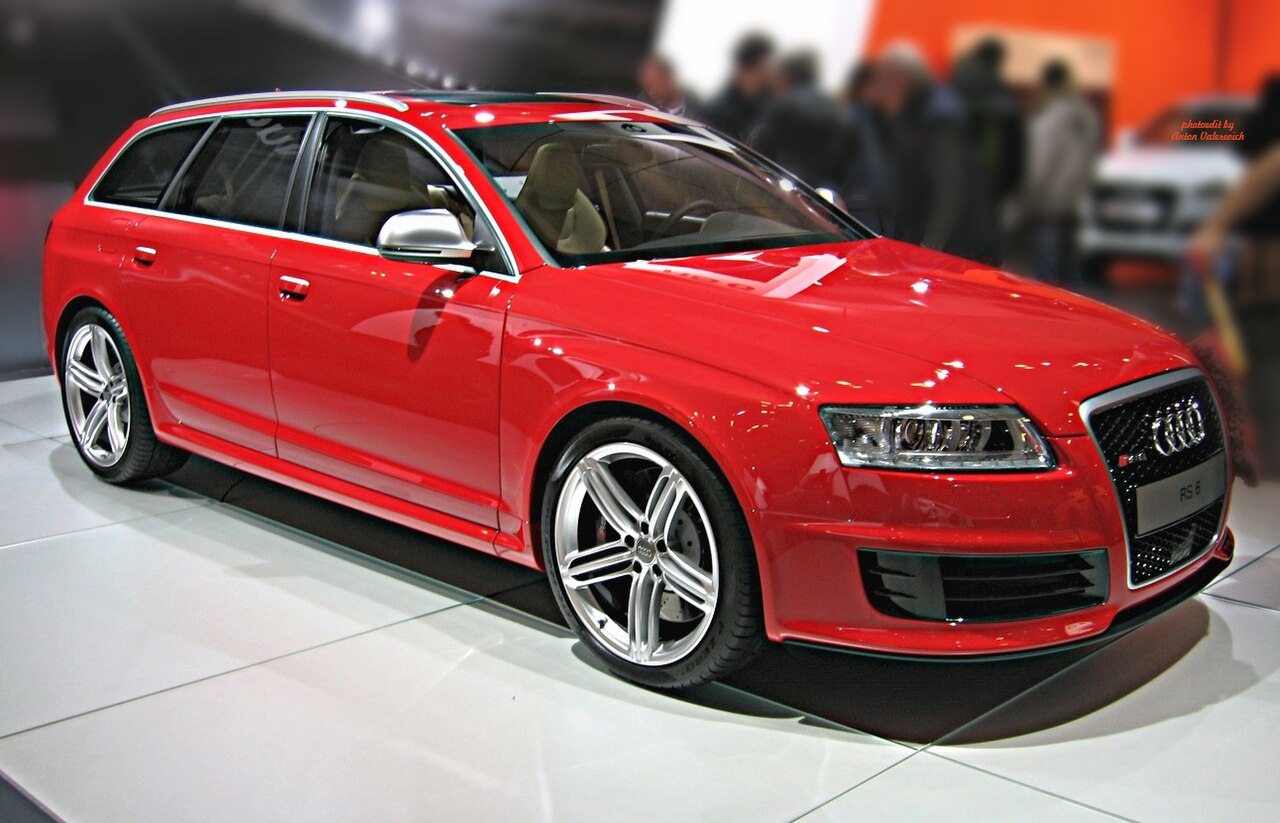
The original RS6 debuted Audi's clever hydraulic Dynamic Ride Control suspension — and enough owners got tired of its leaking dampers that they ripped the whole system out for plain coilovers.
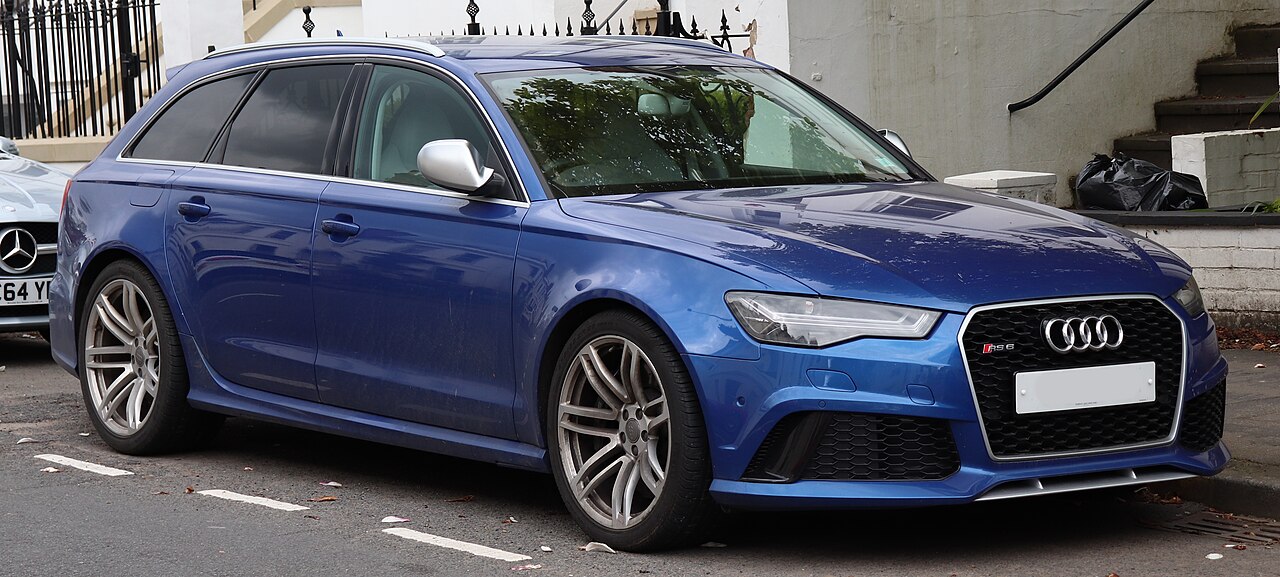
The C7-generation RS6 Avant never officially reached America at all — buyers there got the RS7 Sportback instead, running the exact same engine and platform in a different body.
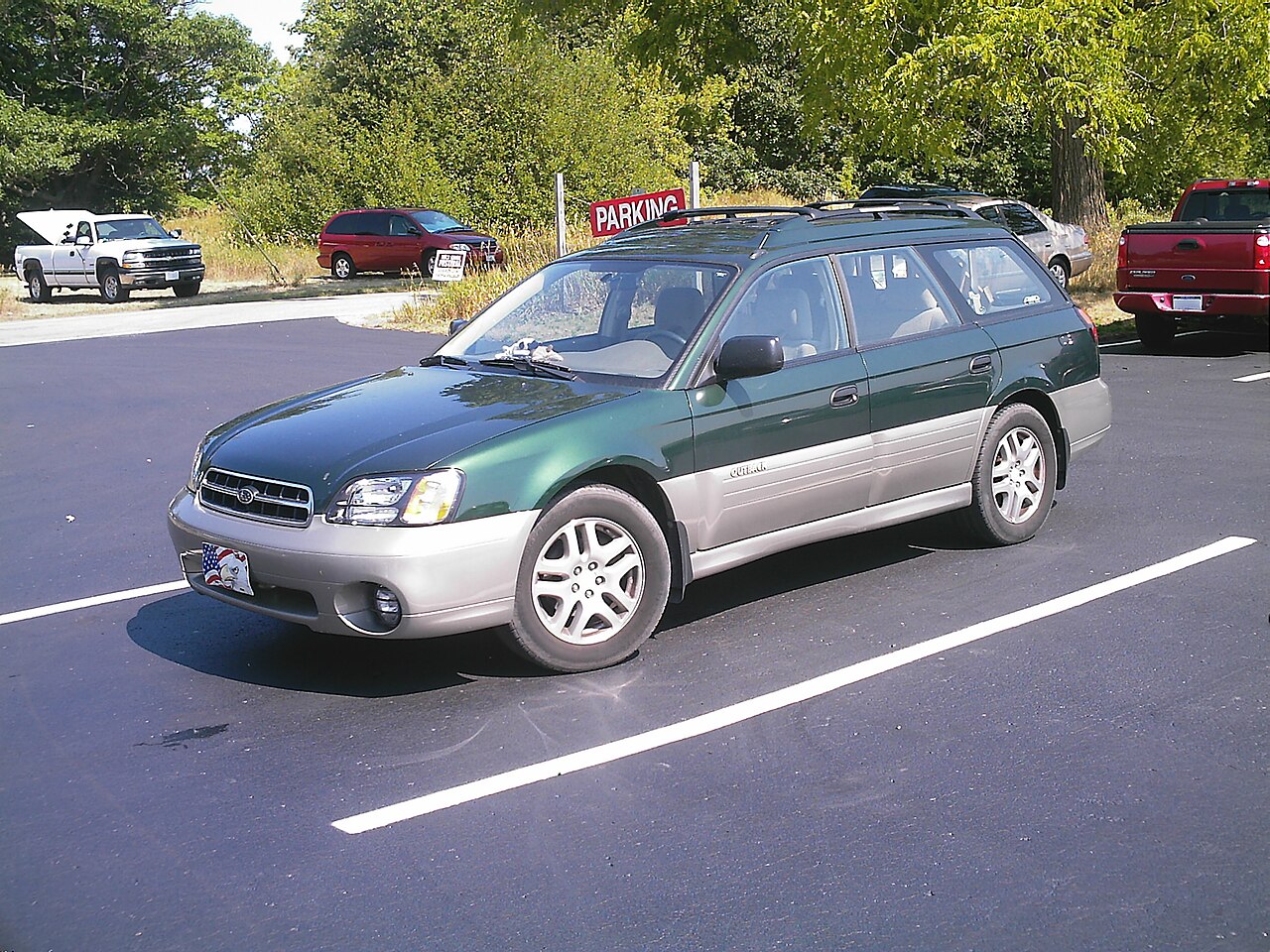
For a few years, this Outback's six-cylinder trim came with genuine McIntosh audio — the same esteemed hi-fi name found in home theaters, one of the only cars ever to get it from the factory.
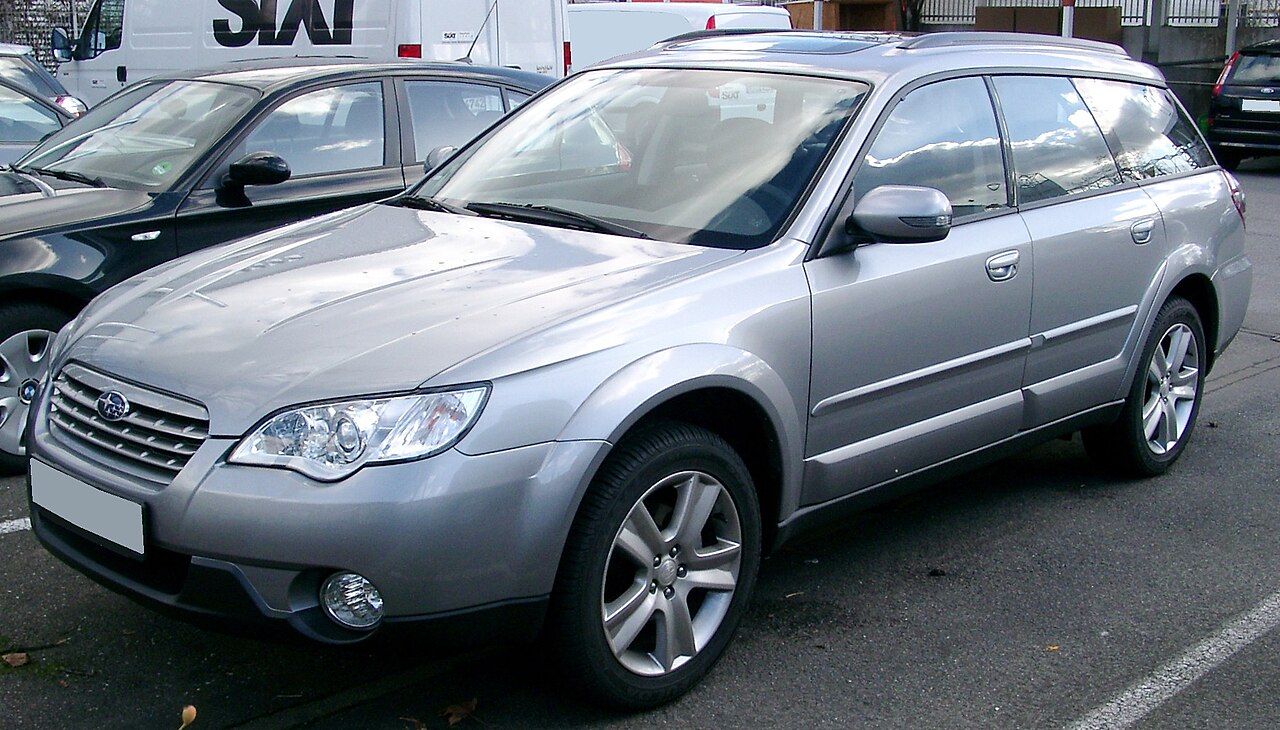
Subaru didn't have the budget for an all-new SUV, so it dressed up a Legacy wagon instead. A Subaru of America executive later put it bluntly: "[the Outback] saved our company."
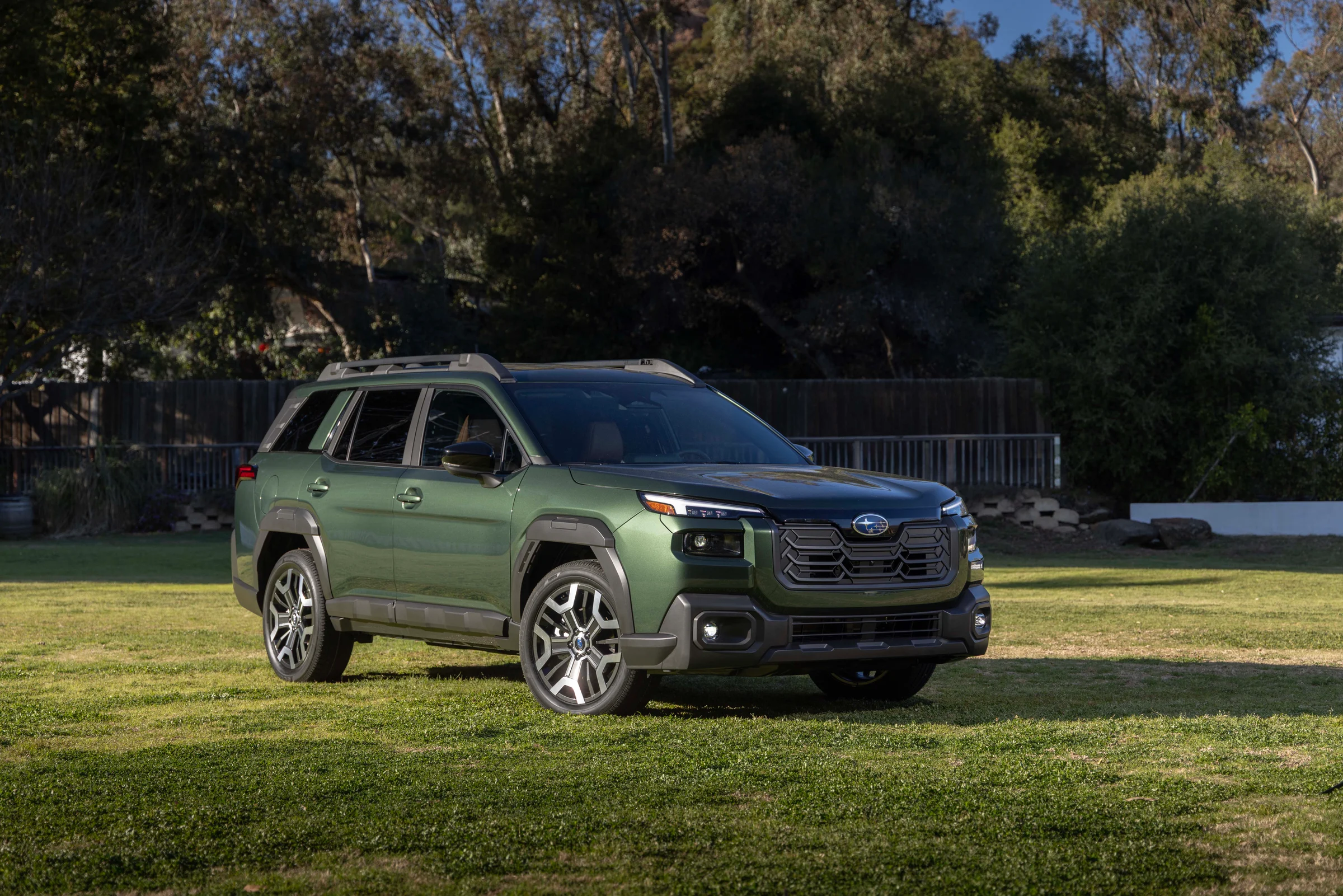
The new Outback's full-width tail light bar has a 2 ft ruler built in, for measuring whatever you are about to load.
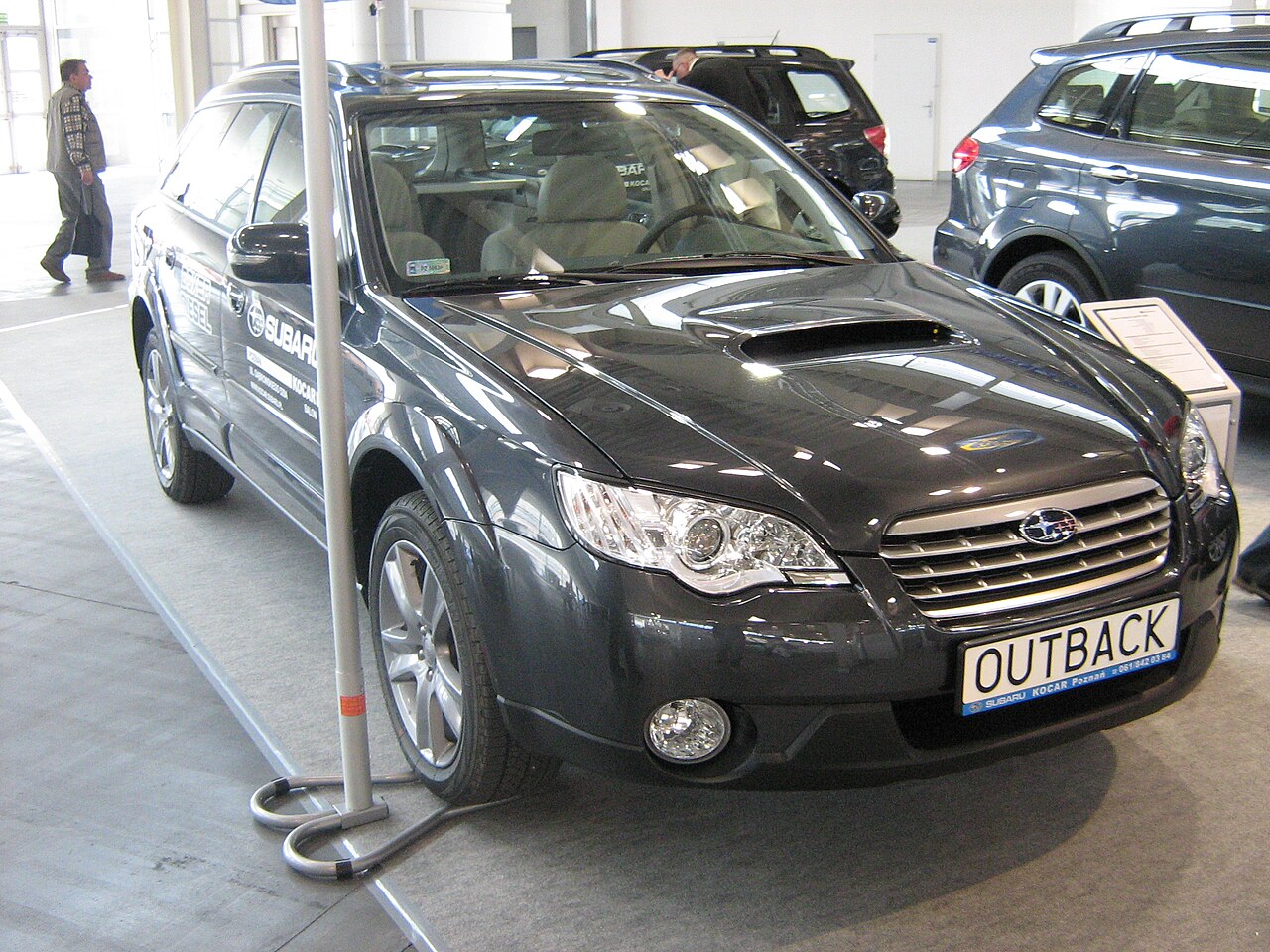
This Outback shared Top Gear's Car of the Year crown — an unusual honor for a jacked-up wagon to split with the Ford Mondeo in 2007.
A wagon beat the SUVs at their own game: this Outback generation won Motor Trend's Sport/Utility of the Year award for 2010.