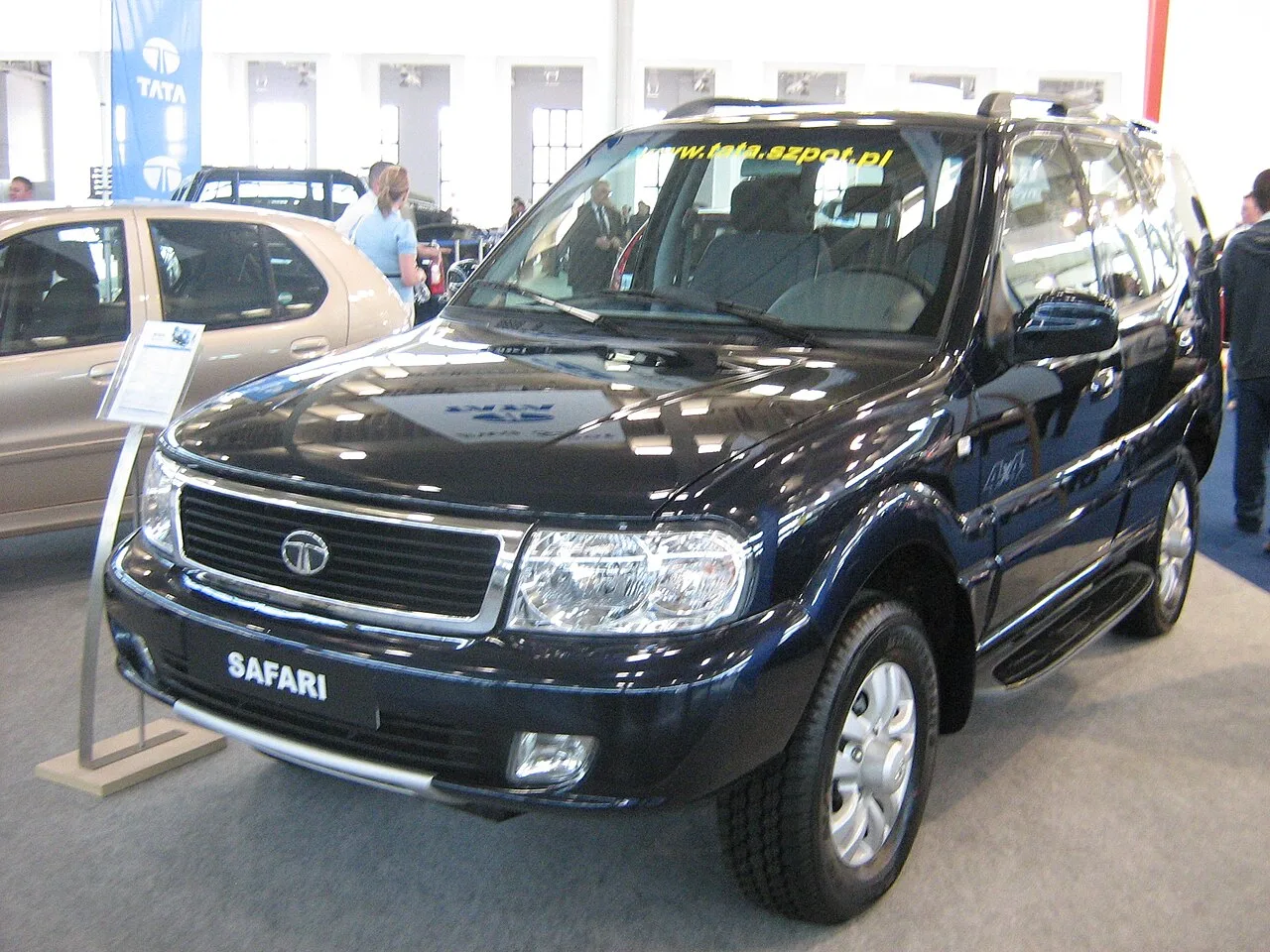
India's original SUV icon runs on a French heart — this Safari's turbodiesel is a licence-built Peugeot XD88 unit, the same engine family Tata used in its Telcoline pickup.
Median 197 hp across 432 similar cars
Lead trim: Safari 2.1 L 16V petrol four (135 hp) · up to 140 hp
Tata Safari first generationX2 · 1998–2017
- 0spots by members
- Unclaimednobody has spotted one yet
- 0sets it belongs to
Nobody in Burbles has spotted a Tata Safari first generation yet. See one on the street, point the app at it, and the first card is yours — with your @handle permanently credited on this page.
FactIndia's original SUV icon runs on a French heart — this Safari's turbodiesel is a licence-built Peugeot XD88 unit, the same engine family Tata used in its Telcoline pickup.
The first-generation Tata Safari, presented in India in 1998 and exported to Europe from the same year (UK sales from 1999), is a seven-seat body-on-frame SUV on the Telcoline's Tata X2 platform, sold rear-wheel drive with a four-wheel-drive option (part-time, with a self-locking rear differential), with front double swinging trapezium and torsion-bar suspension, a five-link coil-sprung rear axle, ventilated front discs and rear drums. Engines: a 2.0-litre (1,948 cc) Peugeot XD88 turbodiesel, 92 horsepower to Euro 2 and 87 horsepower to Euro 3 (its lead sentence gives 87 PS), so no power is entered; a 2.1-litre 16V petrol four added in 2003 (135 horsepower, dropped in 2005); the 3.0 Dicor common-rail diesel from 2005 (116 hp in one paragraph and 116 PS/114 hp in another, so no power is entered, with 300 N·m / 221 lb-ft between 1,600 and 2,000 rpm); and from the 2007 model year in Europe the 2.2 Dicor, based on the PSA 2,179 cc DW12 with AVL, 140 hp and 320 N·m (236 lb-ft), the first Euro 4 approved engine made. A 2005 facelift brought a new bumper, lights, grille, interior and a Borg Warner gearbox, and a 2010 facelift a new grille and interior. In 2017 Tata announced the Safari Dicor was phased out with the Storme remaining. Wheelbase 2,650 mm (104.3 in), length 4,655 mm (183.3 in), height 1,922 mm (75.7 in), width 1,855-1,965 mm, kerb weight 1,920 kg for the 2WD (plus 110 kg for 4WD).
Collectors Spotted in the Tata Safari Lineage
No member has published a public street spot of the Tata Safari yet — the First · Worldwide stamp is wide open.
Trims & Figures
4 published trims in the catalogue. A blank is a figure not recorded, not zero.
| Trim | Years | Engine | Power | Torque | 0–60 | Drive | Gearbox | MSRP |
|---|---|---|---|---|---|---|---|---|
| Safari 2.0 Peugeot XD88 turbodiesel, 1,948 cc | 1998–2005 | 1.9 L Inline-4 | 86 hp | — | — | — | — | — |
| Safari 2.1 L 16V petrol four (135 hp) | 2003–2005 | 2.1 L Inline-4 | 135 hp | — | — | — | — | — |
| Safari 2.2 Dicor DW12 diesel, 2,179 cc (140 hp) | 2007–2017 | 2.2 L Inline-4 | 140 hp | 236 lb-ft | — | — | — | — |
| Safari 3.0 Dicor common-rail diesel | 2005–2017 | 3.0 L Inline-4 | 116 hp | 221 lb-ft | — | — | — | — |
Owning one
We don’t estimate running costs for a car like this. What it costs depends on its condition, its specialist and how it is driven, and an average would mislead.
Owners’ builds
Nobody has claimed one yet.
Photographs
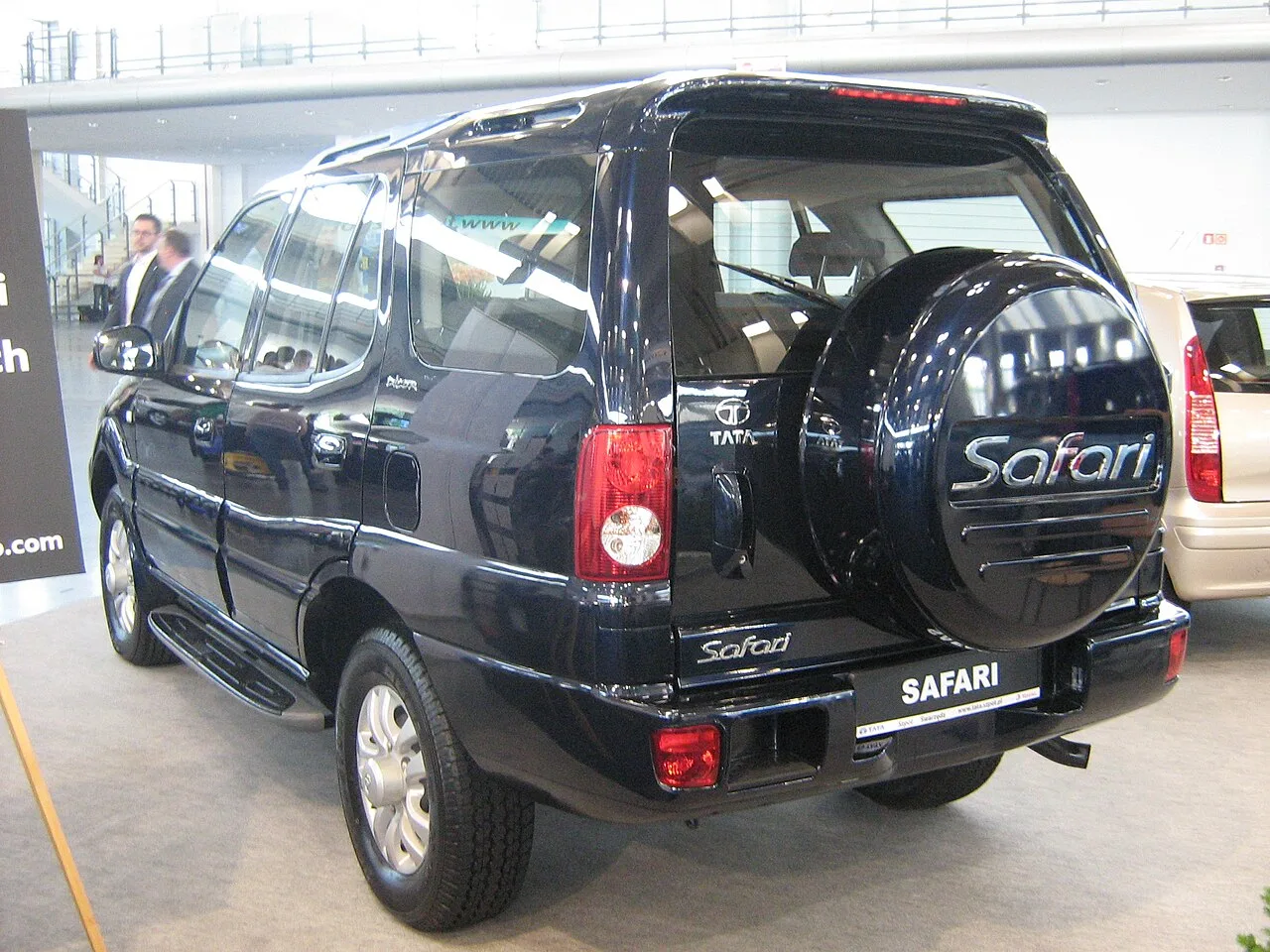
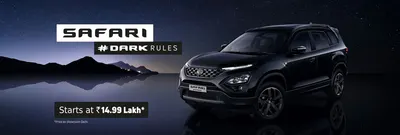
This Safari dropped 25 years of body-on-frame tradition — it's now a front-wheel-drive monocoque crossover, sharing its underpinnings with the Tata Harrier (and, via the same JLR-derived platform, the Land Rover Discovery Sport).
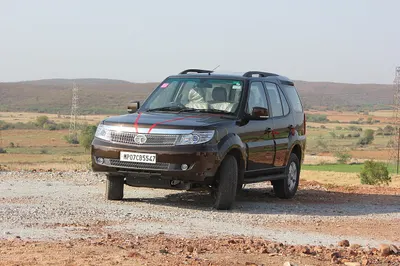
The Indian Army chose the Safari Storme over the Mahindra Scorpio after snow, high-terrain and marsh testing, ordering over 3,000 to replace the decades-old Maruti Gypsy.
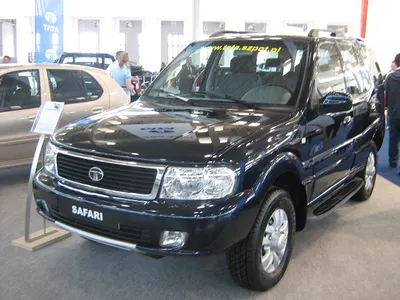
India's original SUV icon runs on a French heart — this Safari's turbodiesel is a licence-built Peugeot XD88 unit, the same engine family Tata used in its Telcoline pickup.
Rivals
Same body, same money, other badges — tap any card to flip.
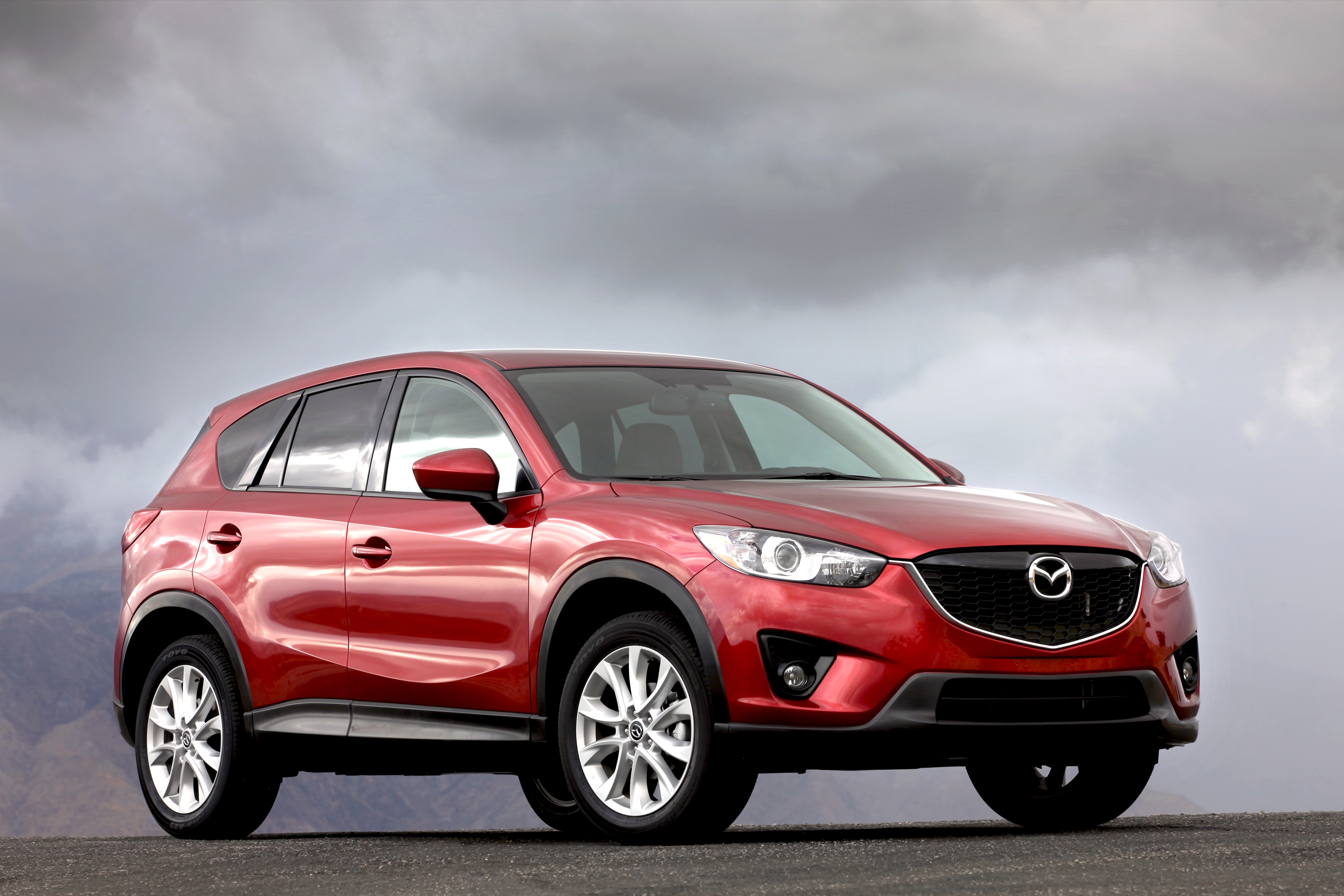
IIHS only crash-tests the driver's corner; tested on the passenger side instead, the CX-5 showed far worse intrusion.
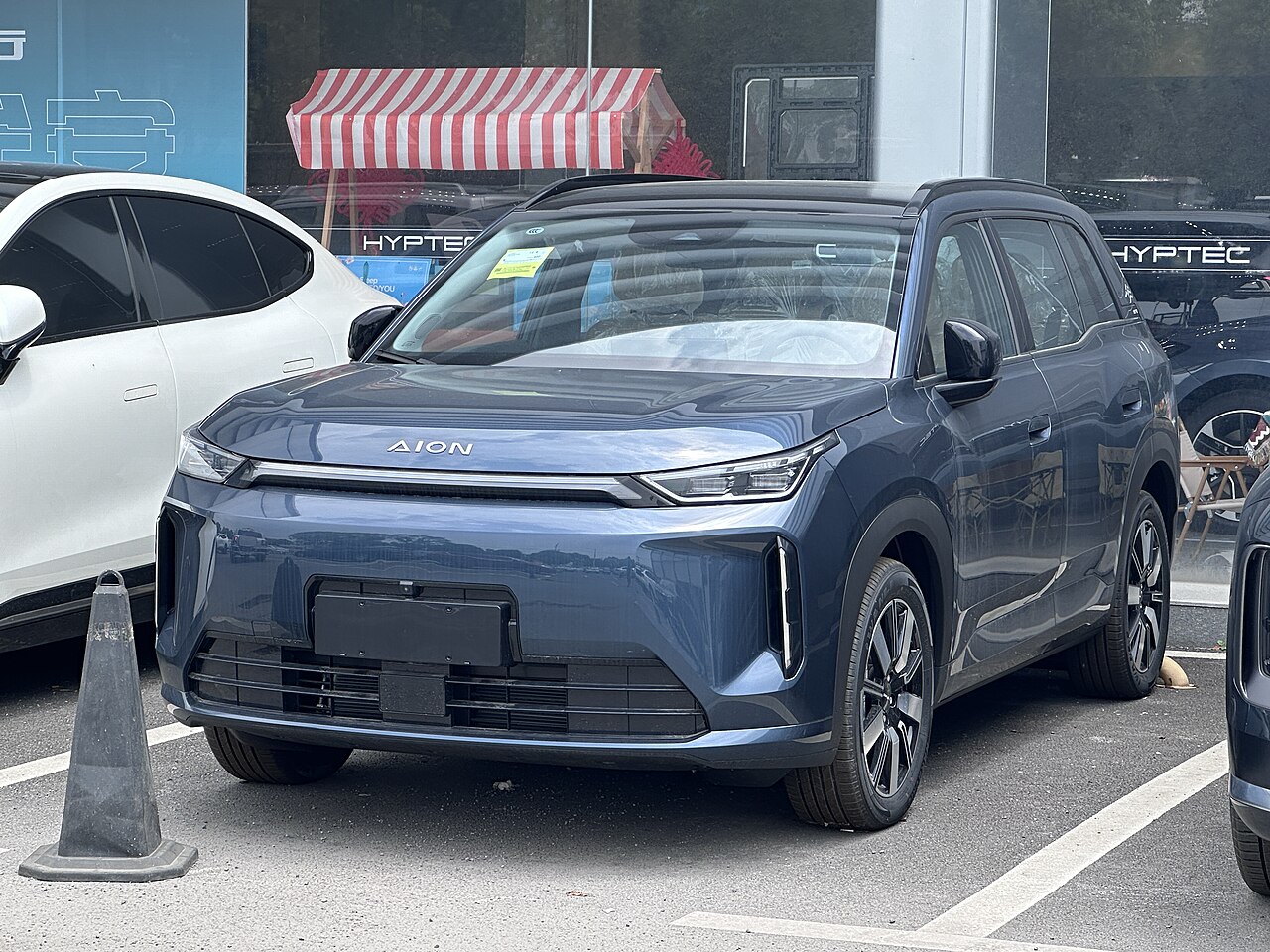
Despite launching from a standing start in late 2025, the i60 topped GAC Aion's own sales chart through January's seasonal slowdown.
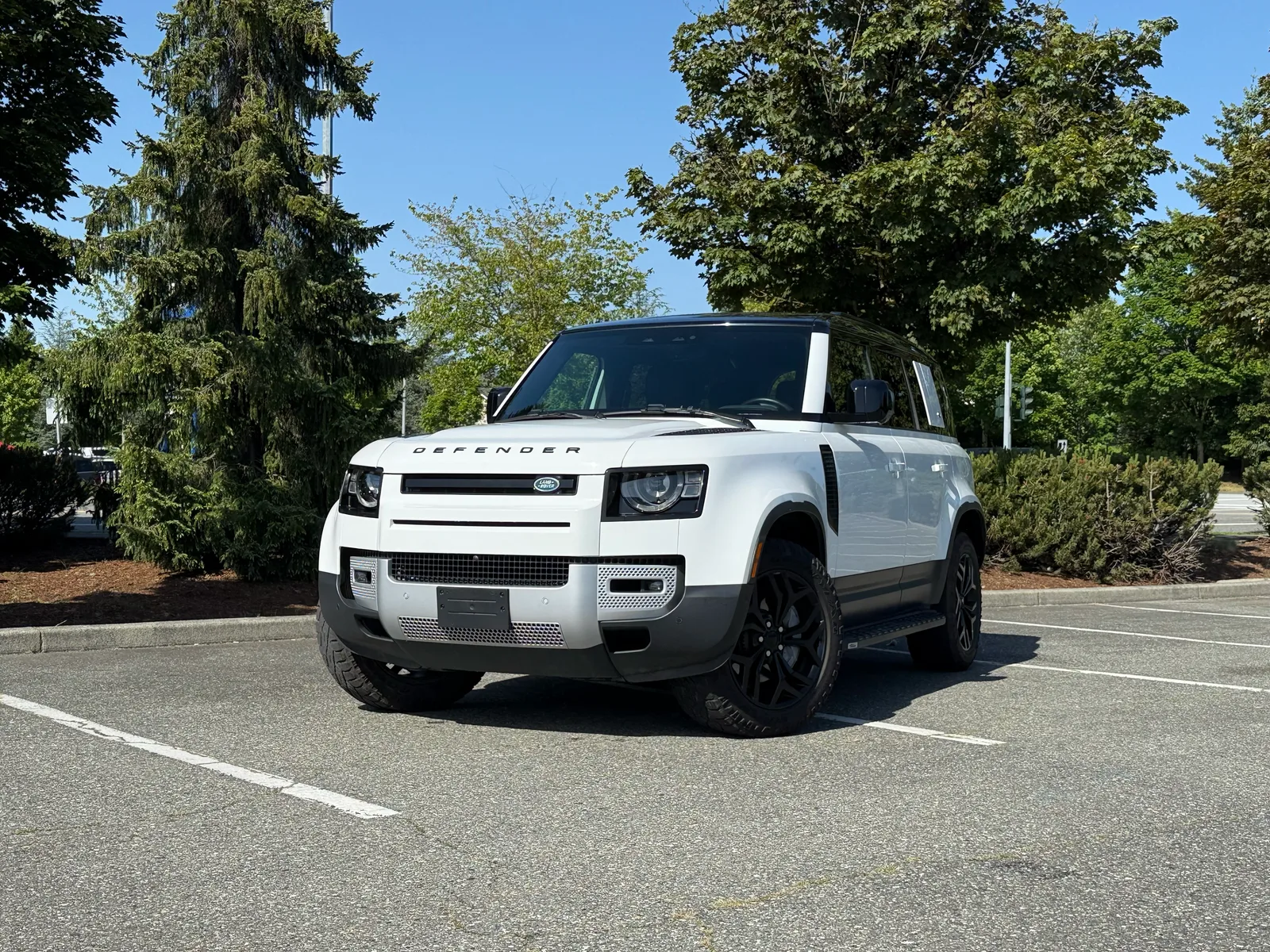
Every Defender before this one was body-on-frame — this generation broke decades of tradition with an aluminium unibody structure instead.
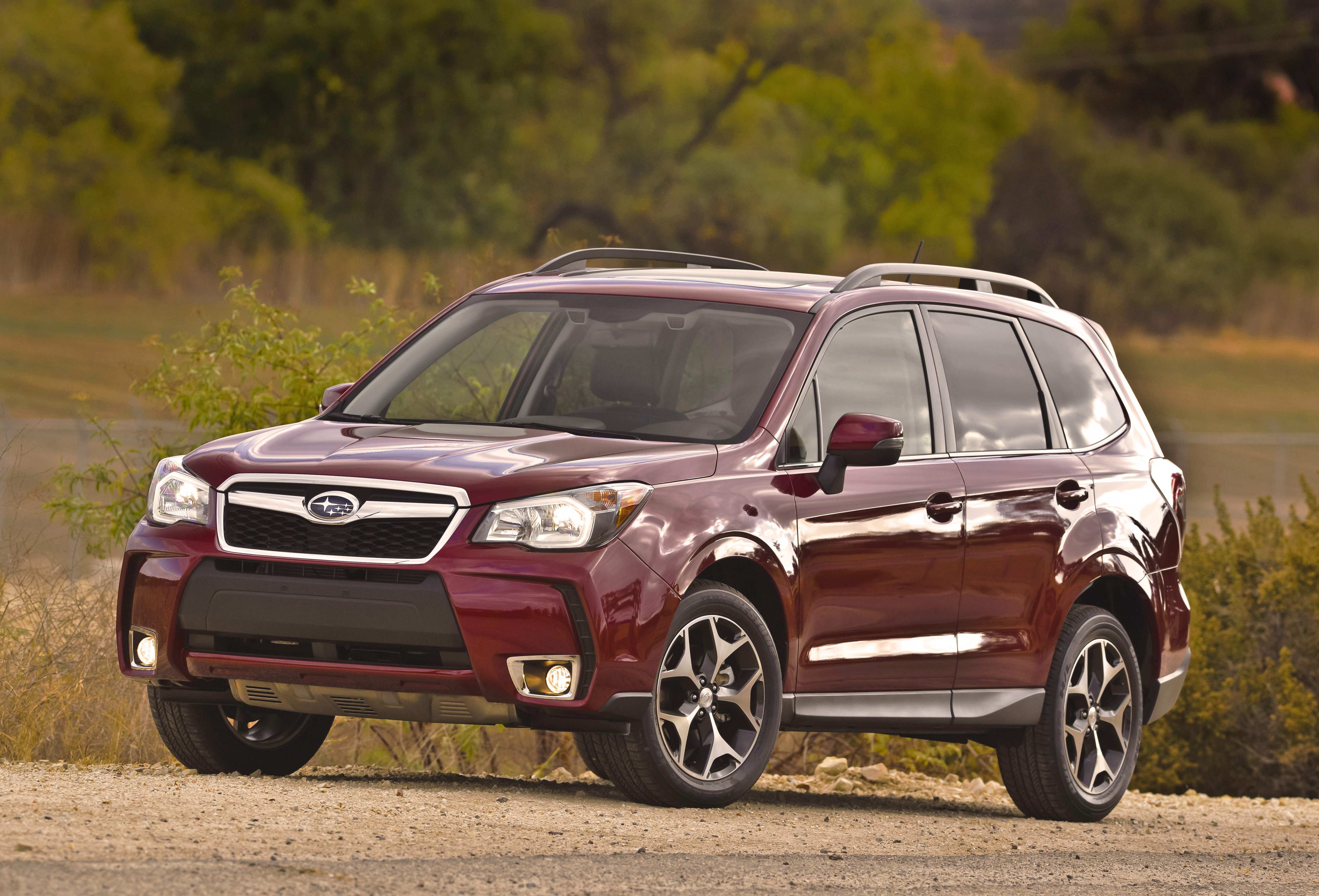
Crashed on the passenger side instead of the driver's, the 2014 Forester showed far more intrusion and would have rated Marginal with the IIHS.
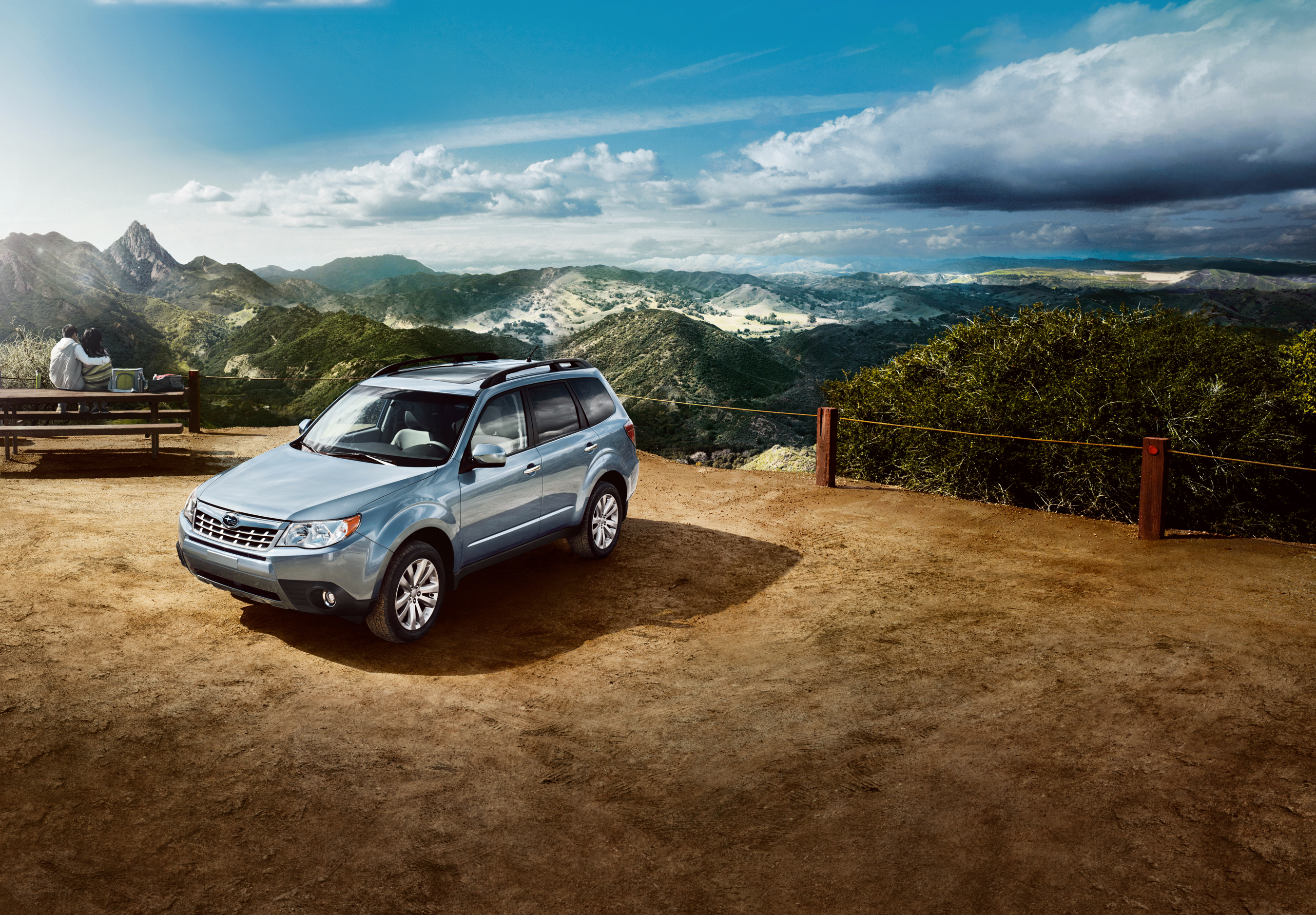
Subaru built a 2.5XT for the National Ski Patrol with a diamond-plate floor, a 9,500-pound winch and a toboggan on the roof.
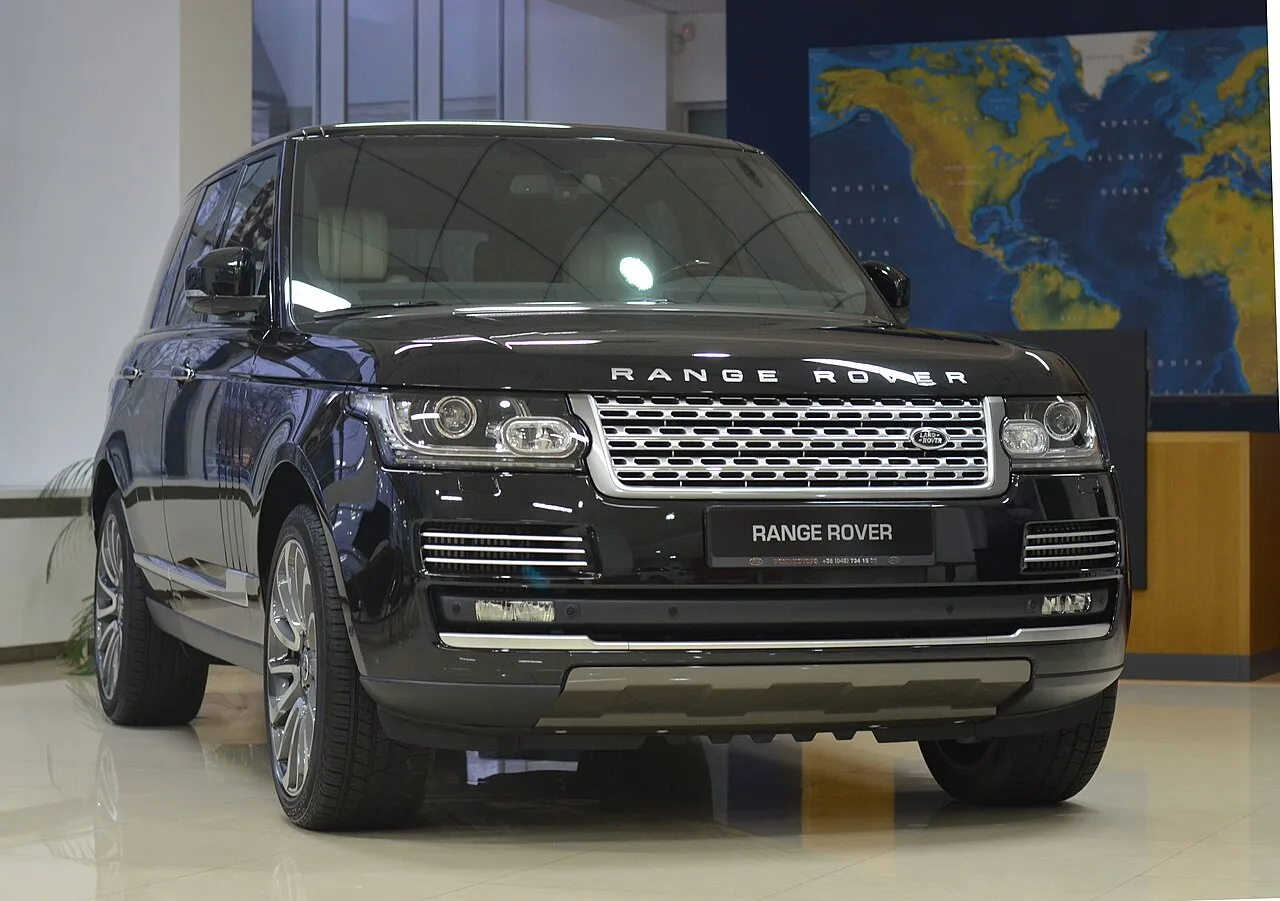
The L405 was the first Range Rover with a fully aluminum monocoque body, cutting up to 420 kg from the outgoing steel-bodied L322.
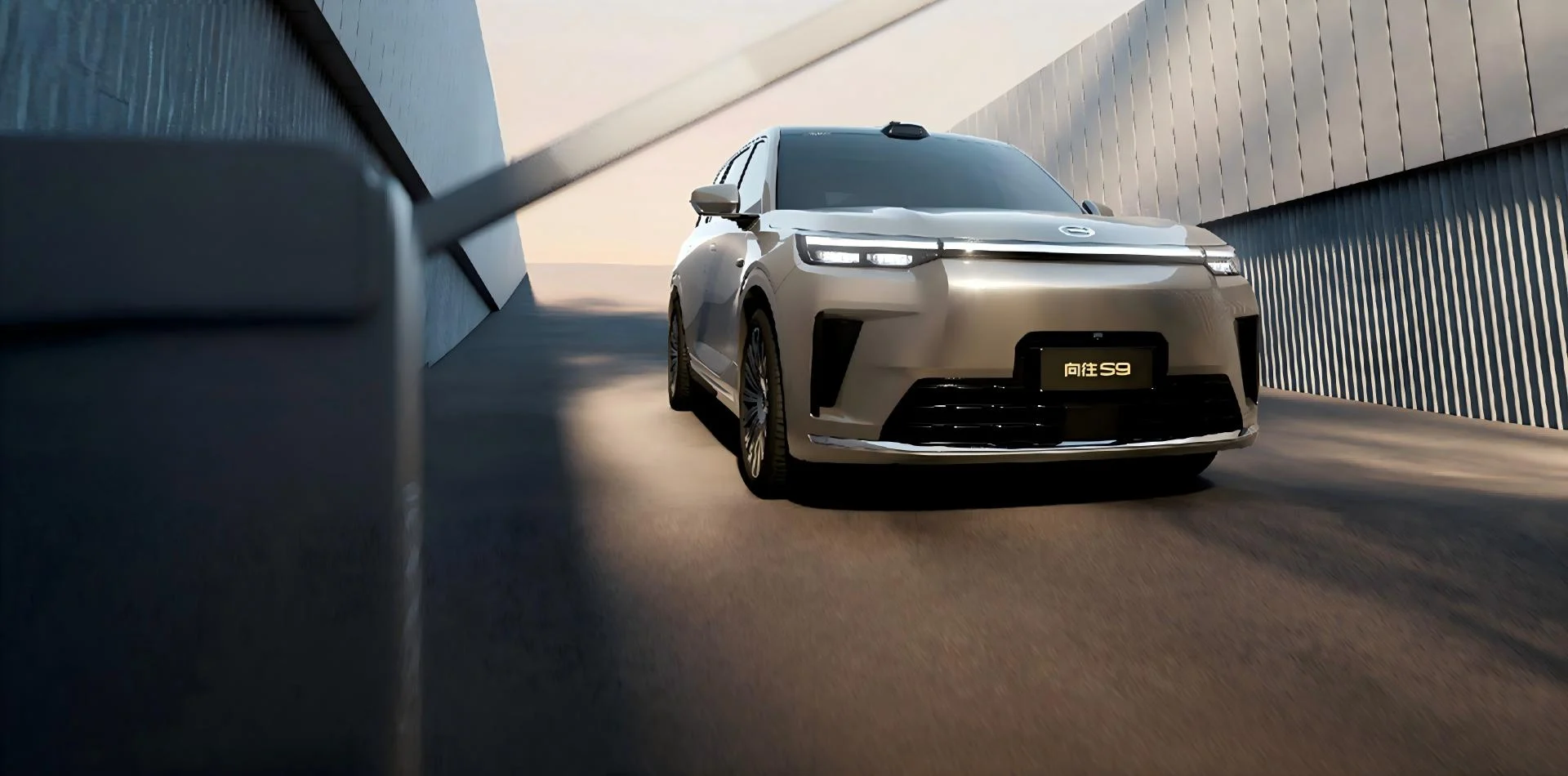
Rear passengers get a 17.3-inch screen that extends from the roof, and a lidar sensor sits in the front of the roof.
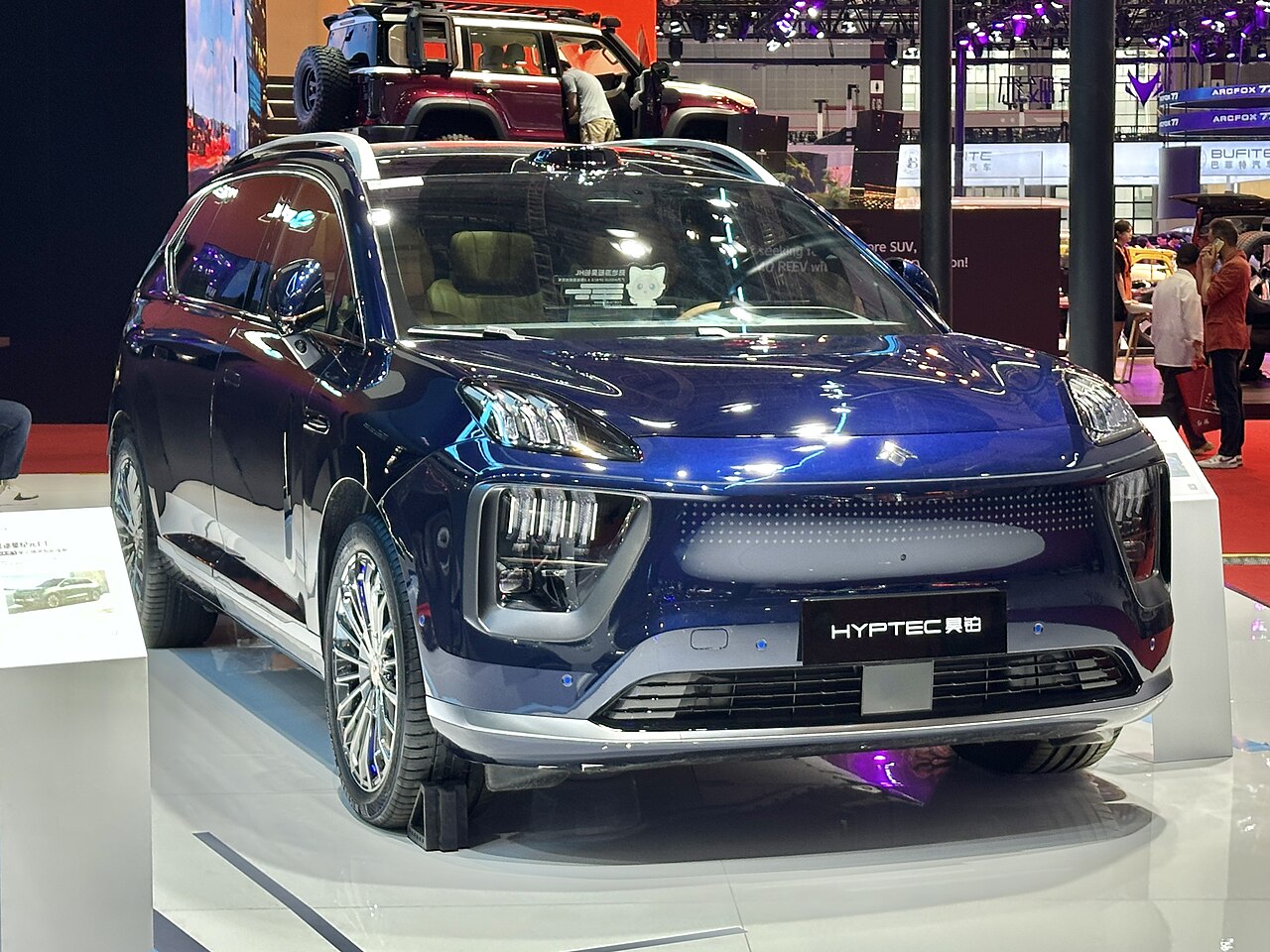
Its range-extender variant is rated for 1,200 km on a tank and charge, over three times the car's electric-only range.