VerifiedFIRST · WORLDWIDEFIRST PRINTONLY ONE IN VANCOUVERThe second-gen Swift Sport's little 1.6 ran an 11.1:1 compression ratio with forged pistons and solid lifters — race-engine numbers squeezed into a naturally-aspirated hot hatch.

The second-gen Swift Sport's little 1.6 ran an 11.1:1 compression ratio with forged pistons and solid lifters — race-engine numbers squeezed into a naturally-aspirated hot hatch.
Median 81 hp across 240 similar cars
Lead trim: M16A 1.6 L DOHC VVT (125 PS)
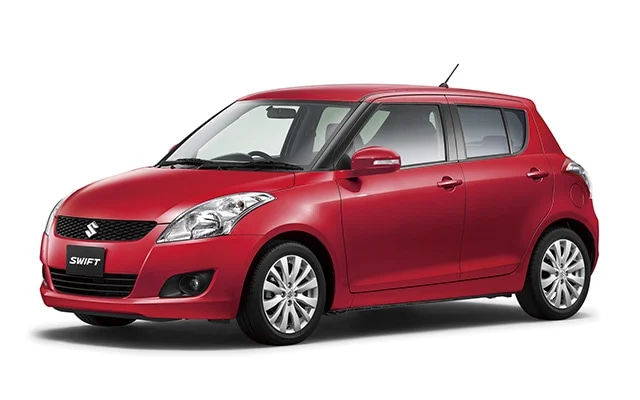
See a Suzuki Swift Sport RS416/ZC31S on the street, point Burbles at it, and the card goes in your binder. Own one? Add it to your garage in the app.
FactThe second-gen Swift Sport's little 1.6 ran an 11.1:1 compression ratio with forged pistons and solid lifters — race-engine numbers squeezed into a naturally-aspirated hot hatch.
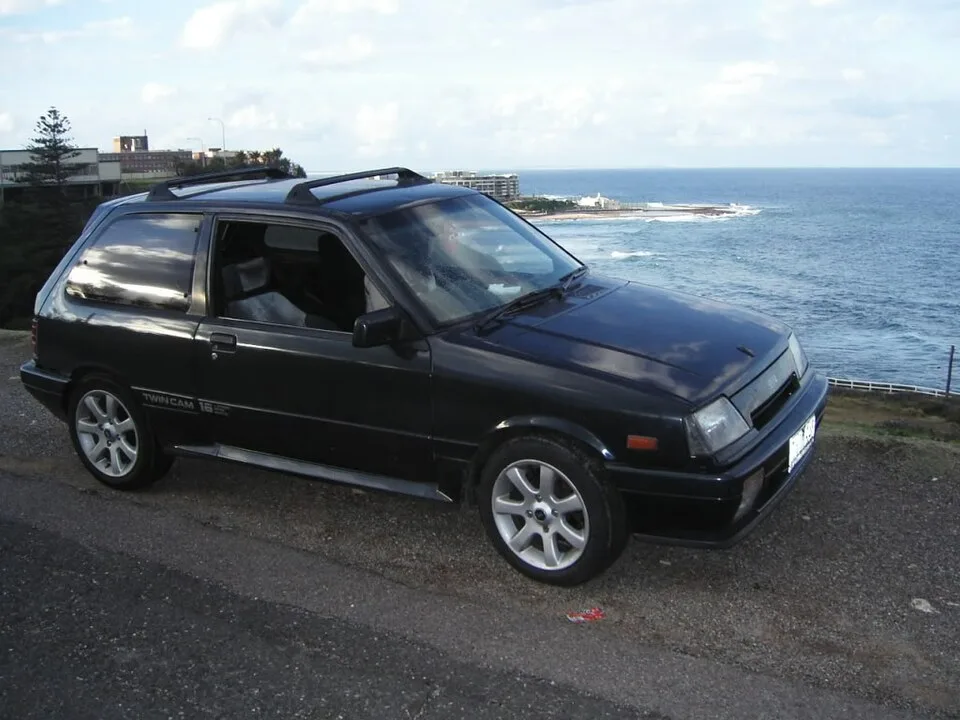
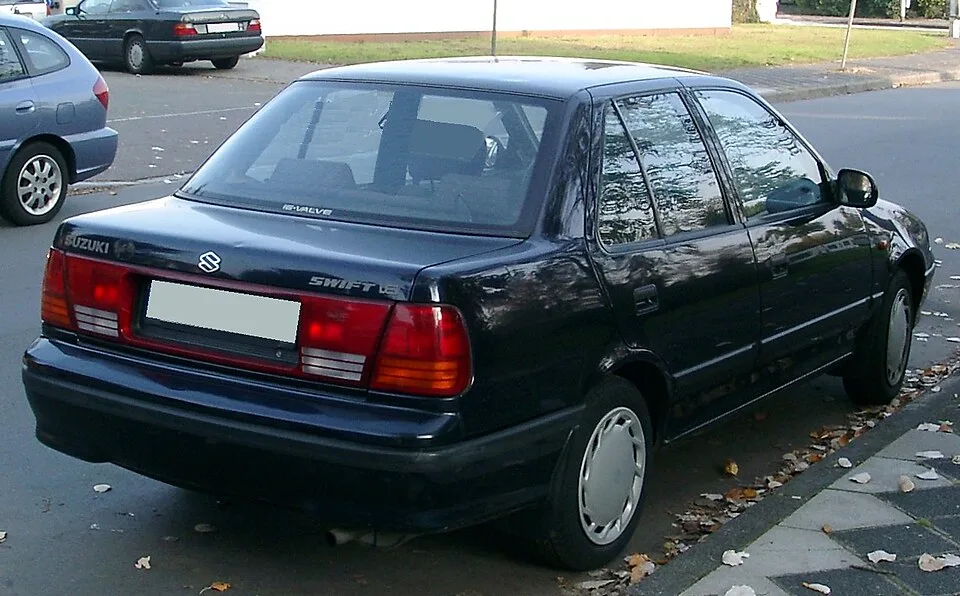
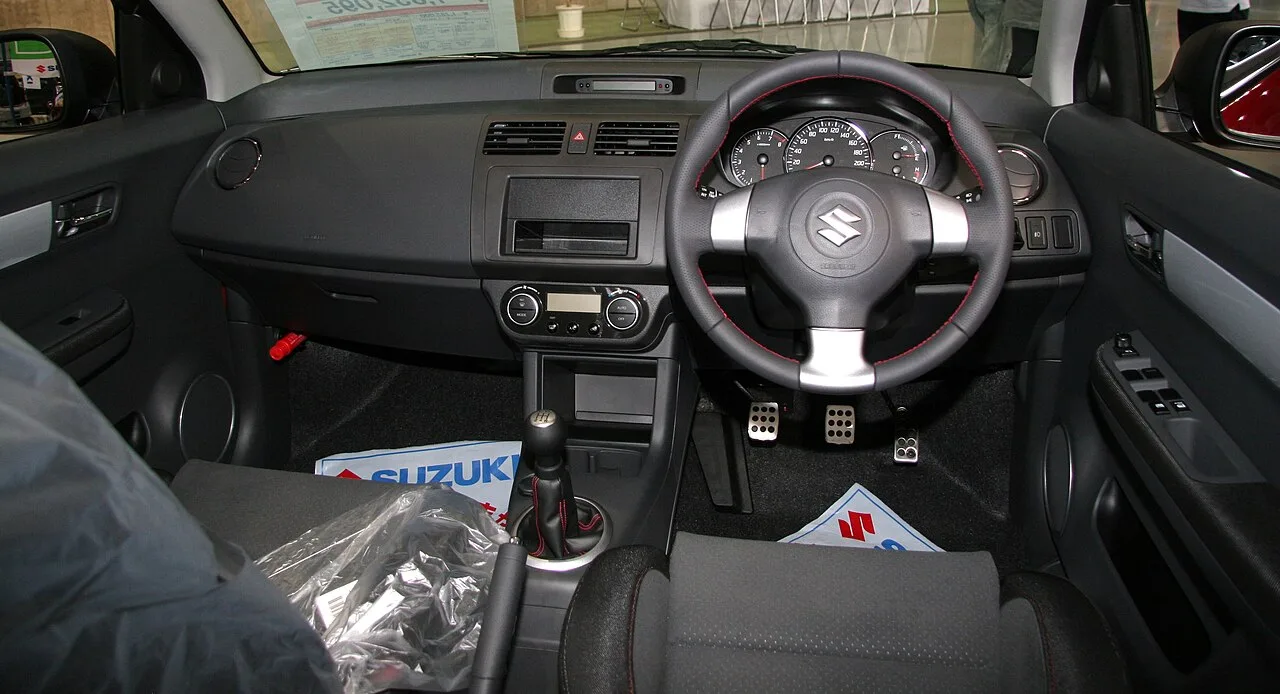
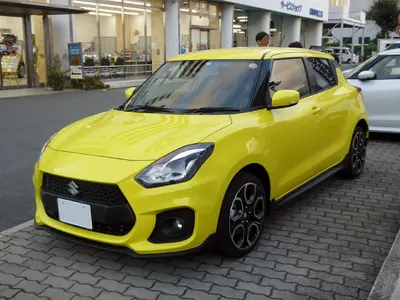
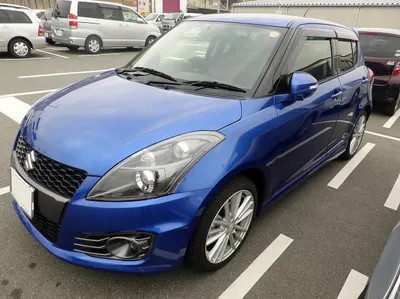
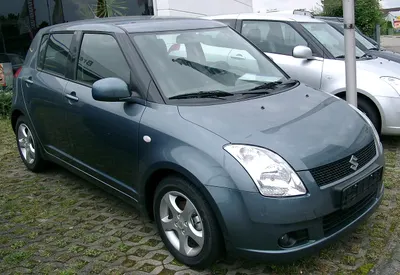
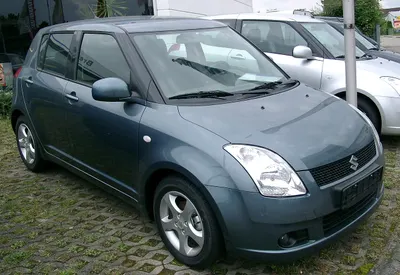
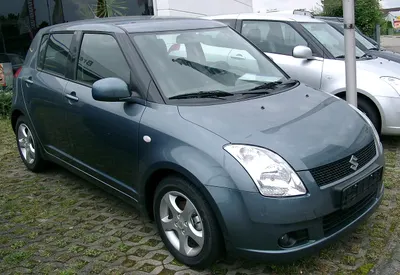
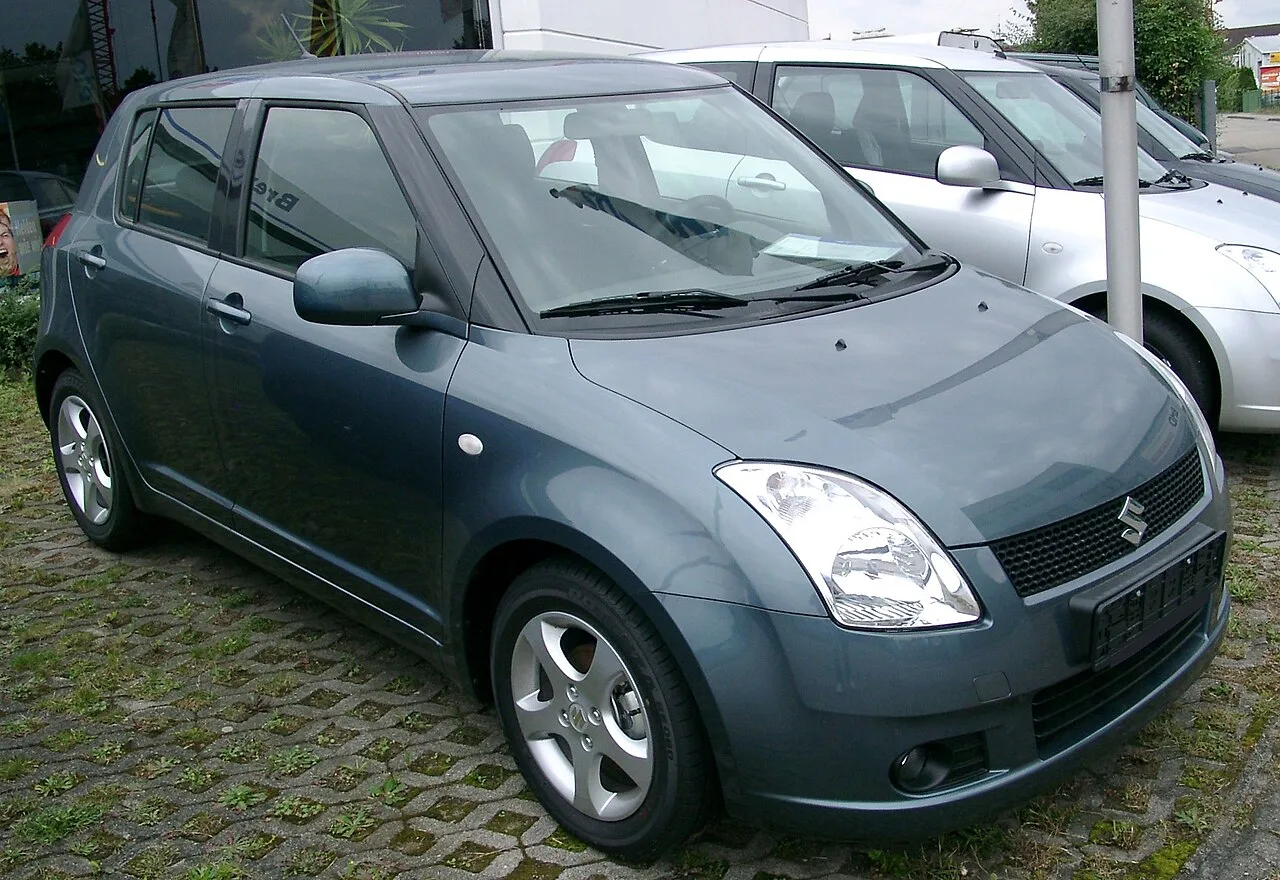
The Sport version of the first-generation Swift, launched in Japan in September 2005 and in most European markets in September 2006. It has an enhanced M16A: a high-revving 1.6 L naturally aspirated DOHC VVT four with an 11.1:1 compression ratio, four-bolt mains, chain-driven high-lift cams with solid lifters, forged pistons cooled by oil squirters, an internally polished intake manifold and strengthened valve springs, making 125 PS (123 bhp) and 148 N⋅m (109 lb-ft). The car is 70 mm longer than the standard Swift, with sportier bumpers and spoilers, a stiffer suspension, twin exhaust pipes, red sport seats (Recaro optional) and four-wheel discs on 16-inch wheels; the European car had a five-speed manual, three-door body, 17-inch wheels and ESC. Claimed top speed 200 km/h and 0–100 km/h in 8.9 s. A 2008 restyle shortened the final drive from 4.235 to 4.388 and raised the redline from 6,800 to 7,200 rpm. A July 2008 N'Style Rally edition (500, black) paid tribute to Suzuki's Group N Junior WRC car, and Tommykaira modified one as the S-Ss.
Real Suzuki Swift cards spotted on the street by Burbles collectors. Tap any card to flip it over, inspect the collector’s binder, or follow them.
VerifiedFIRST · WORLDWIDEFIRST PRINTONLY ONE IN VANCOUVERThe second-gen Swift Sport's little 1.6 ran an 11.1:1 compression ratio with forged pistons and solid lifters — race-engine numbers squeezed into a naturally-aspirated hot hatch.
One published trim in the catalogue. A blank is a figure not recorded, not zero.
| Trim | Years | Engine | Power | Torque | 0–60 | Drive | Gearbox | MSRP |
|---|---|---|---|---|---|---|---|---|
| M16A 1.6 L DOHC VVT (125 PS) | 2005–2010 | 1.6 L Inline-4 | 123 hp | 109 lb-ft | — | — | — | — |
We don’t estimate running costs for a car like this. What it costs depends on its condition, its specialist and how it is driven, and an average would mislead.
Nobody has claimed one yet.


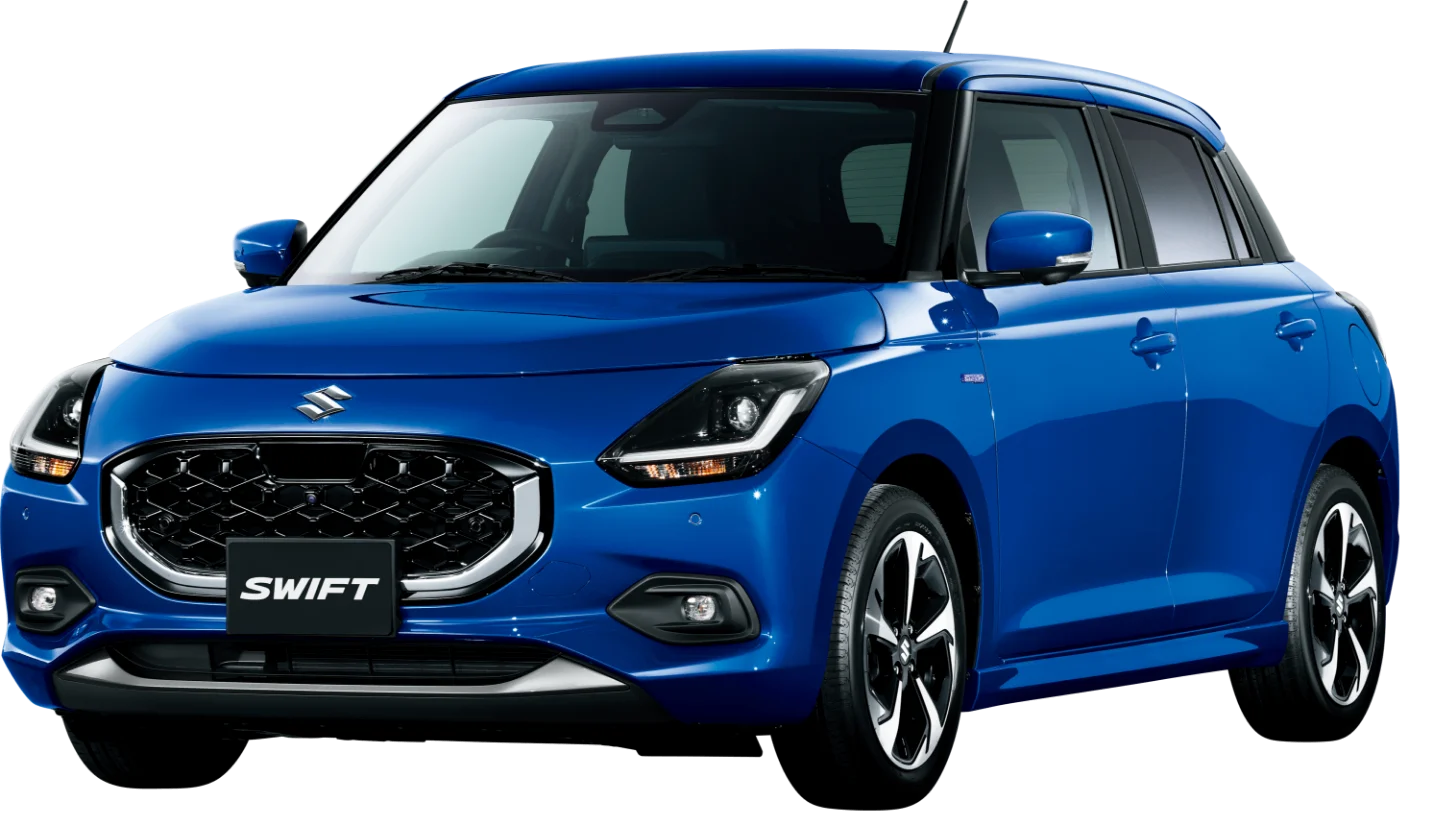
This Swift runs a single engine option worldwide, a brand-new 1.2-litre three-cylinder with no alternatives offered.

Tightening Euro 6d rules cost the Swift Sport real power — a smaller turbo and revised VVT dropped it from 140 PS to 127 PS, and added 55 kg on top.

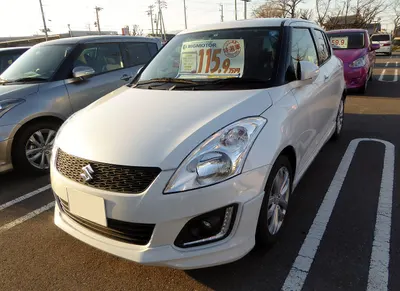
This Swift hid its rear door handles in the C-pillar to fake a two-door look on a car that only ever came as a five-door.

Suzuki built just 100 examples of the UK-only Swift Sport SZ-R — making this little hot hatch a genuine rarity hiding in plain sight.

Japan was a minor market for the Swift: when it passed 2 million sales in 2011, about 39% were in India and 27% in Europe, against roughly 15% at home.

The second-gen Swift Sport's little 1.6 ran an 11.1:1 compression ratio with forged pistons and solid lifters — race-engine numbers squeezed into a naturally-aspirated hot hatch.

Rare rebadged variant not sold in North America, very limited import presence. About 2,000 on North American roads today (estimate). Never sold new in North America.

Suzuki launched this Swift worldwide with a Cristiano Ronaldo ad campaign — and in Japan it went on to sell at double the forecast.

This Swift's turbo three-cylinder never sold in Japan at all — Canada was its only market anywhere in the world, and it sold there reasonably well.
Same body, same money, other badges — tap any card to flip.

Japan was a minor market for the Swift: when it passed 2 million sales in 2011, about 39% were in India and 27% in Europe, against roughly 15% at home.

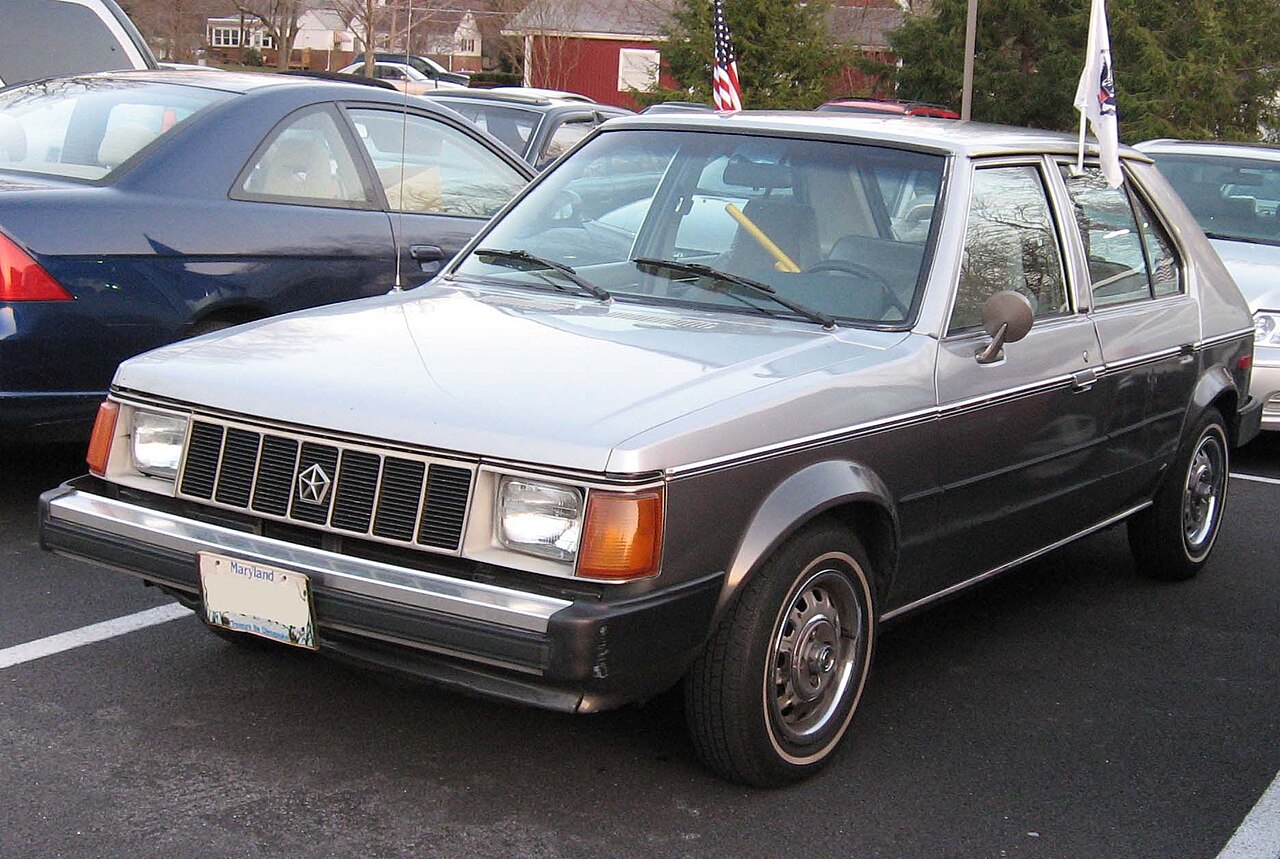
To adapt the Horizon for America, Chrysler bought nearly 100 Volkswagen Rabbits purely to reverse engineer them.

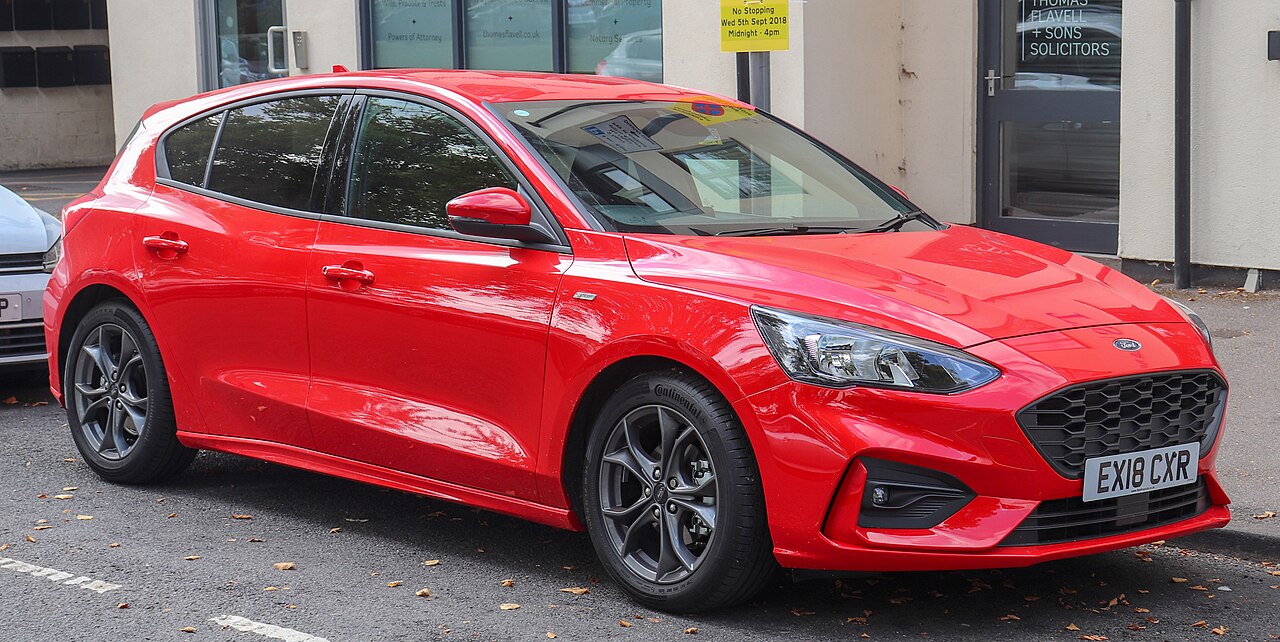
The Mk3 Focus RS's AWD system could send 100 percent of engine power to the rear wheels alone — built not in Ford's home country, but at the Saarlouis plant in Germany.

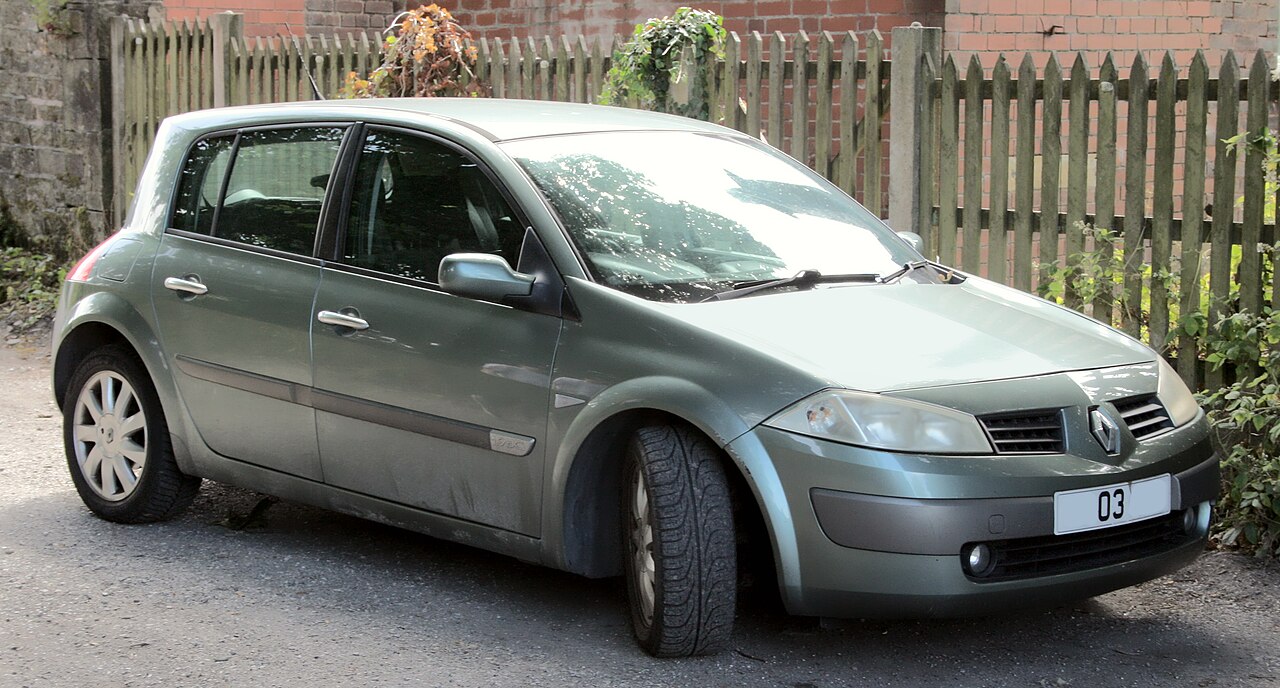
In June 2003, a Mégane II became the subject of the first ever live televised crash test with a real human driver at the wheel instead of a dummy — filmed by Top Gear.

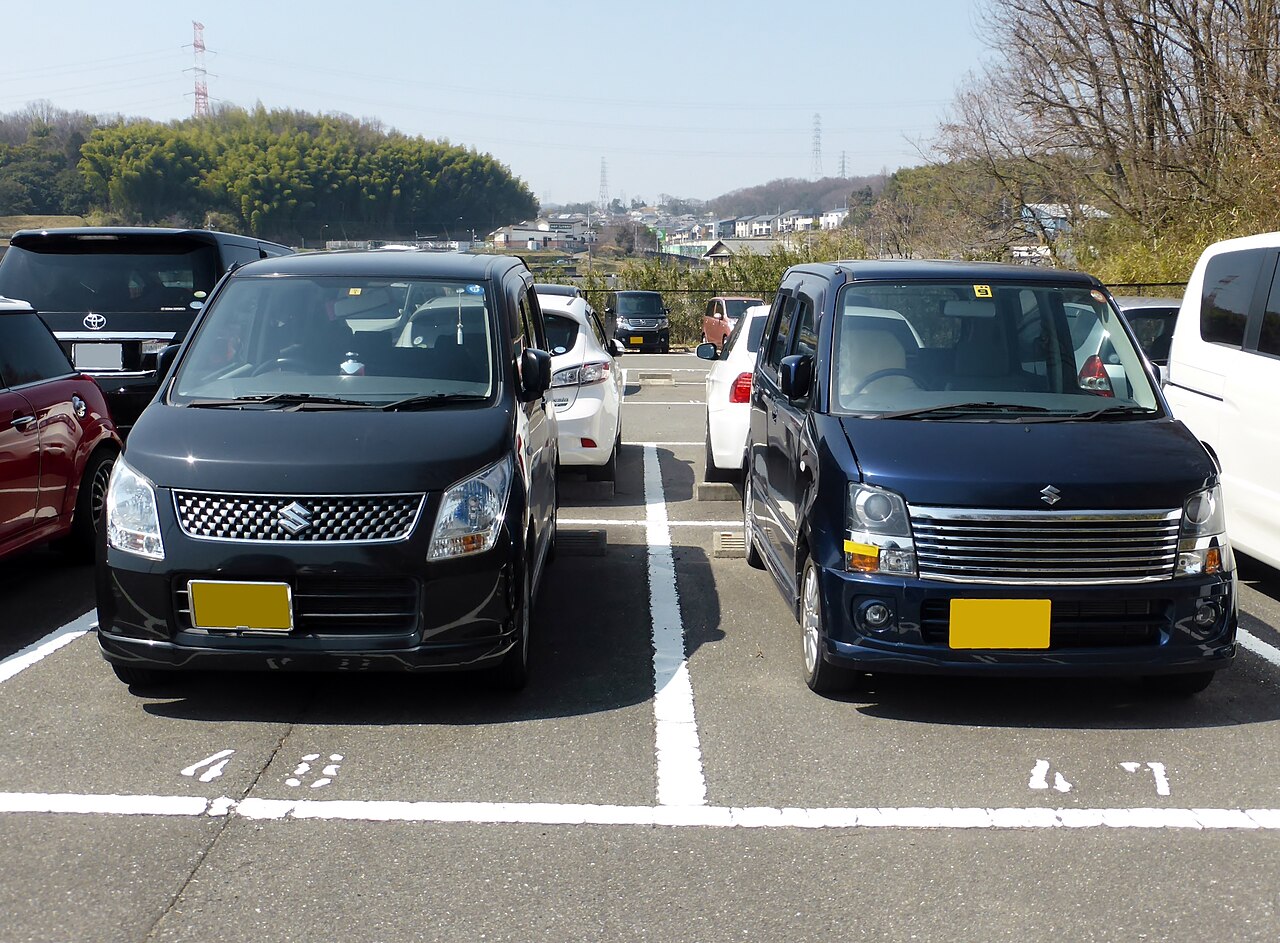
This Wagon R redesigned its rear doors specifically to kill off the D-pillar — bigger doors with built-in quarter glass solved what earlier generations needed a whole extra pillar for.

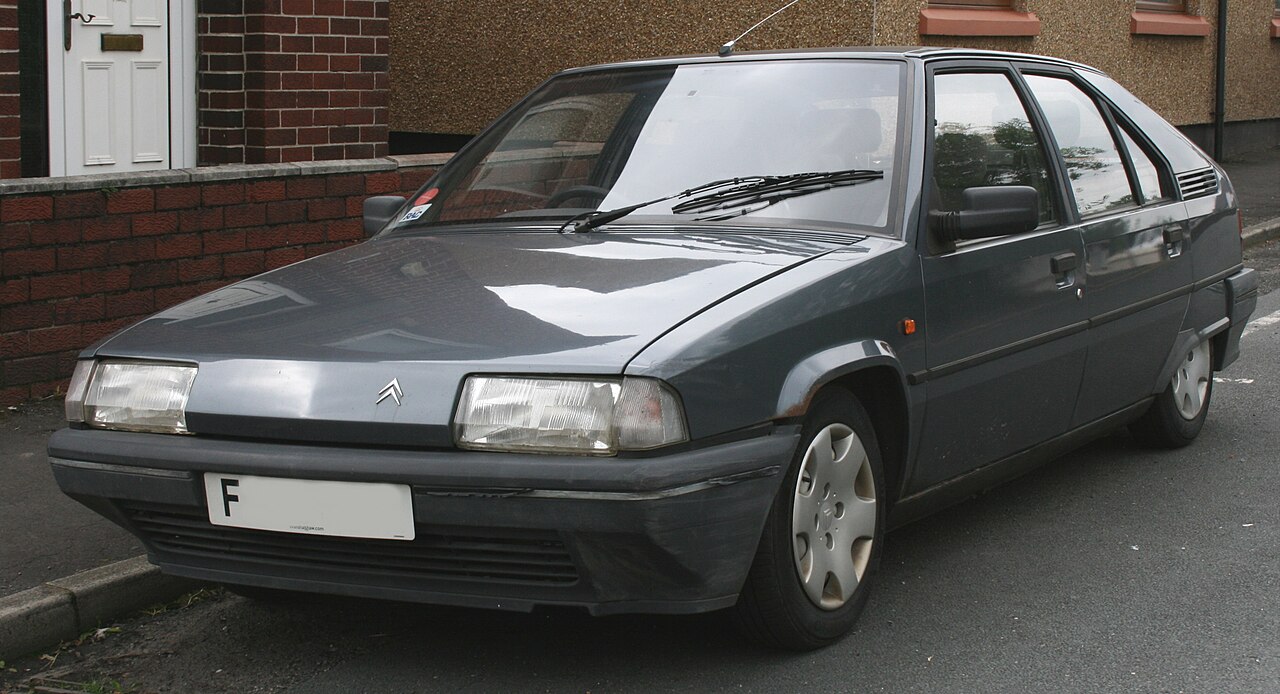
The BX was the UK's best-selling diesel car for four years from 1987, and 2,315,739 were built in all.

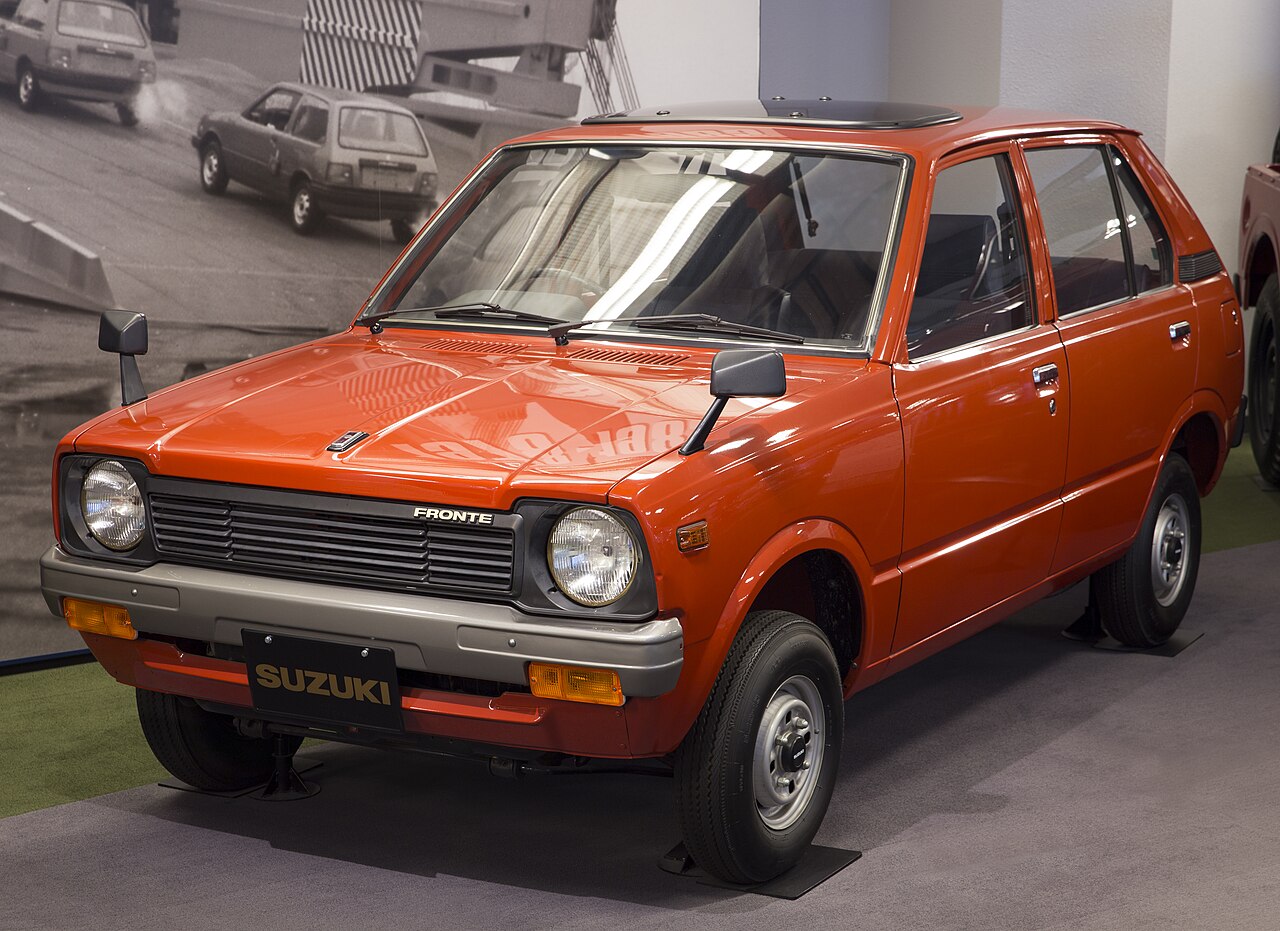
Six months before Suzuki retired the Fronte name for good, the CN11S's 796cc version was already being built in China under a completely different name: the Anchi 6330.

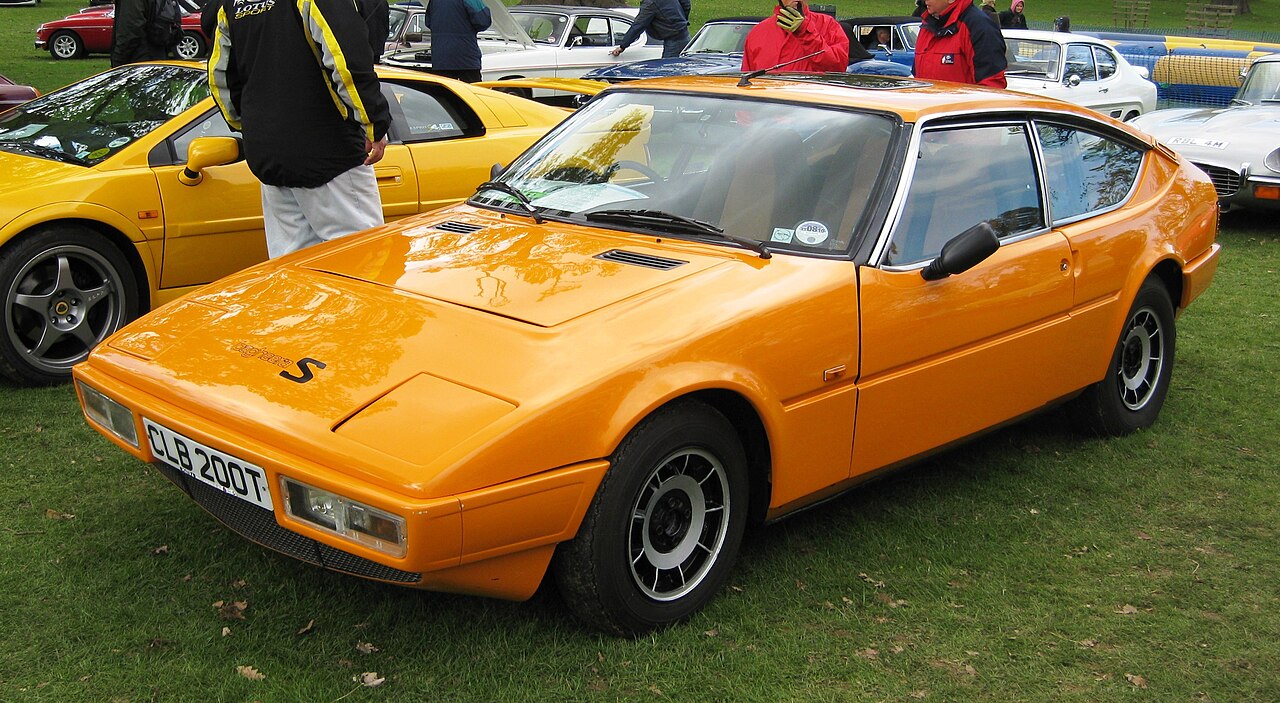
Built to use up Chrysler-Simca's parts bin, it took its engine and gearbox straight from the front-wheel-drive Simca 1100 but mounted them amidships instead.