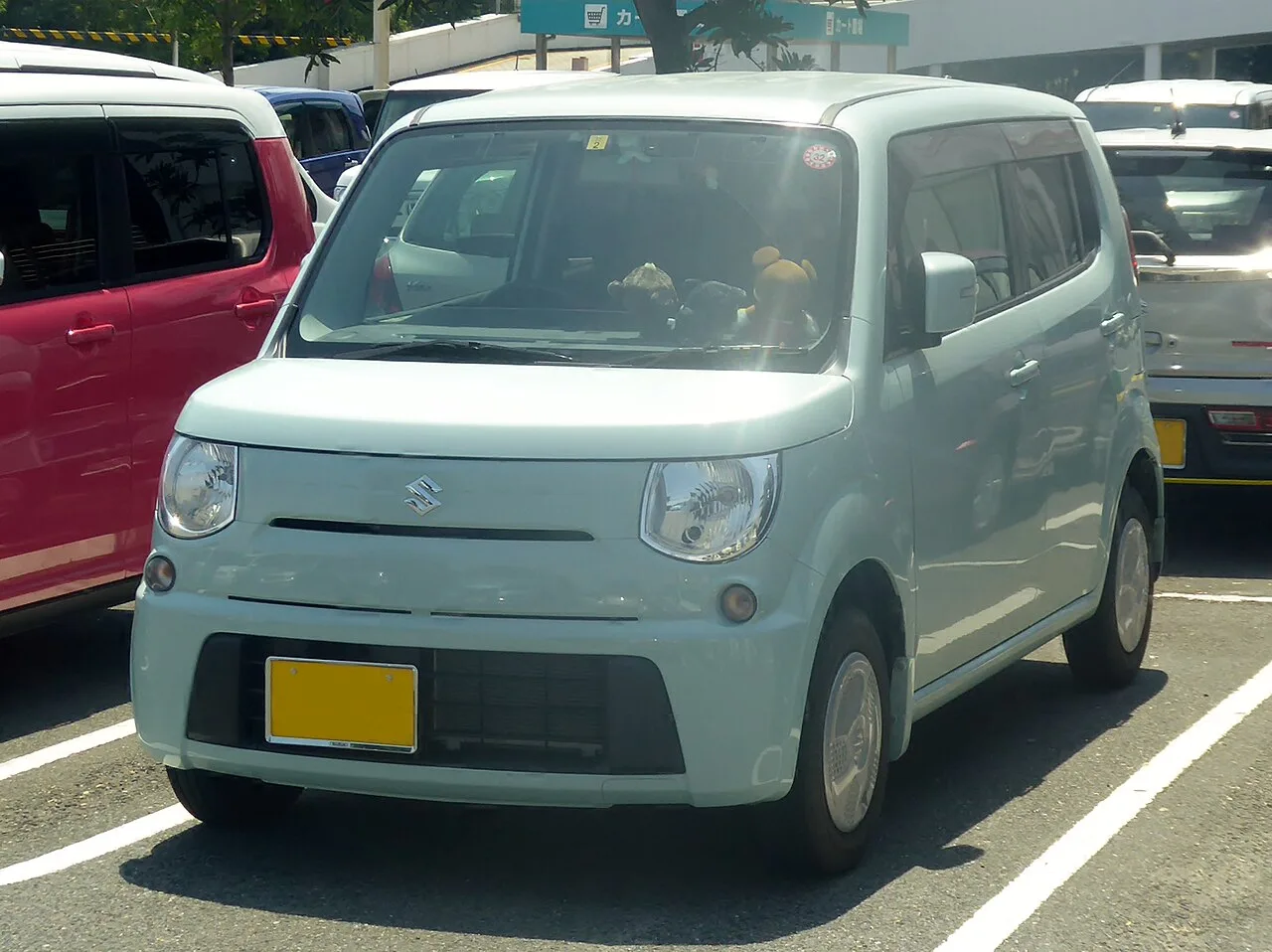
The MF33S MR Wagon wasn't just another kei box — Wikipedia calls it the most fuel-efficient wagon in the entire kei class.
Median 81 hp across 233 similar cars
Lead trim: MR Wagon 658 cc R06A VVT DOHC (11.0:1) · up to 63 hp
Suzuki MR Wagon third generation MF33SMF33S · 2011–2016
- 0spots by members
- Unclaimednobody has spotted one yet
- 0sets it belongs to
Nobody in Burbles has spotted a Suzuki MR Wagon third generation MF33S yet. See one on the street, point the app at it, and the first card is yours — with your @handle permanently credited on this page.
FactThe MF33S MR Wagon wasn't just another kei box — Wikipedia calls it the most fuel-efficient wagon in the entire kei class.
The third-generation MR Wagon (MF33S) was launched in Japan on 20 January 2011, with the Nissan Moco following a month later, and has the all-new Suzuki R engine, which has variable valve timing and an unusually high 11.0:1 compression ratio for the naturally aspirated version, with a CVT. From 2013 the engines gained stop-start and other technology to lower consumption and emissions, making it the most fuel-efficient wagon in the kei class. In July 2013 the better-equipped MR Wagon Wit with a chromed grille arrived (the turbo engine restricted to the Wit TS, the rest with the naturally aspirated engine) and Nissan received the sister Moco Dolce in October. Suzuki announced the end of MR Wagon production in December 2015; its sales ended on 31 March 2016 and the Moco's on 31 May 2016.
Collectors Spotted in the Suzuki MR Wagon Lineage
No member has published a public street spot of the Suzuki MR Wagon yet — the First · Worldwide stamp is wide open.
Trims & Figures
2 published trims in the catalogue. A blank is a figure not recorded, not zero.
| Trim | Years | Engine | Power | Torque | 0–60 | Drive | Gearbox | MSRP |
|---|---|---|---|---|---|---|---|---|
| MR Wagon 658 cc R06A VVT DOHC (11.0:1) | 2011–2016 | 0.7 L Inline-3 | 53 hp | 46 lb-ft | — | — | — | — |
| MR Wagon Wit TS 658 cc R06A VVT DOHC turbo | 2013–2016 | 0.7 L Inline-3 | 63 hp | 72 lb-ft | — | — | — | — |
Owning one
We don’t estimate running costs for a car like this. What it costs depends on its condition, its specialist and how it is driven, and an average would mislead.
Owners’ builds
Nobody has claimed one yet.
Photographs
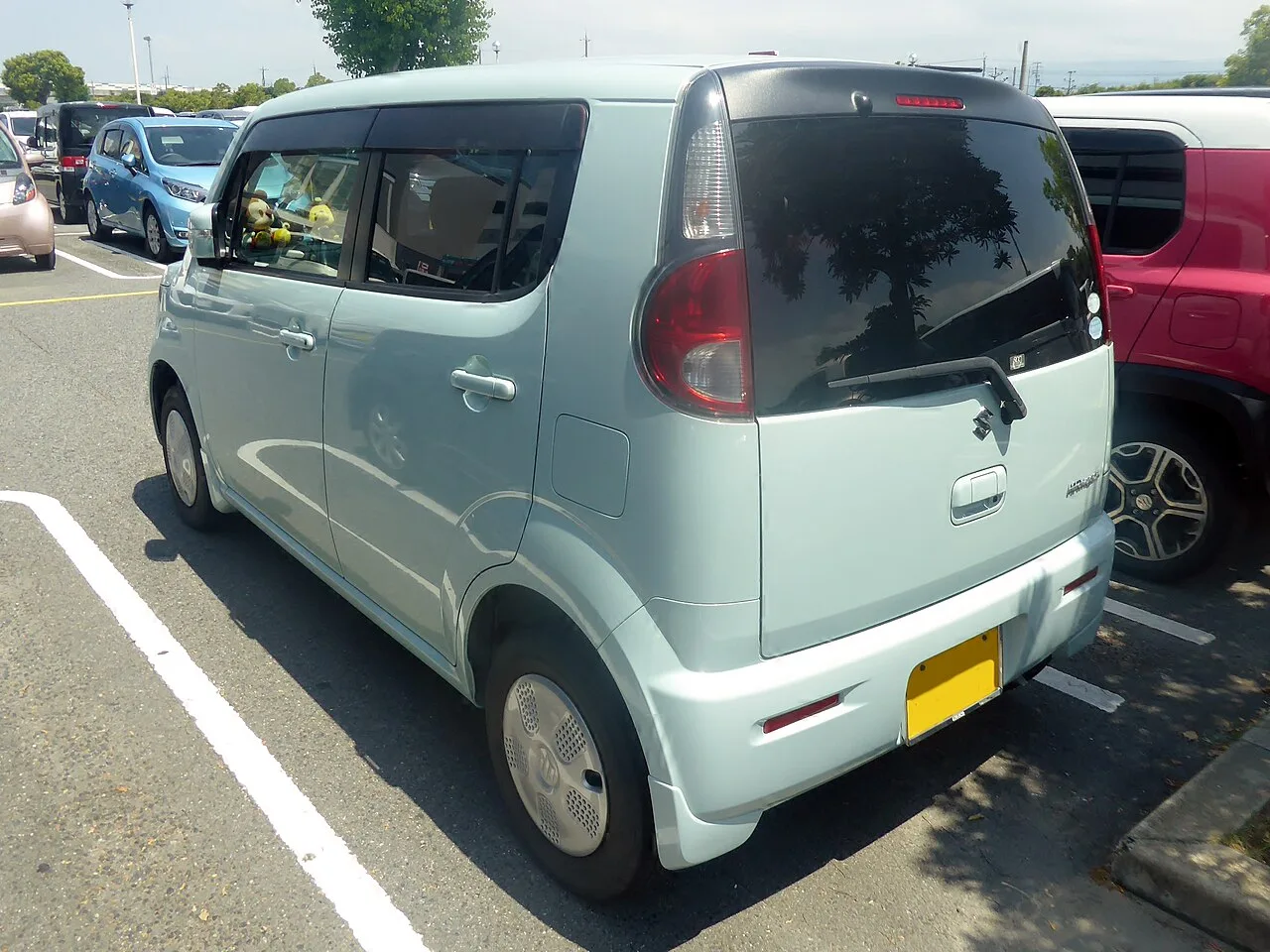
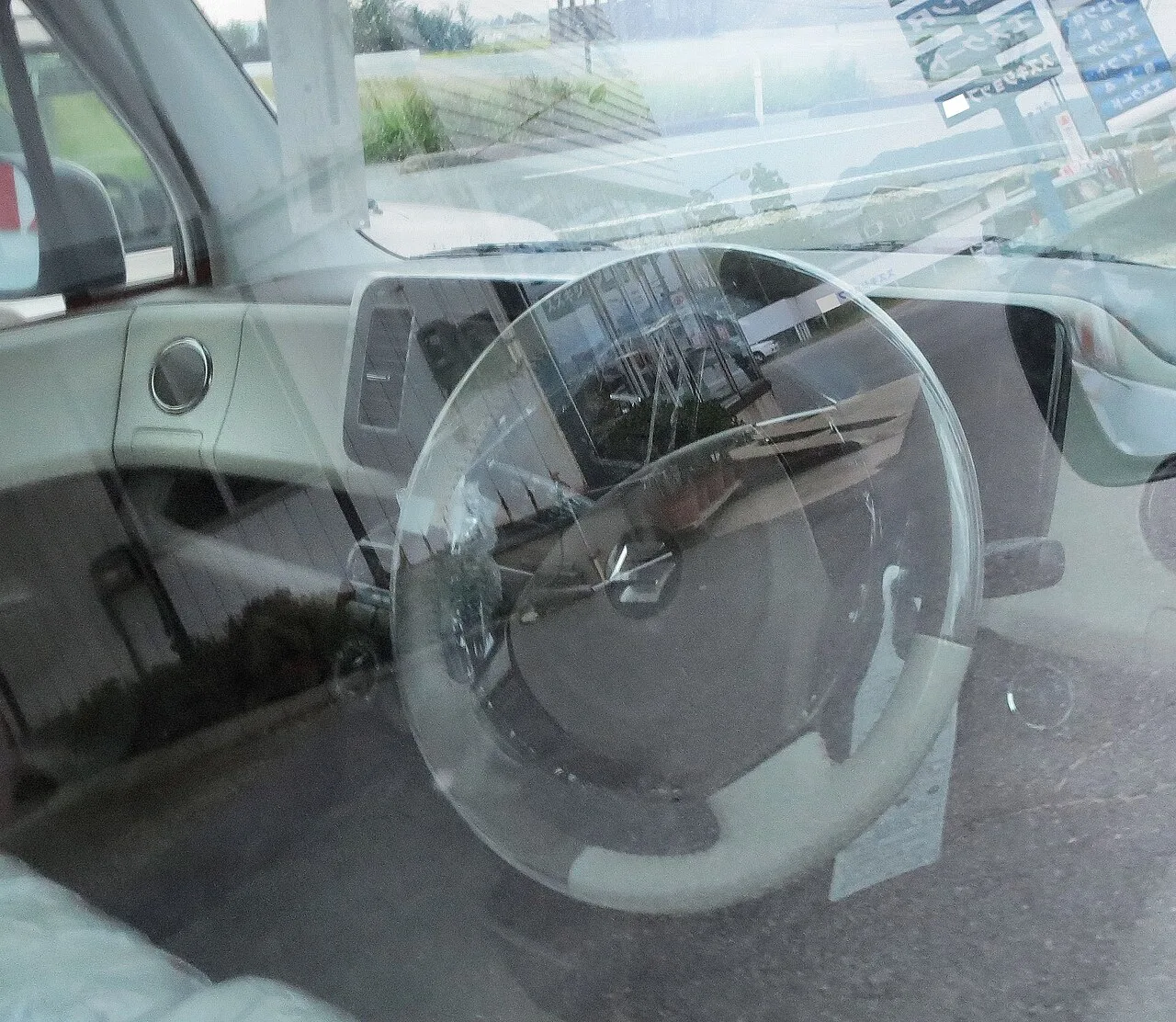
The MF33S MR Wagon wasn't just another kei box — Wikipedia calls it the most fuel-efficient wagon in the entire kei class.
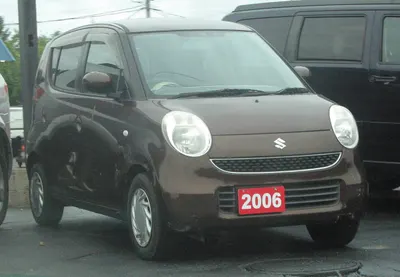
Suzuki designed this MR Wagon around actual 4-year-olds: engineers studied how small children climbed in and out of the back seat, which shaped the door opening angle and a built-in step.
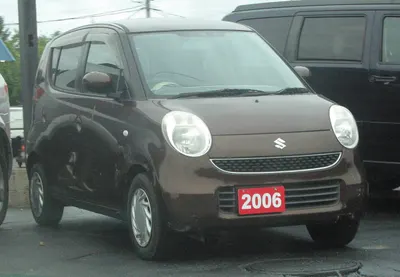
In 2005 Suzuki turned this tiny kei car into a hydrogen fuel-cell test mule, co-developing the powertrain with General Motors.
Rivals
Same body, same money, other badges — tap any card to flip.
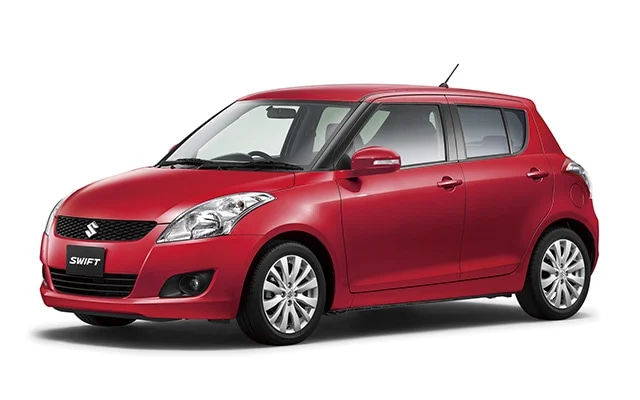
Japan was a minor market for the Swift: when it passed 2 million sales in 2011, about 39% were in India and 27% in Europe, against roughly 15% at home.
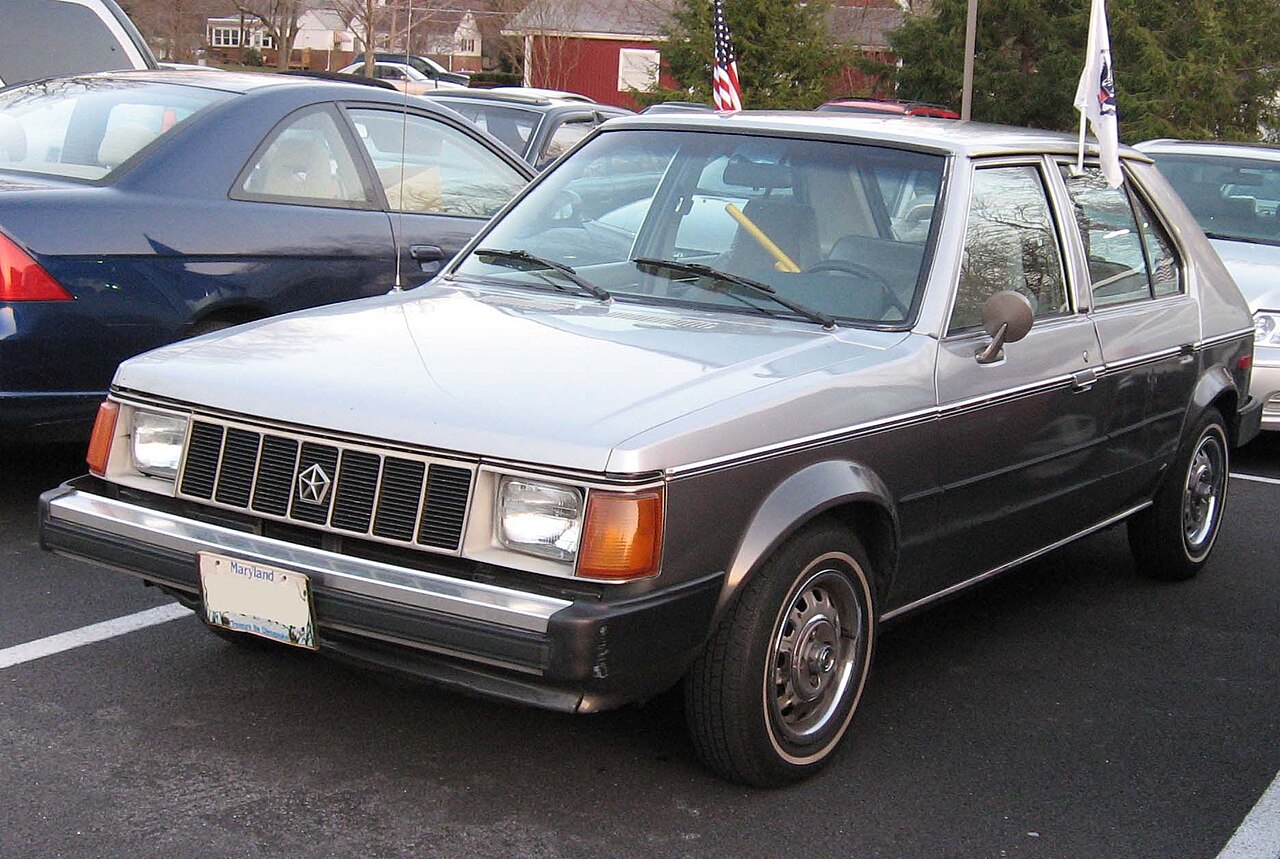
To adapt the Horizon for America, Chrysler bought nearly 100 Volkswagen Rabbits purely to reverse engineer them.
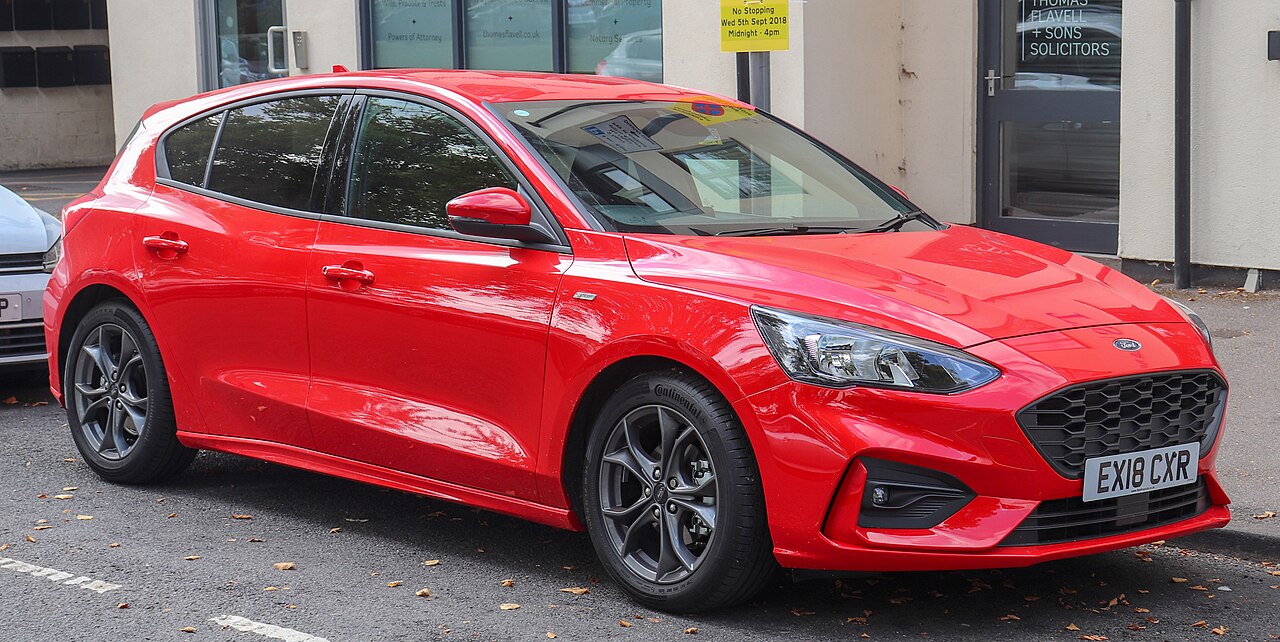
The Mk3 Focus RS's AWD system could send 100 percent of engine power to the rear wheels alone — built not in Ford's home country, but at the Saarlouis plant in Germany.
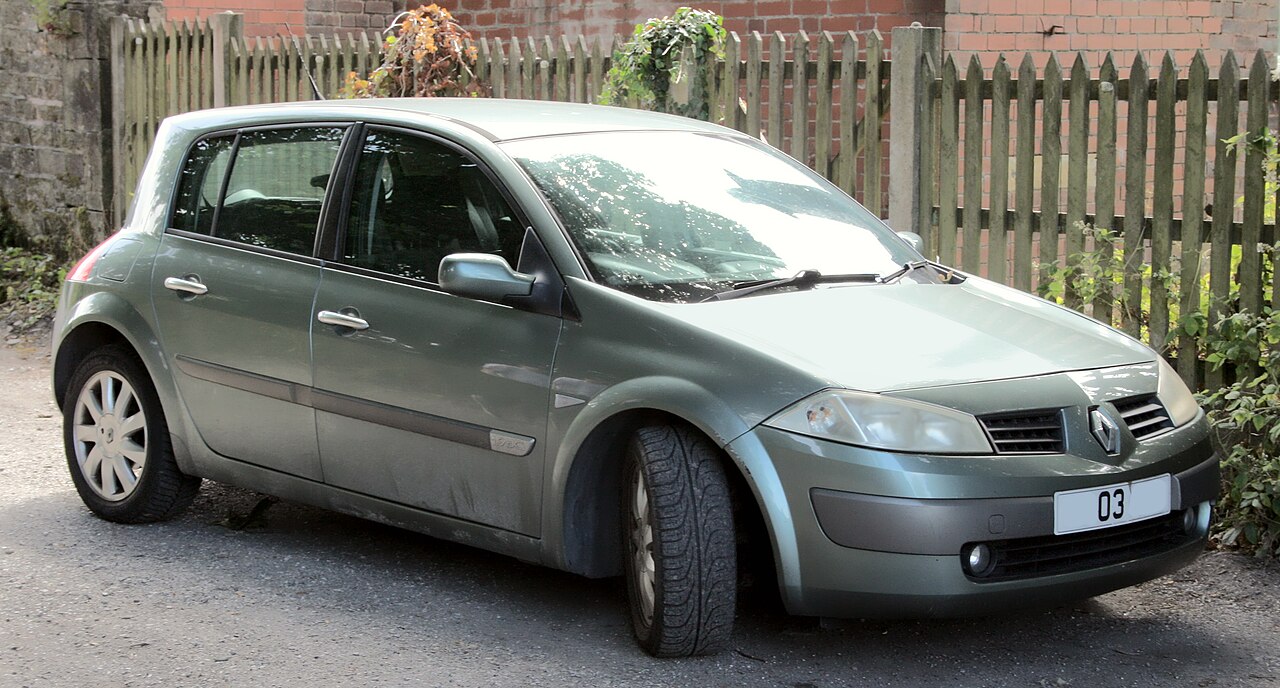
In June 2003, a Mégane II became the subject of the first ever live televised crash test with a real human driver at the wheel instead of a dummy — filmed by Top Gear.
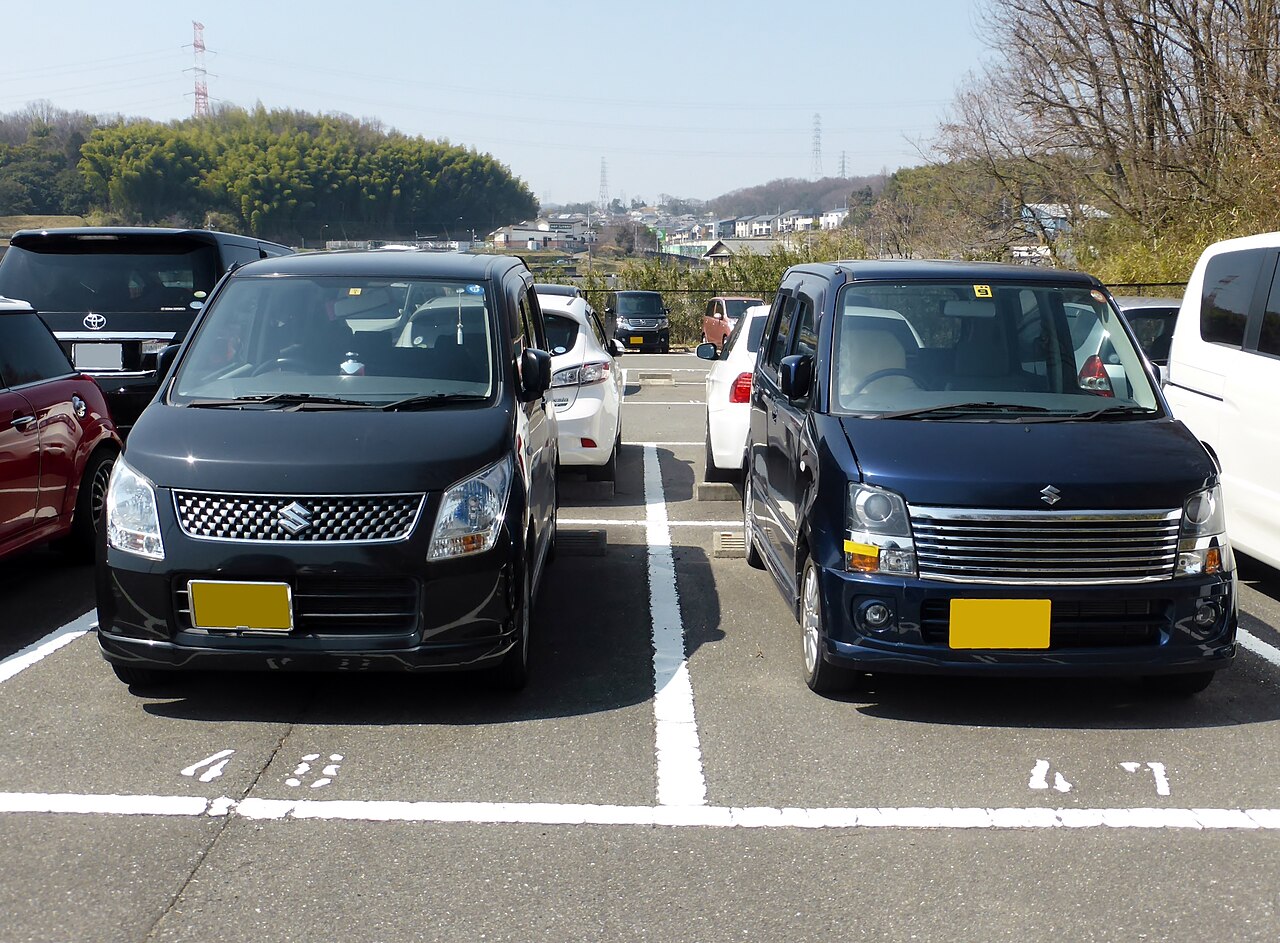
This Wagon R redesigned its rear doors specifically to kill off the D-pillar — bigger doors with built-in quarter glass solved what earlier generations needed a whole extra pillar for.
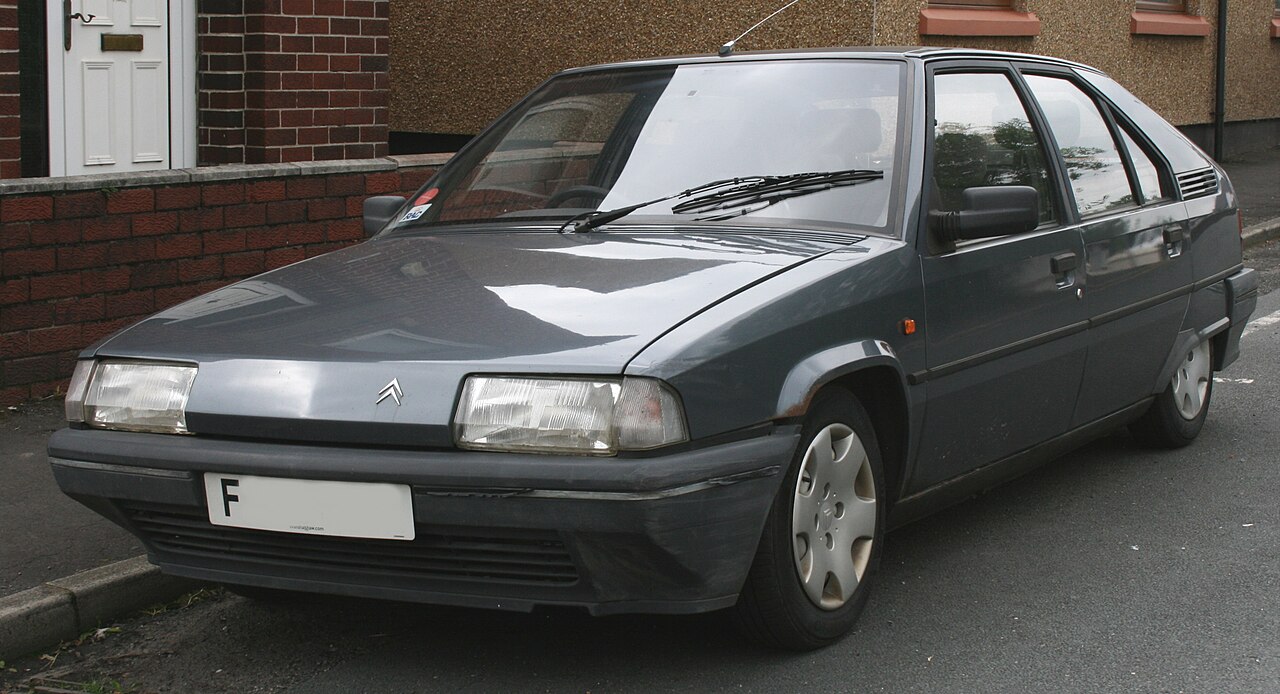
The BX was the UK's best-selling diesel car for four years from 1987, and 2,315,739 were built in all.
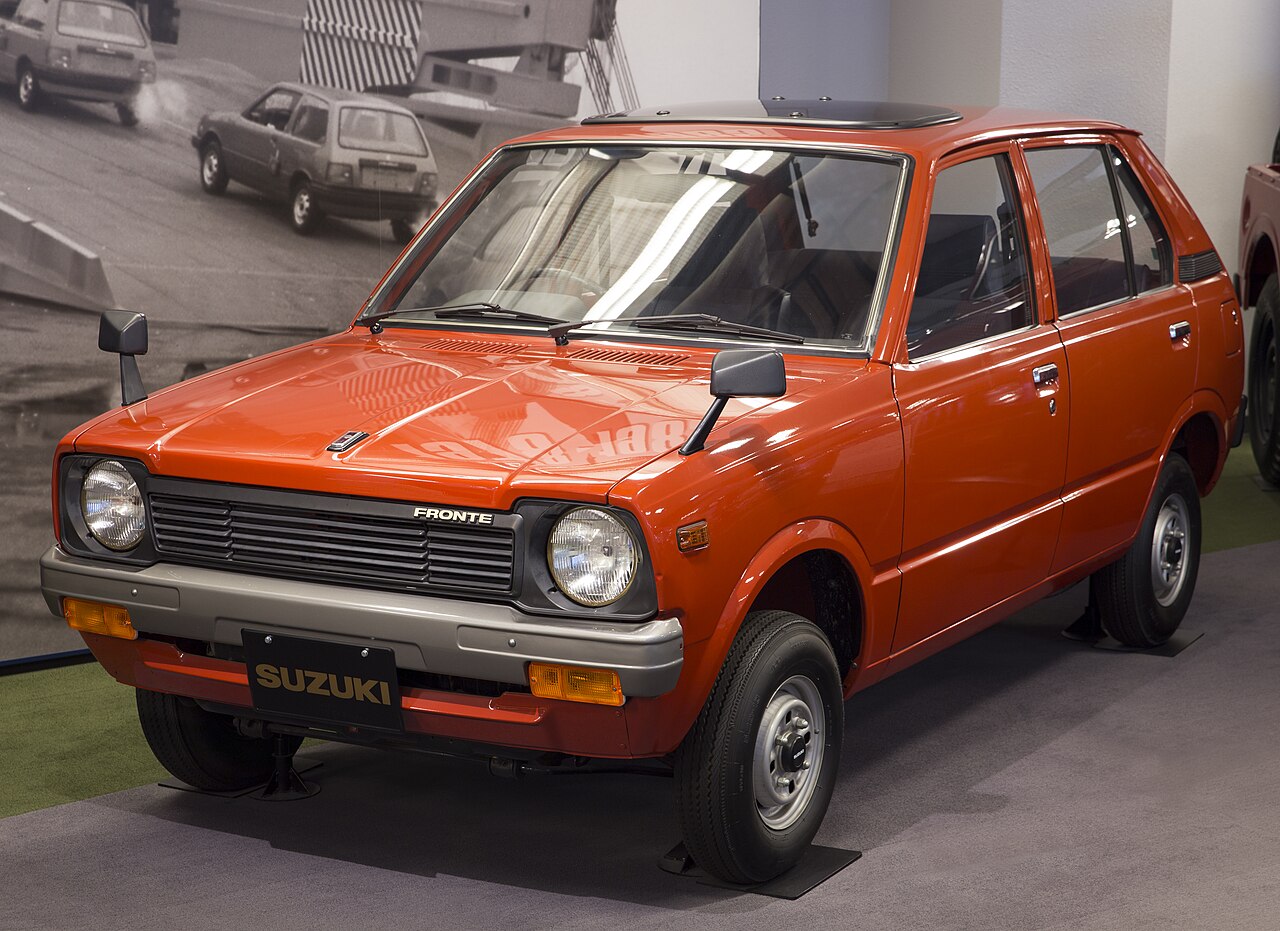
Six months before Suzuki retired the Fronte name for good, the CN11S's 796cc version was already being built in China under a completely different name: the Anchi 6330.
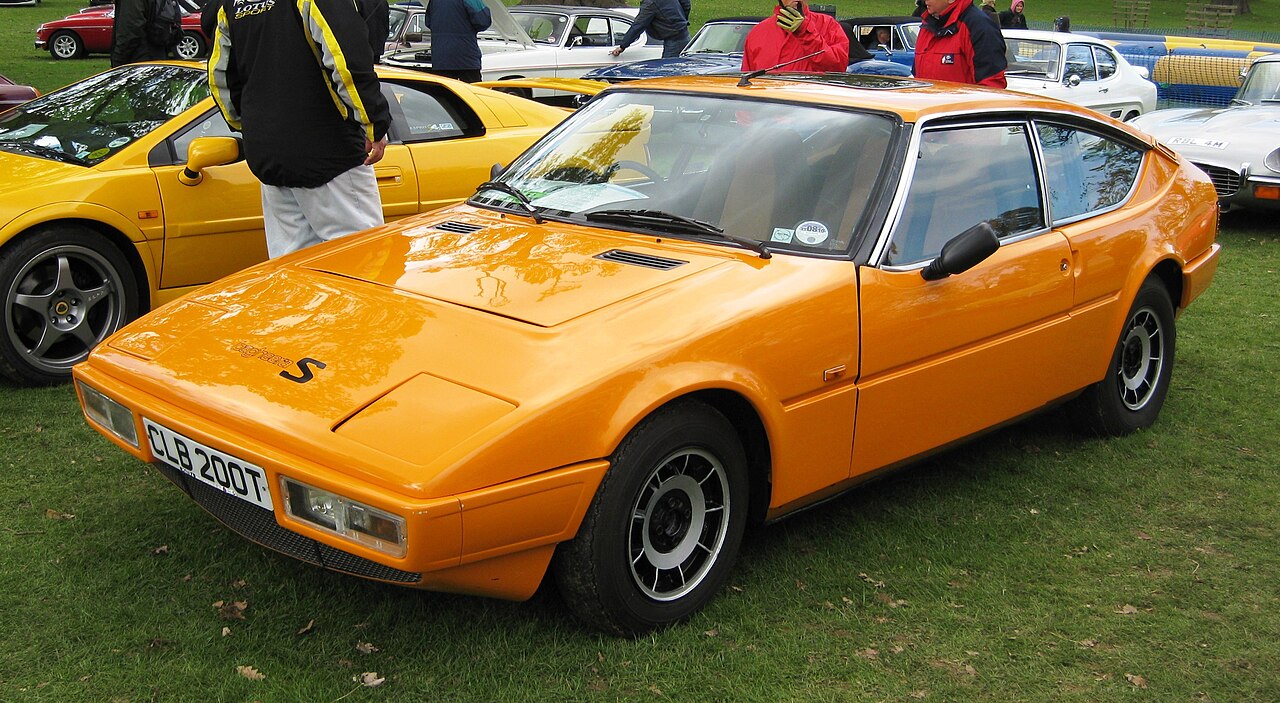
Built to use up Chrysler-Simca's parts bin, it took its engine and gearbox straight from the front-wheel-drive Simca 1100 but mounted them amidships instead.