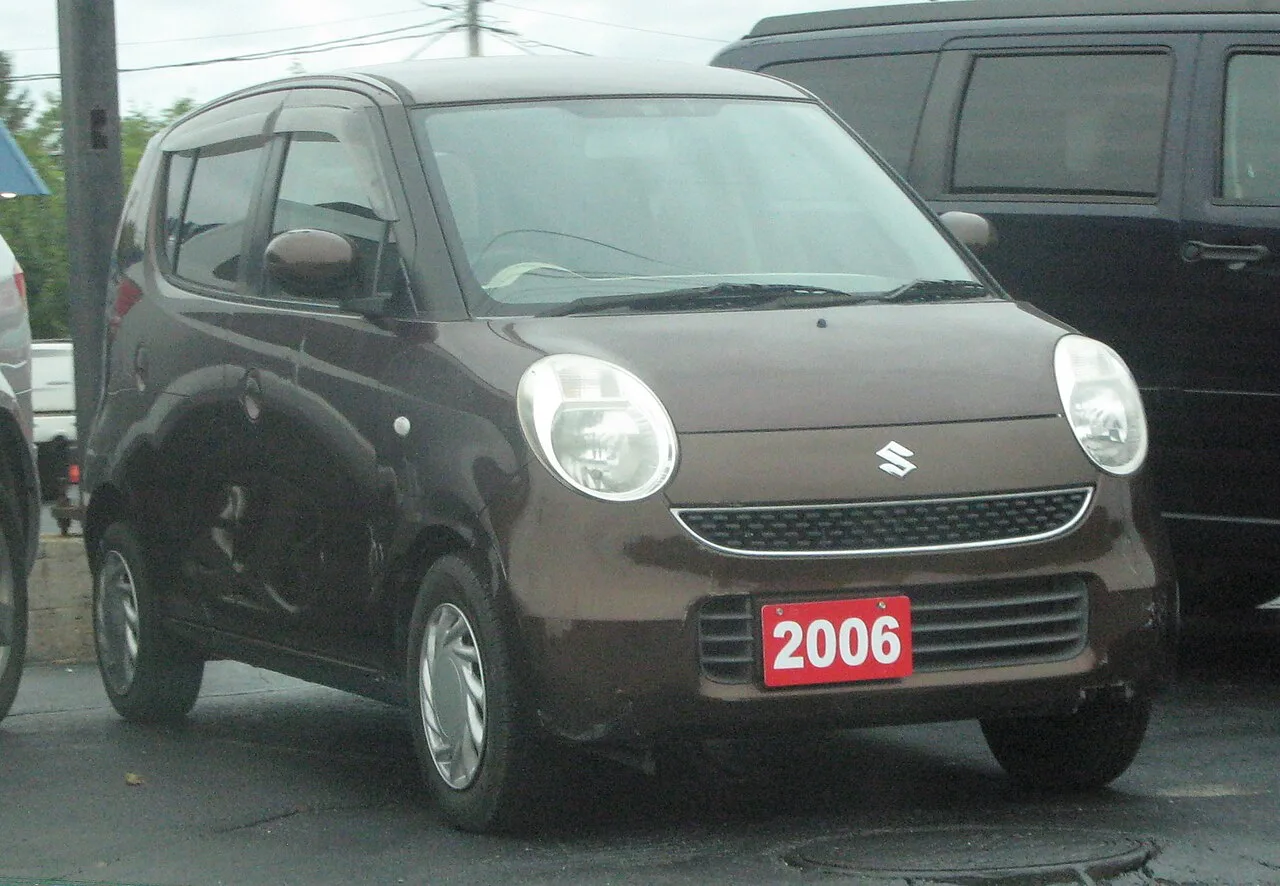
In 2005 Suzuki turned this tiny kei car into a hydrogen fuel-cell test mule, co-developing the powertrain with General Motors.
Median 74 hp across 205 similar cars
Lead trim: MR Wagon 658 cc K6A DOHC (54 PS) · up to 63 hp
Suzuki MR Wagon first generation MF21SMF21S/MF31S · 2001–2006
- 0spots by members
- Unclaimednobody has spotted one yet
- 0sets it belongs to
Nobody in Burbles has spotted a Suzuki MR Wagon first generation MF21S yet. See one on the street, point the app at it, and the first card is yours — with your @handle permanently credited on this page.
FactIn 2005 Suzuki turned this tiny kei car into a hydrogen fuel-cell test mule, co-developing the powertrain with General Motors.
The Suzuki MR Wagon is a 4-seater kei car built by Suzuki for the Japanese market only and also sold in Japan by Nissan as the Nissan Moco under an OEM agreement; the "MR" stands for "Magical Relax", not a mid-engine, rear-drive layout. After appearing at the 33rd Tokyo Motor Show in 1999, the first generation went on sale on 4 December 2001 with the K6A kei engine, naturally aspirated (54 PS) or turbocharged (60 PS, later 64 PS, the maximum kei regulations allow), in front- or all-wheel drive with a four-speed transmission with column shift; the torque figures were 61 and 84 N·m (45 and 62 lb·ft), later 103 N·m (76 lb·ft) for the turbo. A hydrogen fuel cell vehicle based on it, co-developed with General Motors, was presented in 2005; the sporty MR Wagon A-Limited special edition of April 2005 had a lower ride height, 14-inch alloys and a spoiler-and-skirt body kit, and production ended in December 2005, with the slower-selling MR Wagon Sports series available from stock until June 2006. The Nissan Moco version (shown at the 35th Tokyo Motor Show in October 2001, on sale on 10 April 2002) differed by its "wing" grille resembling the P12 Primera and outsold the Suzuki at about 3,000–4,000 units a month. The first generation was also built in India by Maruti Suzuki as the Zen Estilo from December 2006 (1.1-litre F10D four-cylinder, 64 PS and 63 lb·ft) and, after an August 2009 facelift, the Estilo with the 1.0-litre K10B three-cylinder (68 PS, 68 lb·ft), discontinued in February 2014 to make way for the Celerio, and in Indonesia as the Suzuki Karimun Estilo from 2007 to 2012; only the Japanese-market K6A engines are entered here as trims.
Collectors Spotted in the Suzuki MR Wagon Lineage
No member has published a public street spot of the Suzuki MR Wagon yet — the First · Worldwide stamp is wide open.
Trims & Figures
3 published trims in the catalogue. A blank is a figure not recorded, not zero.
| Trim | Years | Engine | Power | Torque | 0–60 | Drive | Gearbox | MSRP |
|---|---|---|---|---|---|---|---|---|
| MR Wagon 658 cc K6A DOHC (54 PS) | 2001–2006 | 0.7 L Inline-3 | 53 hp | 45 lb-ft | — | — | — | — |
| MR Wagon 658 cc K6A turbo DOHC (60 PS) | 2001–2006 | 0.7 L Inline-3 | 59 hp | 62 lb-ft | — | — | — | — |
| MR Wagon 658 cc K6A turbo DOHC (later 64 PS) | 2001–2006 | 0.7 L Inline-3 | 63 hp | 76 lb-ft | — | — | — | — |
Owning one
We don’t estimate running costs for a car like this. What it costs depends on its condition, its specialist and how it is driven, and an average would mislead.
Owners’ builds
Nobody has claimed one yet.
Photographs
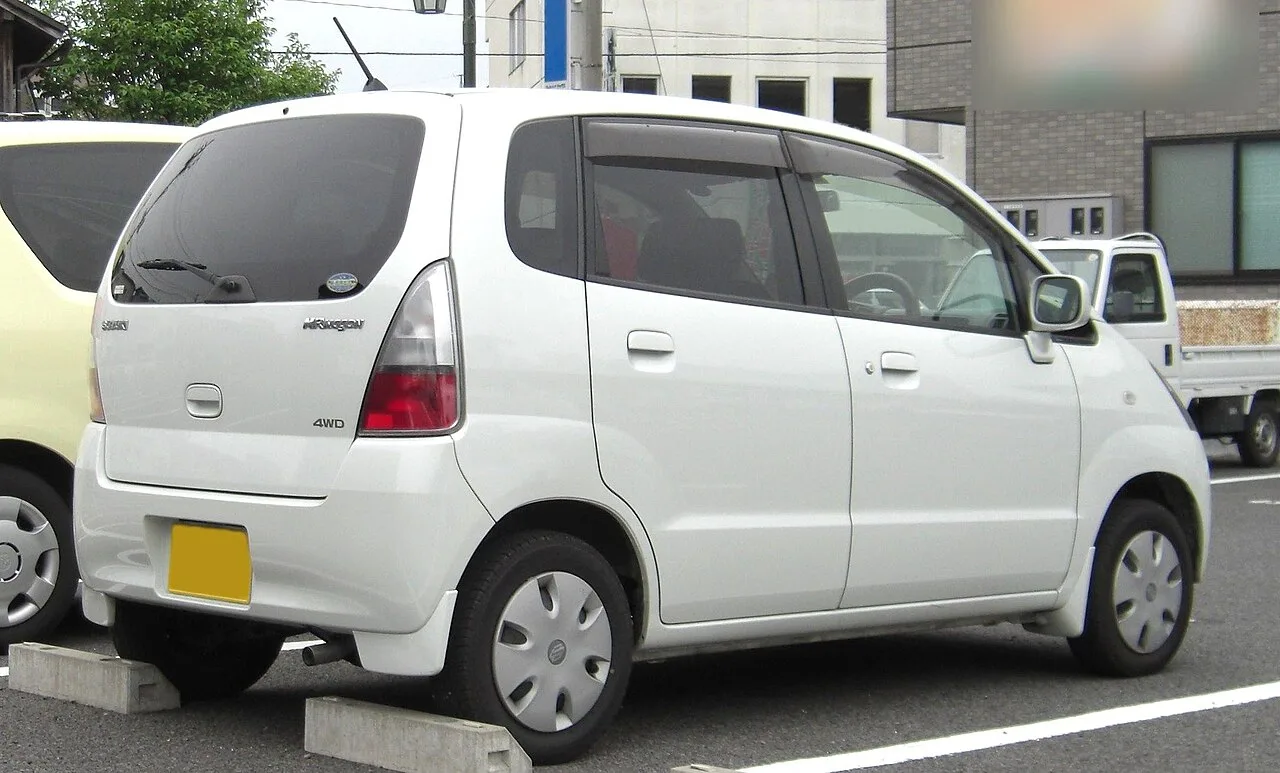
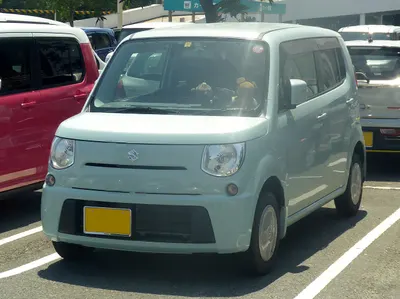
The MF33S MR Wagon wasn't just another kei box — Wikipedia calls it the most fuel-efficient wagon in the entire kei class.
Suzuki designed this MR Wagon around actual 4-year-olds: engineers studied how small children climbed in and out of the back seat, which shaped the door opening angle and a built-in step.
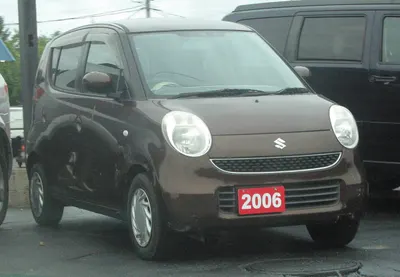
In 2005 Suzuki turned this tiny kei car into a hydrogen fuel-cell test mule, co-developing the powertrain with General Motors.
Rivals
Same body, same money, other badges — tap any card to flip.
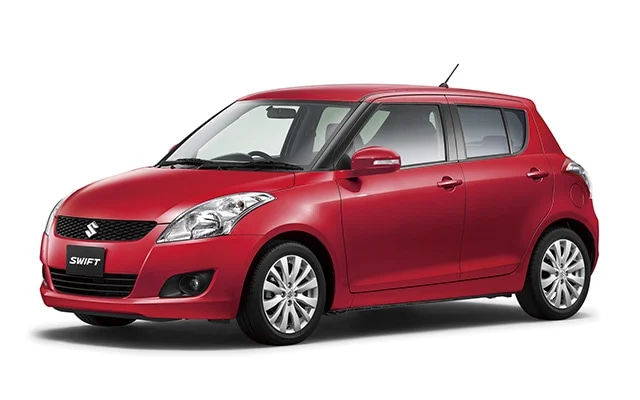
Japan was a minor market for the Swift: when it passed 2 million sales in 2011, about 39% were in India and 27% in Europe, against roughly 15% at home.
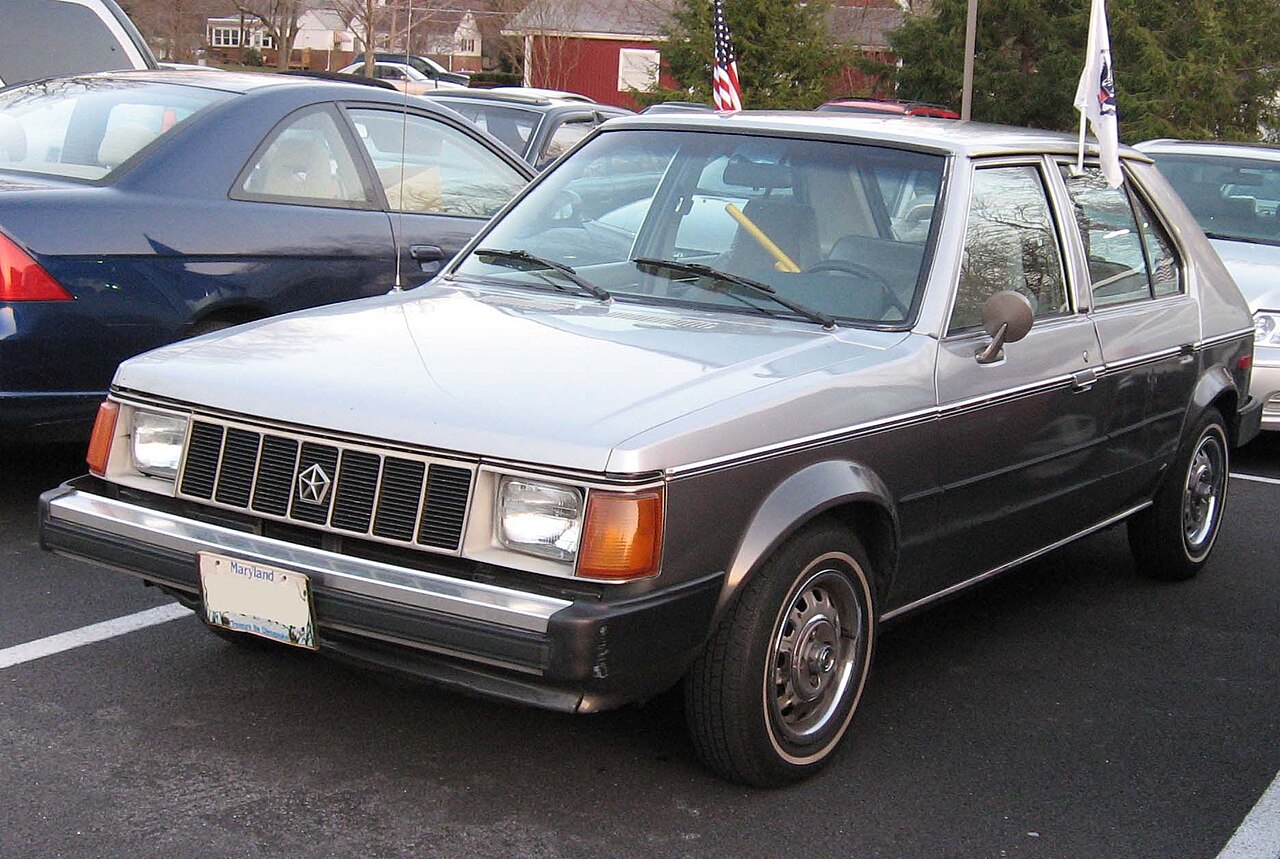
To adapt the Horizon for America, Chrysler bought nearly 100 Volkswagen Rabbits purely to reverse engineer them.
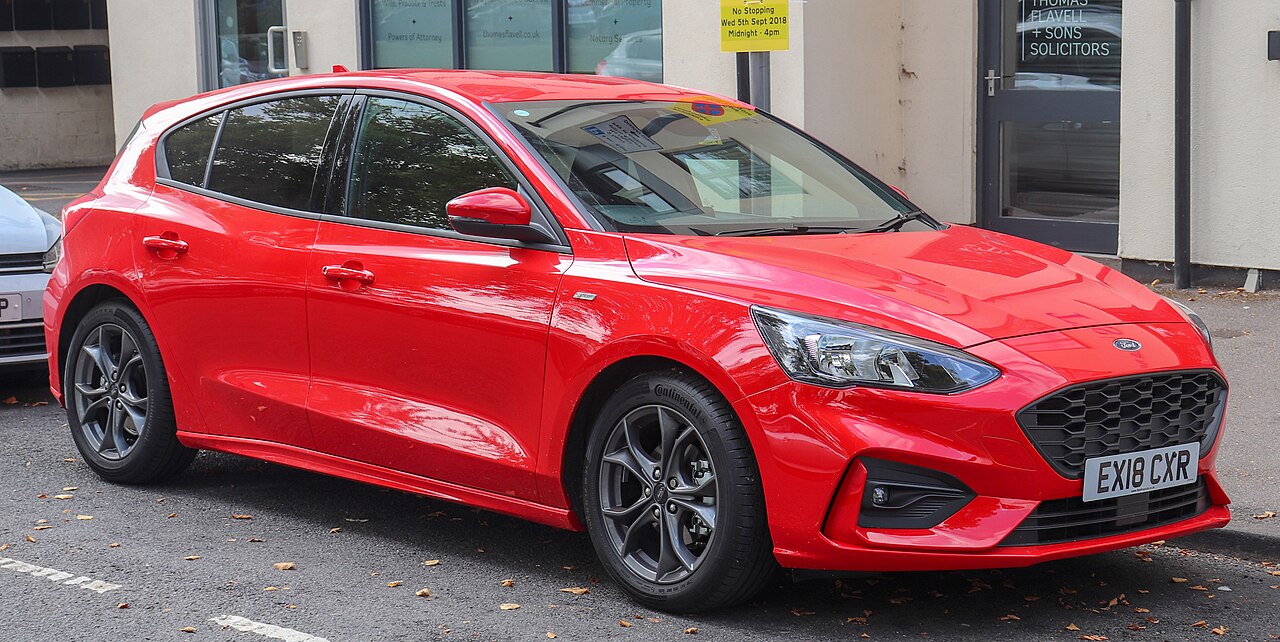
The Mk3 Focus RS's AWD system could send 100 percent of engine power to the rear wheels alone — built not in Ford's home country, but at the Saarlouis plant in Germany.
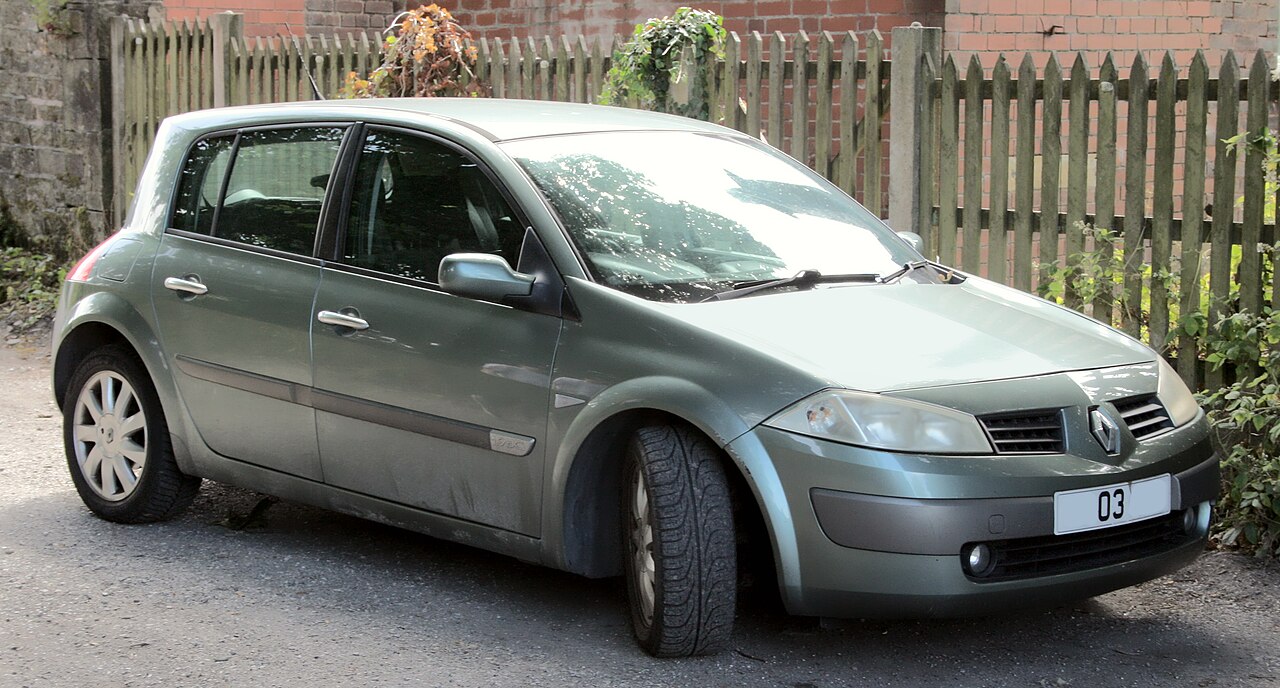
In June 2003, a Mégane II became the subject of the first ever live televised crash test with a real human driver at the wheel instead of a dummy — filmed by Top Gear.
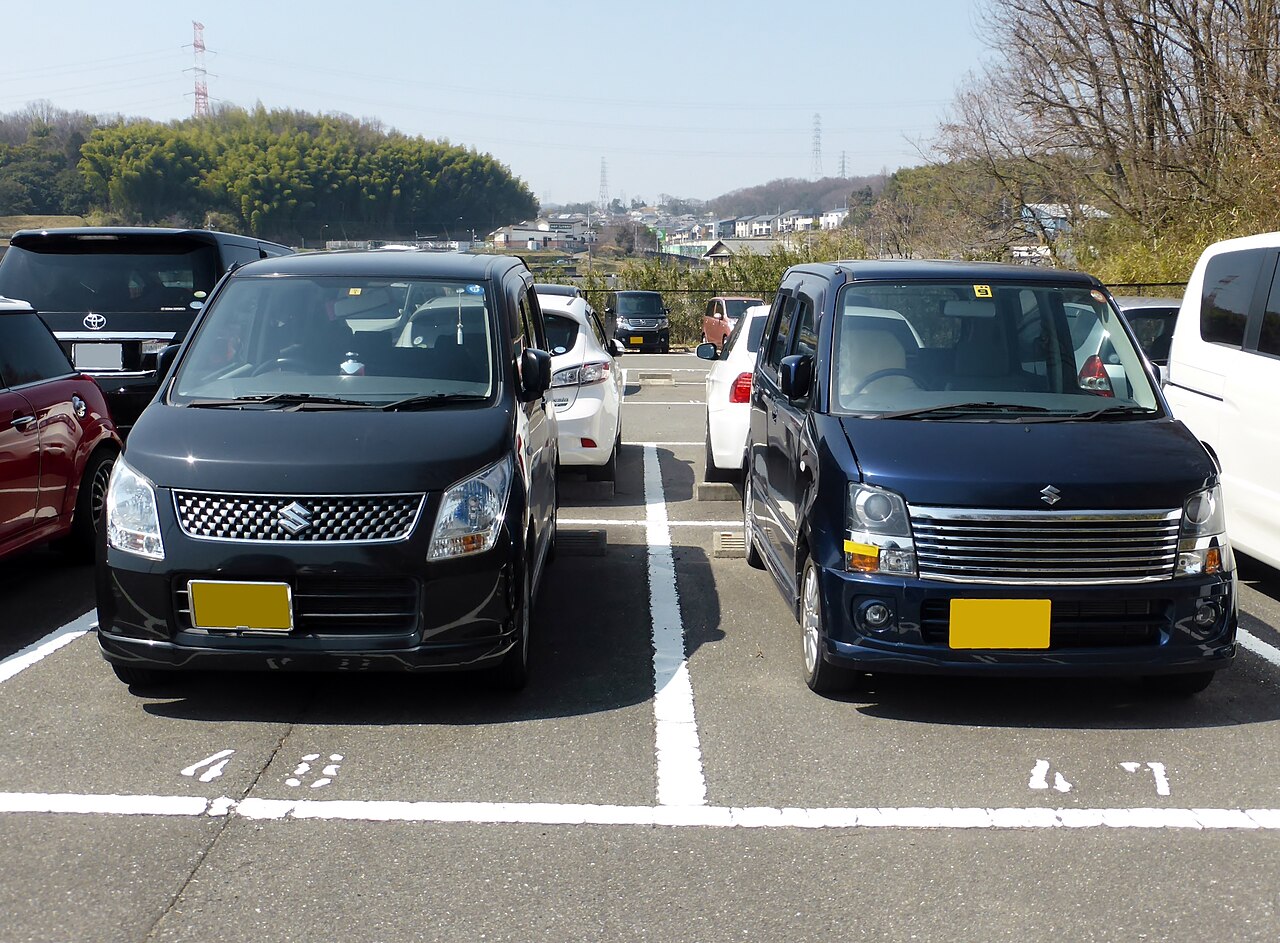
This Wagon R redesigned its rear doors specifically to kill off the D-pillar — bigger doors with built-in quarter glass solved what earlier generations needed a whole extra pillar for.
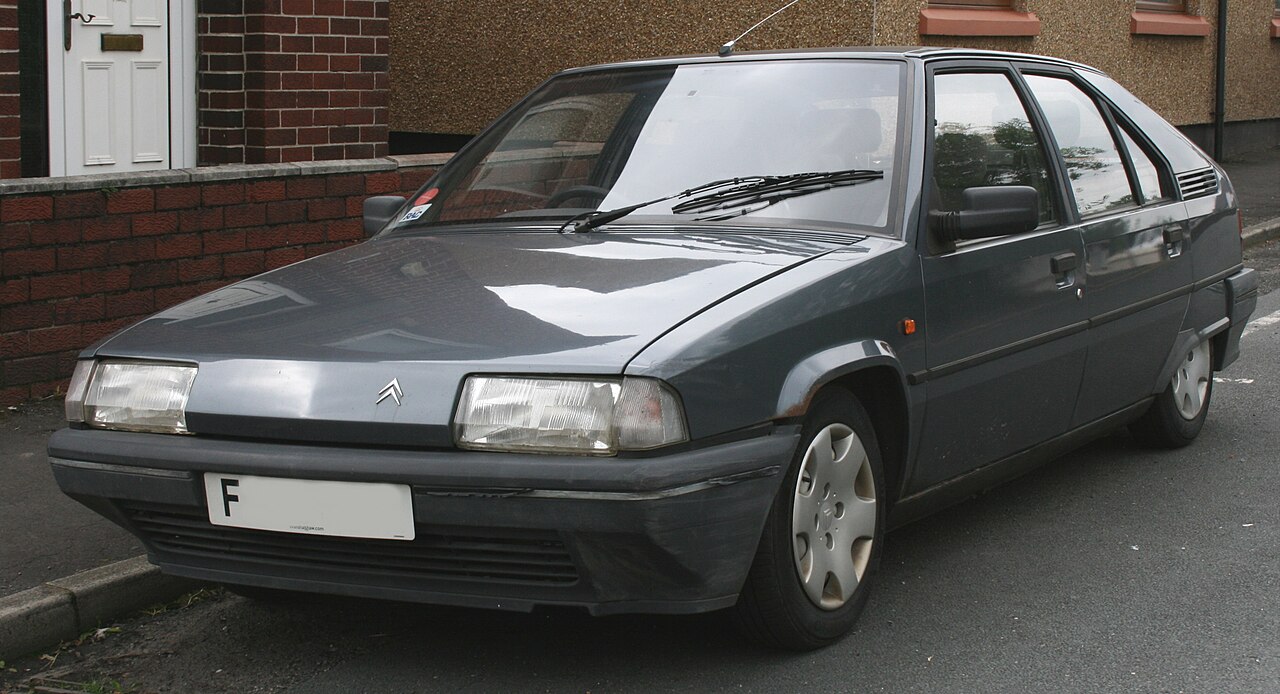
The BX was the UK's best-selling diesel car for four years from 1987, and 2,315,739 were built in all.
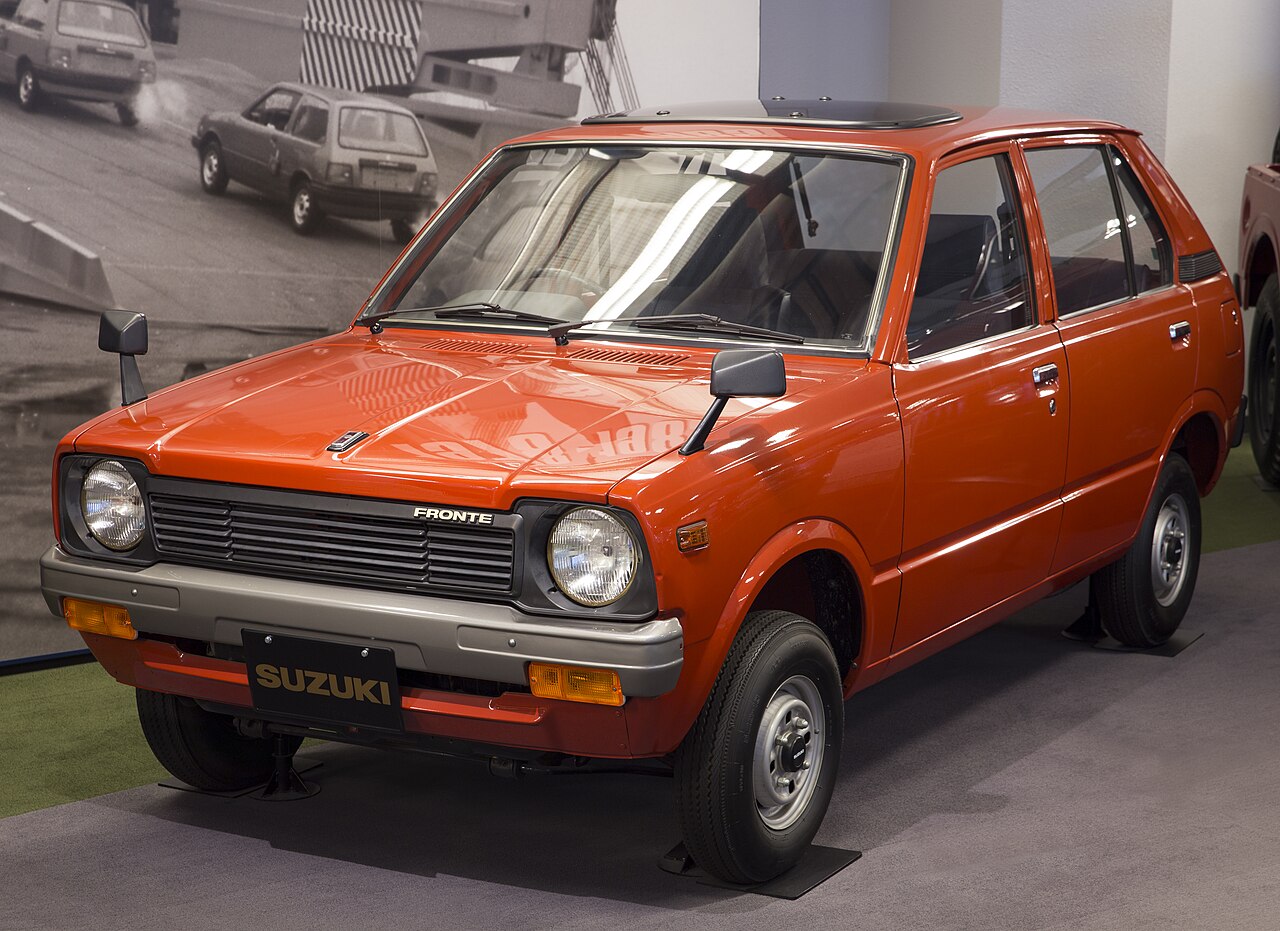
Six months before Suzuki retired the Fronte name for good, the CN11S's 796cc version was already being built in China under a completely different name: the Anchi 6330.
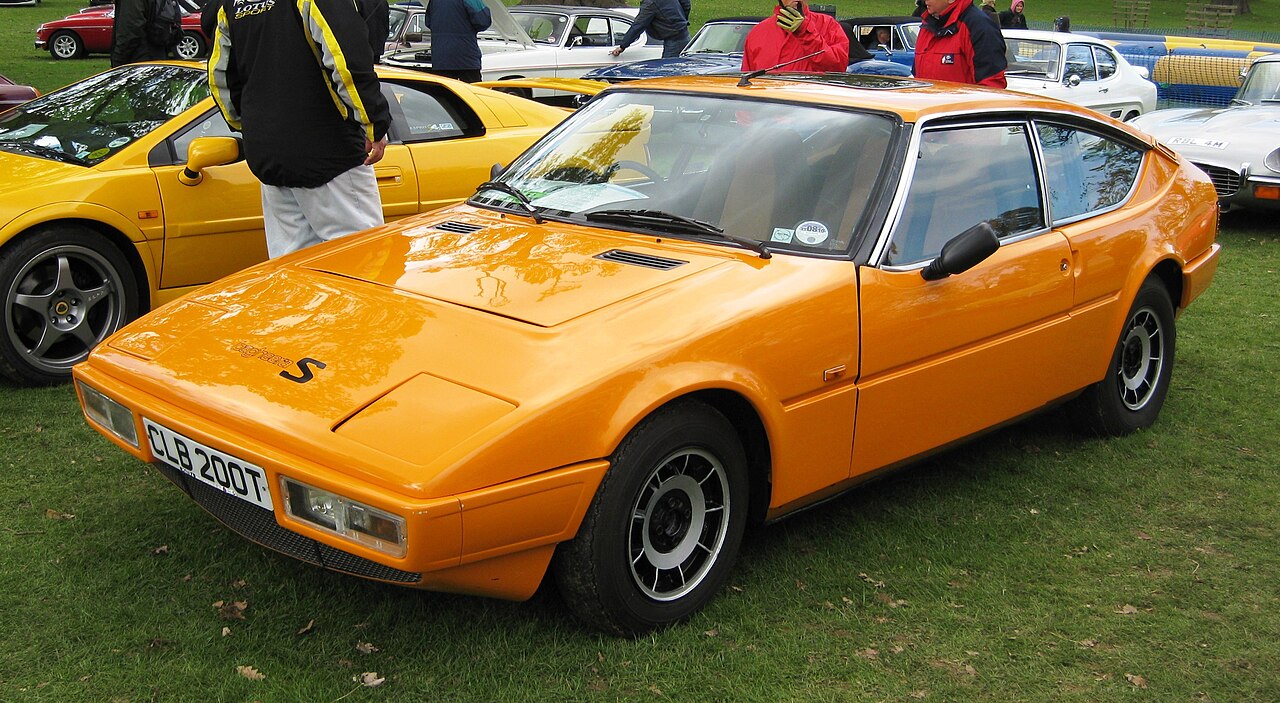
Built to use up Chrysler-Simca's parts bin, it took its engine and gearbox straight from the front-wheel-drive Simca 1100 but mounted them amidships instead.