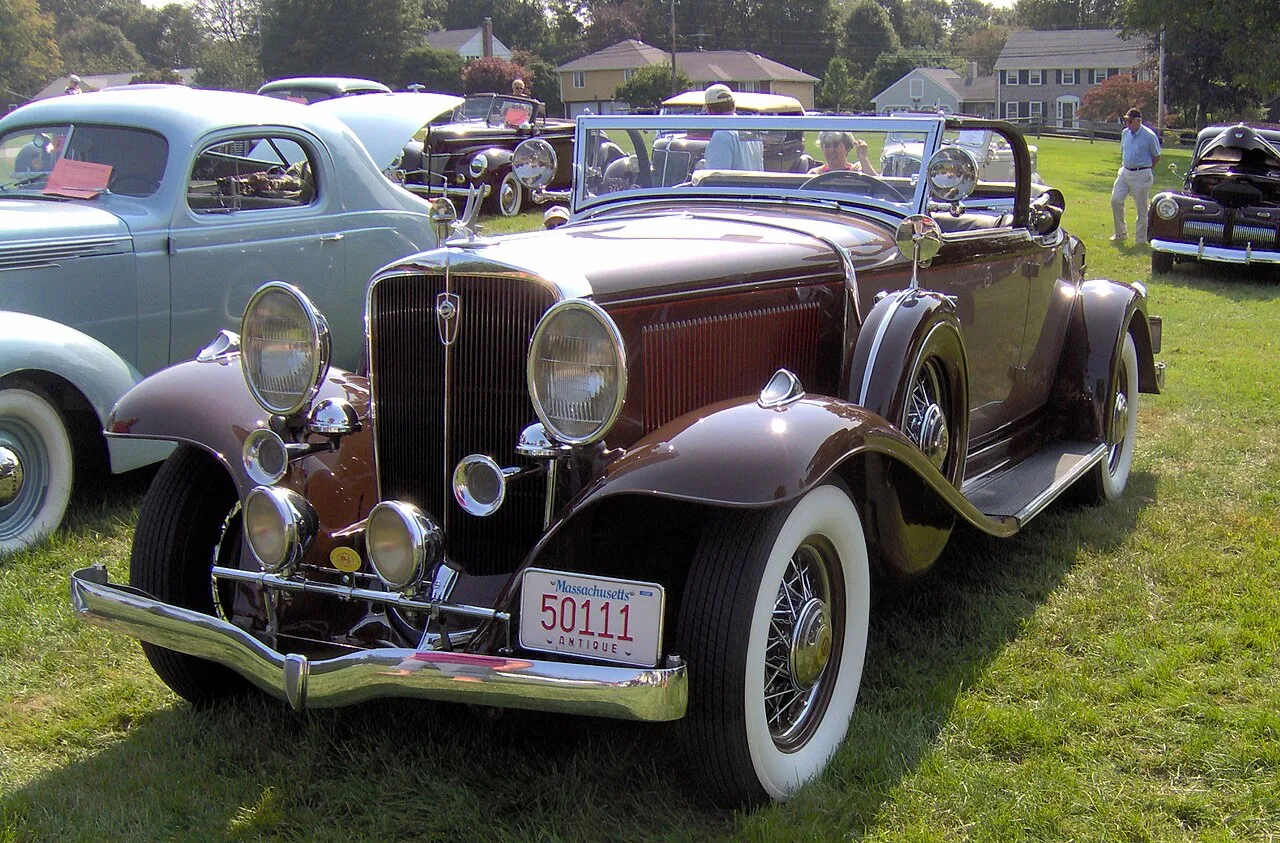
This President wasn't just a luxury flagship — it was a record-breaker. Studebaker's own land speed marks from 1928-1933 stood unbroken for the next 35 years.
Lead trim: President 354 cu in six (1926–1927) · up to 122 hp
Studebaker PresidentES · 1926–1933
- 0spots by members
- Unclaimednobody has spotted one yet
- 0sets it belongs to
Nobody in Burbles has spotted a Studebaker President yet. See one on the street, point the app at it, and the first card is yours — with your @handle permanently credited on this page.
FactThis President wasn't just a luxury flagship — it was a record-breaker. Studebaker's own land speed marks from 1928-1933 stood unbroken for the next 35 years.
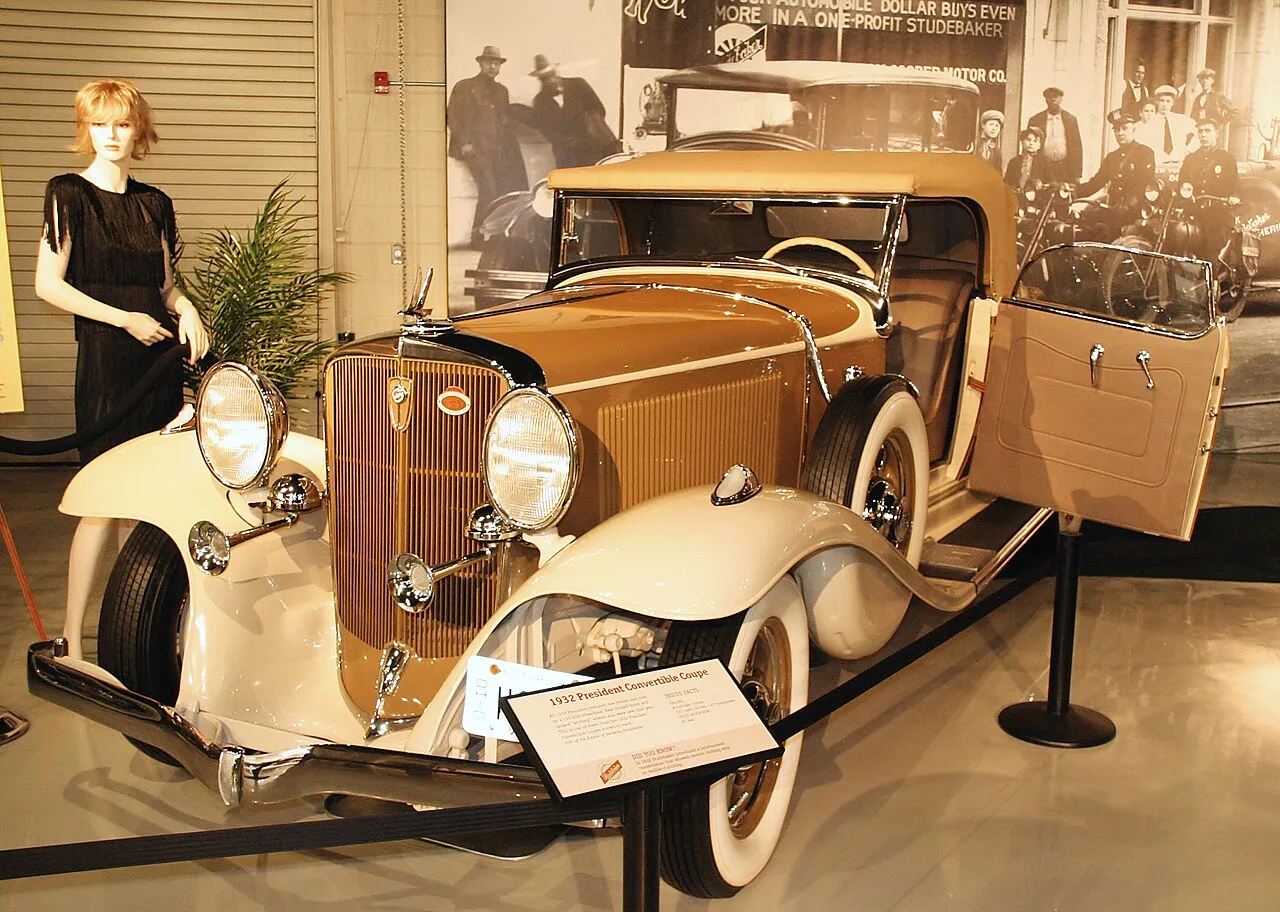
The Studebaker President was the premier Studebaker: the first car bearing the name was unveiled on July 23, 1926 (internally the ES model), powered by a 354 cu in (5,800 cc) six until the smaller and smoother straight-eight of 312.5 cu in (5,121 cc) appeared in January 1928; Albert Russel Erskine, Studebaker's president, spared no expense to make it the finest car on the American road, at $1,985 to $2,485, and Presidents of 1928 to 1933 set land speed records that stood for 35 years (118 stock car records in 1928; third in the 1932 Indianapolis 500). It benefited from engineering after Studebaker took control of Pierce-Arrow in 1928. The 1931 engine grew to 337 cu in (5,520 cc) with a crankshaft drilled for oil to each of nine main bearings, valve spring dampers and a straight-through muffler for 122 hp, plus modern filters, a Lanchester vibration damper and the oblong "Ovaloid" headlights; the CCCA recognises the 38,403 8-cylinder FA and FB Presidents of 1928 and those of 1929–1933 as full classics. Studebaker went into receivership during 1933–34 and Erskine took his own life.
Collectors Spotted in the Studebaker President Lineage
No member has published a public street spot of the Studebaker President yet — the First · Worldwide stamp is wide open.
Trims & Figures
3 published trims in the catalogue. A blank is a figure not recorded, not zero.
| Trim | Years | Engine | Power | Torque | 0–60 | Drive | Gearbox | MSRP |
|---|---|---|---|---|---|---|---|---|
| President 312.5 cu in straight-eight (from January 1928) | 1928–1930 | 5.1 L Inline-8 | 100 hp | — | — | RWD | — | — |
| President 337 cu in straight-eight (122 hp, 1931–1933) | 1931–1933 | 5.5 L Inline-8 | 122 hp | — | — | RWD | — | — |
| President 354 cu in six (1926–1927) | 1926–1927 | 5.8 L | 75 hp | — | — | RWD | — | — |
Owning one
We don’t estimate running costs for a car like this. What it costs depends on its condition, its specialist and how it is driven, and an average would mislead.
Owners’ builds
Nobody has claimed one yet.
Photographs
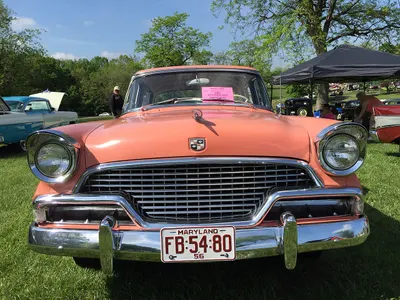
By the end, Packard wasn't really Packard anymore — its last cars in 1957-58 were built on this Studebaker President's own platform.
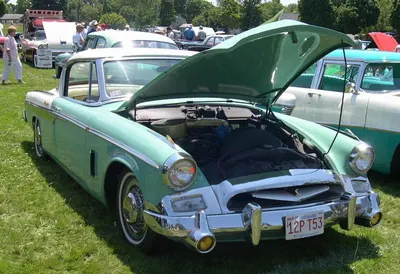
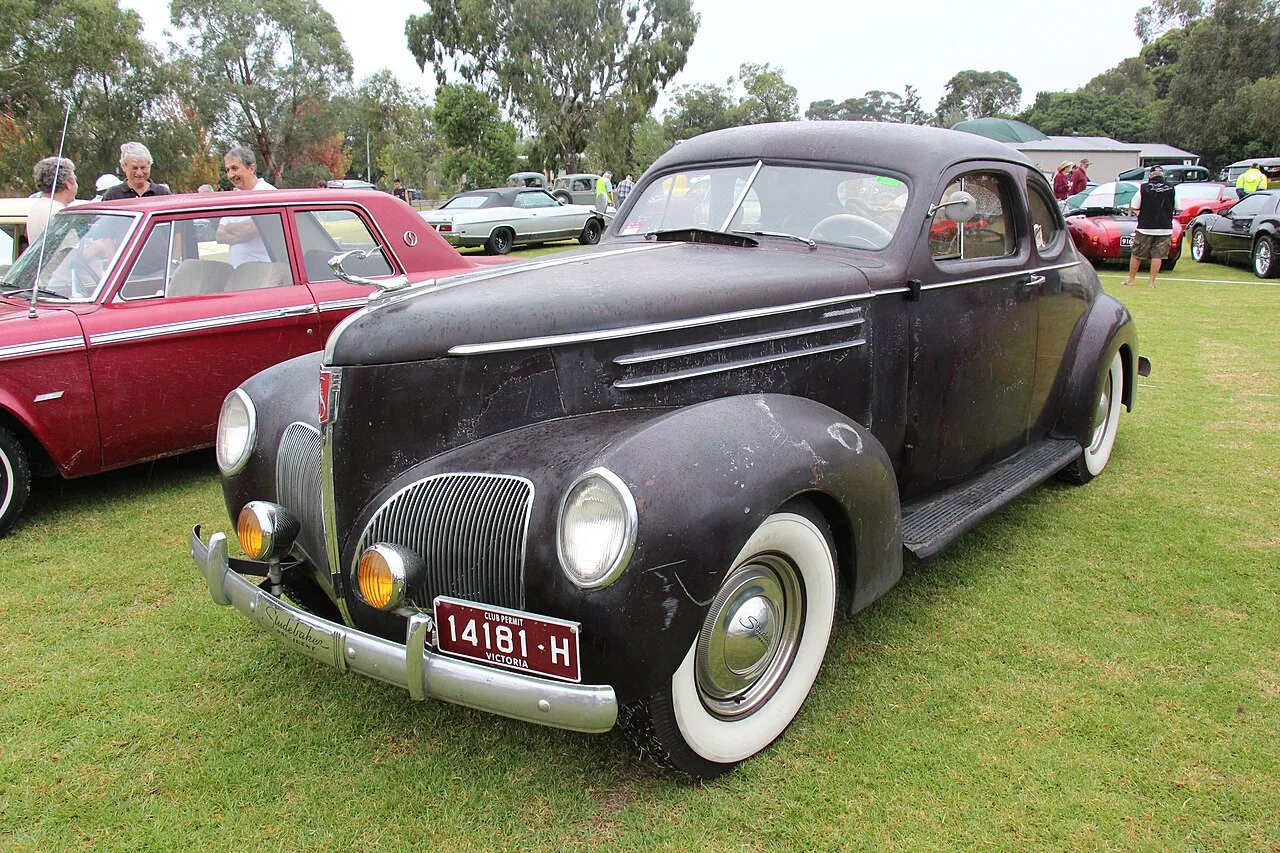
The 1941 President's doors hinged forward, not back — Studebaker quietly ditched the suicide-door layout a full generation before the rest of Detroit followed.
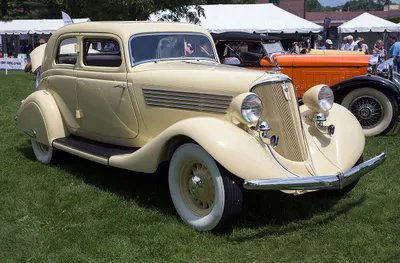
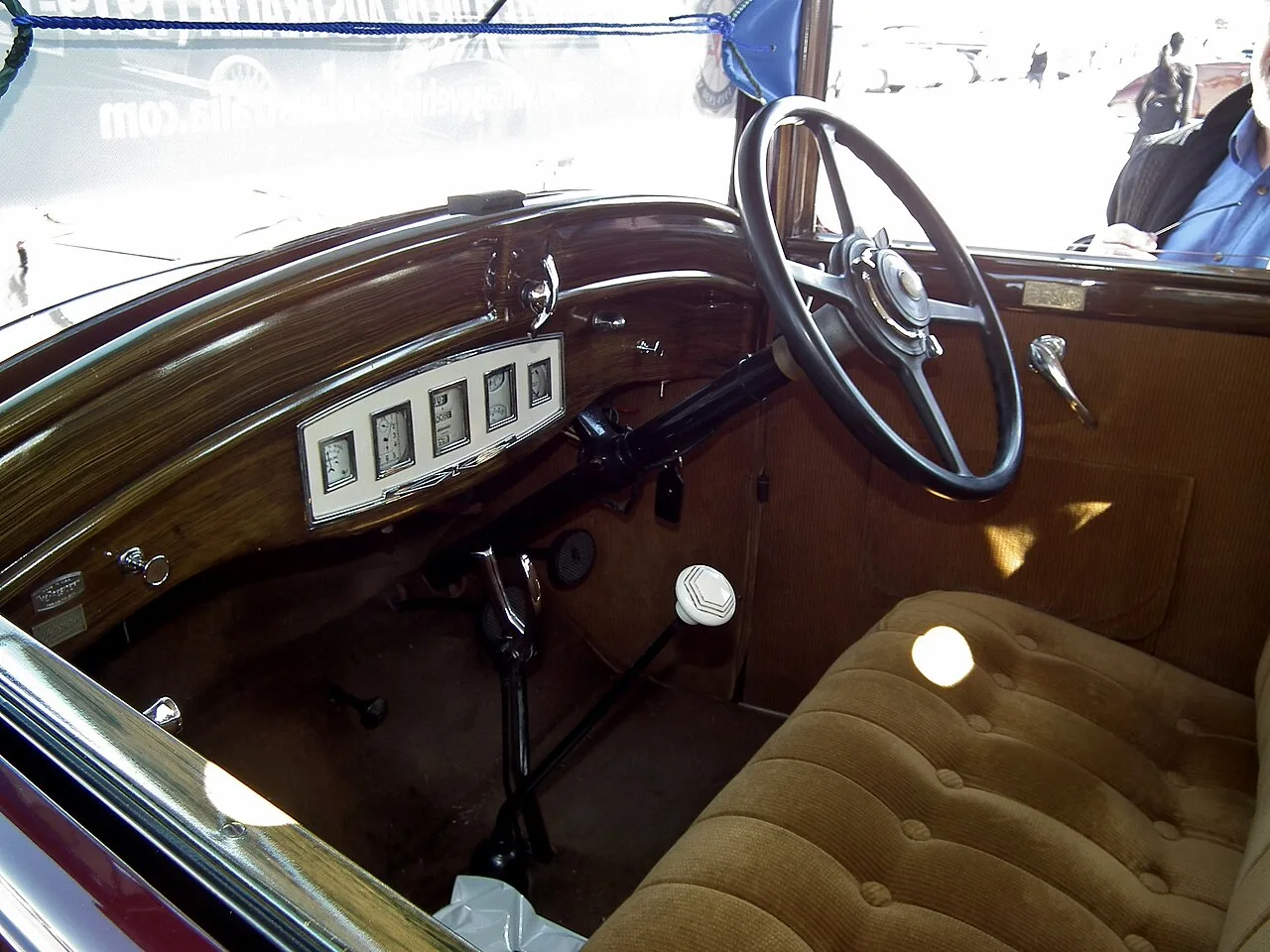
In 1938 the President offered a dashboard-mounted "Miracle-Shift" gear selector — decades before column and dash shifters became the American norm.
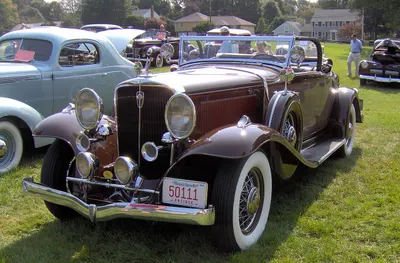
This President wasn't just a luxury flagship — it was a record-breaker. Studebaker's own land speed marks from 1928-1933 stood unbroken for the next 35 years.
Rivals
Same body, same money, other badges — tap any card to flip.

It briefly served as senior sibling to Marquette, a GM companion brand cancelled after just one year.

Nissan hired former BMW engineers to help develop the 510's suspension, which is why period reviewers frequently compared its handling to the BMW 1600/2002.

A Trabant 601 won its class at the 1970 Monte Carlo Rally, with a second 601 right behind it in second.

The 600 was a stopgap: the P50's body over the 601's mechanicals, and for a while its estate was built alongside the new 601 saloon.

The G80 Sport brought a 370 PS twin-turbo 3.3 V6, a mesh grille and copper-tinted chrome with copper stitching to match.

The Vigor was sold only with a five-cylinder engine, an unusual configuration Honda used to fit a longer engine transversely under a short hood.

The GS/E coupe earned the nickname "German Charger" for its long hood, short deck stance borrowed from Detroit muscle cars.

This DeVille/Fleetwood was the first production car anywhere to mount its V8 sideways, Cadillac's front-drive gamble on the new C-body.