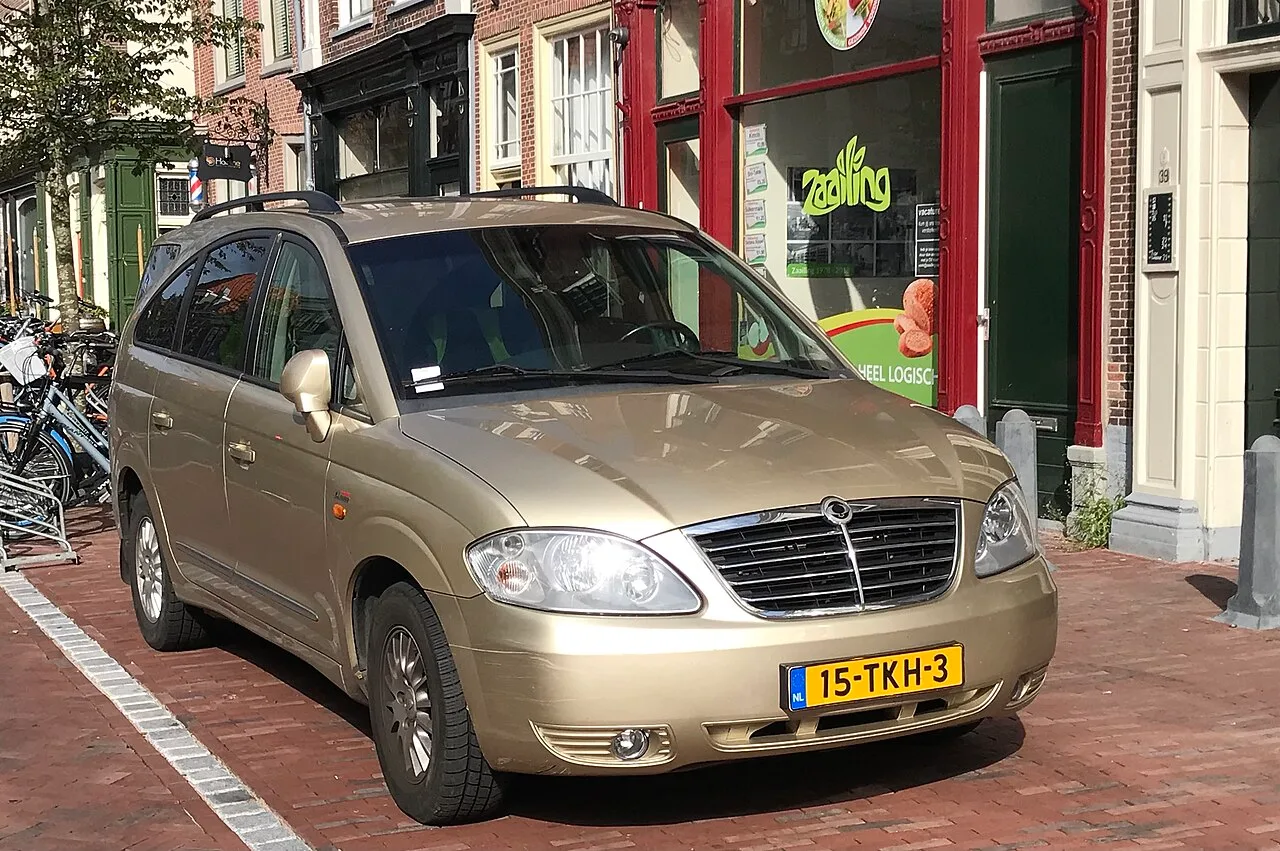
This Rodius got so good at banger racing — thanks to its high center of gravity and tank-like strength — that in 2017 it became only the second car ever banned from the sport.
Median 139 hp across 102 similar cars
Lead trim: Rodius 3.2 M104 six (217 hp) · up to 217 hp
SsangYong Rodius first generation2004–2012
- 0spots by members
- Unclaimednobody has spotted one yet
- 0sets it belongs to
Nobody in Burbles has spotted a SsangYong Rodius first generation yet. See one on the street, point the app at it, and the first card is yours — with your @handle permanently credited on this page.
FactThis Rodius got so good at banger racing — thanks to its high center of gravity and tank-like strength — that in 2017 it became only the second car ever banned from the sport.
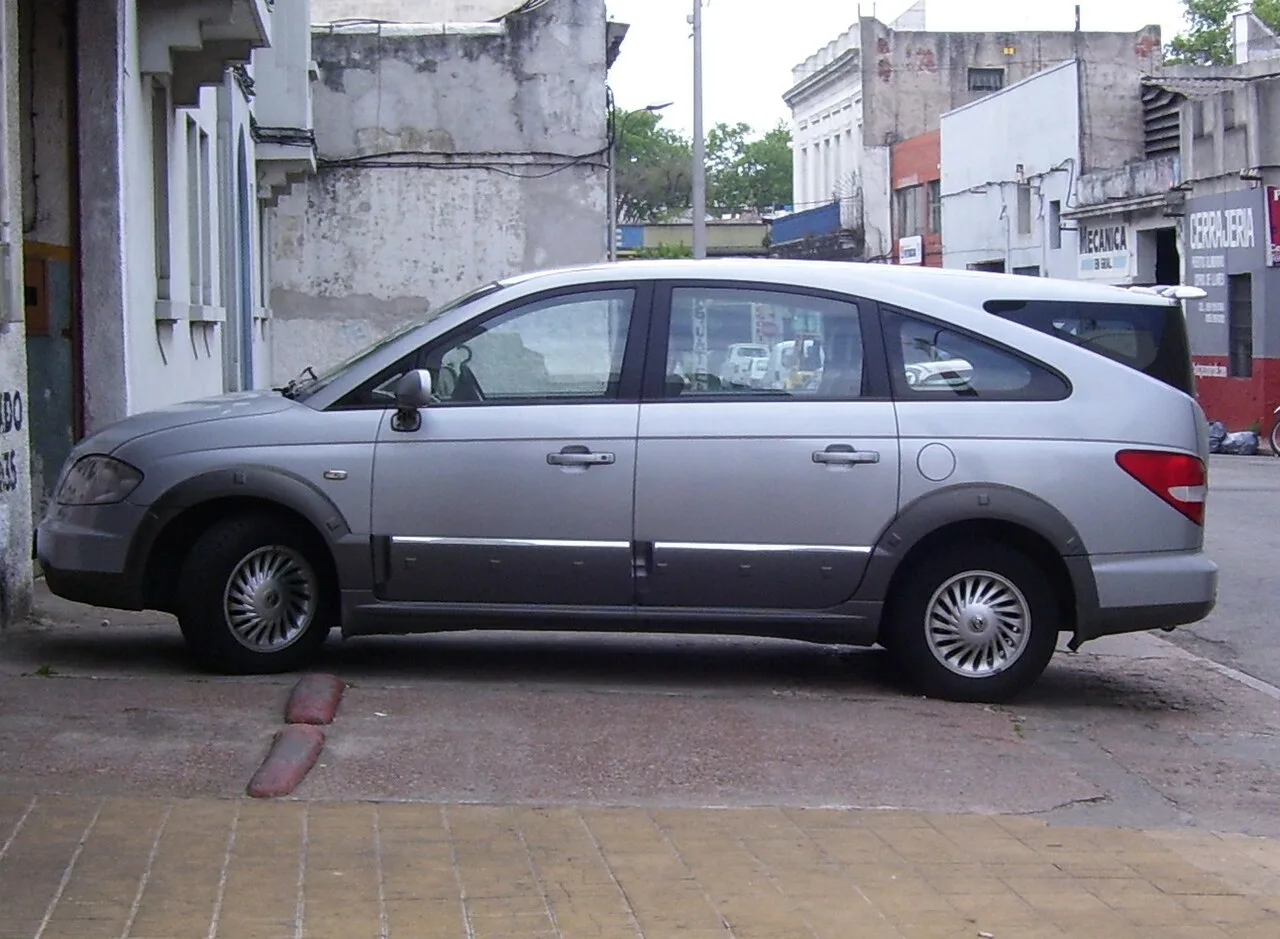
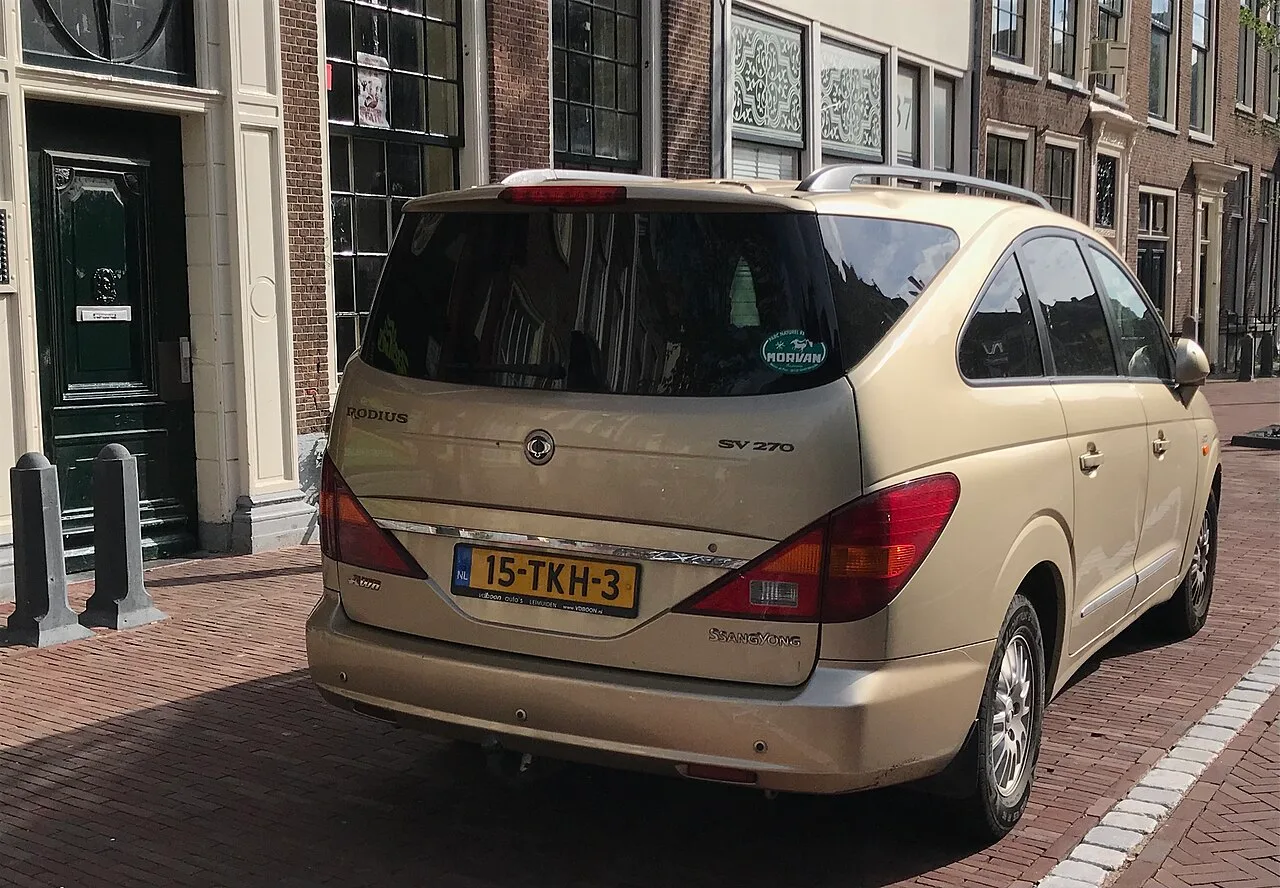
The SsangYong Rodius (sold as the Stavic in Australia, New Zealand, South America, Southeast Asia and Africa; the name is a portmanteau of "road" and "Zeus", "Lord of the Road") was released in late 2004 as a multi-purpose vehicle in 7, 9 and 11-seat layouts, designed by Ken Greenley on a 3,000 mm wheelbase, with seats that fold into tables or slide forward and back. The engines were the Mercedes-Benz-licensed 3.2 L six-cylinder petrol (162 kW / 217 hp and 309 N·m) and the 2.7 L five-cylinder common-rail diesel (121 kW / 162 hp and 342 N·m); on 2 July 2012 it returned as the Rodius Euro with the 155 PS e-XDi200 diesel. It was criticised for poor build quality, handling, refinement, emissions, performance and interior finish, and for its styling ("the ugliest car ever"; Top Gear's 2009 "WTF" award; the "Odious Rodius"), but praised for space, value, seating, availability of 4WD, Mercedes mechanicals and a generous warranty, so many served as airport taxis; from 2015 it was popular in banger racing until banned in 2017.
Collectors Spotted in the SsangYong Rodius Lineage
No member has published a public street spot of the SsangYong Rodius yet — the First · Worldwide stamp is wide open.
Trims & Figures
3 published trims in the catalogue. A blank is a figure not recorded, not zero.
| Trim | Years | Engine | Power | Torque | 0–60 | Drive | Gearbox | MSRP |
|---|---|---|---|---|---|---|---|---|
| Rodius 2.7 XDi OM612 turbo diesel five (162 hp) | 2004–2012 | 2.7 L Inline-5 | 162 hp | 252 lb-ft | — | — | — | — |
| Rodius 3.2 M104 six (217 hp) | 2004–2012 | 3.2 L Inline-6 | 217 hp | 228 lb-ft | — | — | — | — |
| Rodius Euro 2.0 e-XDi 200 turbo diesel (155 PS) | 2012–2012 | 2.0 L Inline-4 | 153 hp | 266 lb-ft | — | — | — | — |
Owning one
We don’t estimate running costs for a car like this. What it costs depends on its condition, its specialist and how it is driven, and an average would mislead.
Owners’ builds
Nobody has claimed one yet.
Photographs
The second-gen Rodius got a secret identity in Britain: SsangYong badged it "Turismo" there, hiding the Rodius name the UK had already soured on over styling.
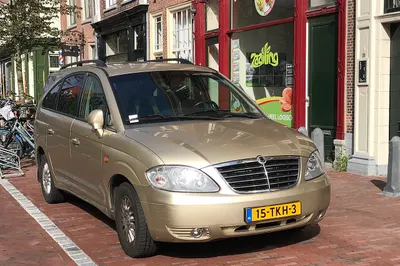
This Rodius got so good at banger racing — thanks to its high center of gravity and tank-like strength — that in 2017 it became only the second car ever banned from the sport.
Rivals
Same body, same money, other badges — tap any card to flip.
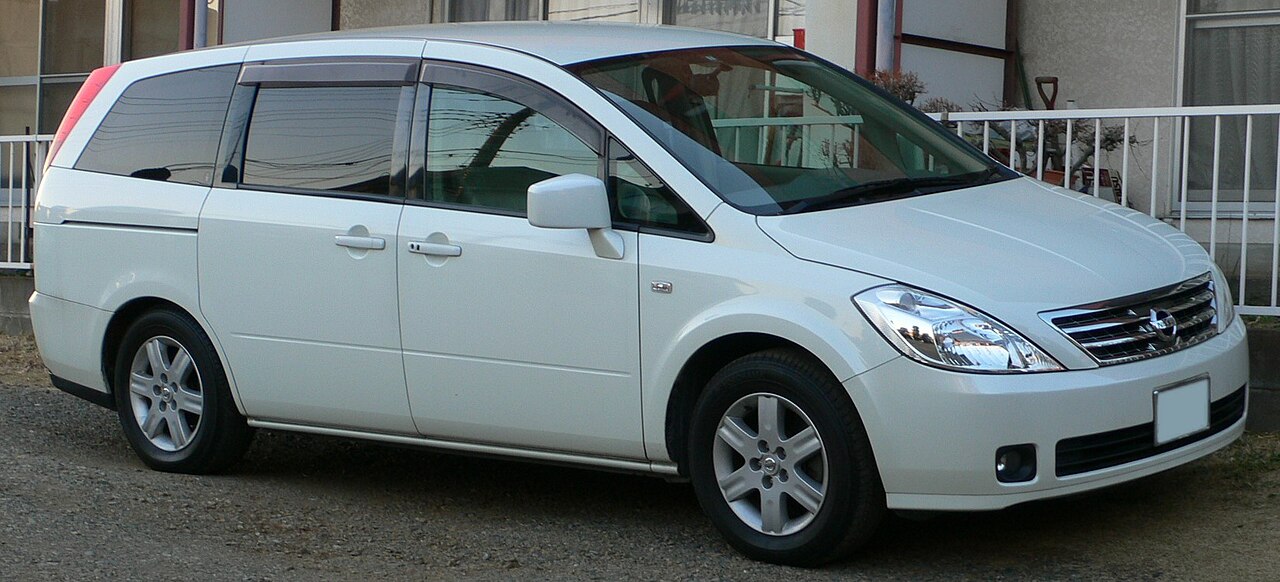
This Presage minivan shares its underlying platform with the Teana sedan and the North American Murano crossover — one architecture doing three very different jobs.
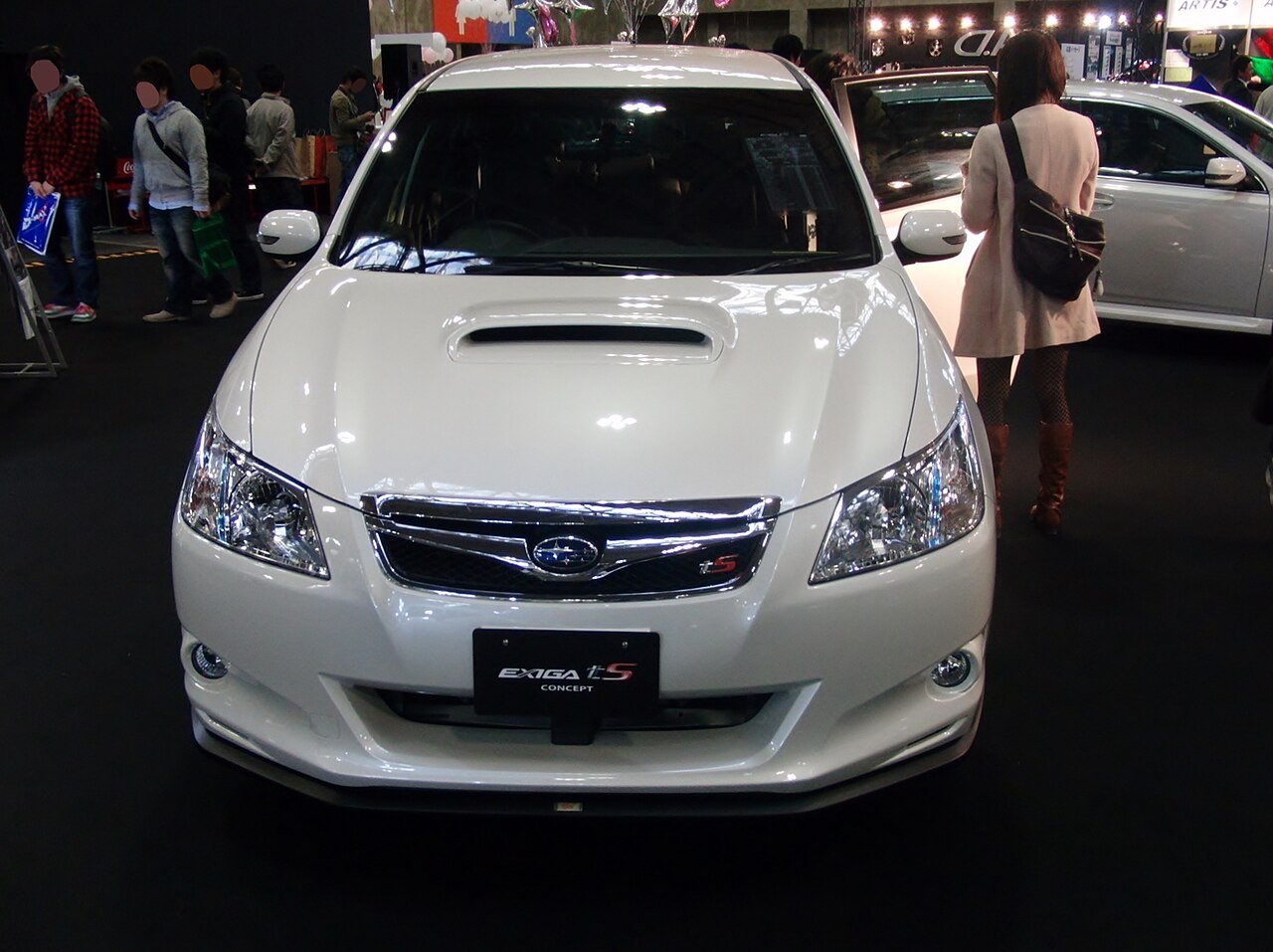
Subaru's family-hauling Exiga got an unlikely STi treatment in 2009 — front spoiler, sport muffler, tighter suspension and a leather Momo wheel — but only 300 were ever built.
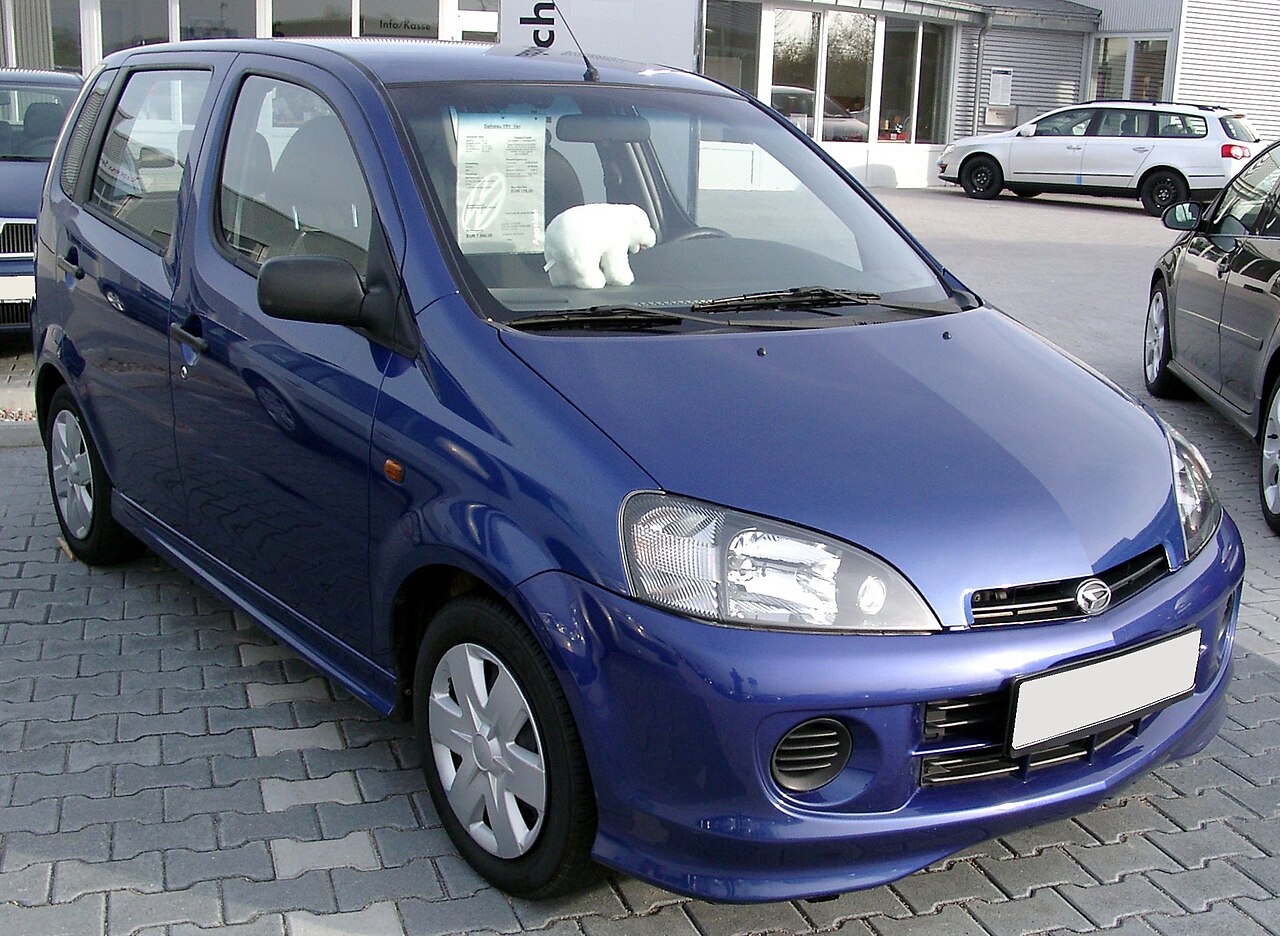
YRV stands for Young Recreational Vehicle, a mini MPV built to out-handle its own segment rivals.
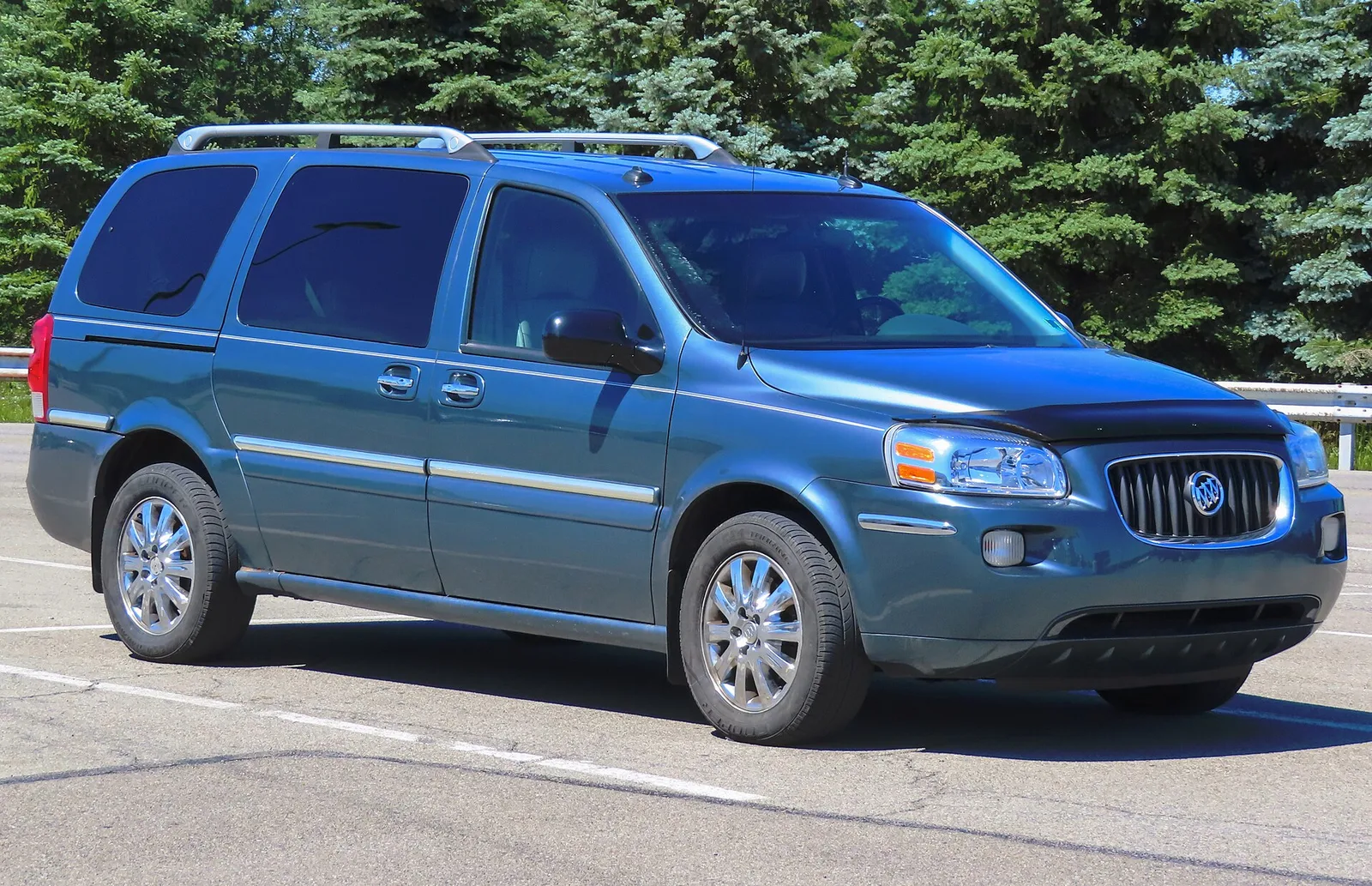
The Terraza was Buick's first-ever minivan for the North American market - a badge-engineered cousin of the Chevrolet Uplander, Pontiac Montana SV6, and Saturn Relay.
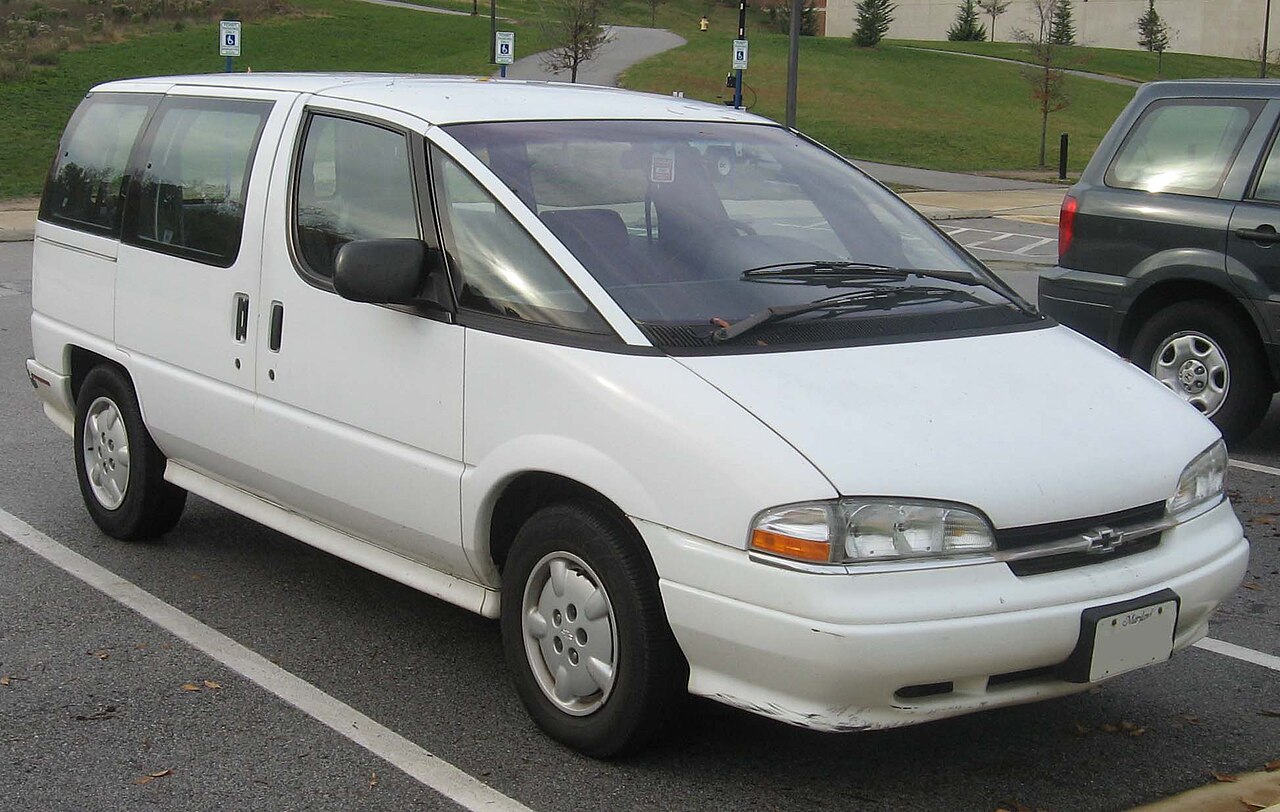
The restyled 1994 Lumina Minivan quietly made American automotive history: it was the first minivan sold in the US with a power sliding door you could open by remote.
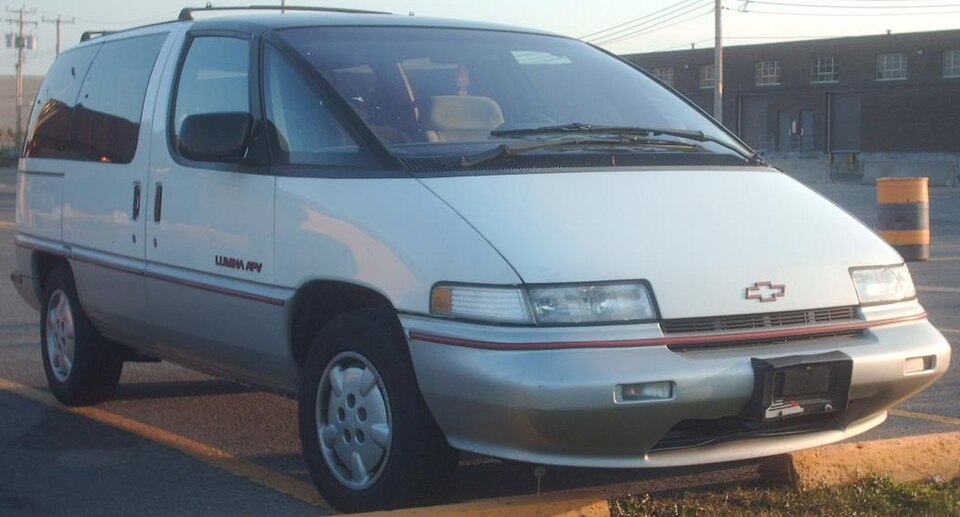
The first-generation Lumina APV minivan was nicknamed the "Dustbuster" by the press for its sharply sloped windshield, which pushed the dashboard far forward of the driver.
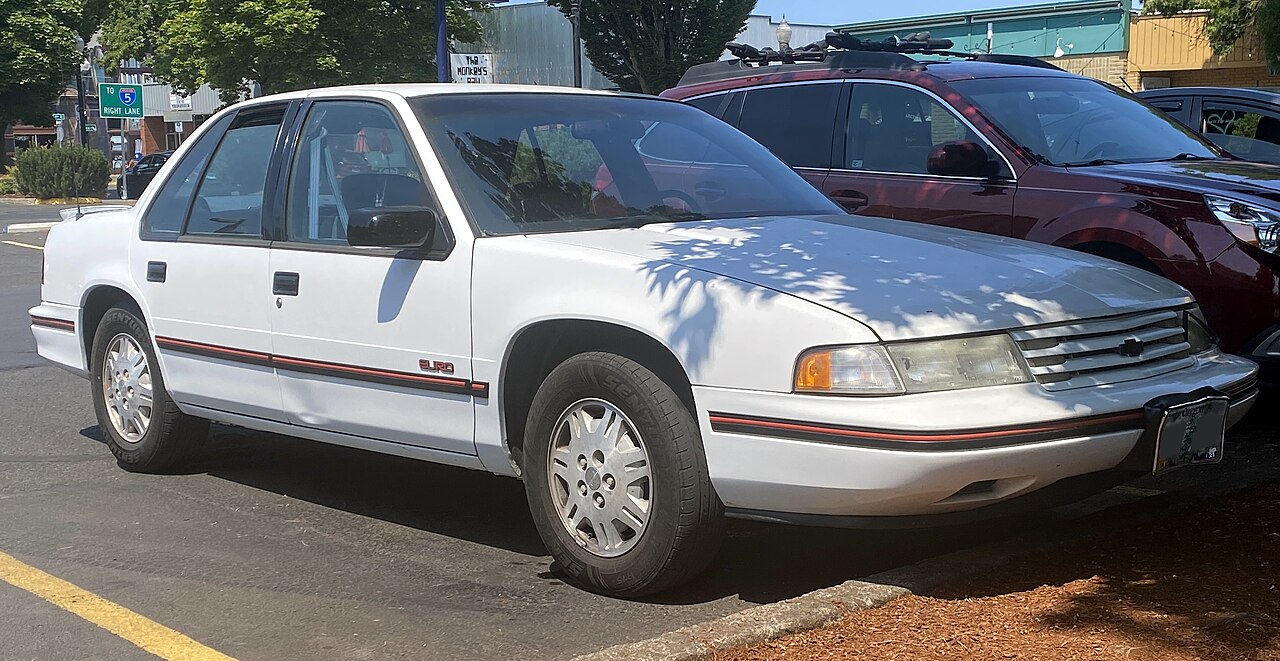
Its steeply sloped windshield gave the Lumina APV one of the deepest dashboards ever fitted to a mass-produced car.
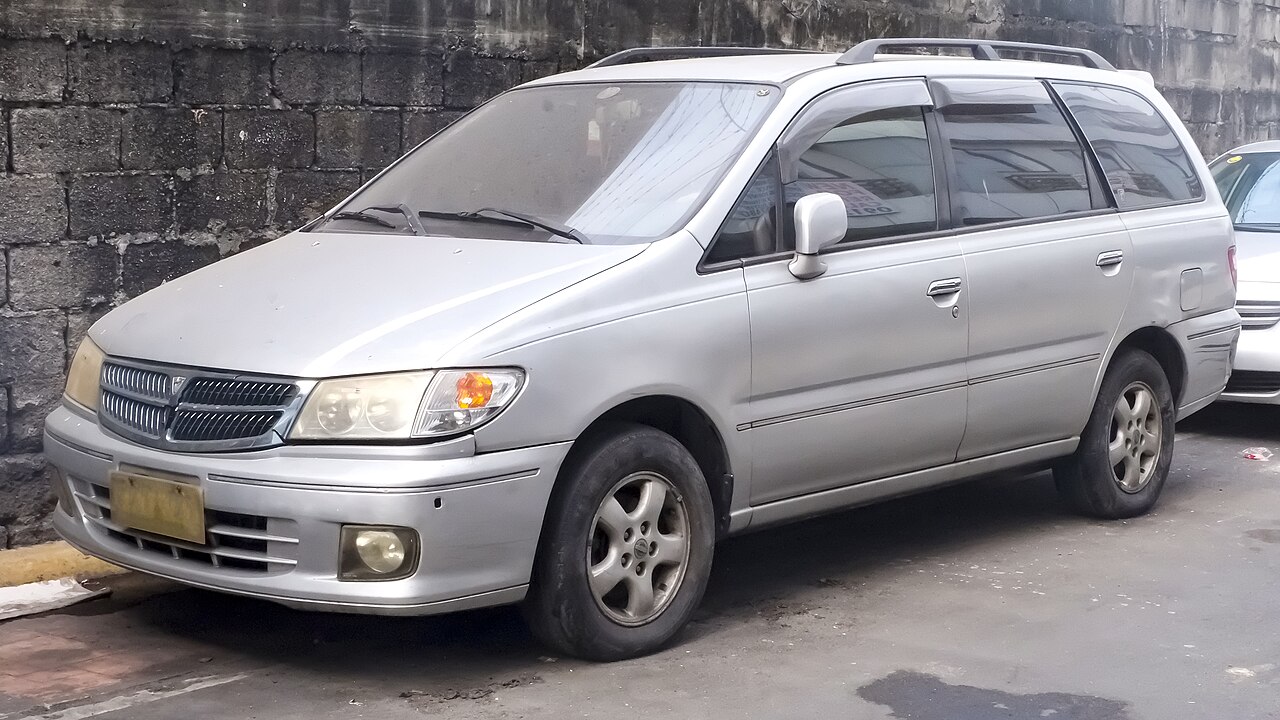
The first Presage wasn't really its own car underneath — most of its parts came straight from the Nissan R'nessa, with more shared with its platform twin, the Bassara.