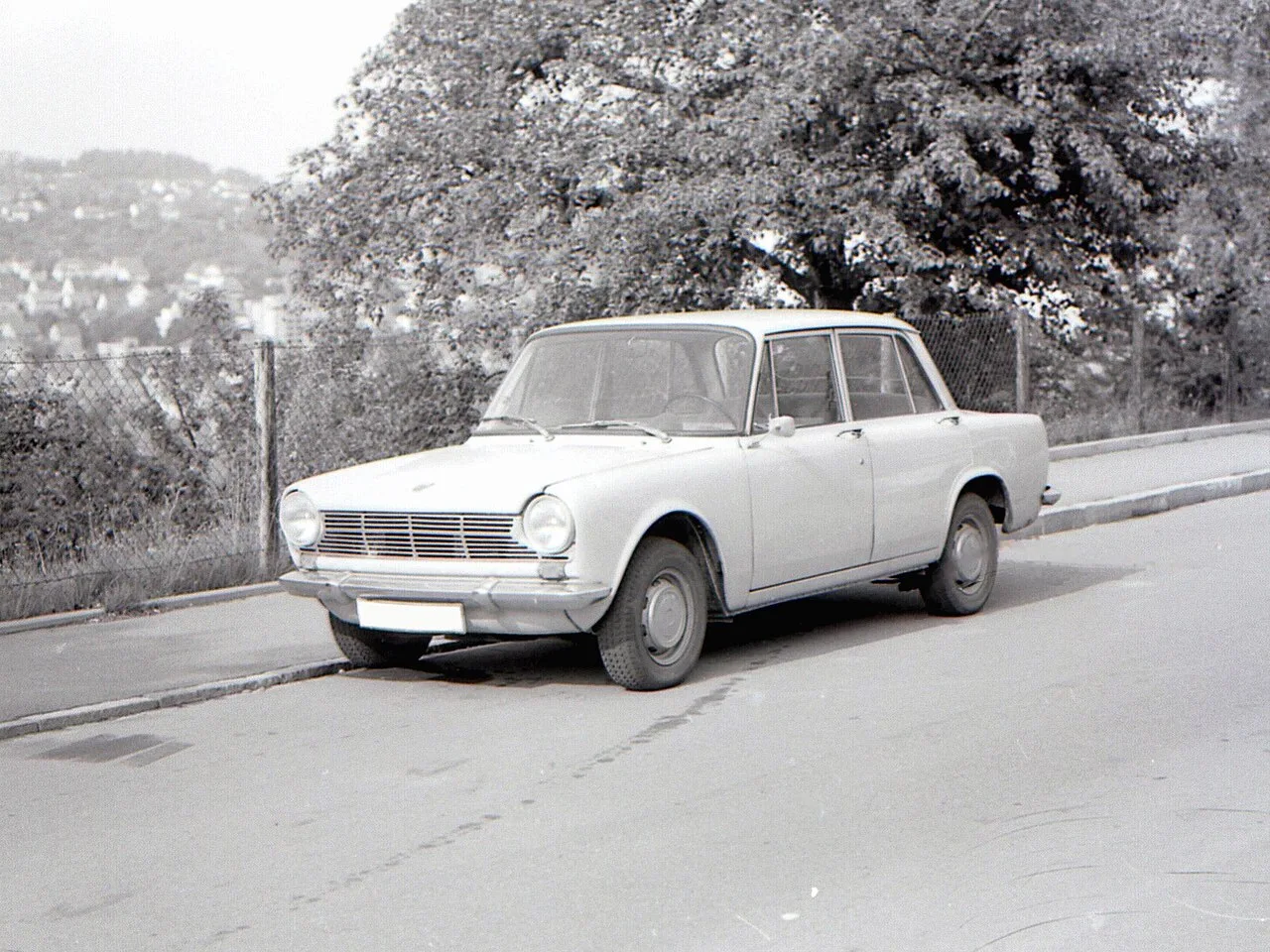
Converting the Simca 1300/1500 to right-hand drive somehow flipped its shift pattern — first and second gear landed closer to the driver, third and fourth further away, mirror-image to the left-hand-drive cars.
Lead trim: 1300 1.3 L Rush OHB four · up to 81 hp
Simca 1300 / 15001963–1966
- 0spots by members
- Unclaimednobody has spotted one yet
- 0sets it belongs to
Nobody in Burbles has spotted a Simca 1300 / 1500 yet. See one on the street, point the app at it, and the first card is yours — with your @handle permanently credited on this page.
FactConverting the Simca 1300/1500 to right-hand drive somehow flipped its shift pattern — first and second gear landed closer to the driver, third and fourth further away, mirror-image to the left-hand-drive cars.
The Simca 1300 and 1500 are large family cars built by Simca at Poissy from 1963 to 1966 (and to 1975 as the revamped 1301 and 1501), essentially the same car with a 1.3-litre or 1.5-litre engine and differing grilles (the 1300 with nine horizontal and three vertical bars, the 1500 with eleven horizontal bars). The series replaced the popular Simca Aronde and initially had only a 4-door saloon body; in 1964 the 1500 gained an estate (the 1300 estate followed in 1965), with split tailgates and, in the 1500 GL, a cargo floor that could be converted into a picnic table with four folding legs; a 1500 Familial had two child seats facing each other in the cargo compartment. The 1300/1500 had column shift in left-hand-drive markets, while right-hand-drive versions were converted to a "mirror" floor shift pattern; the 1500 GLA was the only automatic and at first came in metallic brown only. It appears throughout Jacques Tati's film Playtime. Engines were a 1.3 L Rush OHB I4 and a 1.5 L OHV I4 on a 99 in (2,500 mm) wheelbase, 62 in (1,600 mm) wide and 55 in (1,400 mm) high unladen.
Collectors Spotted in the Simca 1300 / 1500 Lineage
No member has published a public street spot of the Simca 1300 / 1500 yet — the First · Worldwide stamp is wide open.
Trims & Figures
2 published trims in the catalogue. A blank is a figure not recorded, not zero.
| Trim | Years | Engine | Power | Torque | 0–60 | Drive | Gearbox | MSRP |
|---|---|---|---|---|---|---|---|---|
| 1300 1.3 L Rush OHB four | 1963–1966 | 1.3 L Inline-4 | 62 hp | — | — | — | — | — |
| 1500 1.5 L OHV four | 1963–1966 | 1.5 L Inline-4 | 81 hp | — | — | — | — | — |
Owning one
We don’t estimate running costs for a car like this. What it costs depends on its condition, its specialist and how it is driven, and an average would mislead.
Owners’ builds
Nobody has claimed one yet.
Photographs
Chrysler, which by then owned 95% of Simca, killed off the 1501 sedan on purpose — so it wouldn't compete with another model in its own lineup, the Type 160.
Converting the Simca 1300/1500 to right-hand drive somehow flipped its shift pattern — first and second gear landed closer to the driver, third and fourth further away, mirror-image to the left-hand-drive cars.
Rivals
Same body, same money, other badges — tap any card to flip.
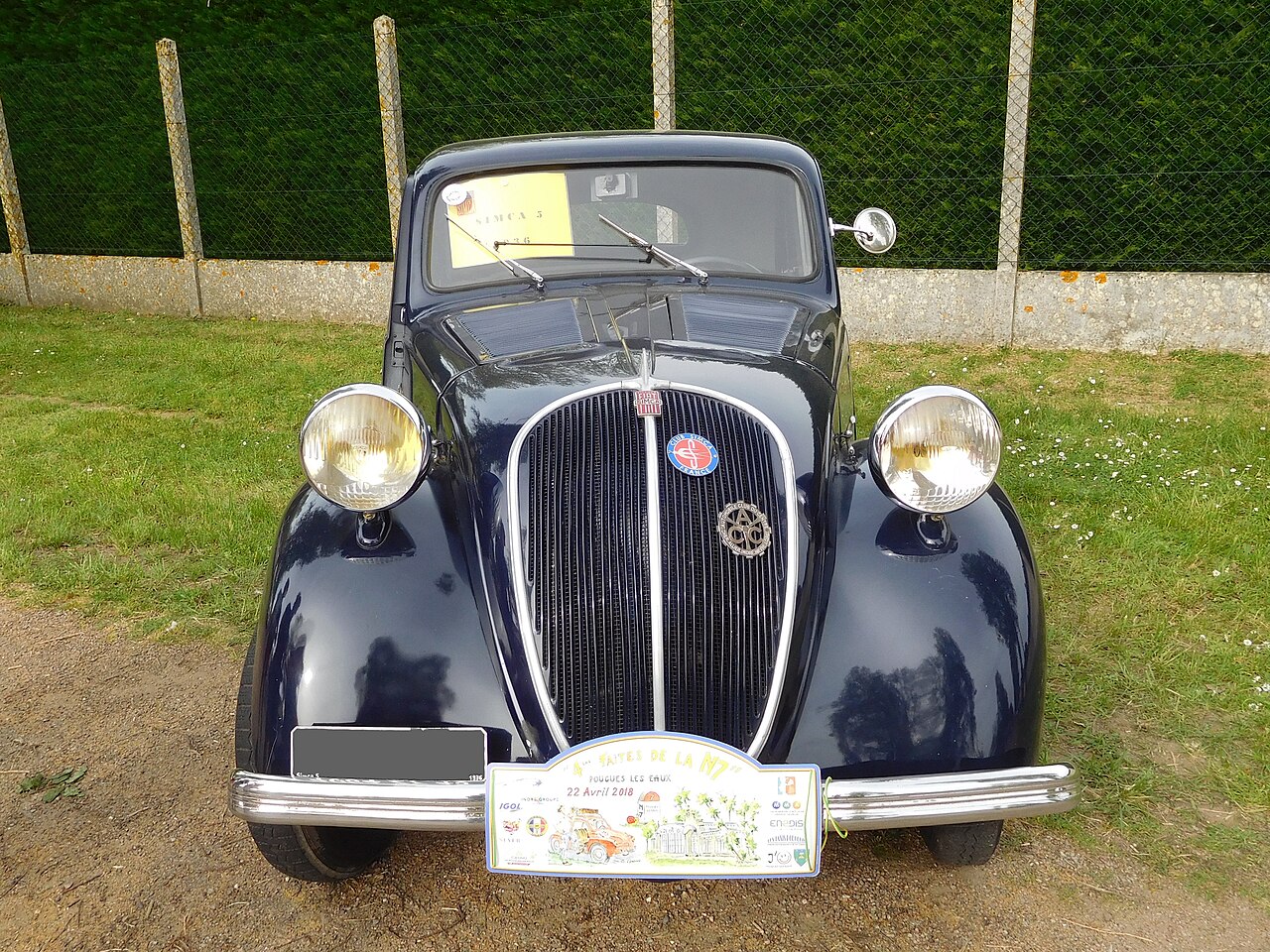
Simca beat Fiat to market by three months with what was essentially Fiat's own Topolino design.
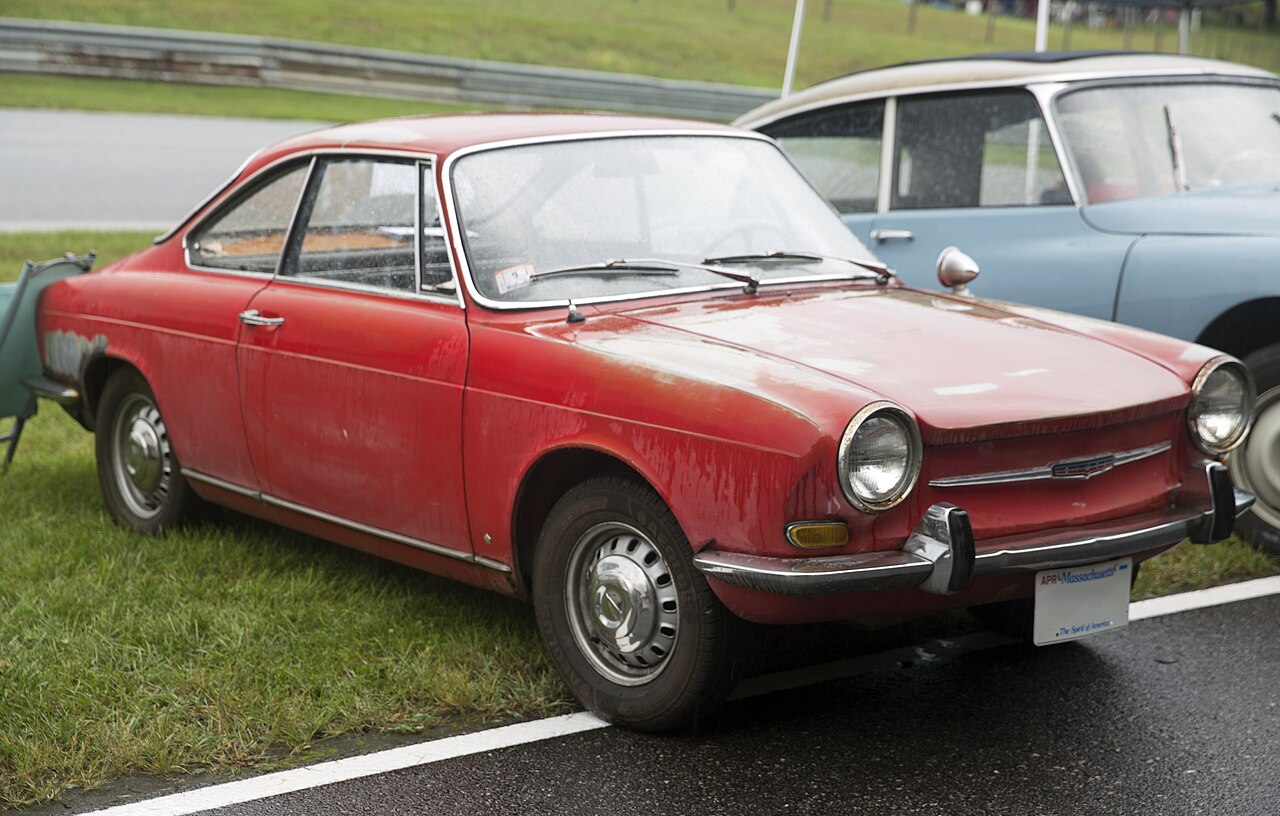
The Simca 1000 began at Fiat: Simca boss Henri Pigozzi picked one of six boxy clay models from Fiat's "Project 122".
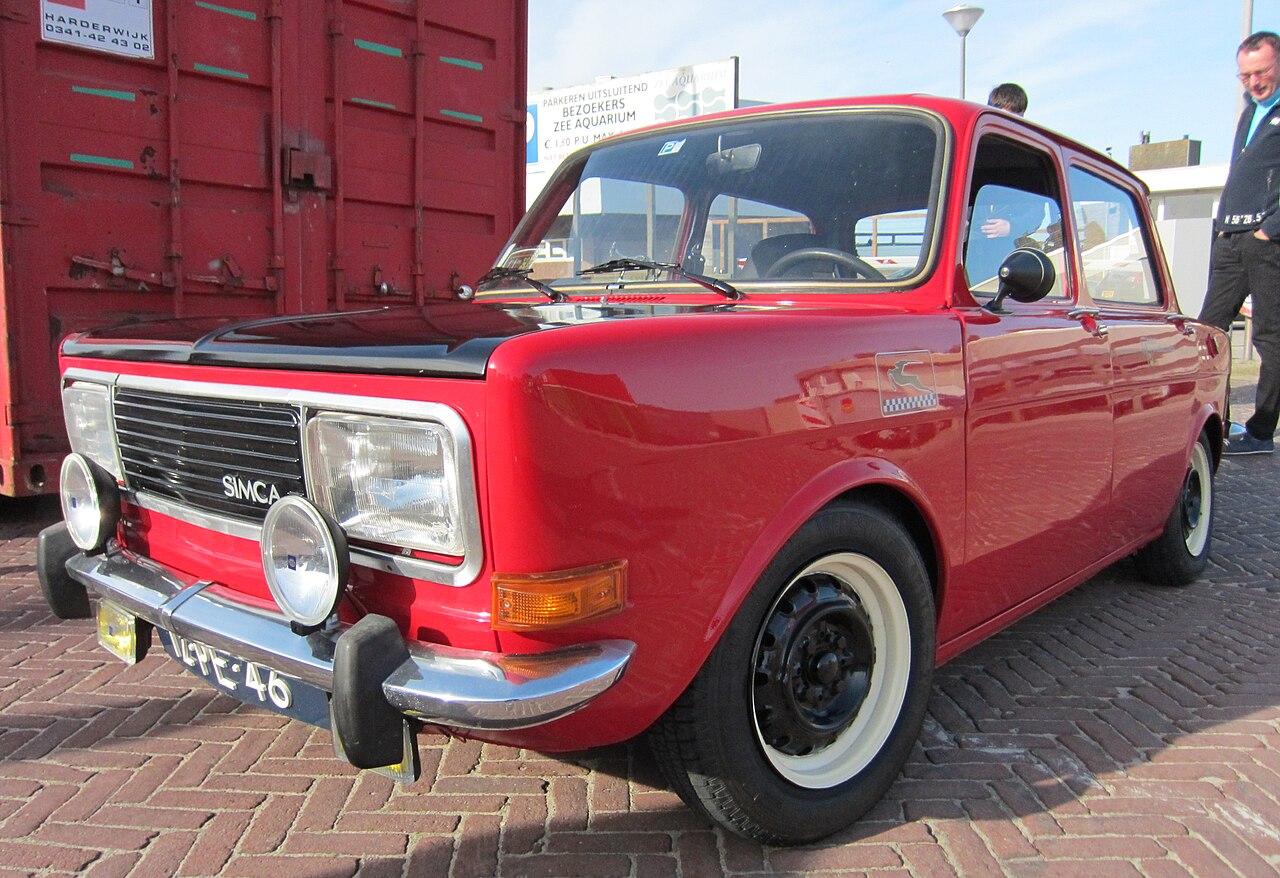
The last Simca 1000 ever built, the 1978 Rallye 3, was also the rarest — just 1,000 were made in the model's final year, a quiet send-off for a car that had sold nearly two million.
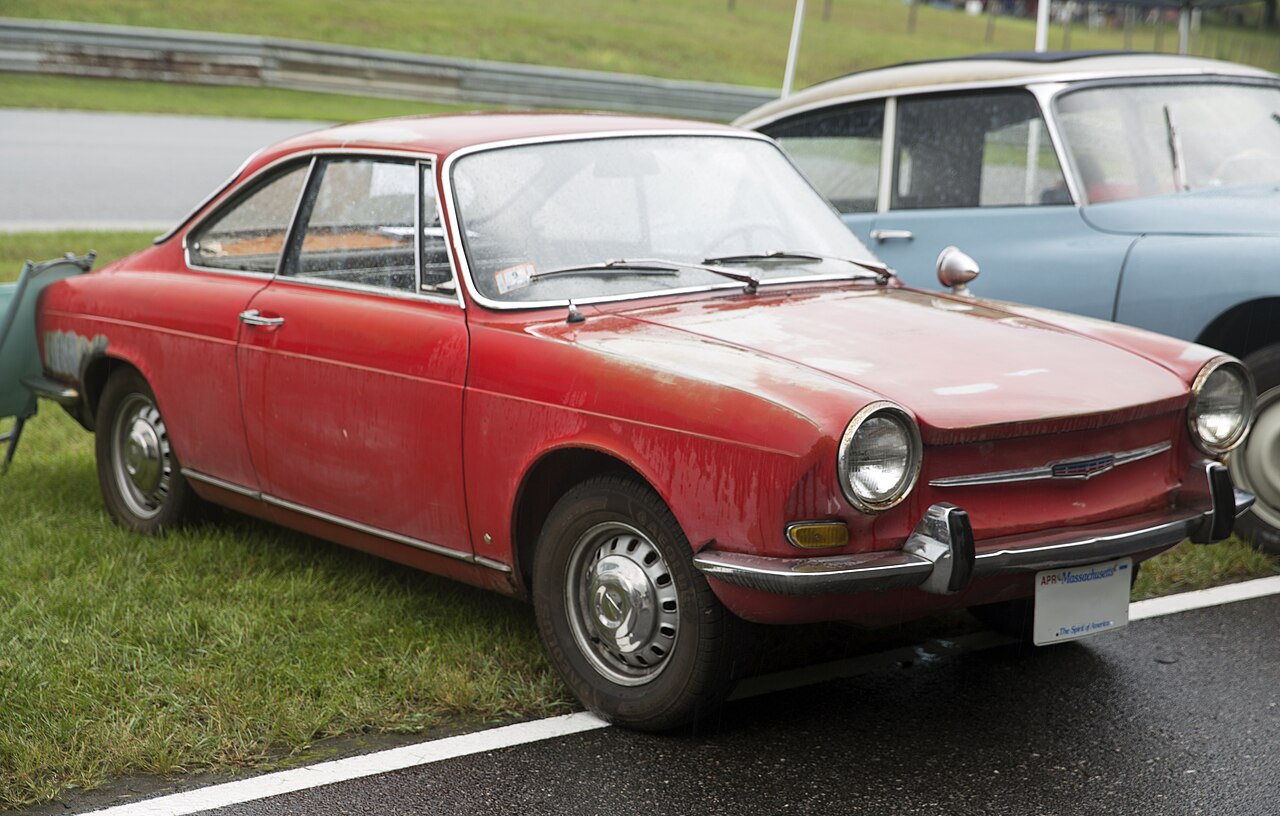
To drum up buzz at launch, Simca briefly swapped 50 of its Paris taxi fleet's Ariane sedans for tiny new 1000s, making the little car a familiar sight on the capital's streets.
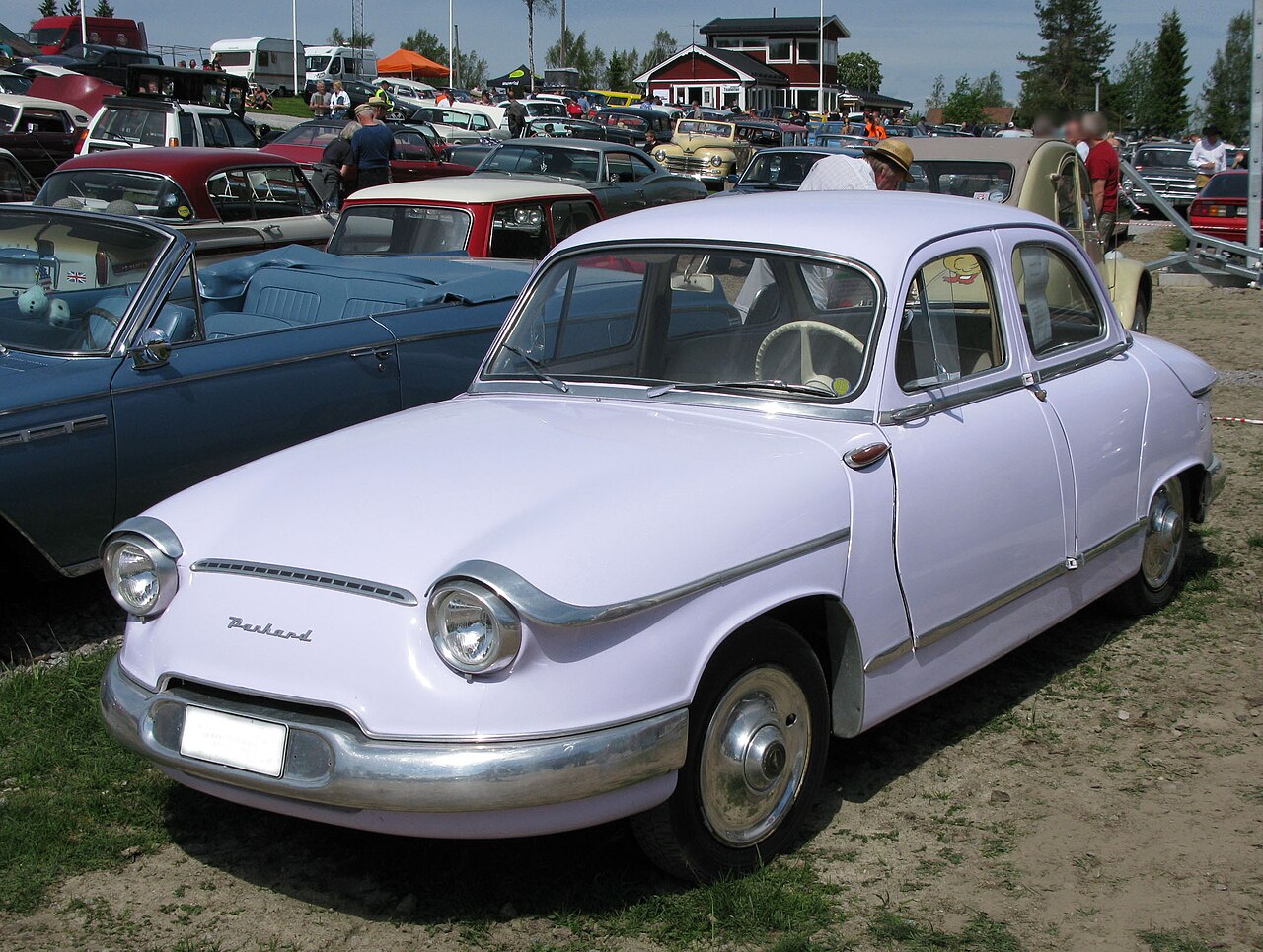
The PL 17's name is a sum: 5 fiscal horsepower, 6 seats, 6 litres per 100 km, kept a digit below the Citroën DS 19's.
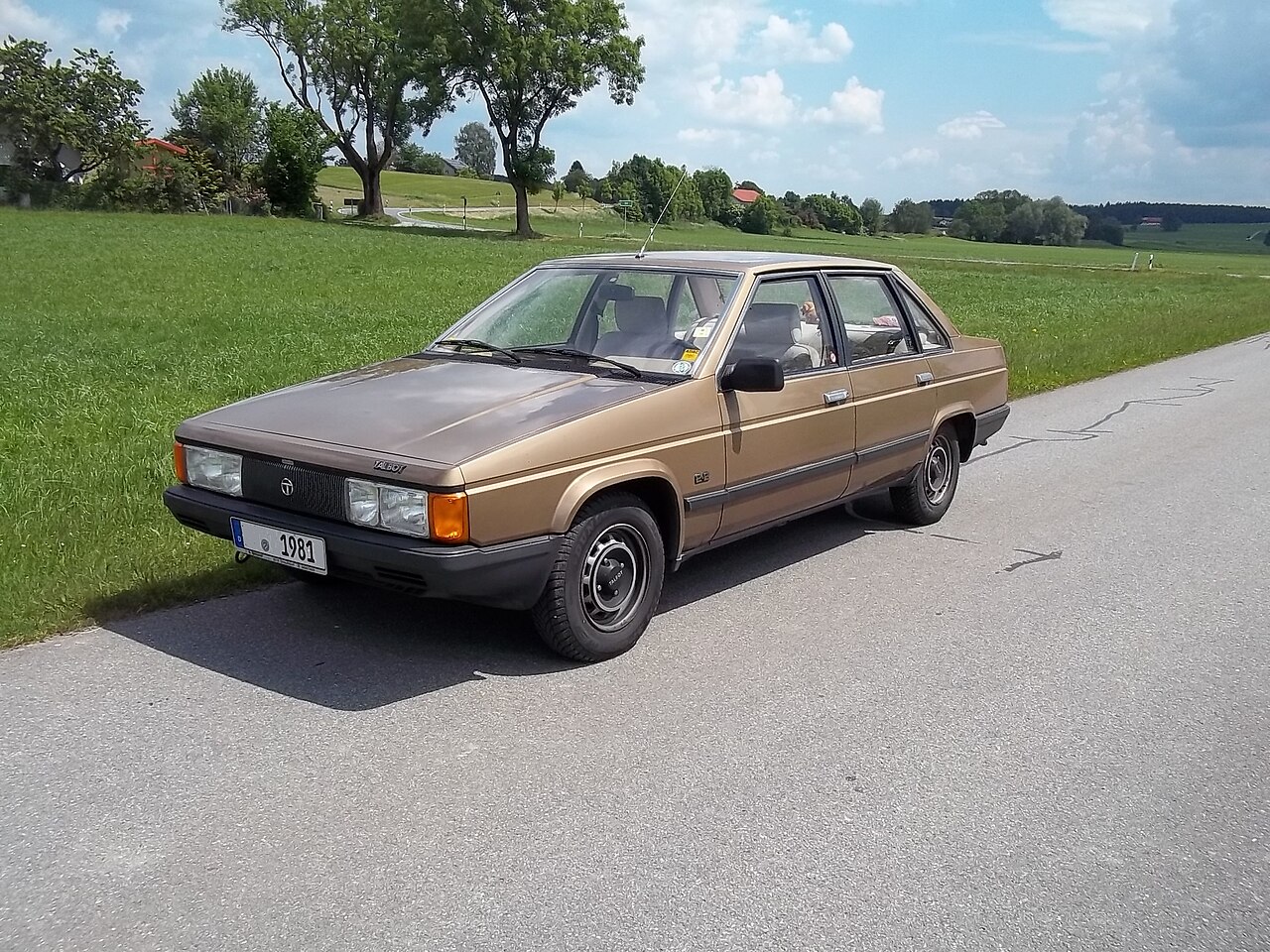
The humble Tagora spawned a one-off concept, the Présidence, decked out with Connolly leather and electronics way ahead of 1981 — a built-in telephone, dictaphone, text-message receiver and a TV with VCR.
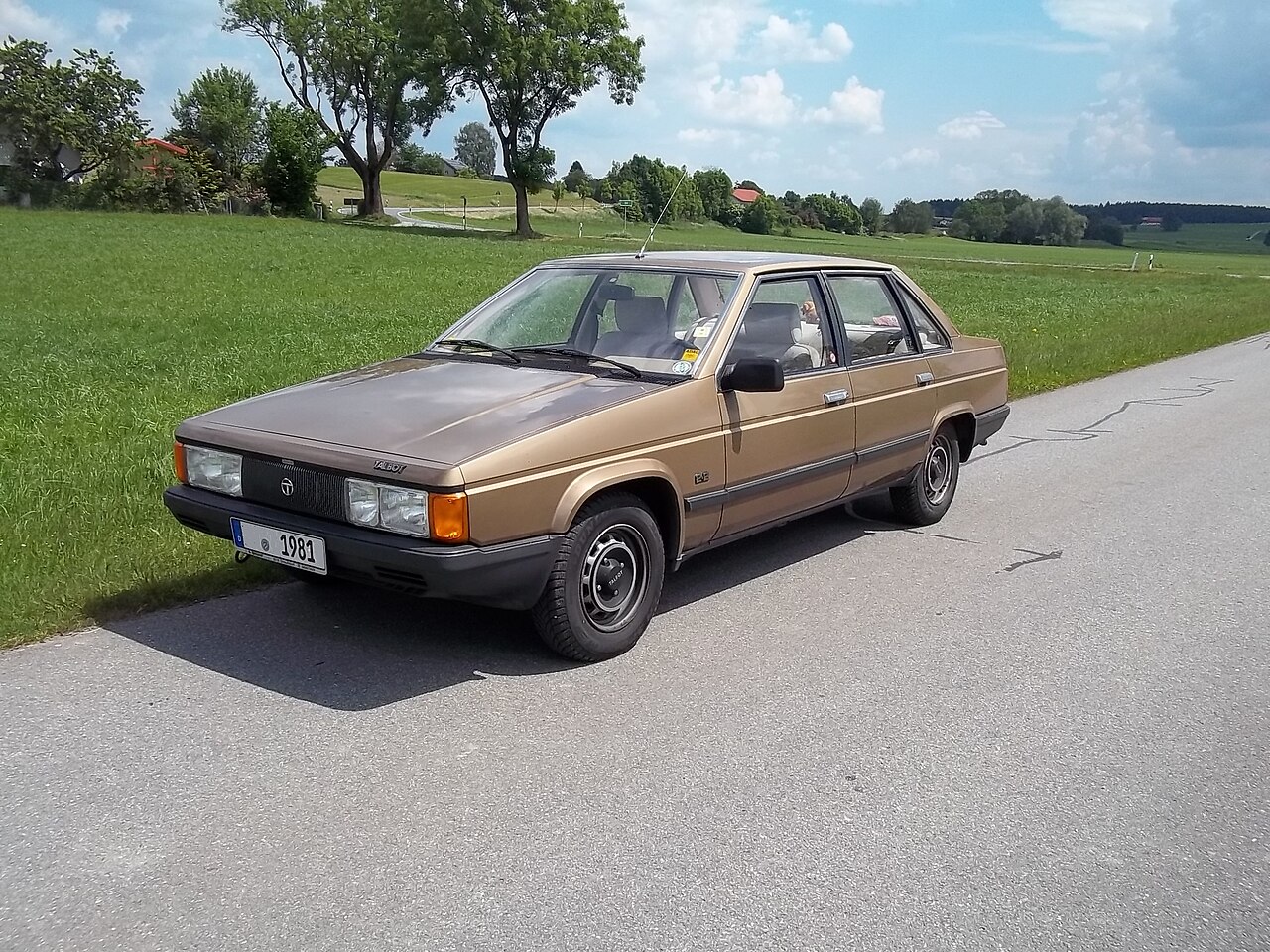
Talbot fed the Tagora's V6 old-fashioned triple carburettors instead of fuel injection — and the extra power briefly made it the most powerful French car on sale. Only 1,083 were ever built.
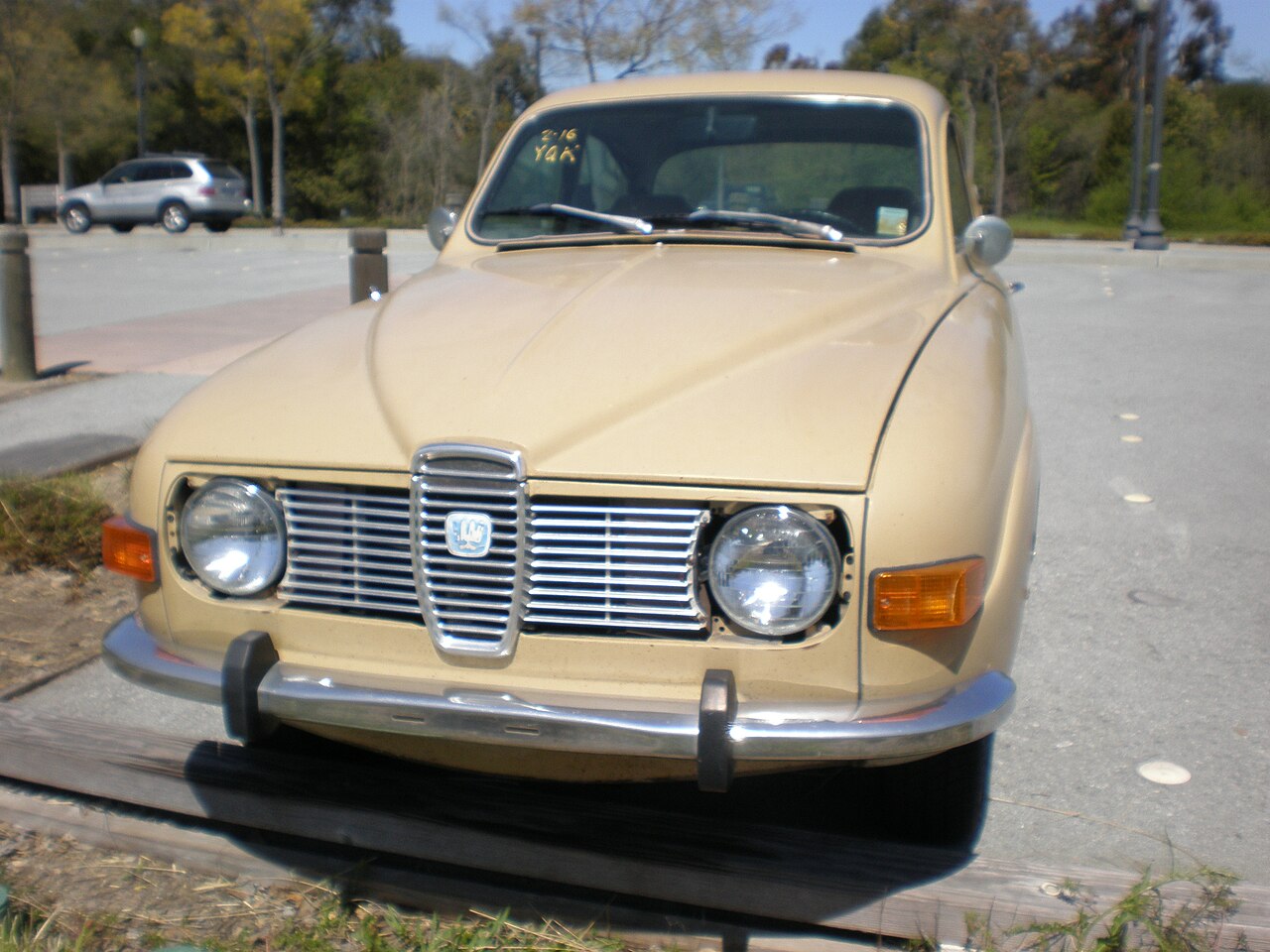
Switching the 96 from a two-stroke to a Ford V4 was such a closely guarded secret that Saab invented a fake company, Maskinverktyg AB, just to buy the new engine's parts without its own purchasing department finding out.