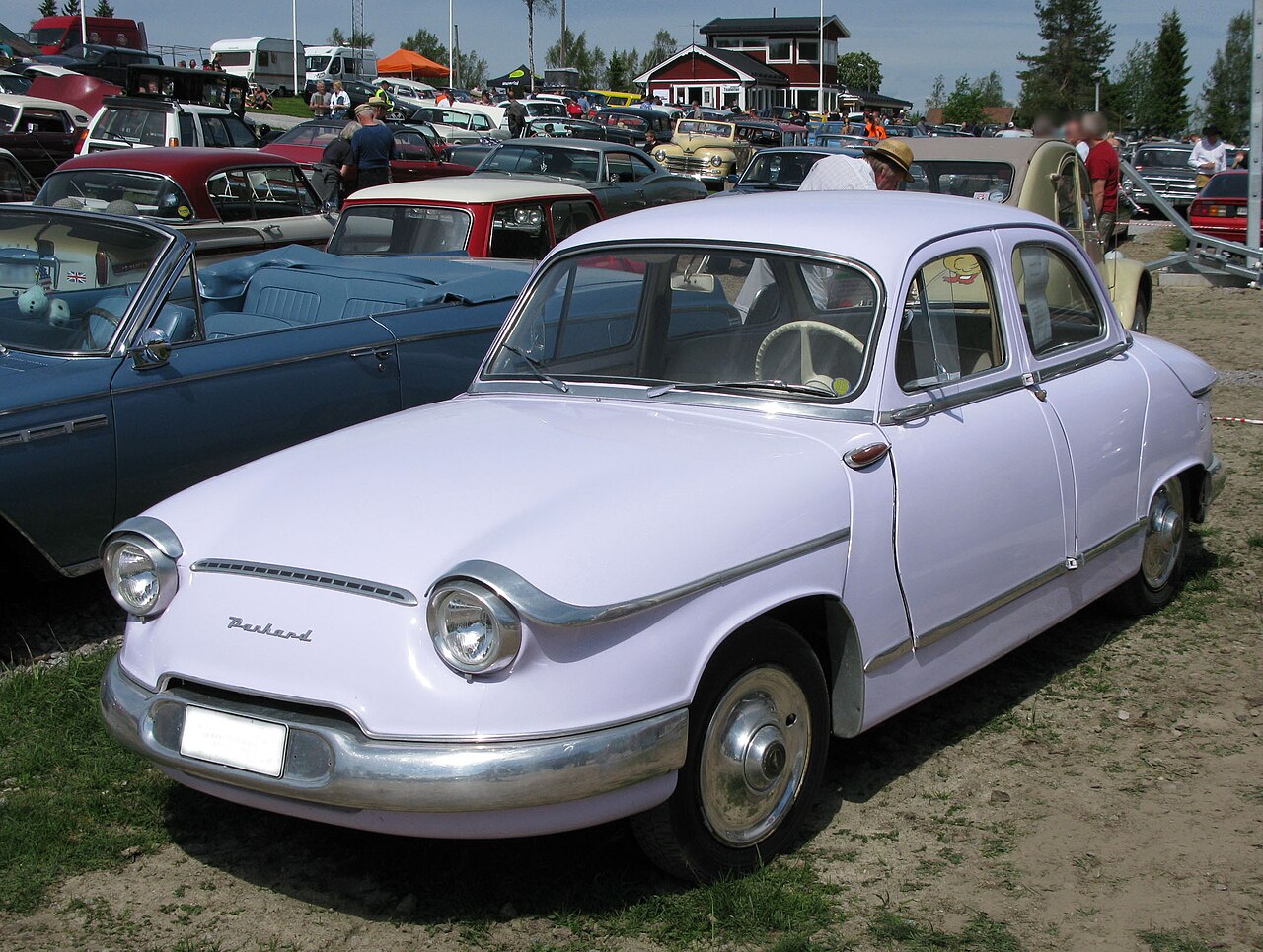
The PL 17's name is a sum: 5 fiscal horsepower, 6 seats, 6 litres per 100 km, kept a digit below the Citroën DS 19's.
Lead trim: PL 17 848 cc boxer twin (1960–1965) · up to 50 hp
Panhard PL 17L1-L9 · 1959–1965
- 0spots by members
- Unclaimednobody has spotted one yet
- 0sets it belongs to
Nobody in Burbles has spotted a Panhard PL 17 yet. See one on the street, point the app at it, and the first card is yours — with your @handle permanently credited on this page.
FactThe PL 17's name is a sum: 5 fiscal horsepower, 6 seats, 6 litres per 100 km, kept a digit below the Citroën DS 19's.
The Panhard PL 17, presented on 29 June 1959 as successor to the Dyna Z, was essentially a facelifted version of its predecessor; the initial four-door saloon (and pickup and van) was joined by the Cabriolet in 1961 and by the Break, a five-door estate developed by the Italian company Pan Auto on a longer wheelbase, in April 1963. The name came from "PL" for Panhard et Levassor, with "17" as the sum of 5+6+6: 5 CV fiscal horsepower, 6 seats and 6 L/100 km economy (and, as the car was developed under close Citroën supervision, a number below the DS 19's). The export-only two-door Cabriolet appeared in March 1960 (47 built, code L2), a European version in 1961 (L5), and in 1963 a cabriolet with the new engine (L8, 125 built) before the line was used for the Break. The engines were the Dyna Z's two-cylinder air-cooled boxers, at first both 851 cc, the standard giving 42 hp (DIN) and the "Tigre" 50 hp (DIN), with SAE claims of 50 and 60 hp; from July 1960 they shrank to 848 cc (to suit the 850 cc tax limit) with power unchanged. The front wheels were driven through a four-speed column-shift gearbox with synchromesh on the upper three gears; front suspension was two transverse leaf springs, the rear three torsion bars each side. The standard car weighed about 805 kg (1,775 lb) and the Tigre 830 kg (1,830 lb), with top speeds of 130 km/h (81 mph) and 145 km/h (90 mph). Around 166,000 PL 17s were built (136,000 regular sedans, 23,500 Tigre sedans, 398 convertibles, 2,998 Breaks and 3,191 Utilitaires); a PL 17 won the 1961 Monte Carlo Rally. From the 1964 model year the letters PL were dropped and the Grand Standing version became the Relmax; Panhard's automobile division was absorbed by Citroën in 1965. Because the page gives both DIN and SAE outputs, no horsepower is entered. Wheelbase 2,570 mm (101.2 in) (2,800 mm for the Break), length 4,580 mm (180.3 in), width 1,660 mm (65.4 in), height 1,550 mm (61.0 in).
Collectors Spotted in the Panhard PL 17 Lineage
No member has published a public street spot of the Panhard PL 17 yet — the First · Worldwide stamp is wide open.
Trims & Figures
3 published trims in the catalogue. A blank is a figure not recorded, not zero.
| Trim | Years | Engine | Power | Torque | 0–60 | Drive | Gearbox | MSRP |
|---|---|---|---|---|---|---|---|---|
| PL 17 848 cc boxer twin (1960–1965) | 1960–1965 | 0.8 L Flat-2 | 42 hp | — | — | FWD | — | — |
| PL 17 851 cc boxer twin (1959–1960) | 1959–1960 | 0.9 L Flat-2 | 42 hp | — | — | FWD | — | — |
| PL 17 Tigre 848 cc boxer twin (1960–1965) | 1960–1965 | 0.8 L Flat-2 | 50 hp | — | — | FWD | — | — |
Owning one
We don’t estimate running costs for a car like this. What it costs depends on its condition, its specialist and how it is driven, and an average would mislead.
Owners’ builds
Nobody has claimed one yet.
Photographs
Rivals
Same body, same money, other badges — tap any card to flip.
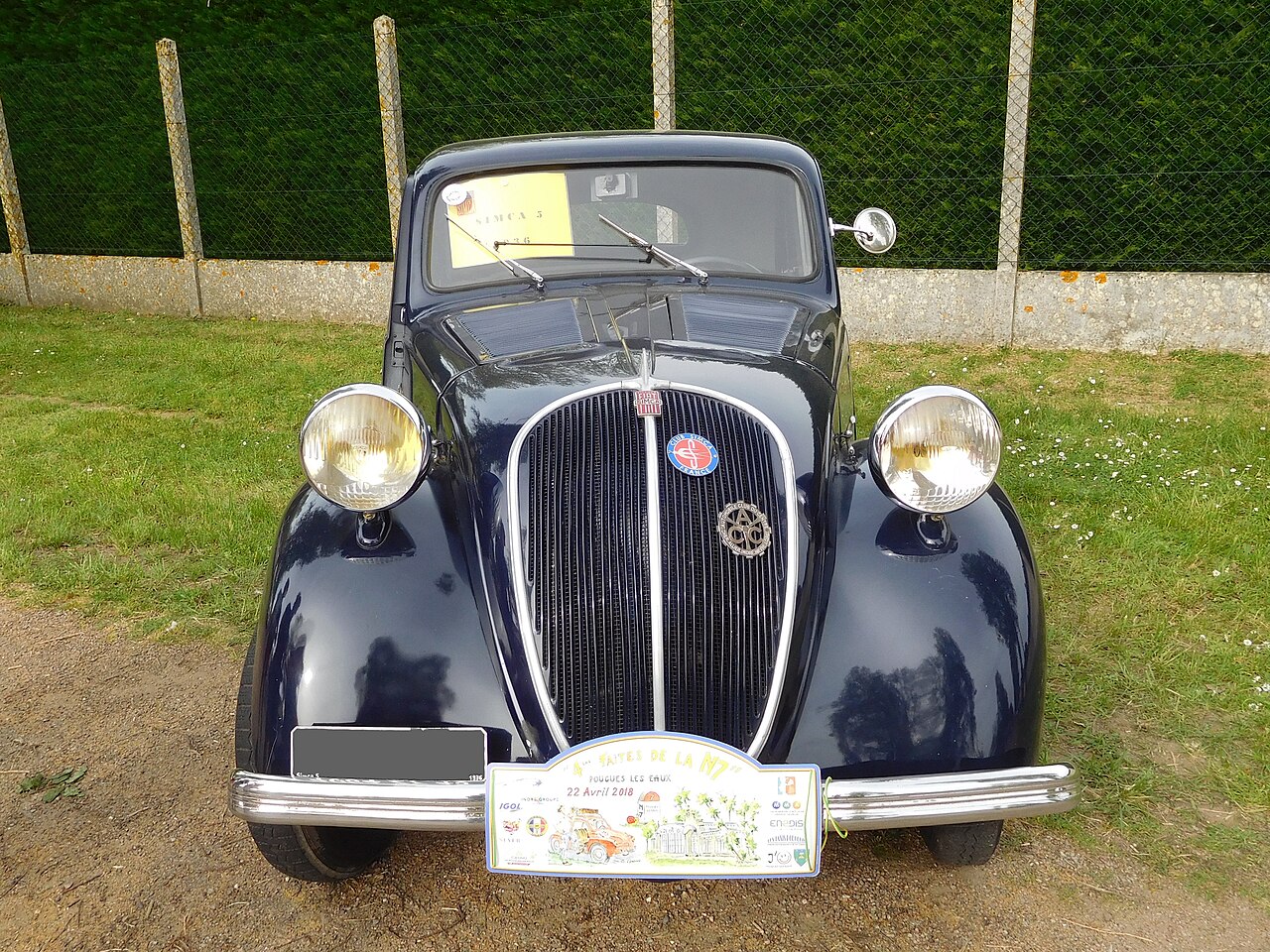
Simca beat Fiat to market by three months with what was essentially Fiat's own Topolino design.
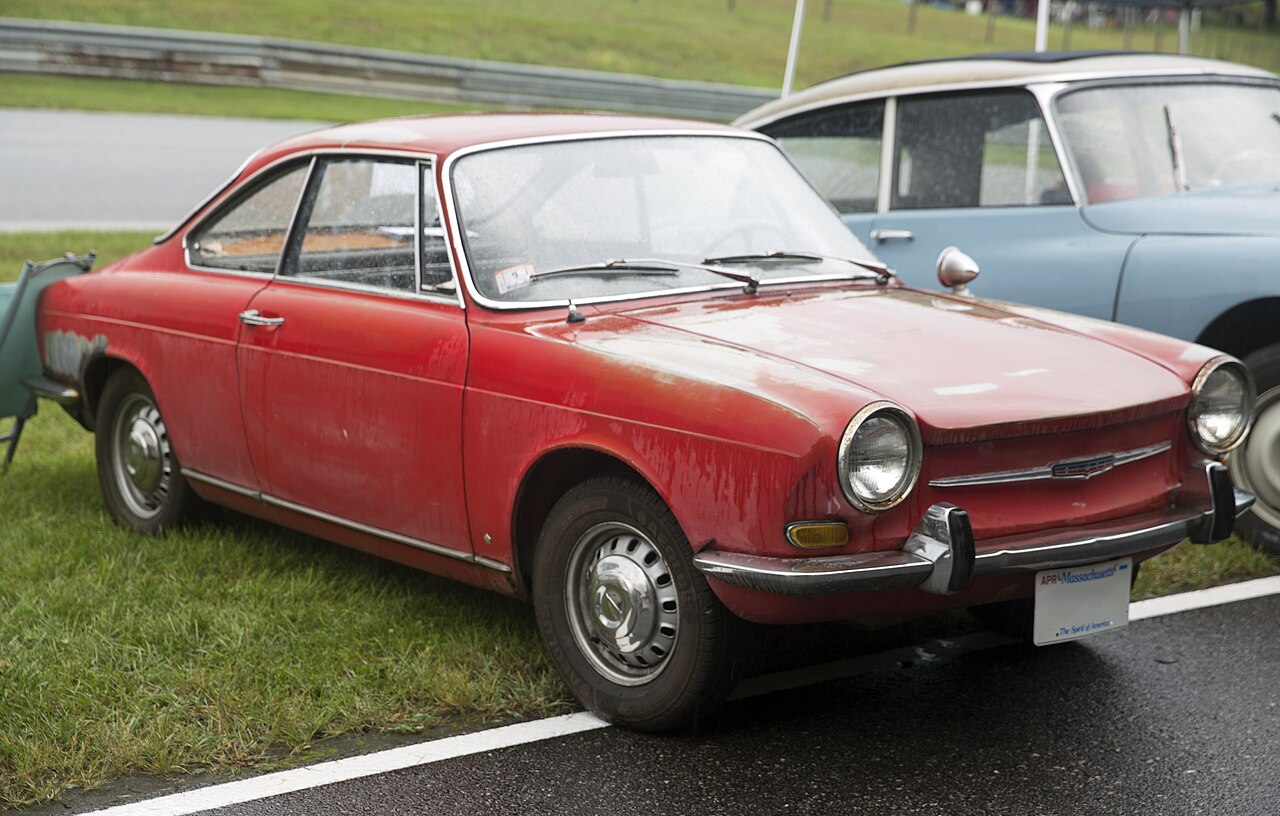
The Simca 1000 began at Fiat: Simca boss Henri Pigozzi picked one of six boxy clay models from Fiat's "Project 122".
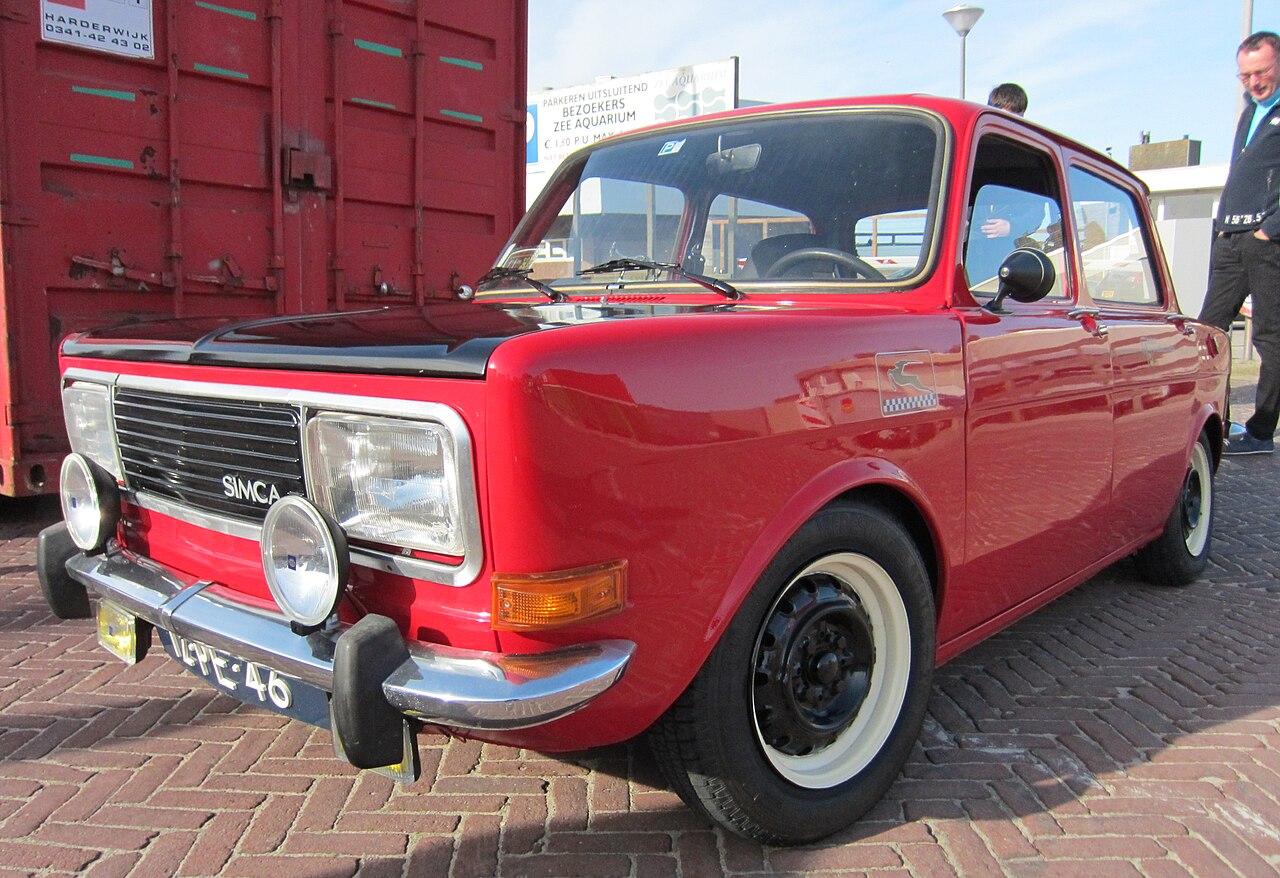
The last Simca 1000 ever built, the 1978 Rallye 3, was also the rarest — just 1,000 were made in the model's final year, a quiet send-off for a car that had sold nearly two million.
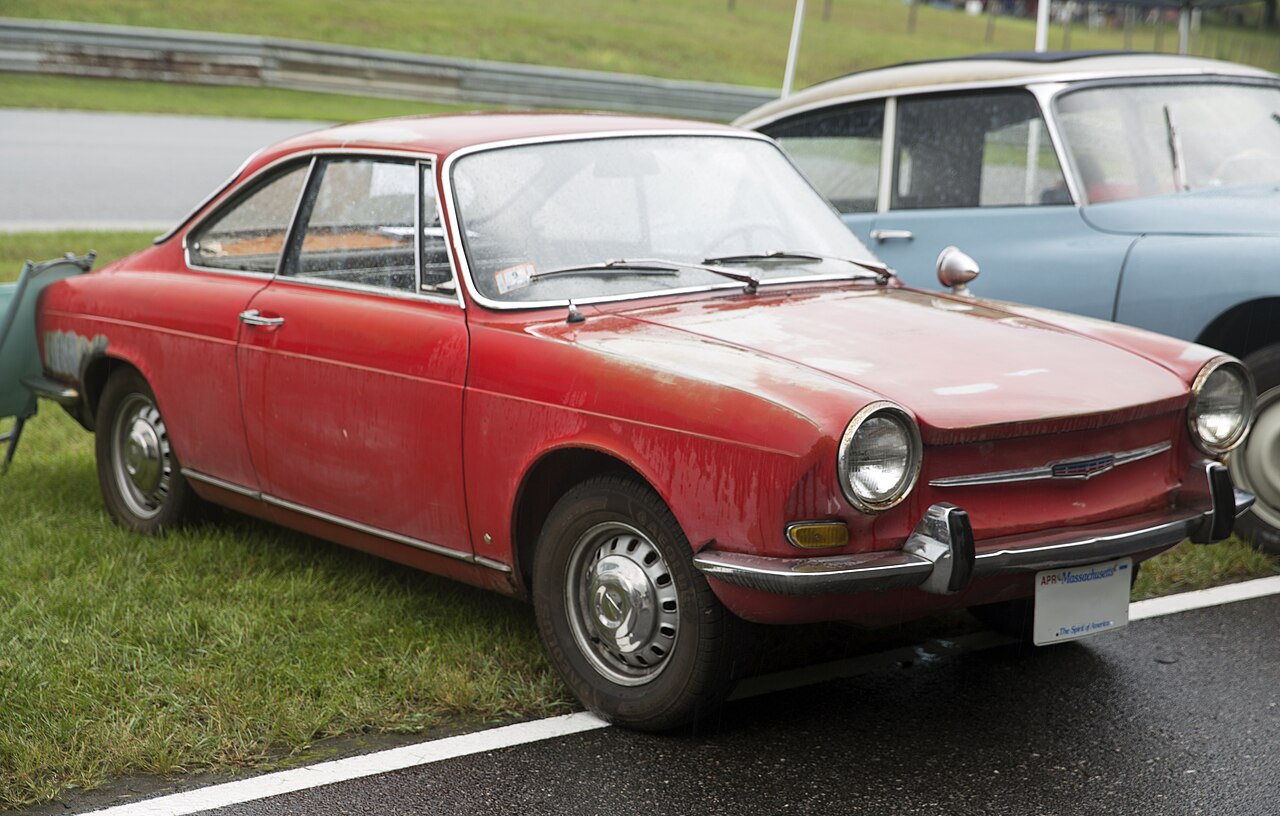
To drum up buzz at launch, Simca briefly swapped 50 of its Paris taxi fleet's Ariane sedans for tiny new 1000s, making the little car a familiar sight on the capital's streets.
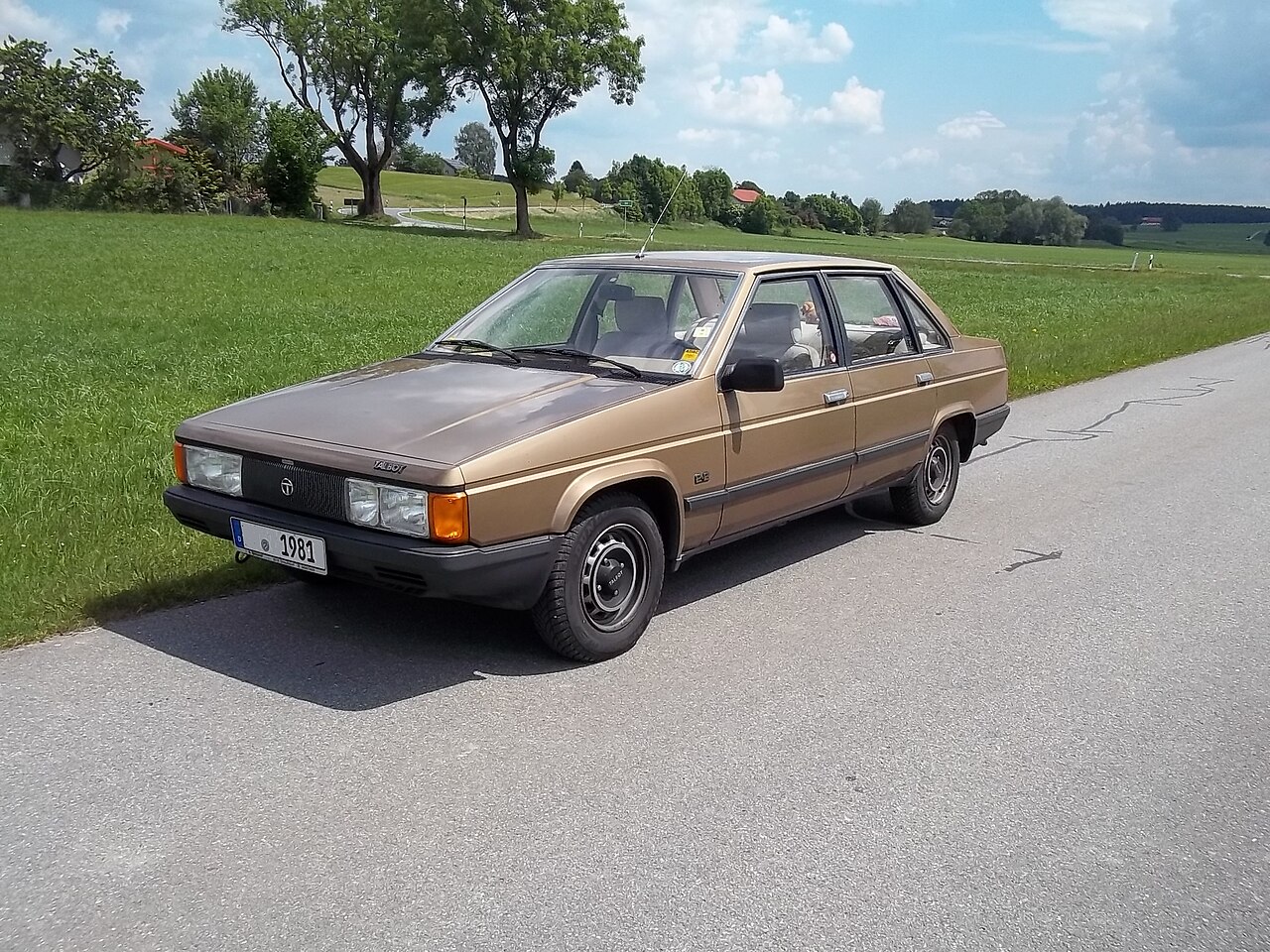
The humble Tagora spawned a one-off concept, the Présidence, decked out with Connolly leather and electronics way ahead of 1981 — a built-in telephone, dictaphone, text-message receiver and a TV with VCR.
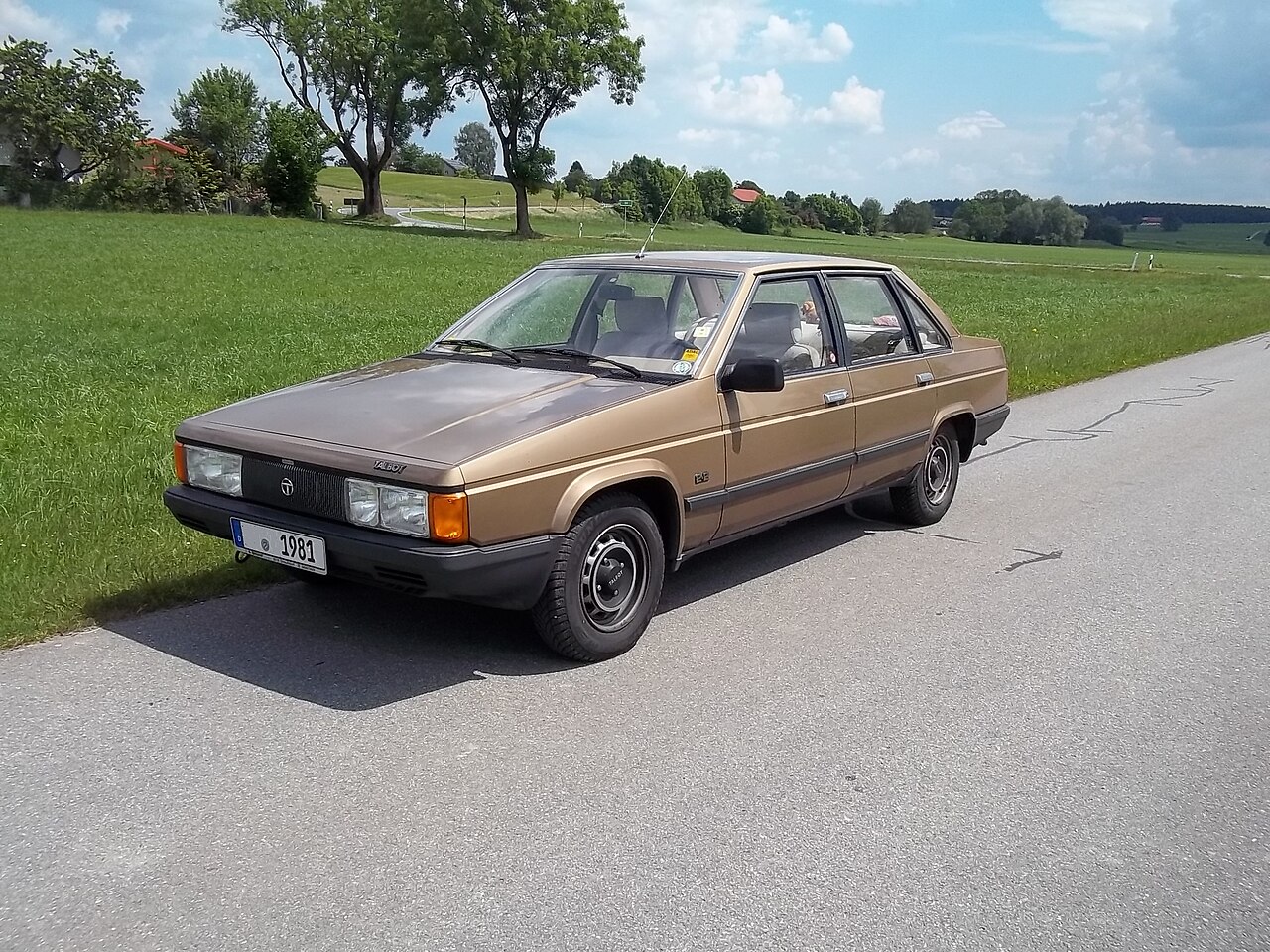
Talbot fed the Tagora's V6 old-fashioned triple carburettors instead of fuel injection — and the extra power briefly made it the most powerful French car on sale. Only 1,083 were ever built.
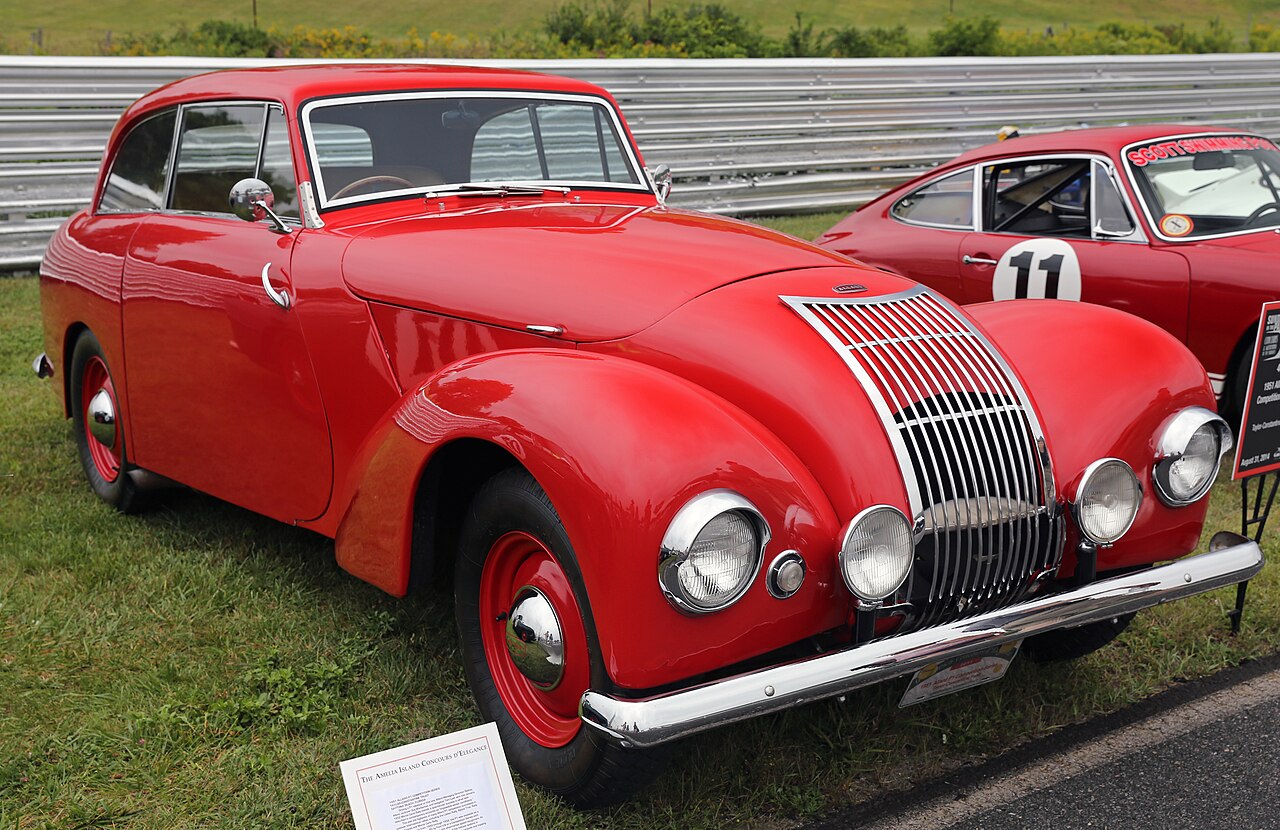
The P1's windscreen hinged open at the top on a central toggle, and Sydney Allard drove one to outright victory in the 1952 Monte Carlo Rally.
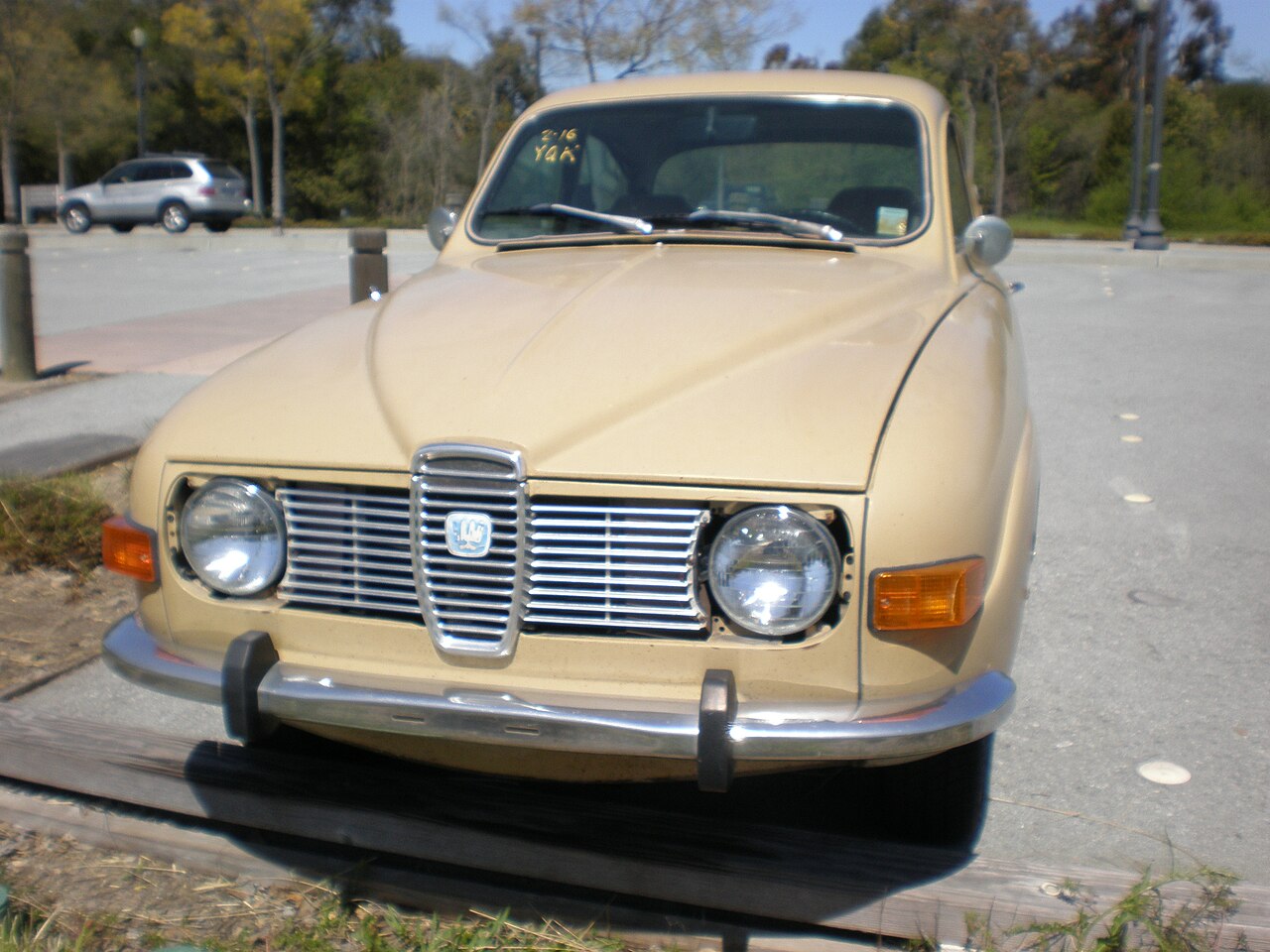
Switching the 96 from a two-stroke to a Ford V4 was such a closely guarded secret that Saab invented a fake company, Maskinverktyg AB, just to buy the new engine's parts without its own purchasing department finding out.