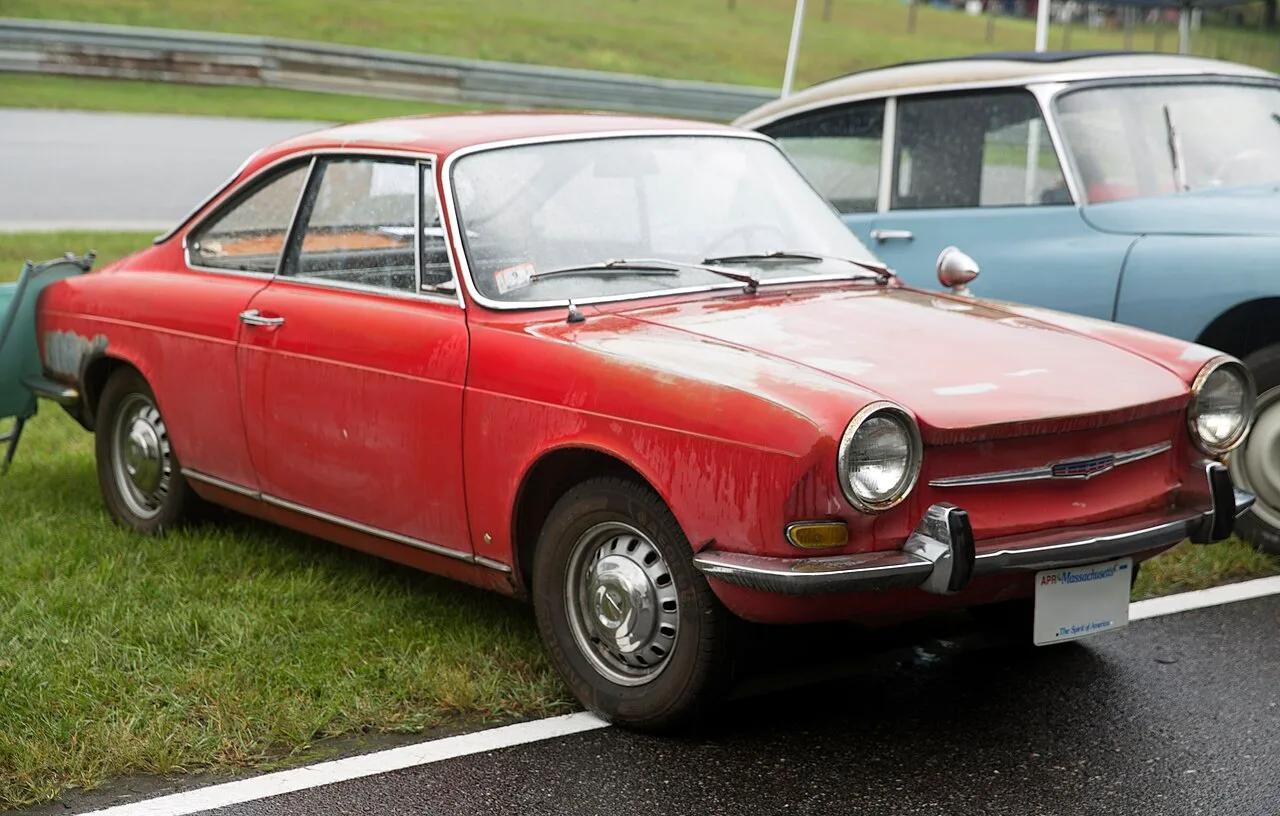
To drum up buzz at launch, Simca briefly swapped 50 of its Paris taxi fleet's Ariane sedans for tiny new 1000s, making the little car a familiar sight on the capital's streets.
Lead trim: Sim'4 / 4 CV 777 cc four (31 PS, 1968–1969) · up to 53 hp
Simca 10001961–1978
- 0spots by members
- Unclaimednobody has spotted one yet
- 0sets it belongs to
Nobody in Burbles has spotted a Simca 1000 yet. See one on the street, point the app at it, and the first card is yours — with your @handle permanently credited on this page.
FactTo drum up buzz at launch, Simca briefly swapped 50 of its Paris taxi fleet's Ariane sedans for tiny new 1000s, making the little car a familiar sight on the capital's streets.
The Simca 1000 (Simca Mille in French) is a small, boxy rear-engined four-door saloon manufactured for 18 years by Simca, from 1961 to 1978 (also called Simca 900, Simca 4 CV/Sim'4, Simca 1118 and, in its last form, 1005/1006). It originated in Fiat's "Project 122", Simca boss Henri Pigozzi selecting one of six boxy four-door clay models to be developed with Felice Mario Boano and Simca's Mario Revelli de Beaumont; production began on 27 July 1961 and it was unveiled at the Paris Motor Show on 10 October 1961 with a brand-new inline-four water-cooled "Poissy engine" of 944 cc. It was Simca's first rear-engined car, with the fuel tank behind the rear seat giving a 35/65 front/rear weight distribution and responsive oversteer, and the spare wheel stowed vertically in the front luggage compartment. In 1963 the poverty-spec Simca 900 arrived; in October 1968 the low-cost Simca 4 CV (marketed in France as the Sim'4) appeared with a 777 cc unit providing 31 PS (DIN), raised to 33 PS twelve months later, and the 1118 cc unit from the Simca 1100 was added for the 1969 model year, growing to 1294 cc in 1971 and fitted to the 1000 in 1972; a light facelift was shown at the 1968 Paris Motor Show and in 1977 the last revision brought the 1005/1006 names and rectangular headlights. Production stopped in 1978 without a direct replacement; in 17 years almost 2 million were sold, 154,282 in 1962, its first full year, and annual sales stayed above 100,000 until 1974. It was built by Barreiros in Spain from late 1965 (with 844 cc and 1204 cc engines in some versions), in Colombia by Colmotores and in Chile and Morocco. Wheelbase 2,220 mm (87.4 in), length 3,785 mm (149.0 in), width 1,473 mm (58.0 in), height 1,335 mm (52.6 in), curb weight 730 kg.
Collectors Spotted in the Simca 1000 Lineage
No member has published a public street spot of the Simca 1000 yet — the First · Worldwide stamp is wide open.
Trims & Figures
5 published trims in the catalogue. A blank is a figure not recorded, not zero.
| Trim | Years | Engine | Power | Torque | 0–60 | Drive | Gearbox | MSRP |
|---|---|---|---|---|---|---|---|---|
| 1000 944 cc Type 315 four (45 PS, 1962) | 1962–1962 | 0.9 L Inline-4 | 44 hp | — | — | RWD | — | — |
| 1000 GLA 944 cc four (54 PS, 1966–1968) | 1966–1968 | 0.9 L Inline-4 | 53 hp | — | — | RWD | — | — |
| 1000 Spécial 1118 cc four (50 PS, 1969) | 1969–1969 | 1.1 L Inline-4 | 49 hp | — | — | RWD | — | — |
| Sim'4 / 4 CV 777 cc four (31 PS, 1968–1969) | 1968–1969 | 0.8 L Inline-4 | 31 hp | — | — | RWD | — | — |
| Sim'4 / 4 CV 777 cc four (33 PS, 1970–1973) | 1970–1973 | 0.8 L Inline-4 | 33 hp | — | — | RWD | — | — |
Owning one
An estimate, for the 1000 944 cc Type 315 four (45 PS, 1962) trim: fuel on its EPA figure and a dated national price, upkeep on a per-mile average for the kind of car it is.
Owners’ builds
Nobody has claimed one yet.
Photographs
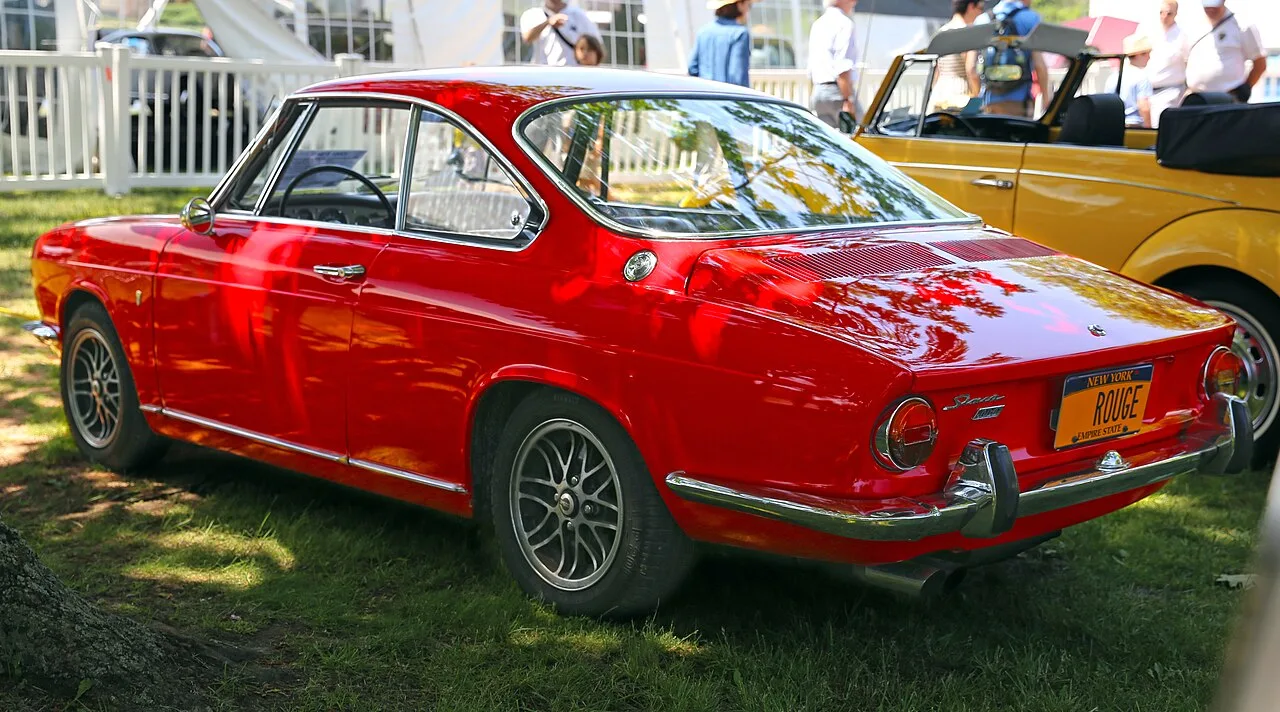
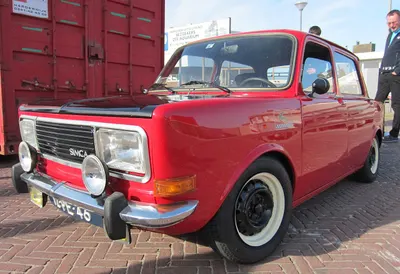
The last Simca 1000 ever built, the 1978 Rallye 3, was also the rarest — just 1,000 were made in the model's final year, a quiet send-off for a car that had sold nearly two million.
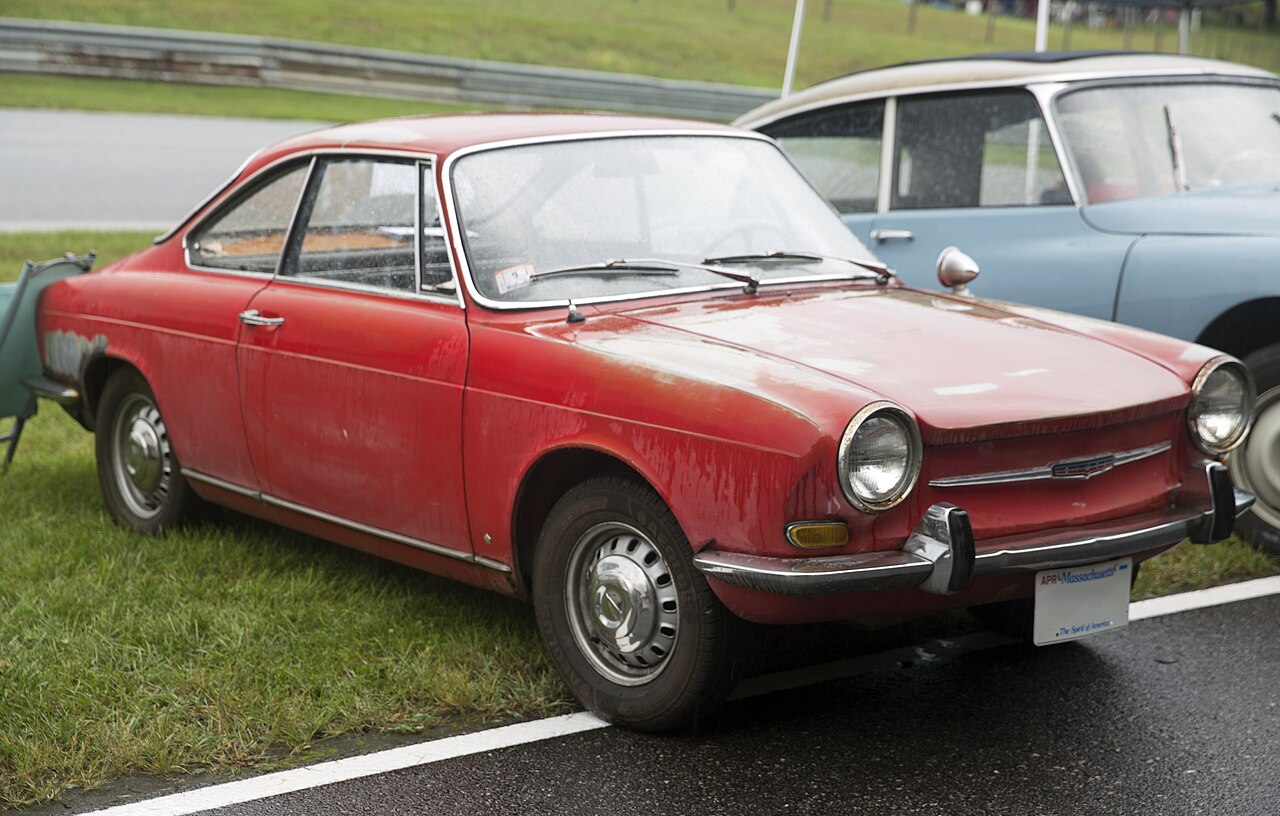
The Simca 1000 began at Fiat: Simca boss Henri Pigozzi picked one of six boxy clay models from Fiat's "Project 122".
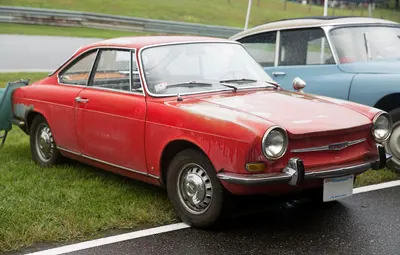
To drum up buzz at launch, Simca briefly swapped 50 of its Paris taxi fleet's Ariane sedans for tiny new 1000s, making the little car a familiar sight on the capital's streets.
Rivals
Same body, same money, other badges — tap any card to flip.
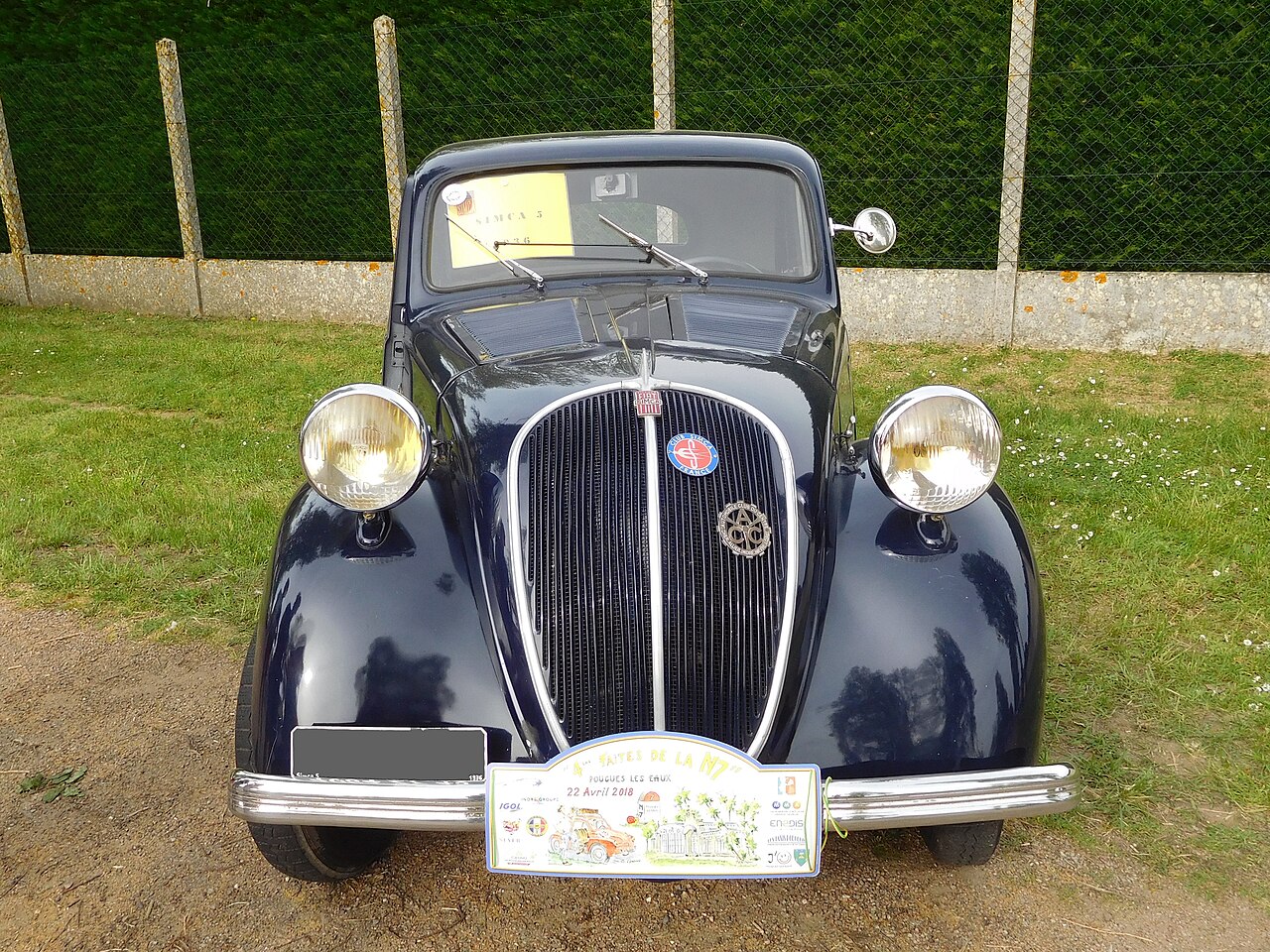
Simca beat Fiat to market by three months with what was essentially Fiat's own Topolino design.
The Simca 1000 began at Fiat: Simca boss Henri Pigozzi picked one of six boxy clay models from Fiat's "Project 122".
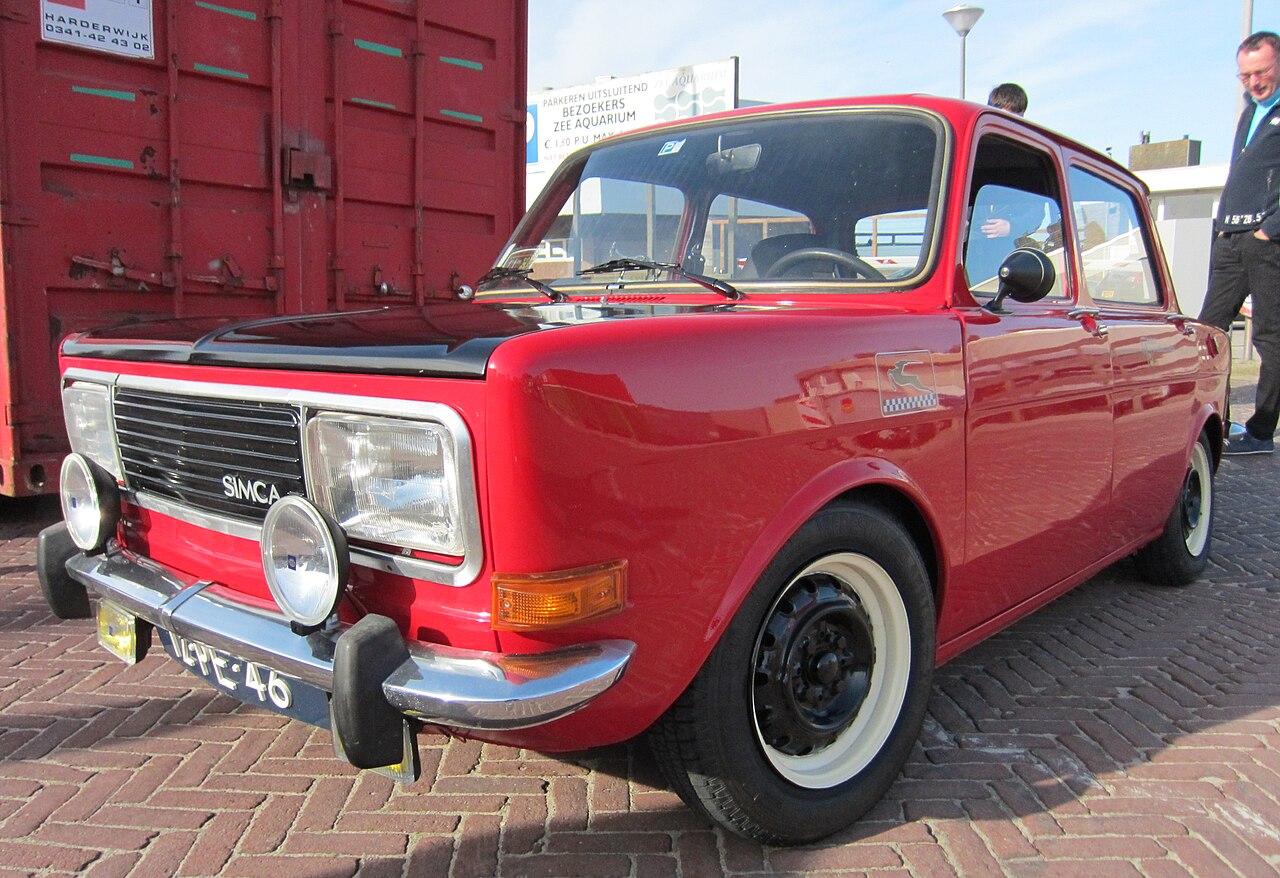
The last Simca 1000 ever built, the 1978 Rallye 3, was also the rarest — just 1,000 were made in the model's final year, a quiet send-off for a car that had sold nearly two million.
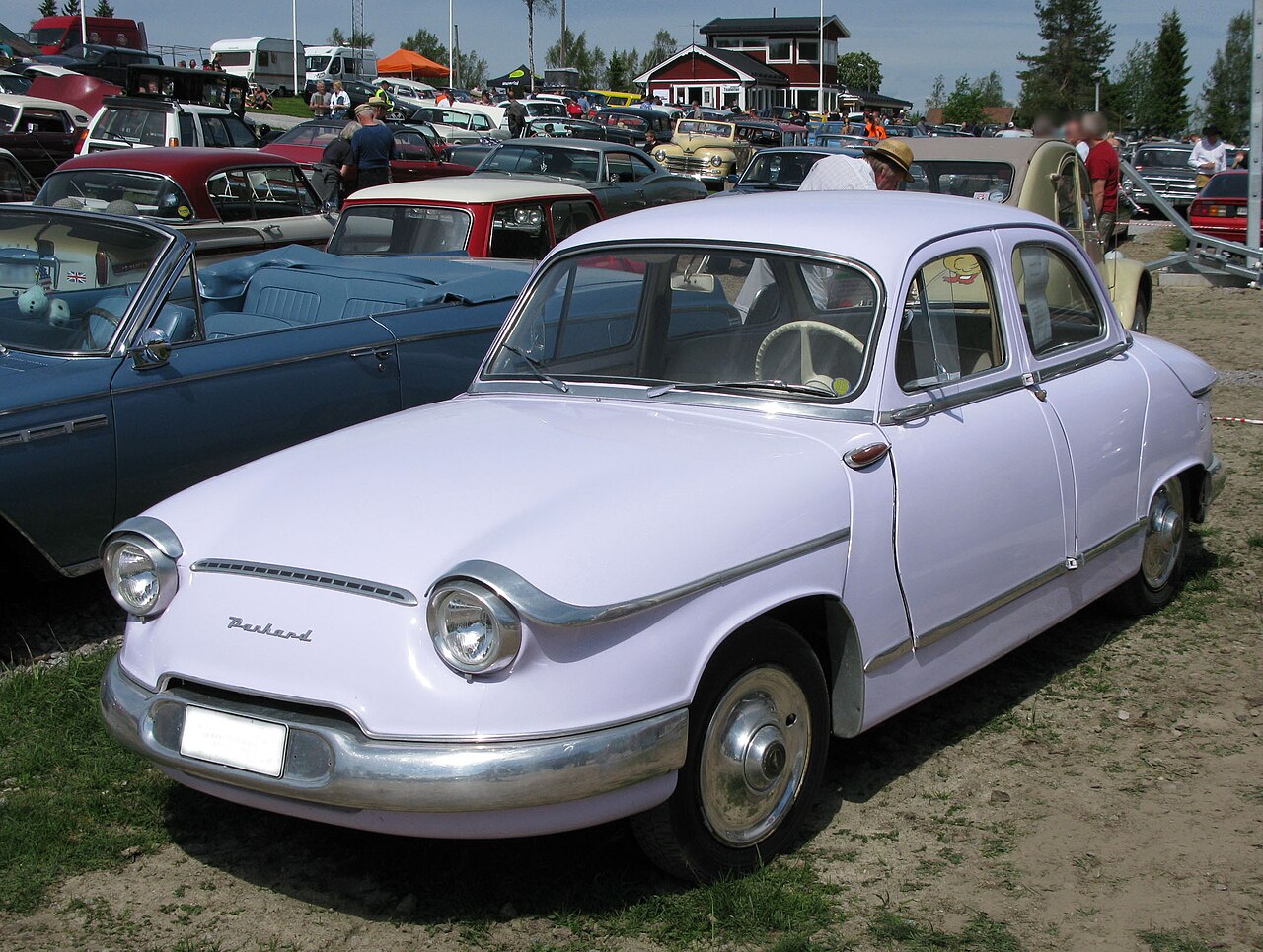
The PL 17's name is a sum: 5 fiscal horsepower, 6 seats, 6 litres per 100 km, kept a digit below the Citroën DS 19's.
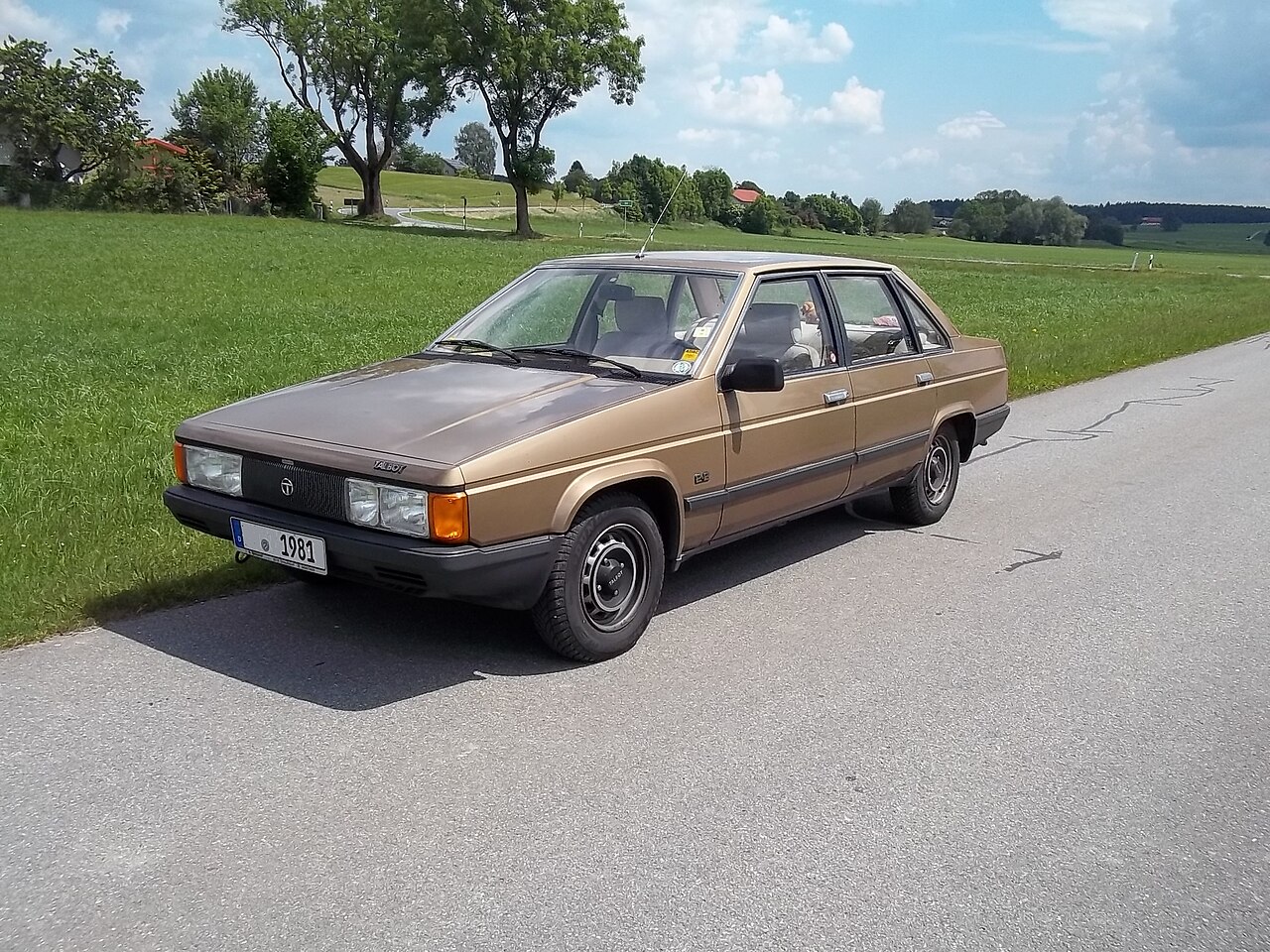
The humble Tagora spawned a one-off concept, the Présidence, decked out with Connolly leather and electronics way ahead of 1981 — a built-in telephone, dictaphone, text-message receiver and a TV with VCR.
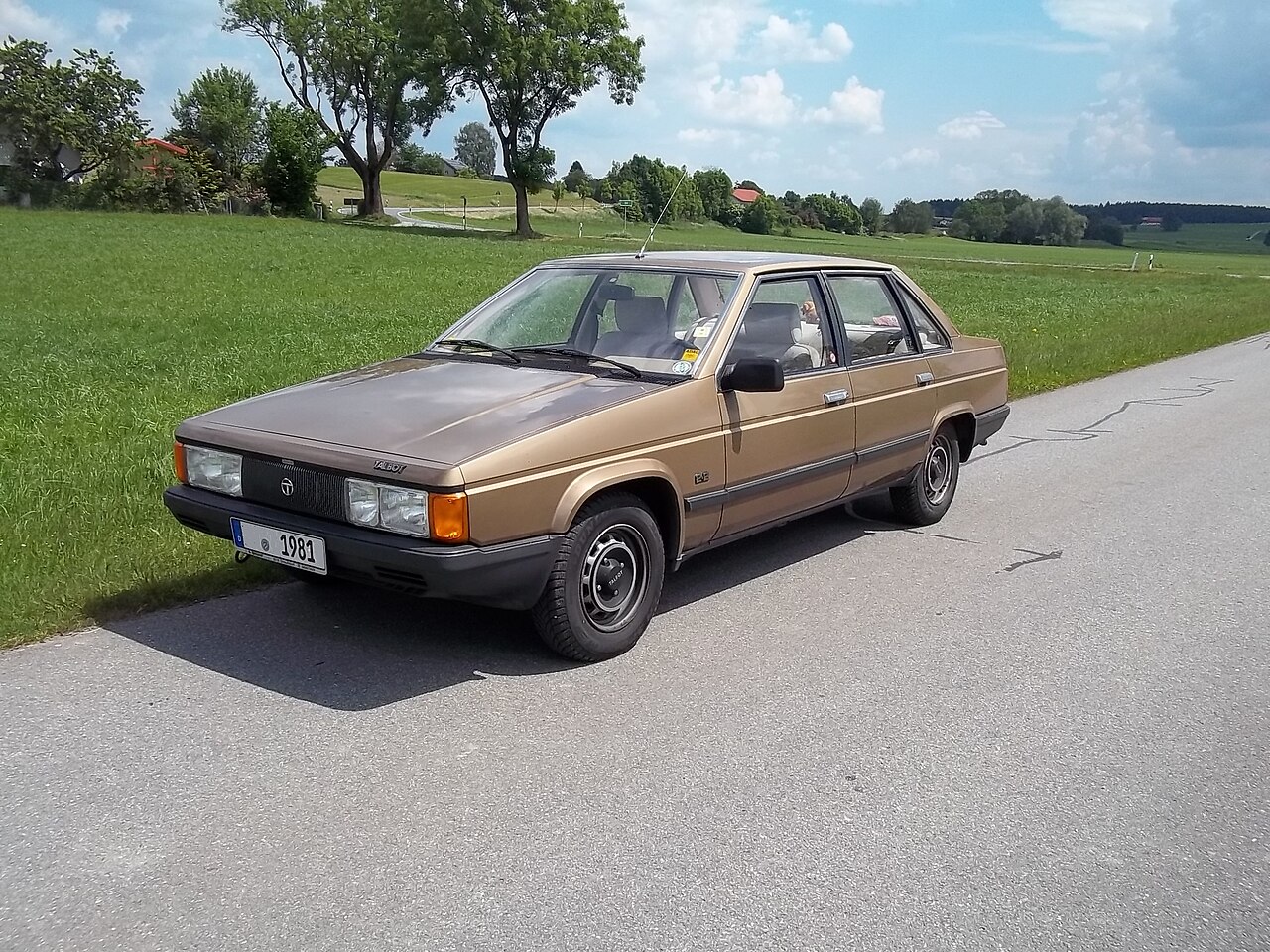
Talbot fed the Tagora's V6 old-fashioned triple carburettors instead of fuel injection — and the extra power briefly made it the most powerful French car on sale. Only 1,083 were ever built.
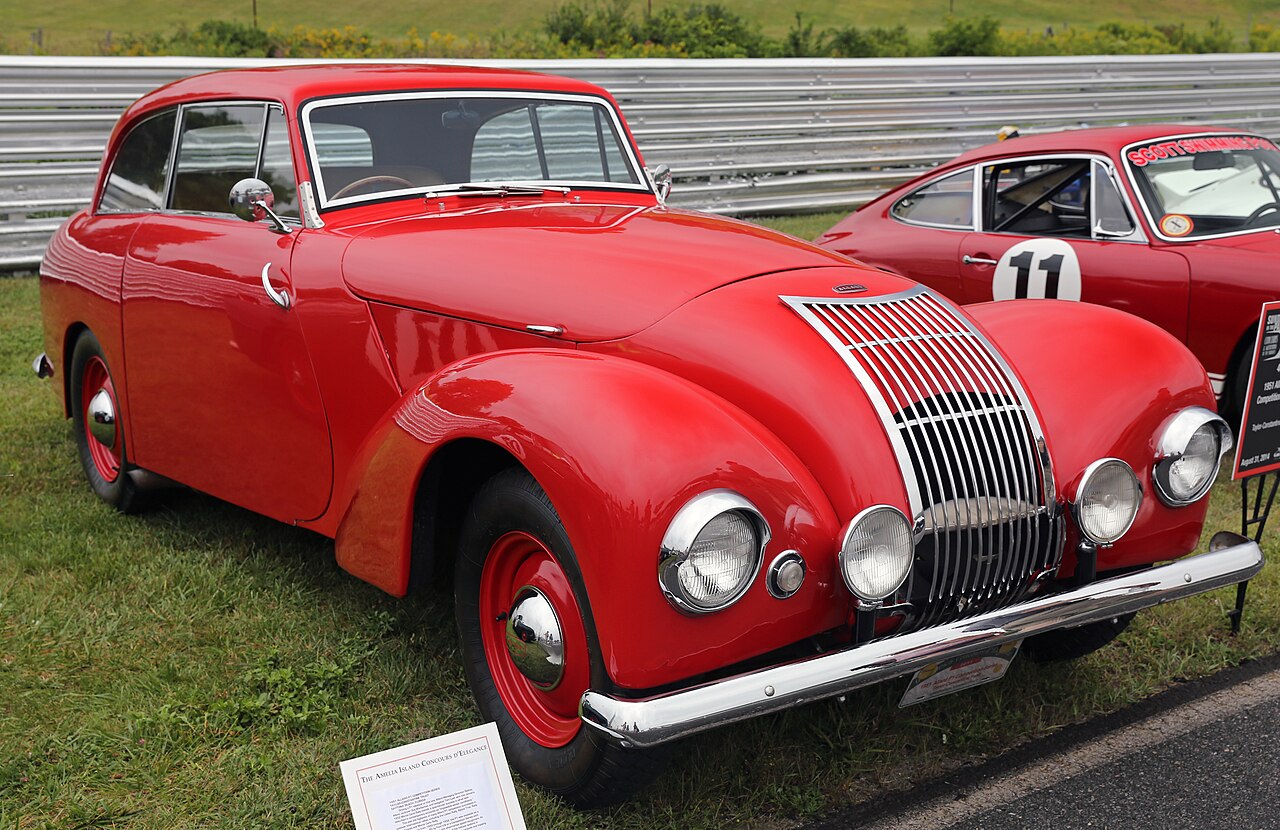
The P1's windscreen hinged open at the top on a central toggle, and Sydney Allard drove one to outright victory in the 1952 Monte Carlo Rally.
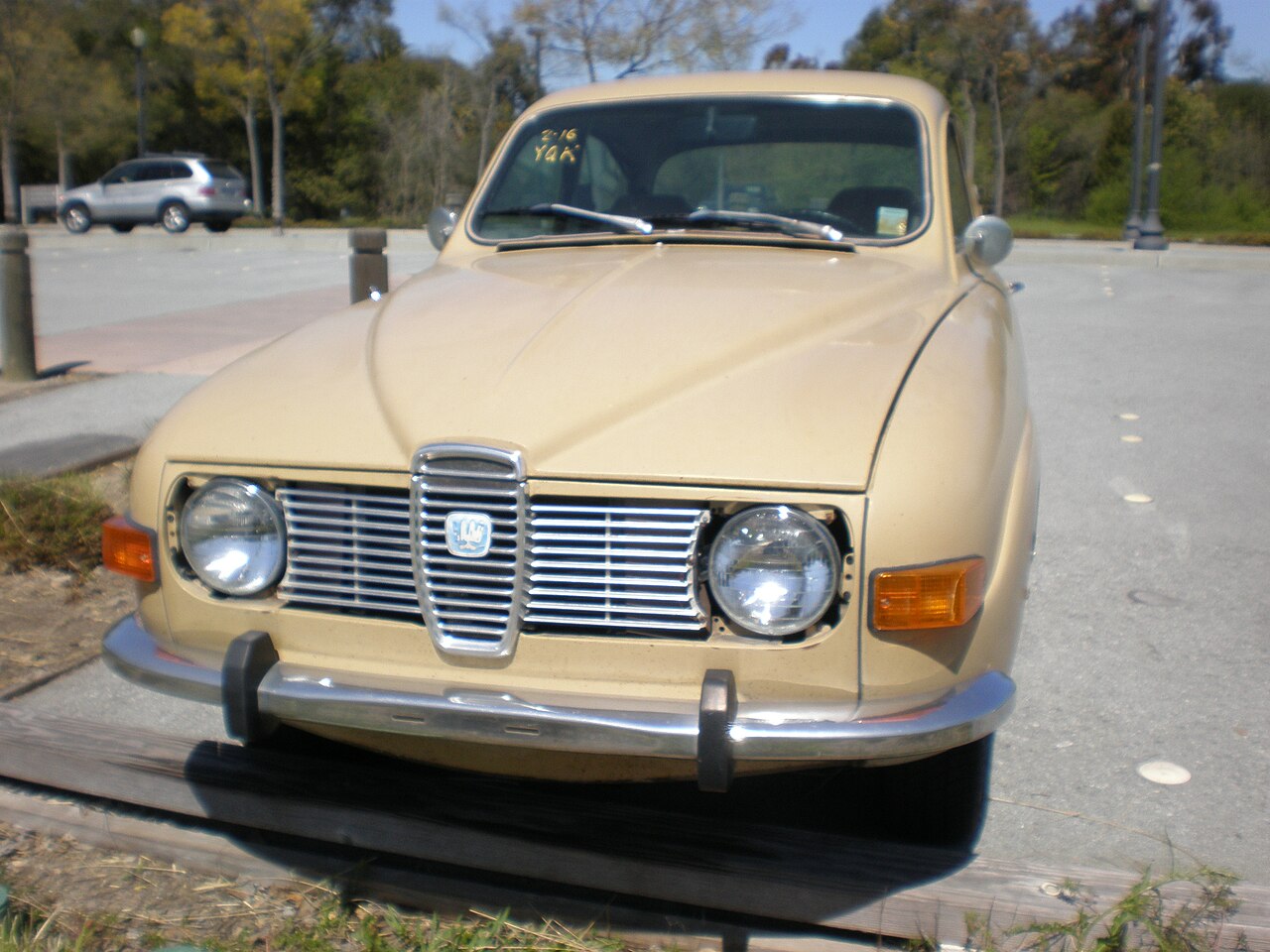
Switching the 96 from a two-stroke to a Ford V4 was such a closely guarded secret that Saab invented a fake company, Maskinverktyg AB, just to buy the new engine's parts without its own purchasing department finding out.