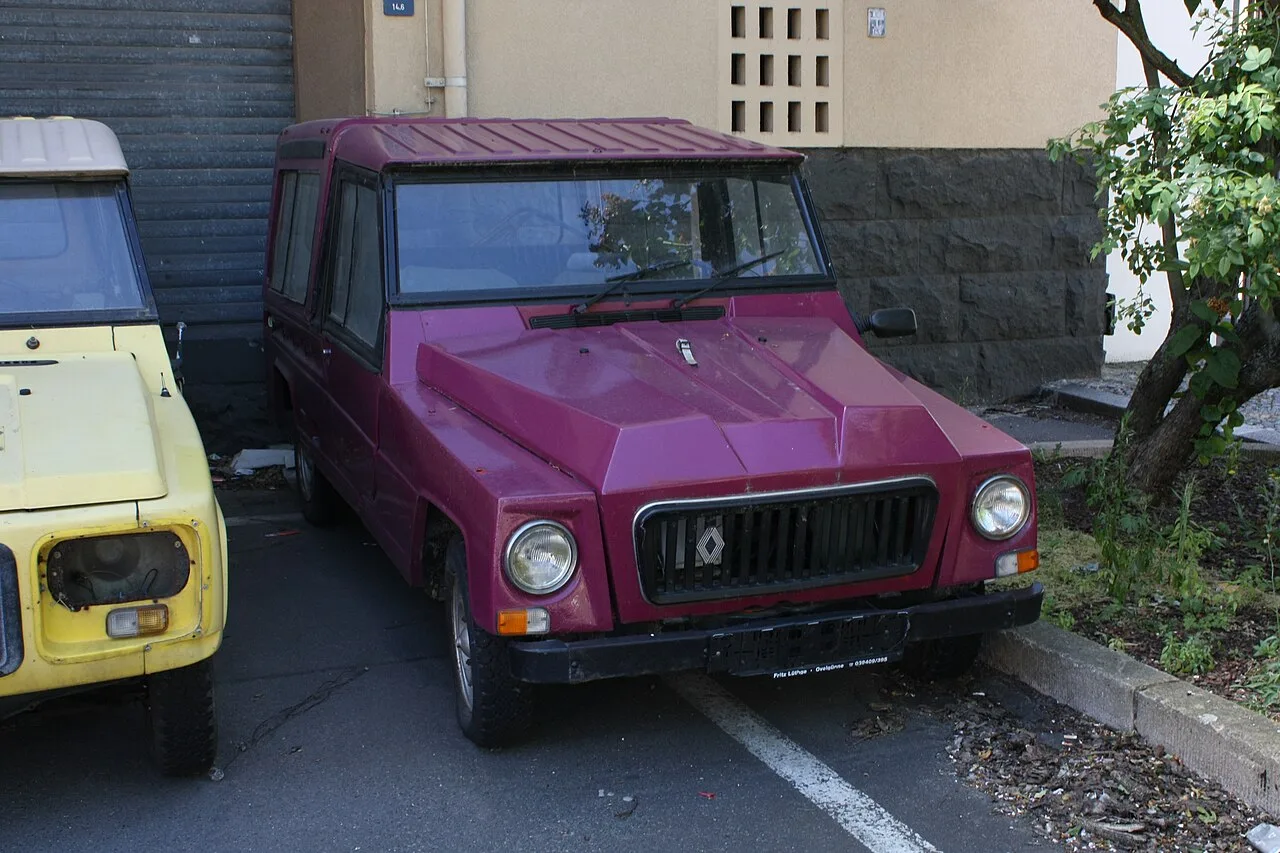
For one year only, 1984, Renault built an all-wheel-drive Rodeo 5 called the Hoggar — a genuine 4x4 variant of a car usually sold as a cheap, rugged plastic-bodied runabout.
Lead trim: Rodeo 5
Renault Rodeo 51981–1987
- 0spots by members
- Unclaimednobody has spotted one yet
- 0sets it belongs to
Nobody in Burbles has spotted a Renault Rodeo 5 yet. See one on the street, point the app at it, and the first card is yours — with your @handle permanently credited on this page.
FactFor one year only, 1984, Renault built an all-wheel-drive Rodeo 5 called the Hoggar — a genuine 4x4 variant of a car usually sold as a cheap, rugged plastic-bodied runabout.
A new model with a smaller and entirely new body replaced the Rodeos 4 and 6 in 1981, called Rodeo 5 or simply Rodeo, and built until 1987; a limited series of all-wheel-drive versions was built in 1984 only, called the Rodeo Hoggar. The page gives no engine for this generation (the series list of 845, 1108 and 1289 cc is not split by model). Renault also used the Rodeo name in Argentina for a flatbed variant of the first-generation Renault Trafic with a removable bed that could serve as a rolling chassis for specific rear compartments.
Collectors Spotted in the Renault Rodeo Lineage
No member has published a public street spot of the Renault Rodeo yet — the First · Worldwide stamp is wide open.
Trims & Figures
2 published trims in the catalogue. A blank is a figure not recorded, not zero.
| Trim | Years | Engine | Power | Torque | 0–60 | Drive | Gearbox | MSRP |
|---|---|---|---|---|---|---|---|---|
| Rodeo 5 | 1981–1987 | — | 34 hp | 55 lb-ft | — | FWD | — | — |
| Rodeo Hoggar (all wheel drive, 1984 only) | 1984–1984 | — | — | — | — | AWD | — | — |
Owning one
We don’t estimate running costs for a car like this. What it costs depends on its condition, its specialist and how it is driven, and an average would mislead.
Owners’ builds
Nobody has claimed one yet.
Photographs
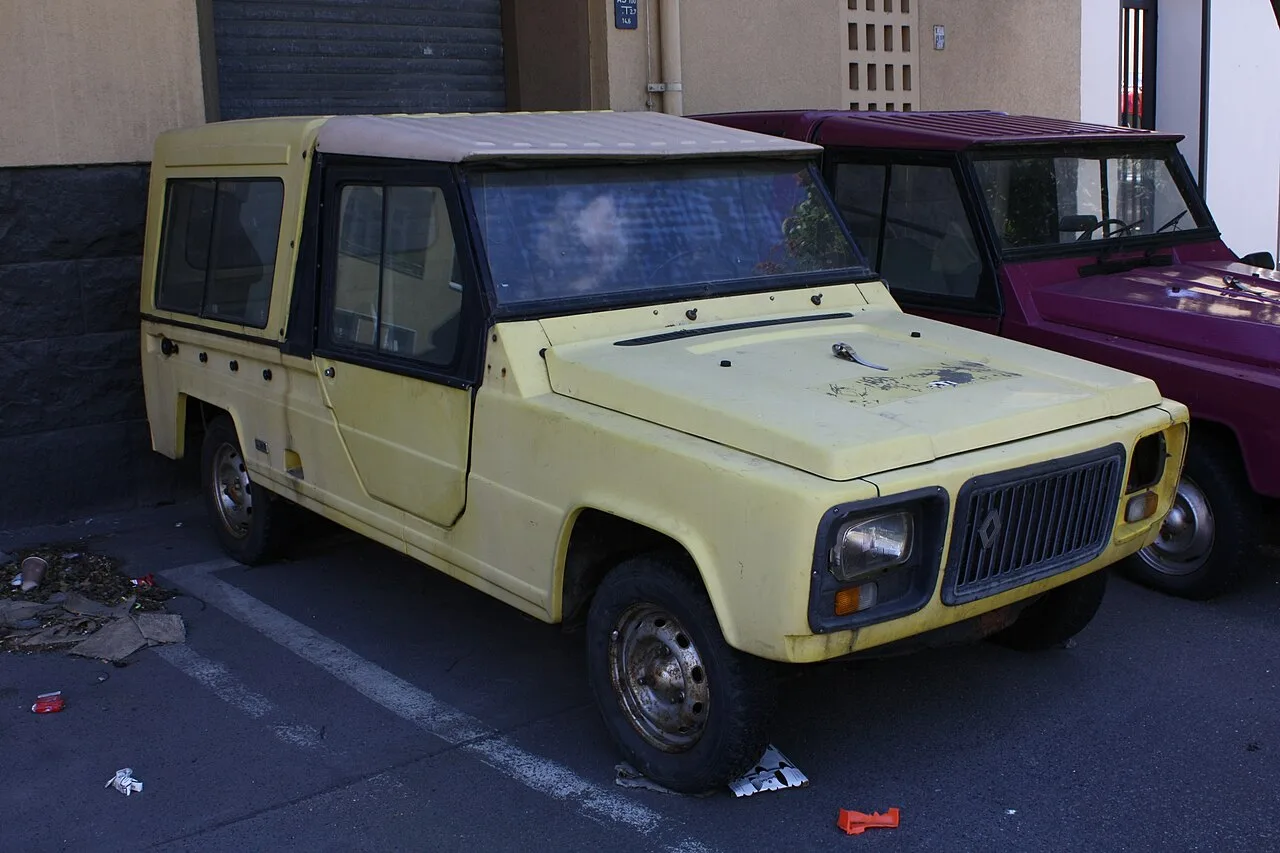

For one year only, 1984, Renault built an all-wheel-drive Rodeo 5 called the Hoggar — a genuine 4x4 variant of a car usually sold as a cheap, rugged plastic-bodied runabout.

This Rodeo 6 started out on Renault 4 van bones with the Renault 6's 1108 cc engine — then in 1979 it was upgraded to the bigger 1289 cc unit borrowed from the Renault 5.

This Renault 4-based buggy didn't even wear a Renault badge for its first six years — it launched as the ACL Rodeo.
Rivals
Same body, same money, other badges — tap any card to flip.
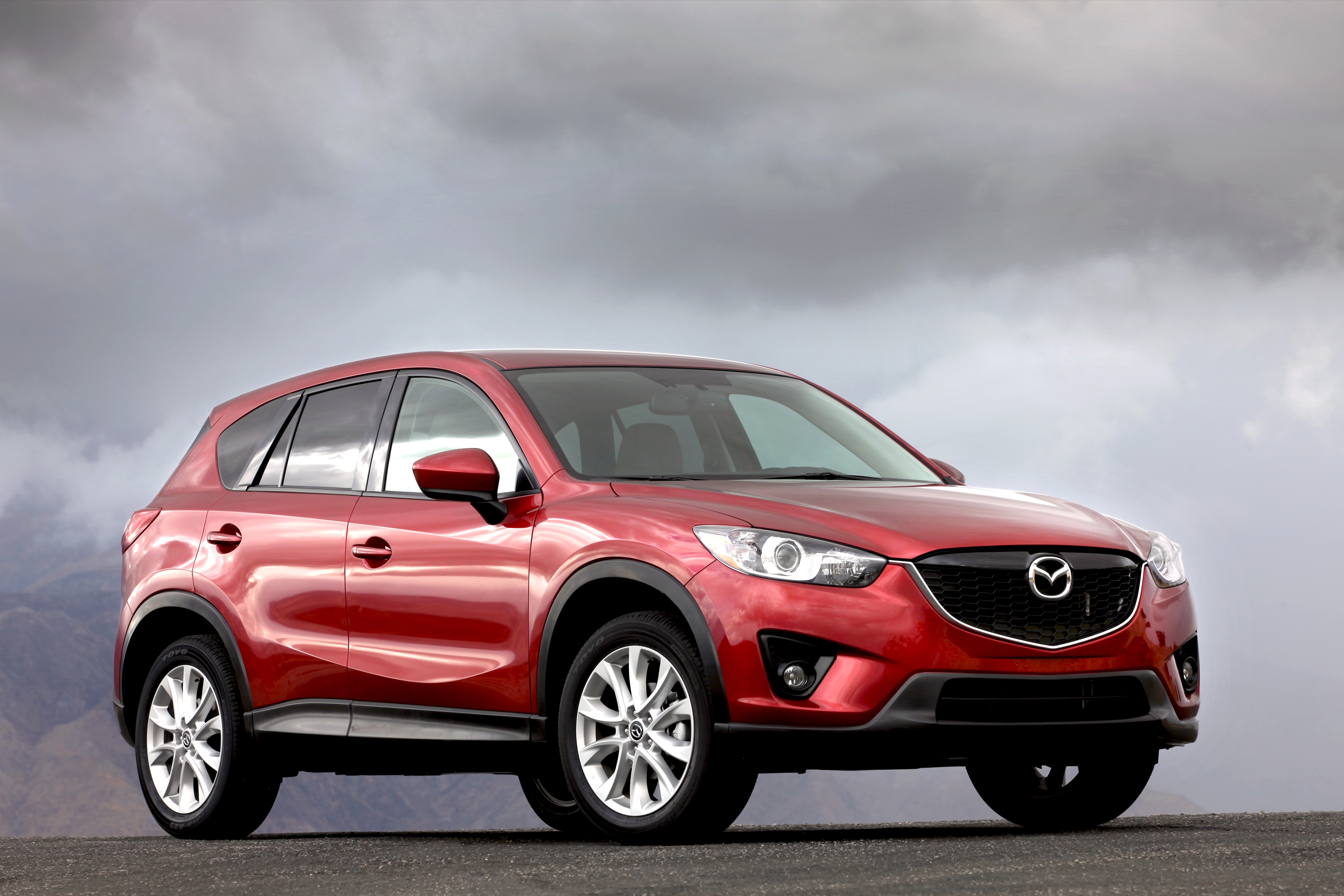
IIHS only crash-tests the driver's corner; tested on the passenger side instead, the CX-5 showed far worse intrusion.

Despite launching from a standing start in late 2025, the i60 topped GAC Aion's own sales chart through January's seasonal slowdown.
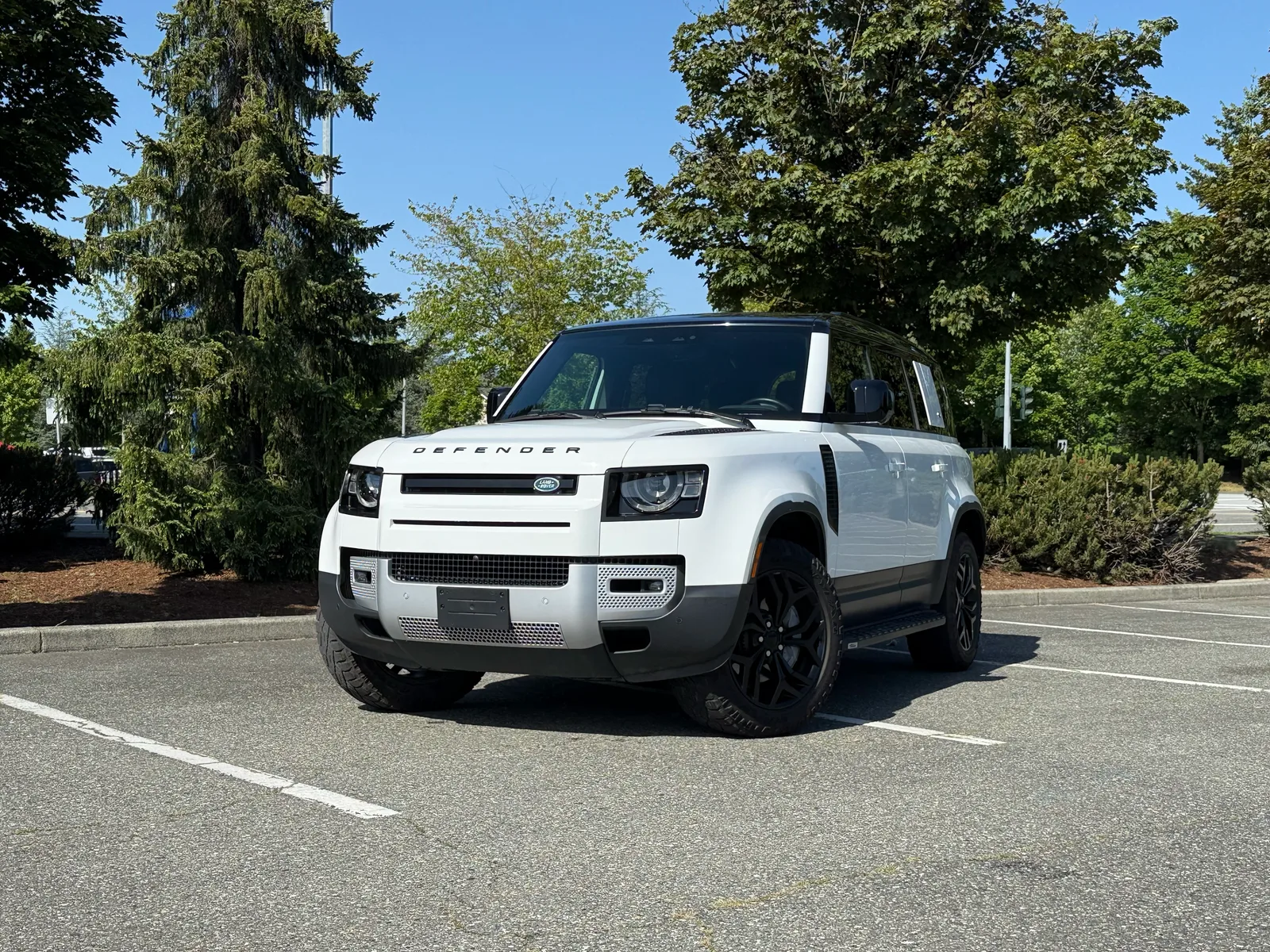
Every Defender before this one was body-on-frame — this generation broke decades of tradition with an aluminium unibody structure instead.
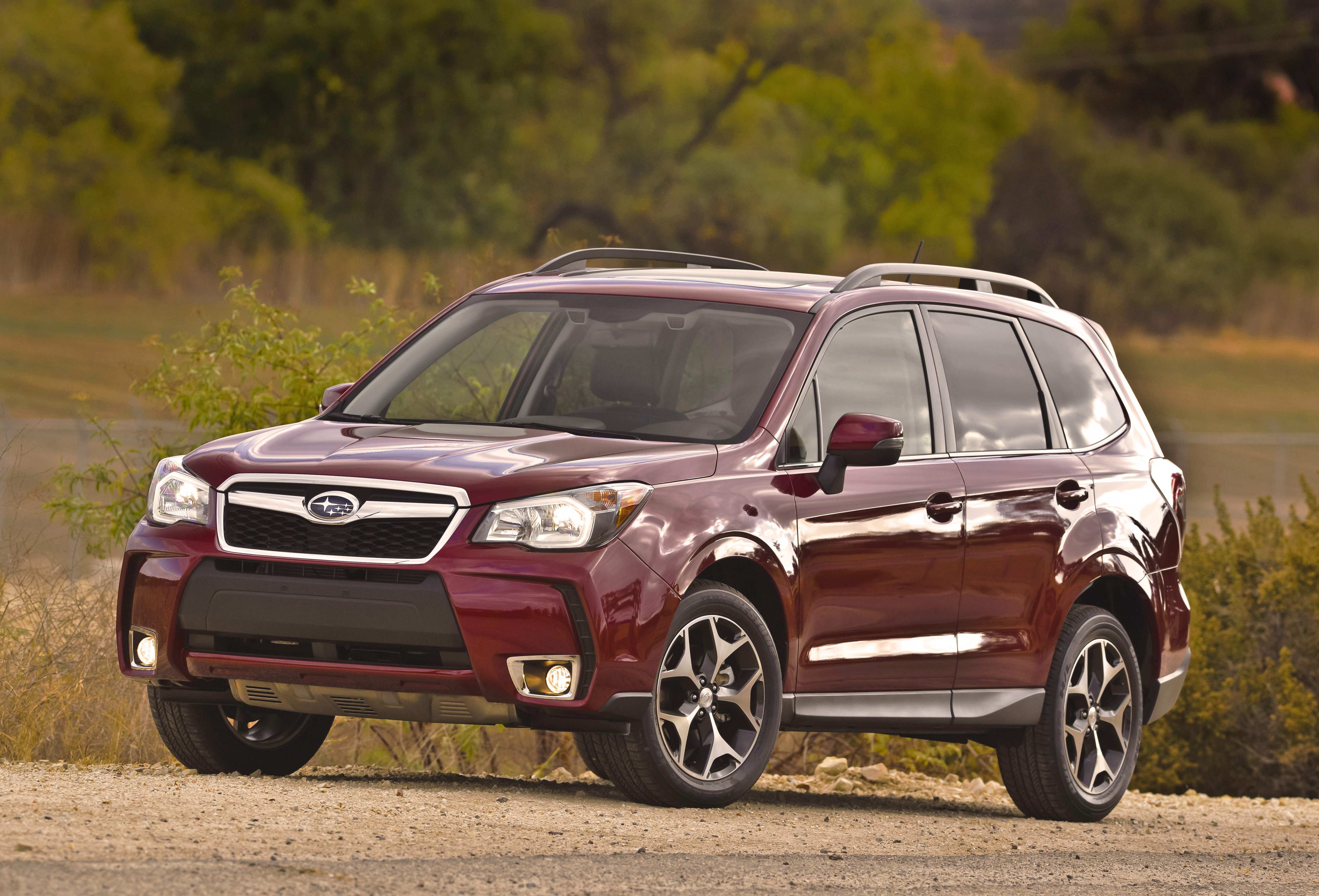
Crashed on the passenger side instead of the driver's, the 2014 Forester showed far more intrusion and would have rated Marginal with the IIHS.
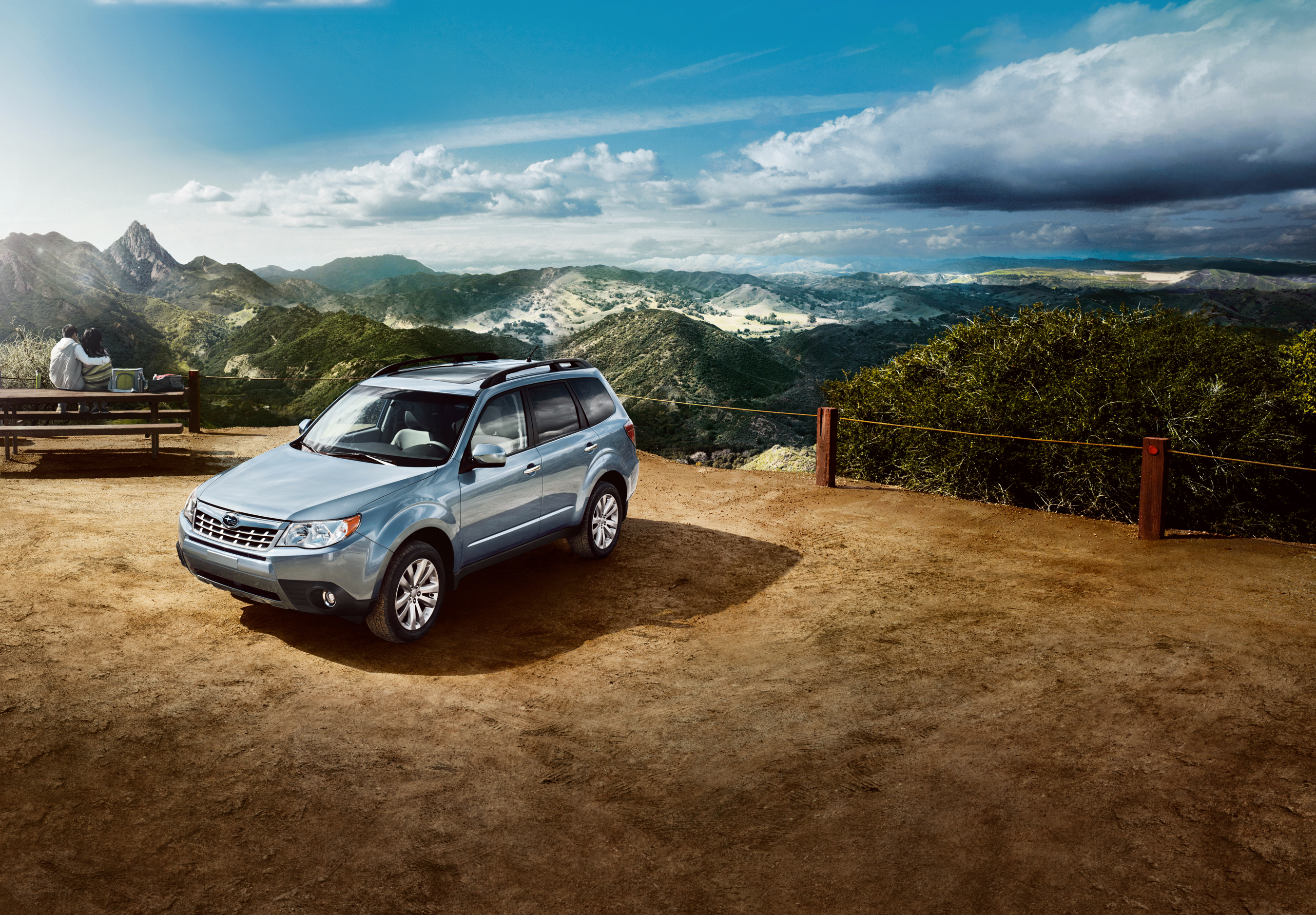
Subaru built a 2.5XT for the National Ski Patrol with a diamond-plate floor, a 9,500-pound winch and a toboggan on the roof.
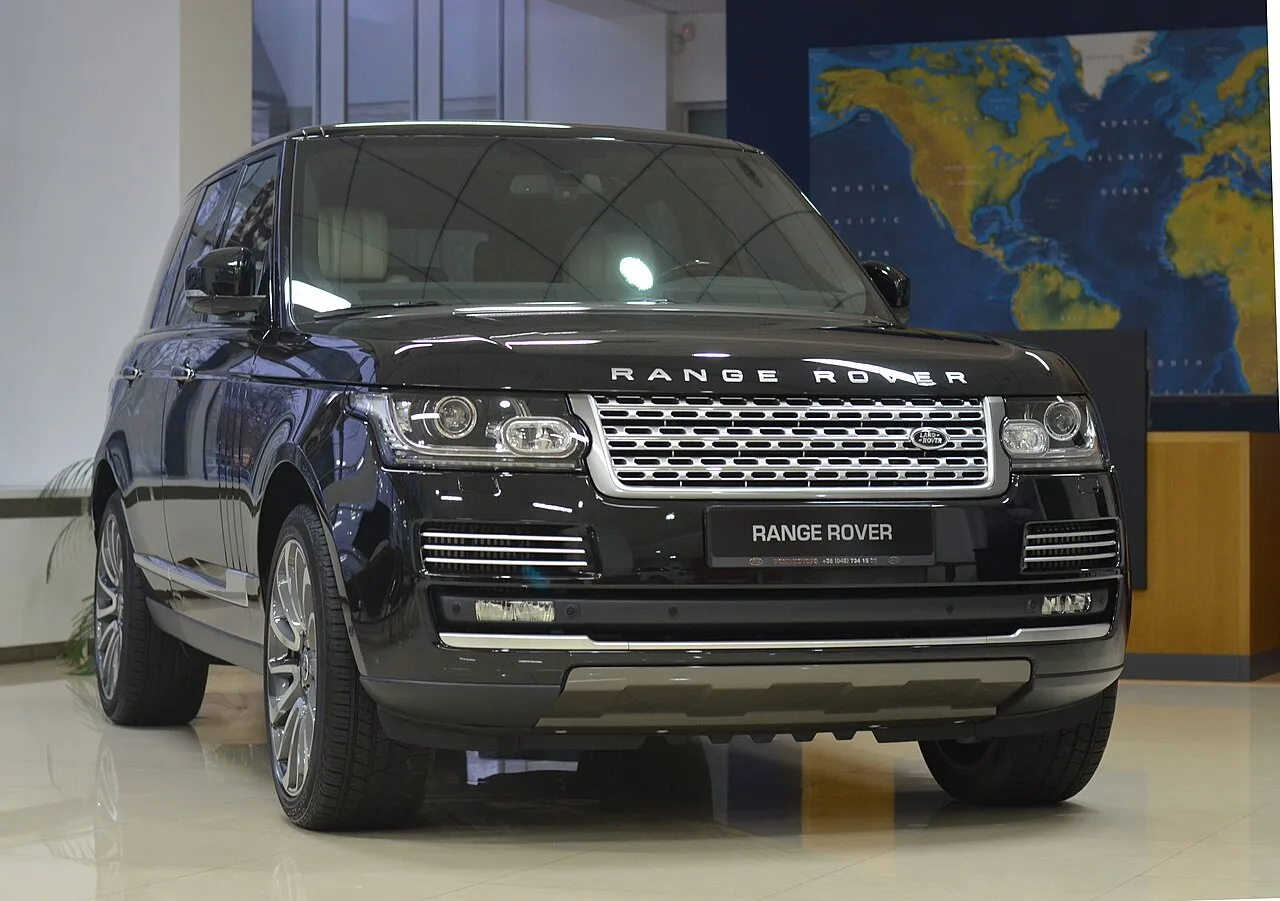
The L405 was the first Range Rover with a fully aluminum monocoque body, cutting up to 420 kg from the outgoing steel-bodied L322.
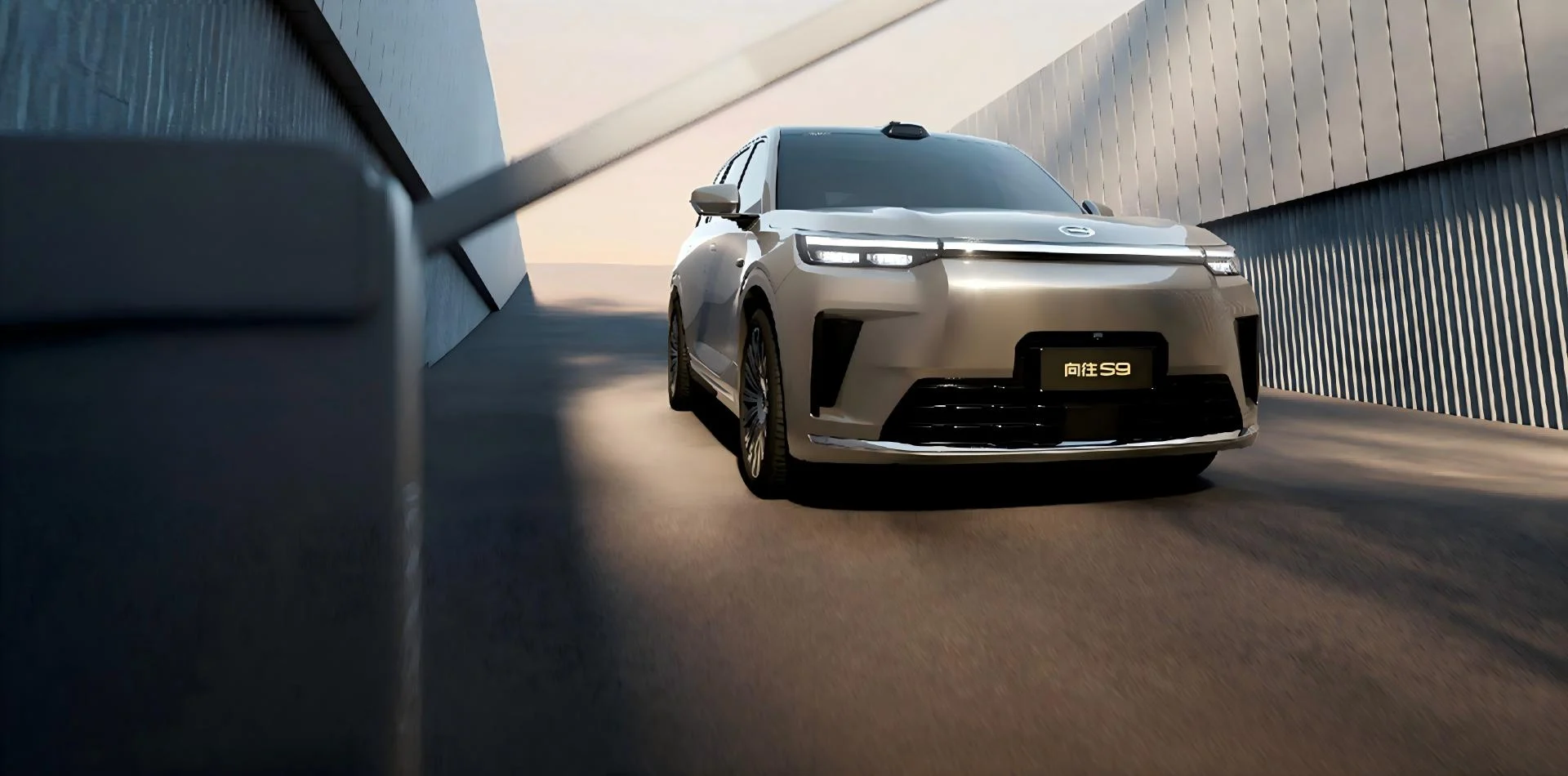
Rear passengers get a 17.3-inch screen that extends from the roof, and a lidar sensor sits in the front of the roof.
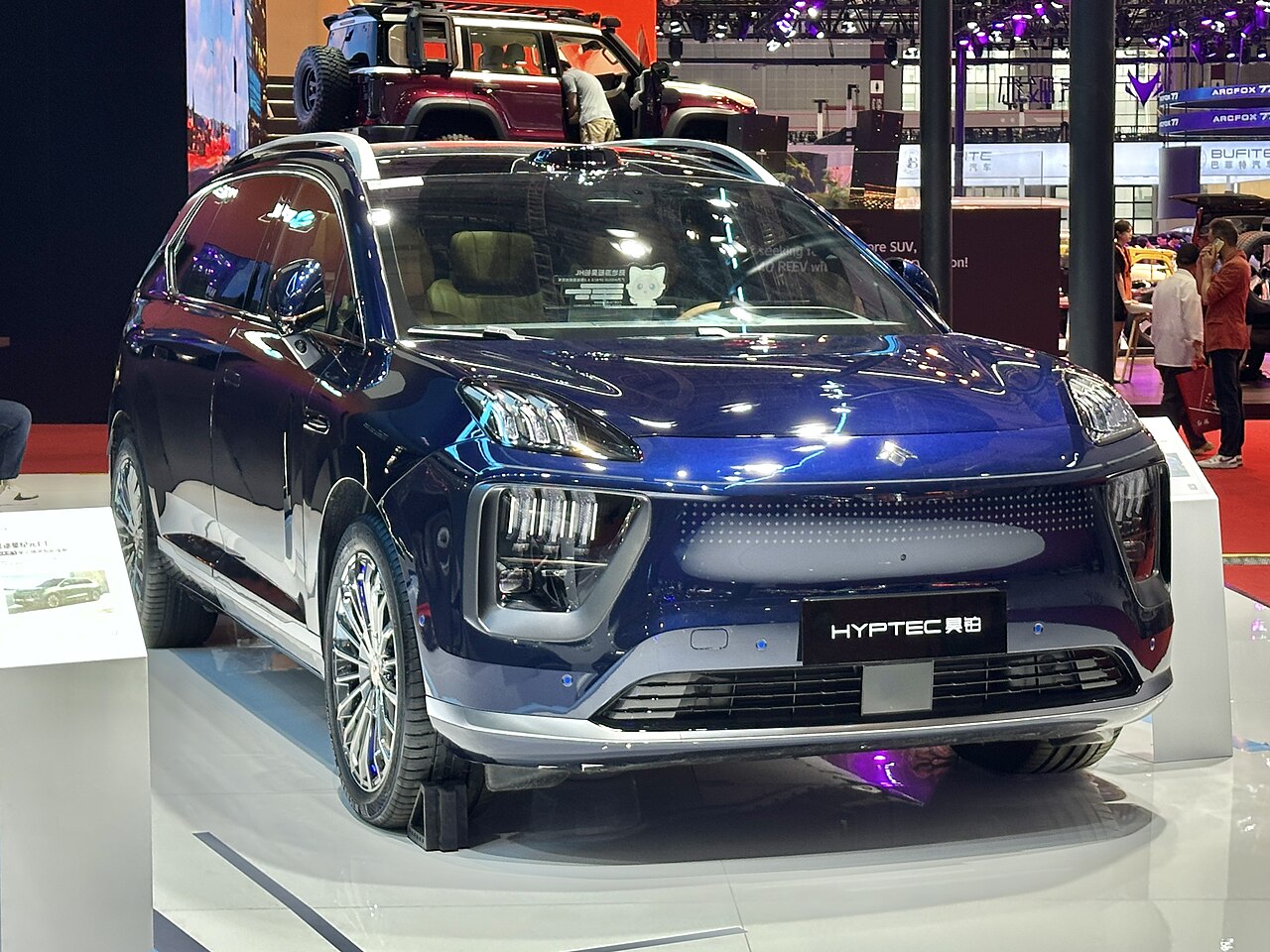
Its range-extender variant is rated for 1,200 km on a tank and charge, over three times the car's electric-only range.