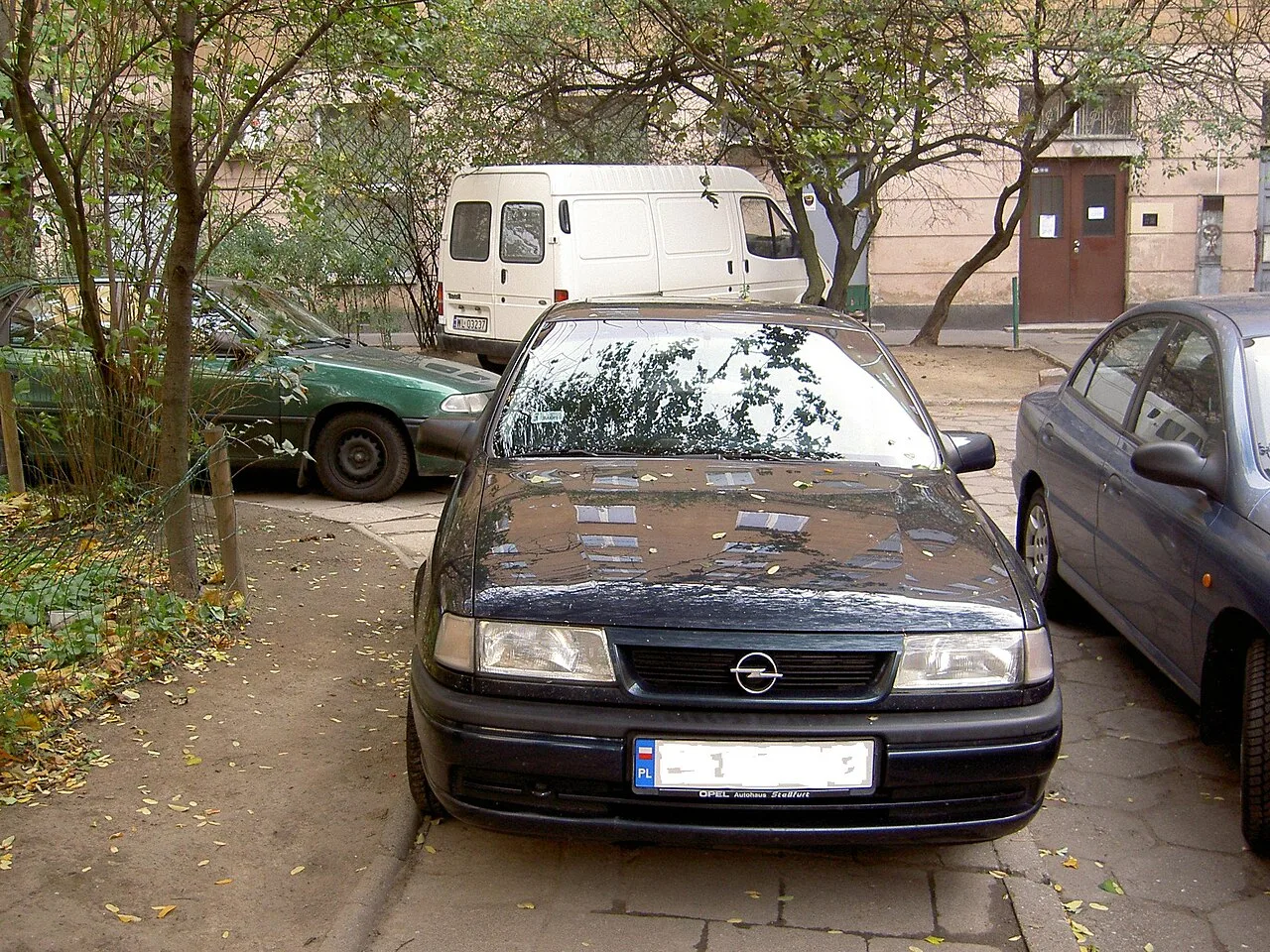
A Vectra A once led a Formula 1 grid — it served as the official safety car at the 1994 San Marino Grand Prix.
Lead trim: 1.4 14NV carburettor (75 PS) · up to 201 hp
Opel Vectra A1988–1995
- 0spots by members
- Unclaimednobody has spotted one yet
- 0sets it belongs to
Nobody in Burbles has spotted a Opel Vectra A yet. See one on the street, point the app at it, and the first card is yours — with your @handle permanently credited on this page.
FactA Vectra A once led a Formula 1 grid — it served as the official safety car at the 1994 San Marino Grand Prix.
Introduced in October 1988 for the 1989 model year as a four-door notchback saloon replacing the Ascona C, with a five-door hatchback in March 1989 and the Calibra coupé at the end of that year; Wayne Cherry designed it and Manfred Gotta coined the name. In the UK it kept the Vauxhall Cavalier name (effectively the third-generation Cavalier) until the Vectra B arrived in October 1995. It came with front-wheel drive, two four-wheel-drive versions from January 1989, and the sixteen-valve Vectra 2000 16V of September 1989 (150 PS, saloon only, with available 4WD). A September 1992 facelift brought new grilles and a structural upgrade, airbags followed in 1993, and a limited-edition 204 PS turbo 4x4 appeared in September 1992; a turbo 4x4 was the Formula One Safety Car at the 1994 San Marino Grand Prix. Suspension is MacPherson struts up front with a torsion-beam rear (an independent semi-trailing-arm rear on the 4x4, GSi and Turbo). Diesels were an Isuzu 1.7 4EE1 and Opel's 1.7 "low blow". In Japan it was, with the Omega, among the first Opels distributed by Isuzu from July 1989.
Collectors Spotted in the Opel Vectra Lineage
No member has published a public street spot of the Opel Vectra yet — the First · Worldwide stamp is wide open.
Trims & Figures
13 published trims in the catalogue. A blank is a figure not recorded, not zero.
| Trim | Years | Engine | Power | Torque | 0–60 | Drive | Gearbox | MSRP |
|---|---|---|---|---|---|---|---|---|
| 1.4 14NV carburettor (75 PS) | 1988–1995 | 1.4 L Inline-4 | 74 hp | 80 lb-ft | — | FWD | — | — |
| 1.6 16SV carburettor (82 PS) | 1988–1995 | 1.6 L Inline-4 | 80 hp | 96 lb-ft | — | FWD | — | — |
| 1.6 C16NZ single-point injection (75 PS) | 1988–1995 | 1.6 L Inline-4 | 74 hp | 94 lb-ft | — | FWD | — | — |
| 1.7 17DR diesel (60 PS) | 1988–1995 | 1.7 L Inline-4 | 59 hp | 77 lb-ft | — | FWD | — | — |
| 1.7 TC4EE1 Isuzu turbodiesel (82 PS) | 1988–1995 | 1.7 L Inline-4 | 80 hp | 124 lb-ft | — | FWD | — | — |
| 1.8 C18NZ single-point injection (90 PS) | 1988–1995 | 1.8 L Inline-4 | 89 hp | 107 lb-ft | — | FWD | — | — |
| 2.0 20SEH (129 PS) | 1988–1995 | 2.0 L Inline-4 | 127 hp | 133 lb-ft | — | FWD | — | — |
| 2.0 C20LET turbo 4x4 (204 PS) | 1992–1995 | 2.0 L Inline-4 | 201 hp | 207 lb-ft | — | AWD | — | — |
| 2.0 C20NE multi-point injection (116 PS) | 1988–1995 | 2.0 L Inline-4 | 114 hp | 125 lb-ft | — | FWD | — | — |
| 2.0 C20XE 16V (150 PS) | 1989–1995 | 2.0 L Inline-4 | 148 hp | 145 lb-ft | — | FWD | — | — |
| 2.0 X20XEV Ecotec 16V (136 PS) | 1988–1995 | 2.0 L Inline-4 | 134 hp | 136 lb-ft | — | FWD | — | — |
| 2.2 C22NE (140 PS, Brazil) | 1988–1995 | 2.2 L Inline-4 | 138 hp | 153 lb-ft | — | FWD | — | — |
| 2.5 C25XE V6 (170 PS) | 1988–1995 | 2.5 L V6 | 168 hp | 167 lb-ft | — | FWD | — | — |
Owning one
We don’t estimate running costs for a car like this. What it costs depends on its condition, its specialist and how it is driven, and an average would mislead.
Owners’ builds
Nobody has claimed one yet.
Photographs
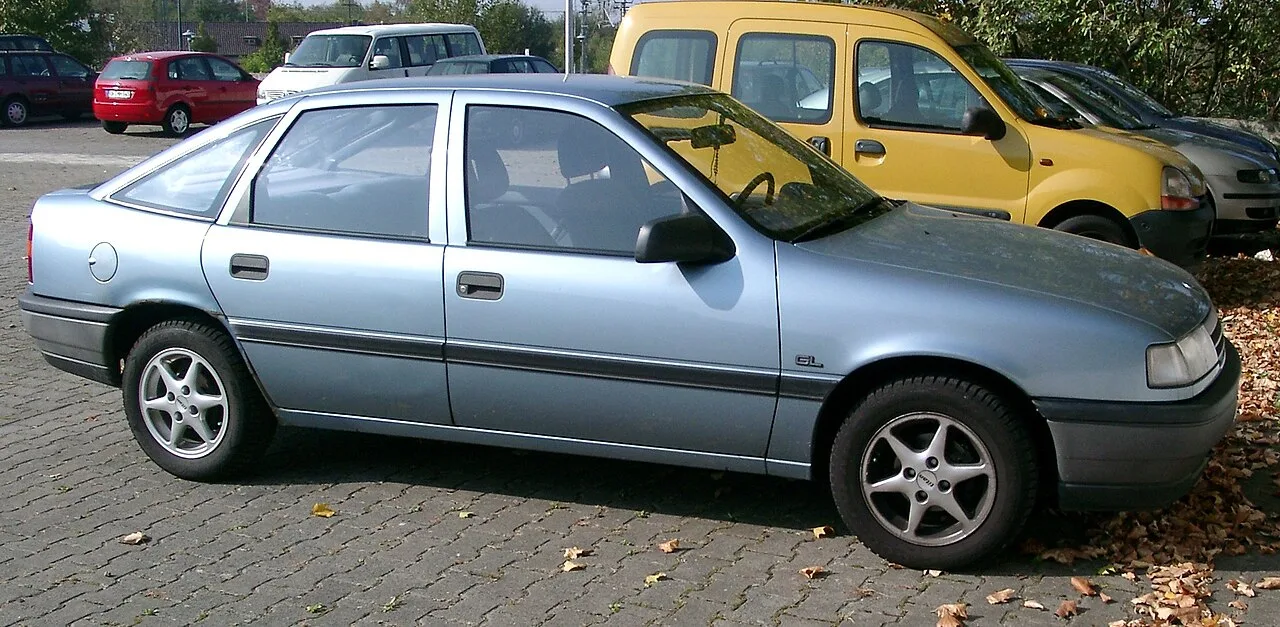
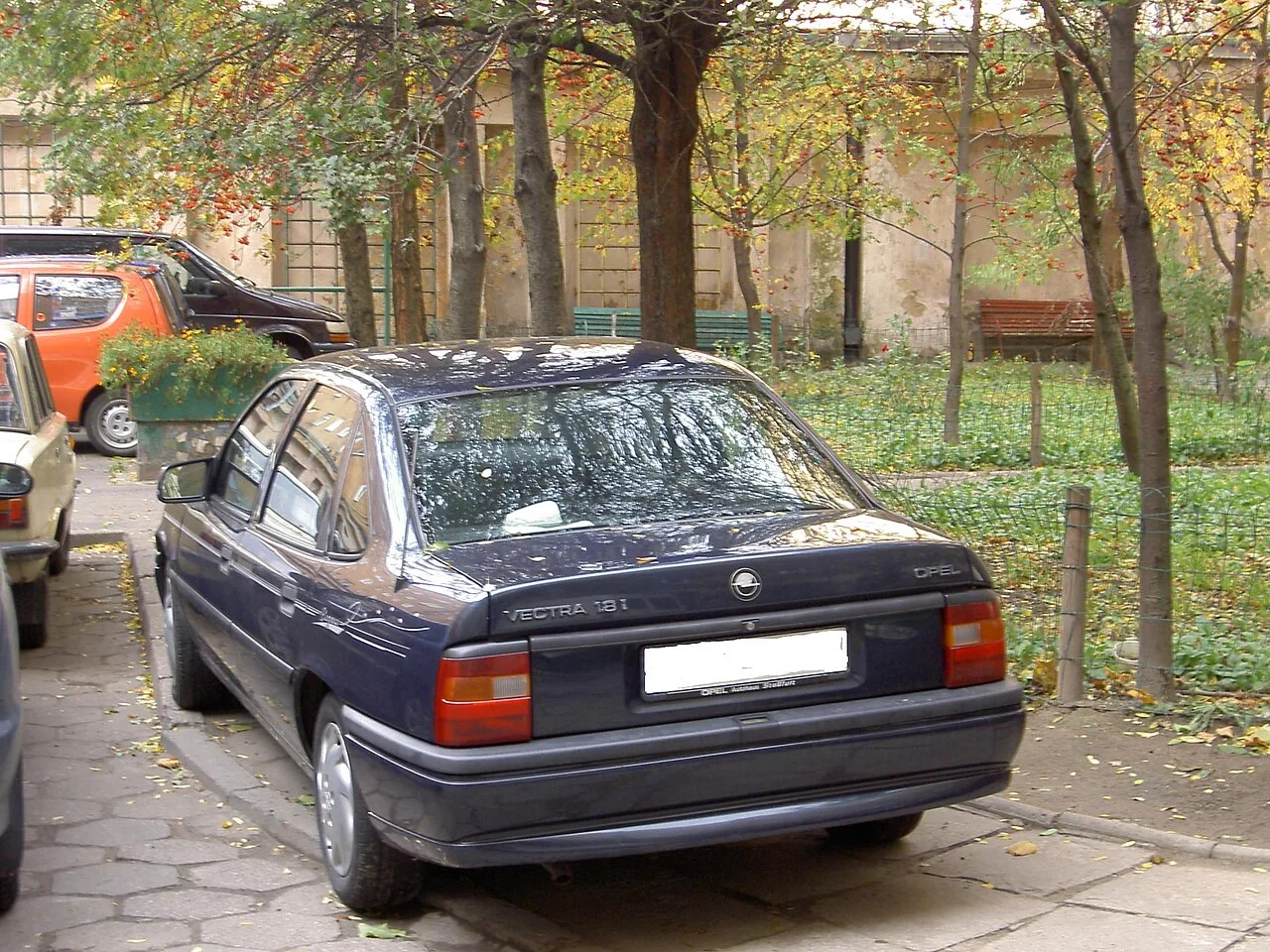
Holden stockpiled so many pre-facelift Vectra Cs for Australia and New Zealand that dealers were still selling them new in 2007 — the facelifted version never officially reached those markets.
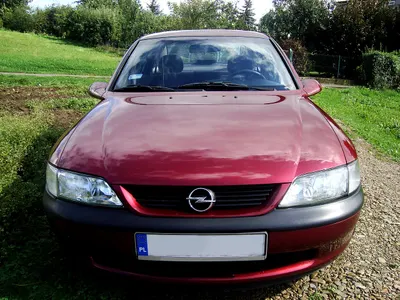
The Vectra B was the last car ever built at Vauxhall's historic Luton plant before the site stopped making cars for good.
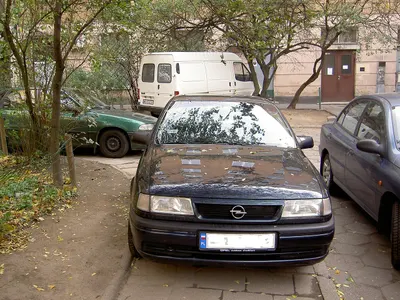
A Vectra A once led a Formula 1 grid — it served as the official safety car at the 1994 San Marino Grand Prix.
Rivals
Same body, same money, other badges — tap any card to flip.

It briefly served as senior sibling to Marquette, a GM companion brand cancelled after just one year.

Nissan hired former BMW engineers to help develop the 510's suspension, which is why period reviewers frequently compared its handling to the BMW 1600/2002.

A Trabant 601 won its class at the 1970 Monte Carlo Rally, with a second 601 right behind it in second.

The 600 was a stopgap: the P50's body over the 601's mechanicals, and for a while its estate was built alongside the new 601 saloon.

The G80 Sport brought a 370 PS twin-turbo 3.3 V6, a mesh grille and copper-tinted chrome with copper stitching to match.

The Vigor was sold only with a five-cylinder engine, an unusual configuration Honda used to fit a longer engine transversely under a short hood.

The GS/E coupe earned the nickname "German Charger" for its long hood, short deck stance borrowed from Detroit muscle cars.

This DeVille/Fleetwood was the first production car anywhere to mount its V8 sideways, Cadillac's front-drive gamble on the new C-body.