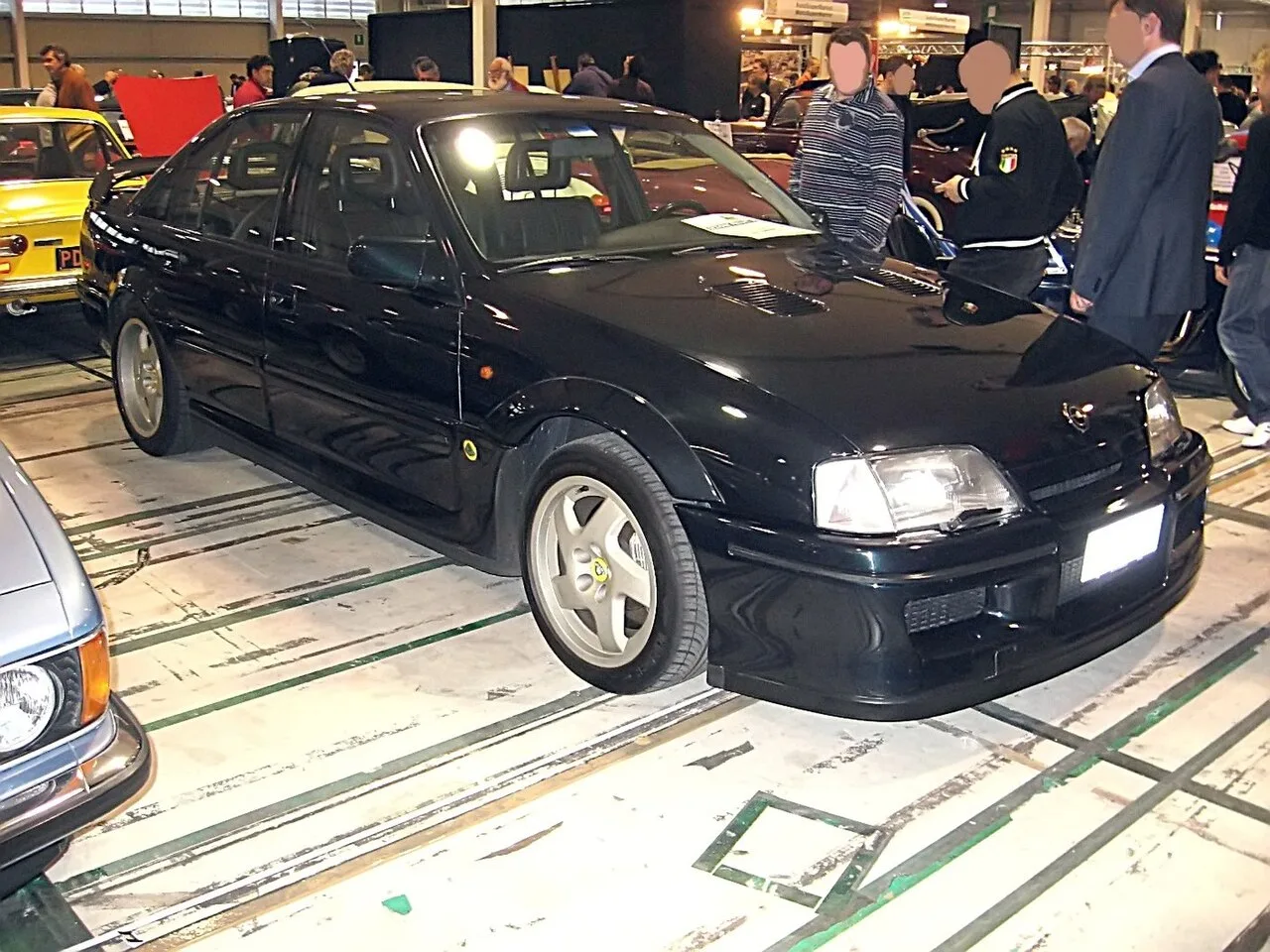
Opel chased the 1980s fuel crisis hard with the original Omega, sculpting a drag coefficient of just 0.28 — exceptional for a big executive sedan of its day.
Lead trim: 1.8i 18SEH (115 PS) · up to 227 hp
Opel Omega AA · 1986–1994
- 0spots by members
- Unclaimednobody has spotted one yet
- 0sets it belongs to
Nobody in Burbles has spotted a Opel Omega A yet. See one on the street, point the app at it, and the first card is yours — with your @handle permanently credited on this page.
FactOpel chased the 1980s fuel crisis hard with the original Omega, sculpting a drag coefficient of just 0.28 — exceptional for a big executive sedan of its day.
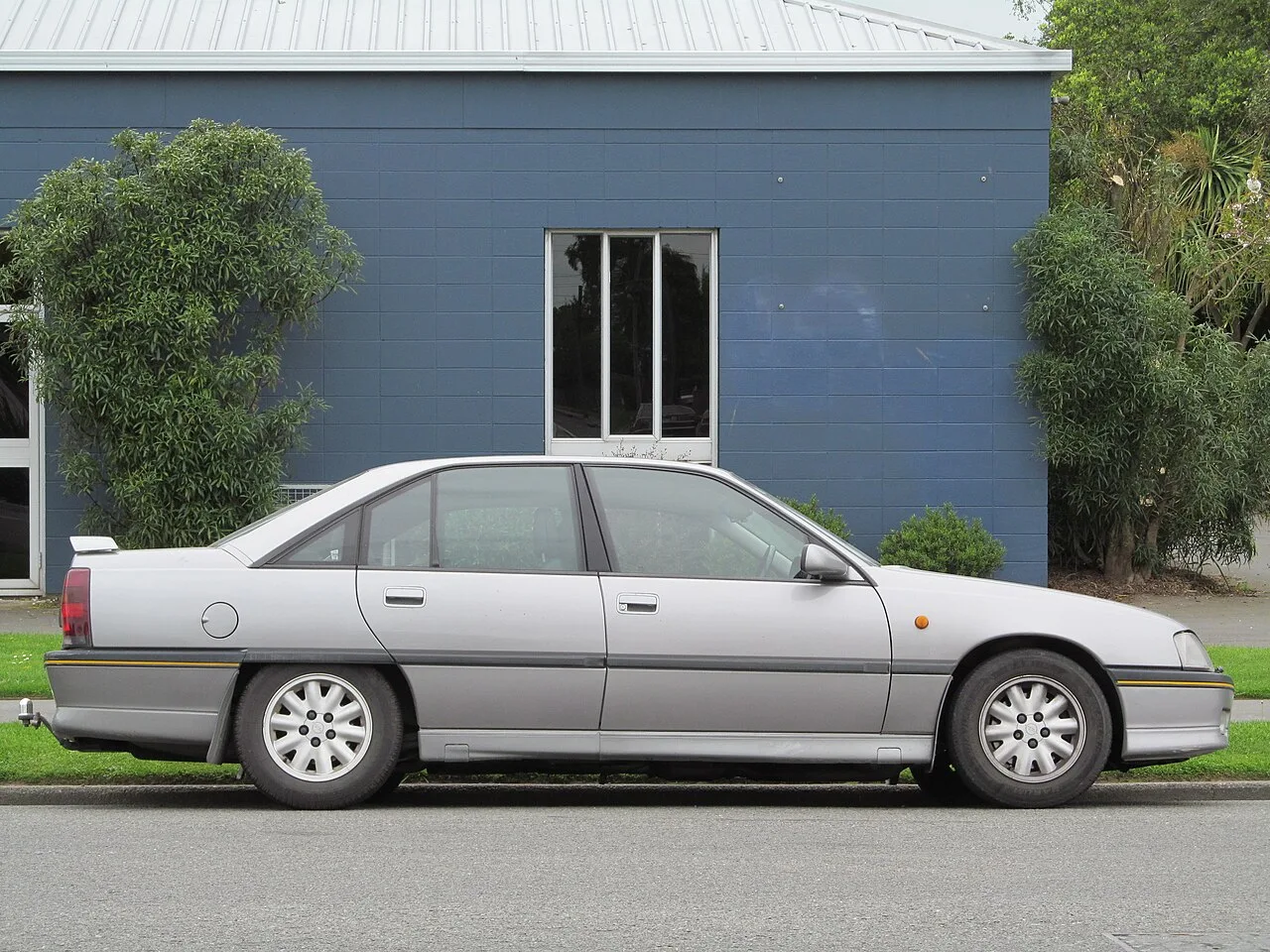
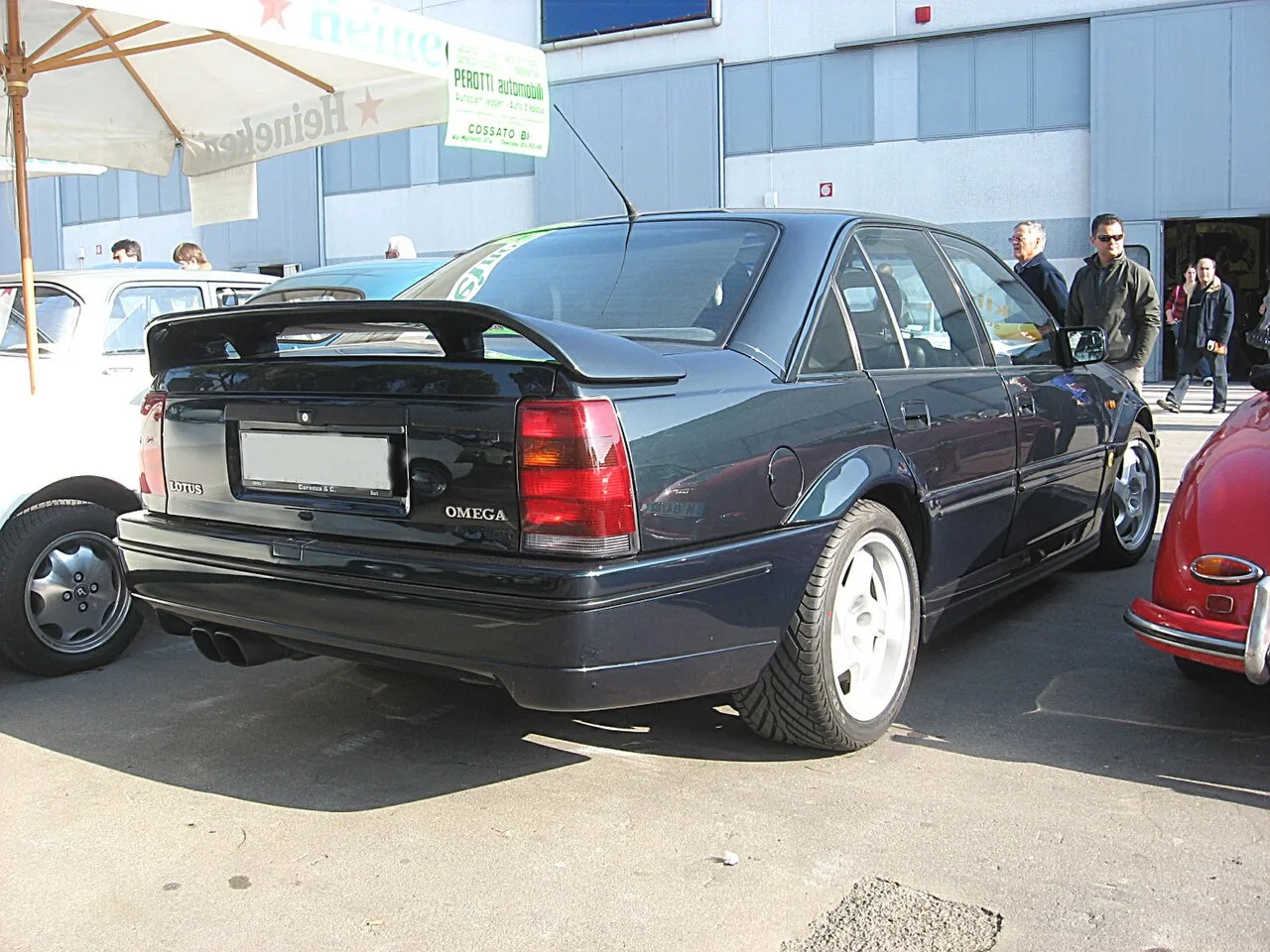
Went into production in September 1986 (sales from November) to replace the last Opel Rekord, as a saloon or the Caravan estate, and was voted European Car of the Year for 1987 ahead of the new Audi 80 and BMW 7 Series. It had a drag coefficient of 0.28 (0.32 for the Caravan) and the development programme cost 2.5 billion Deutschmarks. Technology new to Opel included electronic engine management, ABS, an on-board computer, a self-diagnosis system, an LCD instrument cluster (CD version from 1987, dropped in 1991) and individual heated rear seats. The UK sold it as the Vauxhall Carlton, Japan got it from July 1989 through Isuzu, and Brazil built it as the Chevrolet Omega. The engines were longitudinal and rear-drive, from 1.8 and 2.0 four-cylinders to 2.6 and 3.0 sixes, with a 2.3 diesel and turbodiesel. The 1991 model year brought a facelift, the Omega Diamant package started in 1988, and the sporty Omega 3000 came with a 3.0-litre six, lowered suspension and a limited-slip differential. The limited 500-car Evolution 500, with Irmscher, was built for the DTM; the Lotus Omega is catalogued as the Lotus Carlton.
Collectors Spotted in the Opel Omega Lineage
No member has published a public street spot of the Opel Omega yet — the First · Worldwide stamp is wide open.
Trims & Figures
9 published trims in the catalogue. A blank is a figure not recorded, not zero.
| Trim | Years | Engine | Power | Torque | 0–60 | Drive | Gearbox | MSRP |
|---|---|---|---|---|---|---|---|---|
| 1.8i 18SEH (115 PS) | 1986–1992 | 1.8 L Inline-4 | 113 hp | 118 lb-ft | — | RWD | — | — |
| 2.0i C20NE (115 PS) | 1986–1993 | 2.0 L Inline-4 | 113 hp | 125 lb-ft | — | RWD | — | — |
| 2.3 diesel 23YD (73 PS) | 1986–1993 | 2.3 L Inline-4 | 72 hp | 102 lb-ft | — | RWD | — | — |
| 2.3 turbodiesel 23DTR (101 PS) | 1988–1993 | 2.3 L Inline-4 | 100 hp | 161 lb-ft | — | RWD | — | — |
| 2.4i C24NE (125 PS) | 1988–1993 | 2.4 L Inline-4 | 123 hp | 144 lb-ft | — | RWD | — | — |
| 2.6i 12V C26NE (150 PS) | 1990–1993 | 2.6 L Inline-6 | 148 hp | 162 lb-ft | — | RWD | — | — |
| 3.0i 12V C30NE Omega 3000 (177 PS) | 1987–1993 | 3.0 L Inline-6 | 175 hp | 177 lb-ft | — | RWD | — | — |
| 3.0i 24V C30SE Omega 3000 (204 PS) | 1989–1993 | 3.0 L Inline-6 | 201 hp | 199 lb-ft | — | RWD | — | — |
| 3.0i 24V C30XEI Evolution 500 (230 PS) | 1991–1993 | 3.0 L Inline-6 | 227 hp | 207 lb-ft | — | RWD | — | — |
Owning one
We don’t estimate running costs for a car like this. What it costs depends on its condition, its specialist and how it is driven, and an average would mislead.
Owners’ builds
Nobody has claimed one yet.
Photographs
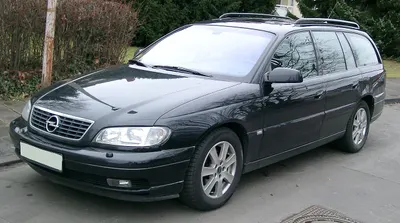
Opel's Omega B didn't just influence the Holden Commodore — its platform literally became the structural basis for Australia's VT-generation Commodore, built through 2006.
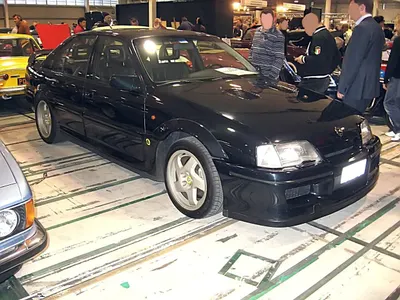
Opel chased the 1980s fuel crisis hard with the original Omega, sculpting a drag coefficient of just 0.28 — exceptional for a big executive sedan of its day.
Rivals
Same body, same money, other badges — tap any card to flip.

It briefly served as senior sibling to Marquette, a GM companion brand cancelled after just one year.

Nissan hired former BMW engineers to help develop the 510's suspension, which is why period reviewers frequently compared its handling to the BMW 1600/2002.

A Trabant 601 won its class at the 1970 Monte Carlo Rally, with a second 601 right behind it in second.

The 600 was a stopgap: the P50's body over the 601's mechanicals, and for a while its estate was built alongside the new 601 saloon.

The G80 Sport brought a 370 PS twin-turbo 3.3 V6, a mesh grille and copper-tinted chrome with copper stitching to match.

The Vigor was sold only with a five-cylinder engine, an unusual configuration Honda used to fit a longer engine transversely under a short hood.

The GS/E coupe earned the nickname "German Charger" for its long hood, short deck stance borrowed from Detroit muscle cars.

This DeVille/Fleetwood was the first production car anywhere to mount its V8 sideways, Cadillac's front-drive gamble on the new C-body.